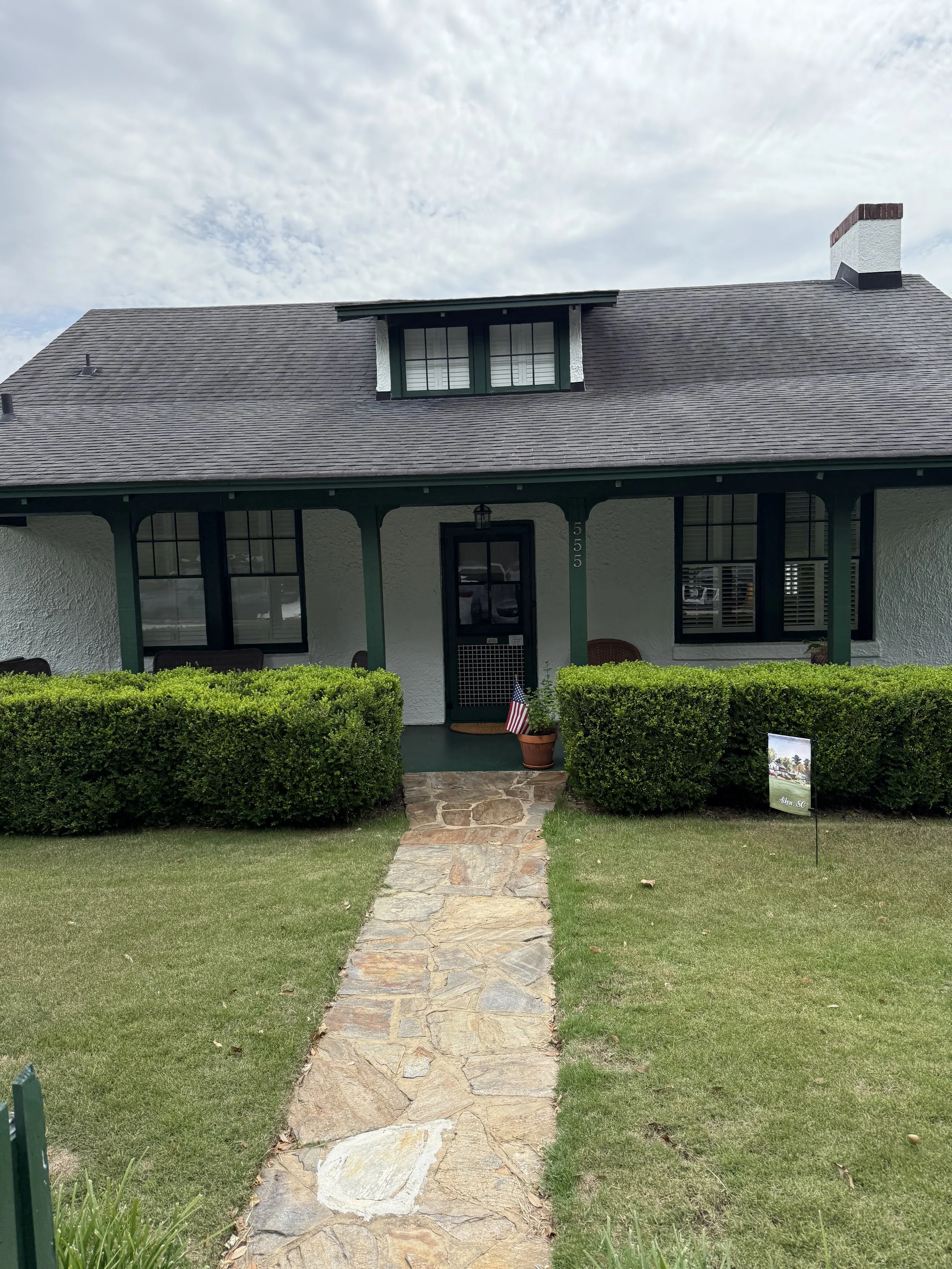
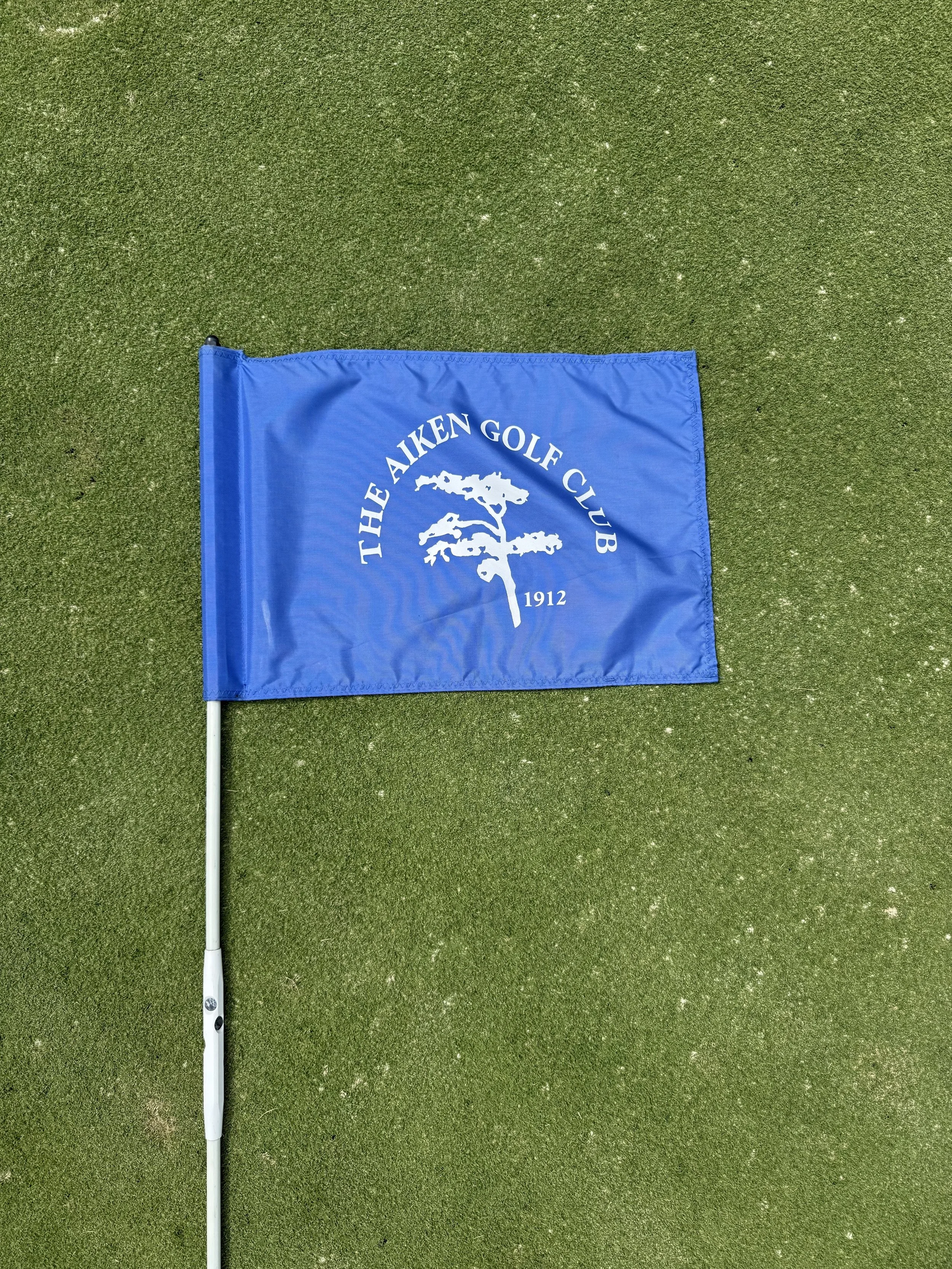
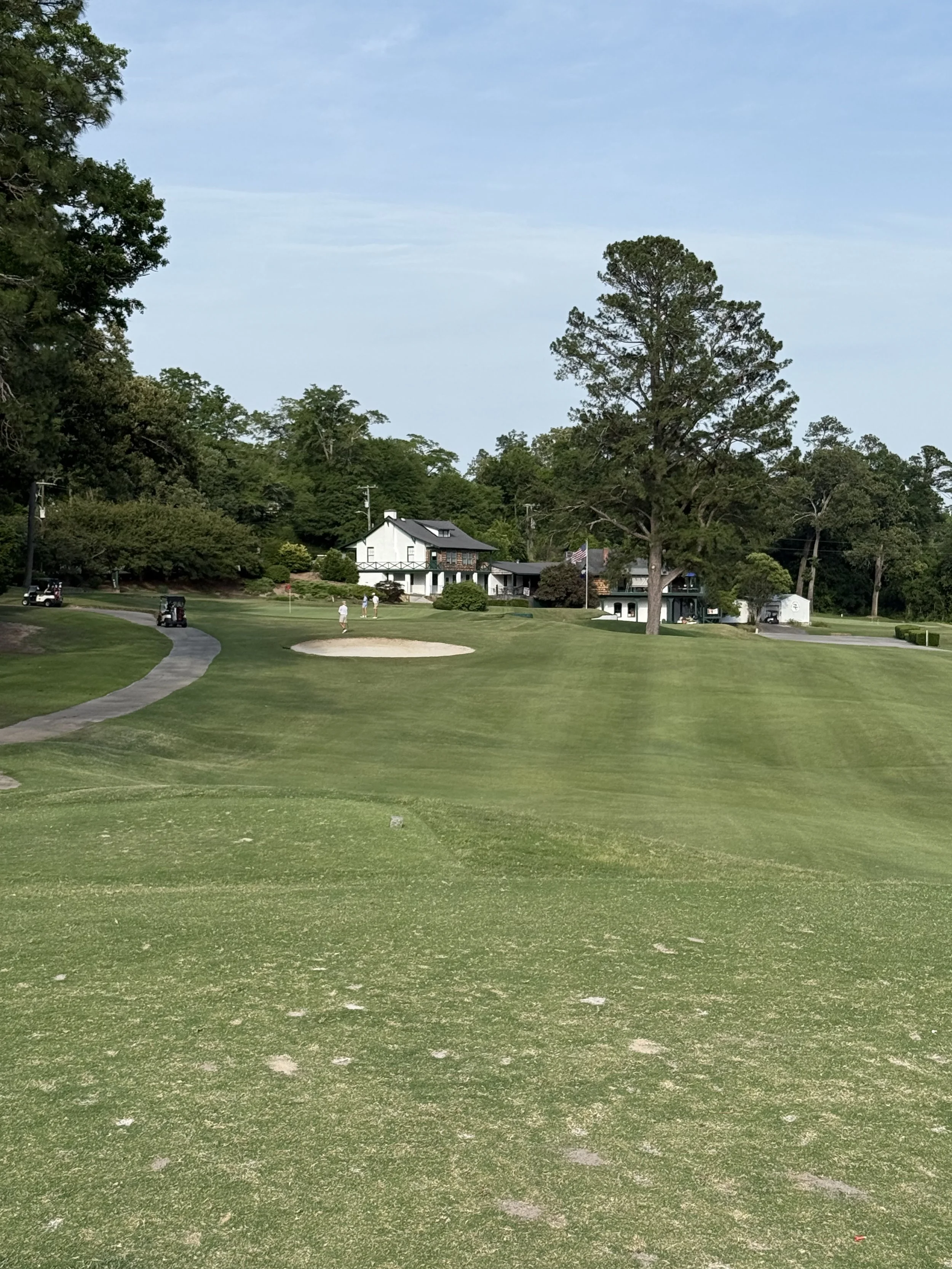
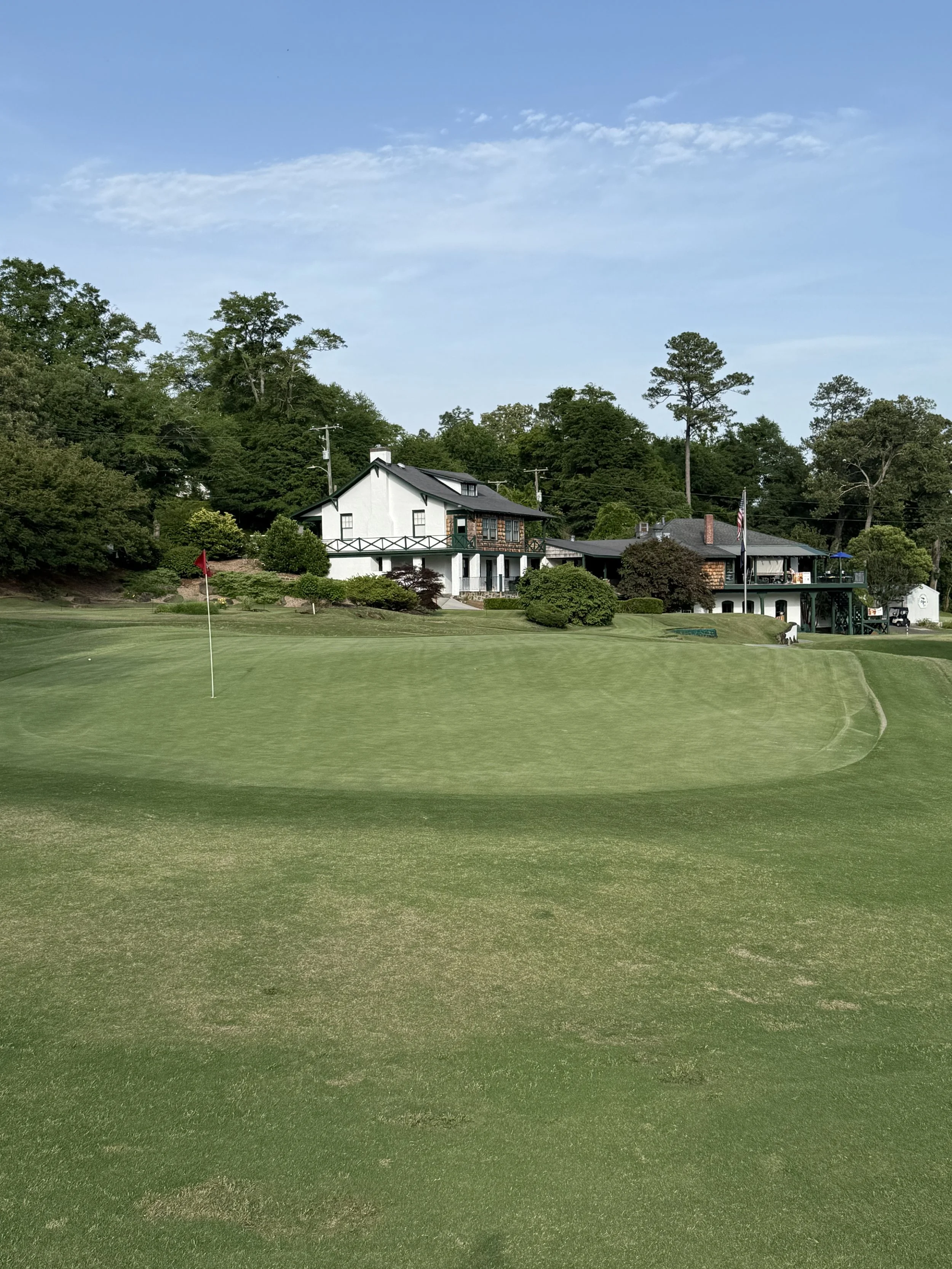
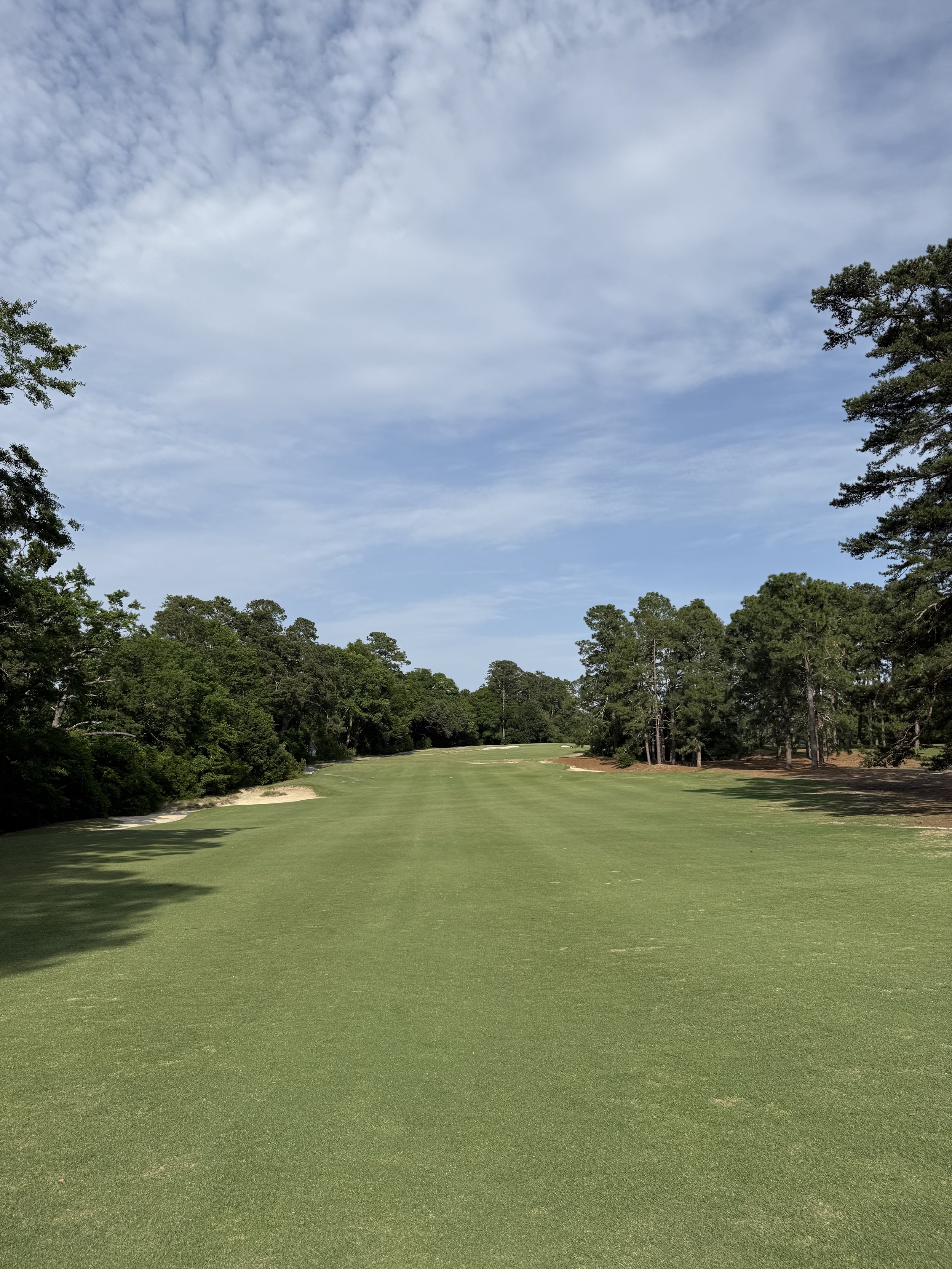
Aiken Golf Club - Aiken, SC
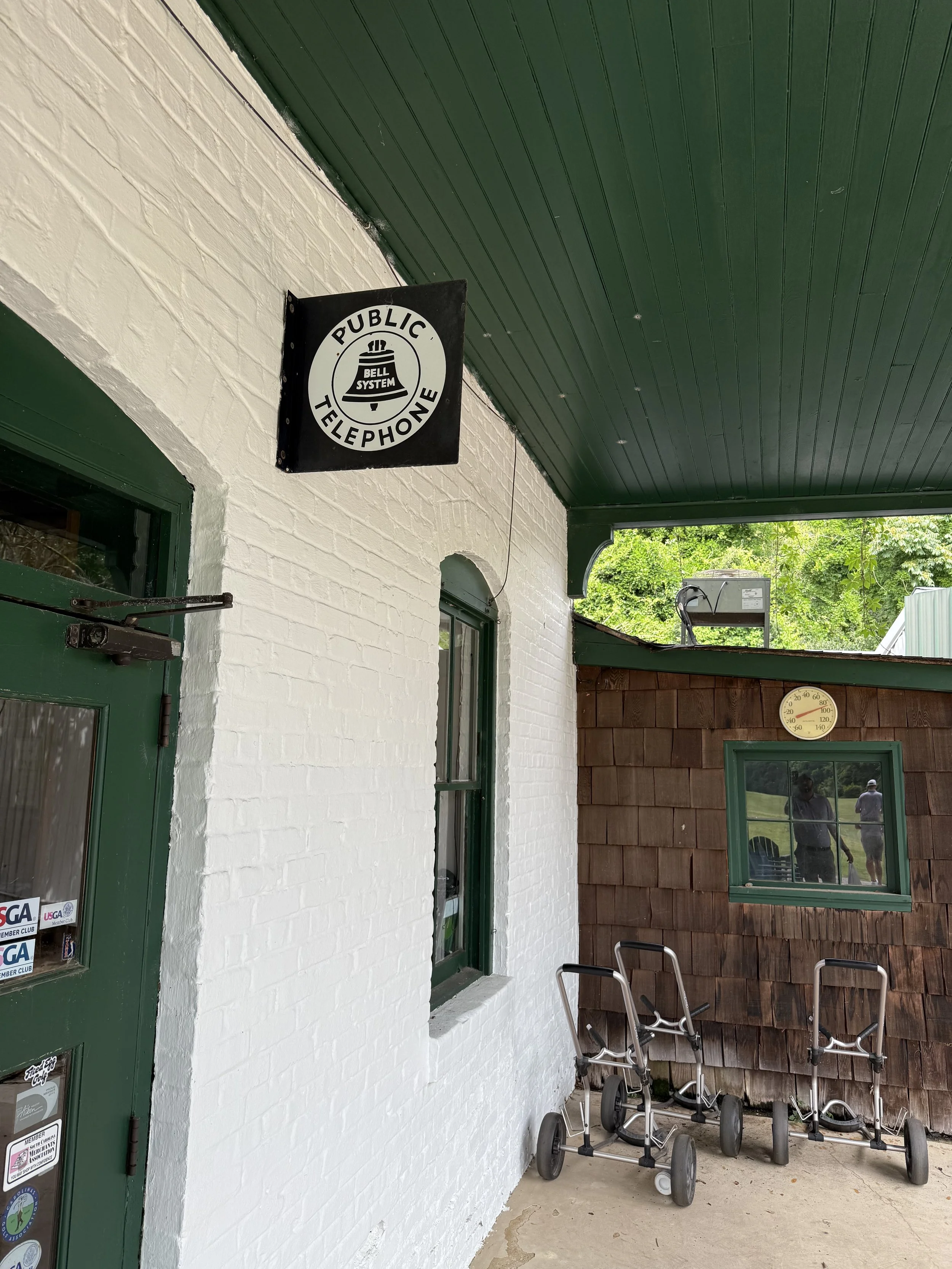
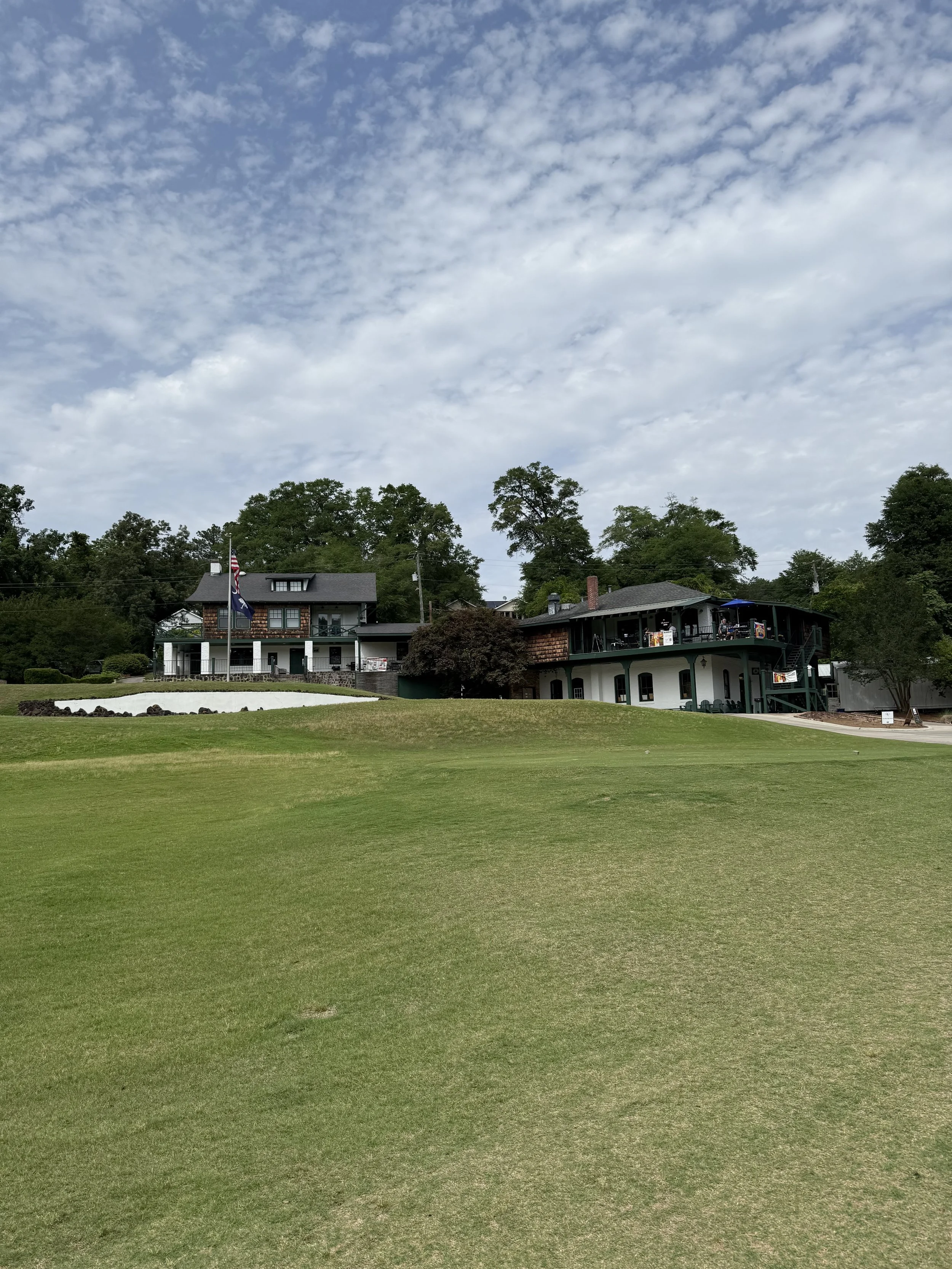
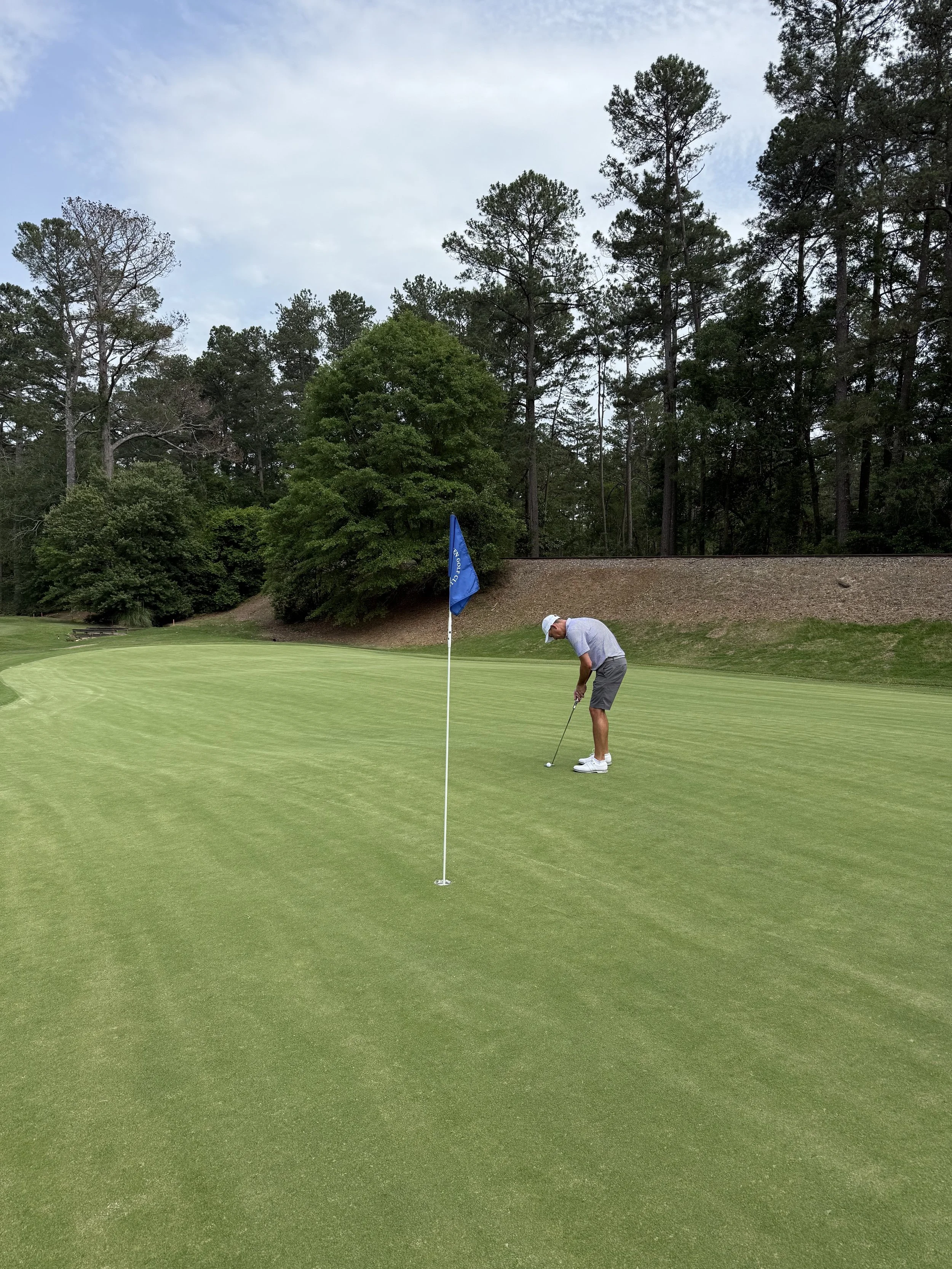
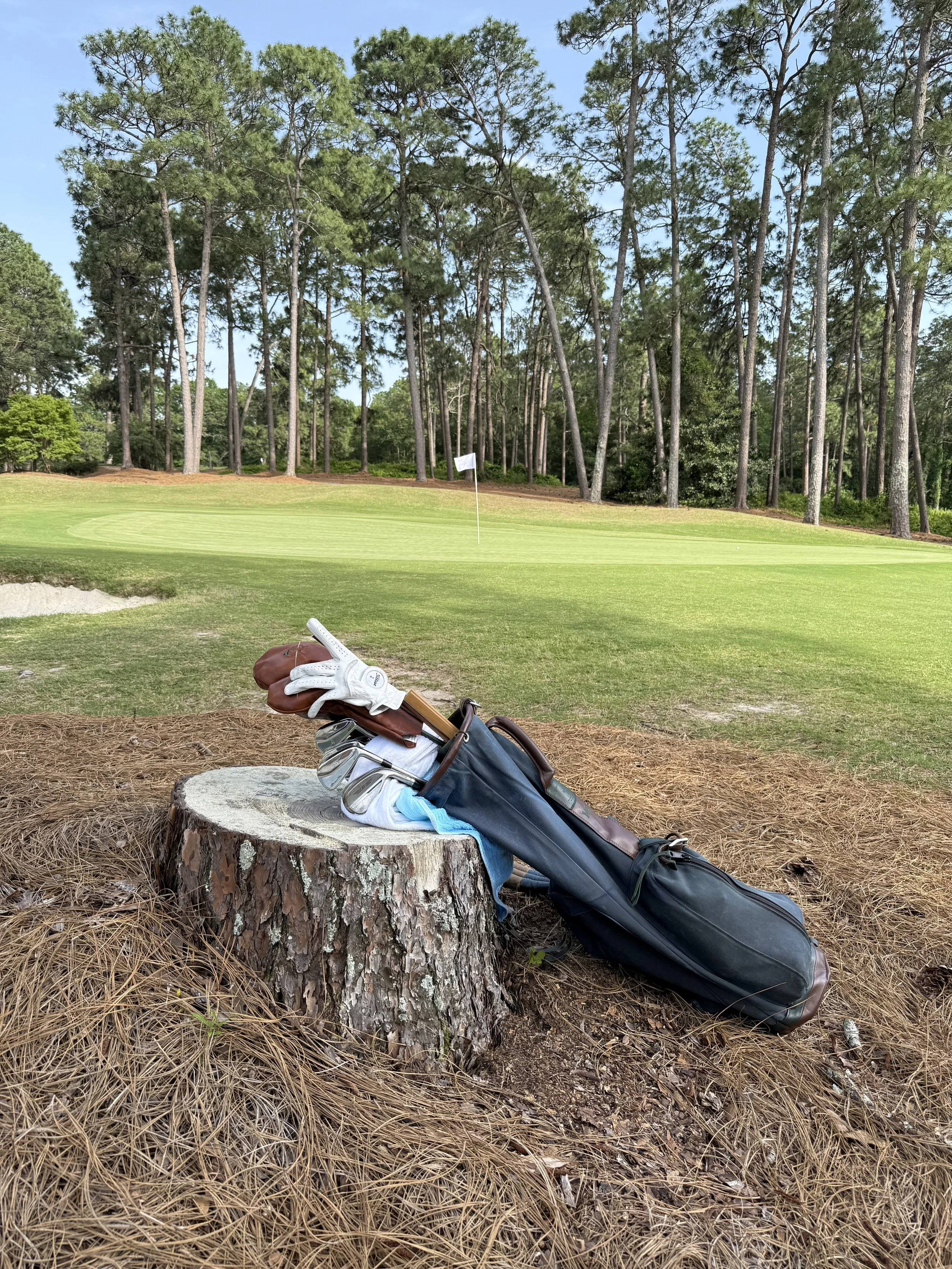
As part of the trip from Charleston to play Old Barnwell, I made a stop in downtown Aiken to play one of South Carolina’s most storied courses, The Aiken Golf Club. I teed it up alongside one of my brother in laws, Kyle Haver, on a sweltering May afternoon, the kind of Carolina heat that hangs in the air and lingers on every step.
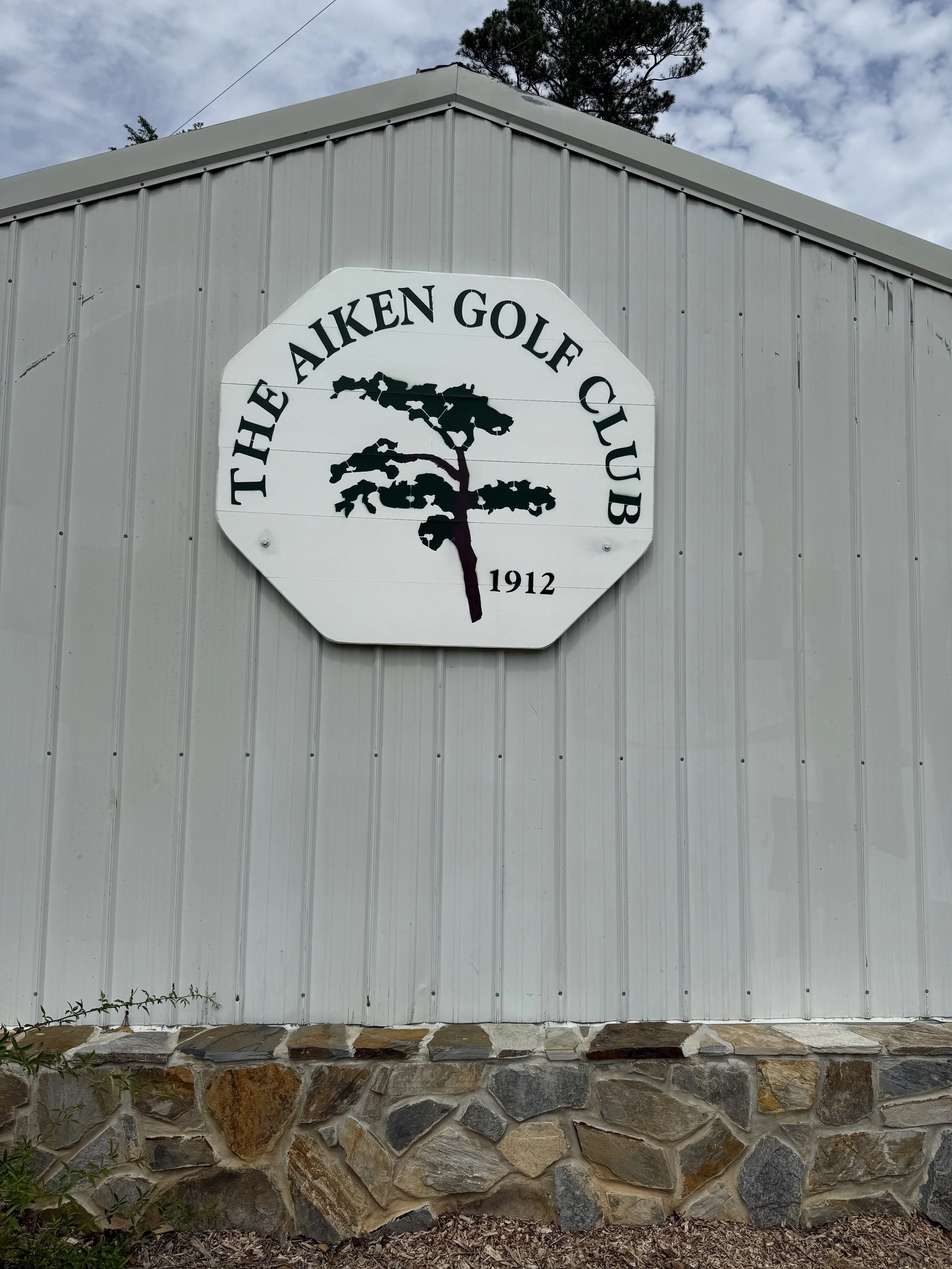
The story of Aiken Golf Club stretches back more than a century, to a time when the town was becoming a retreat for wealthy Northeasterners escaping cold winters. The South Carolina Canal and Railroad Company first put Aiken on the map, turning it into a stopover for travelers and sportsmen drawn to the mild climate and sandy soil. In 1912, the Highland Park Hotel Course opened as a 9-hole layout for hotel guests and was one of the first public courses in the South, and a key piece of Aiken’s identity as part of the “Winter Colony.”
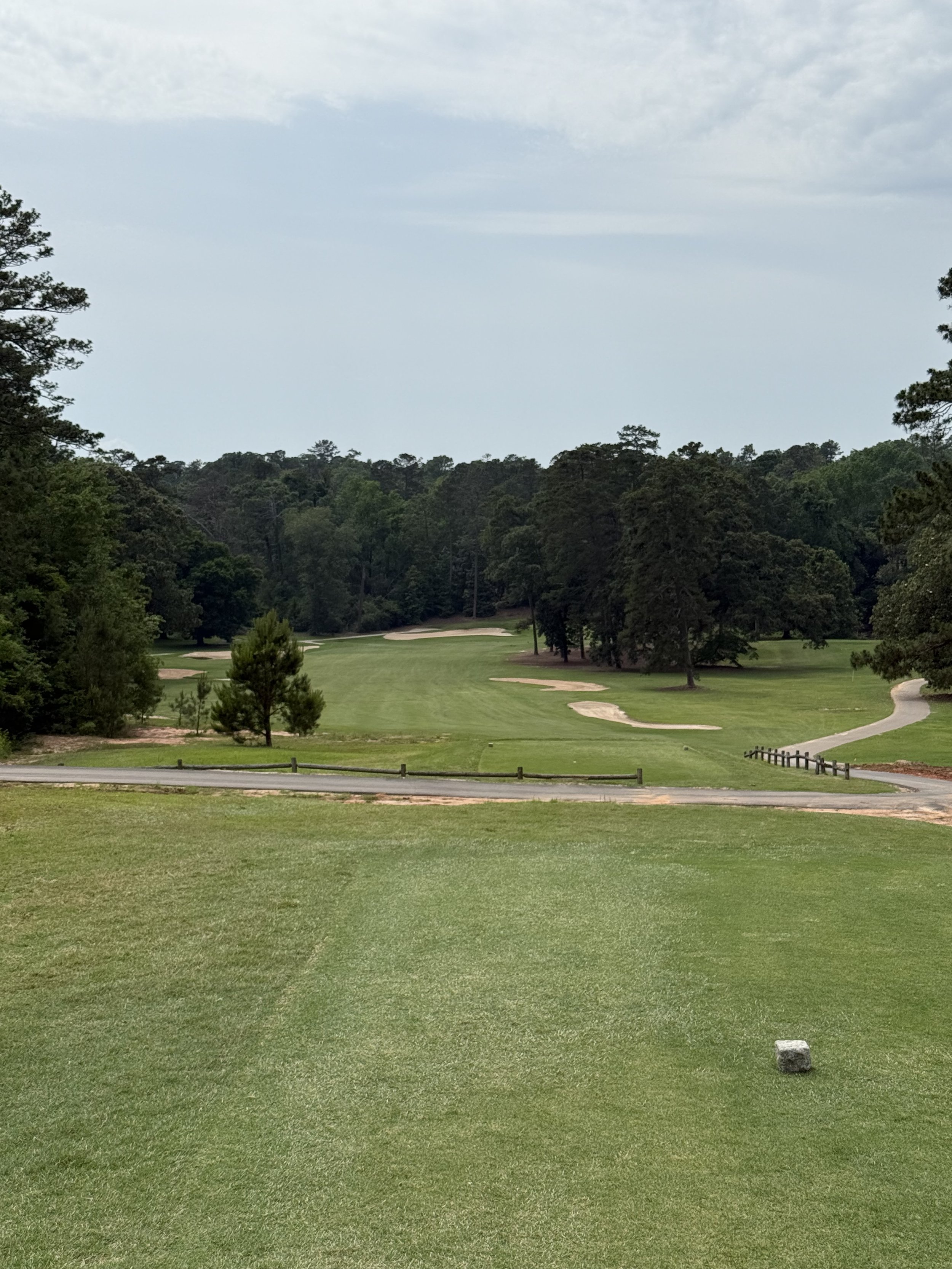
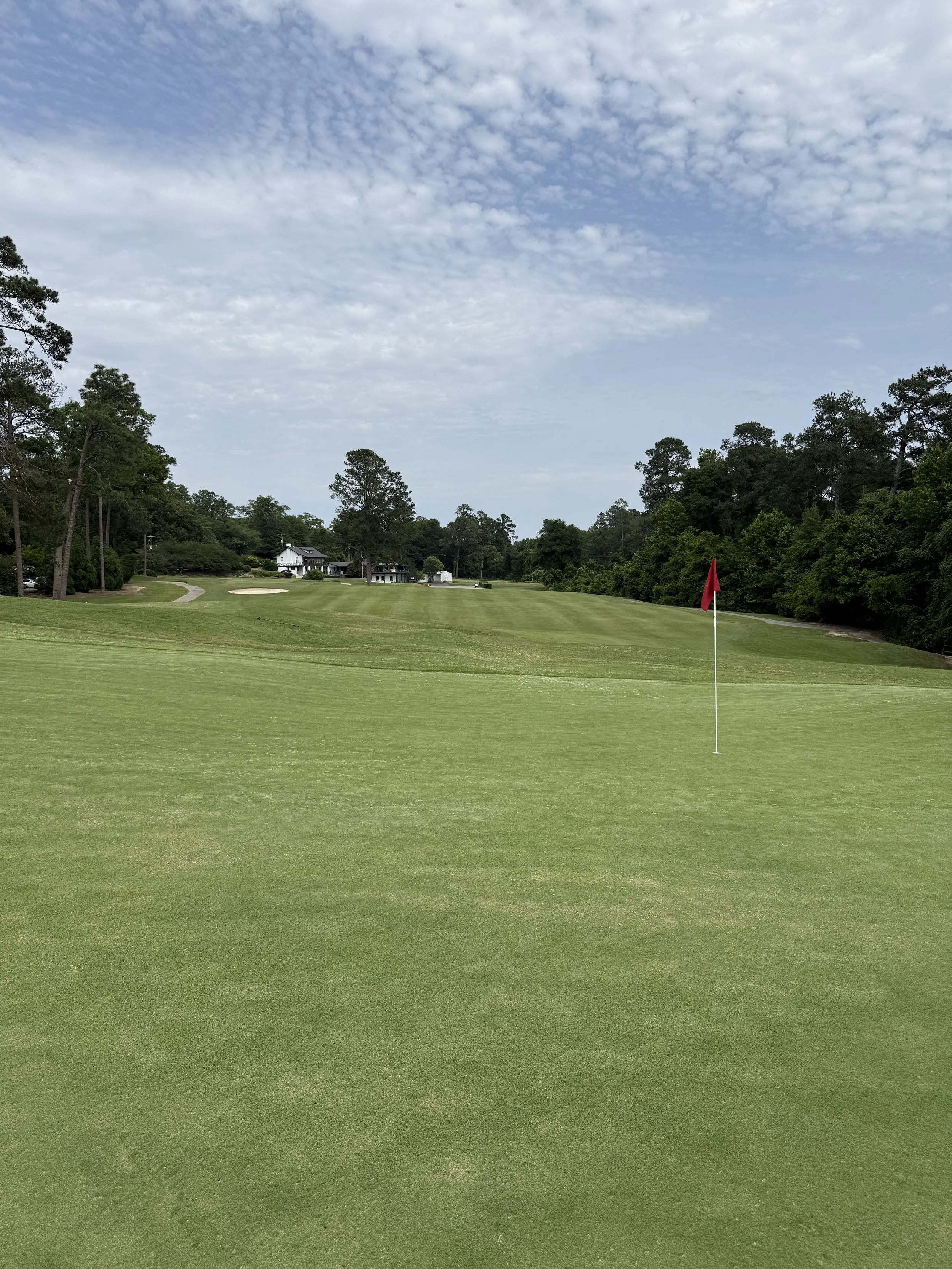
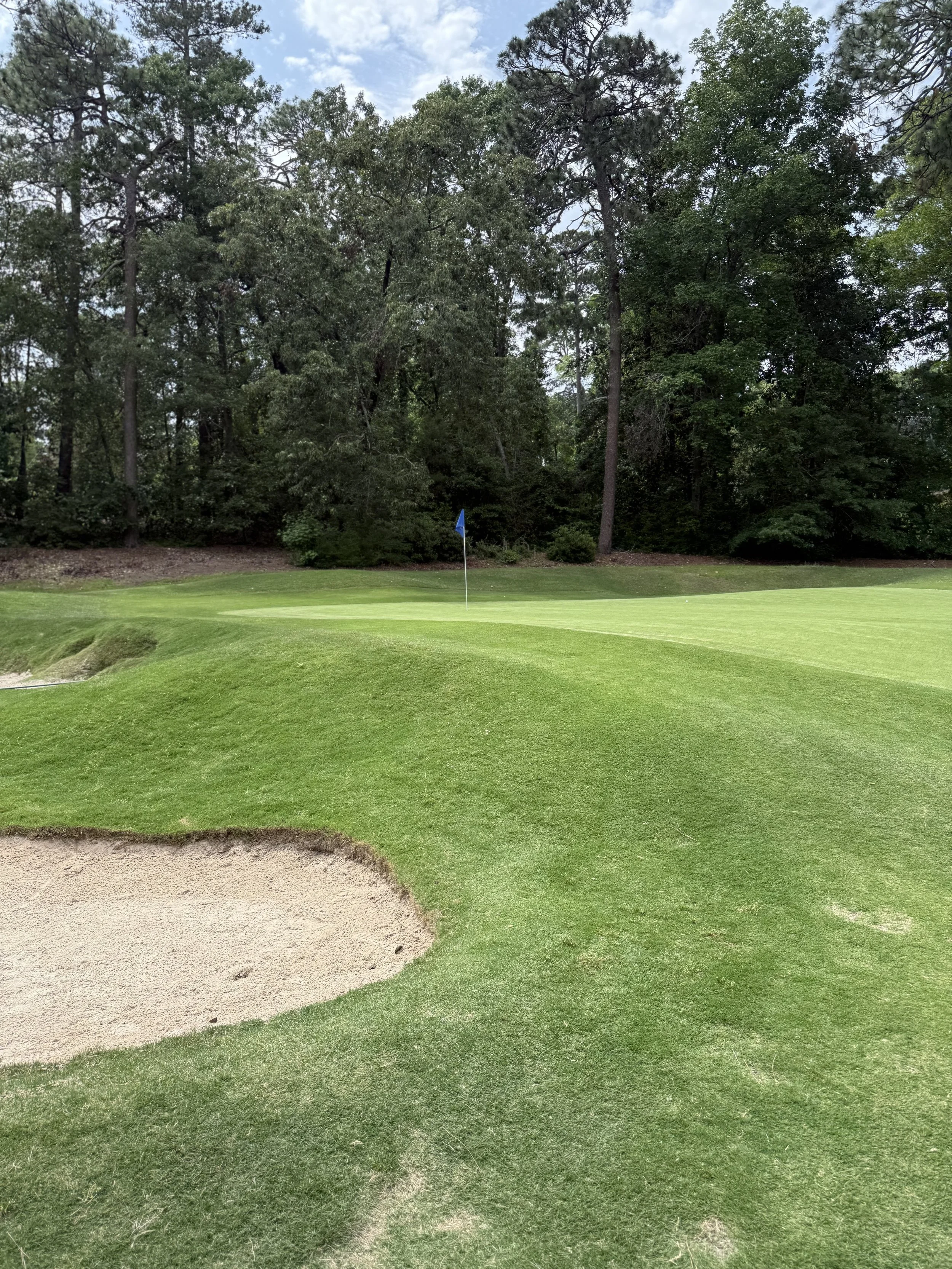
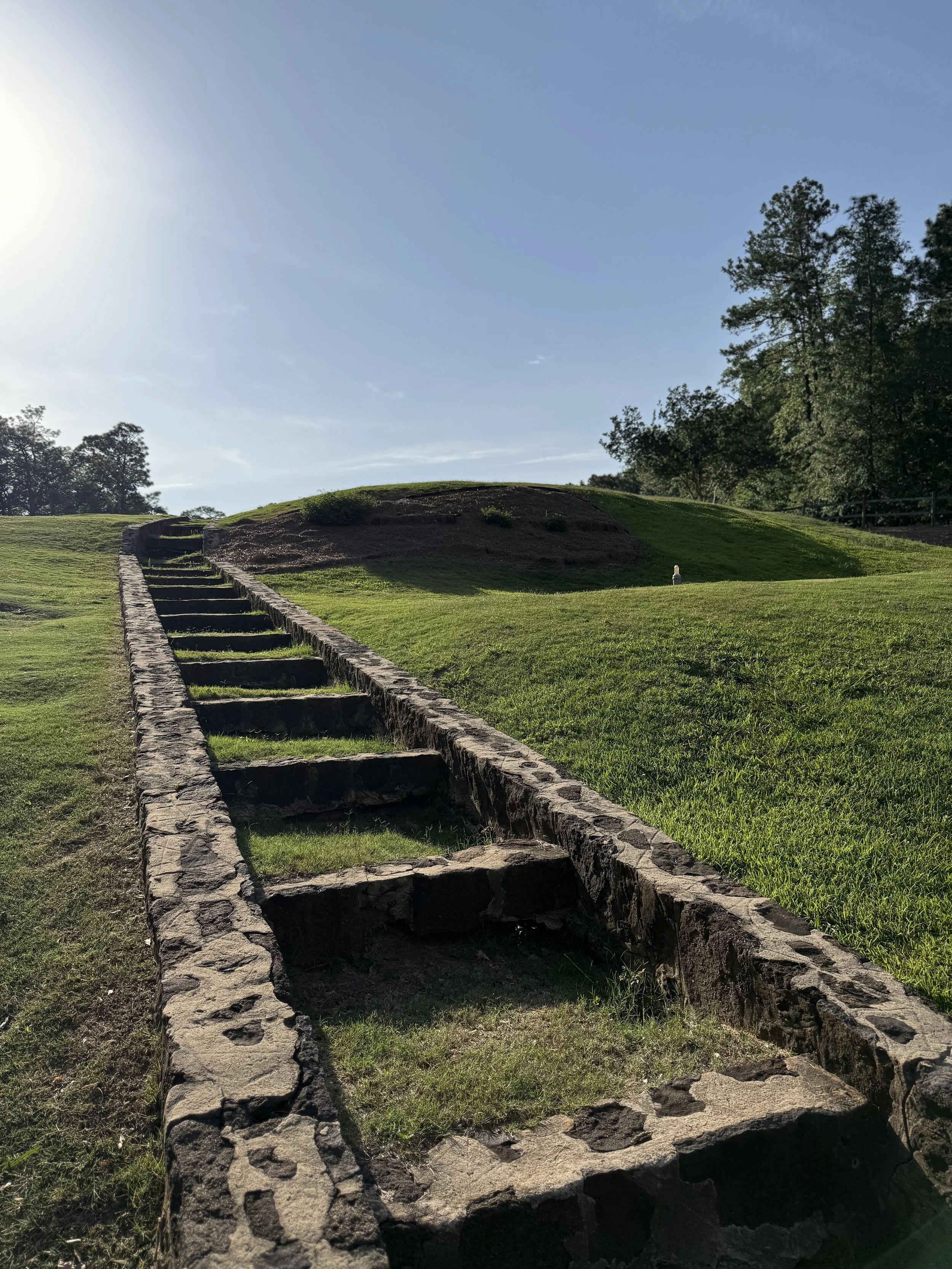
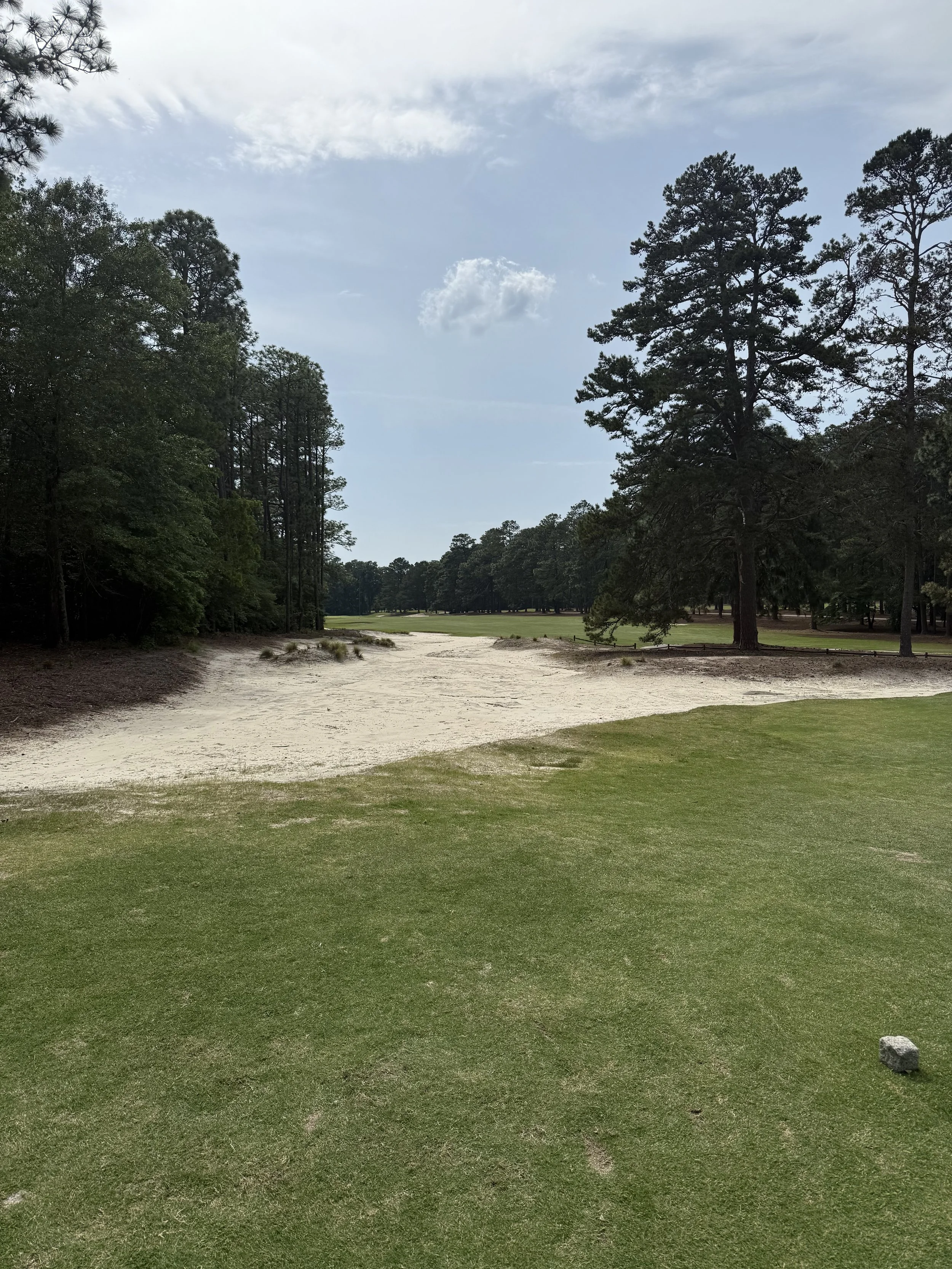
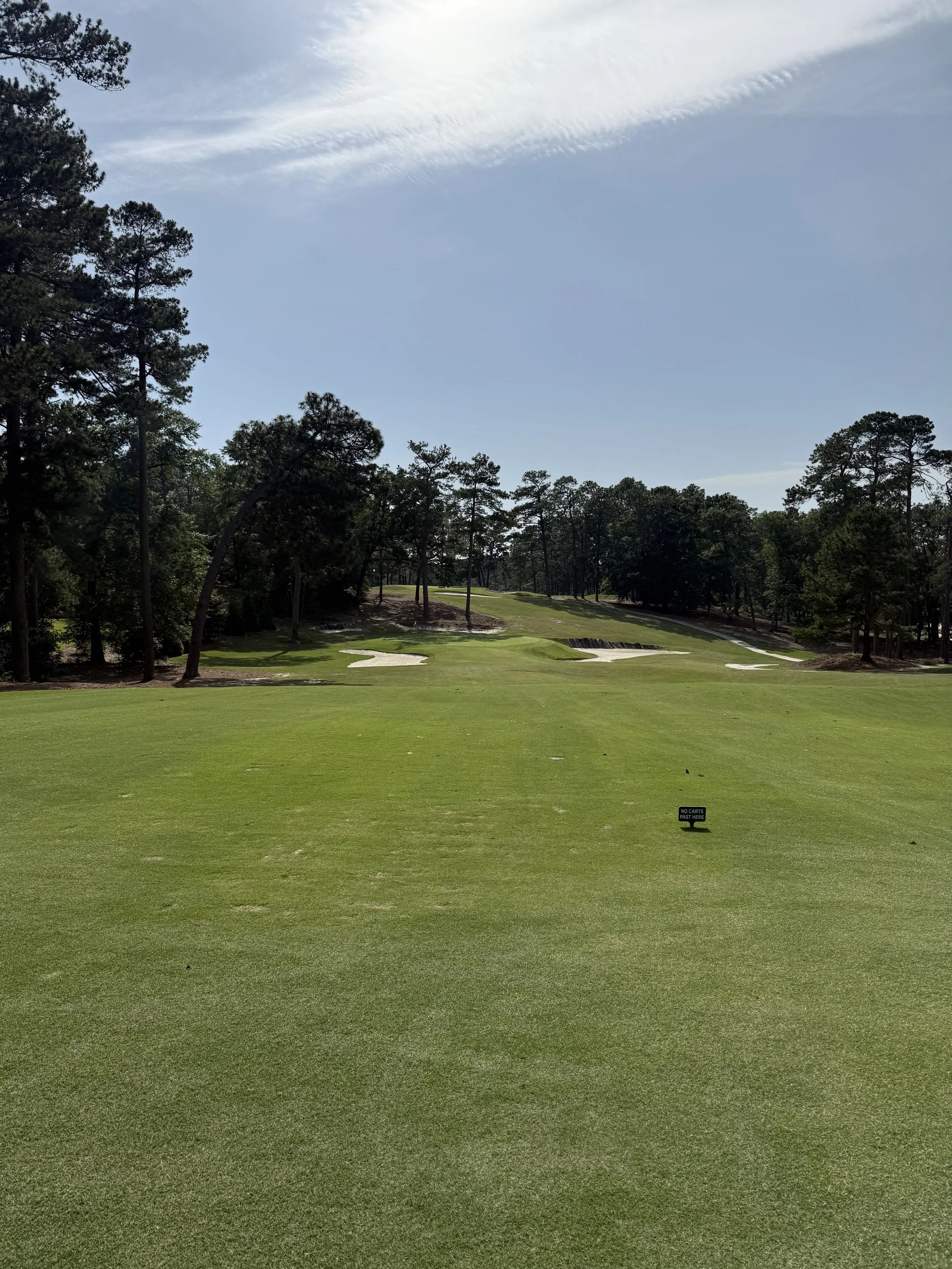
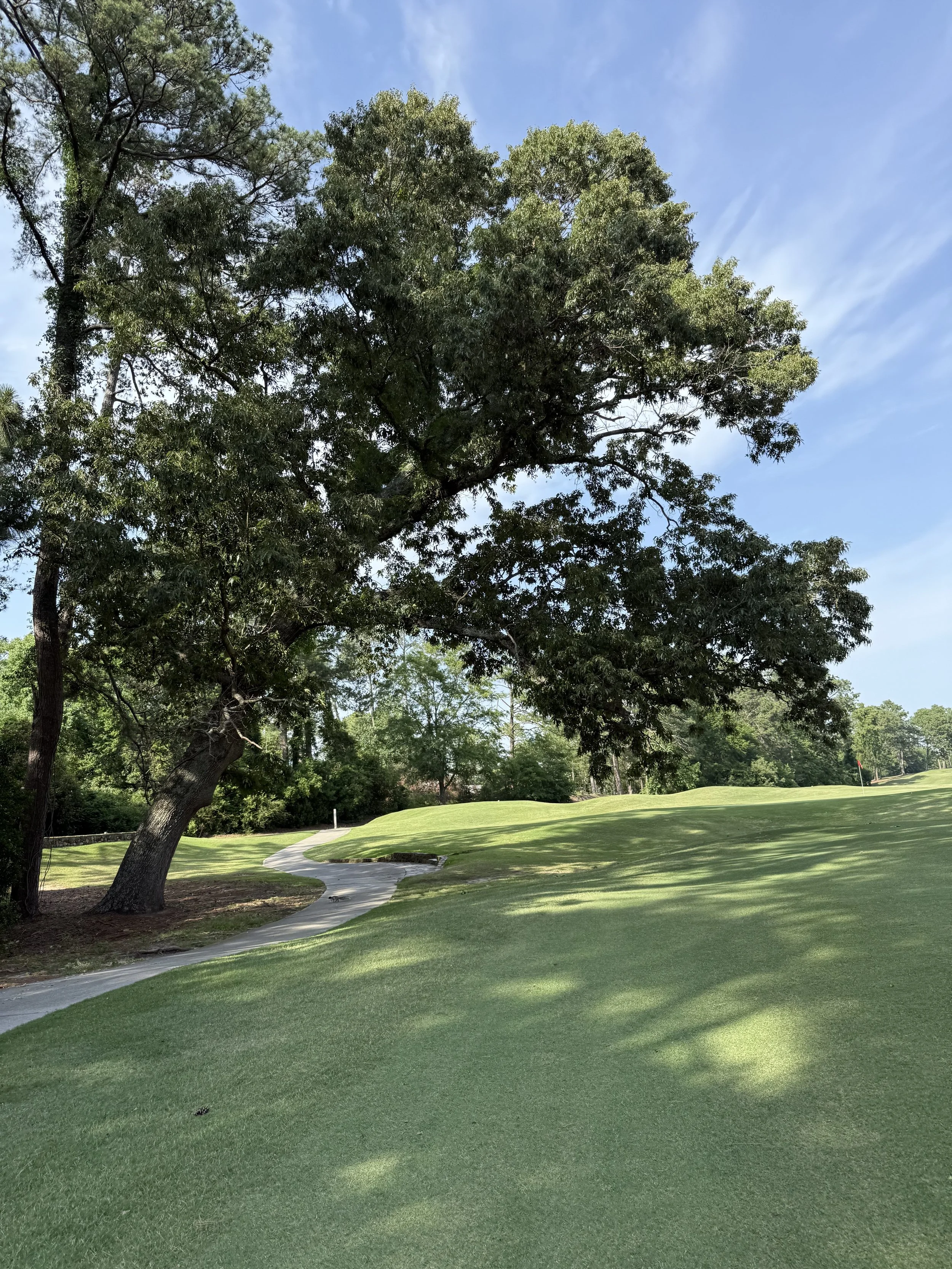
By the 1920s, John Inglis, a Scottish-born professional and greenskeeper with ties to Donald Ross, expanded the course to 18 holes and introduced the strategic shaping and elevated greens that define it today. Walk the fairways now, and it feels almost like a southern cousin to Pinehurst No. 3. Compact, walkable, and full of movement in the ground. It’s golf that rewards touch over technology, a style of play rooted in the land rather than in length.
After decades of steady play, the course began to decline by the late 20th century. Its revival is the work of Jim McNair Jr., whose father, Jim McNair Sr., had long operated the property. Beginning in the 1990s, McNair Jr. undertook a painstaking restoration that included reshaping bunkers, reclaiming greens, and reviving the charm of the original routing. It was a grassroots effort, done without major backing, and it saved one of South Carolina’s most historically significant public courses.
McNair’s creativity didn’t stop there. Just a few miles away, he later transformed an old chalk mine into a nine-hole short course aptly named the Chalkmine Nine. A modern ode to fun and community that feels spiritually connected to Aiken Golf Club’s roots. Both courses share a commitment to accessibility and authenticity and serve as proof that golf in Aiken still reflects the soul of the town itself.
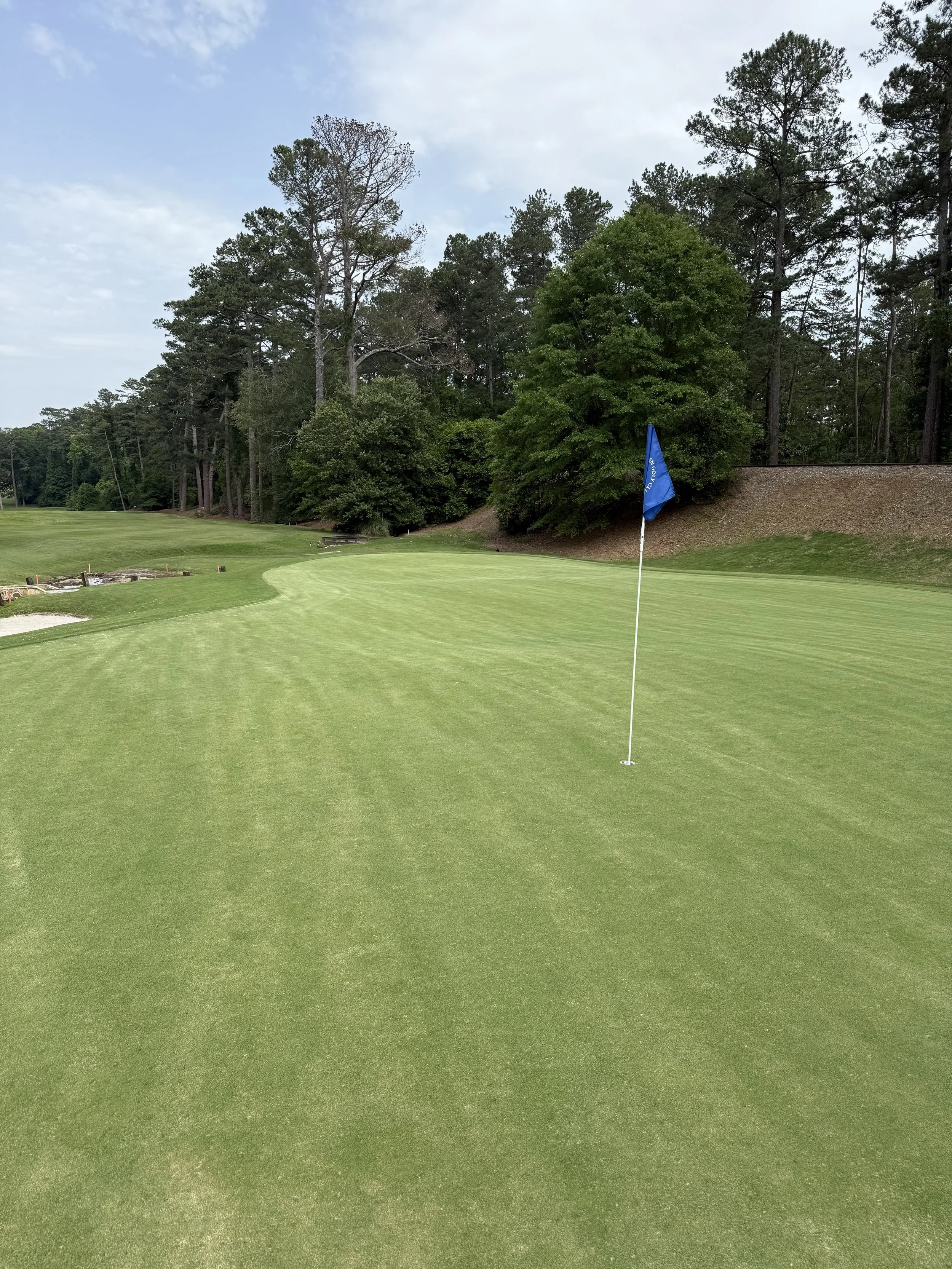
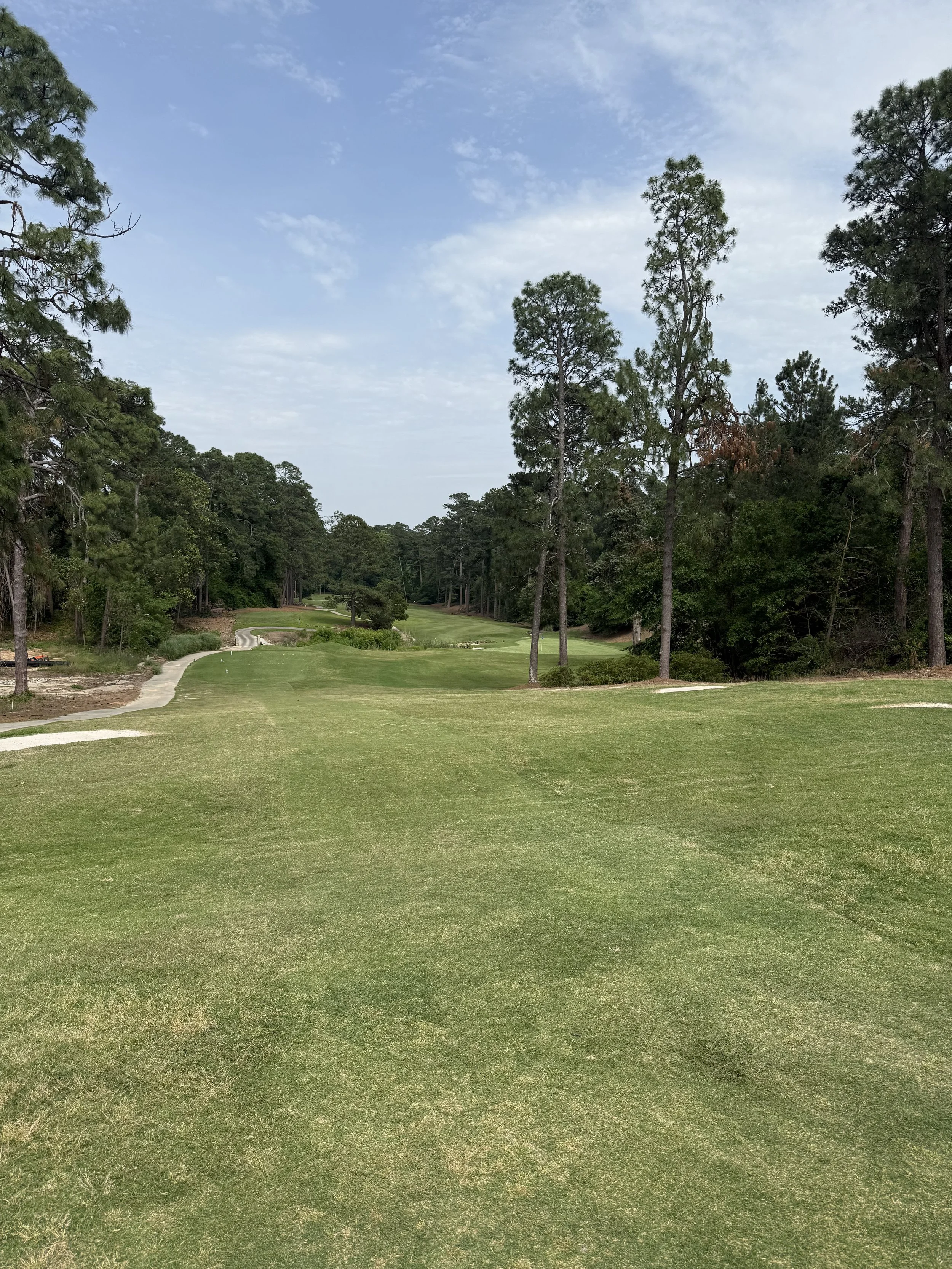
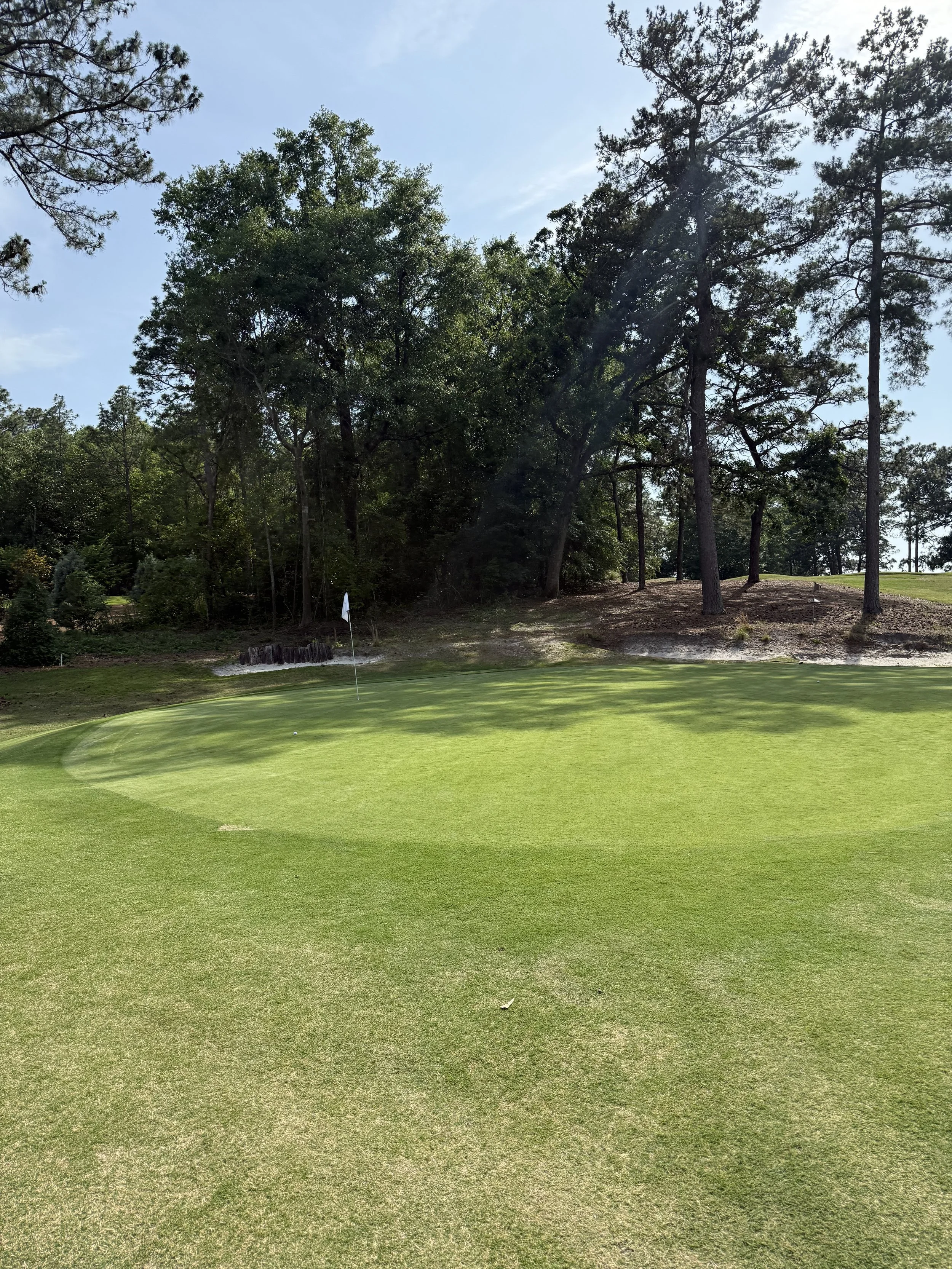
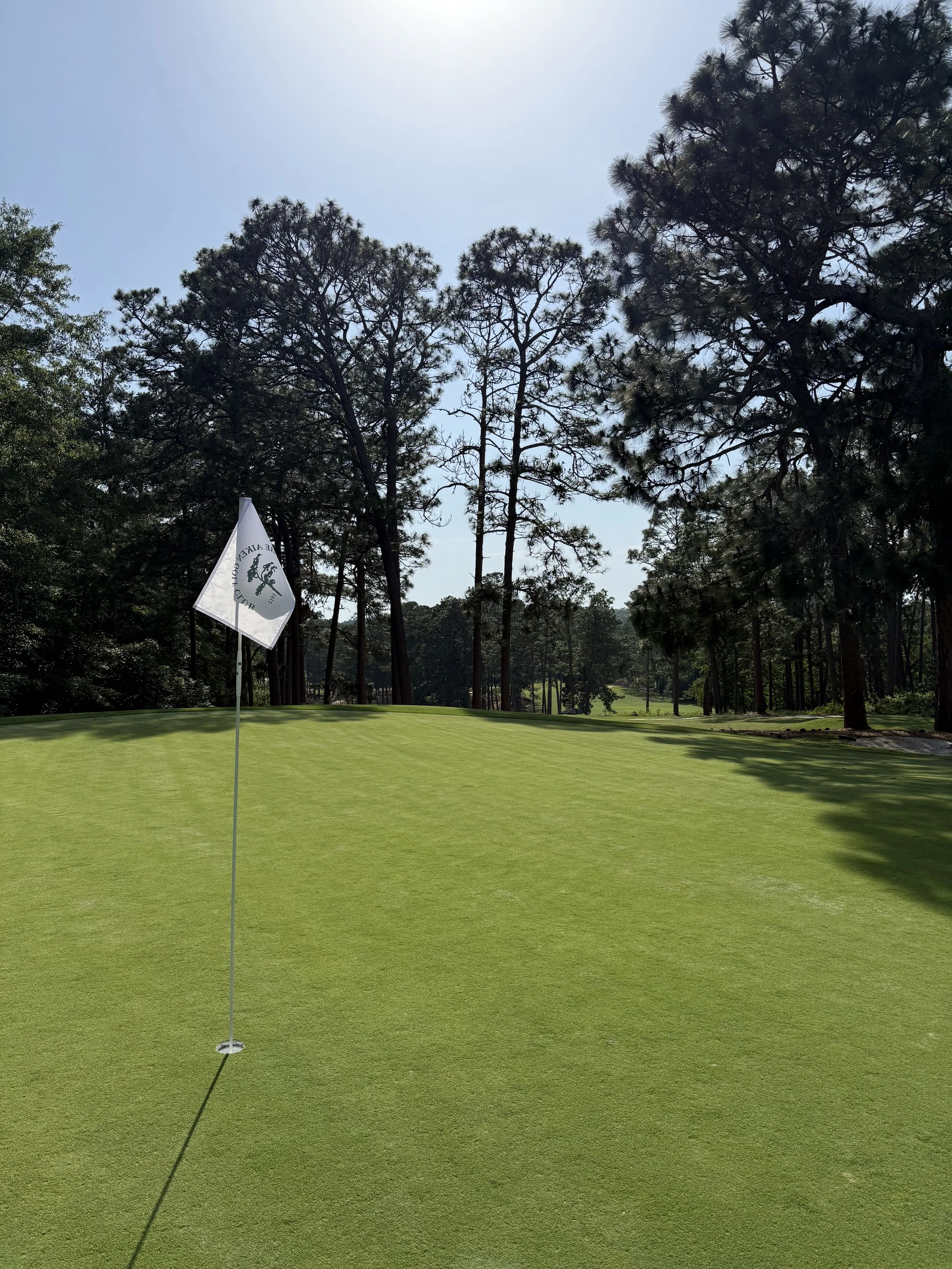
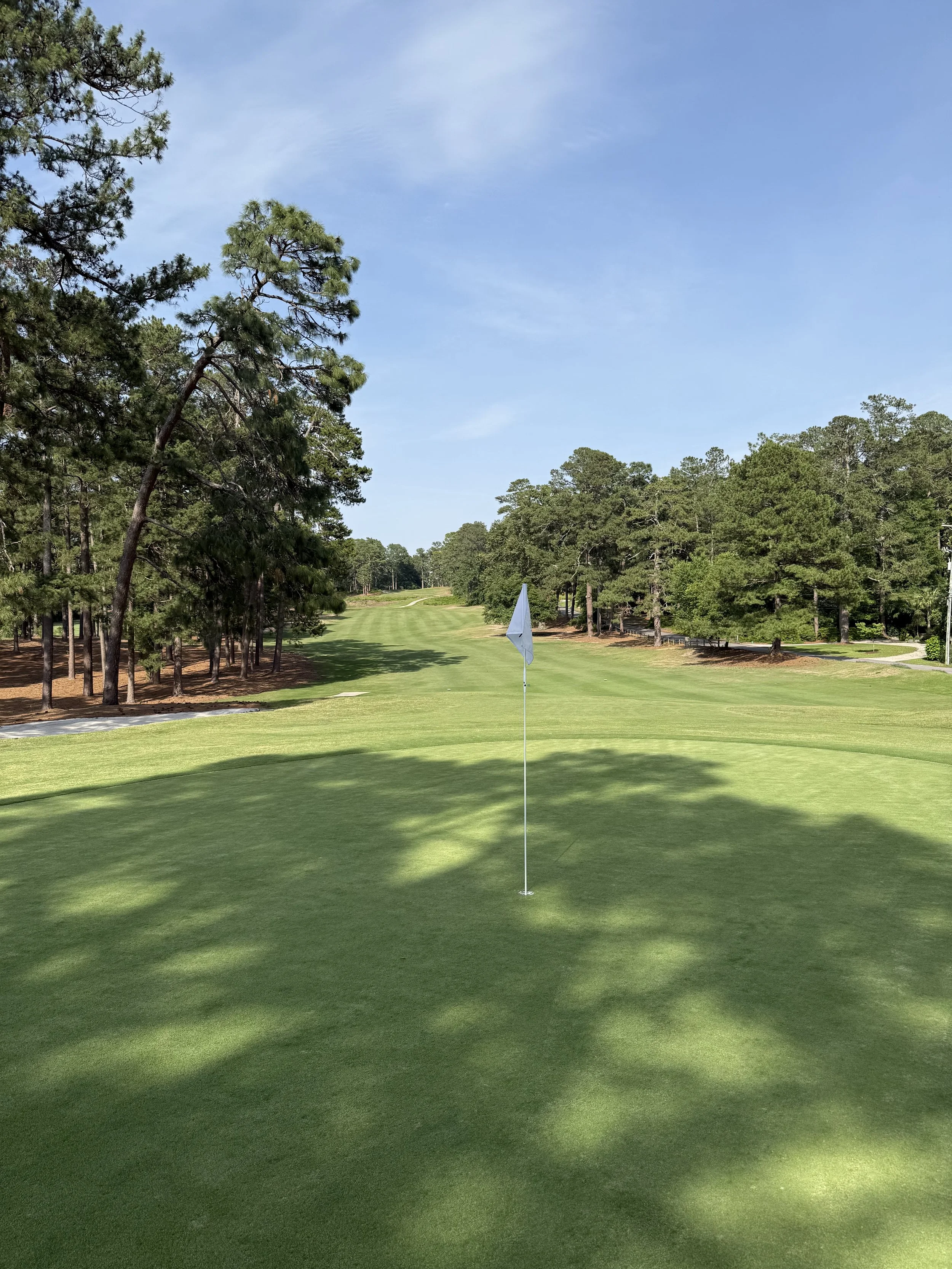
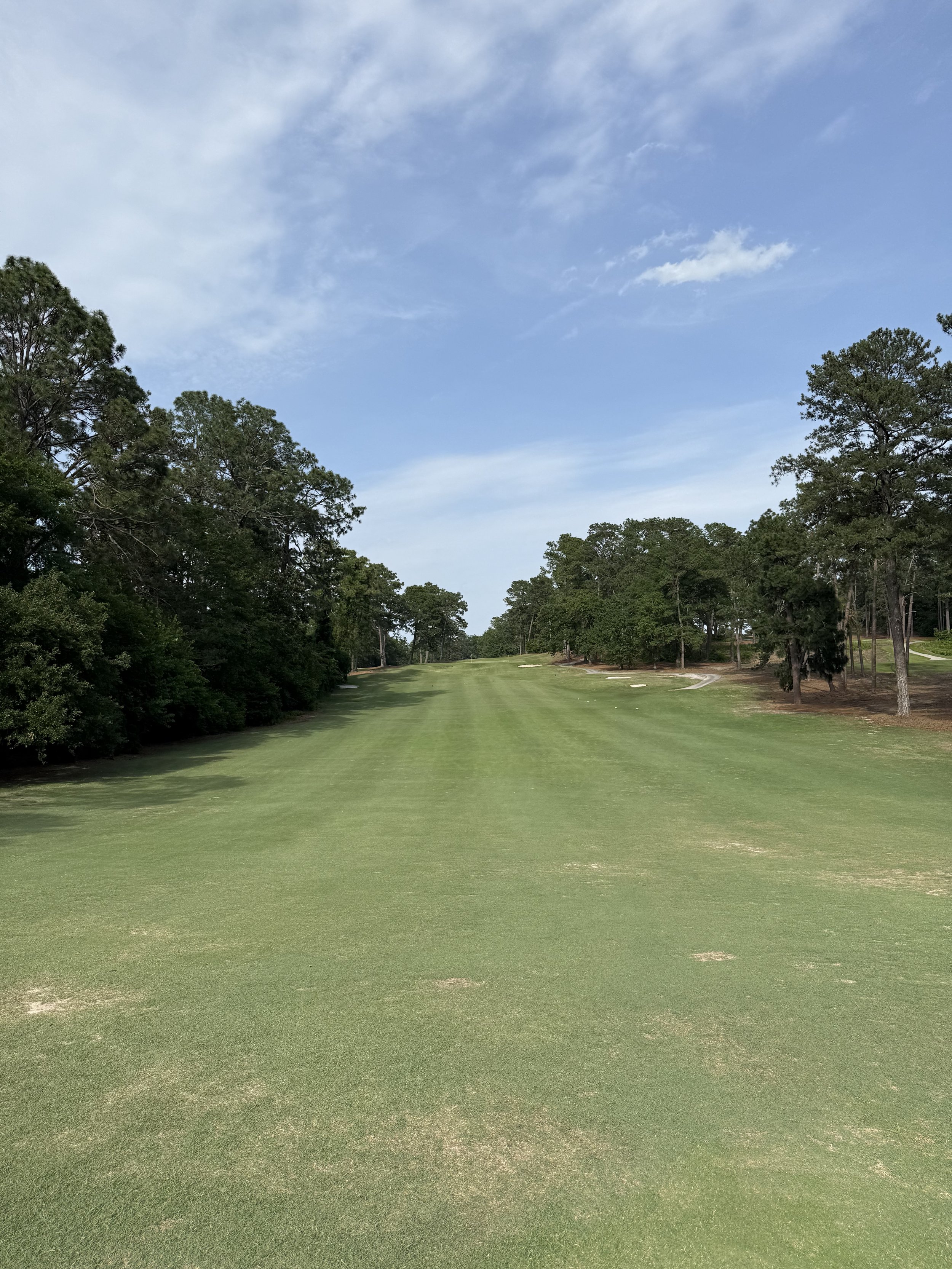
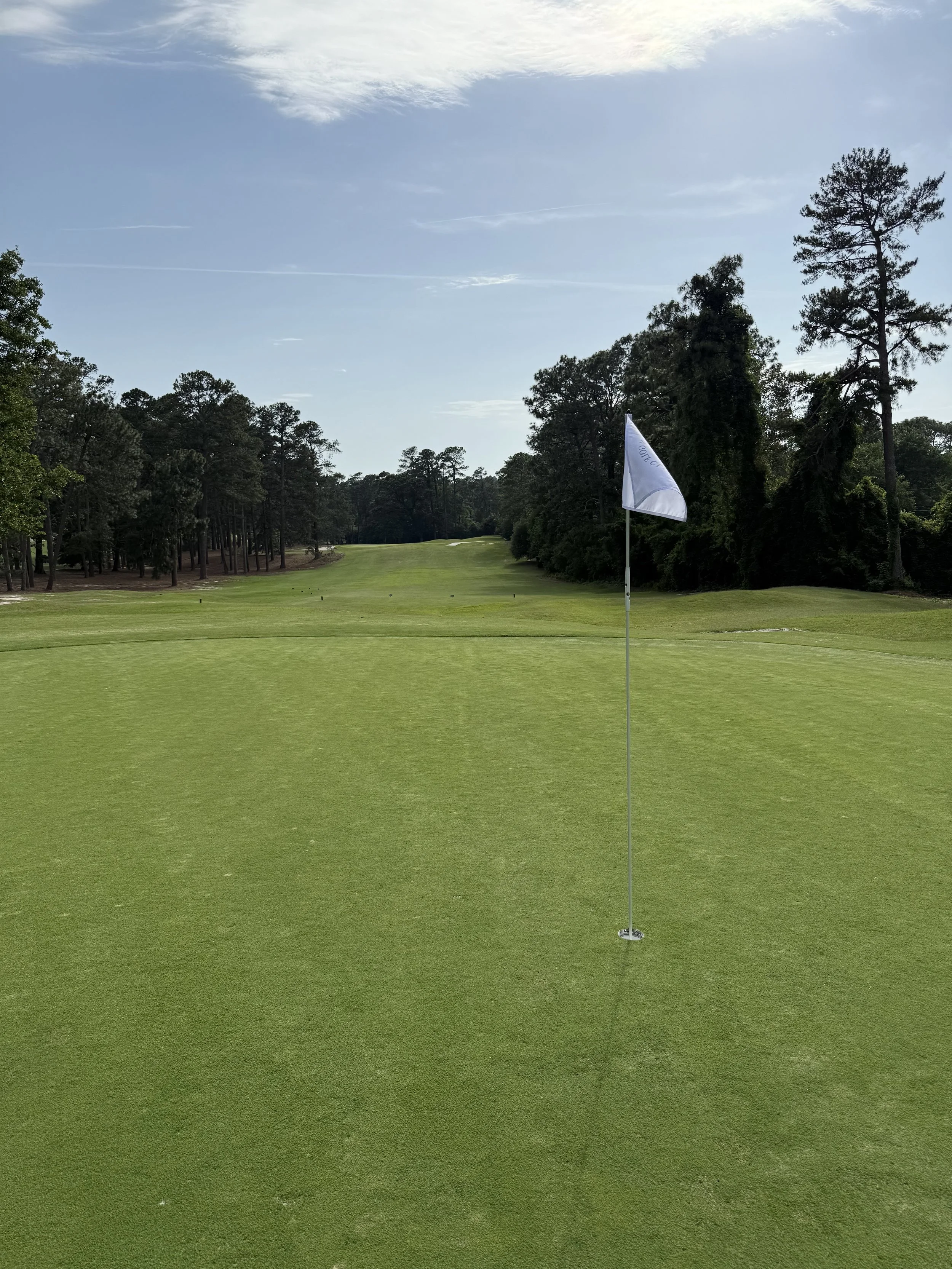
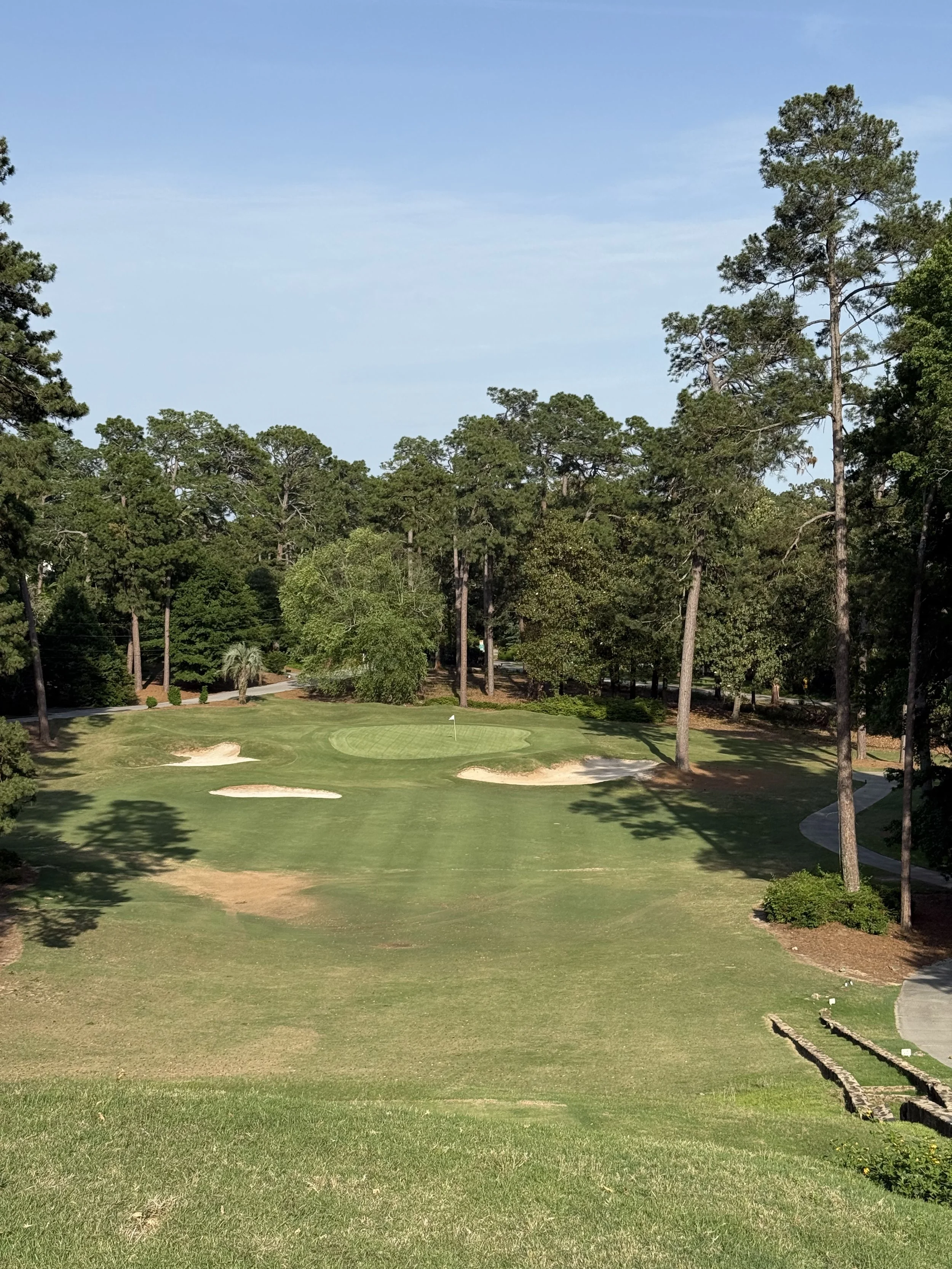
Kyle and I walked our round despite the heat, and that decision felt true to the place. The routing flows naturally from one green to the next, each hole revealing something new about the terrain. The par-3 11th, playing over a small valley to a perched green, may be the most photogenic hole in Aiken County. The short par-4 16th tempts you into decisions that define the round. A classic risk and reward, played over ground that’s been shaped and reshaped by a century of hands and history.
When we finished, we headed over to the Aiken Regional Airport to pickup Andrew Sawyer and my Dad who flew in in Andrew’s Beechcraft Muskateer. We grabbed a hearty dinner in downtown Aiken, before our round the next day at Old Barnwell. There’s a rhythm to Aiken that modern resort golf rarely captures. An unhurried, personal, and grounded in community.
Aiken Golf Club is more than a relic of the past. It’s a working reminder that great golf doesn’t need size or flash. Just land, care, and a little imagination.
The next morning, the contrast couldn’t have been sharper. Just twenty minutes down the road, Old Barnwell represents a new chapter for Aiken golf. Expansive, contemporary, and ambitious; yet built on the same sandy foundation and enduring spirit that The Aiken Golf Club has carried for more than a century.