The Park - West Palm Beach, FL
The morning after playing Trump National Doral, I headed an hour north to West Palm Beach to experience a very different side of Florida golf. Where Doral radiates grandeur and legacy, The Park feels grounded, local, and alive, and like a celebration of golf’s public spirit.
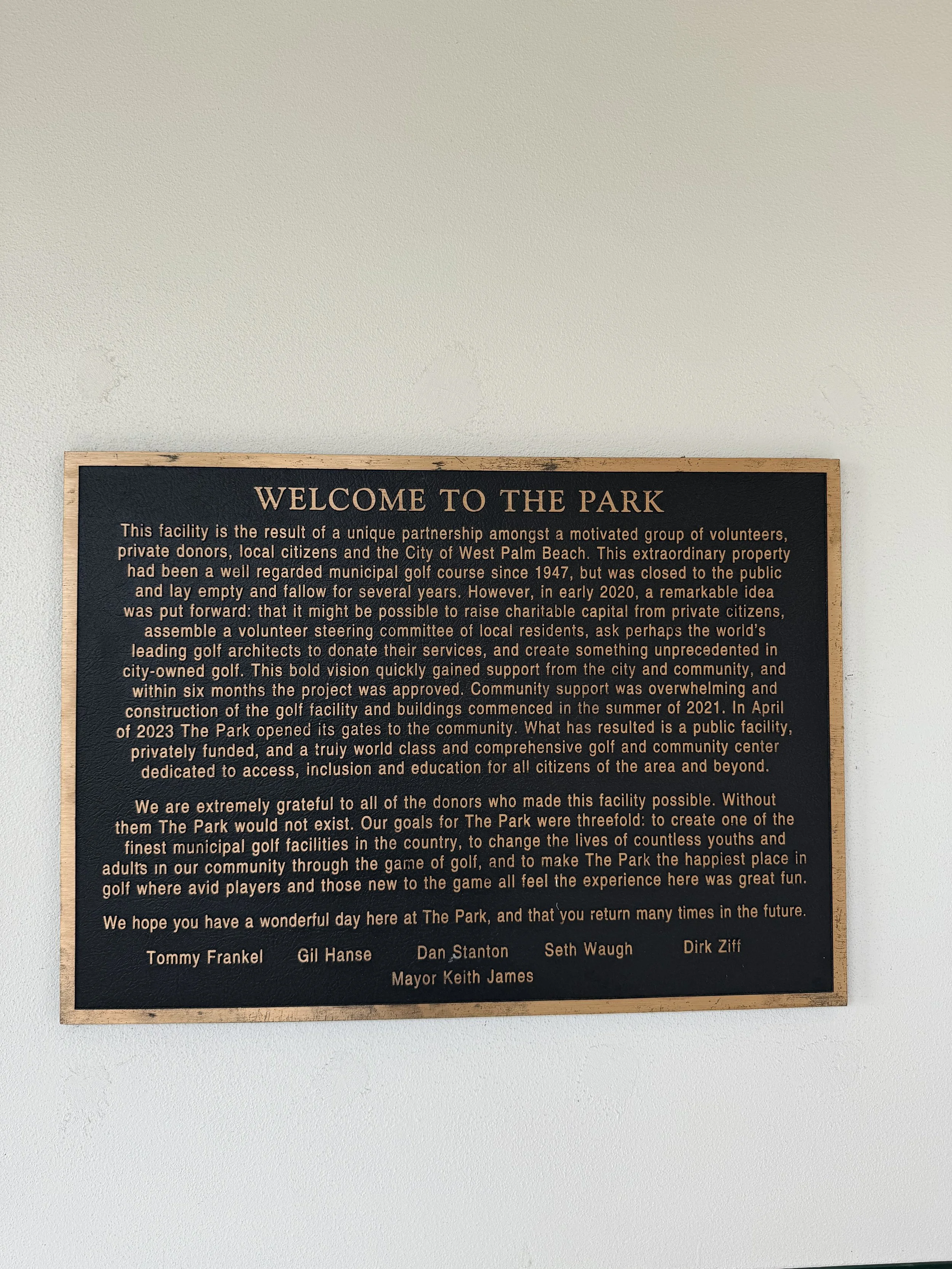
Set on the historic site of the West Palm Beach Golf Course, a 1947 Dick Wilson design that once served as the city’s municipal course, The Park had fallen into disrepair before closing in 2018. For most cities, that might have been the end of the story. But for West Palm Beach, it became the start of something much bigger.
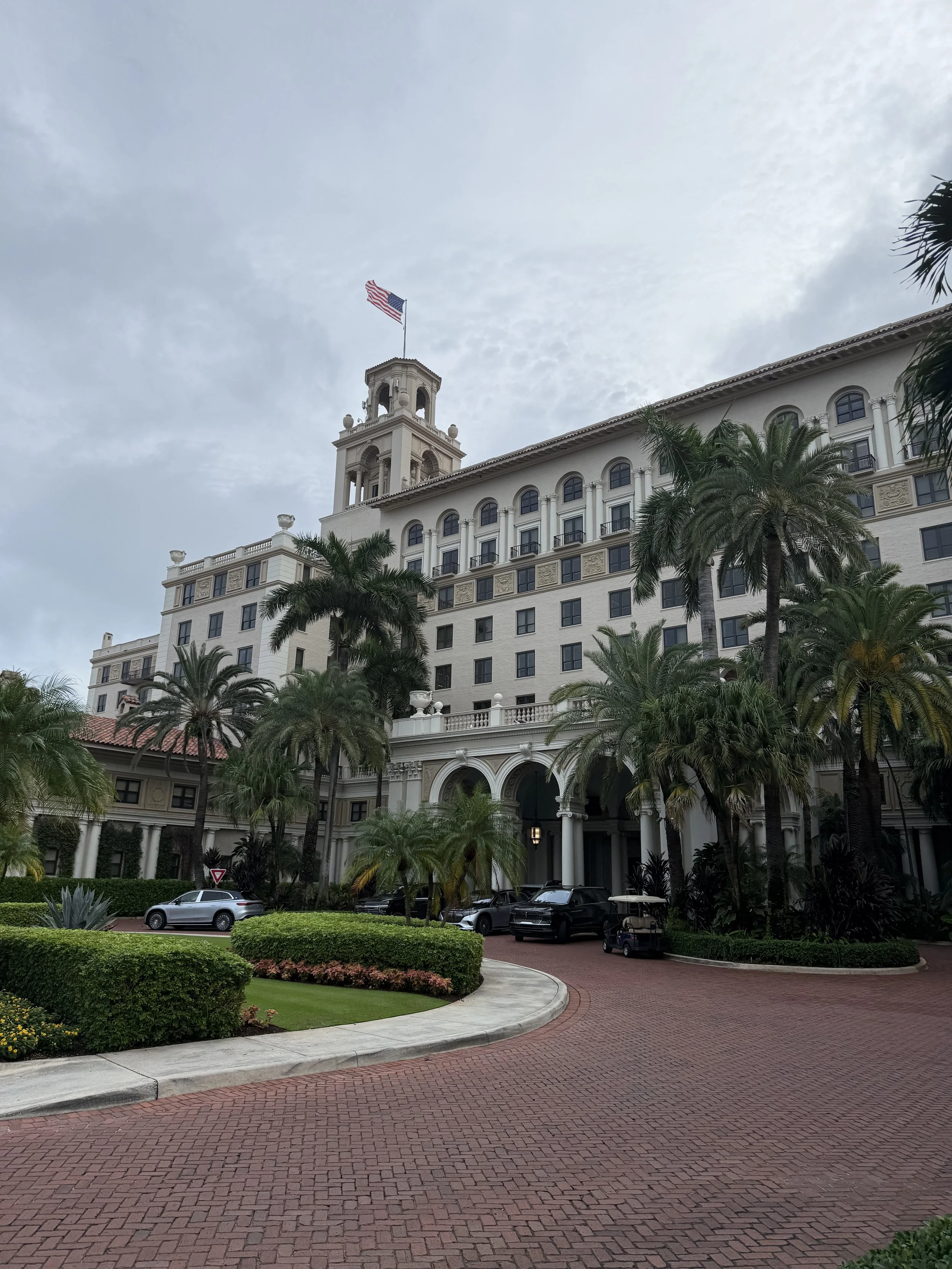
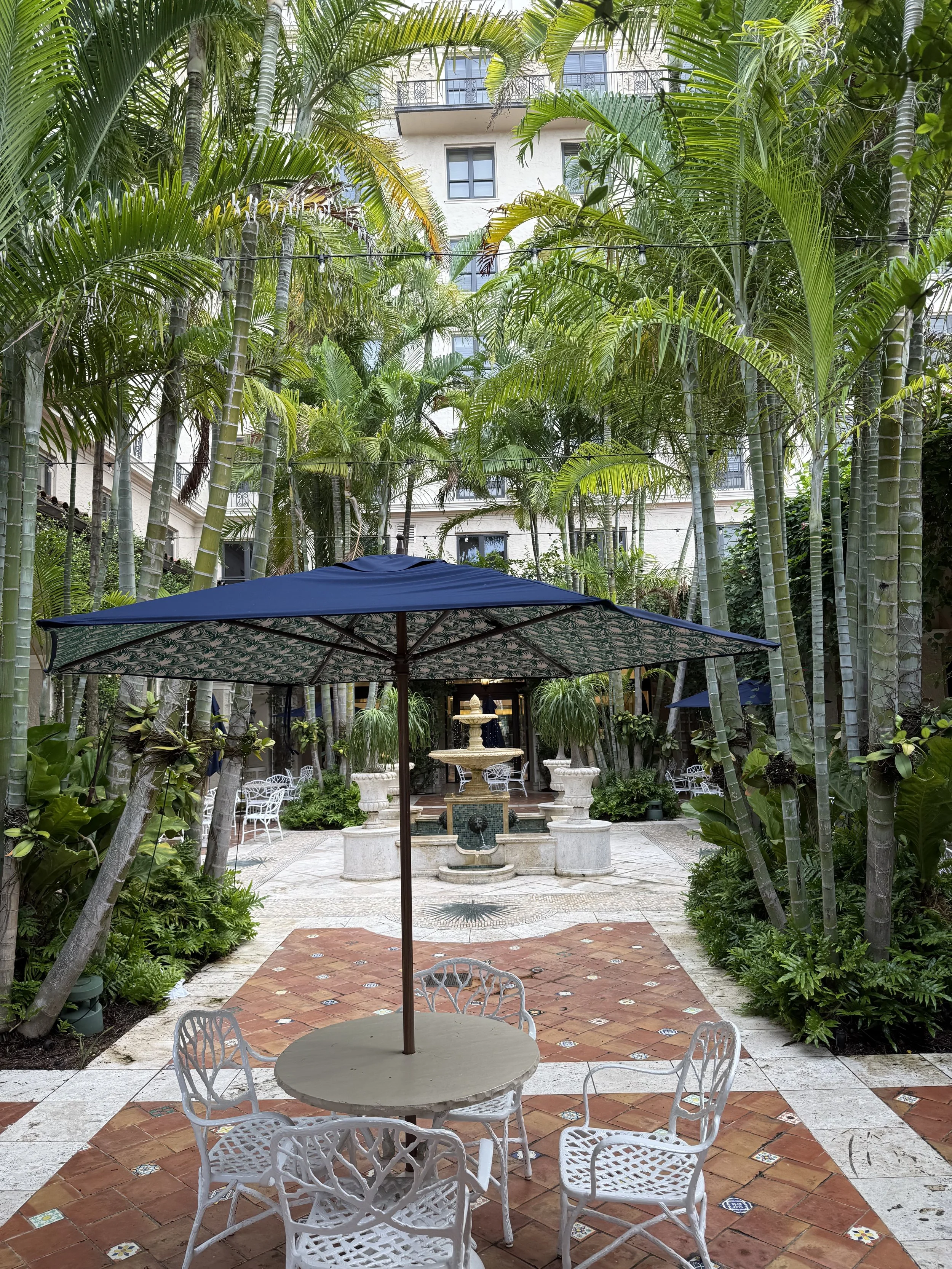
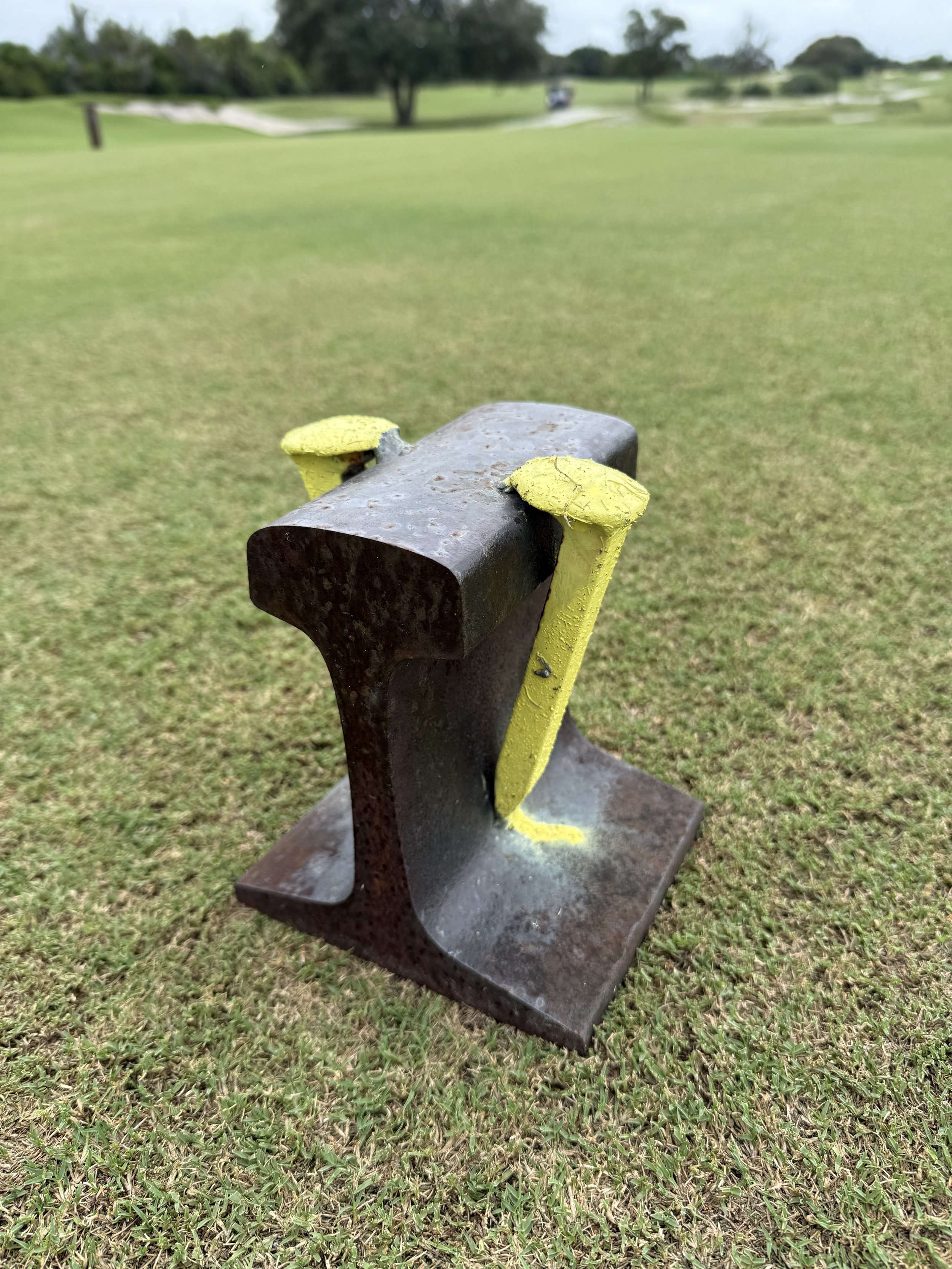
West Palm Beach’s story itself traces back to Henry Flagler and the Florida East Coast Railway Company, whose arrival in the late 1800s transformed this stretch of coastline into one of America’s great destinations. Flagler developed The Breakers Hotel just across the Intracoastal on Palm Beach Island, establishing the area’s reputation for elegance and leisure. I didn’t stay at The Breakers during this trip, but I did stop by to walk the grounds which was a glimpse into the grandeur that shaped early Florida tourism. The Park pays quiet tribute to that heritage through its tee markers, crafted from sections of old rail line with iron spikes denoting each tee. It’s a thoughtful detail that connects the city’s Gilded Age beginnings to its modern vision of accessible golf.
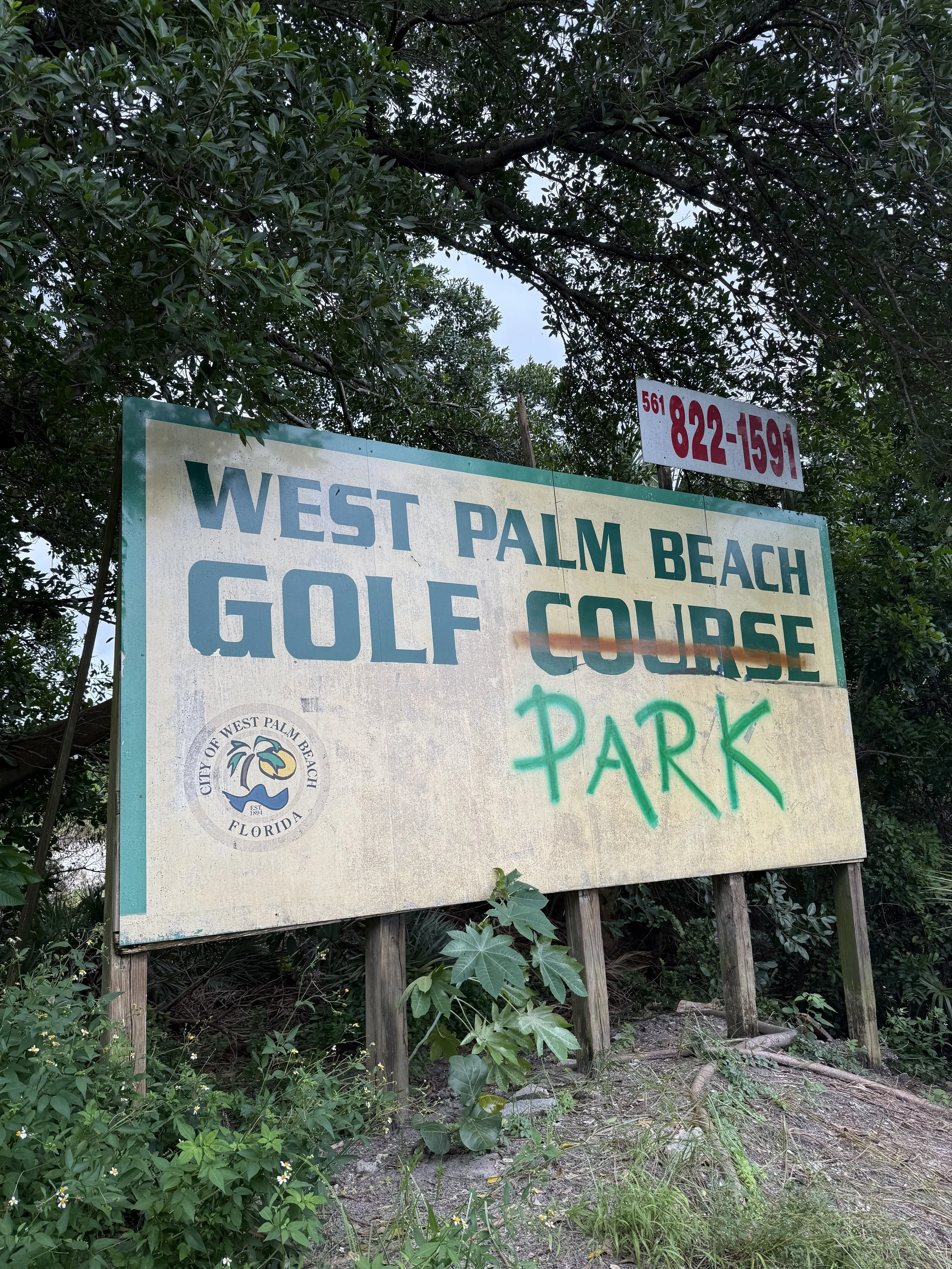
A passionate group of community leaders that included Seth Waugh, CEO of the PGA of America, and Dirk Ziff, philanthropist and golf enthusiast, who formed the West Palm Golf Park, a non-profit with one mission: to reimagine what public golf could be. Their belief was that golf, when done right, can be a public good; a place where people of all backgrounds come together to play, learn, and belong. The sign that still remains at The Park with “course" crossed out and “park” written underneath really underlines the whole idea. This is a public use space for all. Open Golf as described by the team there.
Through private fundraising (roughly $56 million, all raised without public funding), the group turned that belief into one of the most ambitious public golf projects in recent memory. They tapped Gil Hanse and Jim Wagner, joined by Ziff himself as a design collaborator, to craft a course that felt timeless, walkable, and full of joy.
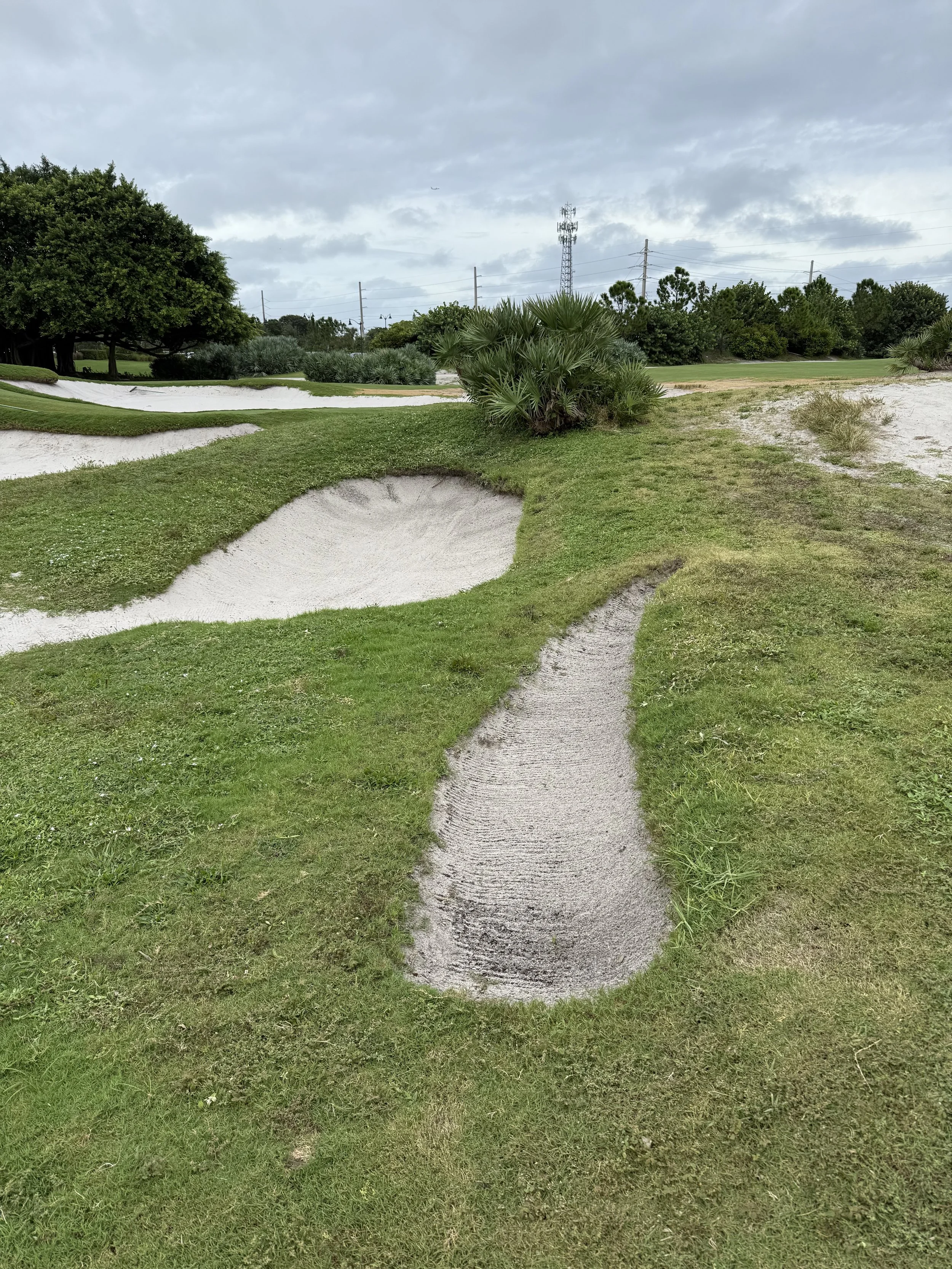
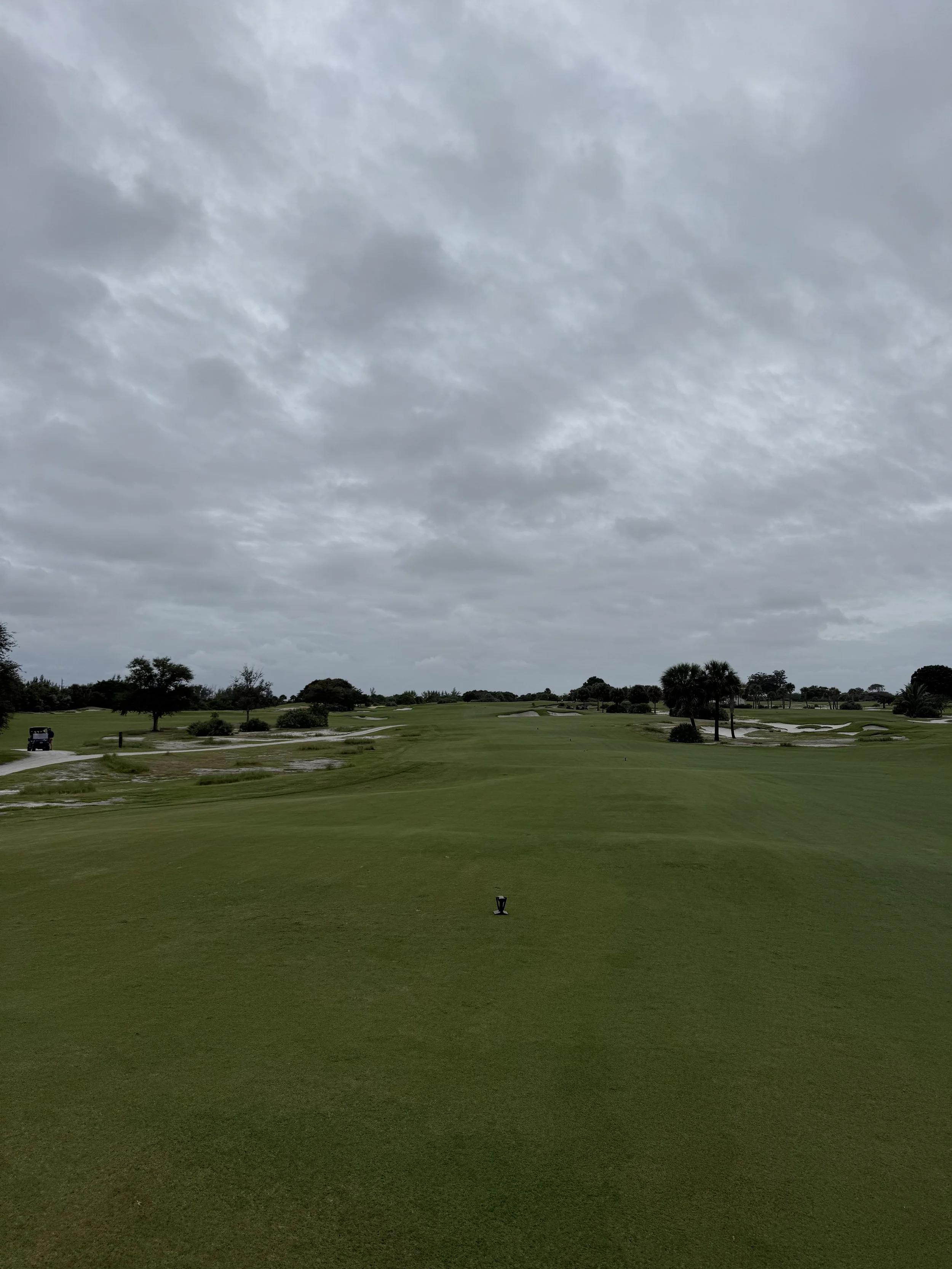
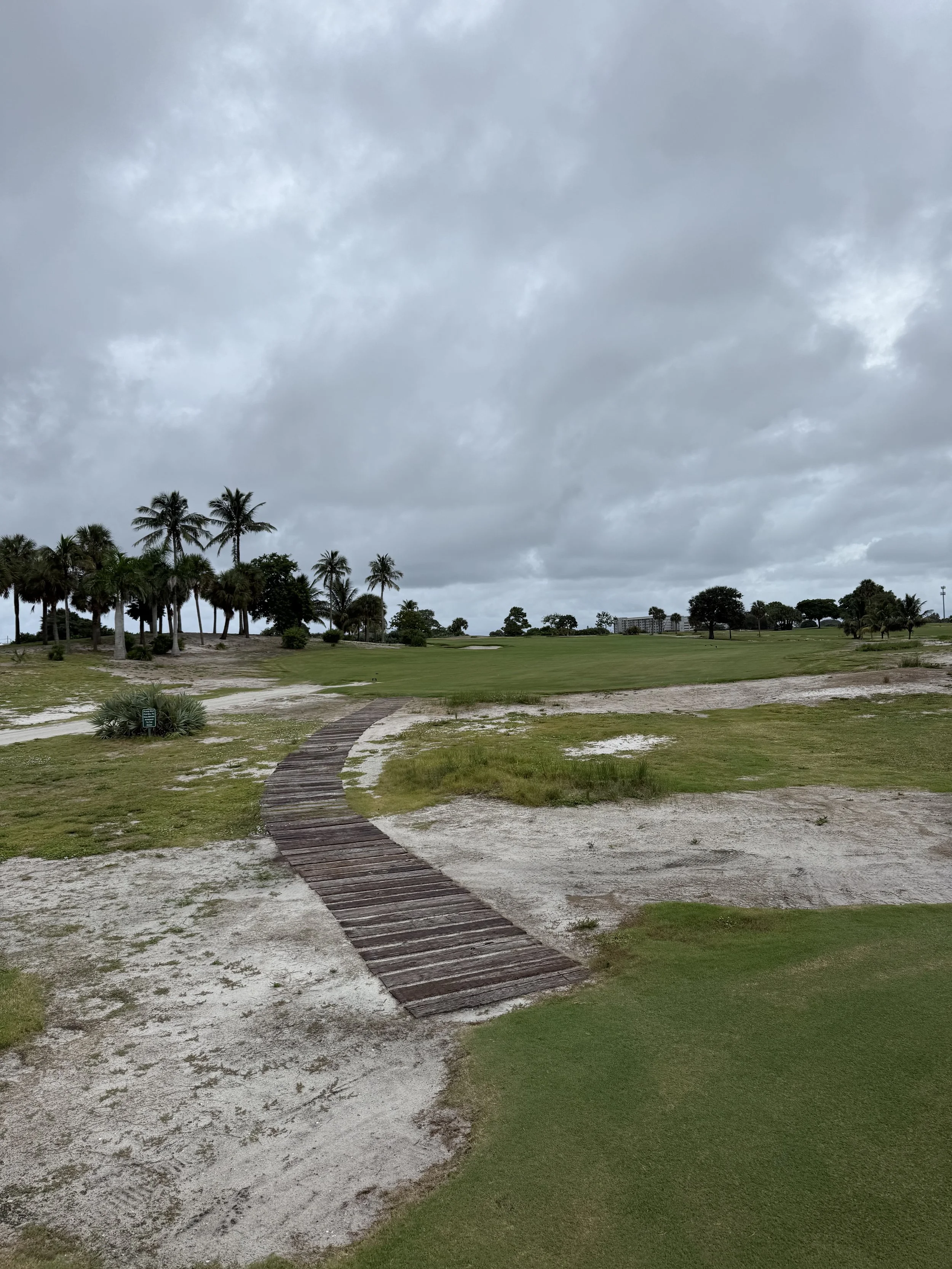
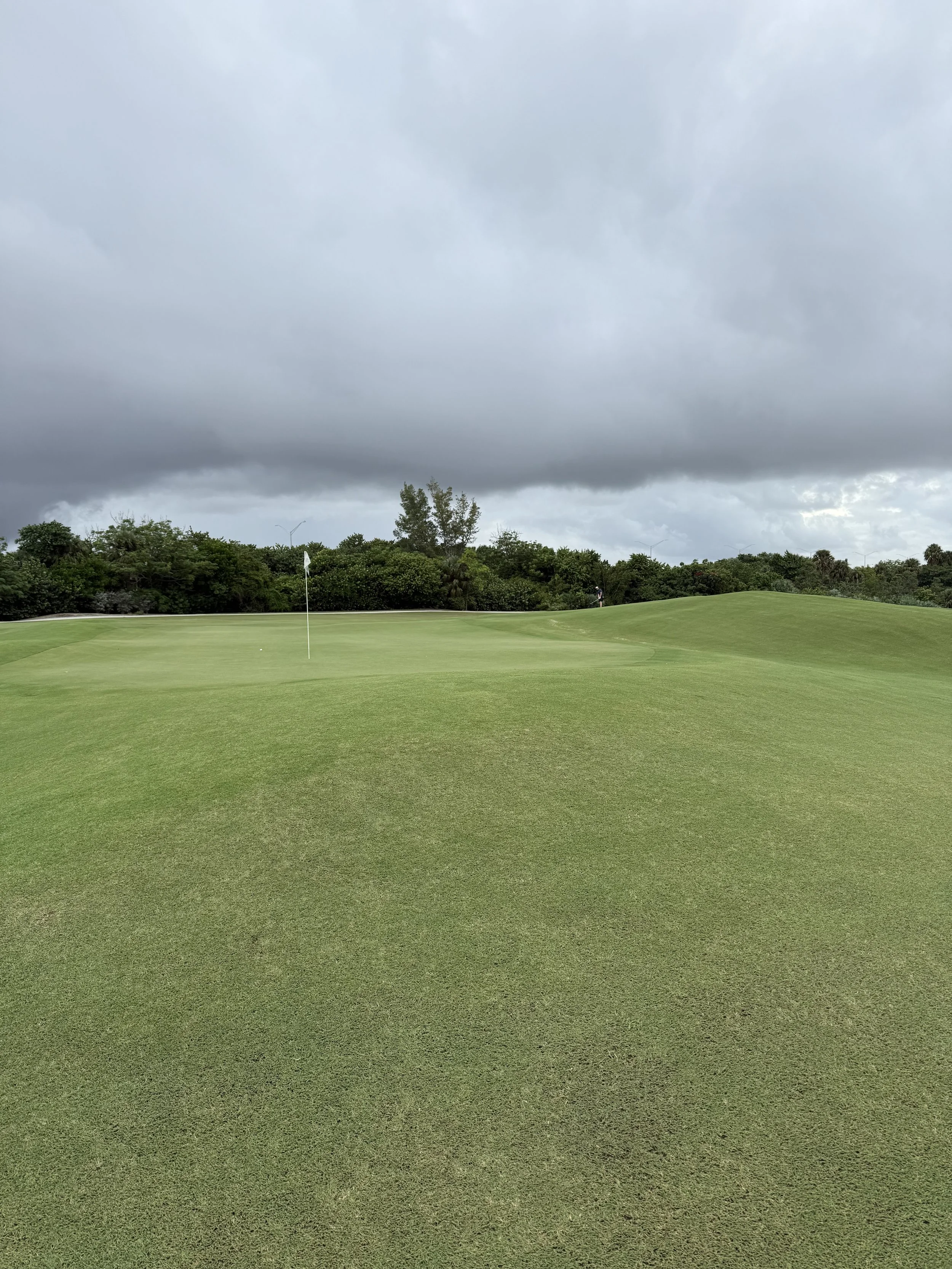
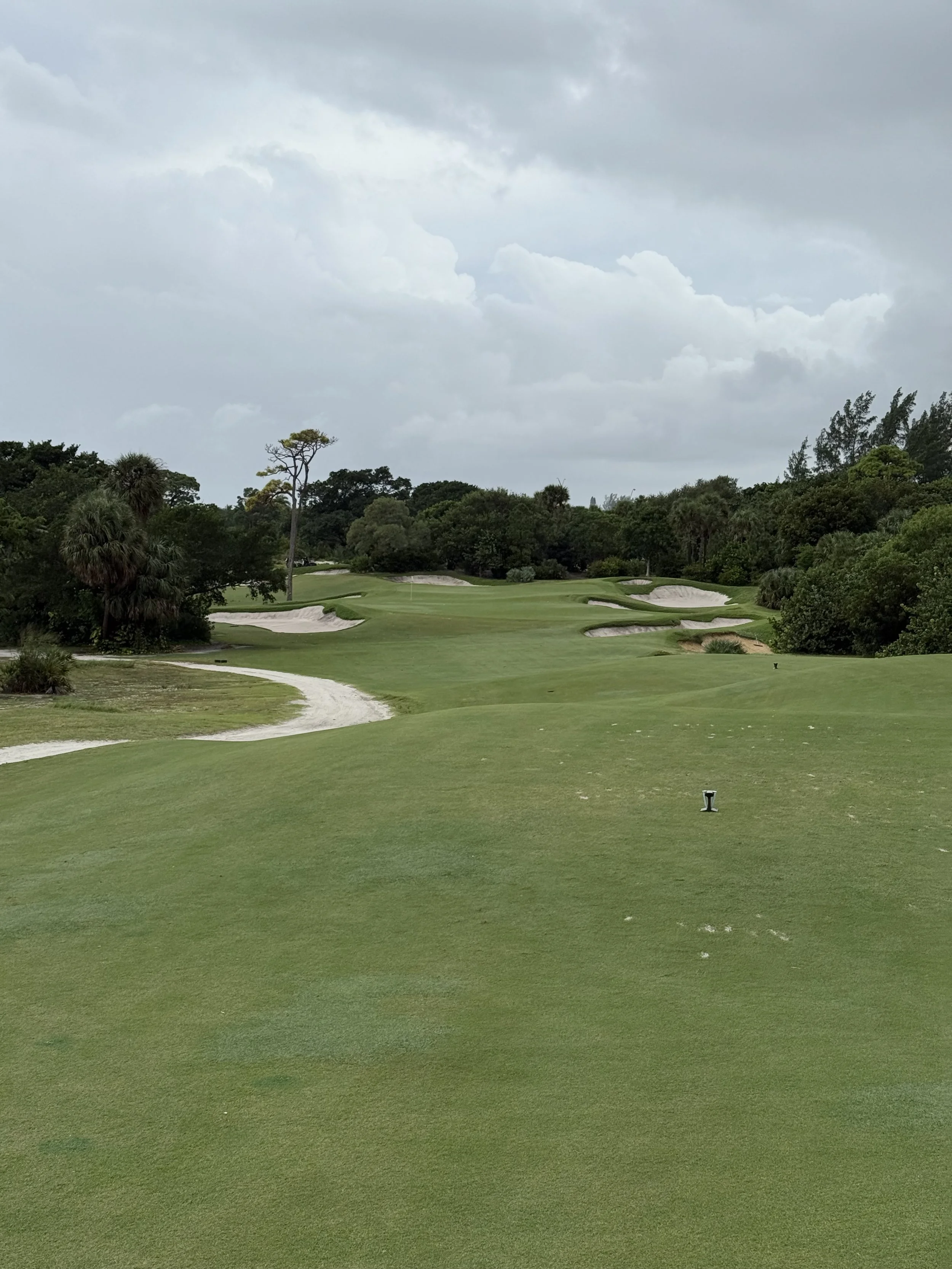
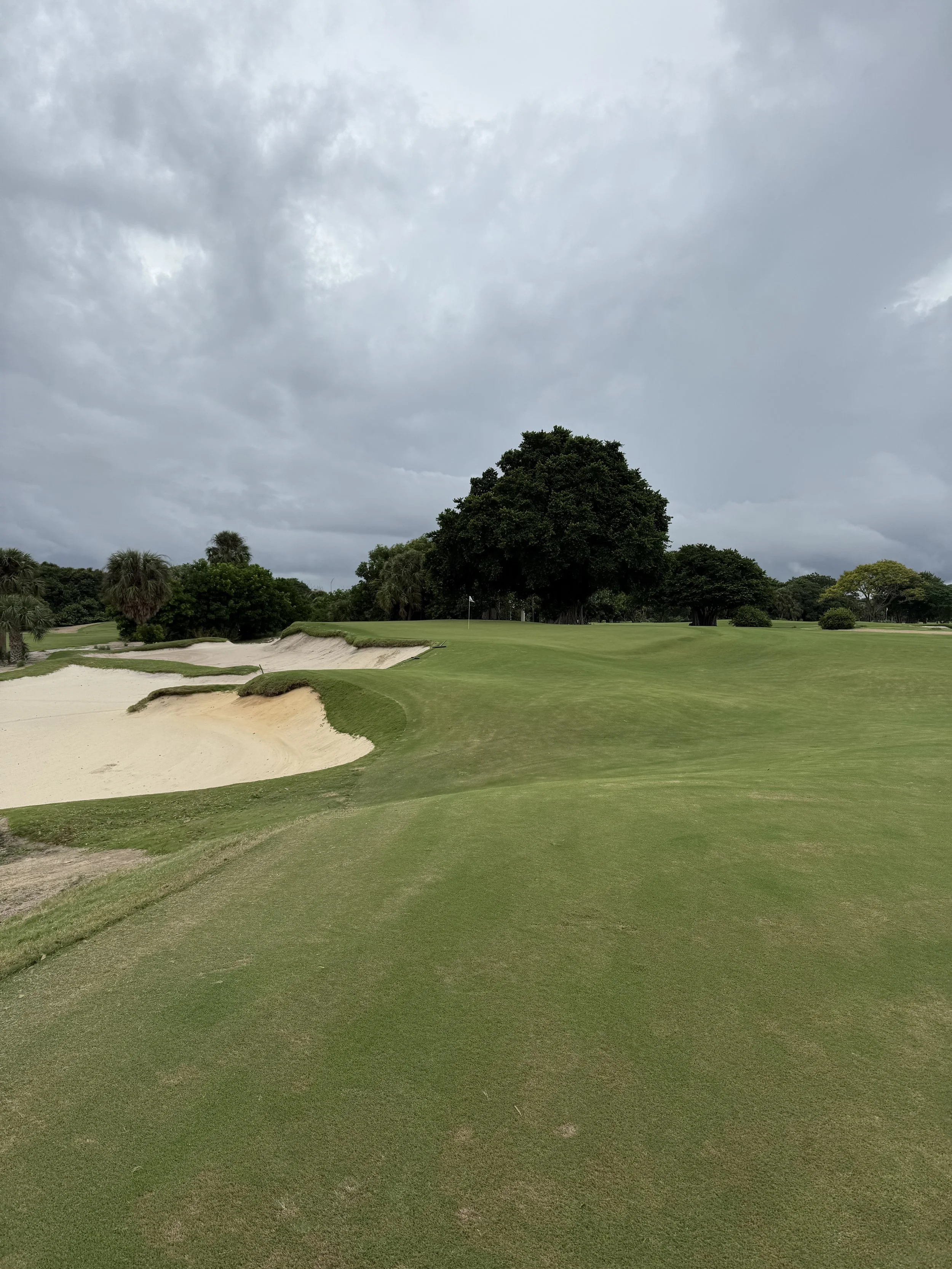
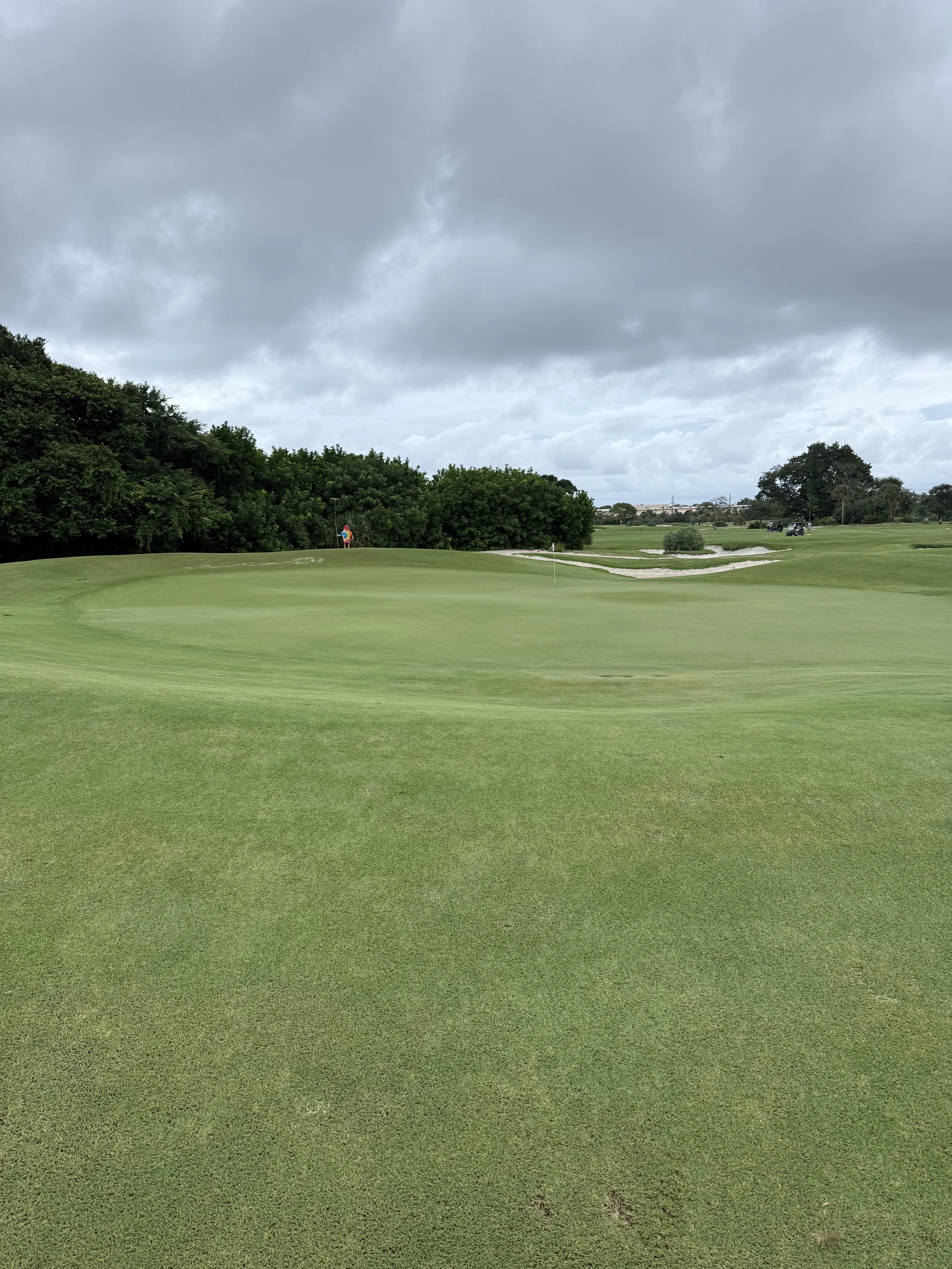
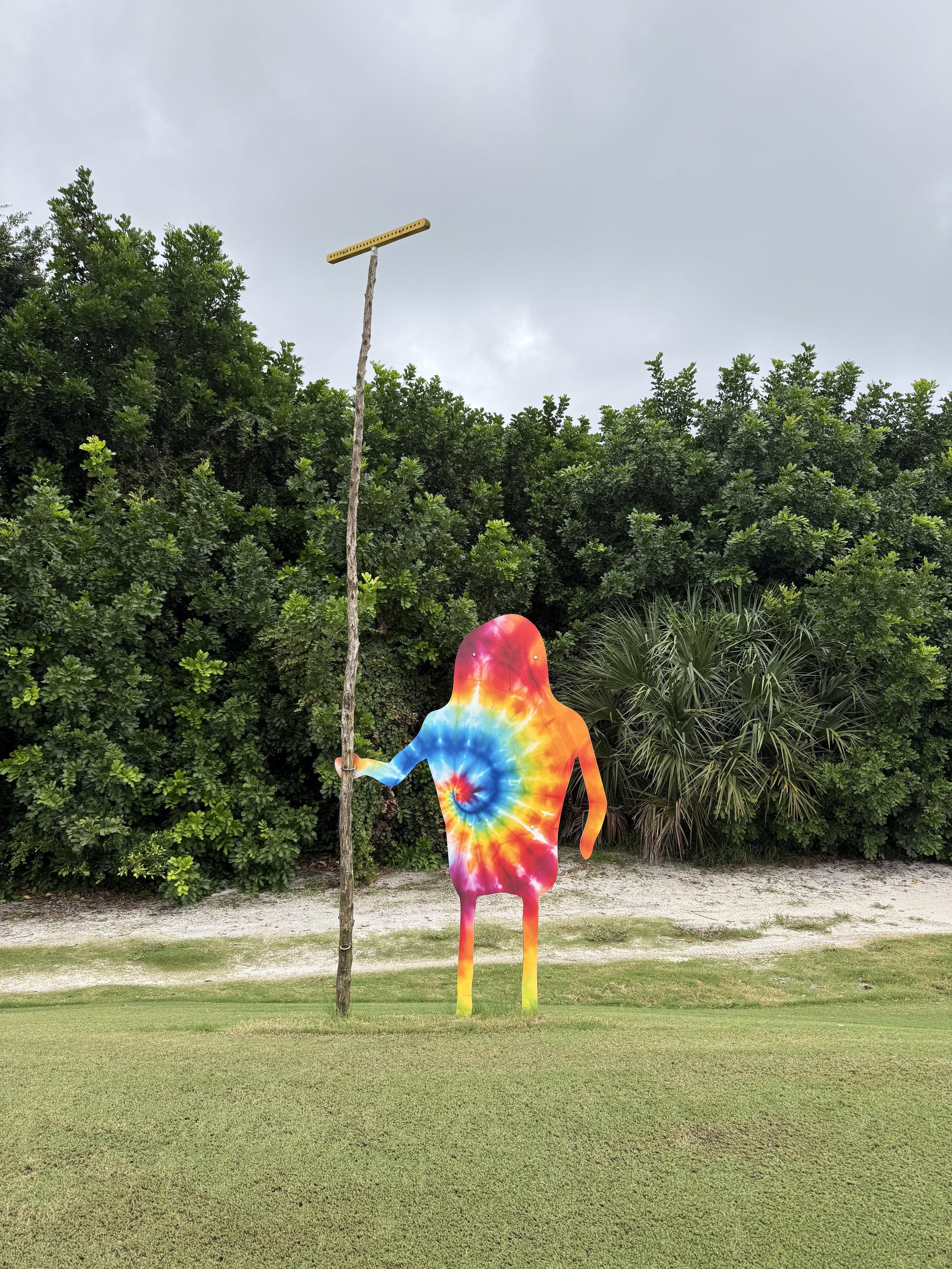
Hanse and Wagner, known for their restorations of Los Angeles Country Club North, Pinehurst No. 4, and Streamsong Black, brought their signature “Caveman Construction” approach which involves working directly in the dirt, shaping by hand and by eye, letting the ground itself dictate the routing. The result is golf that feels organic, not engineered. The sandy corridors, subtle elevation shifts, and wide fairways make The Park feel older than it is or like a course uncovered rather than built. Similar to the spirit of the course in general, there is a tie-dyed Caveman Construction logo that serves as an aim point to the blind punchbowl green at hole 12.
From the first tee, it’s clear the course was designed to be walked. The routing flows naturally through the landscape, with short green-to-tee connections and a rhythm that invites conversation as much as contemplation. Walking The Park feels like a return to golf’s original form. A form that is unhurried, communal, and deeply connected to the ground beneath your feet.
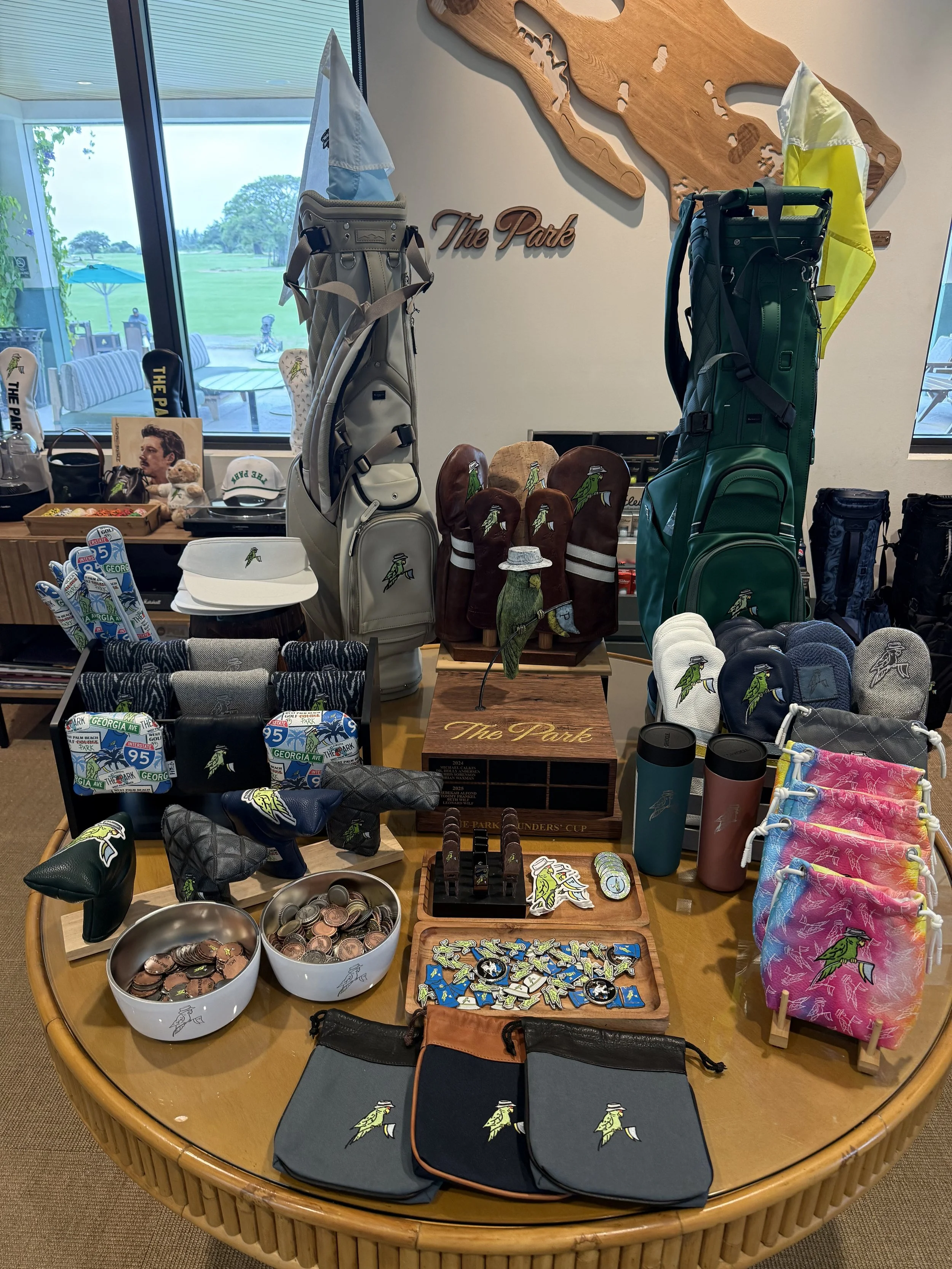
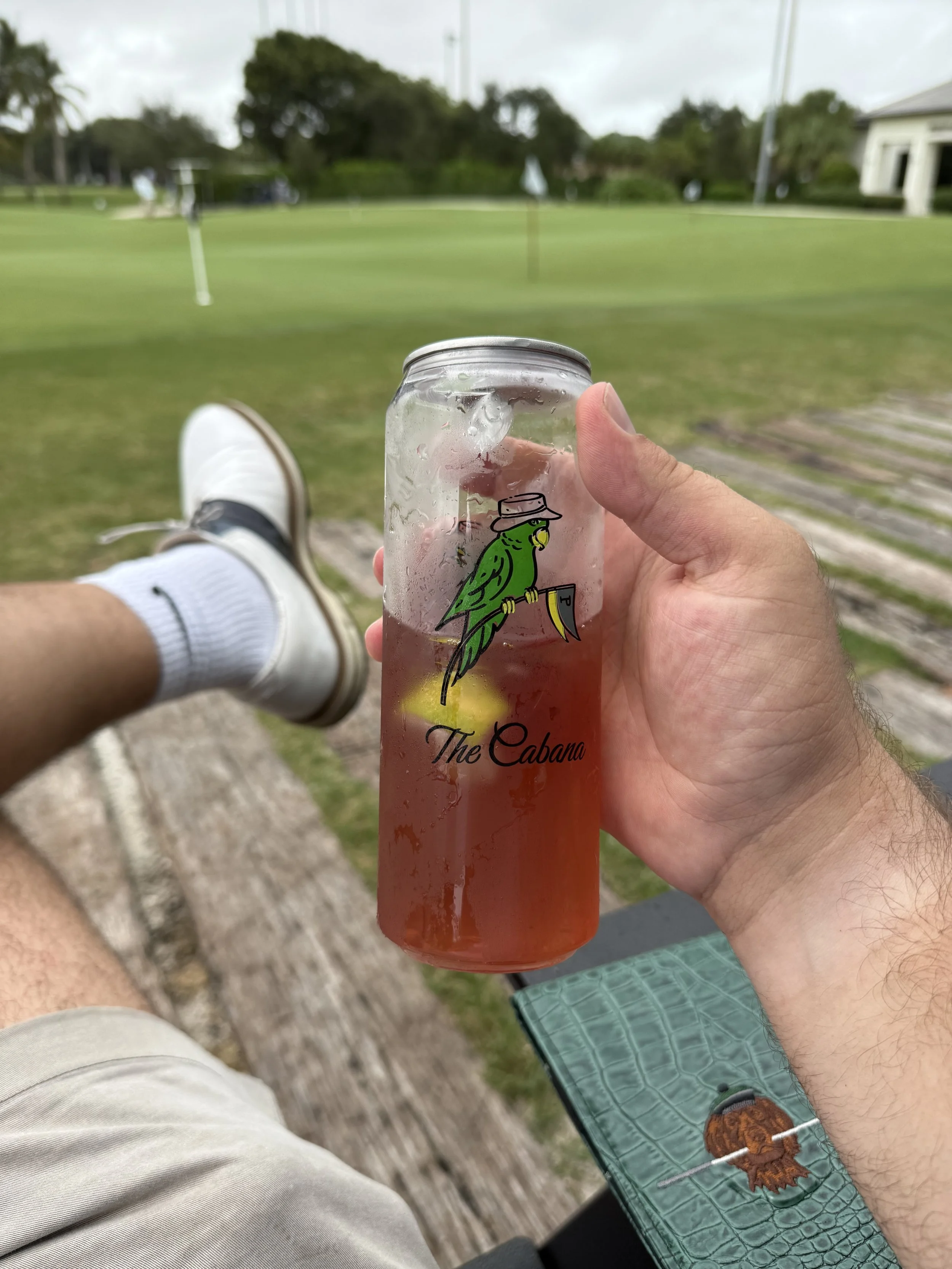
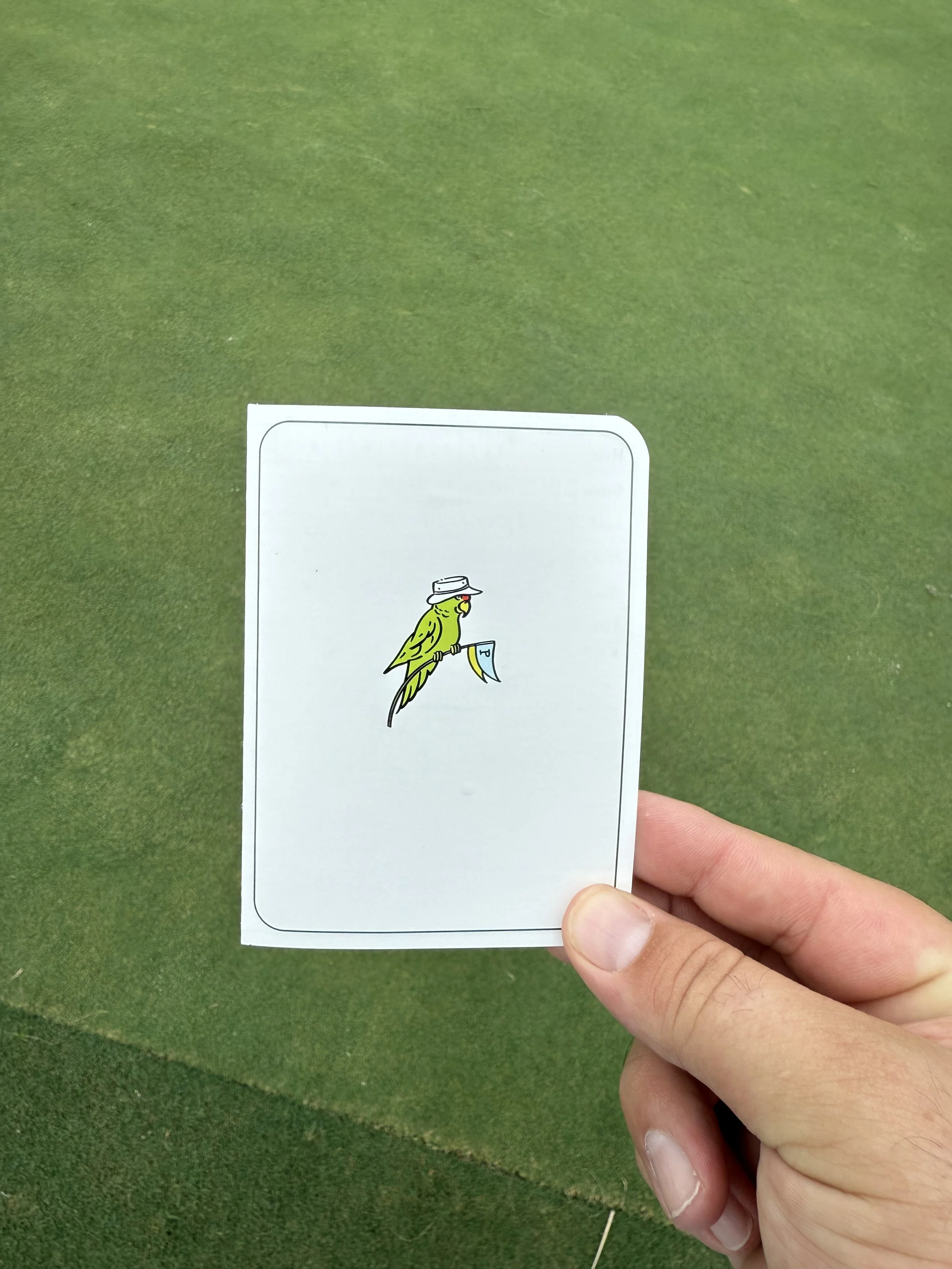
The Park’s parrot logo captures that same spirit. Playful yet intentional, it’s a nod to the color and energy of South Florida and a visual reminder that this place is meant to be welcoming. Where so many clubs lean on formality and tradition, The Park’s parrot feels open-armed, smiling, and unmistakably local.
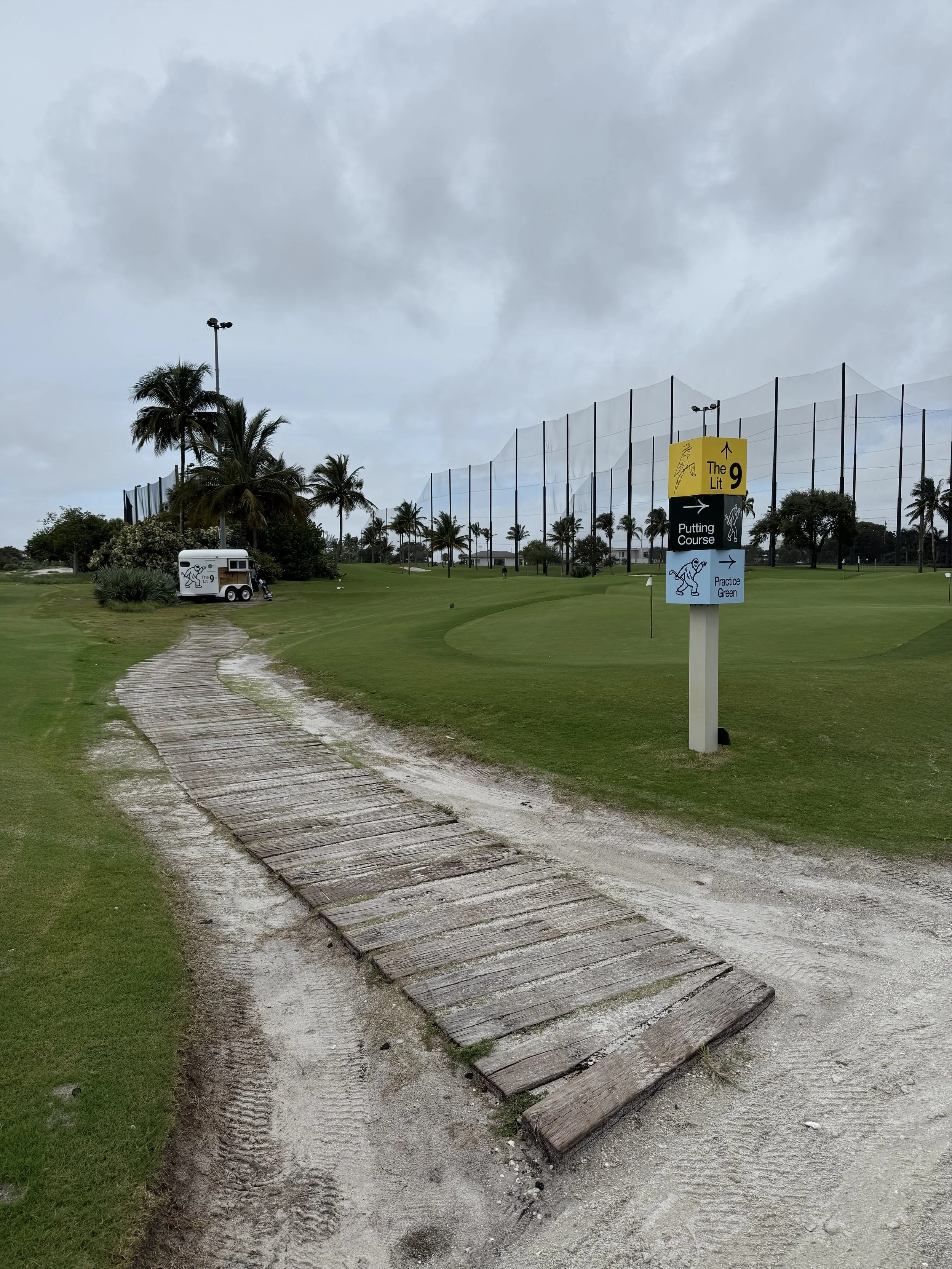
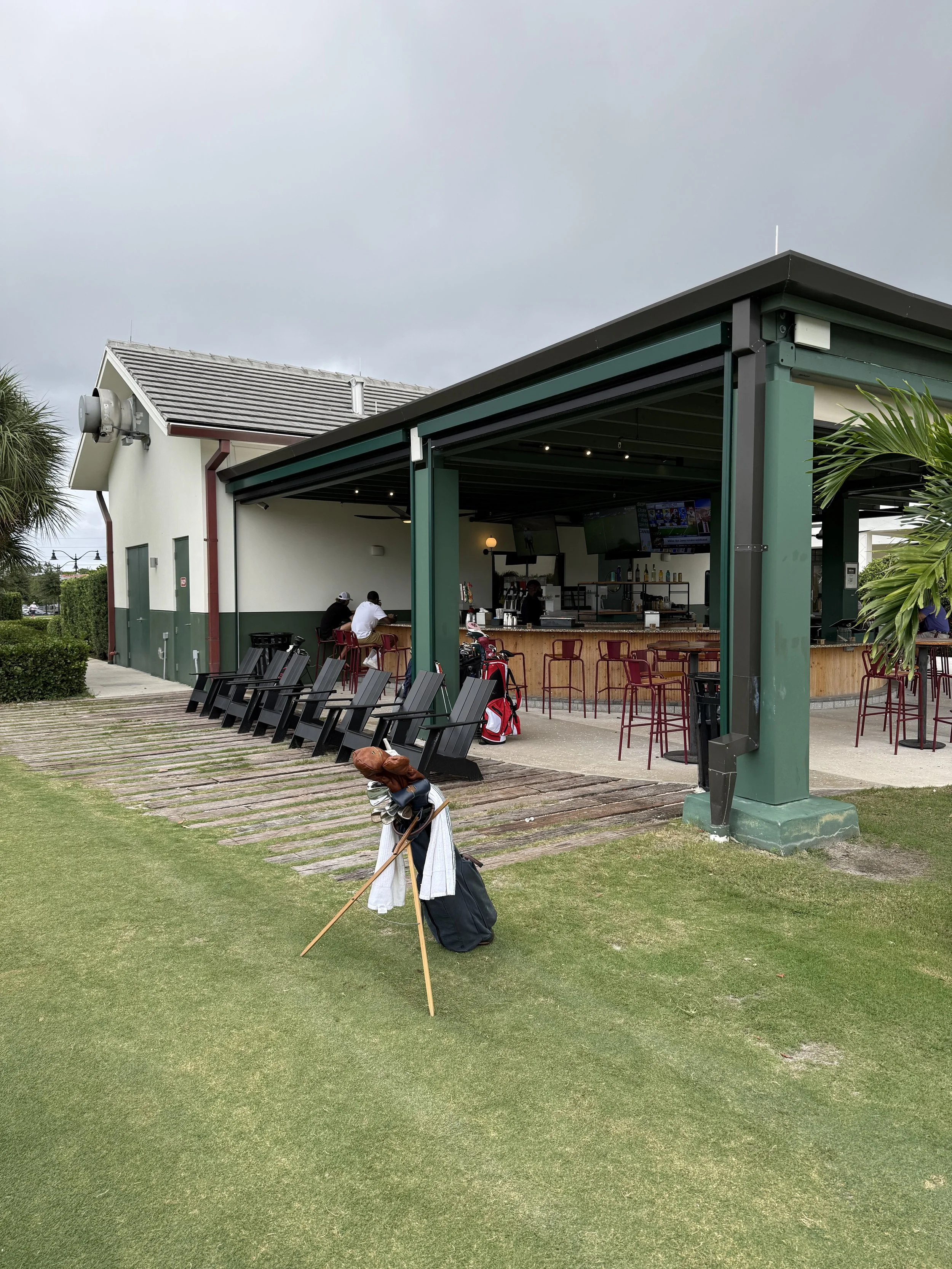
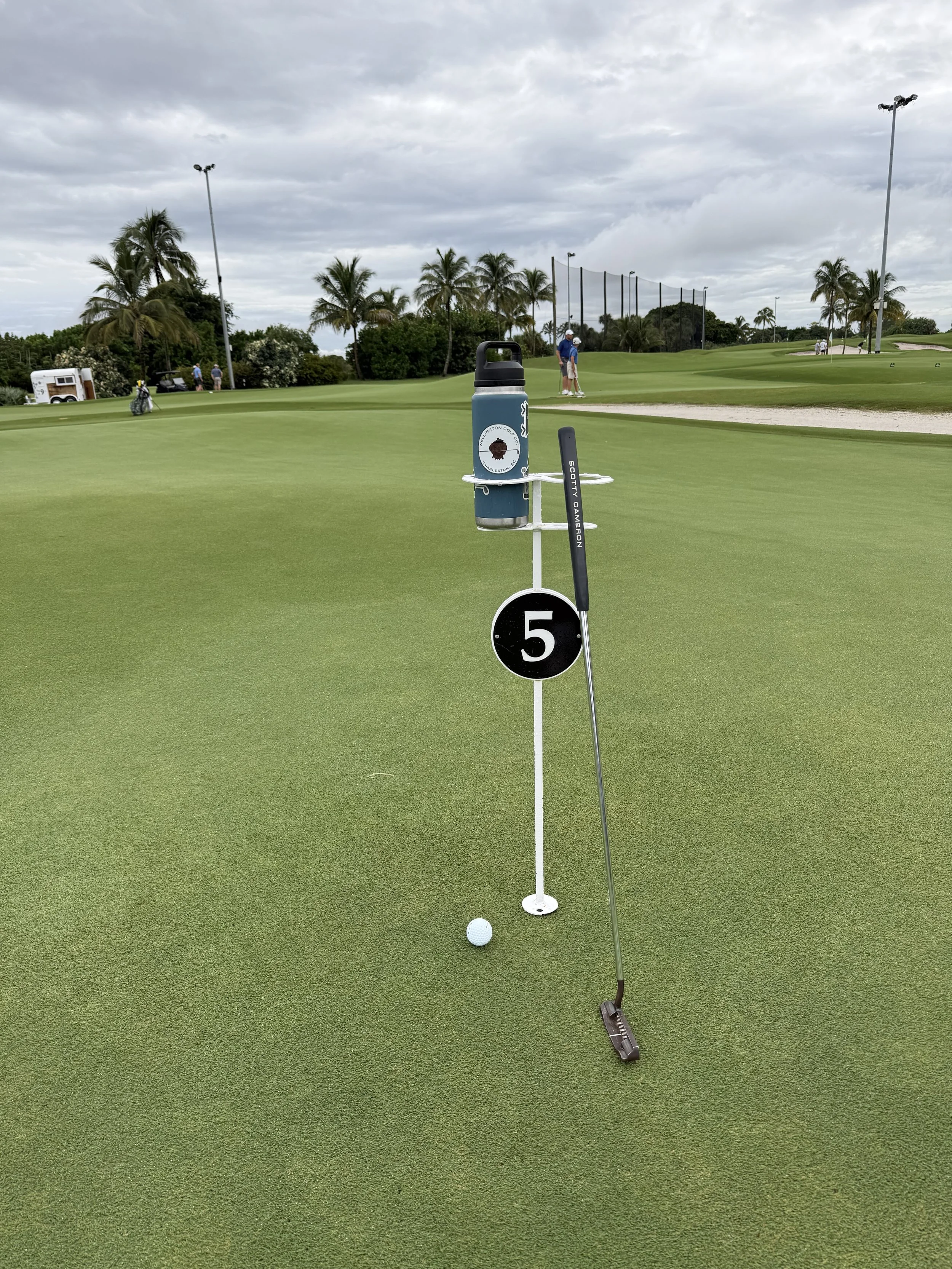
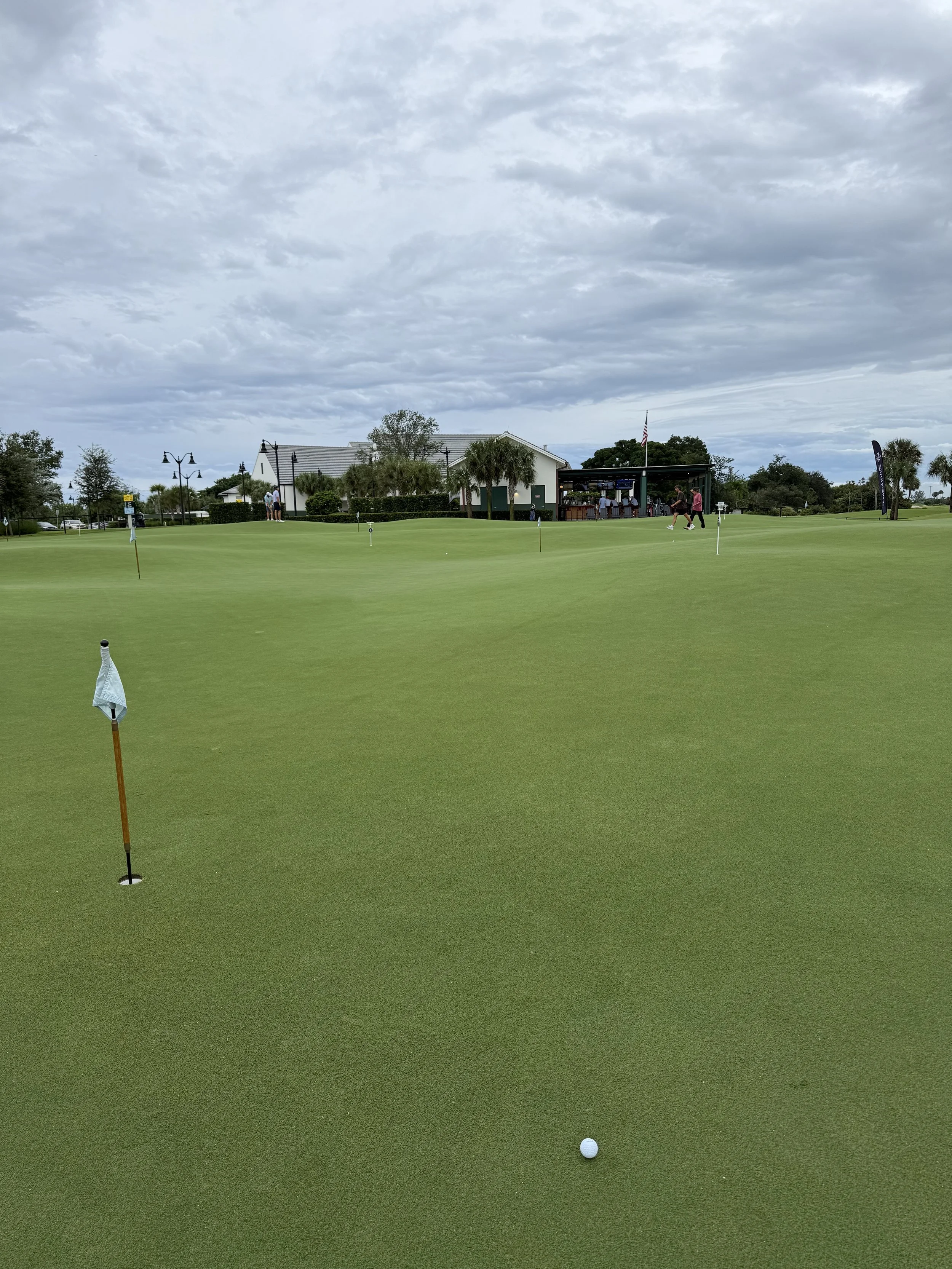
The ethos here extends beyond design. The Park was built to grow the game through access, education, and community programming. Its lighted range, 9-hole short course, and putting course stay busy well after sundown. Kids take lessons alongside beginners, families play together under the lights, and the sense of belonging is palpable.
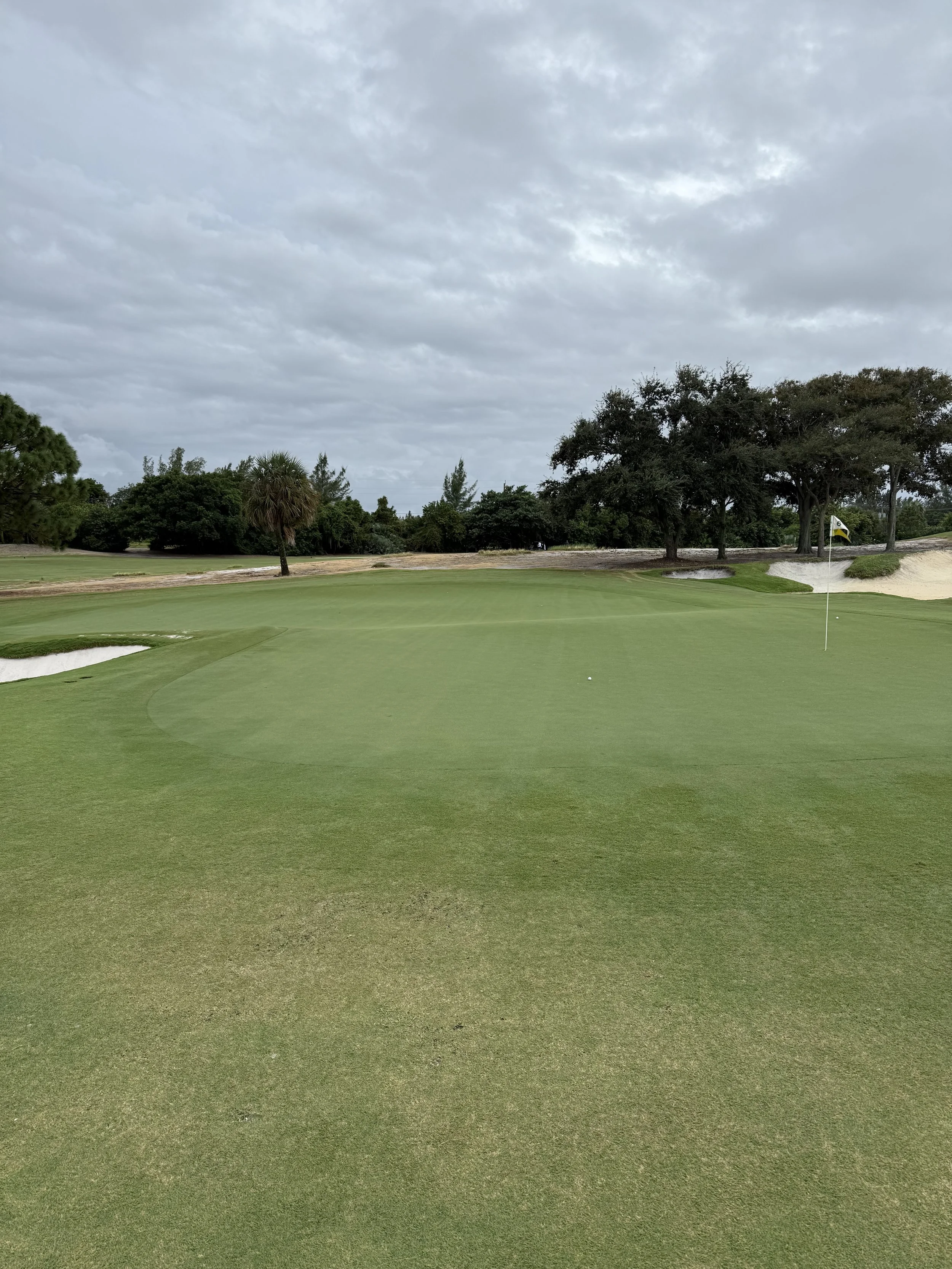
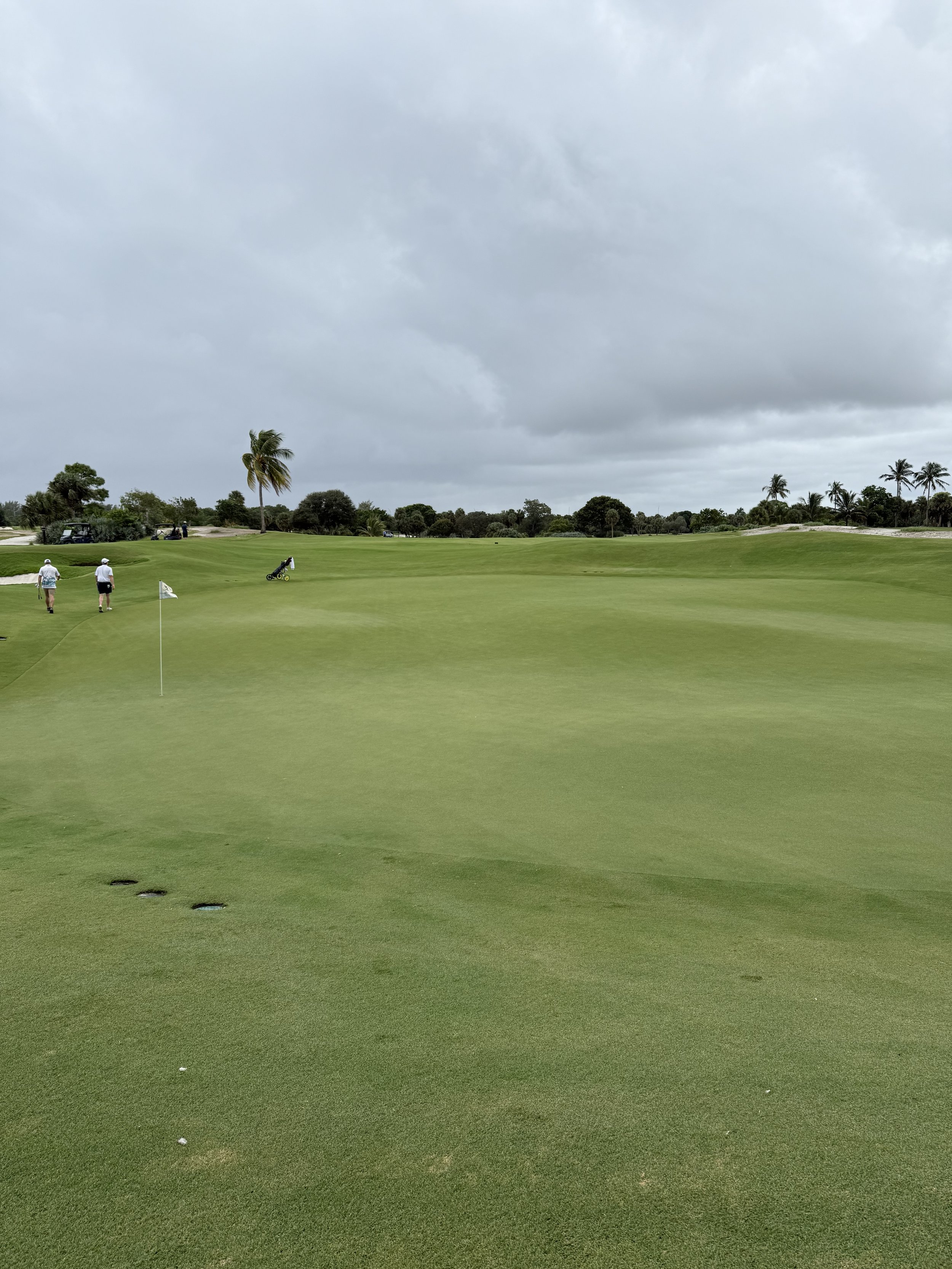
On the course, Hanse’s touch shines in the greens and surrounds—complex but fair, rewarding strategy and creativity. The short par-4 14th, drivable for some but playable by all, perfectly captures The Park’s essence: freedom, risk, and fun in equal measure.
Walking off the final green, I couldn’t help but think about the contrast from the day before at Doral. The Park is golf stripped back to its essence. Strategic, social, and deeply connected to place. It’s the rare course that makes you want to loop again immediately, not because of score or scenery, but because of how it makes you feel.
In an era when golf sometimes loses touch with its roots, The Park stands as proof that public golf can be world-class. Thanks to the vision of Waugh, Ziff, Hanse, and the West Palm community, The Park isn’t just a model for municipal golf, it’s a model for the future of the game.
Trey Wren of Sticks Golf Research created a very compelling documentary about the creation of The Park and all the efforts that went in to this space. Trey is a Palm Beach County resident and has the opportunity to spend a lot of time at The Park. Check it out on YouTube here! SGR has various other golf series on their YouTube channel that are all worth checking out.
After the round, I made a couple more loops around the putting course until headed back to Miami to pickup Hannah at the airport. From there, we continued South to Islamorada, FL for the 10th Annual Gerryfest. Read more about Islamorada in our “Clubhouse” section soon!