Palmetto Golf Club - Aiken, SC
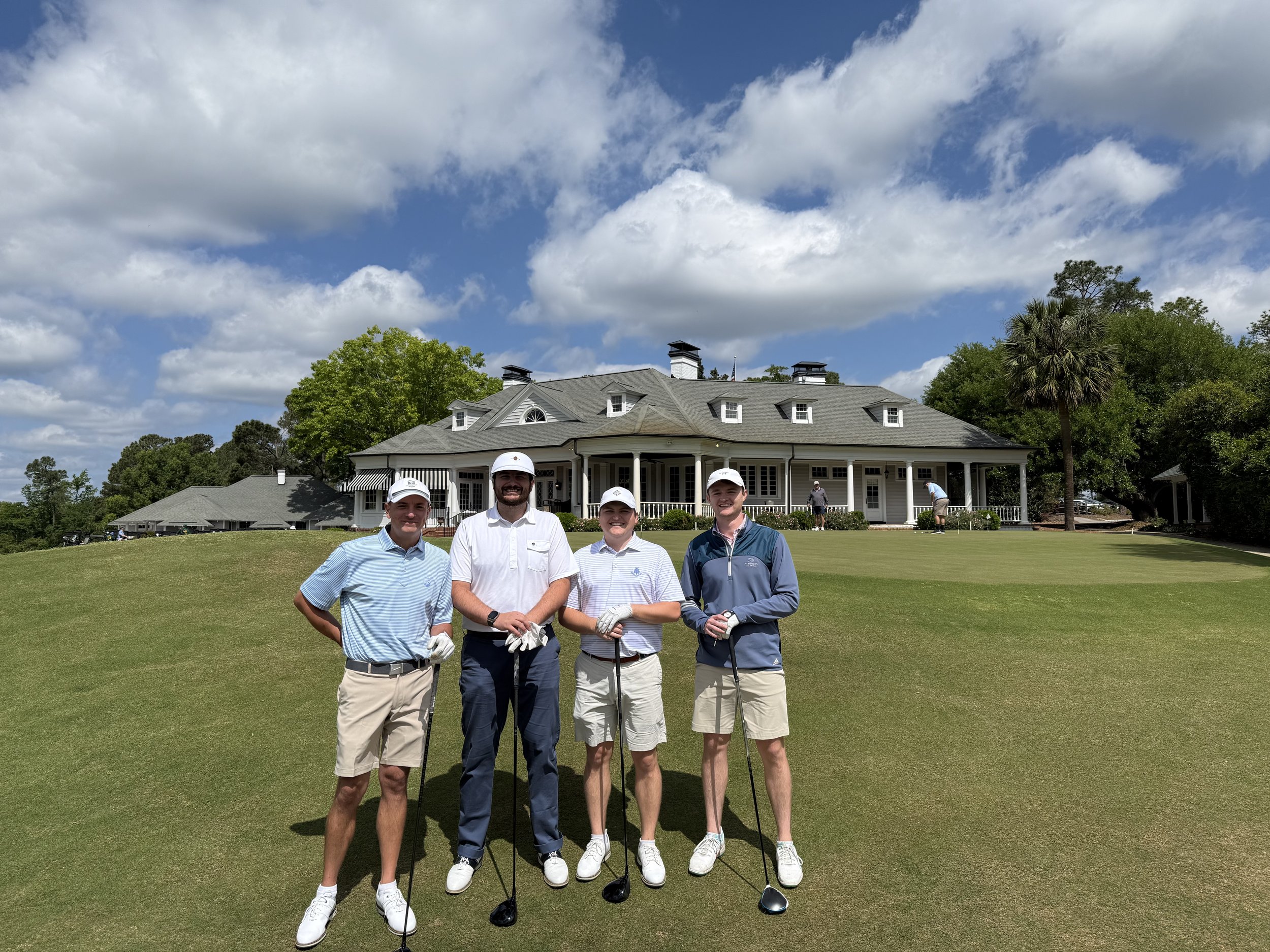
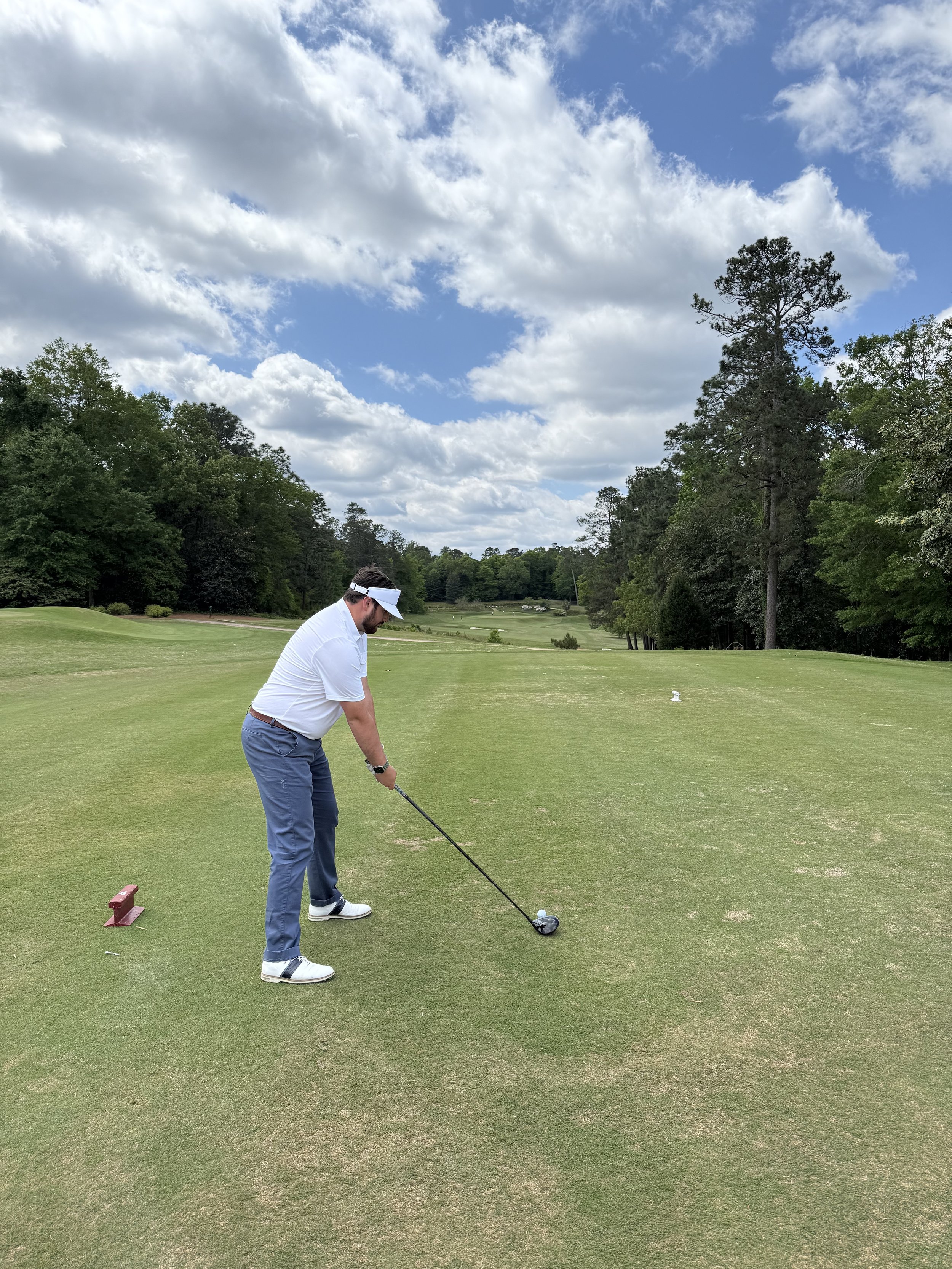
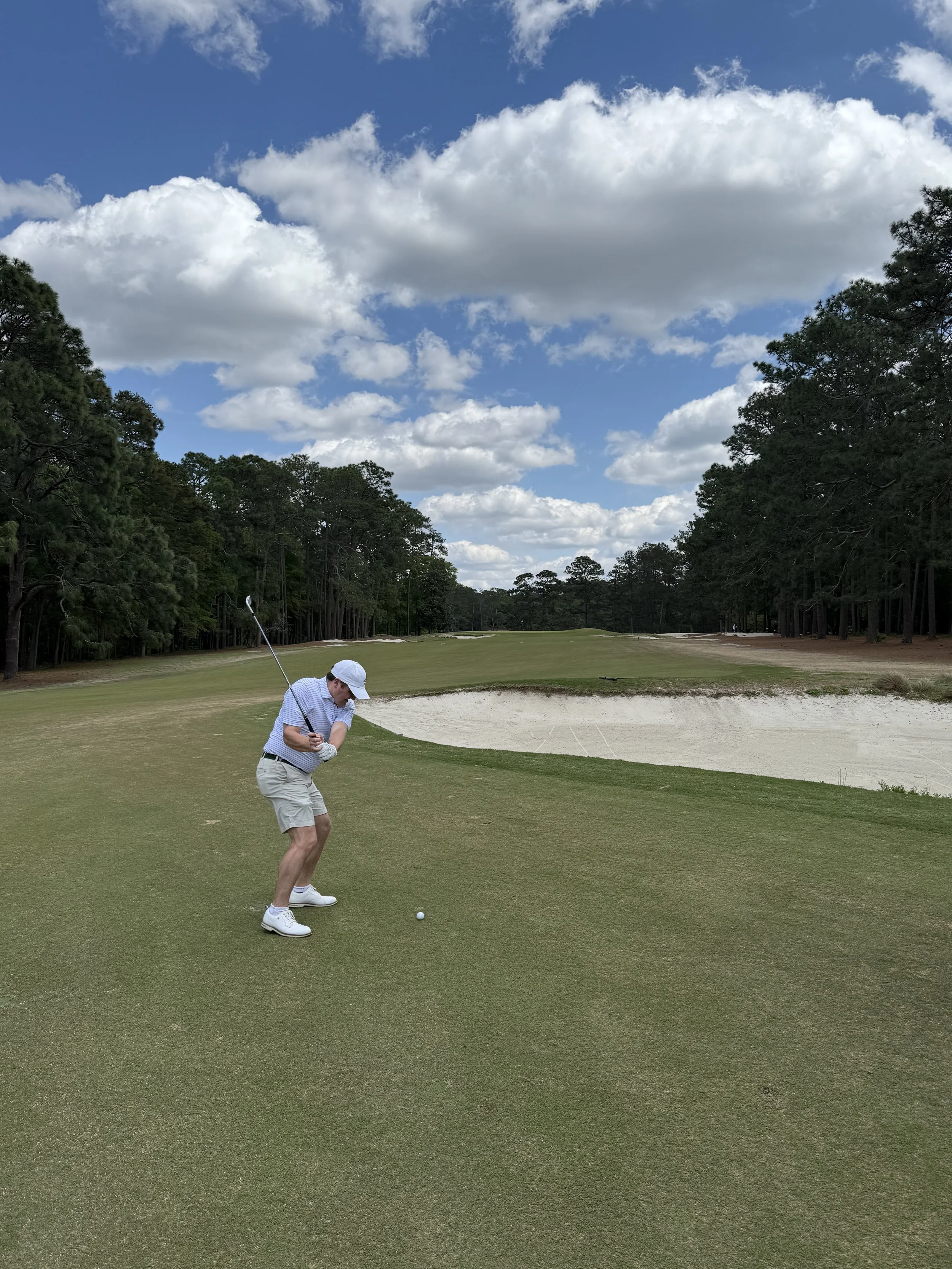
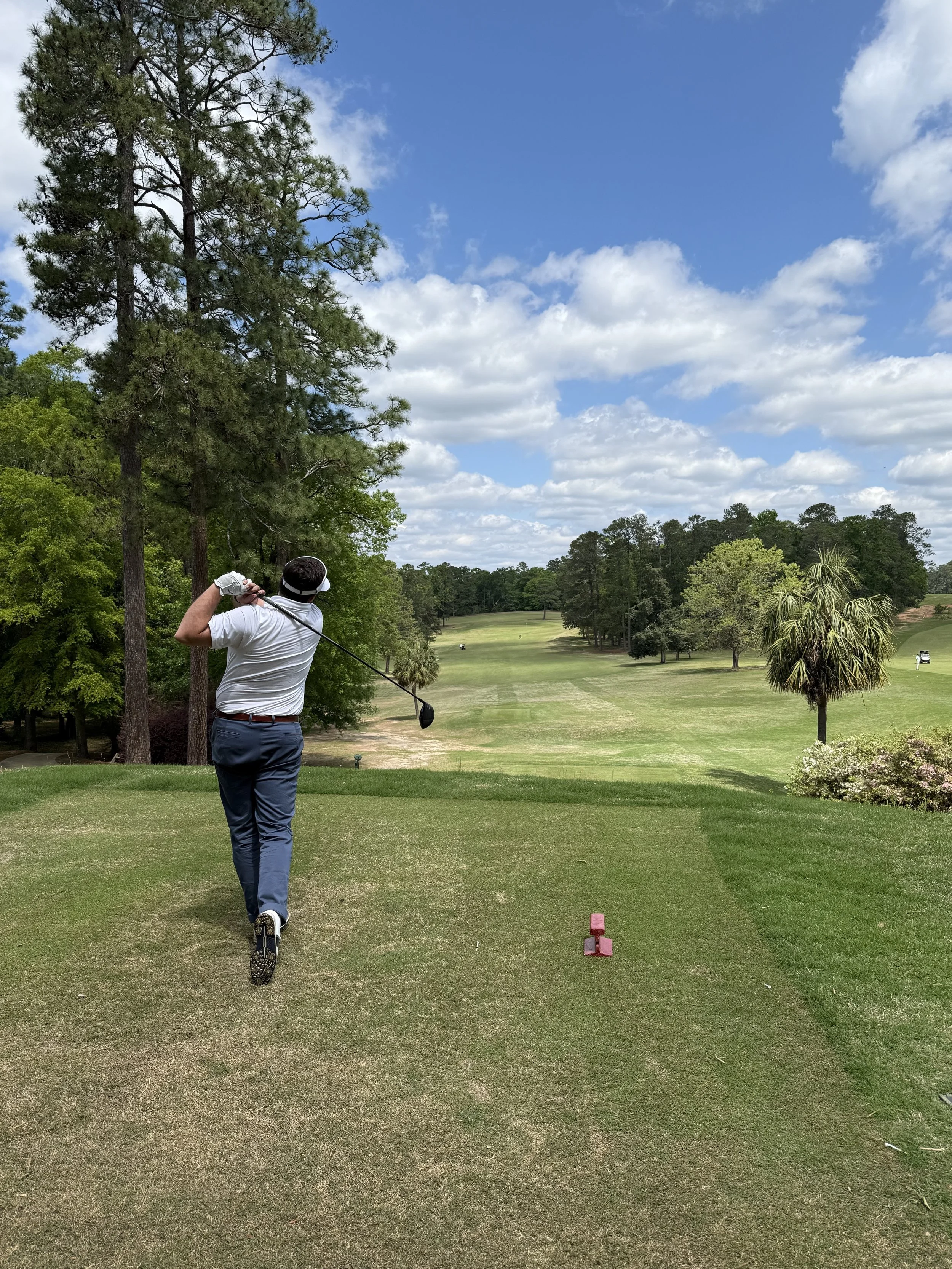
As referenced in The Chalk Mine Nine write up, I was able to play Palmetto Golf Club as part of their Masters Week offering. Each year, during The Masters, several of the courses in the Aiken area offer tee times to the captive audience that travel in for The Masters. Last year, Griffin and I played The Tree Farm as part of a similar offering and this year was the Chalk Mine Nine as well as the Palmetto Golf Club. Griffin made the return trip, and we added our buddy Joe R. and my brother in law, Kyle.
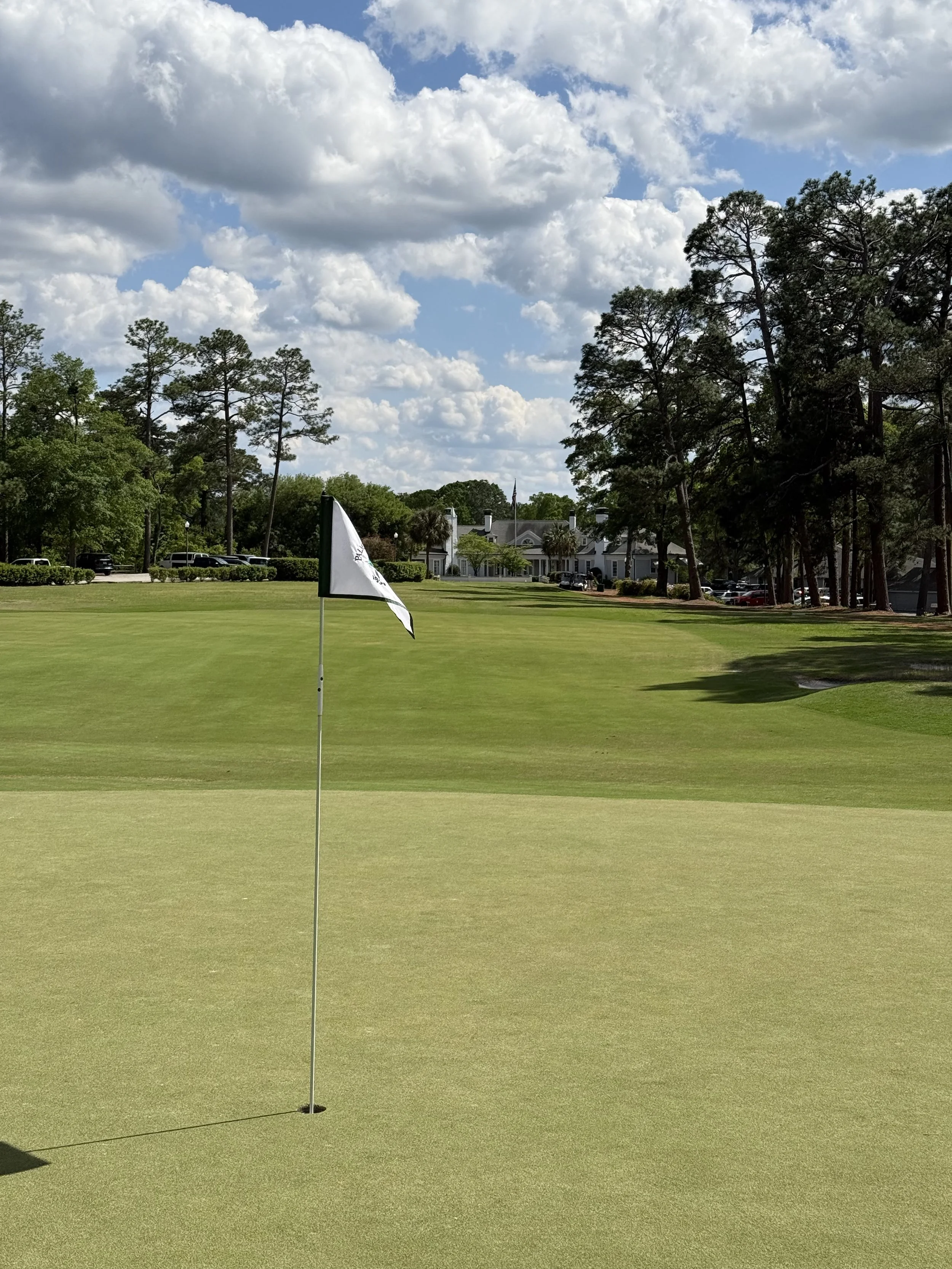
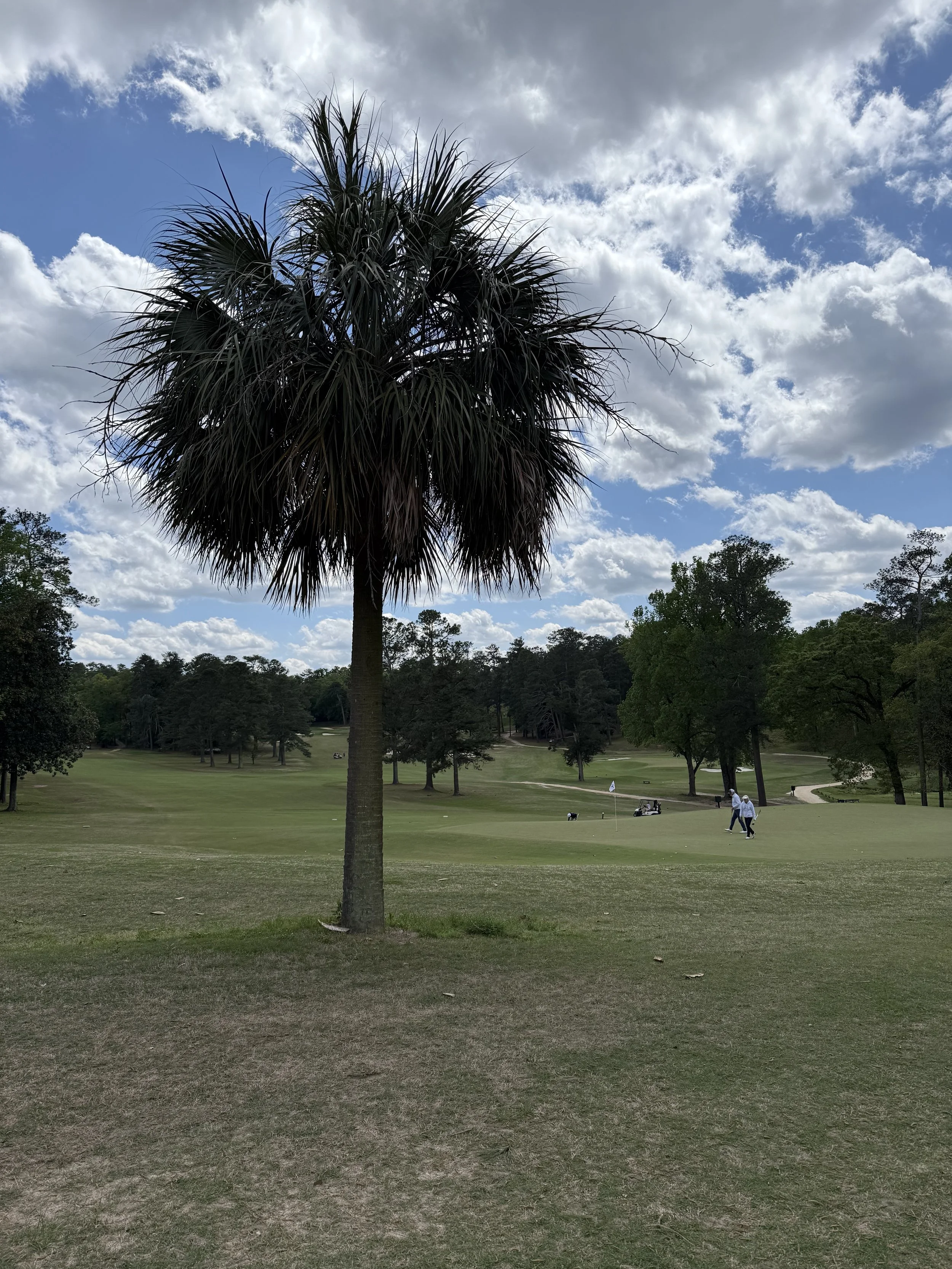
Tucked quietly into the heart of Aiken, South Carolina, surrounded by live oaks, stately homes, and a kind of Southern grace that never feels rehearsed, Palmetto Golf Club is a rare course that does not just speak to the game’s roots. It is one.
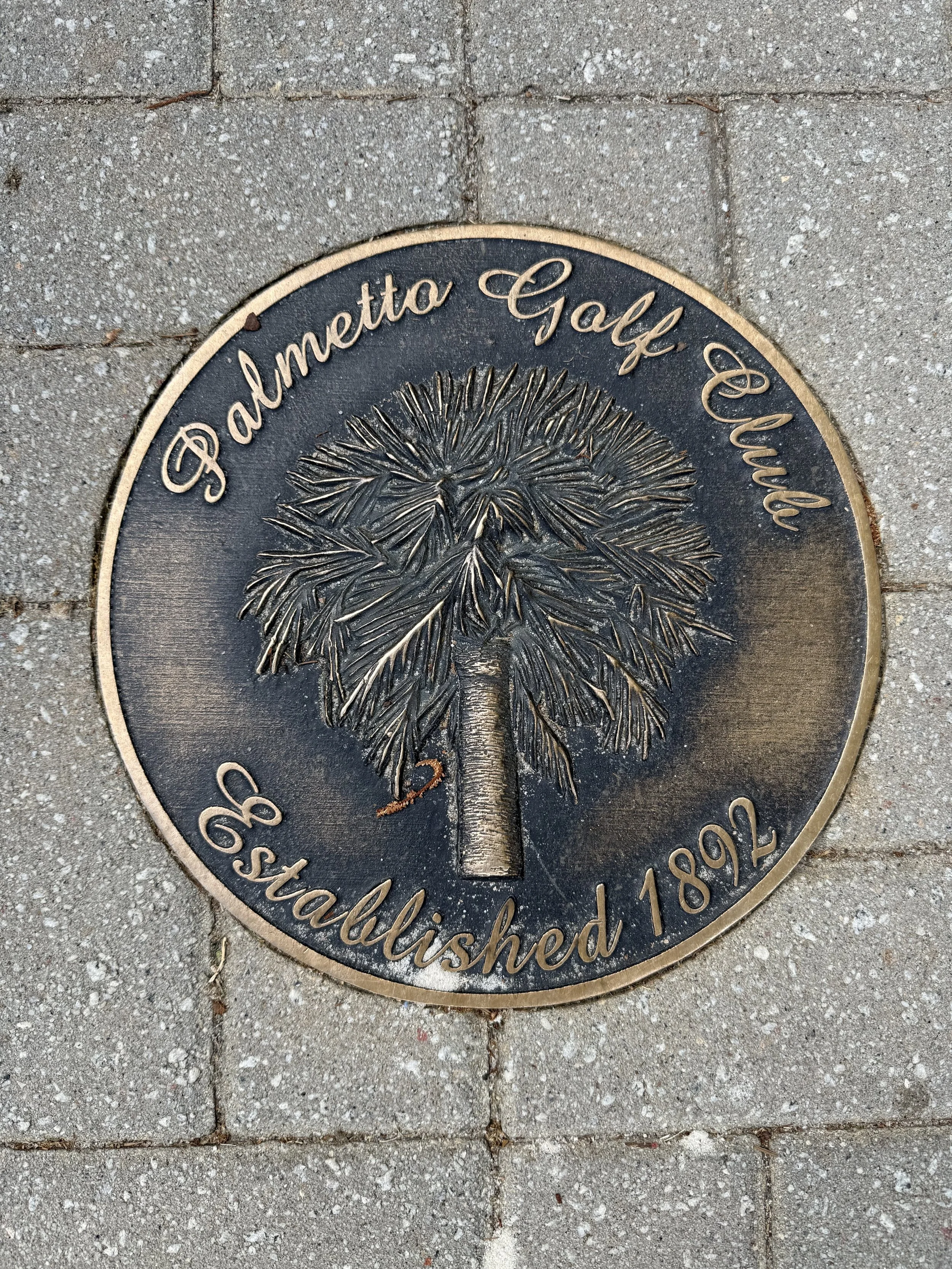
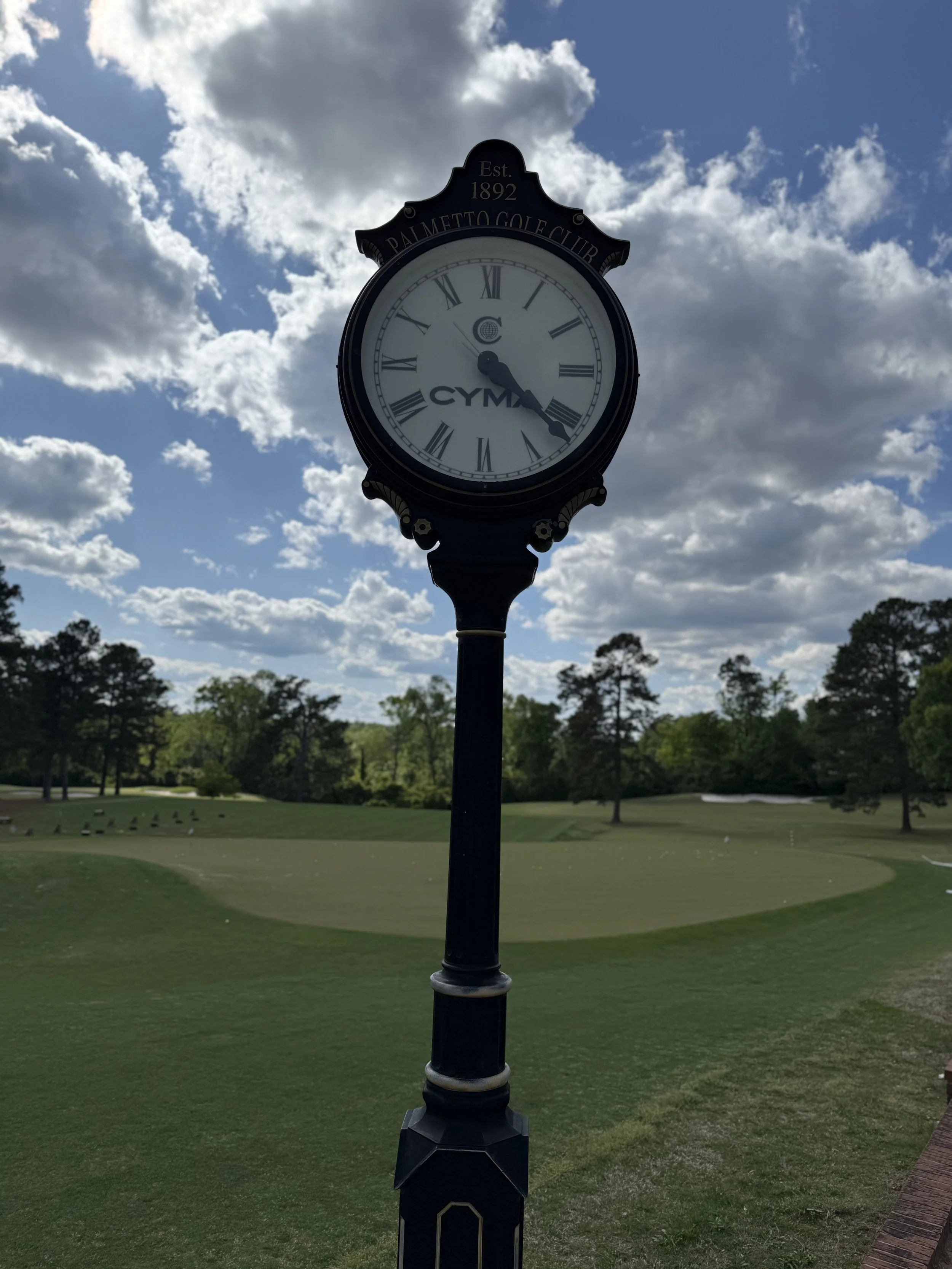
Founded in 1892 by Thomas Hitchcock, a Long Island sportsman and horseman who helped establish Aiken’s Winter Colony, Palmetto stands as one of the oldest golf clubs in America. Its early members, many of them polo players and foxhunters from the Northeast, brought golf to town in the same way they brought horses and high society, with intention, resources, and just the right amount of eccentricity.
Hitchcock himself laid out the first four holes, which now form part of the closing stretch of the course. Herbert Leeds of Myopia Hunt Club fame and James Mackrell, Palmetto’s first professional, completed the original nine. By 1895, the course had grown to a full 18 holes, modest in length by today’s standards but deeply thoughtful in its routing and use of the land.
Donald Ross briefly touched the course in 1928, likely assisting with irrigation and early infrastructure. While his involvement was limited, it marked an important moment in the club’s evolution. The most significant architectural influence arrived in 1932, when Dr. Alister MacKenzie was fresh off shaping Augusta National. A group of Augusta investors, many of whom also wintered in Aiken, asked MacKenzie to help modernize Palmetto by replacing sand greens with grass and extending the course without stripping it of its character.
It has long been said that when MacKenzie finished his work at Palmetto, Augusta National’s founders worried it might become the more desirable club. That sentiment alone speaks volumes.
The work was carried out by Wendell Miller, who had just overseen construction at Augusta National, and leftover materials from that project quietly made their way to Aiken. It is one of those subtle connections that tie Palmetto into the deeper fabric of American golf design, less about spectacle and more about fingerprints left behind.
Over the years, the course has been carefully stewarded rather than aggressively altered. Bunkers were adjusted, trees were added and later removed, and the club resisted the urge to chase trends. In the late 1980s, Rees Jones recommended bunker renovations that were completed alongside a regrassing in 1995. In 2003, Tom Doak was brought in to reintroduce MacKenzie’s artistry by expanding greens toward their original edges and reshaping bunkers to reflect the boldness MacKenzie favored.
Today, Gil Hanse serves as Palmetto’s consulting architect, helping guide the course forward while remaining deeply respectful of everything that came before.
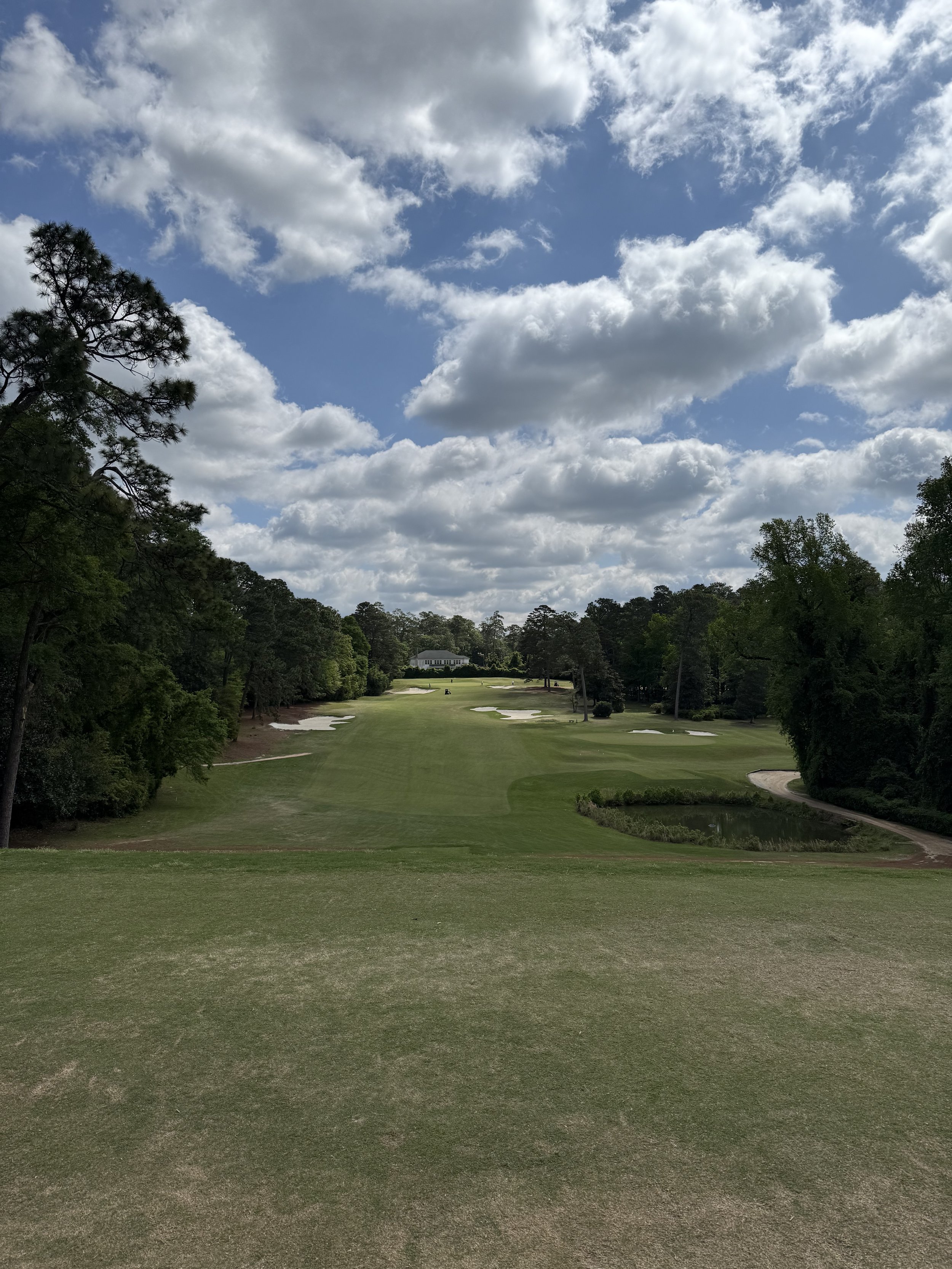
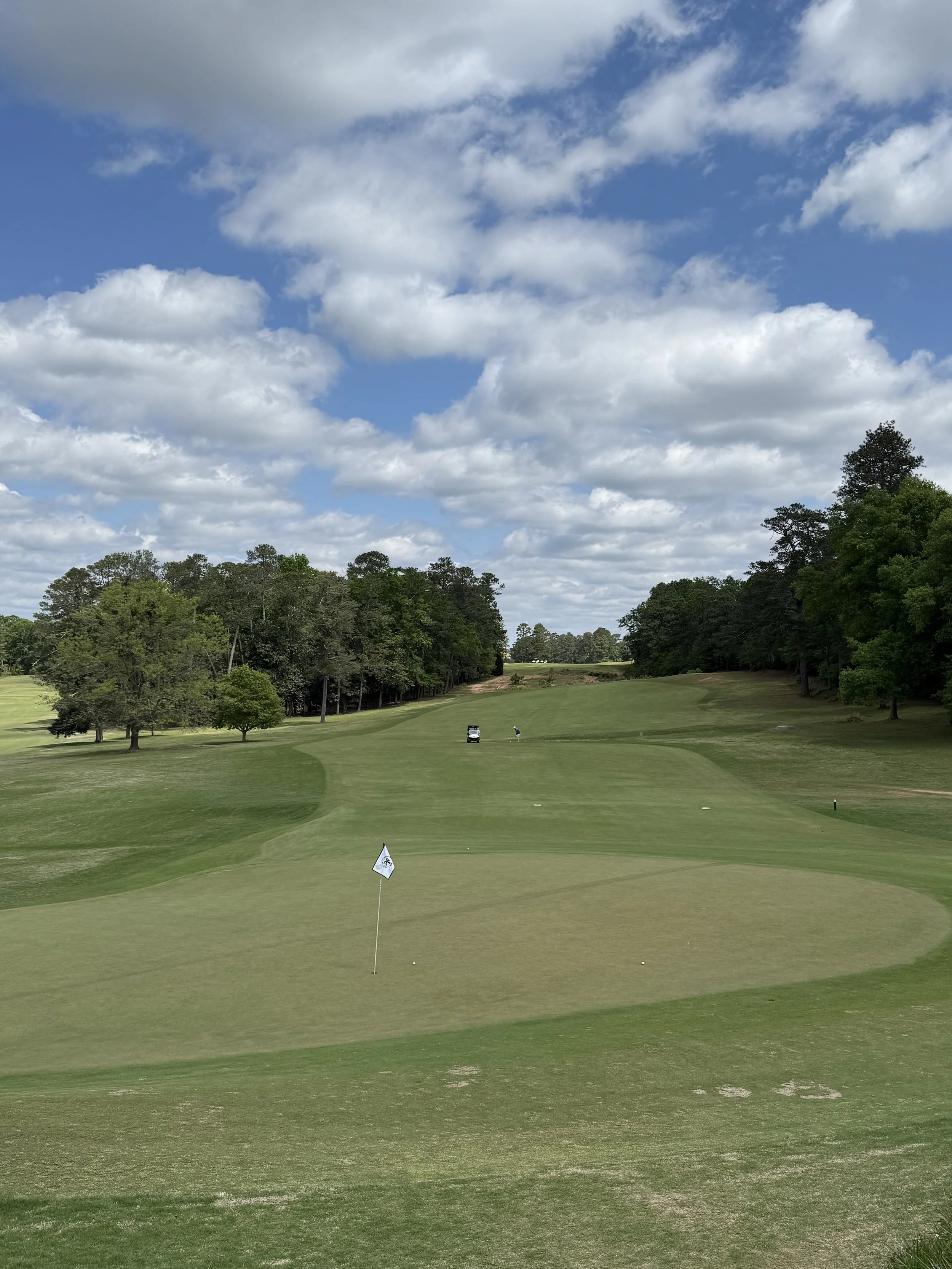
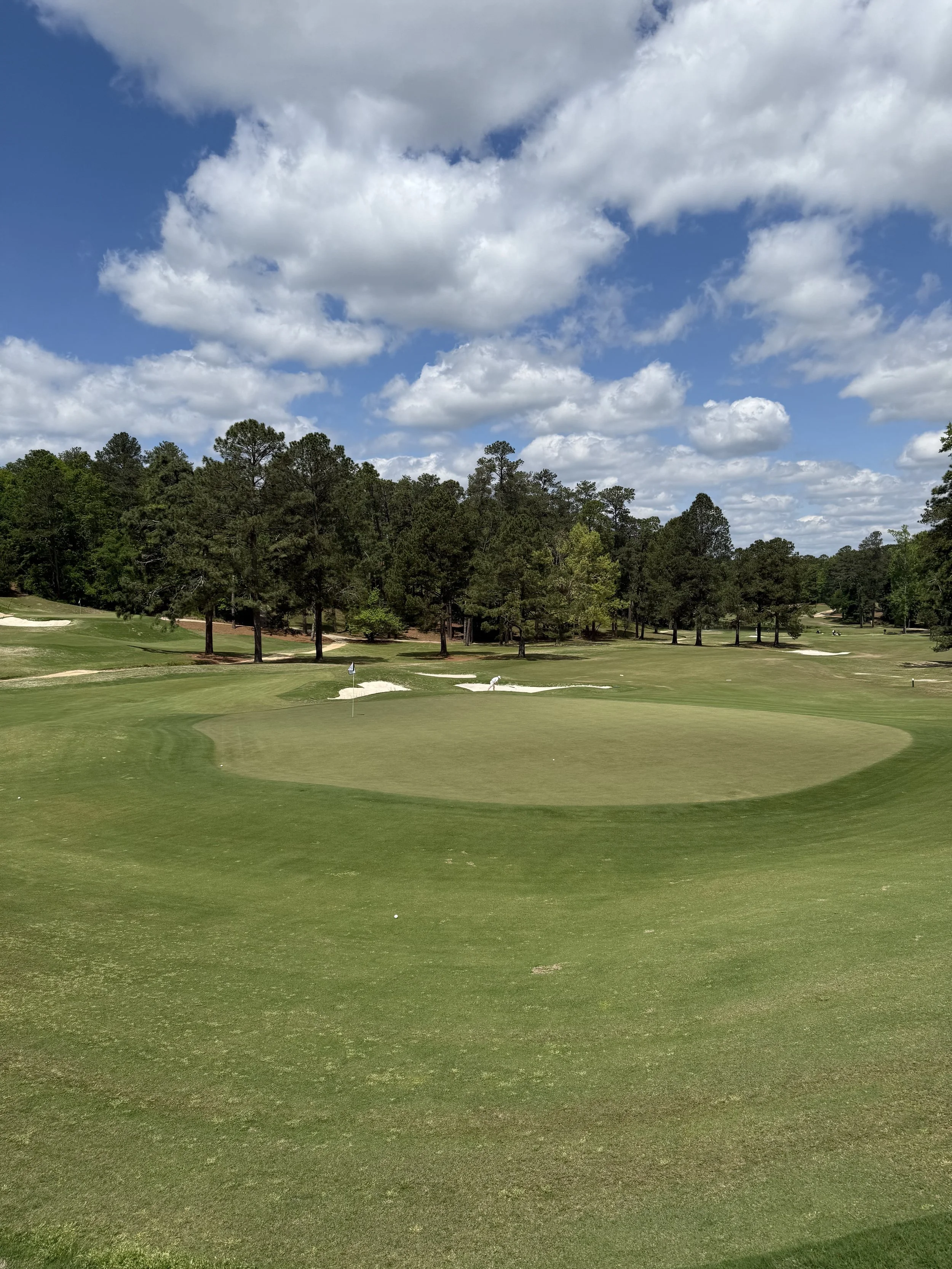
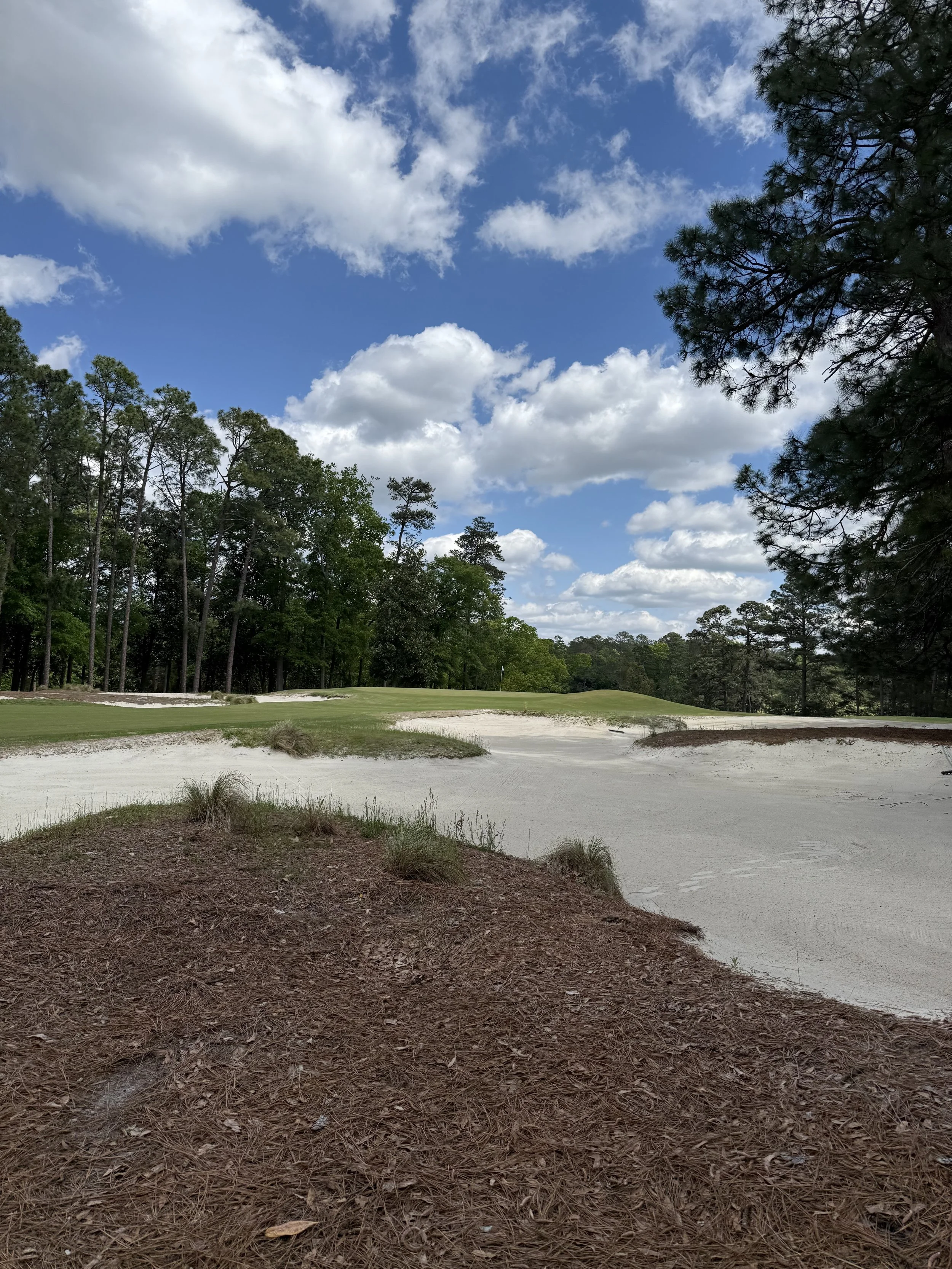
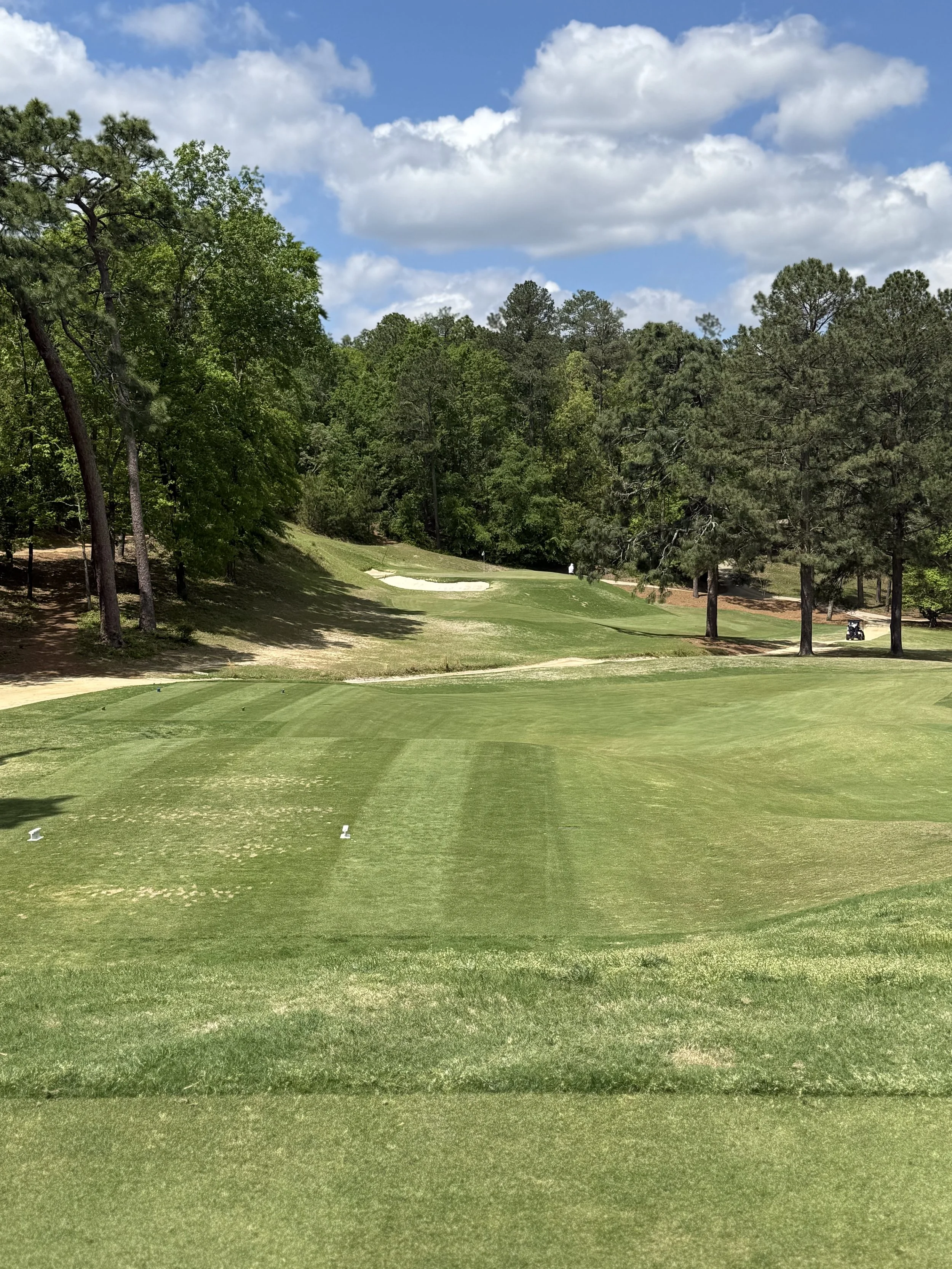
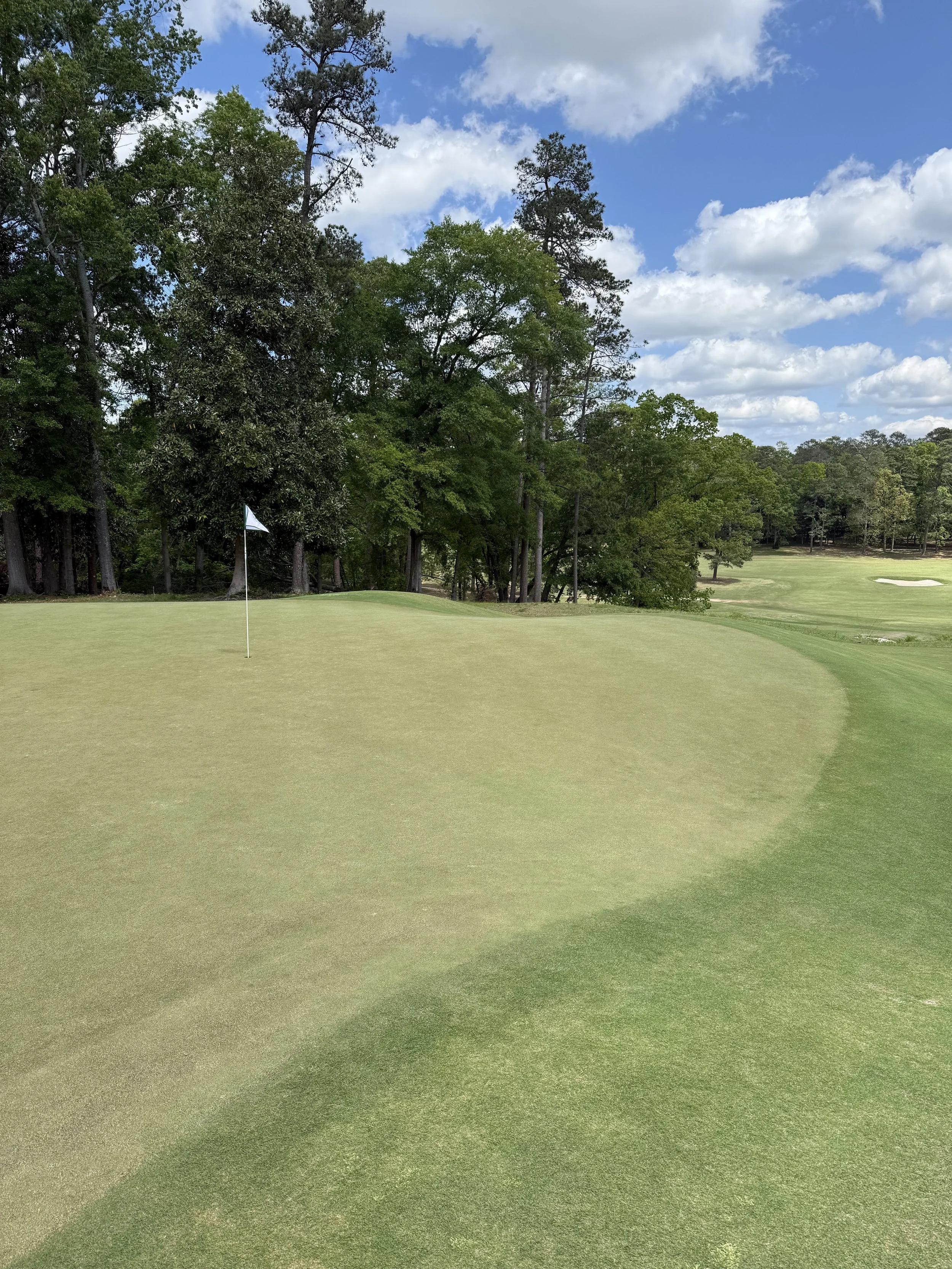
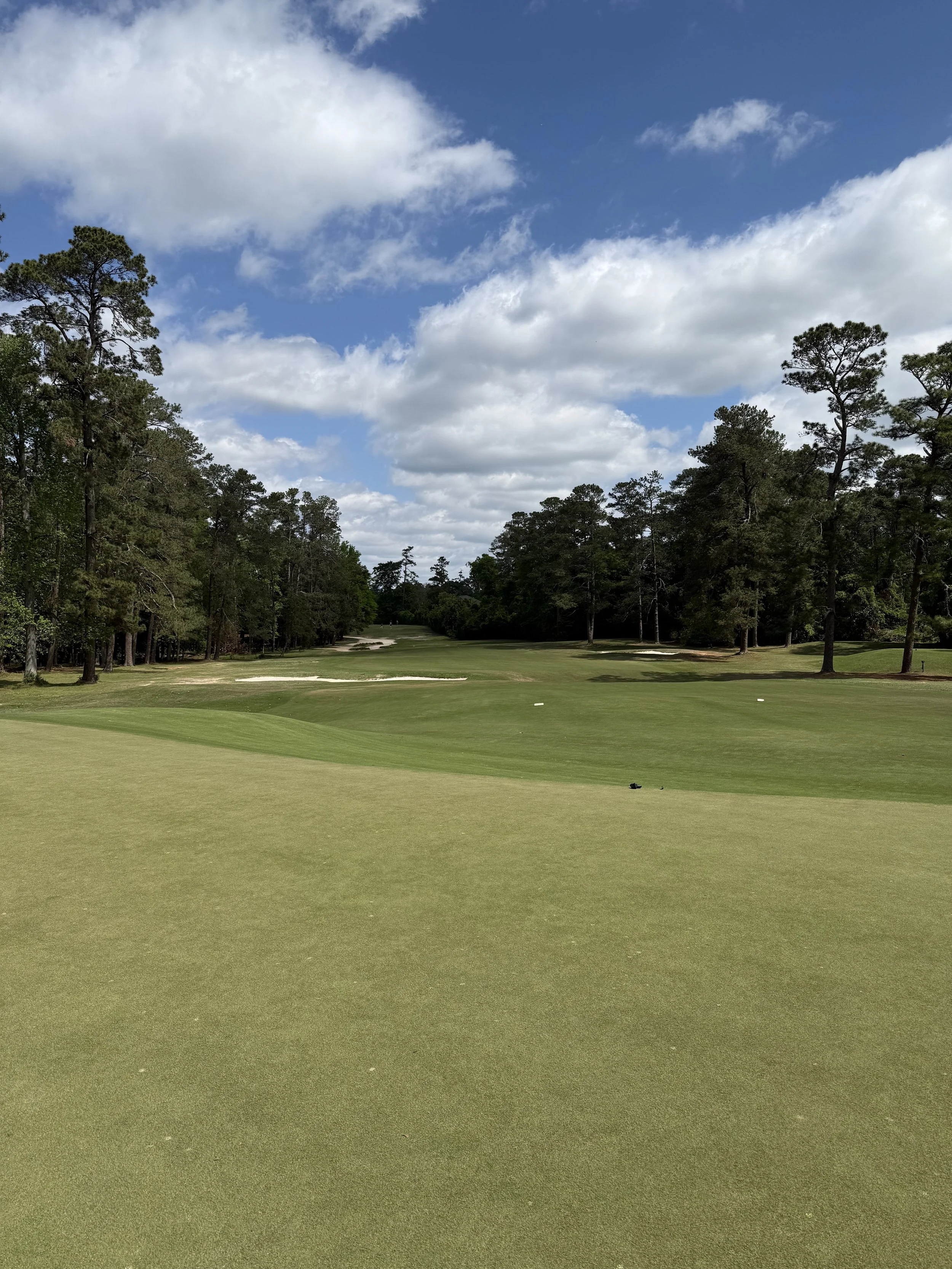
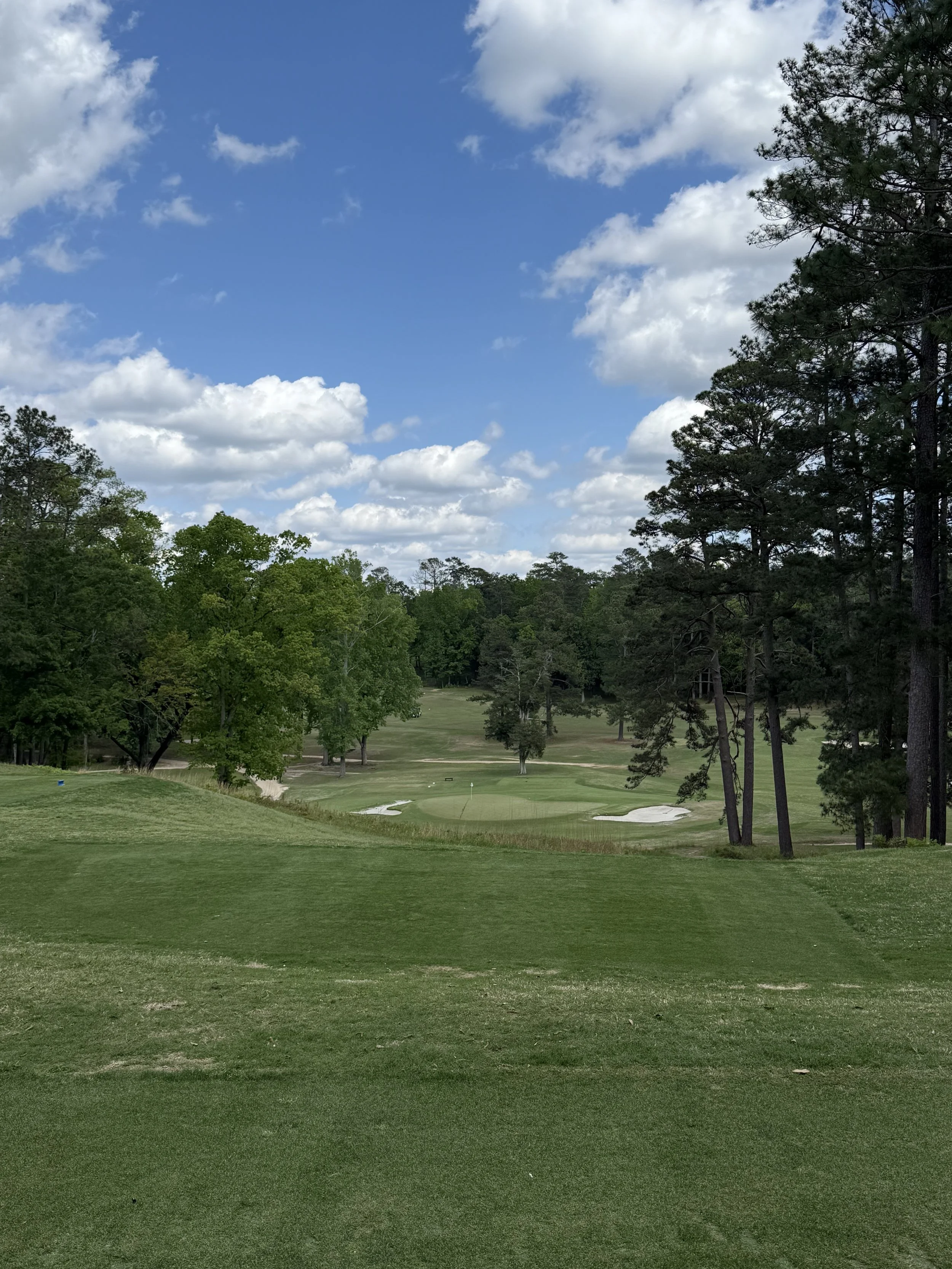
The course itself reads like a walking poem. Short by modern standards at just under 6,500 yards from the back tees, it never feels small. Instead, it asks for thought, commitment, and creativity. There are no safe swings at Palmetto, only smart ones. The greens are bold and brilliant, filled with movement, tilt, and tucked corners that reward local knowledge and expose indecision.
The stretch from holes six through eight, a demanding par three followed by two dogleg par fours, stands among the best three hole sequences in the area. The closing holes, where Hitchcock’s original routing still lives, bring the round home with a quiet sense of grandeur.
Palmetto does not chase relevance because it never has to. It has always known exactly what it is.
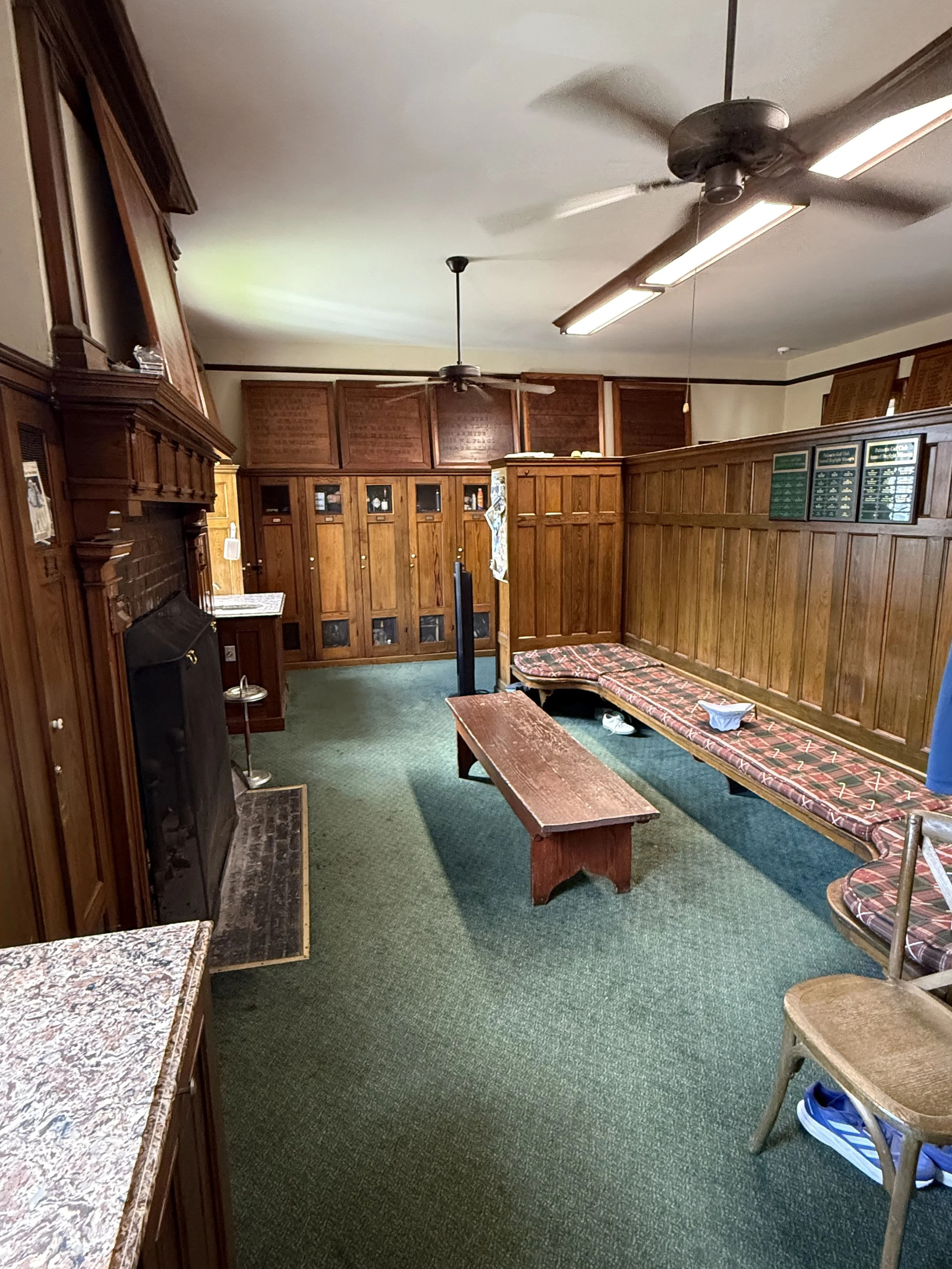
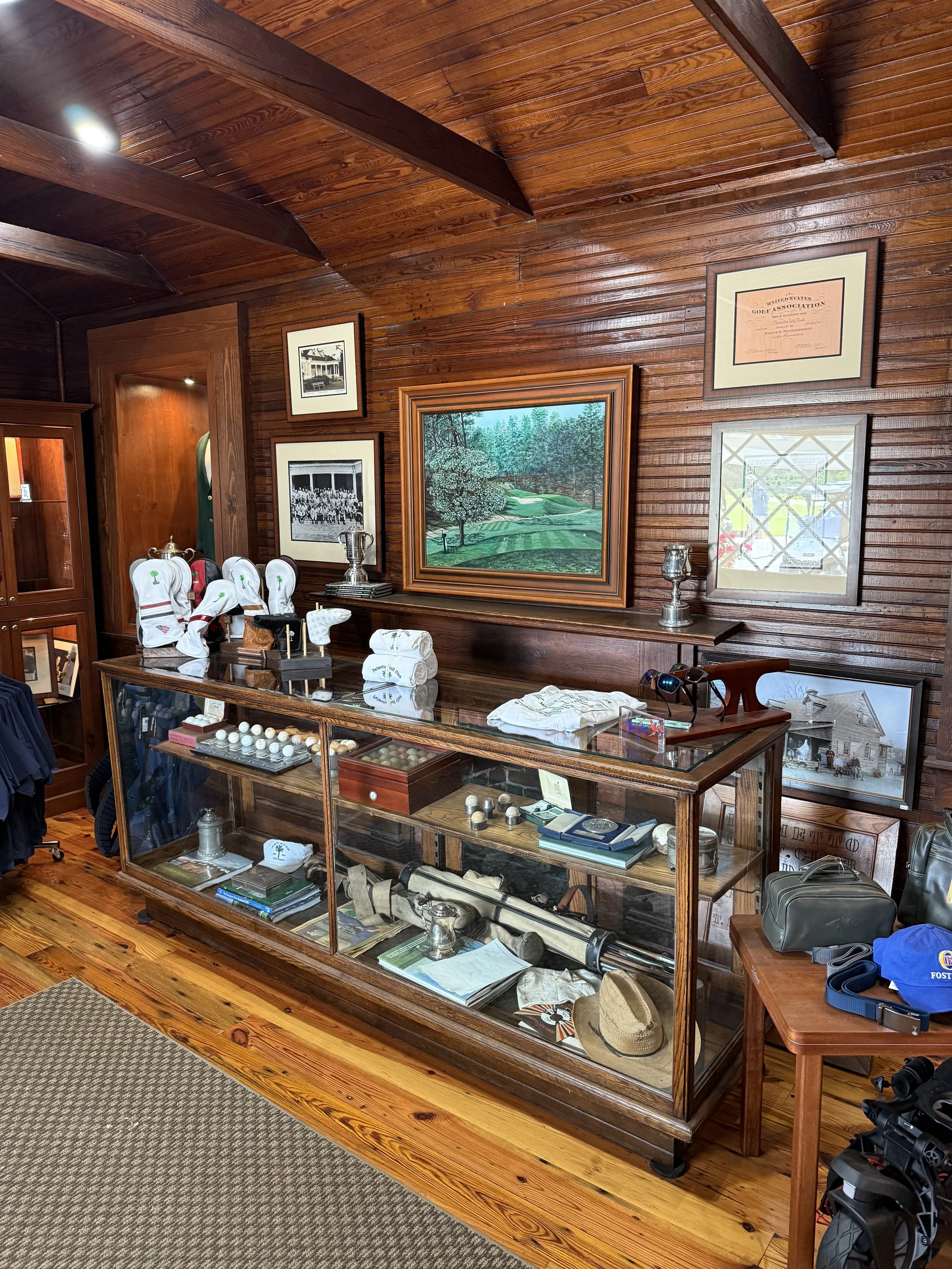
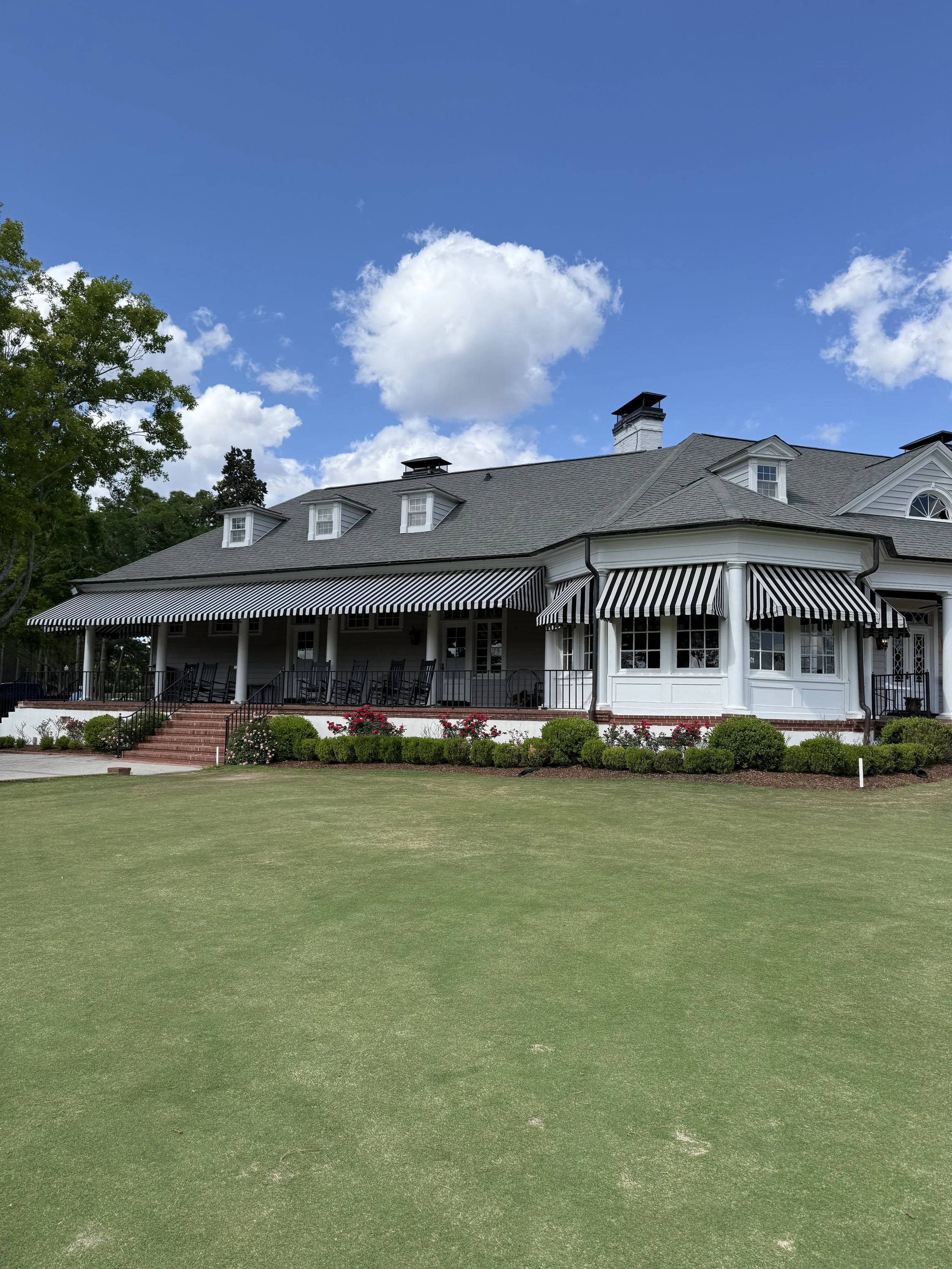
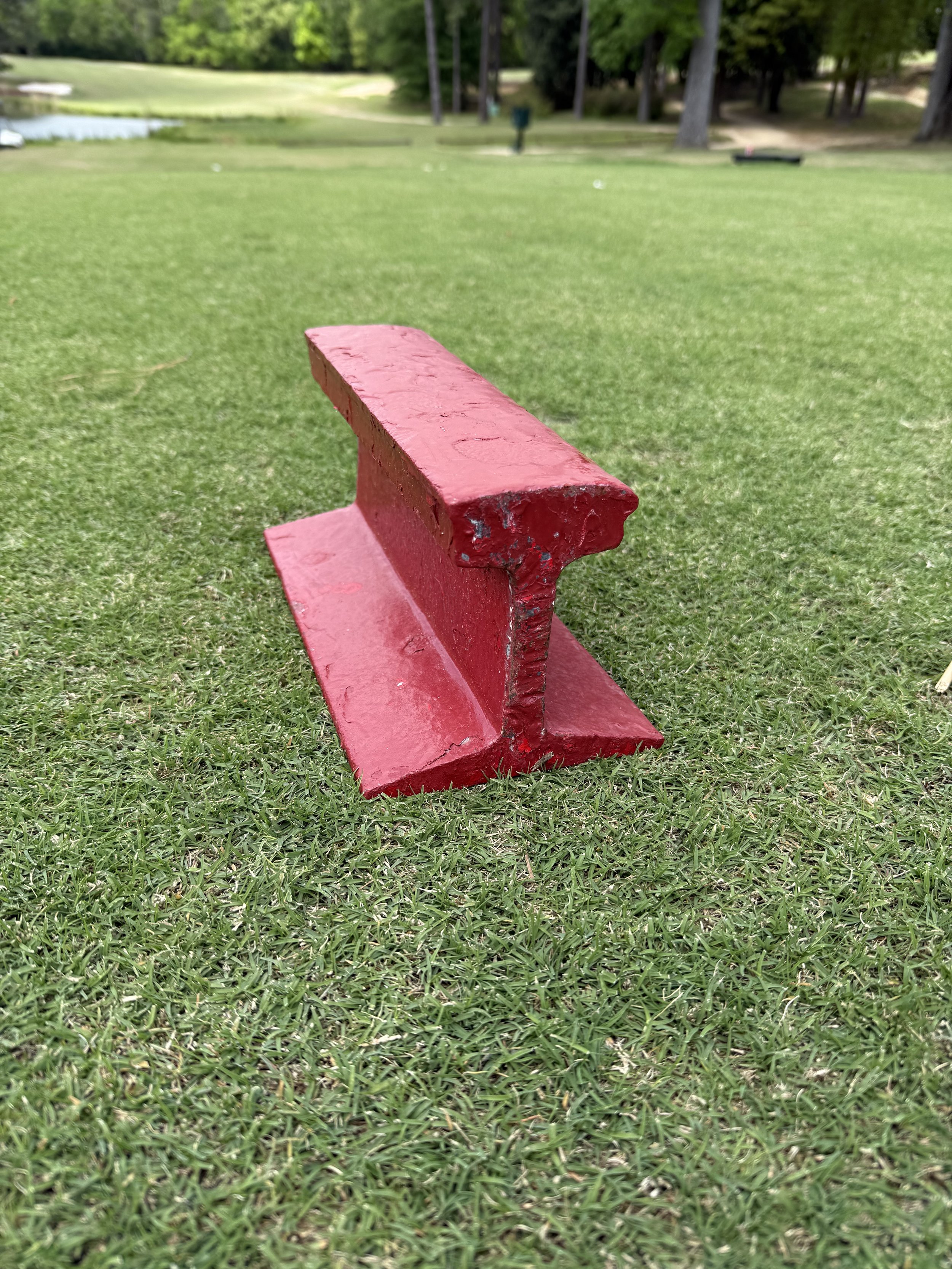
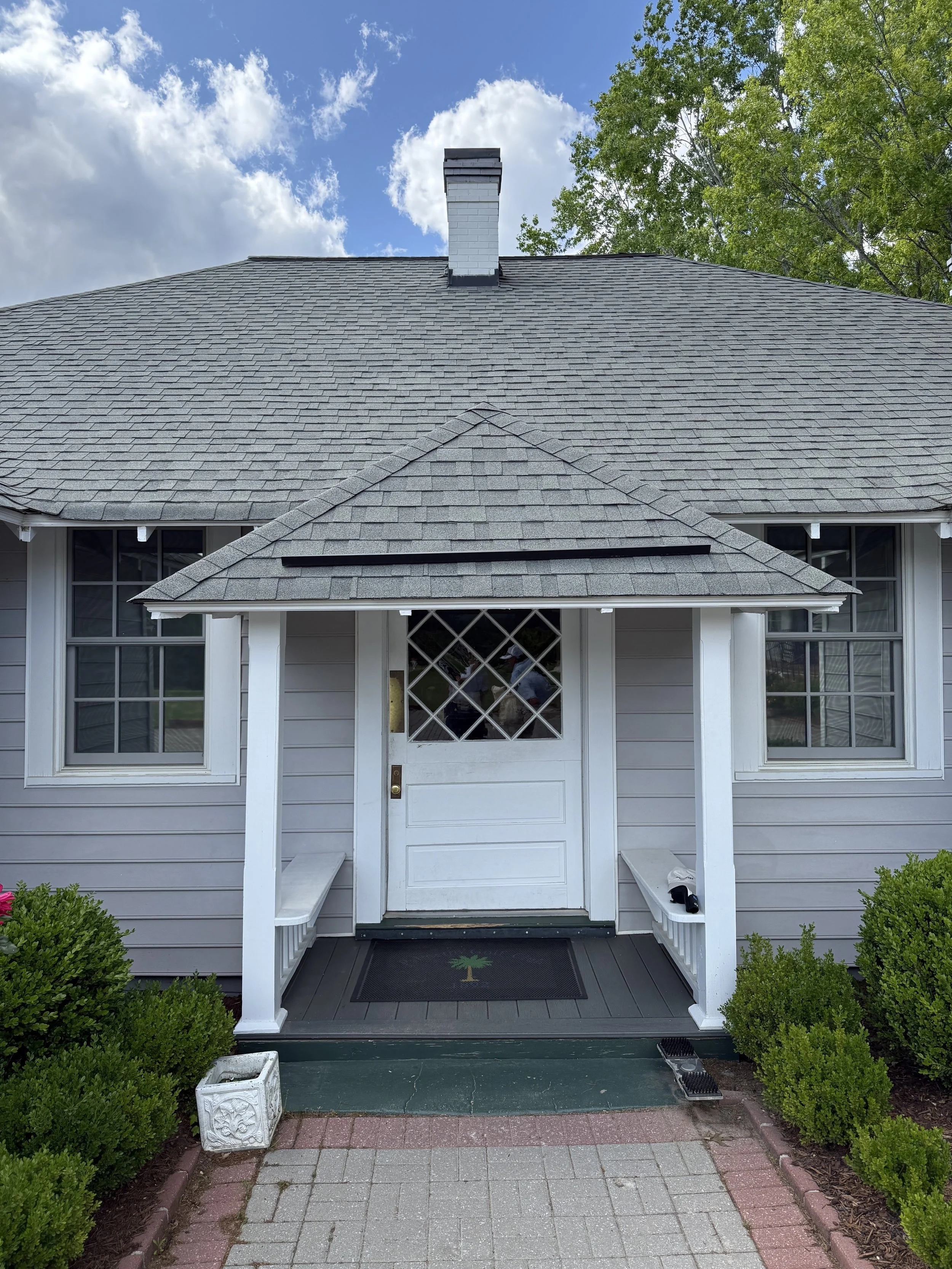
This is a club defined by understatement, architectural depth, and a reverence for golf’s finer details. Signage is minimal. The pro shop feels refreshingly old school. The atmosphere leans more letterpress than LED, more tradition than trend.
In an era when many clubs strain to feel modern, Palmetto’s elegance lies in how little it has needed to change.
Palmetto is also a true test of a golfer’s ability to adapt. The ground game matters here. When faced with the choice of chipping or putting from off the green, the putter is almost always the correct answer. The greens play firm and fast, and holding them with long iron approaches is no small task.
Spending more time in Aiken has only reinforced how special the area is. With Aiken Golf Club and Palmetto Golf Club serving as historic anchors, and places like Old Barnwell, The Tree Farm, and The Chalk Mine Nine representing modern interpretations of the game, the region offers a uniquely layered golf landscape.
Beyond golf, Aiken is a storied hub of American horse racing, where equestrian tradition runs deep and community pride runs even deeper. Iconic events like the Aiken Steeplechase and the Aiken Trials draw tens of thousands each year to celebrate the town’s thoroughbred heritage. From lively tailgates to horse statues lining the sidewalks and the presence of the Thoroughbred Racing Hall of Fame, Aiken blends small town charm with a rich sporting history. You can feel it throughout the town and across the surrounding countryside the moment you arrive.