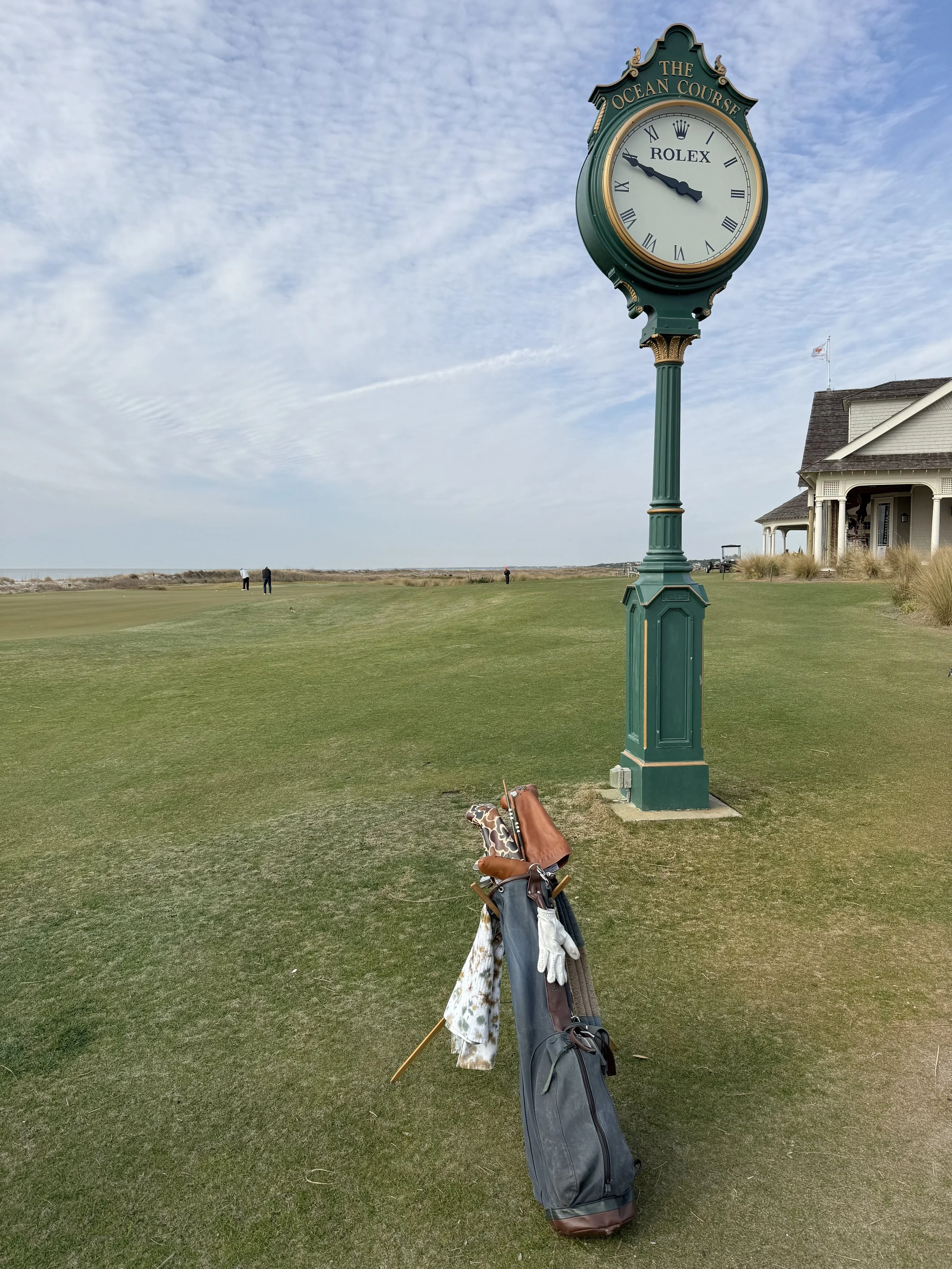
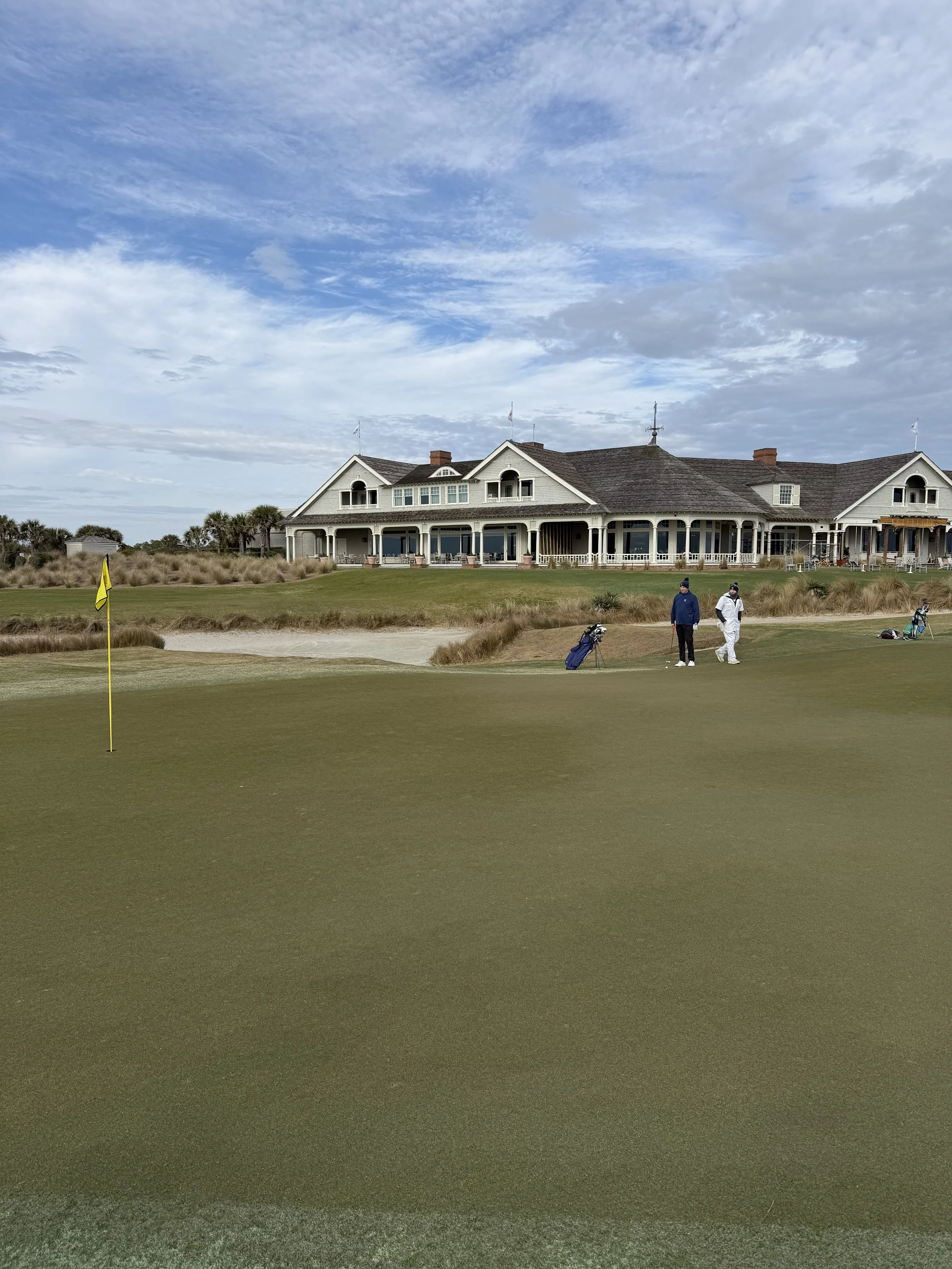
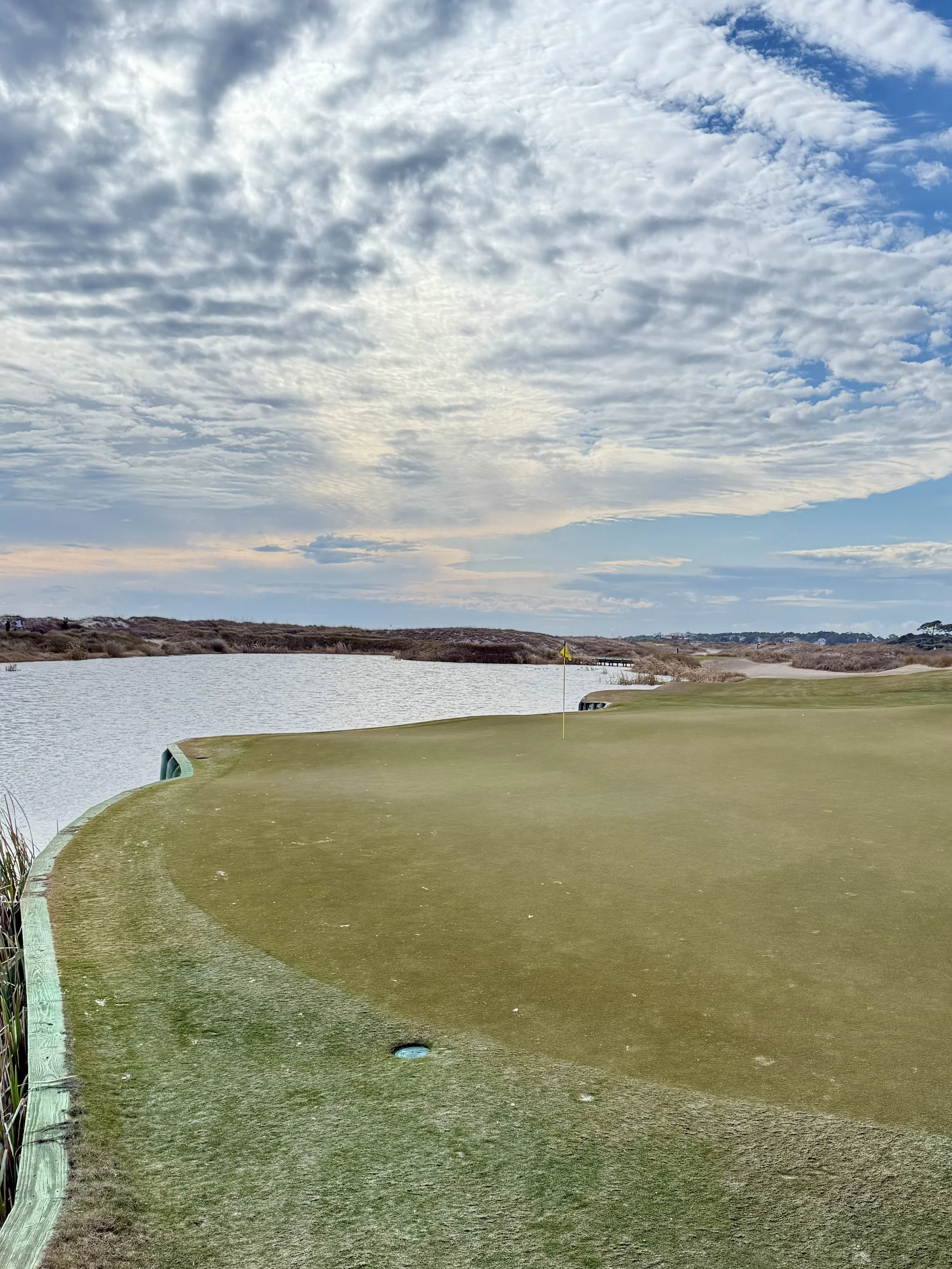
The Ocean Course - Kiawah Island, SC
Having such a gem of a course in your backyard can make putting off playing it easier to do. You tell yourself, oh yeah, I would love to get down there. Need to make that happen soon, or maybe next month. Soon you realize you have not played it yet and you are missing out. That was the case for me and The Ocean Course.
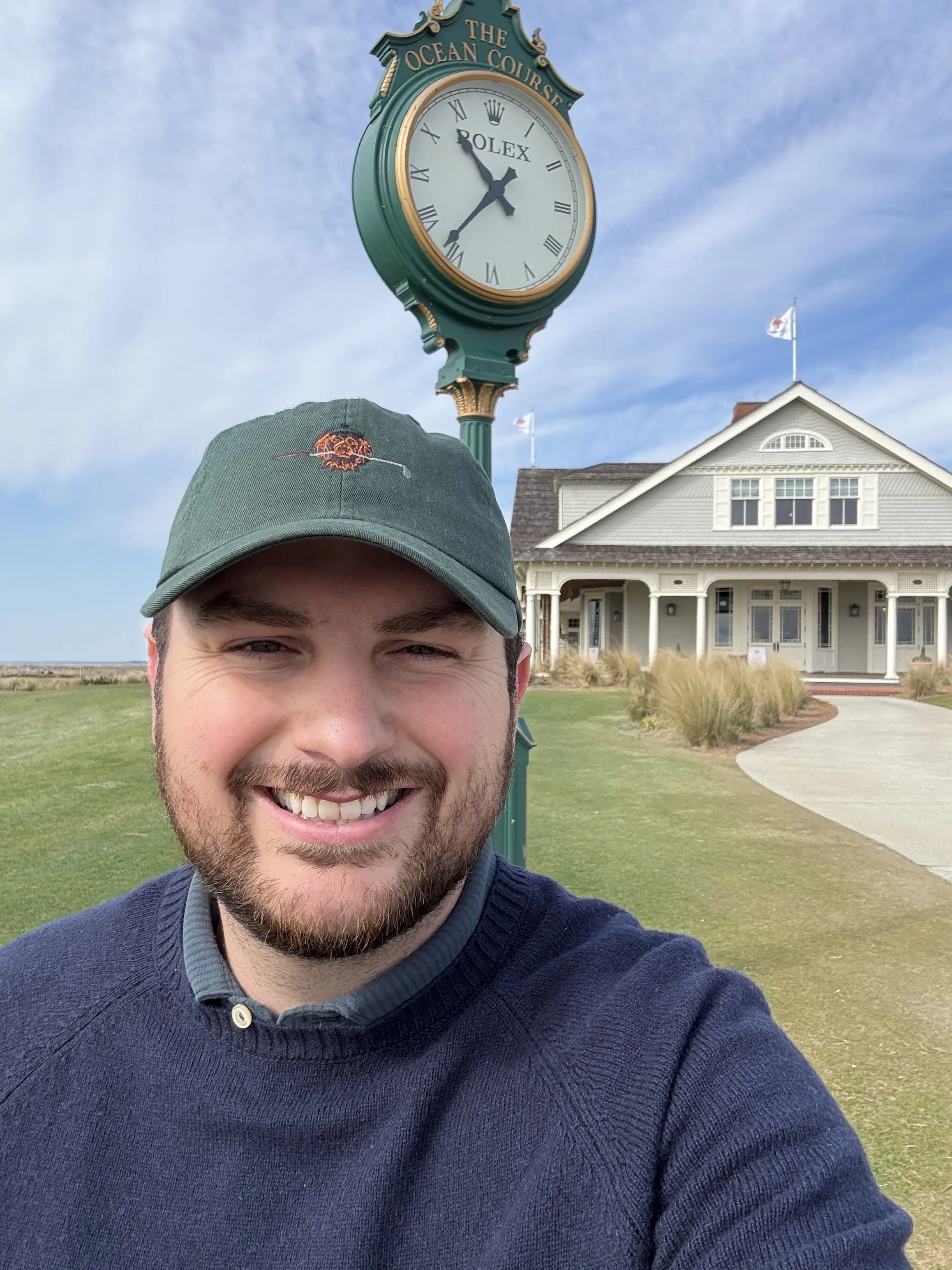
I can now say I have played it, and I cannot wait until the next time I get to. I walked off the 18th hole feeling both challenged and accomplished, already replaying shots in my head and eager to go again. Hannah and I recently went to Kiawah Island to celebrate our wedding anniversary, staying at The Sanctuary. More on that experience in our Clubhouse section, but the setting made the entire weekend feel like a proper escape.
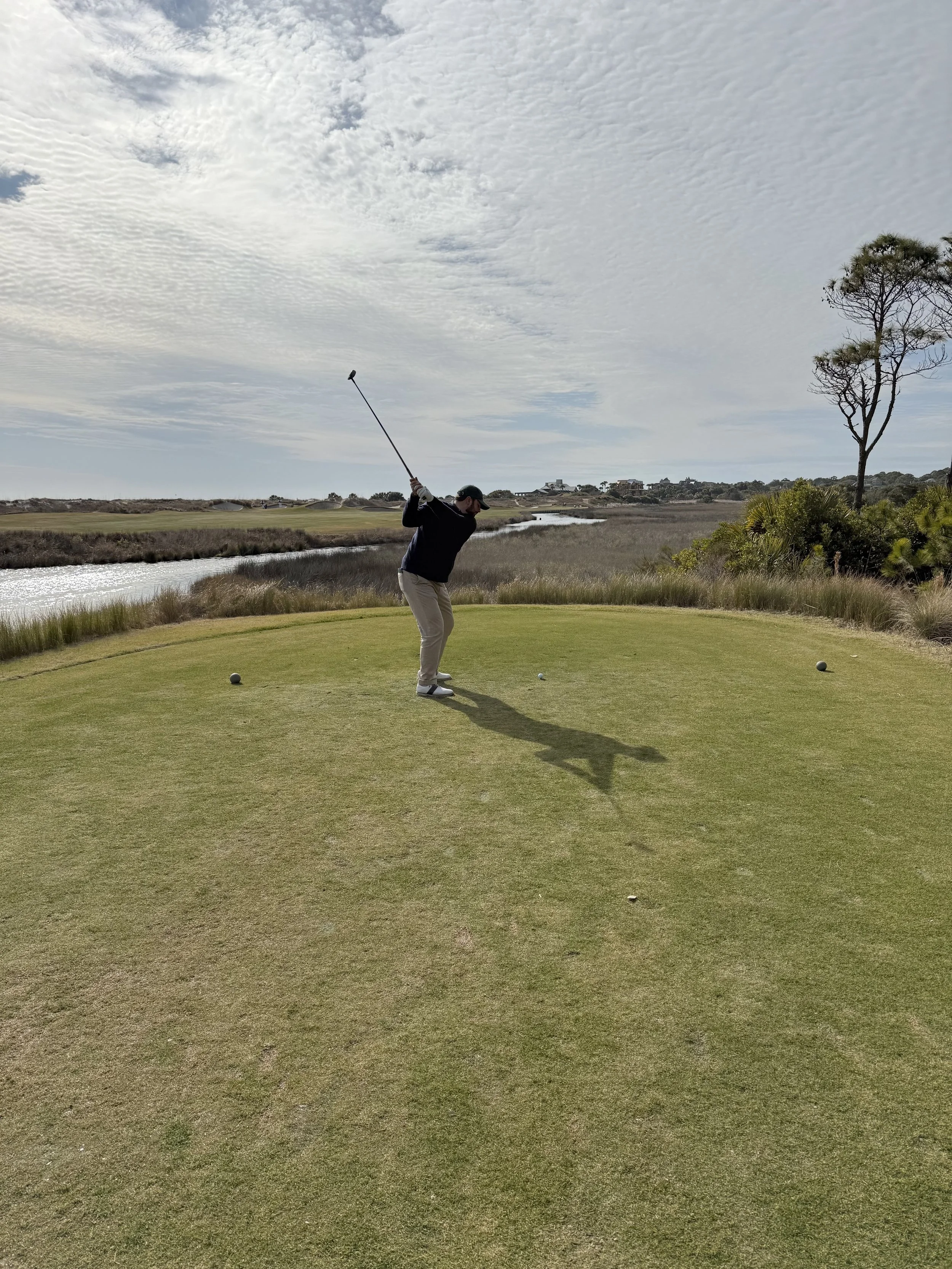
Winter golf in the Lowcountry is usually forgiving, but this weekend had other plans. I was thankful to move my round up to Friday afternoon, when the high reached 52 degrees, instead of Sunday’s forecasted 35. Our trip ended up being cut a day short due to a snowstorm pushing toward Charleston, meaning we did not get to check off everything on our list. Luckily, Kiawah sits less than an hour away, which makes returning an easy promise to keep. Some places are worth unfinished trips.
Back to The Ocean Course…
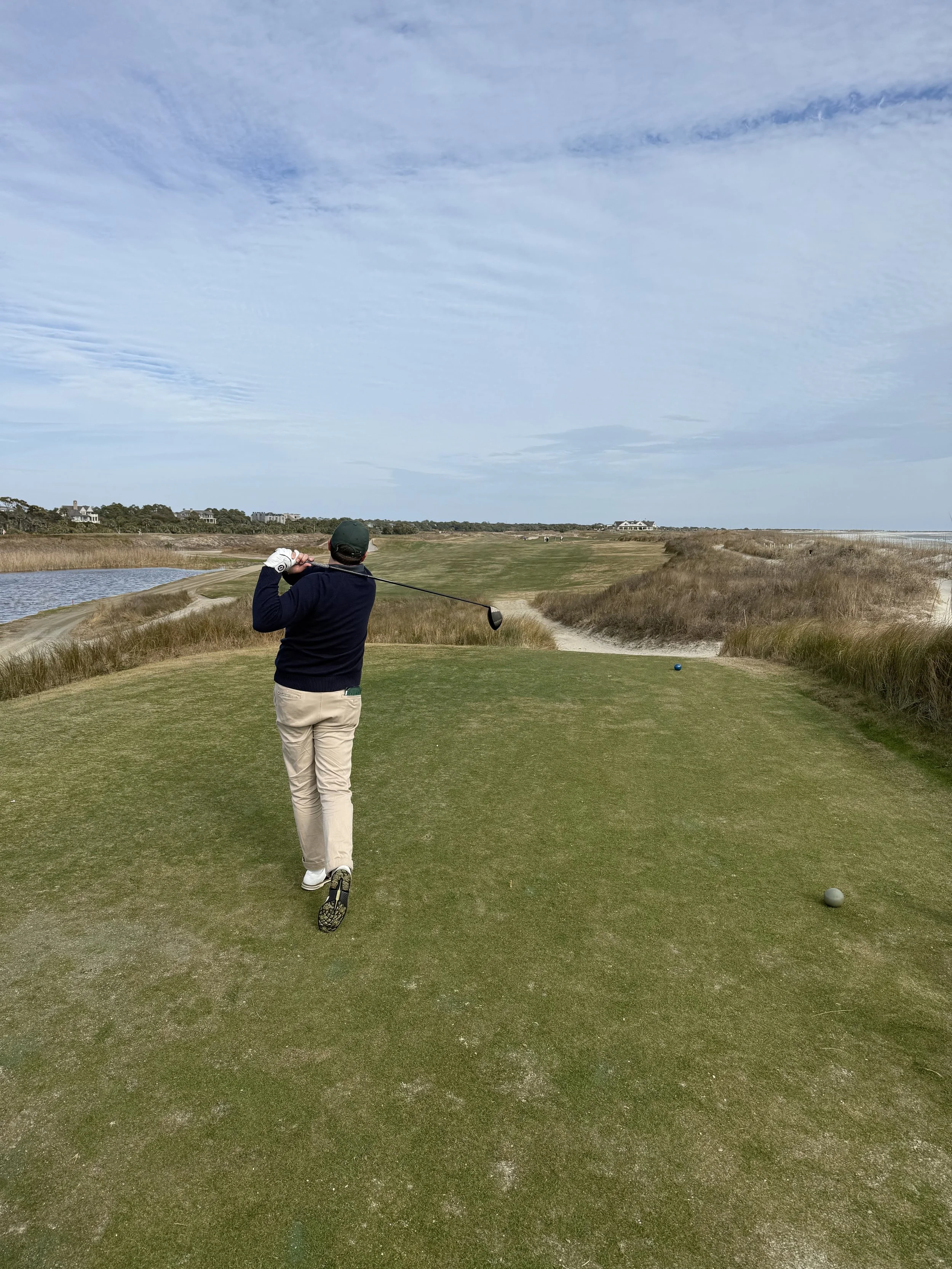
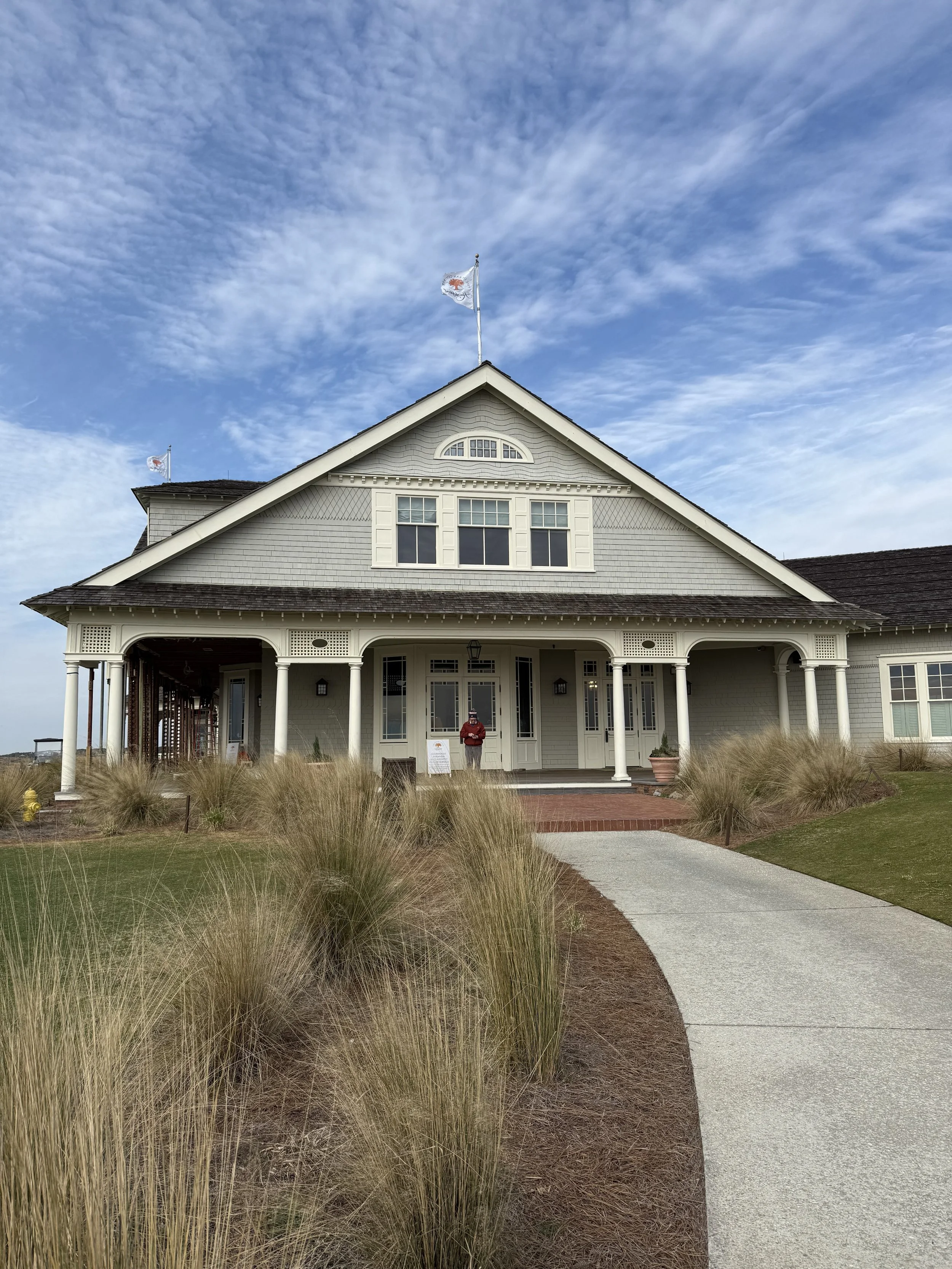
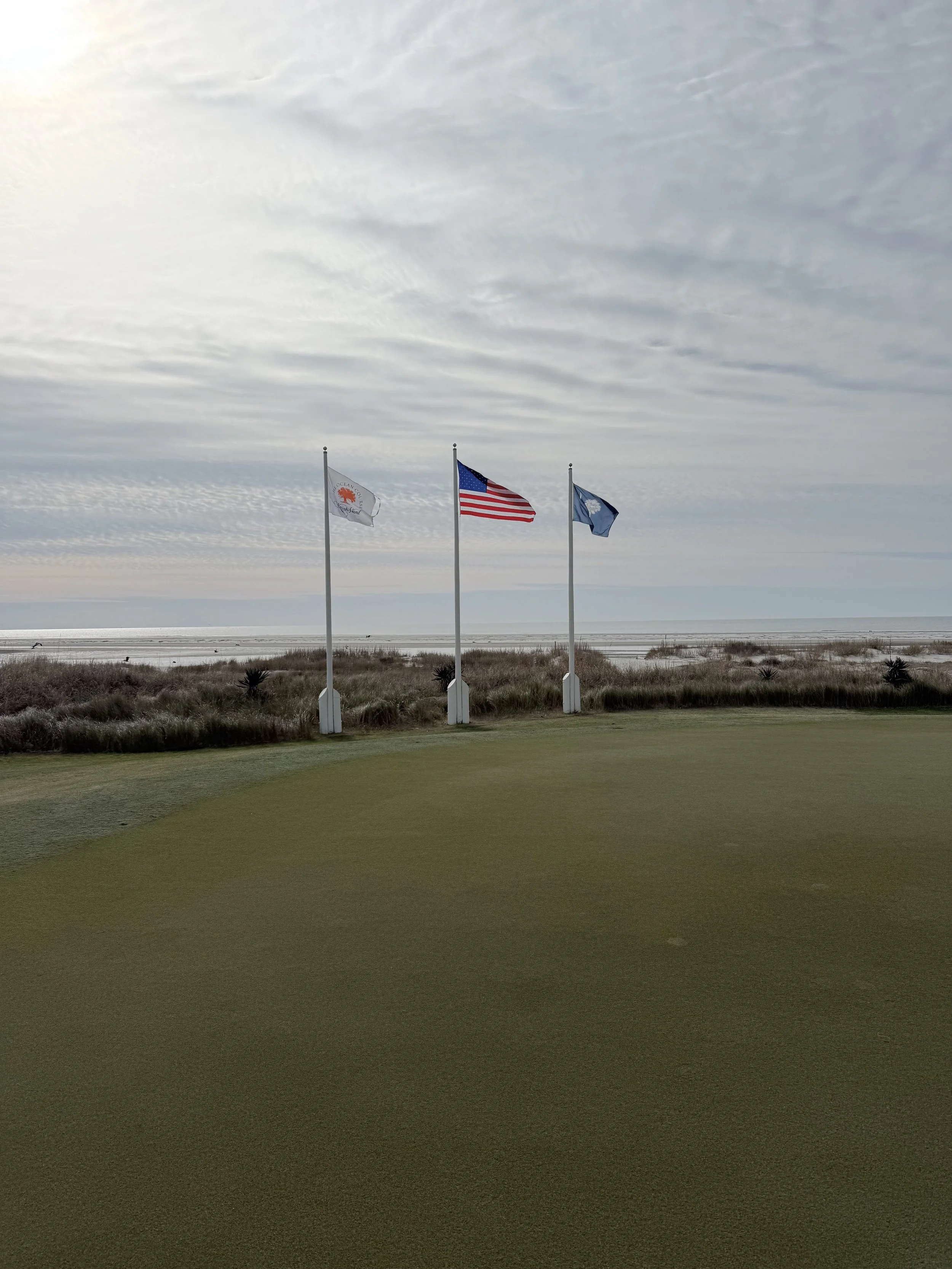
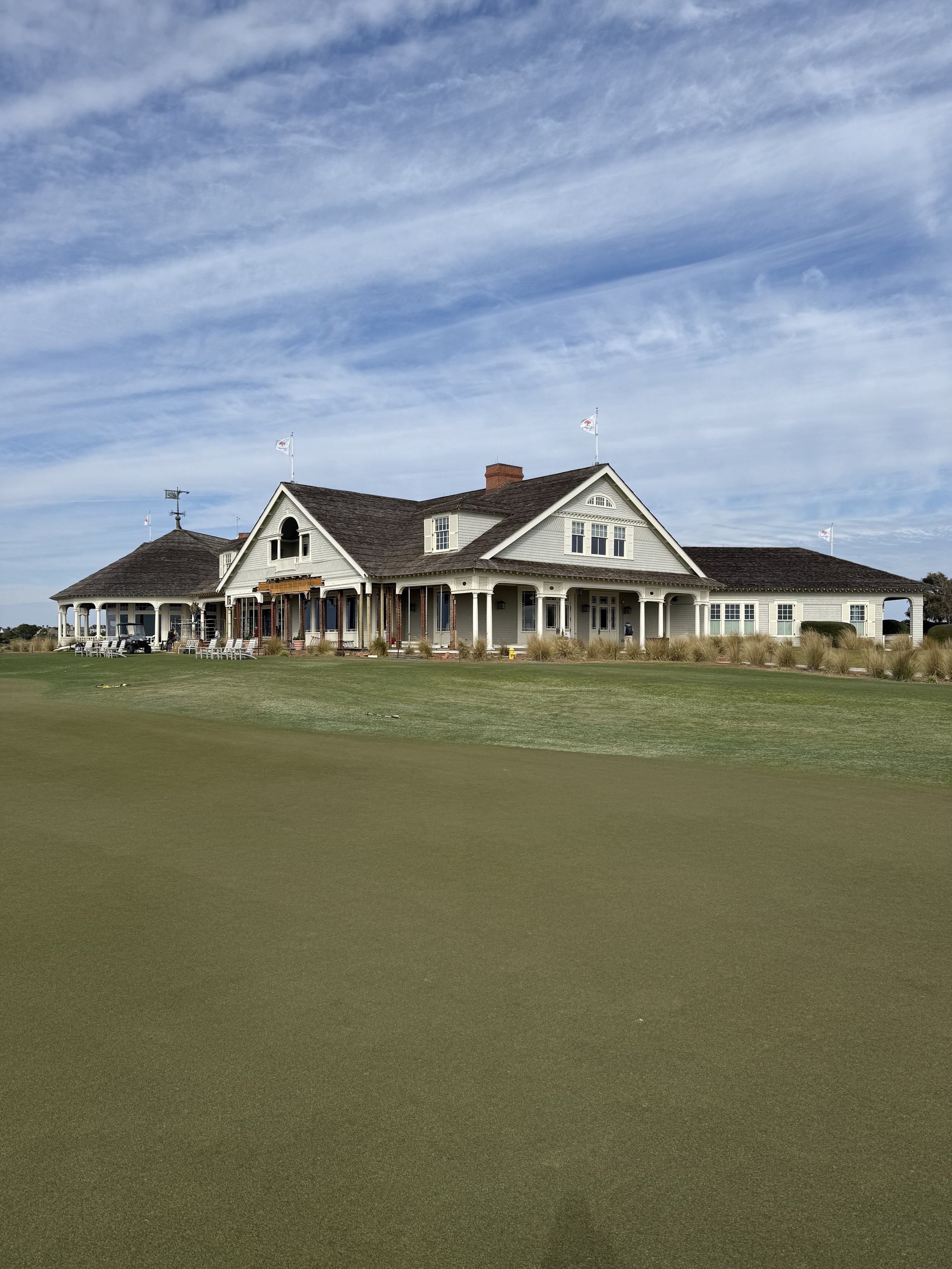
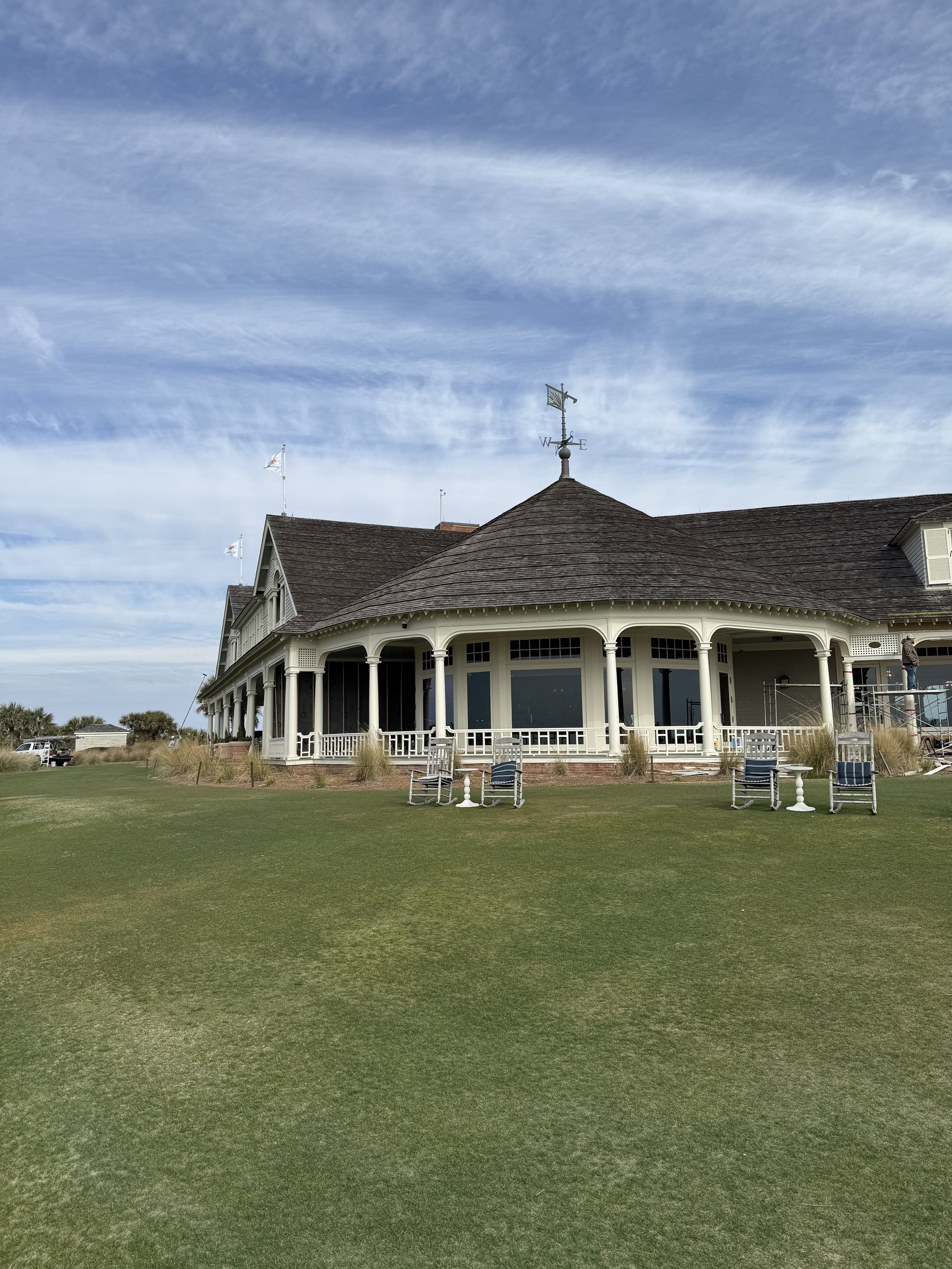
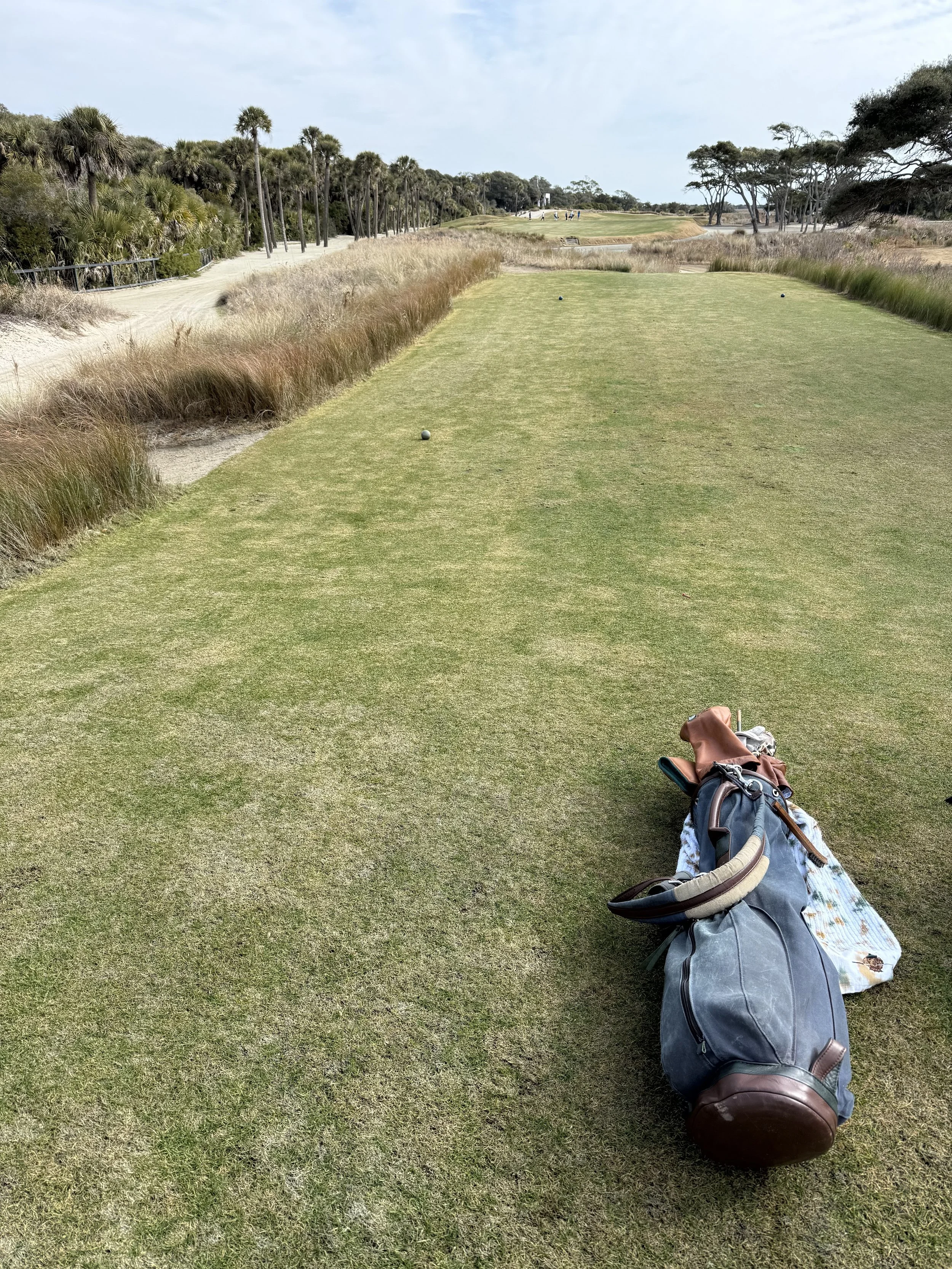
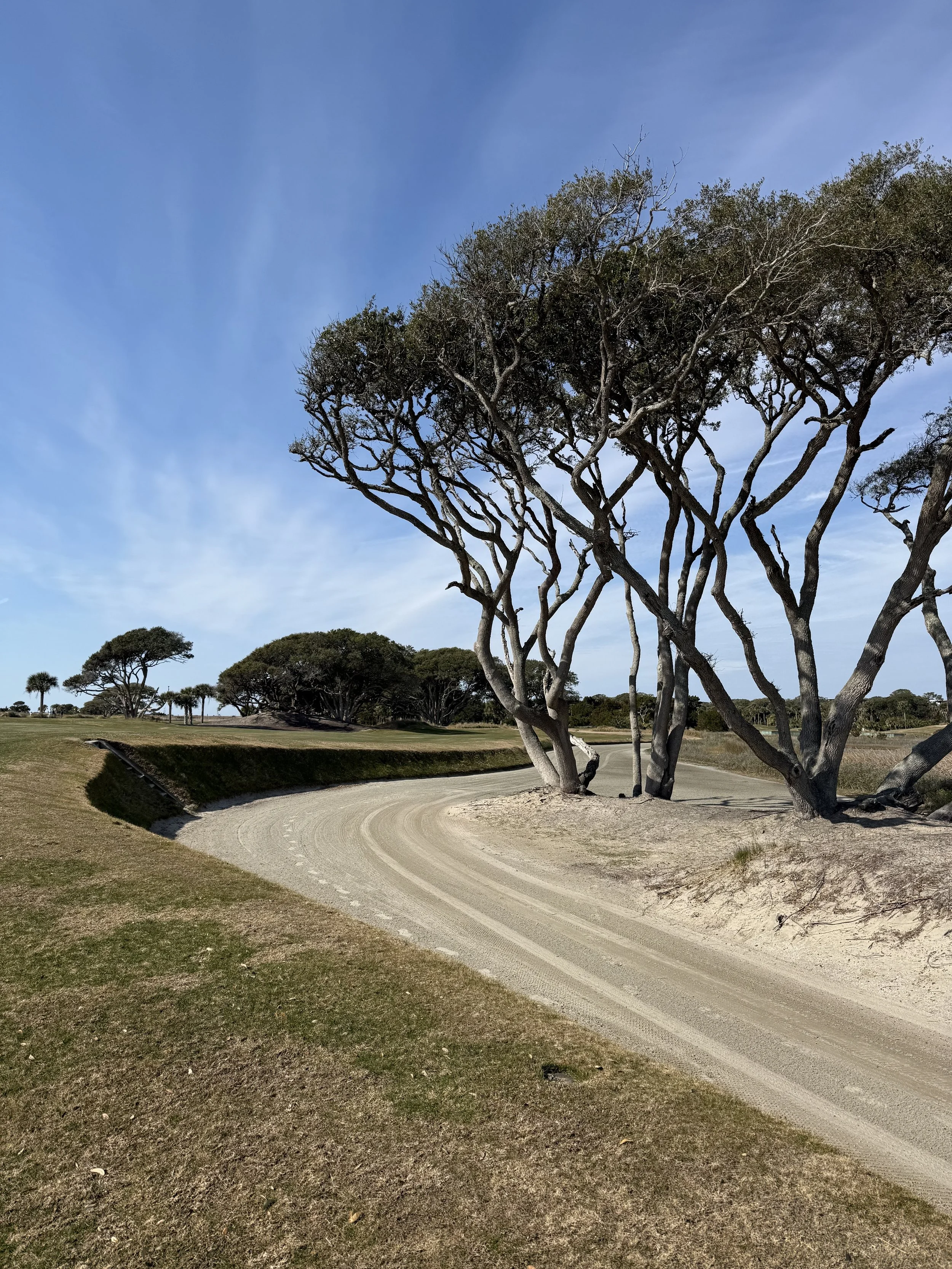
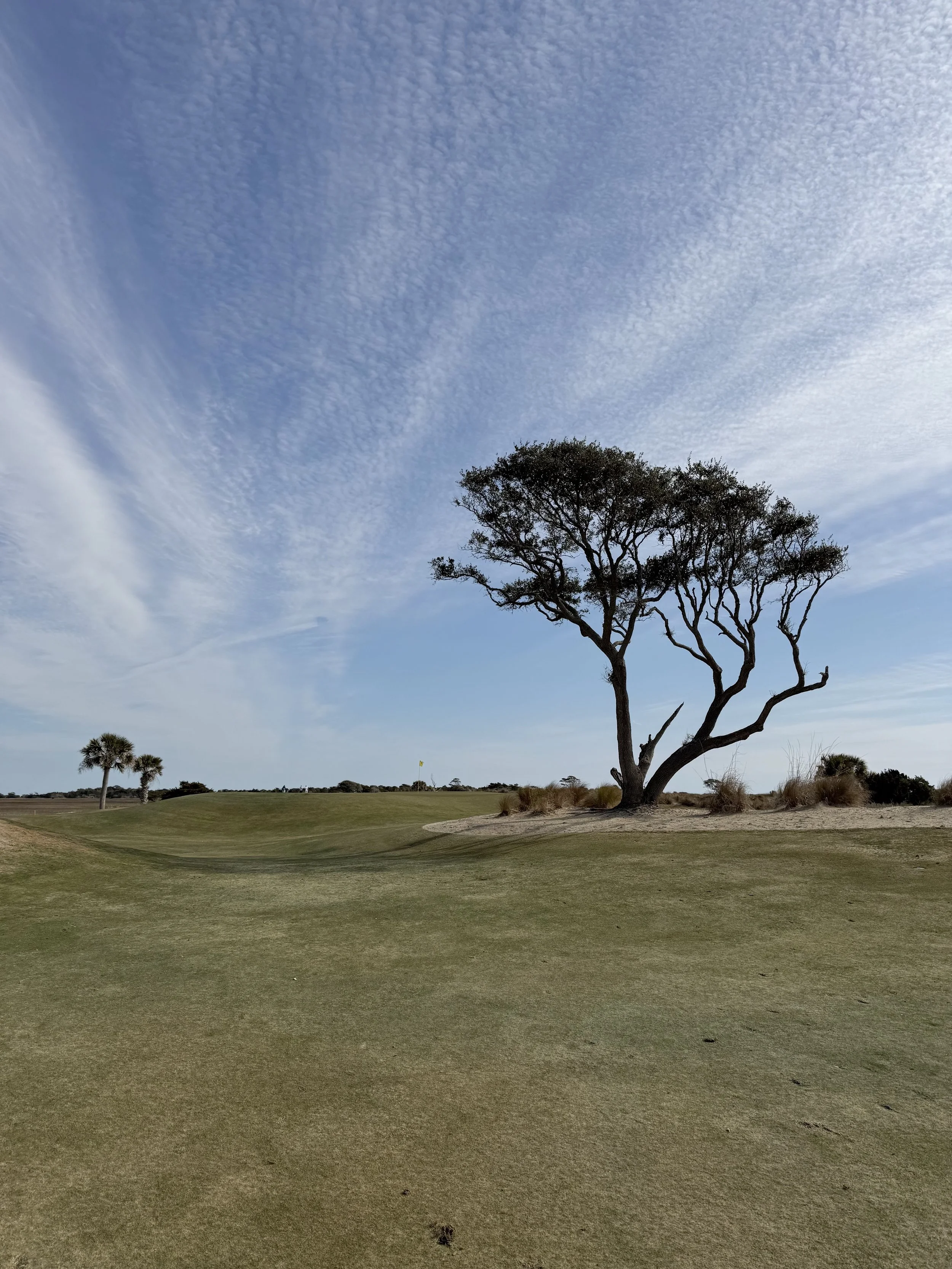
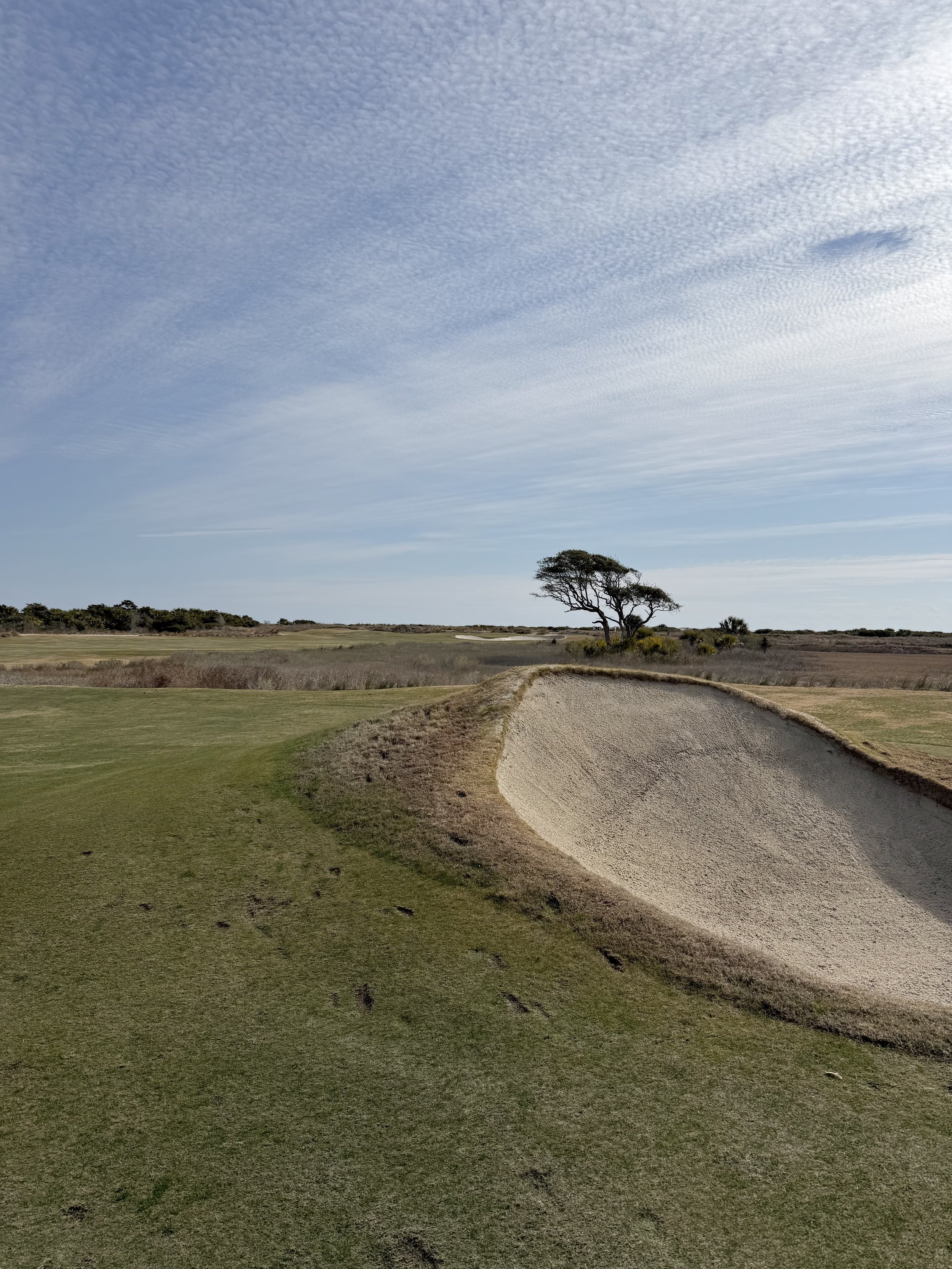
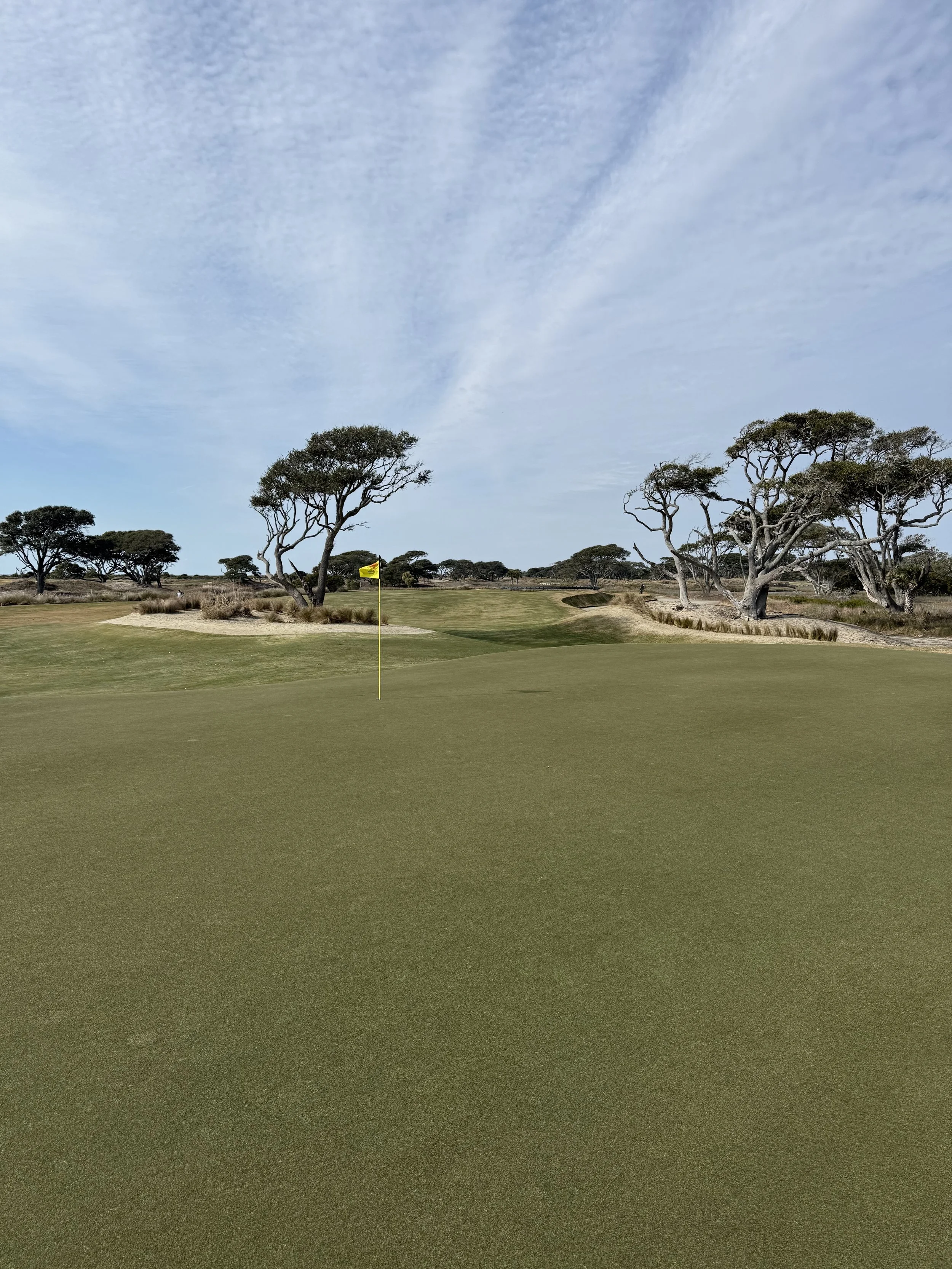
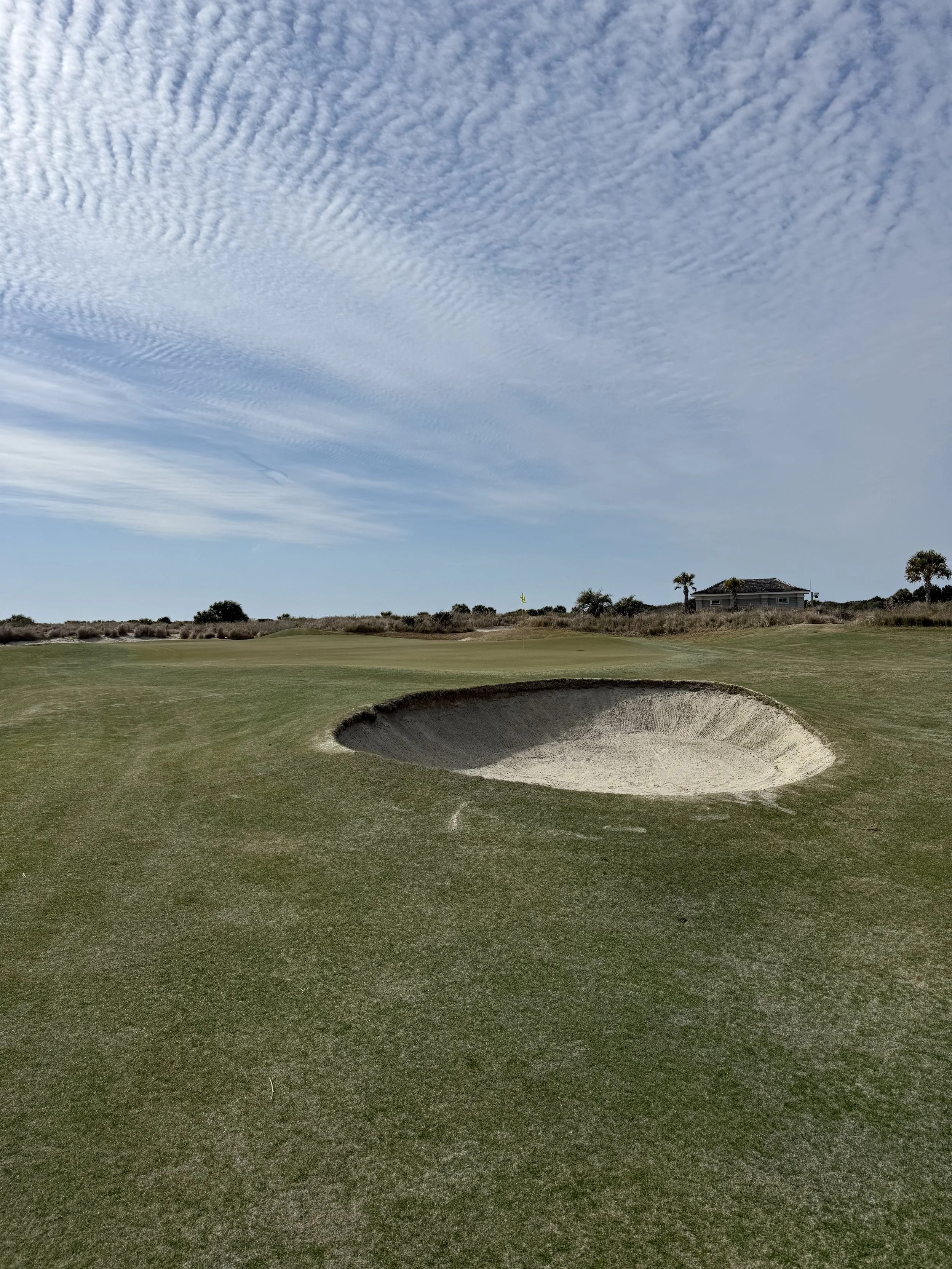
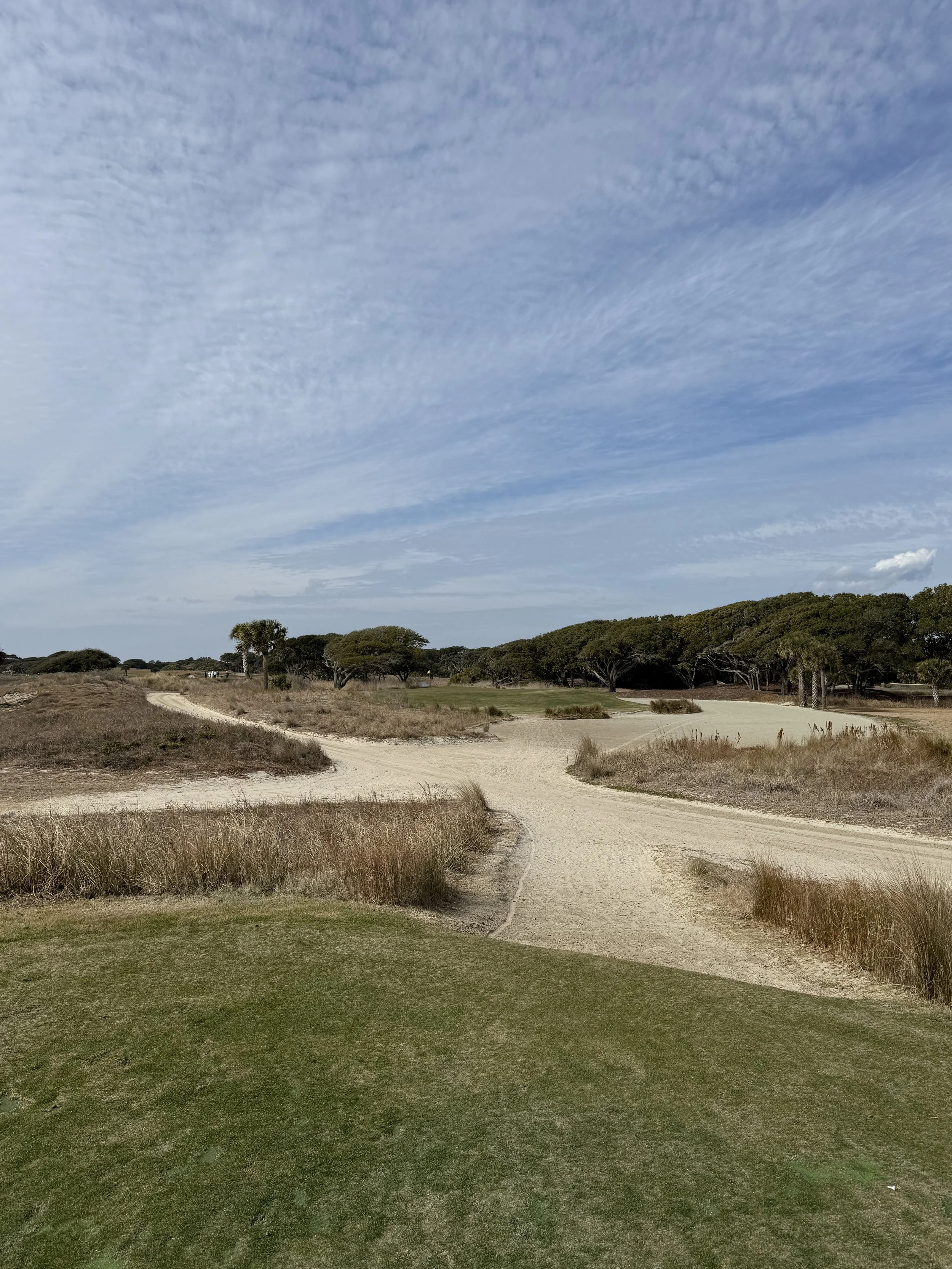
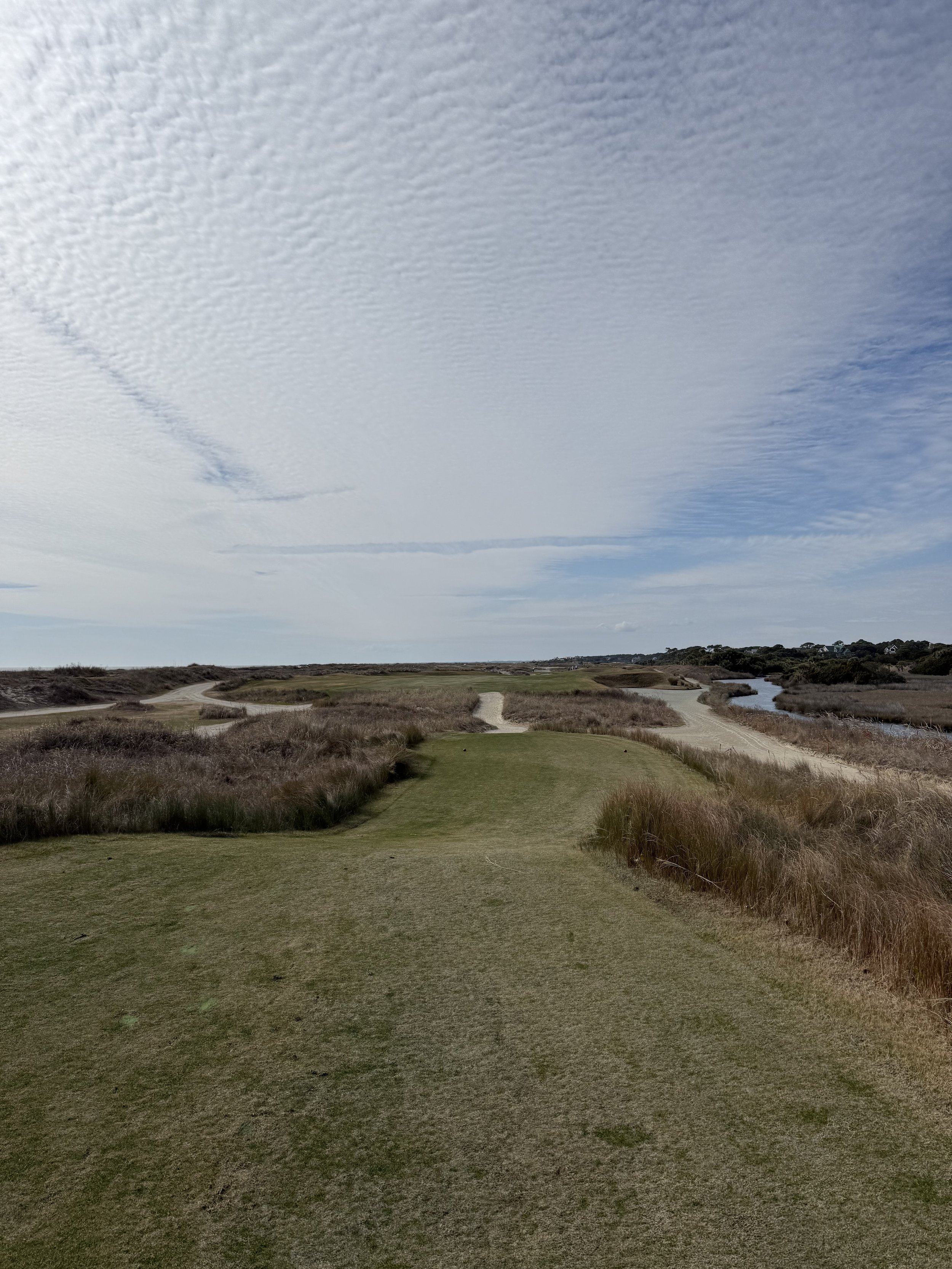
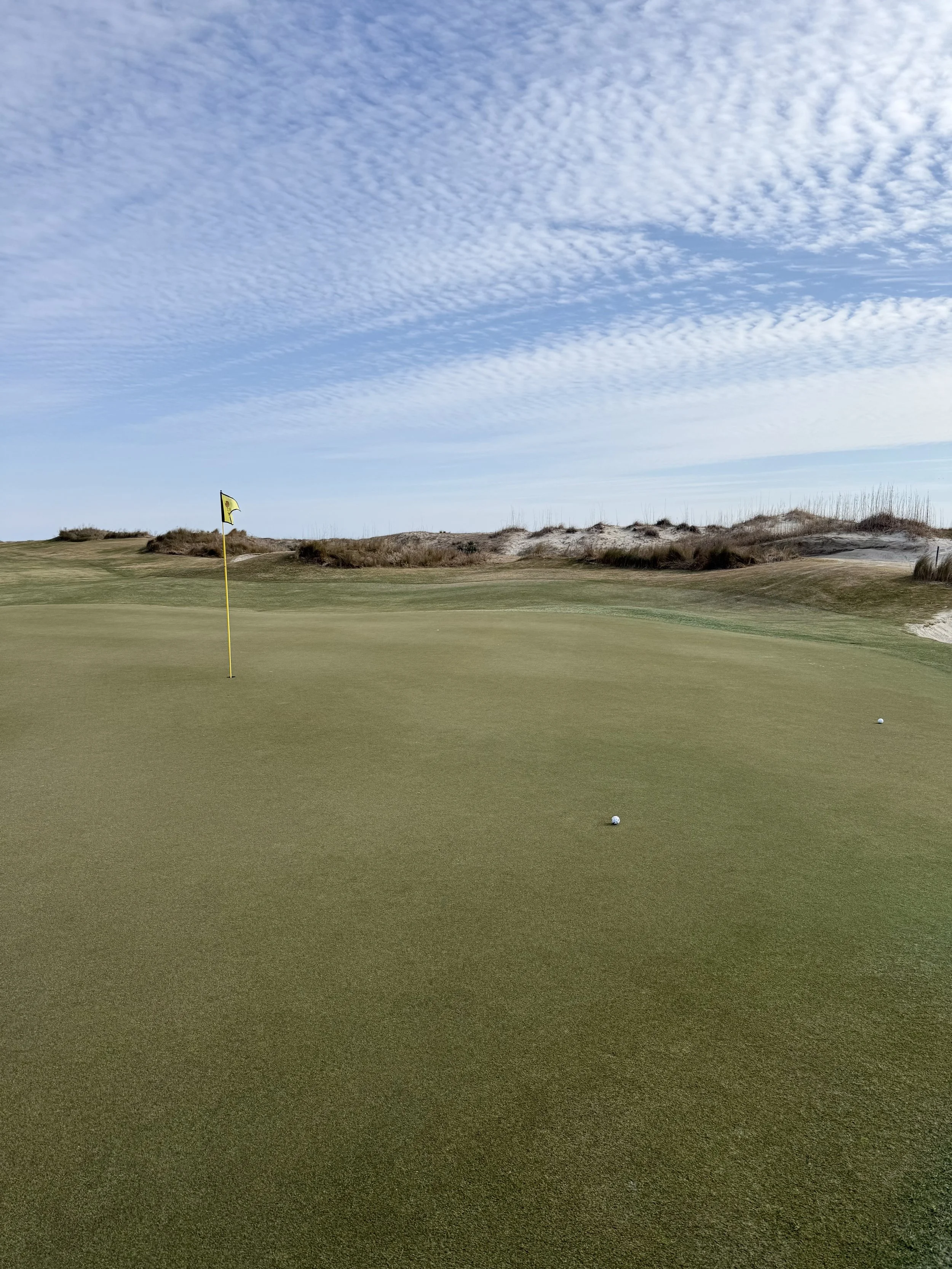
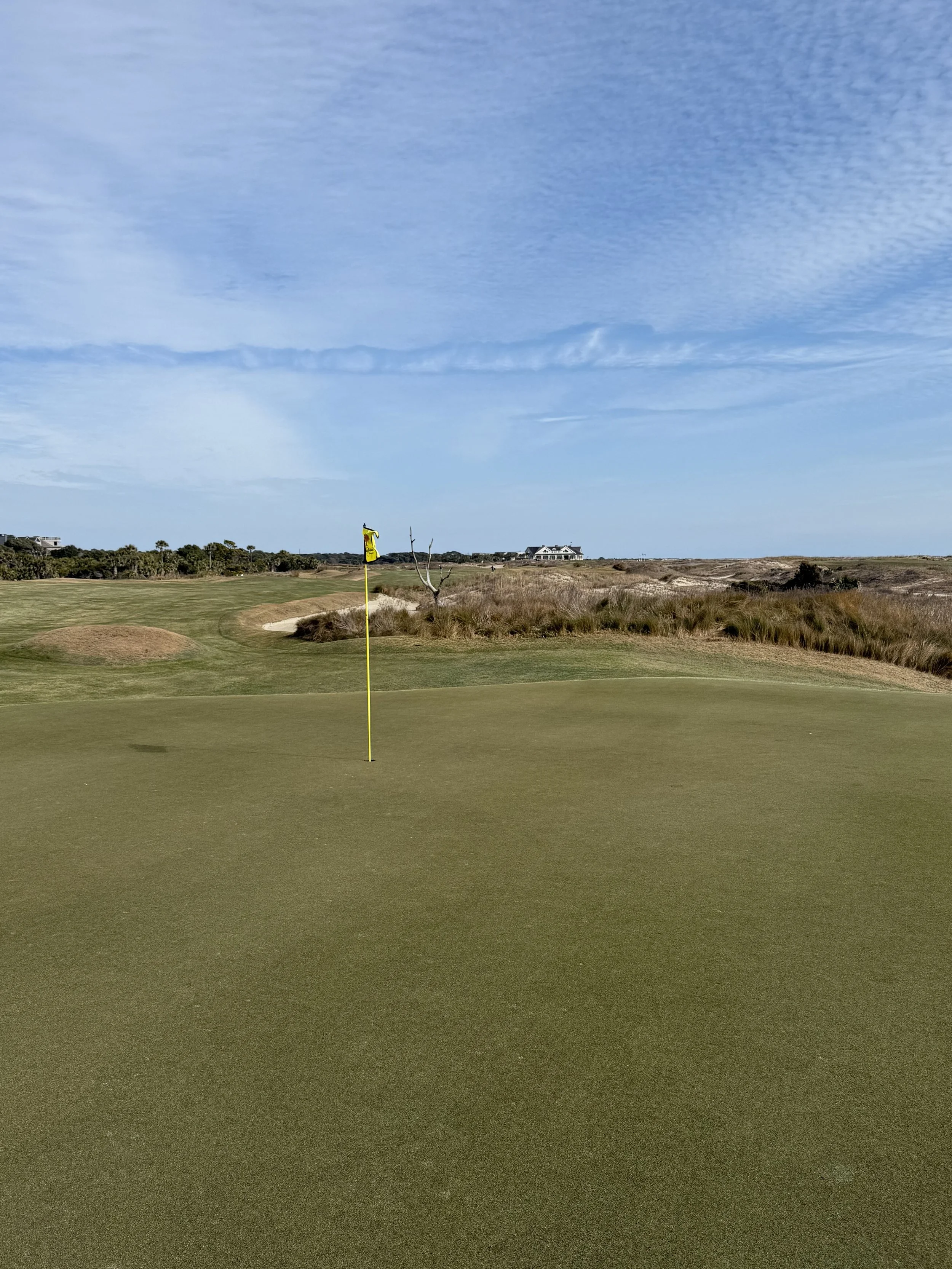
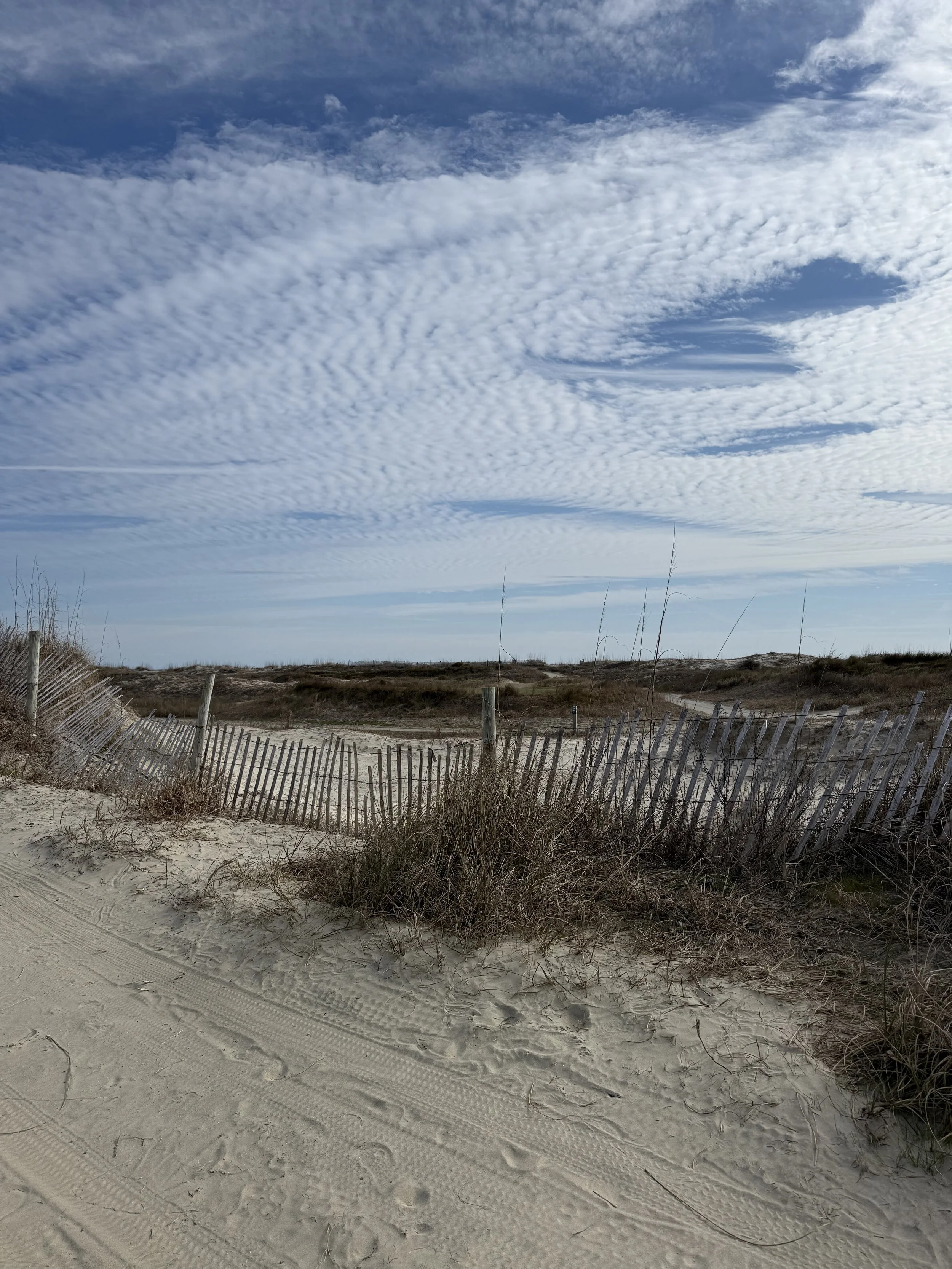
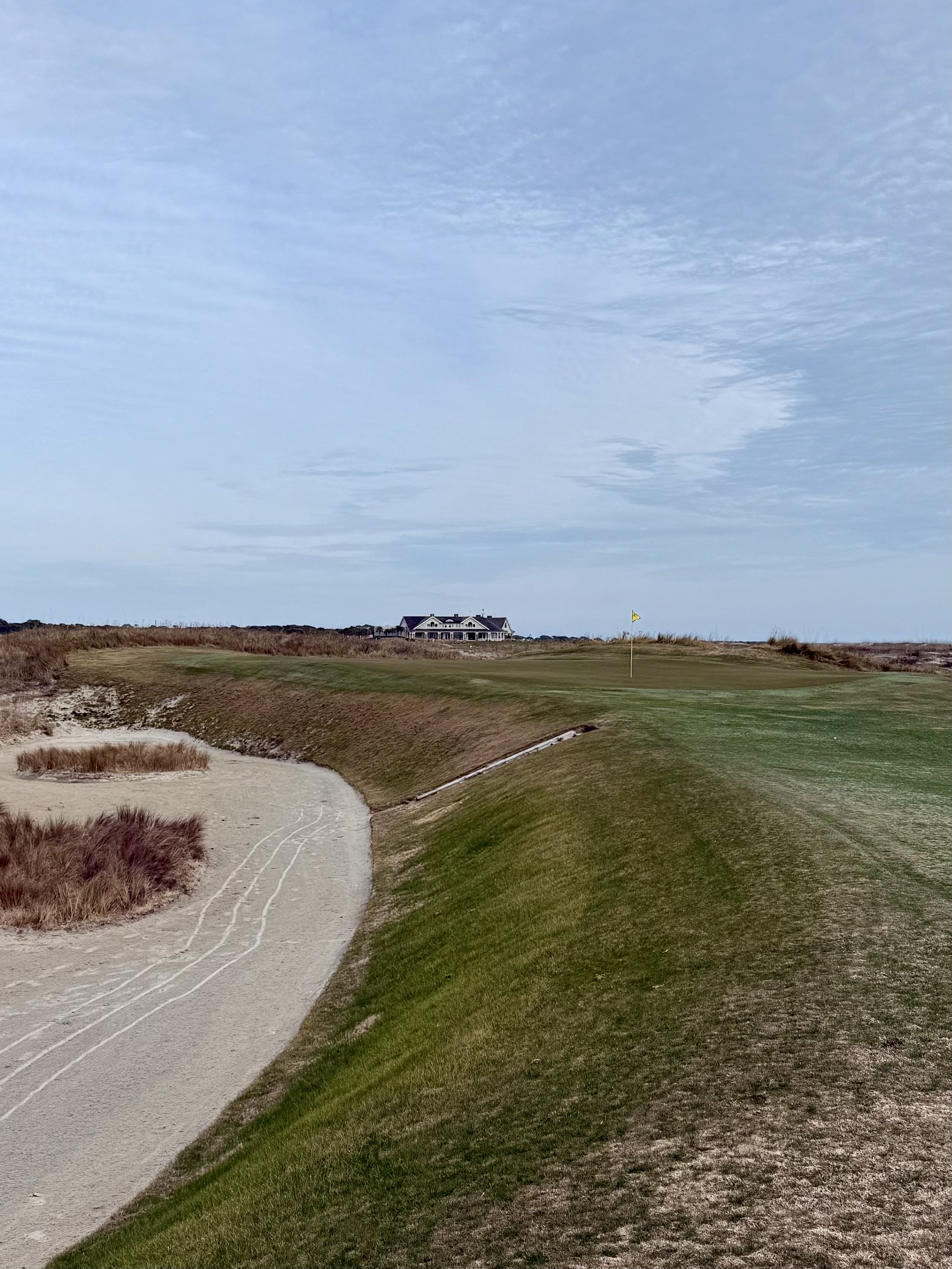
From the moment you arrive, it feels different. If there was such a thing as a gradual easing into the round, or a gentle handshake before the test begins hole one is your chance. The course opens itself fully and honestly. Raw. Exposed. Unapologetic. The Atlantic is present from nearly every hole, not as scenery but as a constant factor that shapes every decision you make.
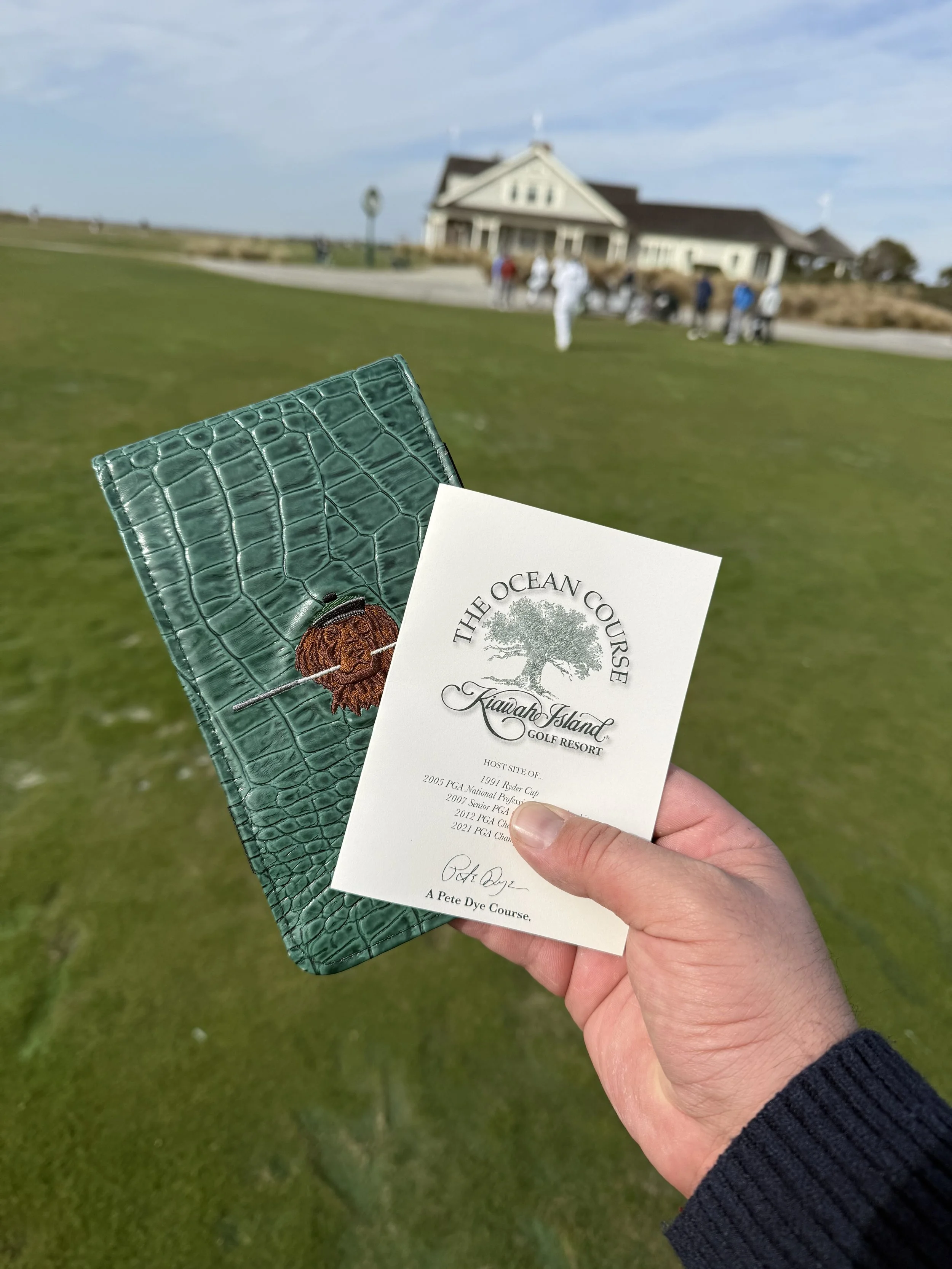
Designed by Pete Dye and built for the 1991 Ryder Cup, The Ocean Course has one of the most compelling backstories in modern golf architecture. During construction, Hurricane Hugo tore through Kiawah Island in 1989, dramatically reshaping the coastline. Instead of forcing the land back into its original plan, Dye leaned into the destruction. He pulled the course closer to the ocean, embraced the newly formed dunes, and allowed wind, sand, and exposure to dictate the final routing. The result is not just dramatic. It is honest. The land tells you exactly what kind of golf it demands. Alice Dye played a critical role in shaping The Ocean Course’s final form. It was her idea to raise the elevation of the holes, lifting fairways and greens higher above sea level to maximize ocean views from nearly every point on the property. That decision did more than enhance the visuals. By elevating the course, it fully exposed each hole to the coastal winds, making wind a permanent and defining element of the challenge rather than an occasional factor. In many ways, Alice’s influence is what gives The Ocean Course its unmistakable identity today.
That demand changes constantly. Wind direction alone can turn a familiar hole into something entirely new. You never hit the same shot twice, even if you play it back to back. One moment you are flighting a low iron just to keep it under control. The next you are trusting the wind to carry a shot further than feels comfortable. It is mentally engaging in a way that few courses truly are. The prevailing wind at The Ocean Course is typically out of the southwest, especially in late spring through summer. That southwest flow comes off the Atlantic and is why the course was routed so intentionally. In the winter months, the wind more often shifts north or northeast, bringing colder, sharper air that can make the course play even more demanding despite cooler temperatures. This is the wind condition that I had while playing. 7-10 mph our of the North - Northwest.
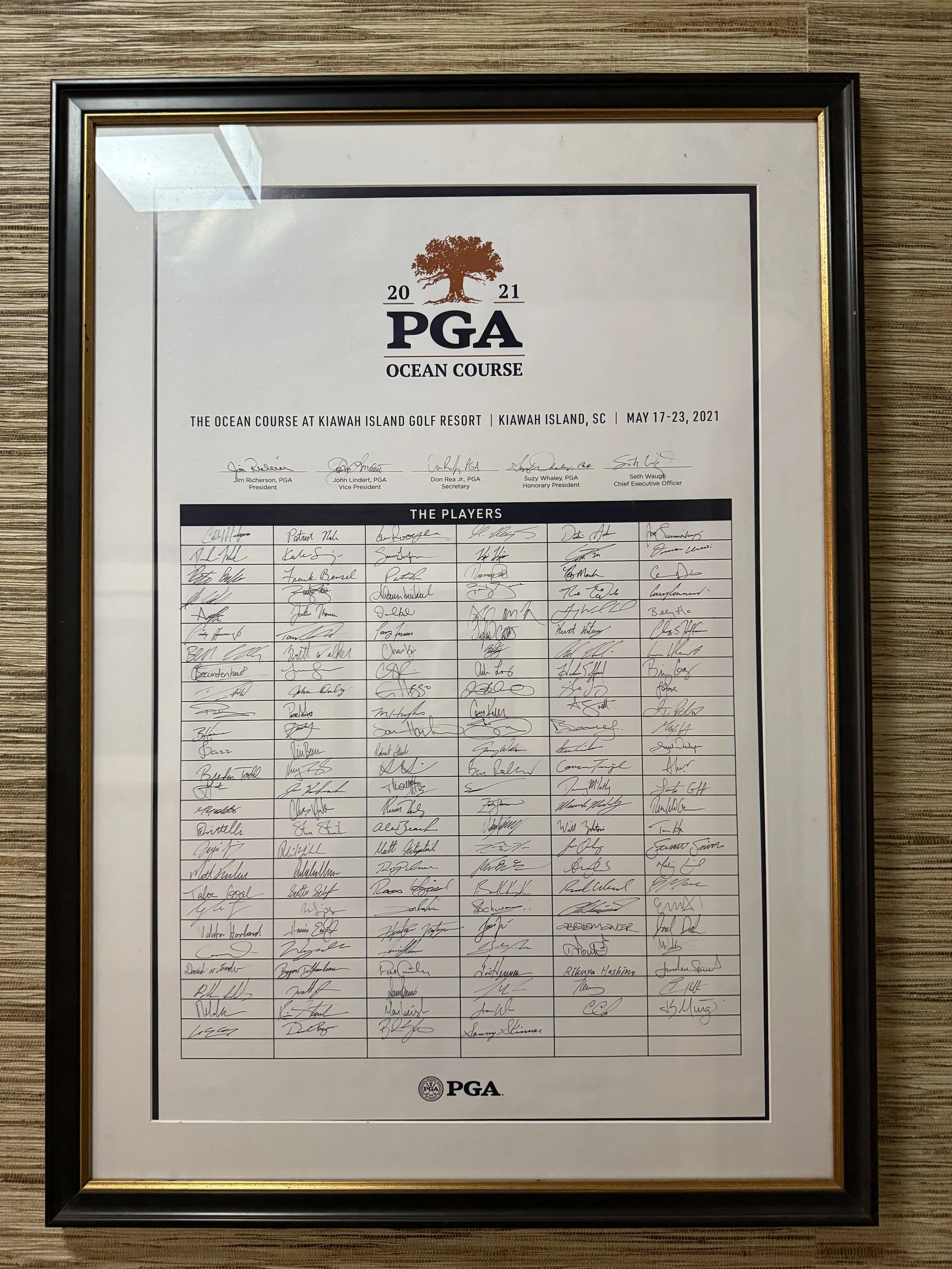
The Ocean Course’s championship pedigree only adds to the gravity of the experience. It hosted the legendary “War on the Shore” Ryder Cup in 1991, where American crowds and pressure reached a fever pitch. Rory McIlroy’s dominant performance at the 2012 PGA Championship felt like a coronation. Phil Mickelson’s victory at age 50 in the 2021 PGA Championship was one of the most emotional wins the game has seen in decades.
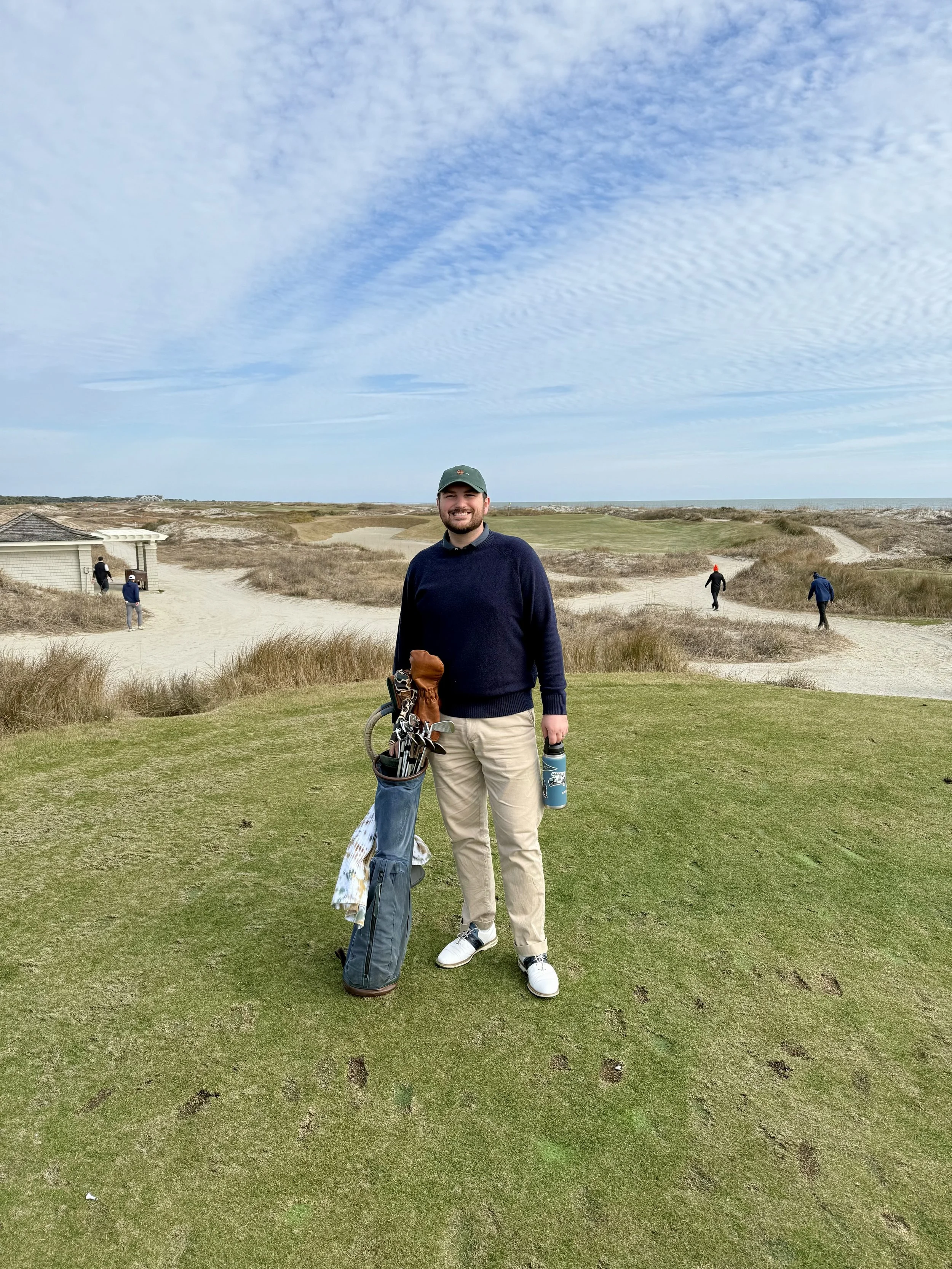
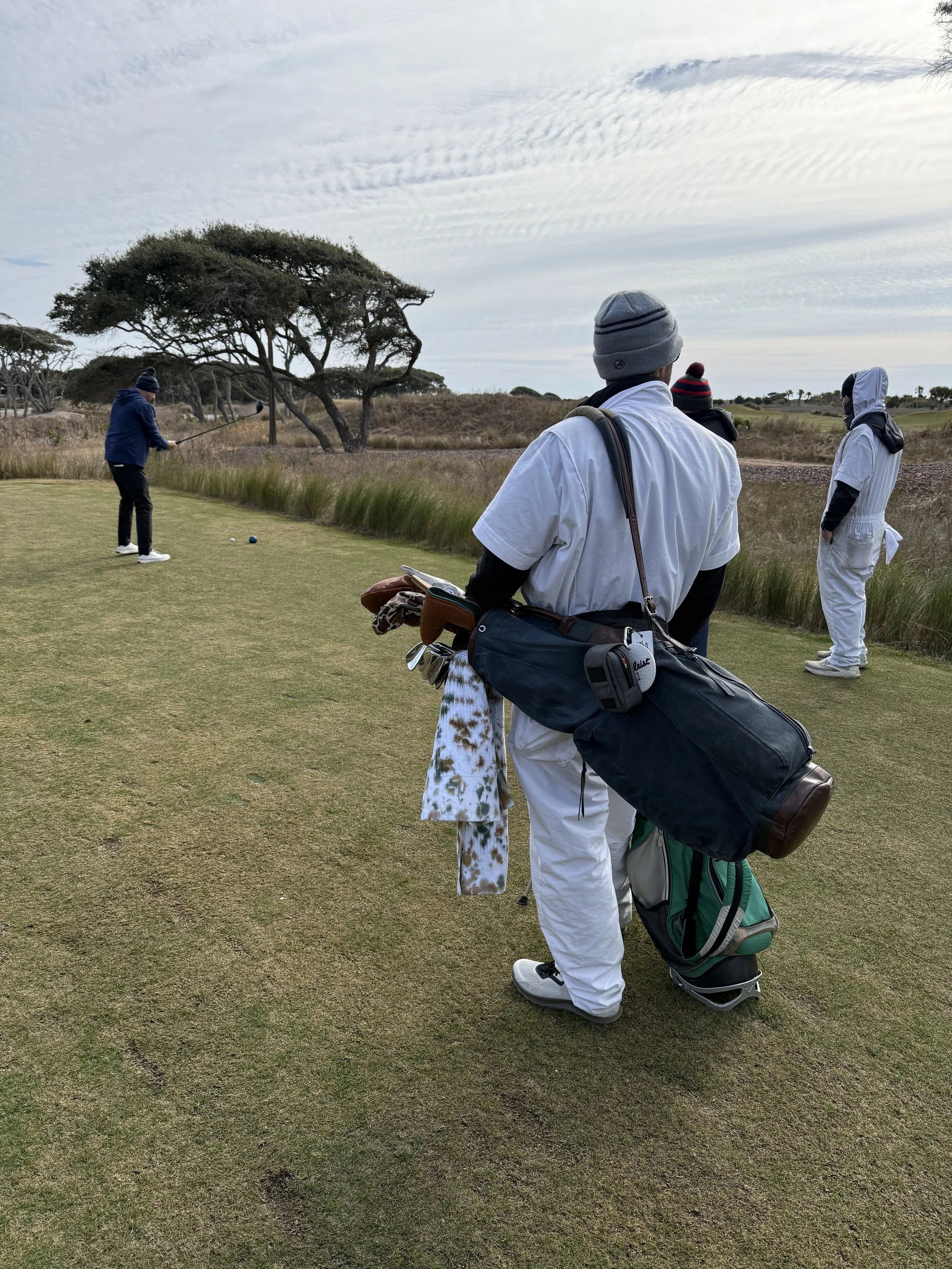
Standing on those same tees (or ones that are shorter in my case and most amateurs case), especially coming down the stretch with the Atlantic pressing in from the side, you can feel that history. Not in an artificial way, but in the quiet awareness that great golf has happened here, and that the course itself had a hand in shaping those moments. I highly recommend taking a caddie for your loop around The Ocean Course. I had a great one that knew every break on the putts, where to take your line off the tee, and where to bail out at when he saw a few shots come off line. The caddie program at The Ocean Course really enhanced the overall experience and definitely saved a few shots.
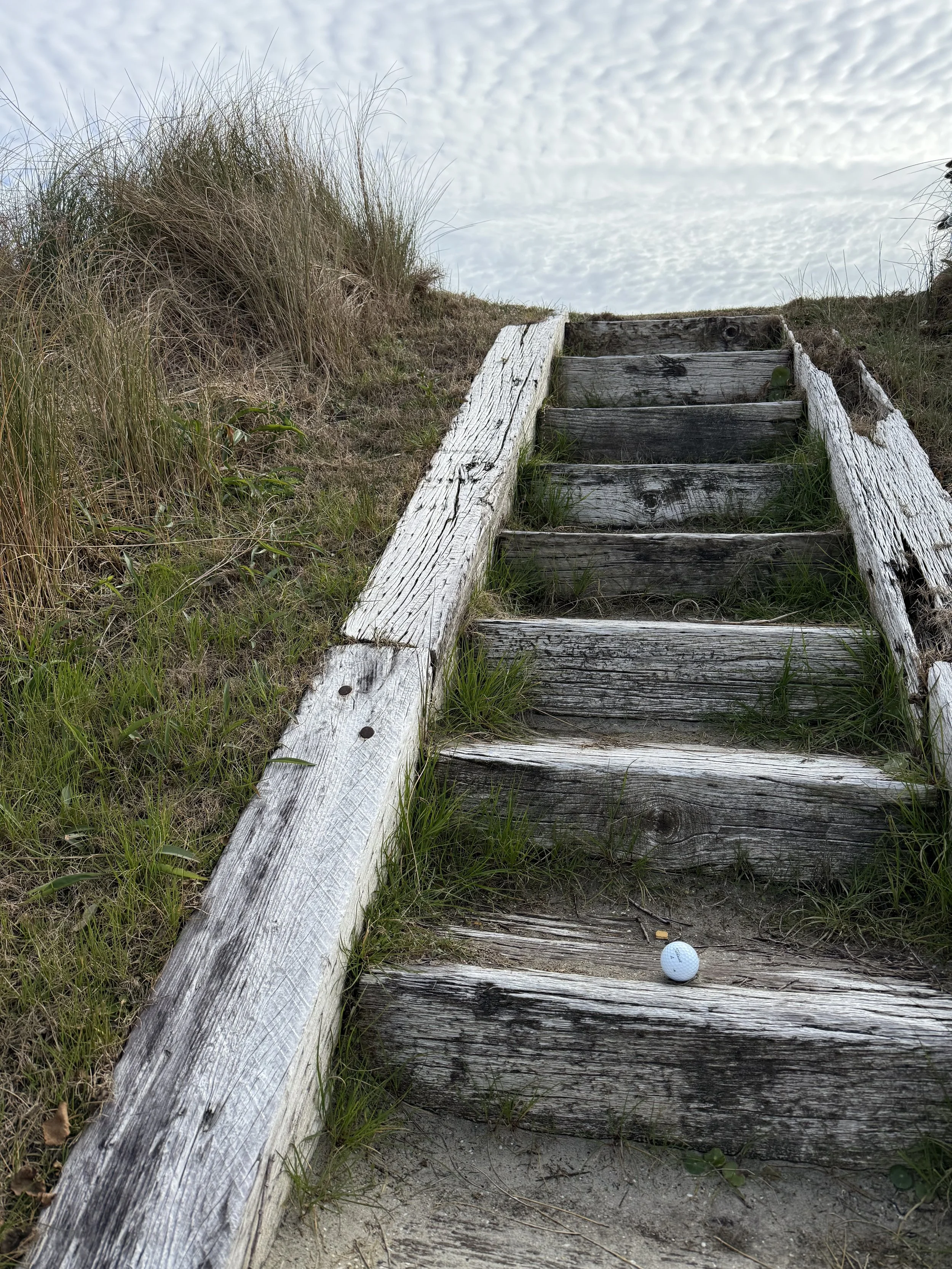
Part of what makes The Ocean Course so special is that it does not care who you are. There are no shortcuts, no holes that quietly give shots back. It asks you to think, commit, and accept the result. Good shots are rewarded, poor ones exposed. That clarity is refreshing.
By the time I finished the round, the course had firmly planted itself in the top tier of my favorite places to play. Not just for the views or the resume, but for how it made me feel as a golfer. Challenged. Engaged. Energized.
The Ocean Course is tough, beautiful, and completely unapologetic. It is a true bucket-list course that somehow still exceeds expectations, even when you think you know exactly what you are getting into. And for those of us lucky enough to live nearby, it serves as a reminder that the best golf is not always across the country or across an ocean. Sometimes it is right in your backyard, quietly waiting for you to finally make the trip.