Titleist Performance Institute, Ball Plant III, and Marion Golf Club with Sugarloaf Social Club
As mentioned in The Kittansett Club write-up, I traveled from Charleston, SC to New York City to spend a few days in the city before making my way over to the south coast of Massachusetts for some golf, exploration, and an incredible event. This day came together thanks to Sugarloaf Social Club, who partnered with Titleist to offer a rare behind-the-scenes look at the game’s leading ball and equipment company, capped by golf at one of New England’s most historic nine-hole courses. Sugarloaf, founded by Ian Gilley and a small group of friends in Washington, D.C., has grown into one of the most influential voices in modern golf culture. Their focus has always been on preserving the spirit of the game by championing interesting courses, celebrating golf history, and fostering the community that surrounds it, all while keeping things playful and inclusive. That perspective set the tone for the entire experience.
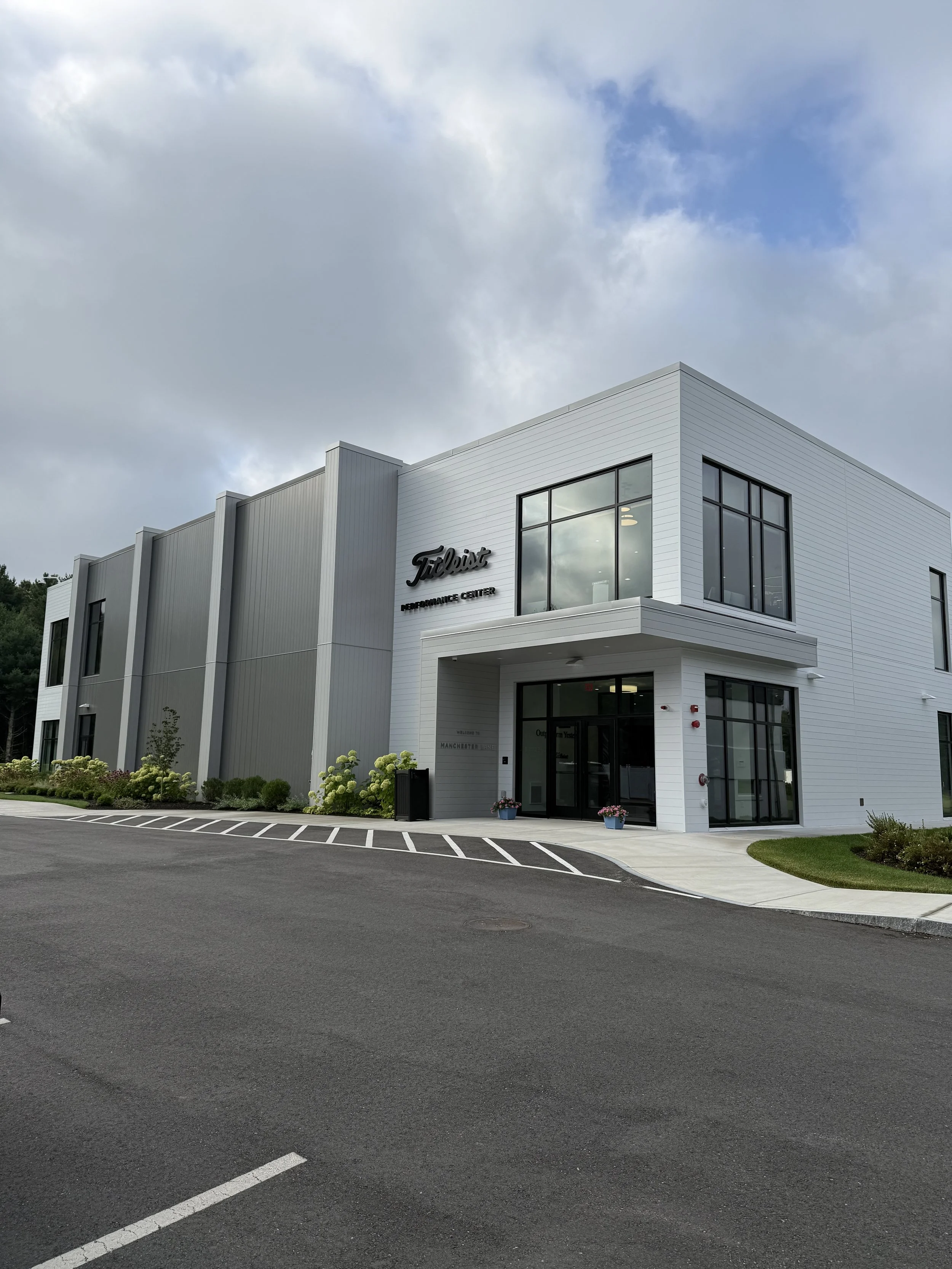
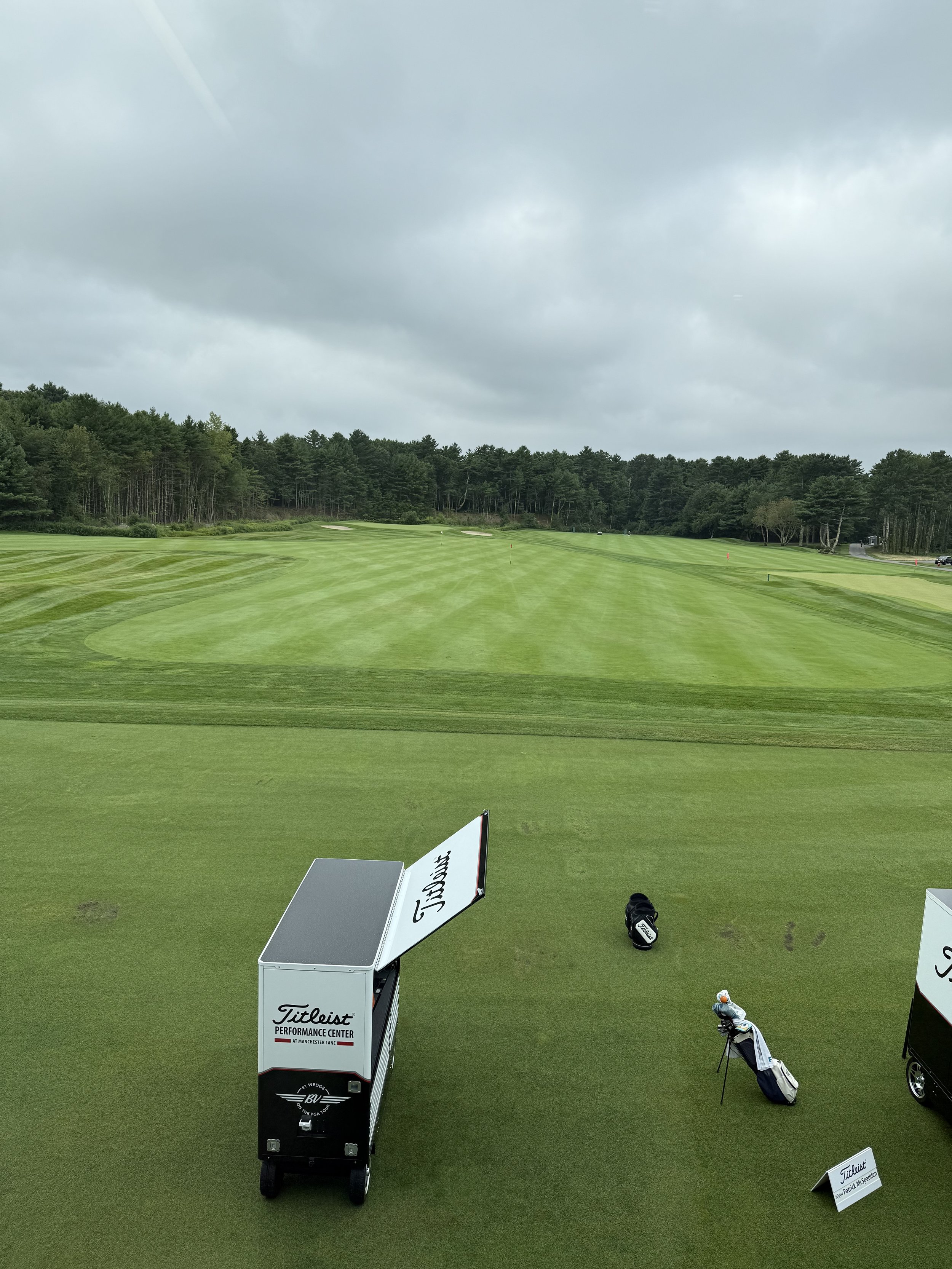
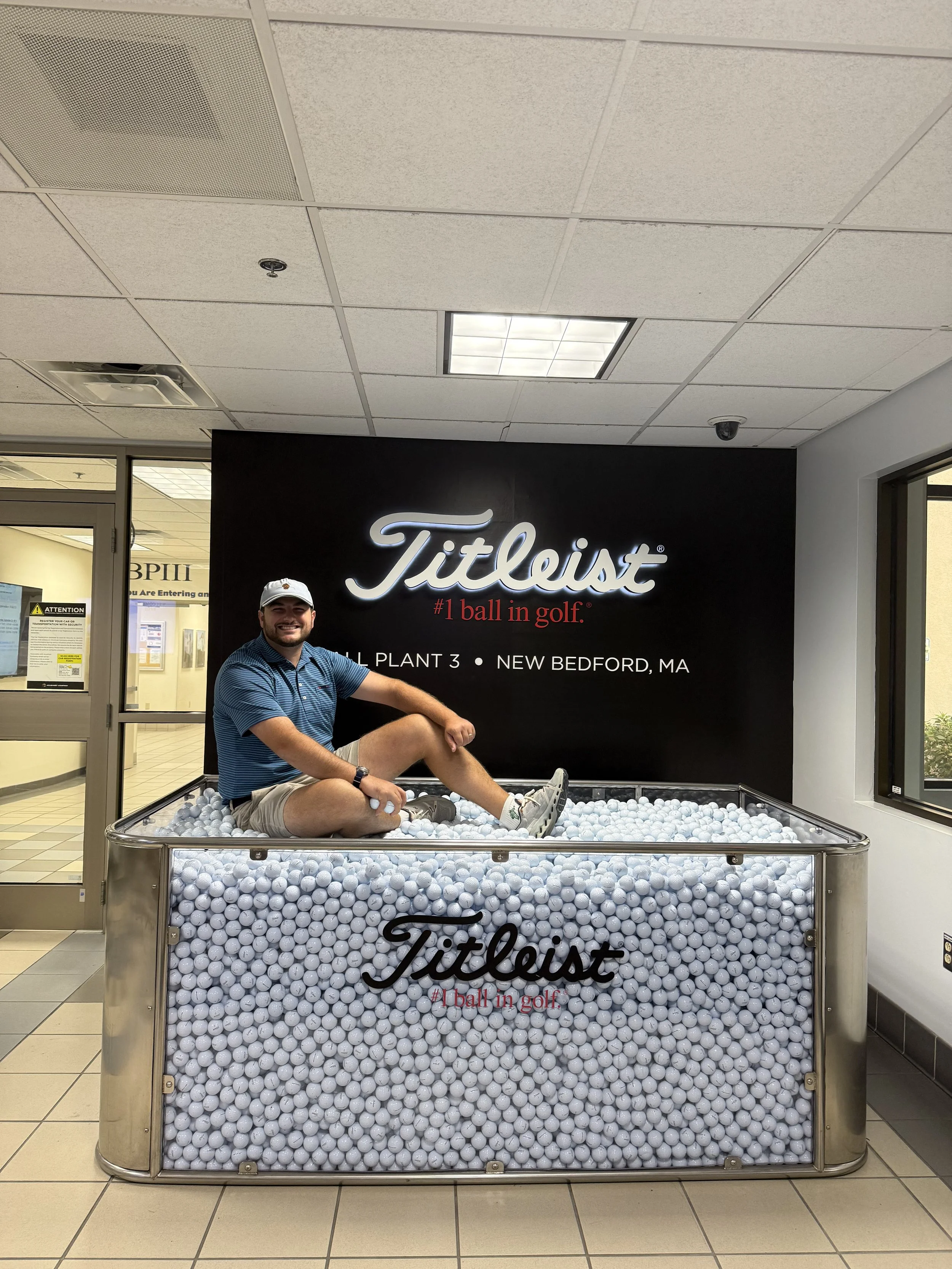
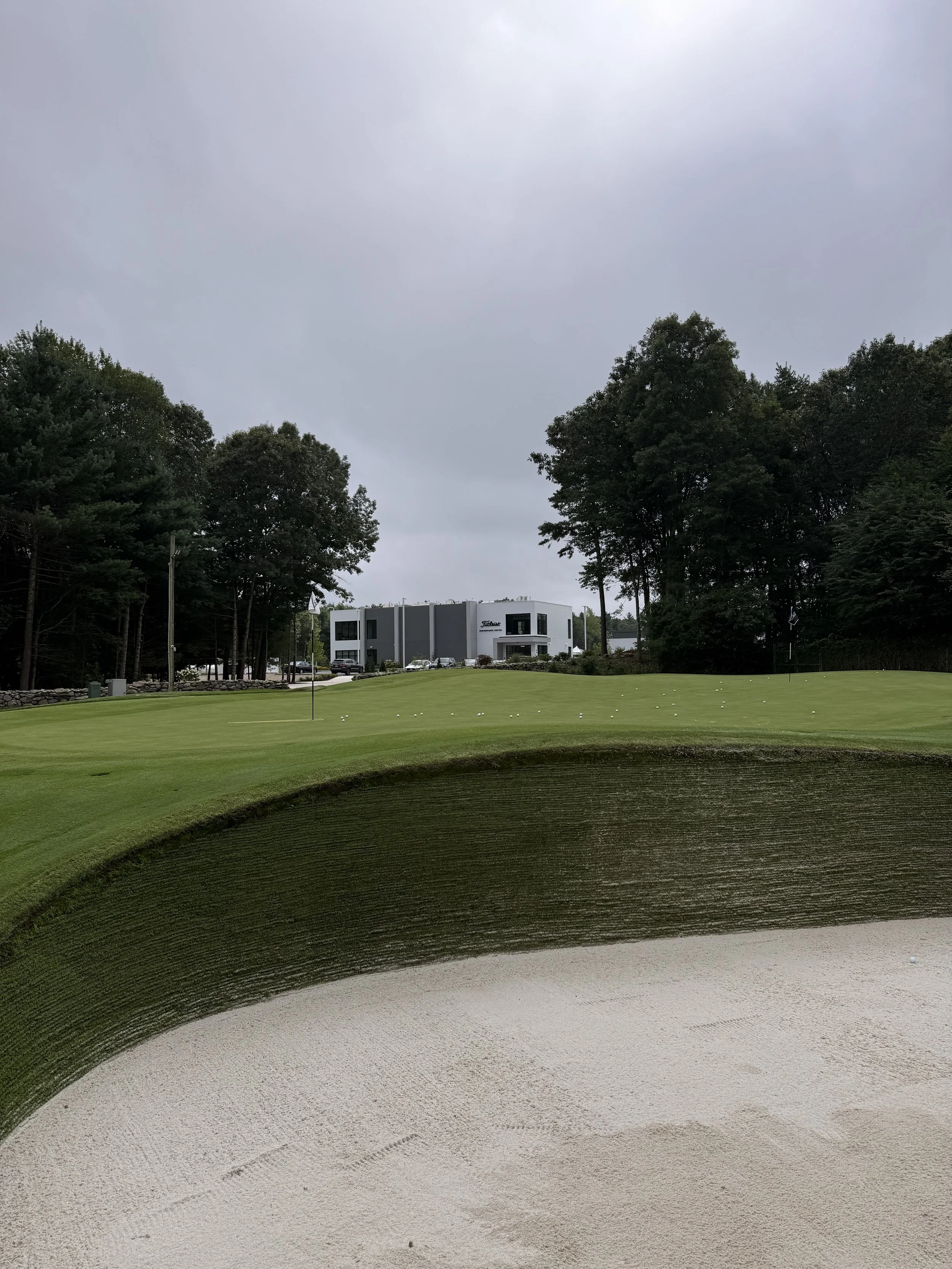
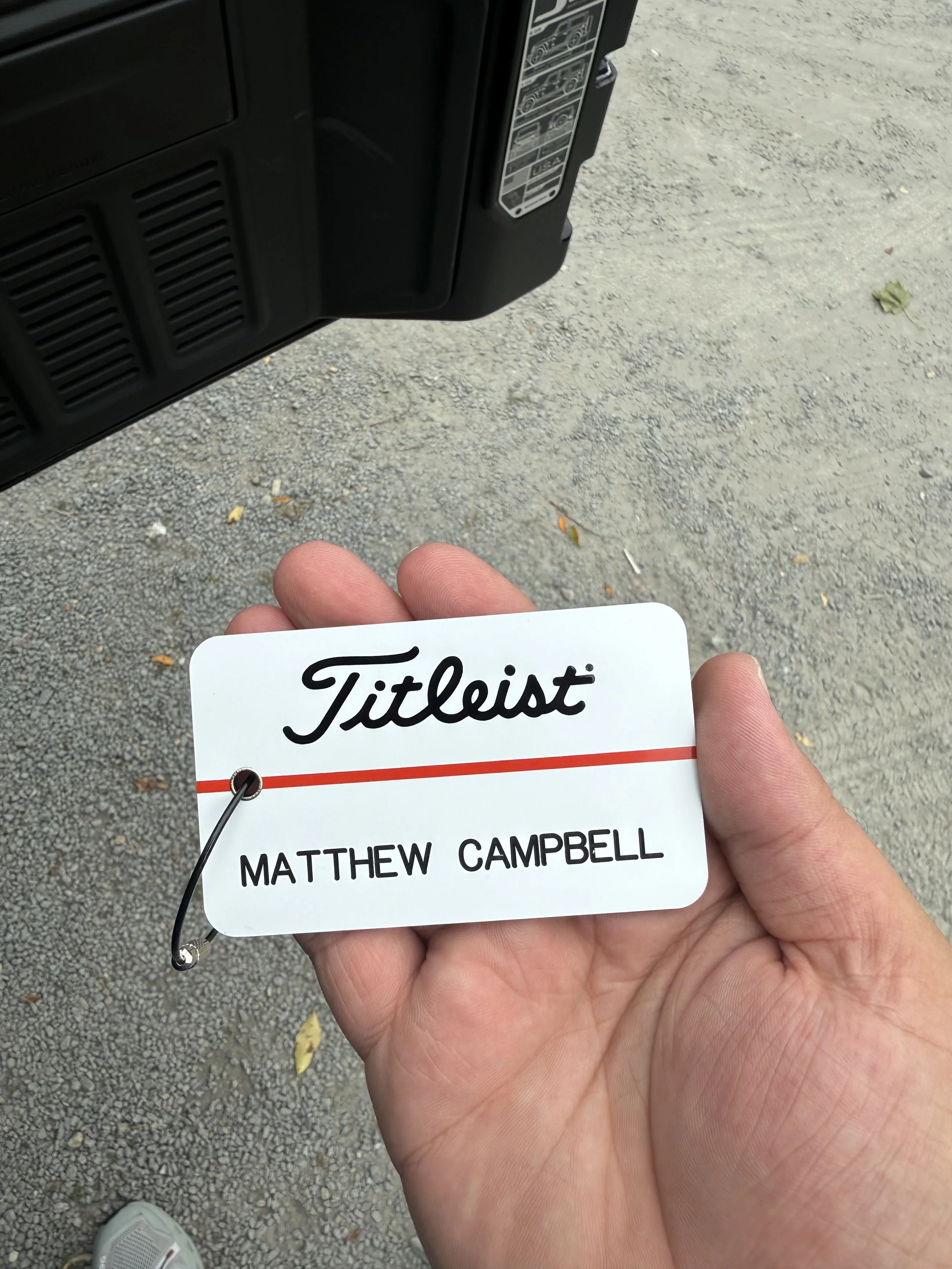
We began at Manchester Lane, Titleist’s new Performance Institute. Pulling up felt like arriving at golf’s version of NASA. The facility is modern, pristine, and filled with a quiet sense of anticipation. Our group gathered in the lobby before splitting into two, and I headed first to Ball Plant 3 in New Bedford.
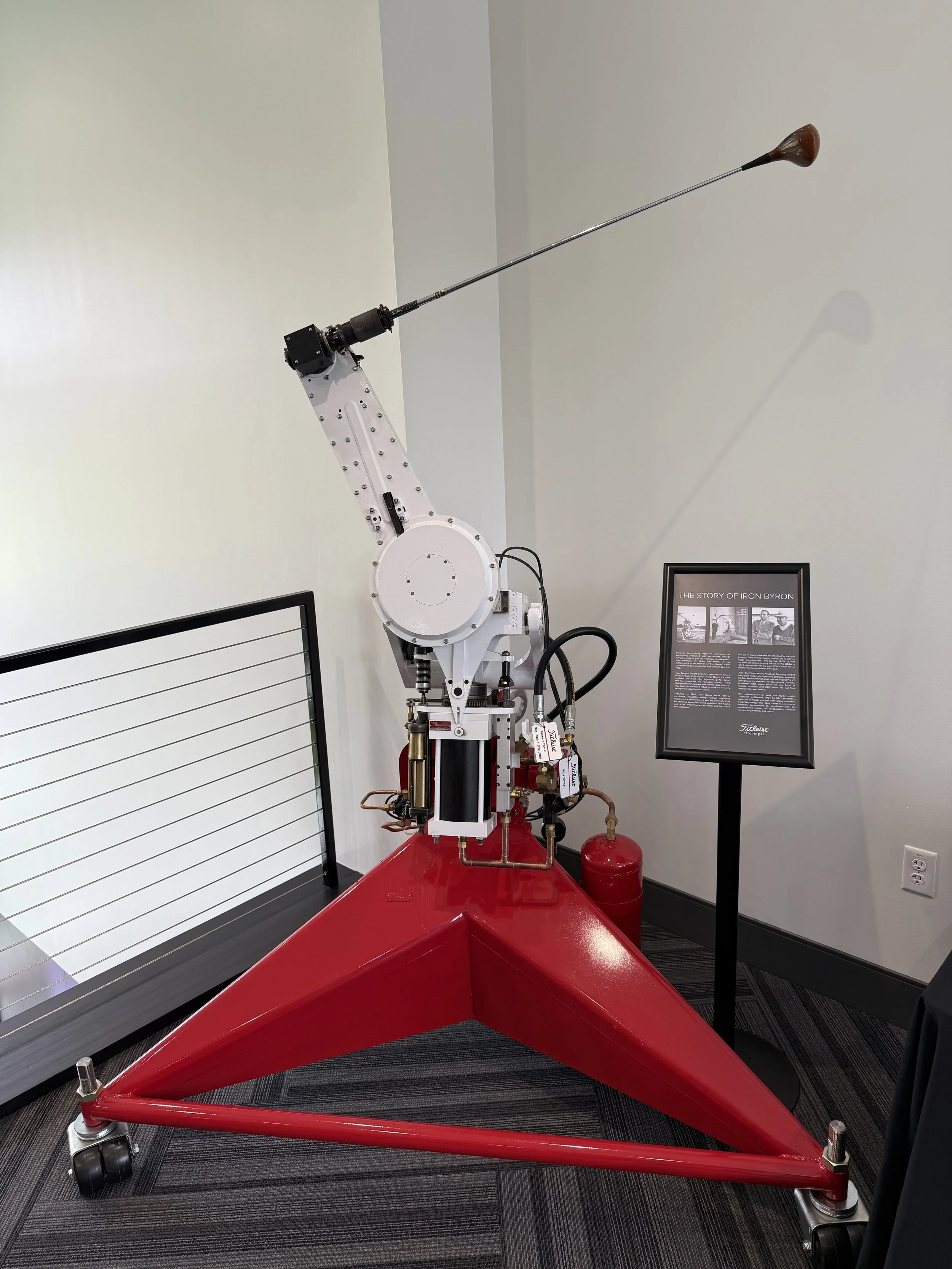
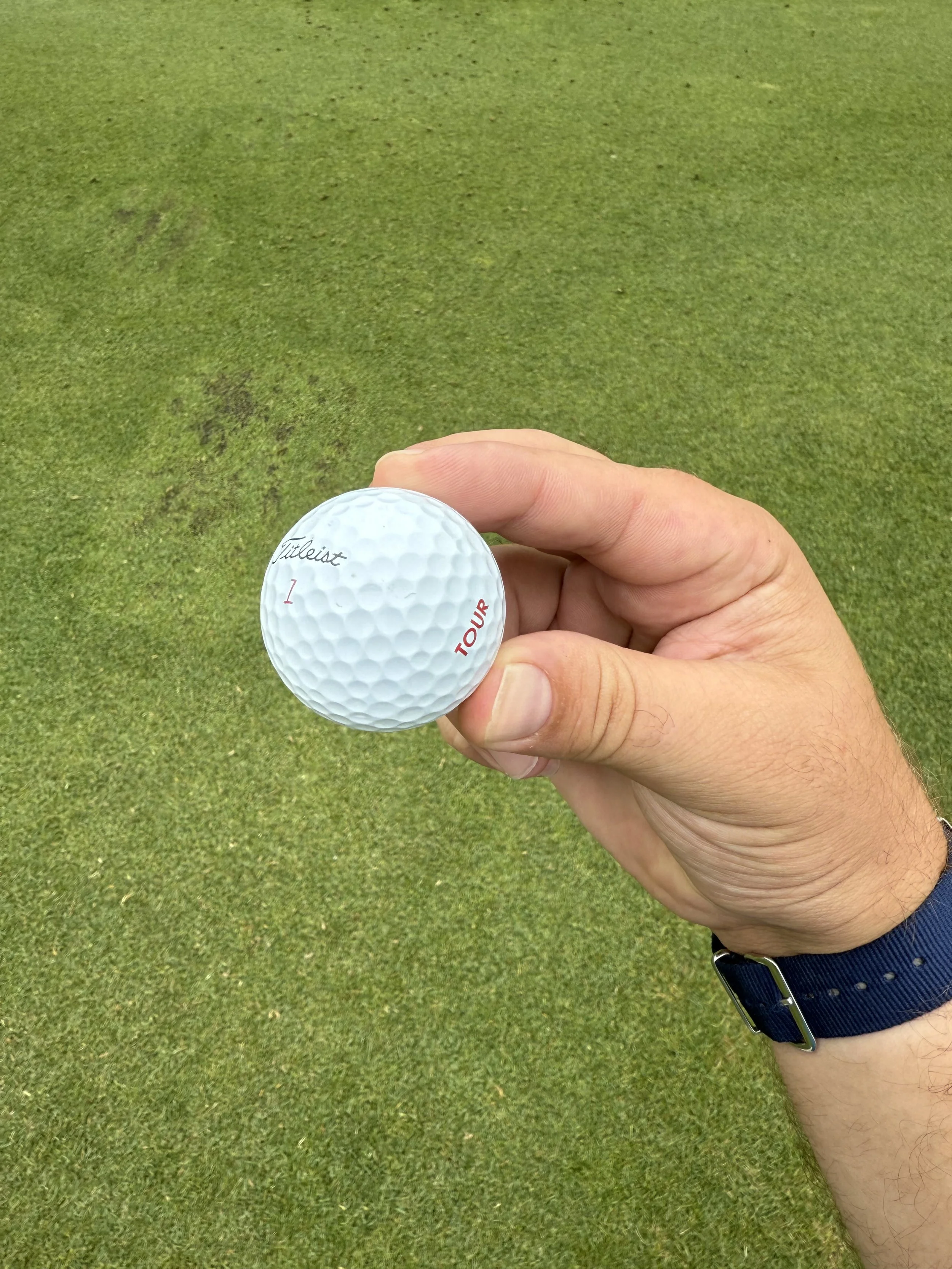
The tour revealed just how deep Titleist’s story runs. In the 1930s, company founder Phil Young missed a short putt and decided to x ray golf balls, uncovering inconsistencies in their cores. That pursuit of consistency led to the creation of Titleist’s first golf ball, and nearly a century later the brand has become synonymous with reliability and performance. It is no surprise that Titleist remains the number one ball in golf, with more than 80 professional tour wins worldwide this year alone from players who trust it. Seeing the manufacturing process up close, with each ball passing through layer after layer of precise inspection, brought that reputation into sharp focus.
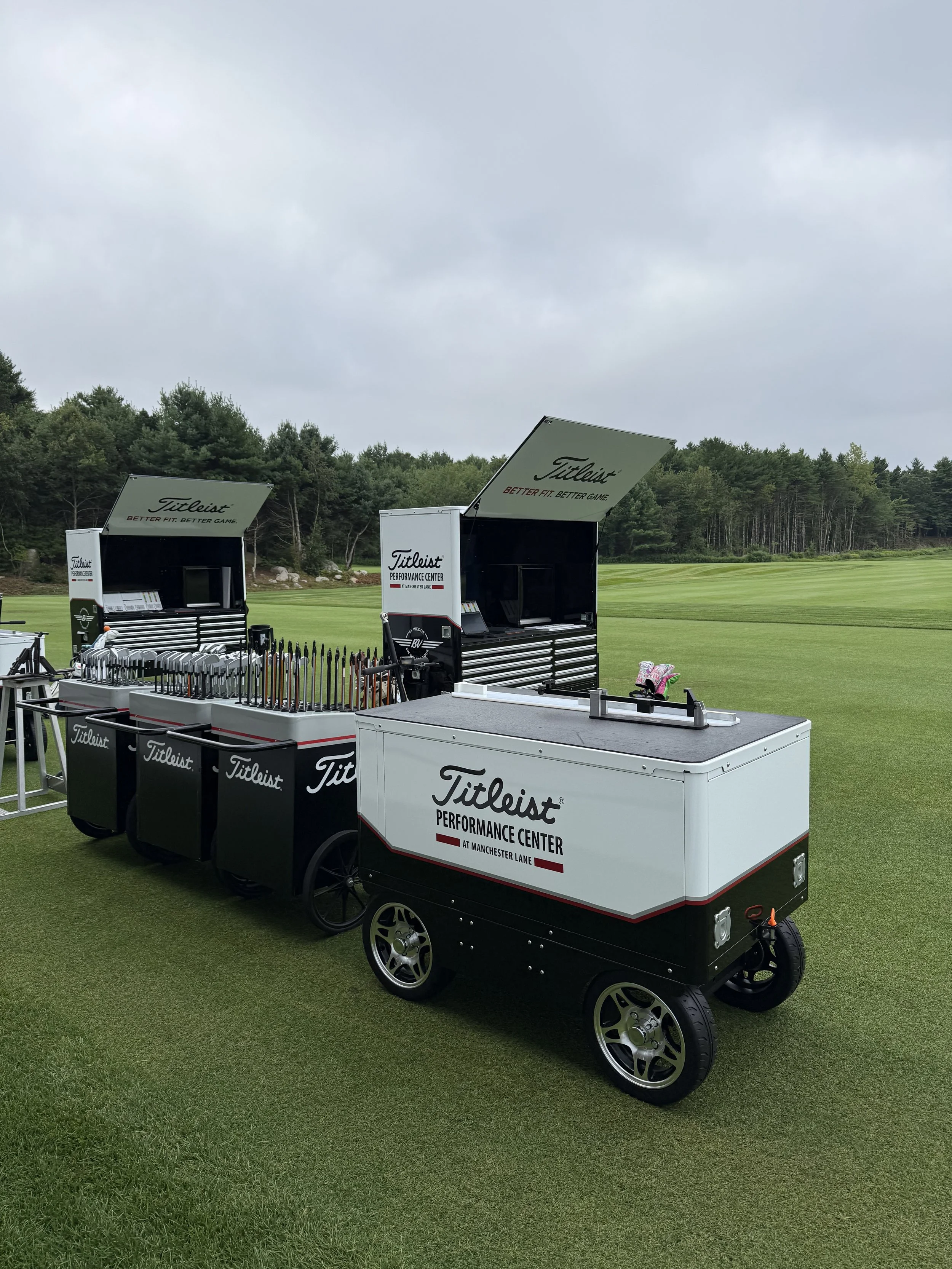
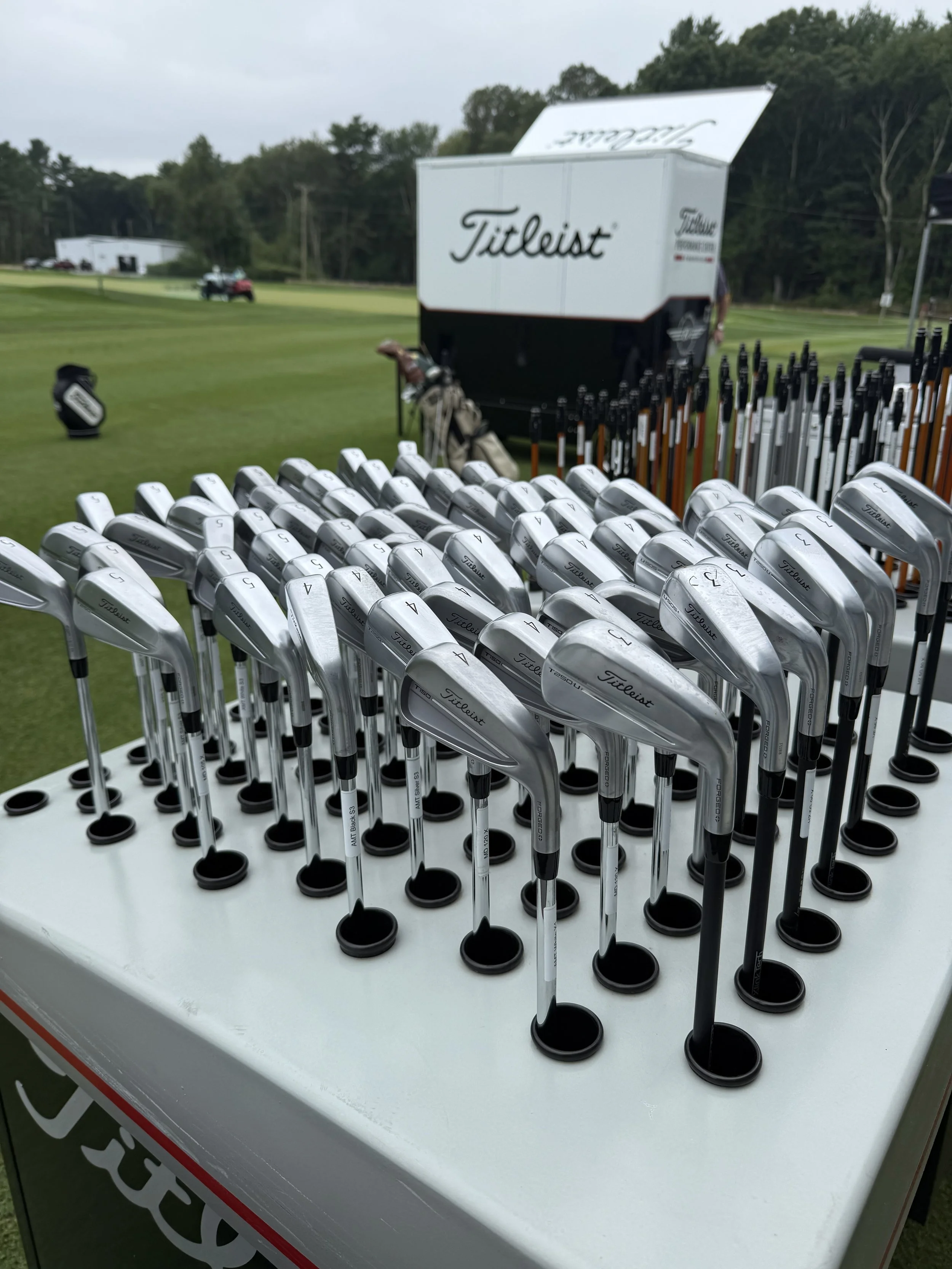
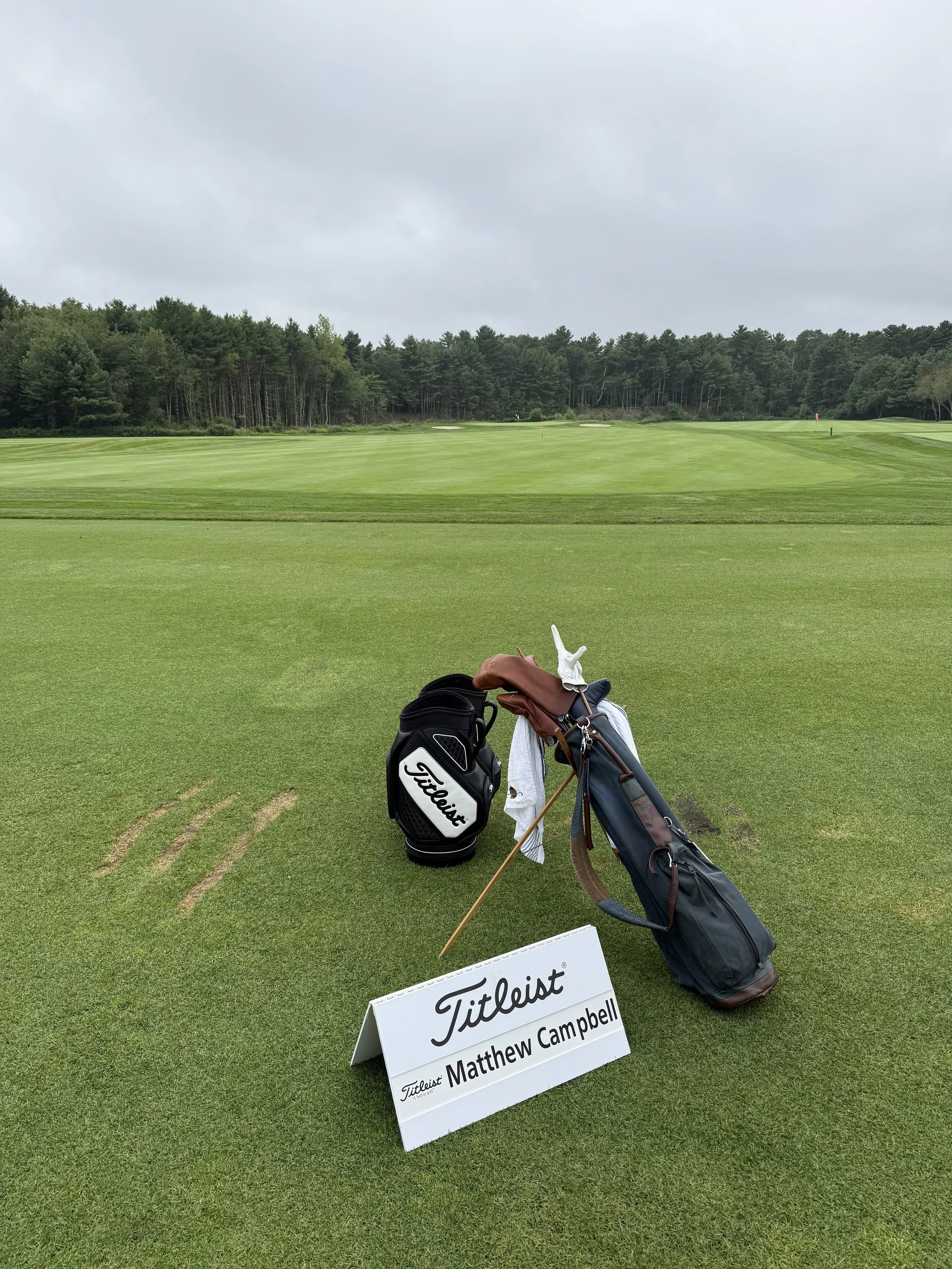
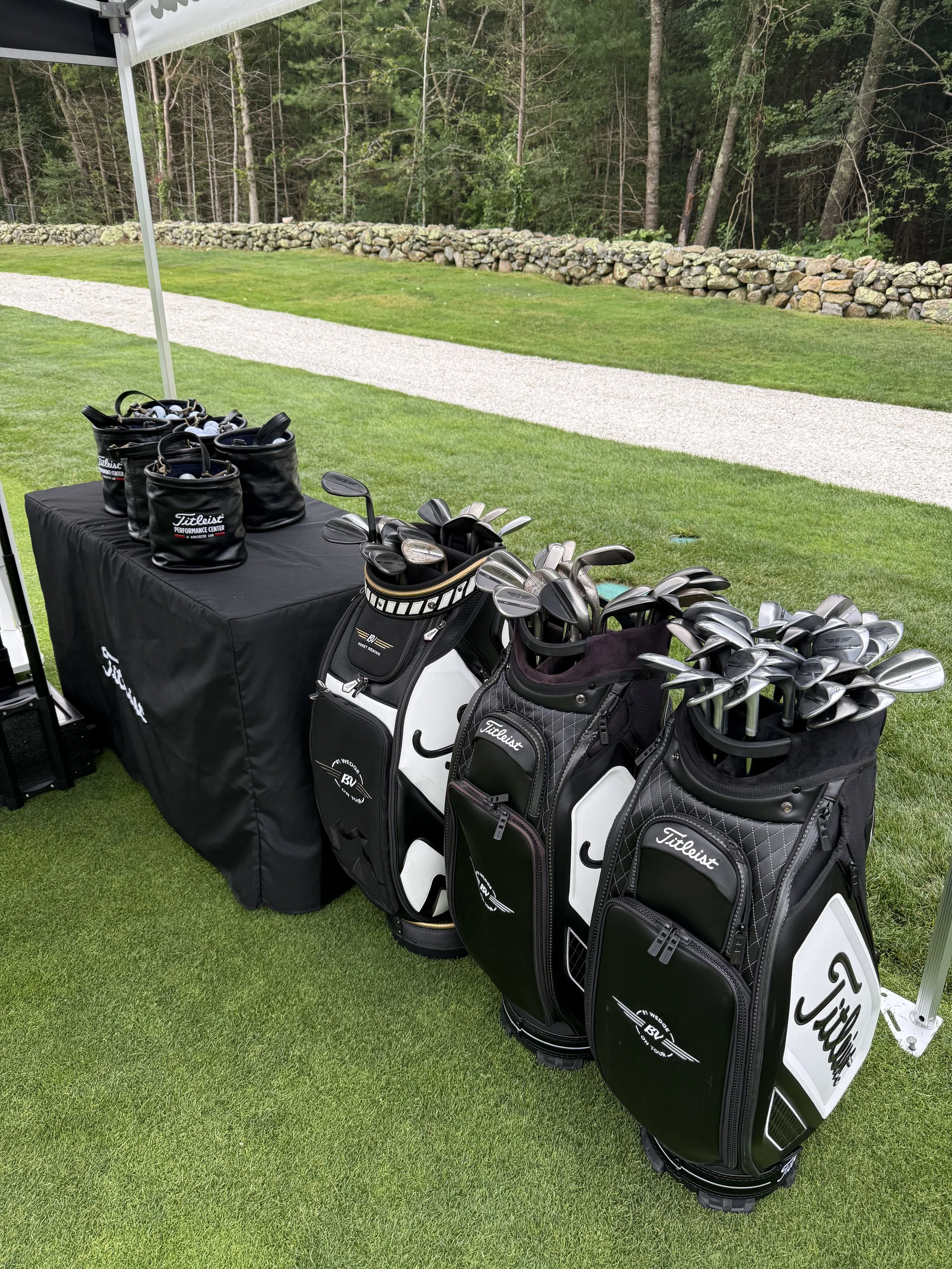
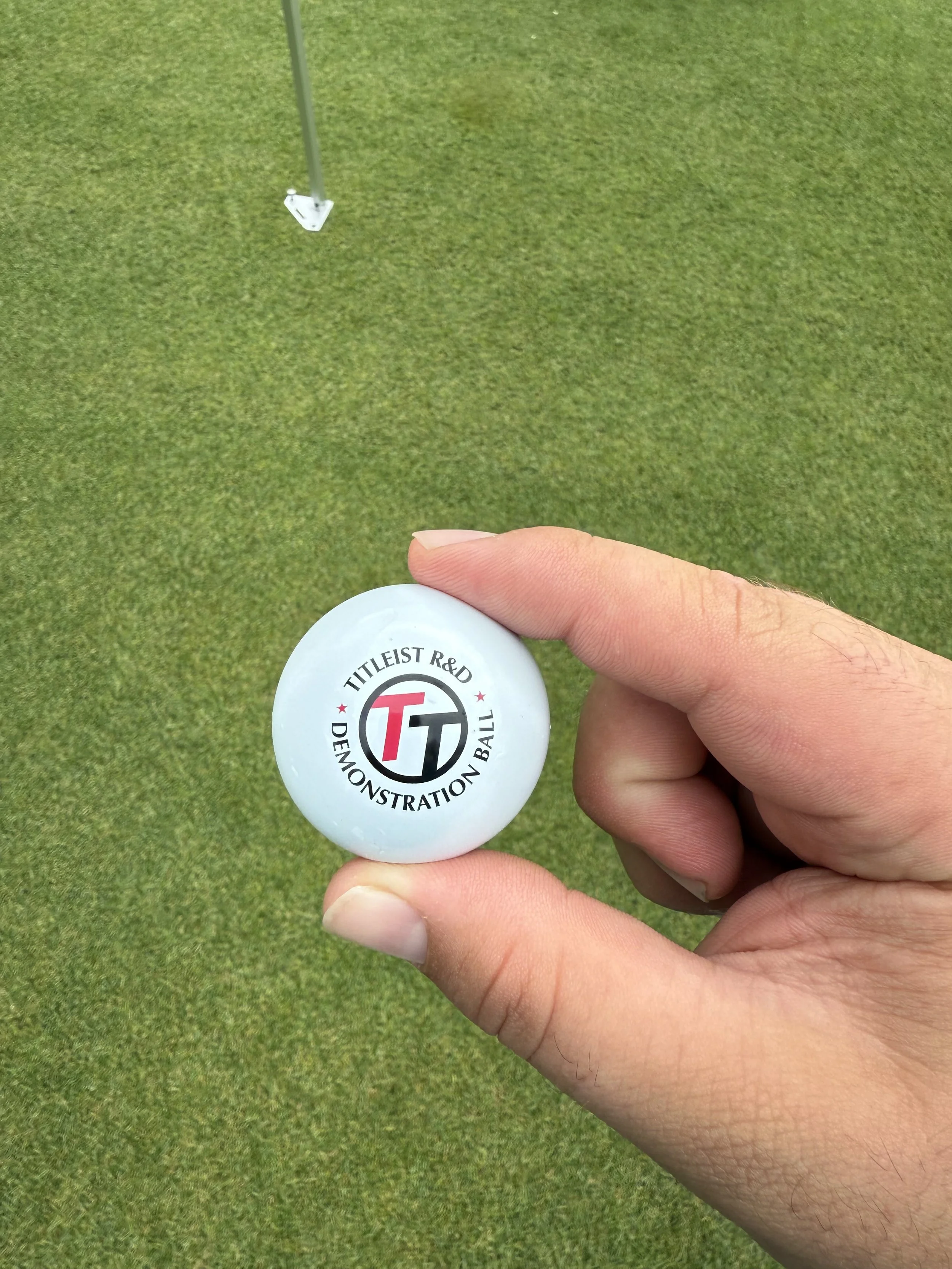
Back at Manchester Lane, it was time for hands on testing. On the range, the new T Series irons stood out immediately. Pure strikes felt soft and responsive, while mishits provided just enough feedback without being overly punitive. The GT drivers were equally impressive, combining speed with stability in a way that encouraged confident, aggressive swings. The short game area may have been the highlight of the day. Rotating through different Vokey wedge grinds from tight lies and bunkers was a reminder of how much thought Bob Vokey has poured into giving golfers options for every type of shot and turf condition. We also watched an aerodynamic demonstration using golf balls with no dimples, dimples on only half the ball, and a fully dimpled ball, clearly illustrating the critical role that Titleist’s highly engineered dimple patterns play in ball flight and performance.
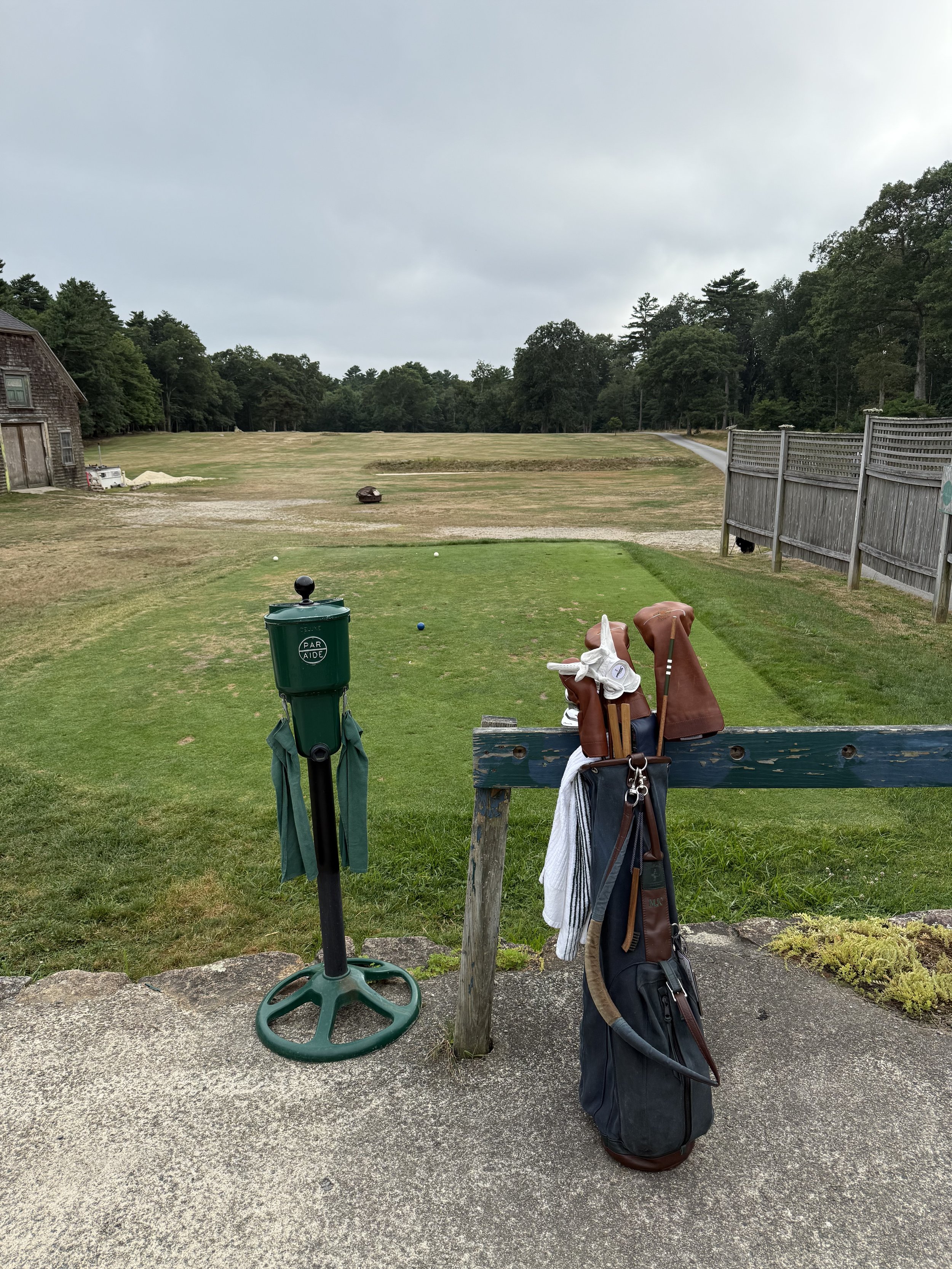
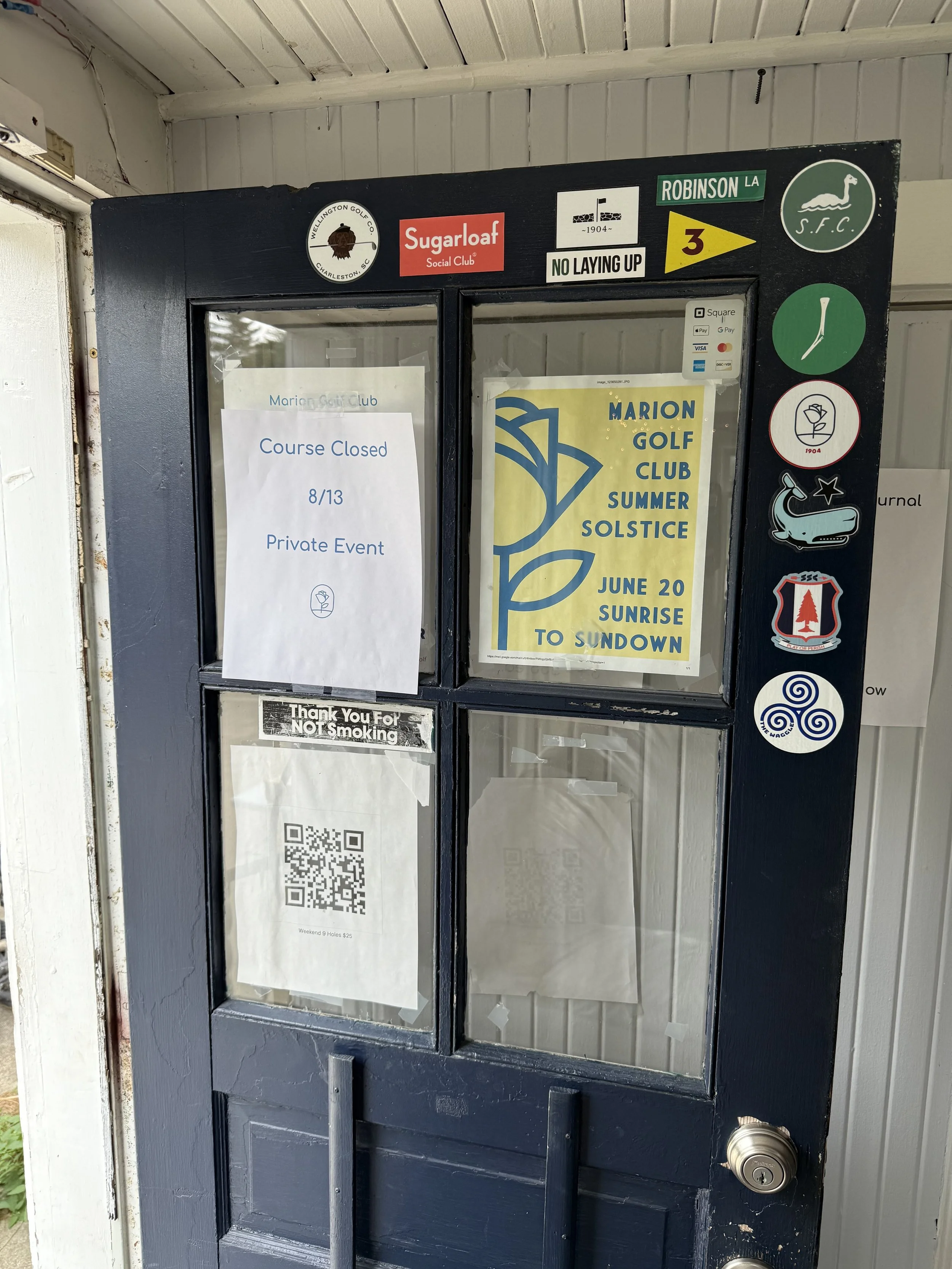
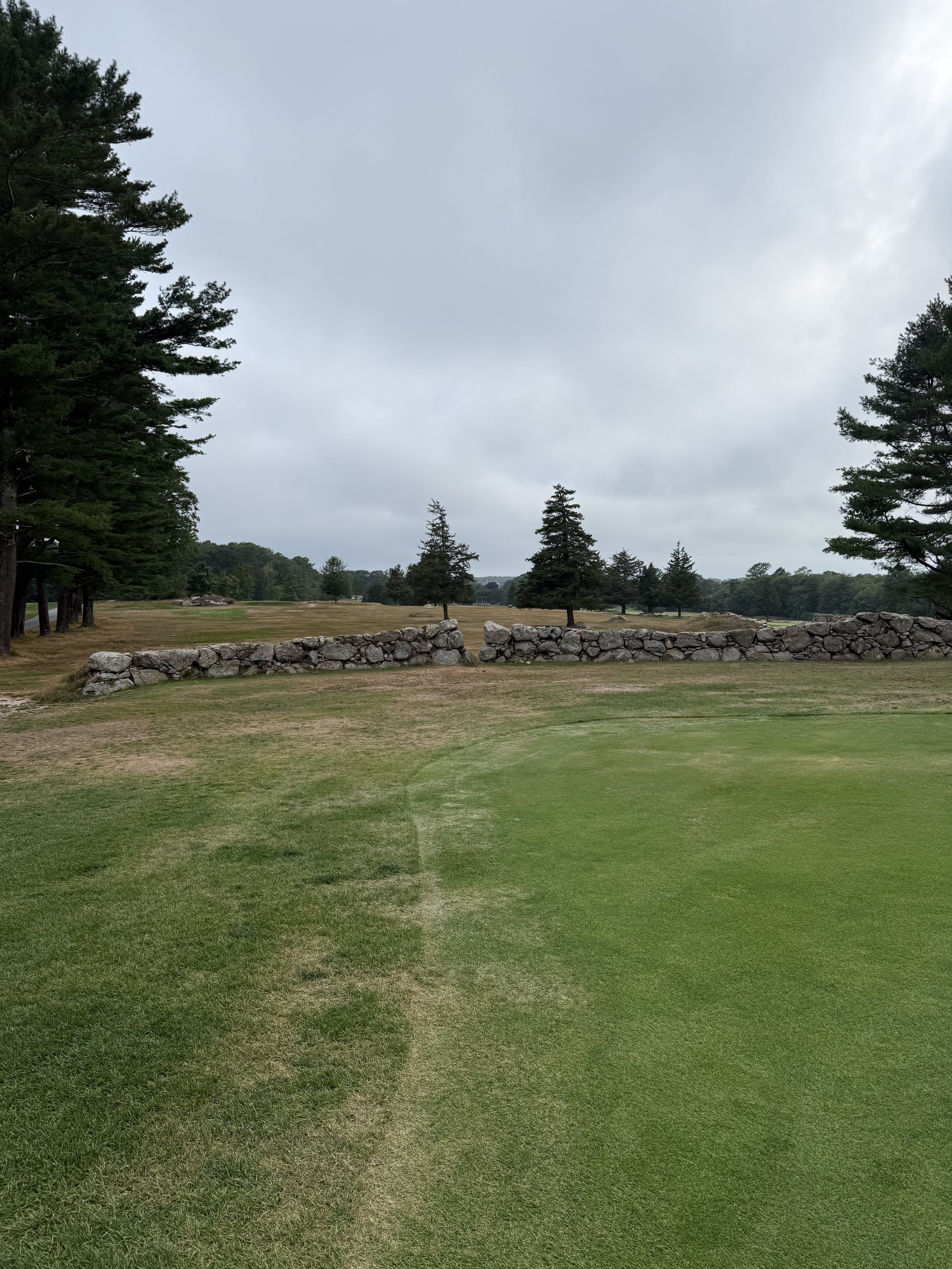
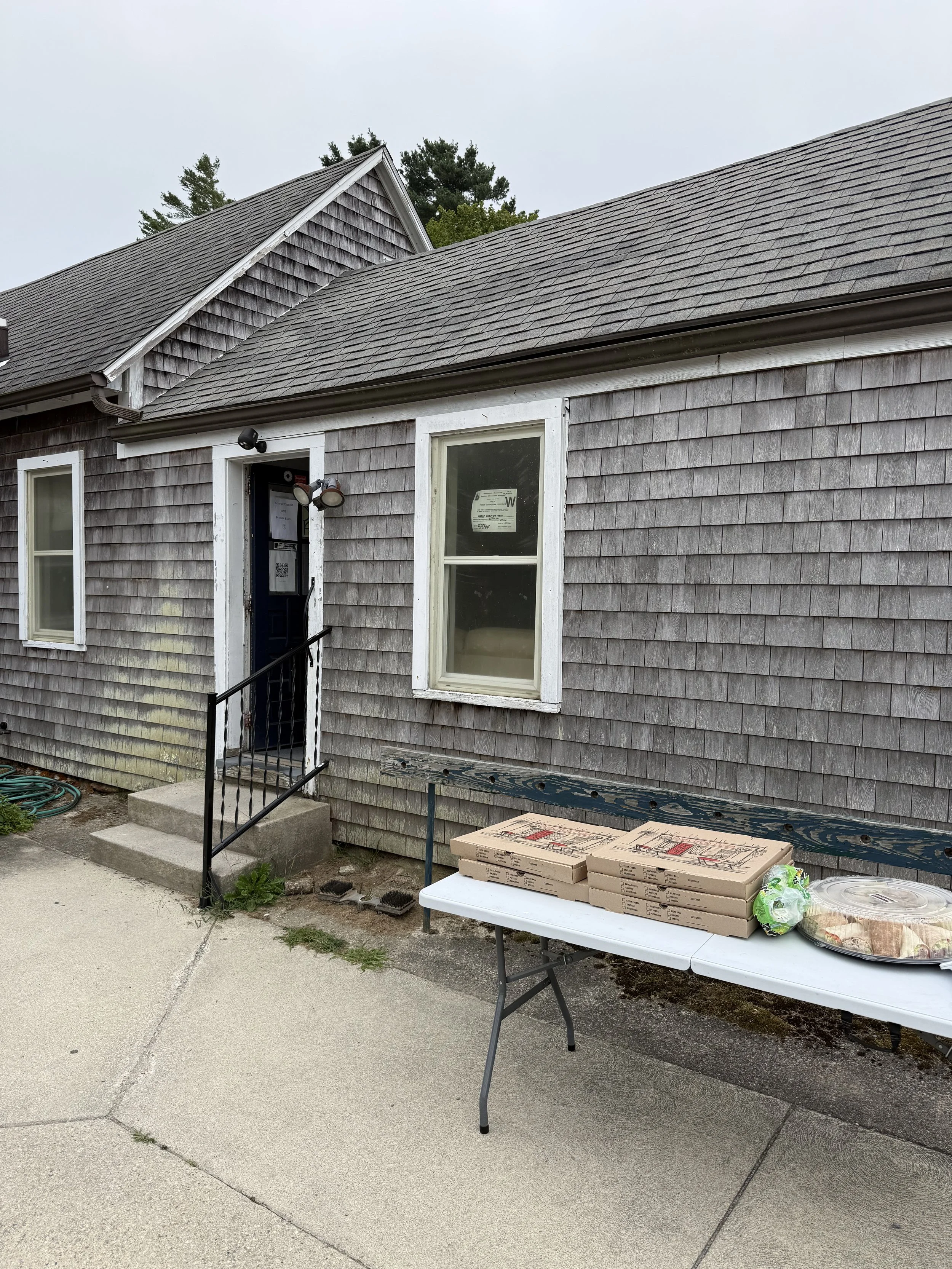
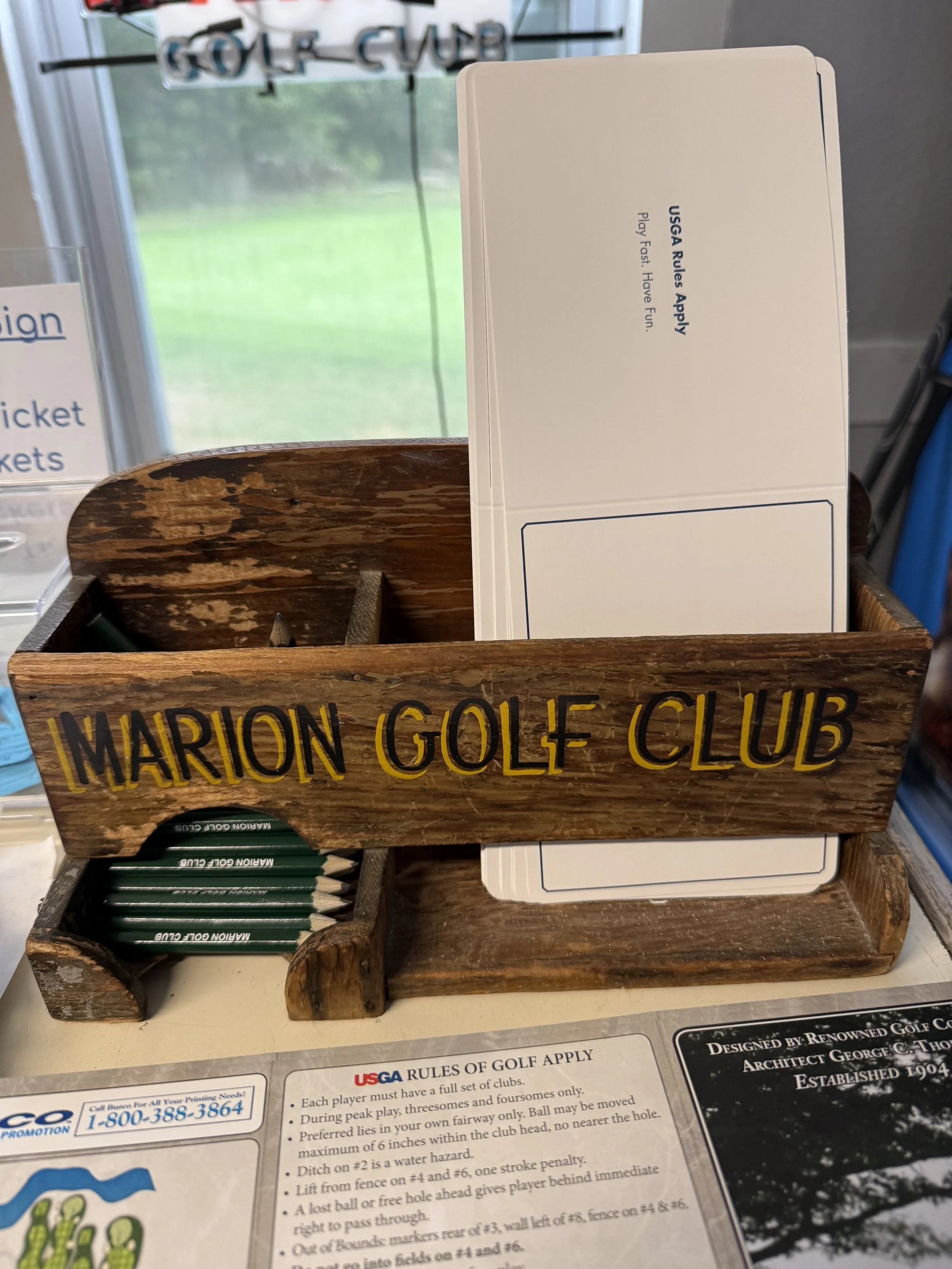
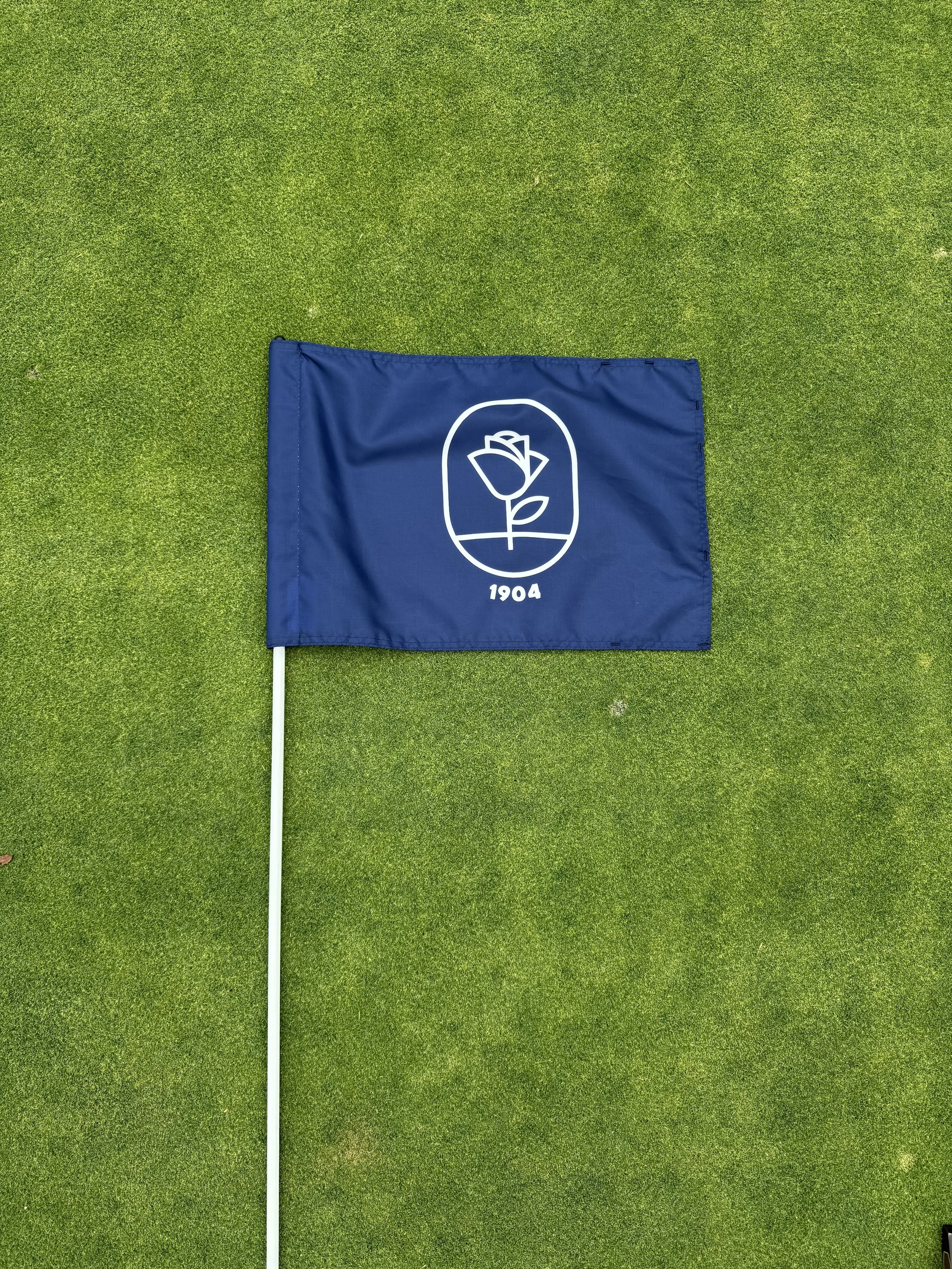
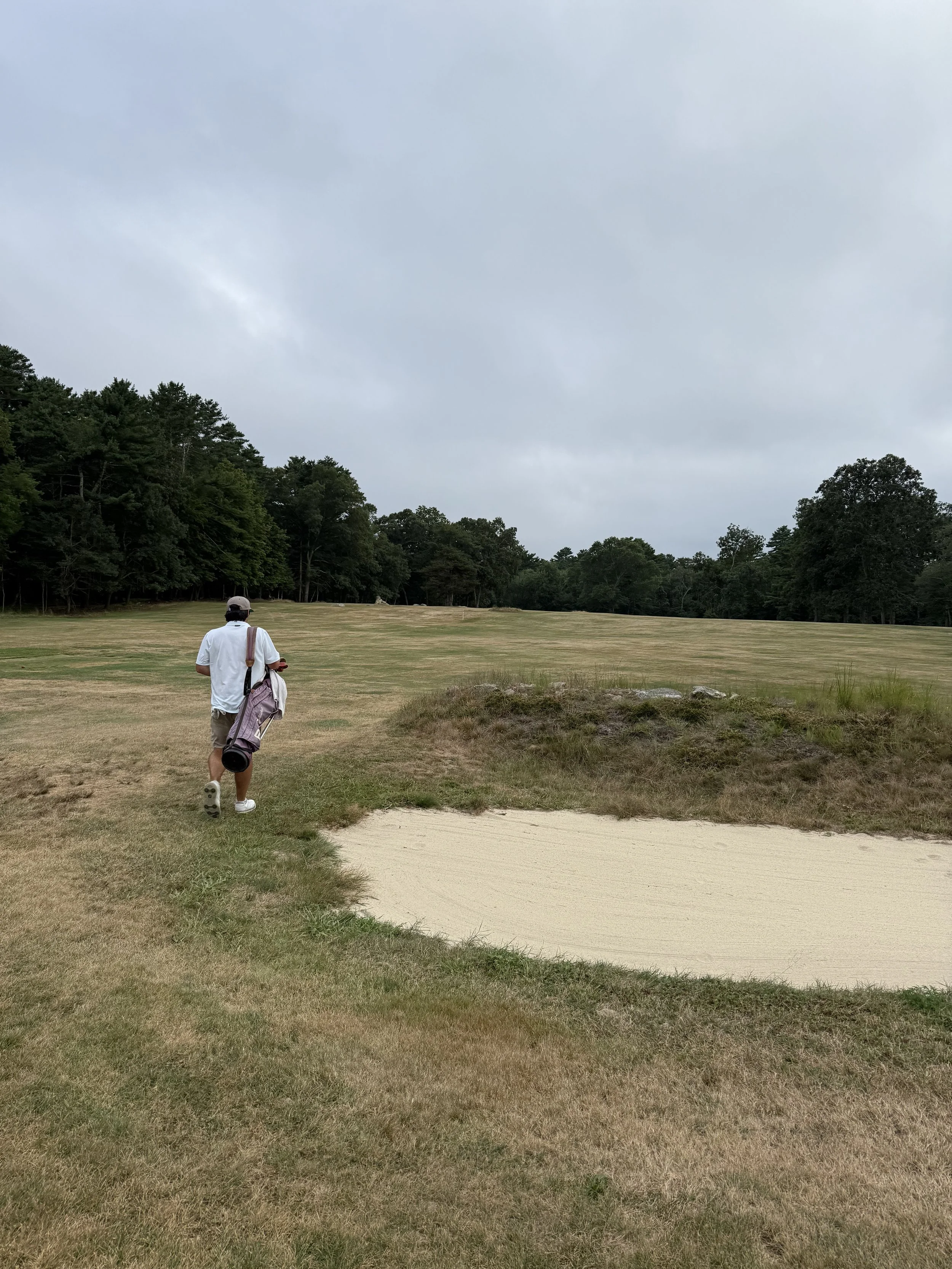
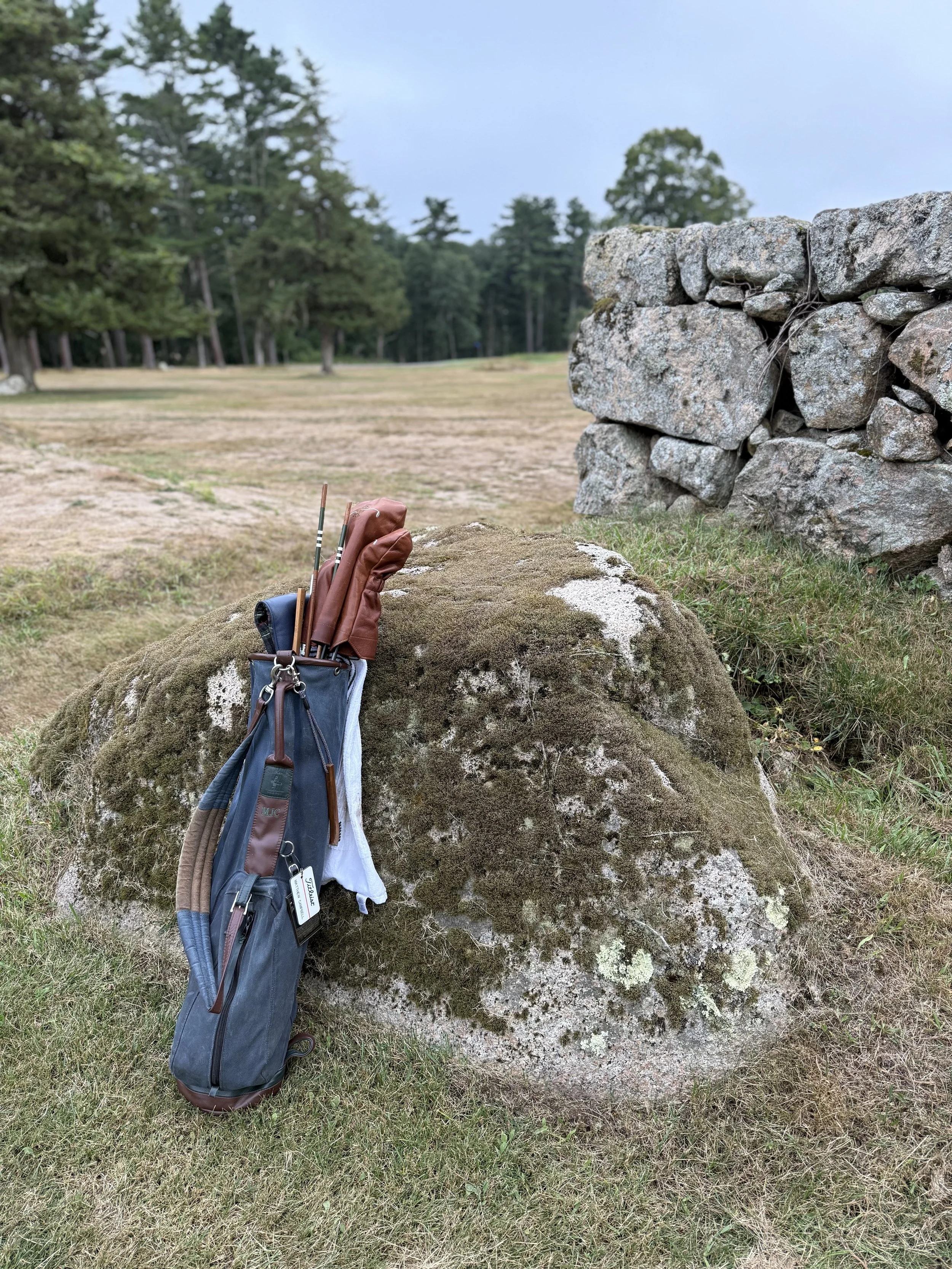
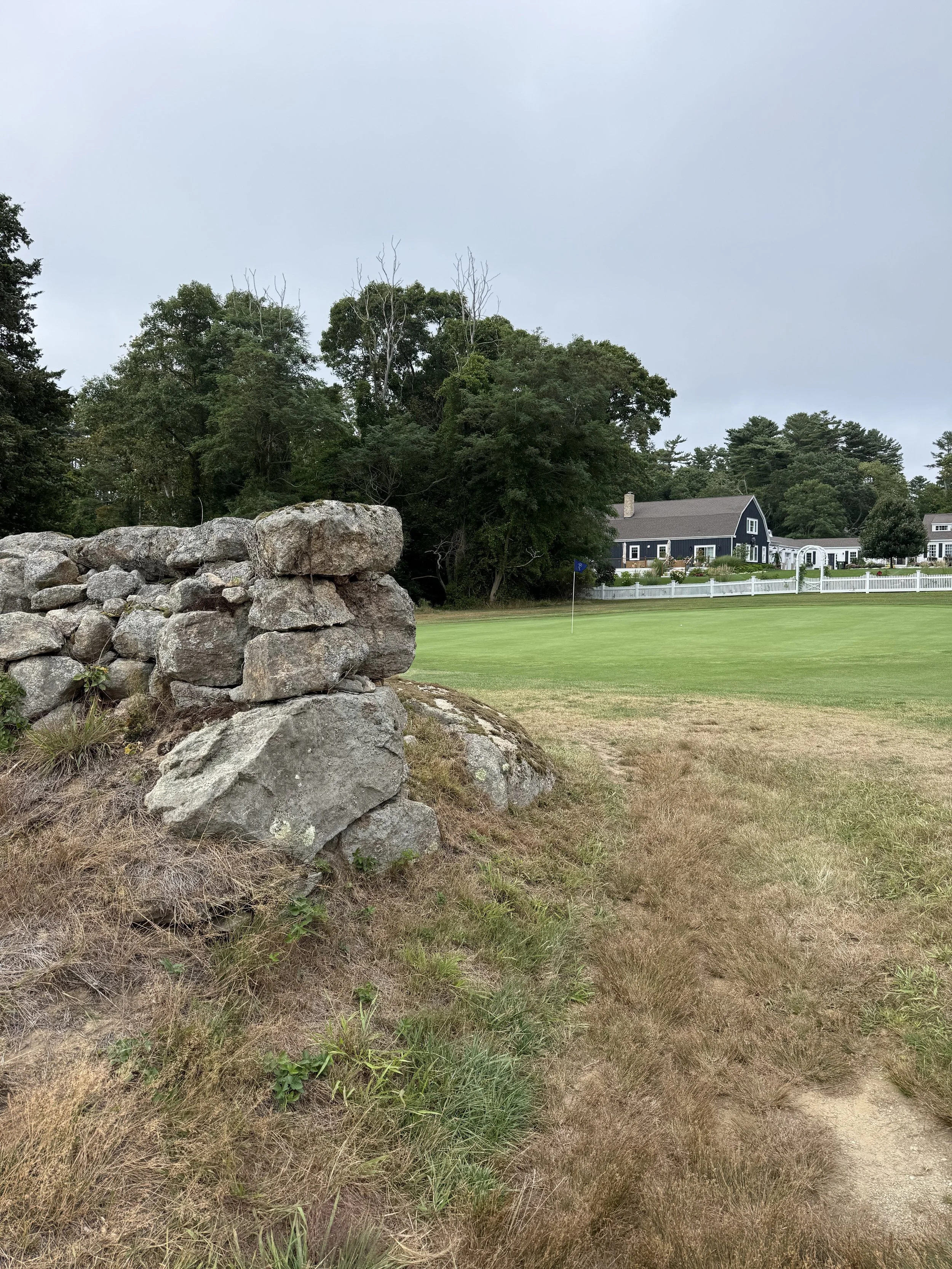
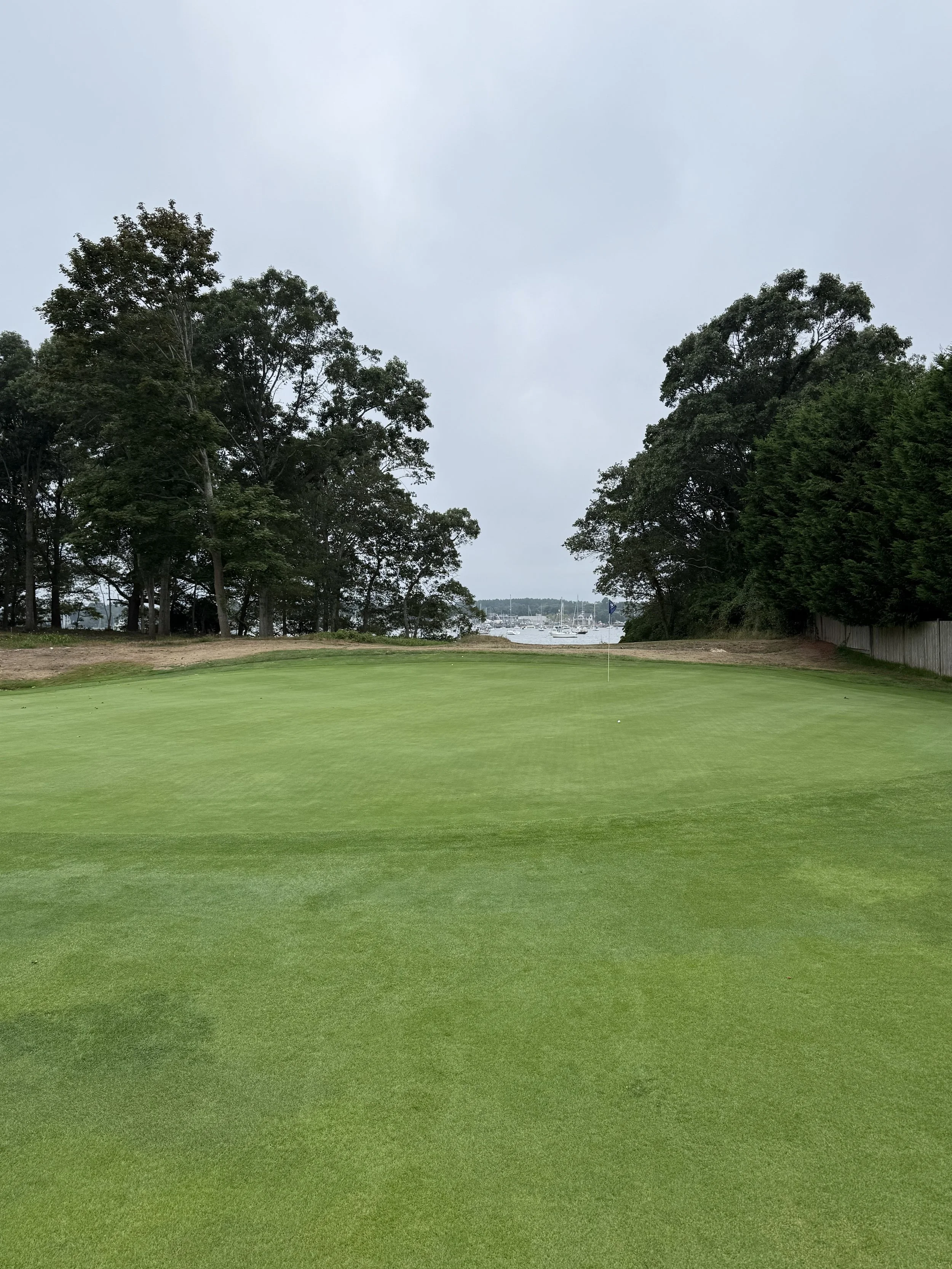
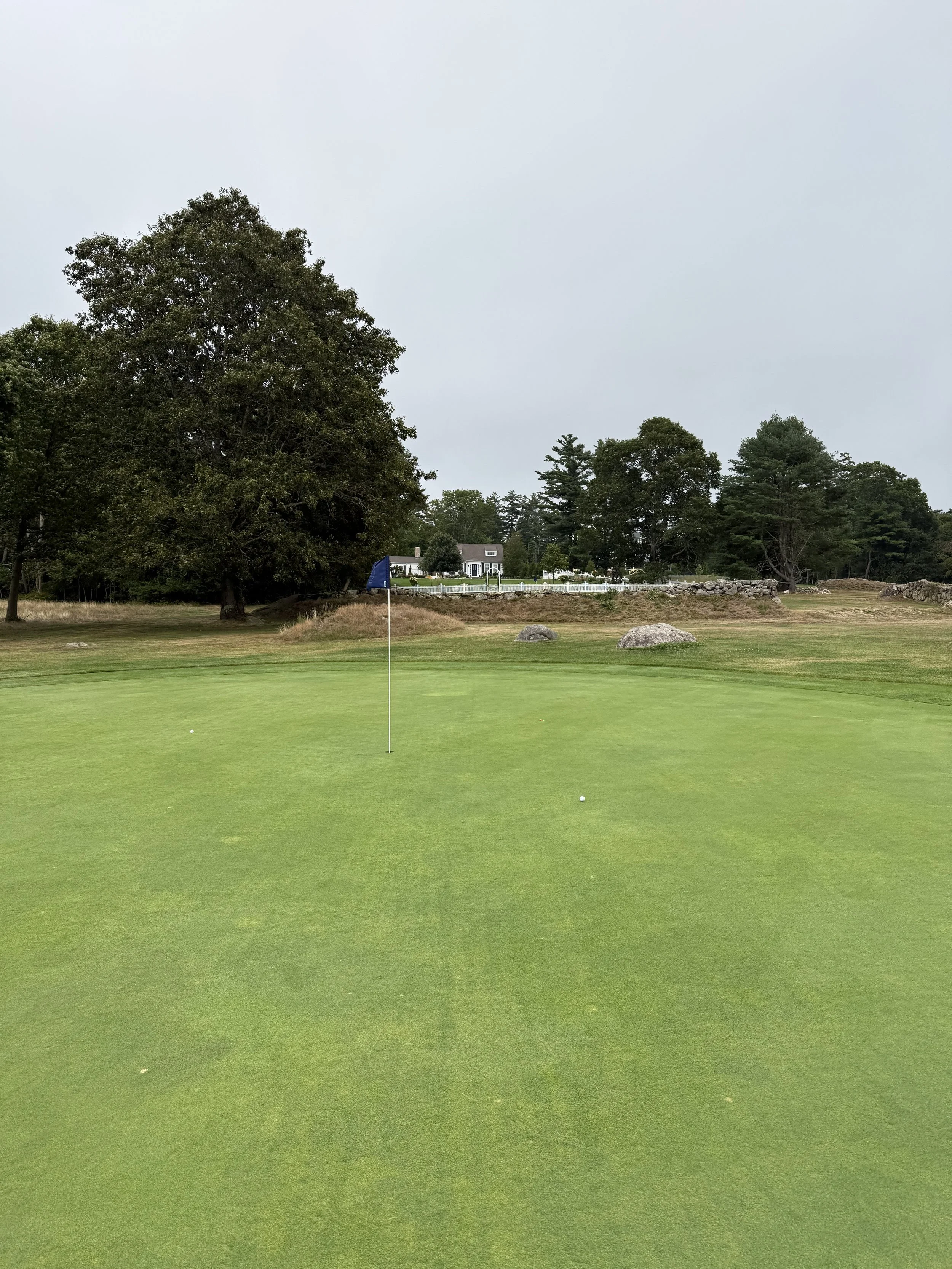
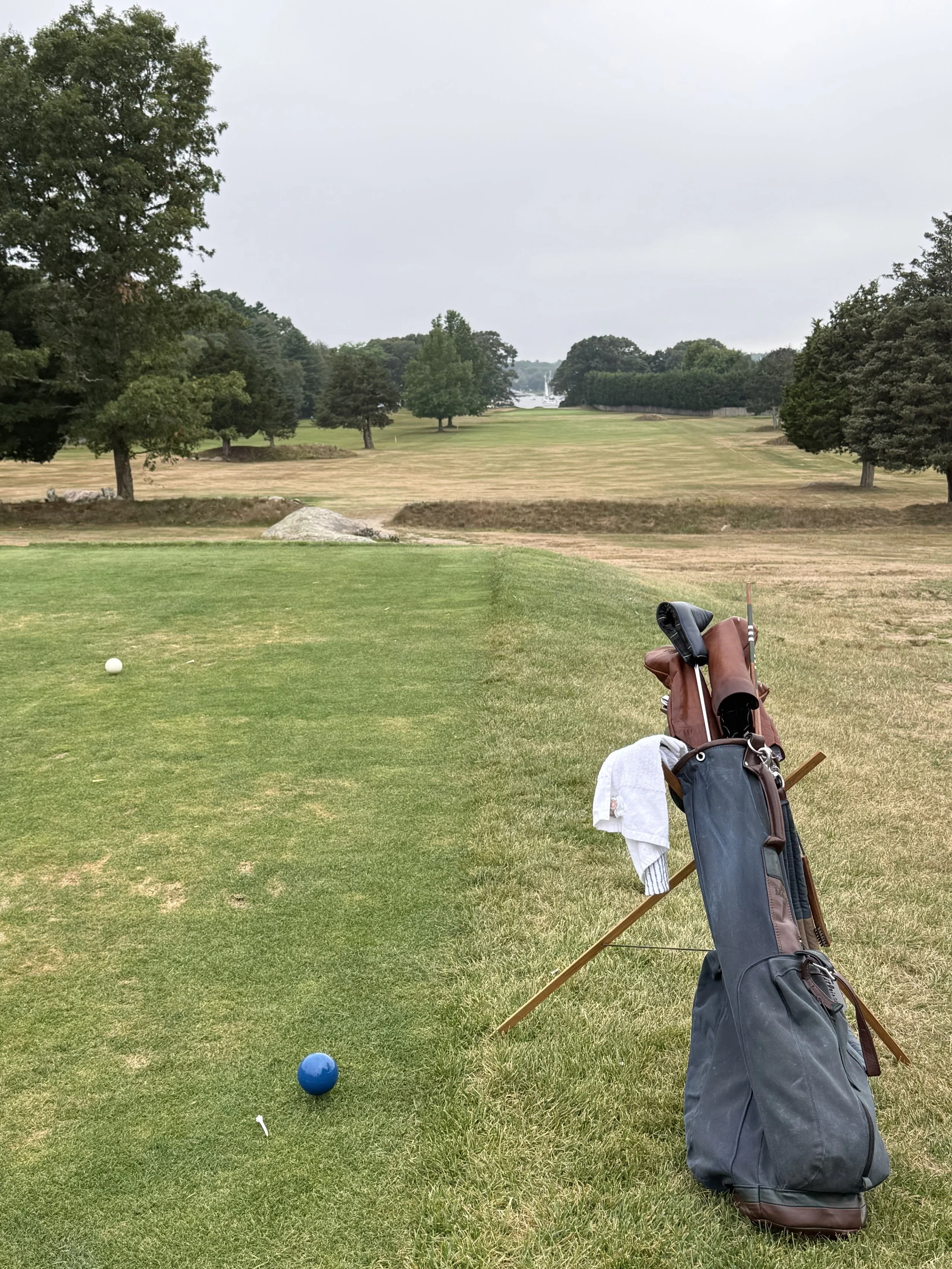
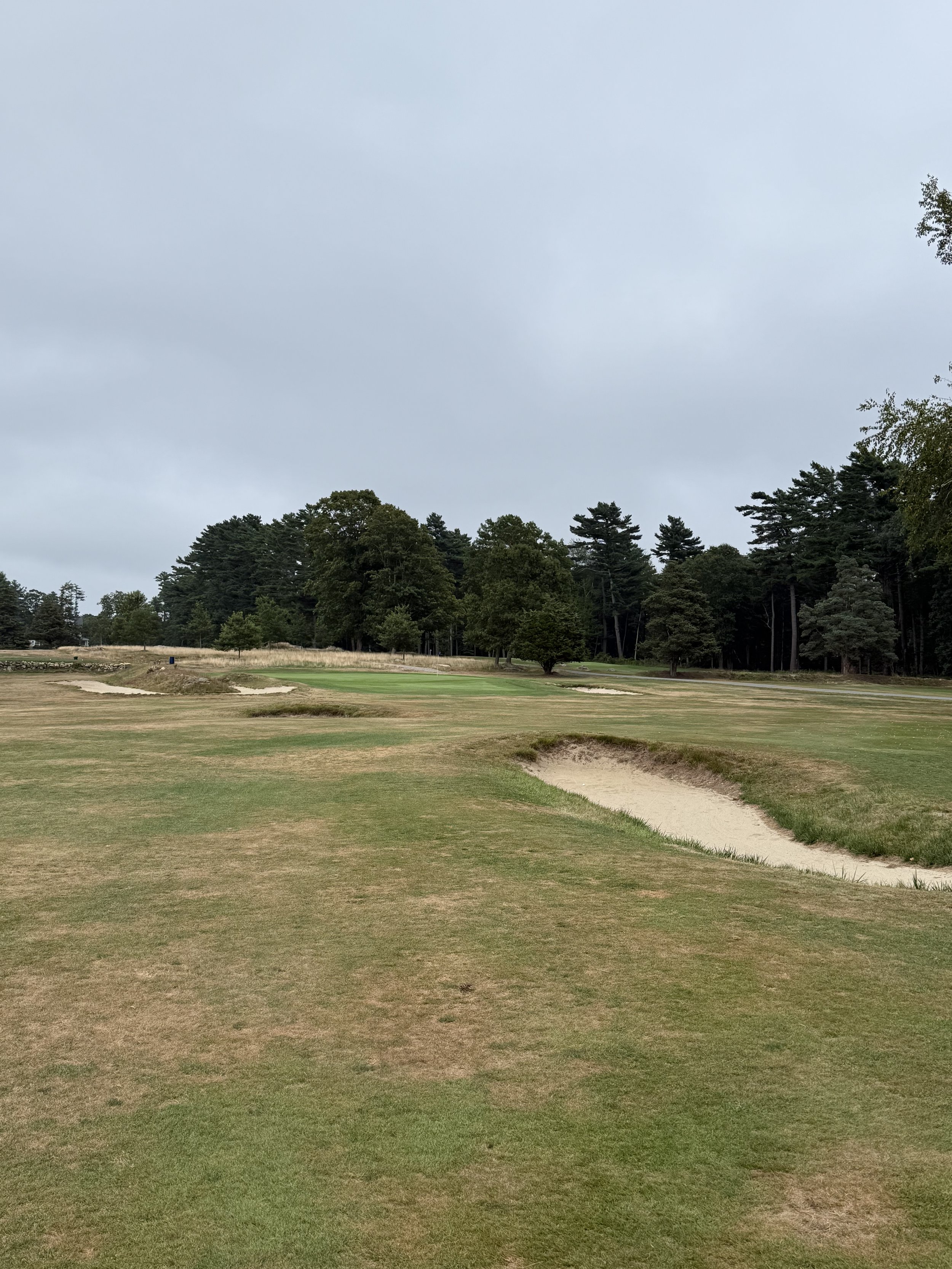
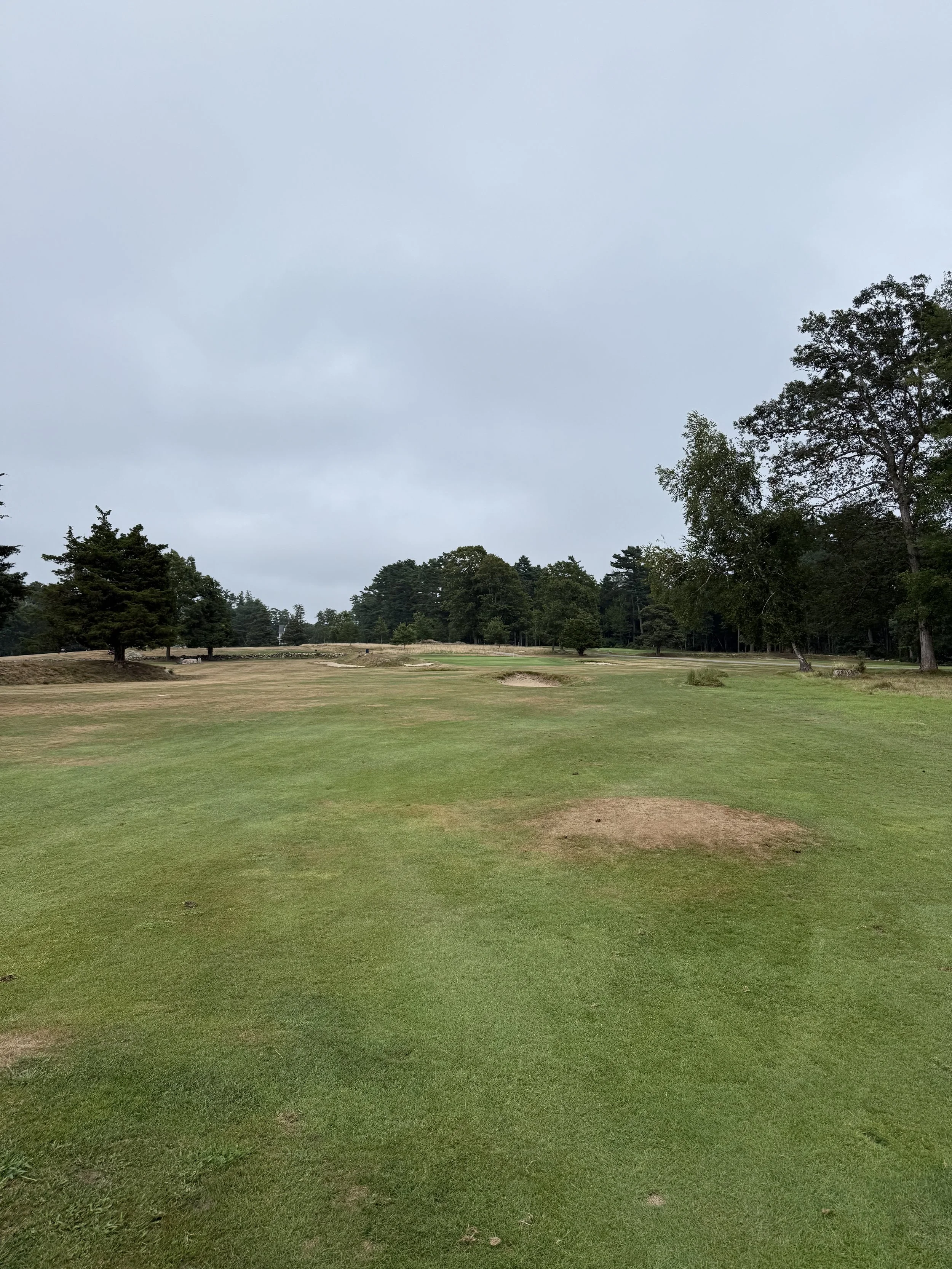
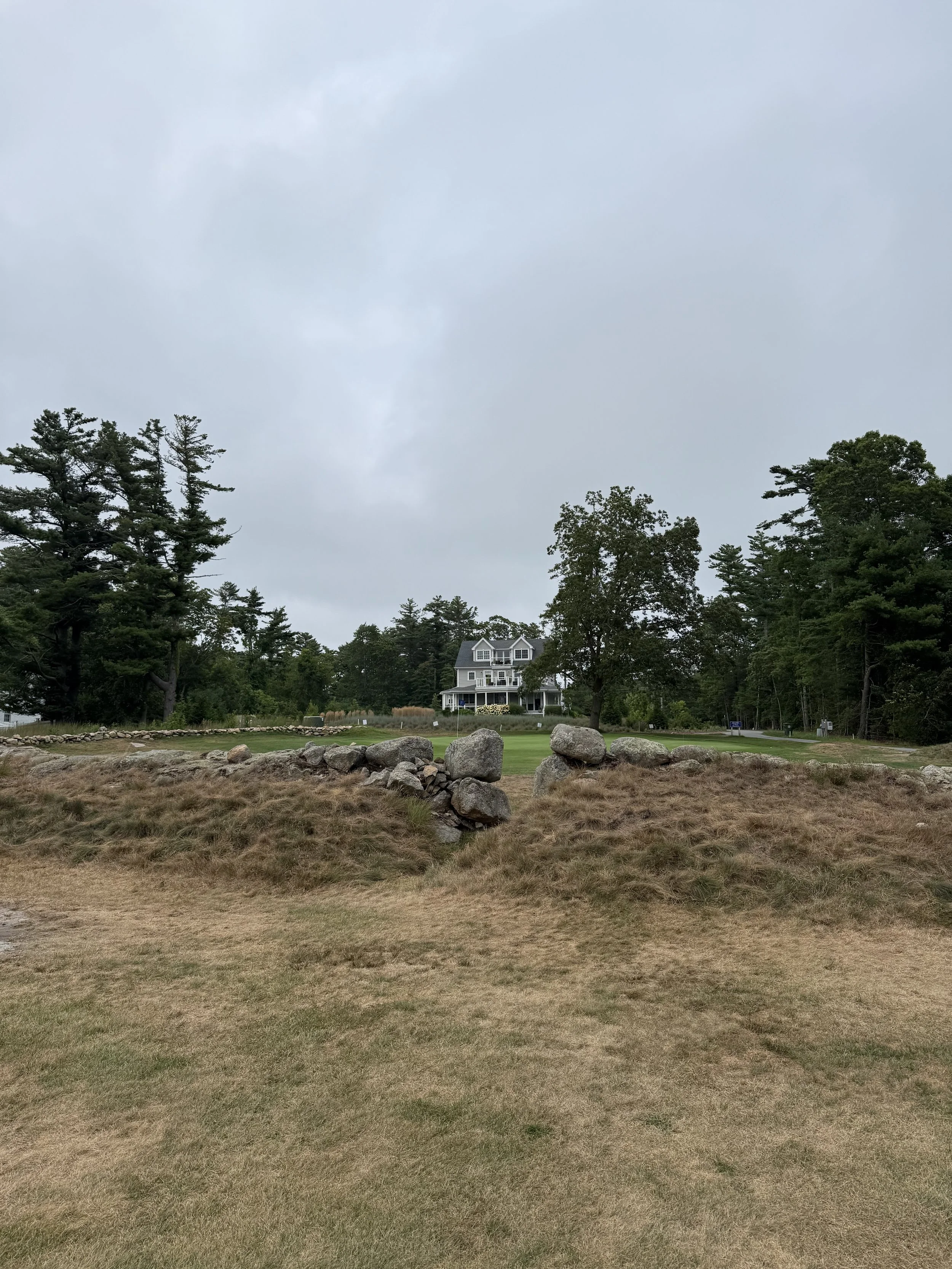
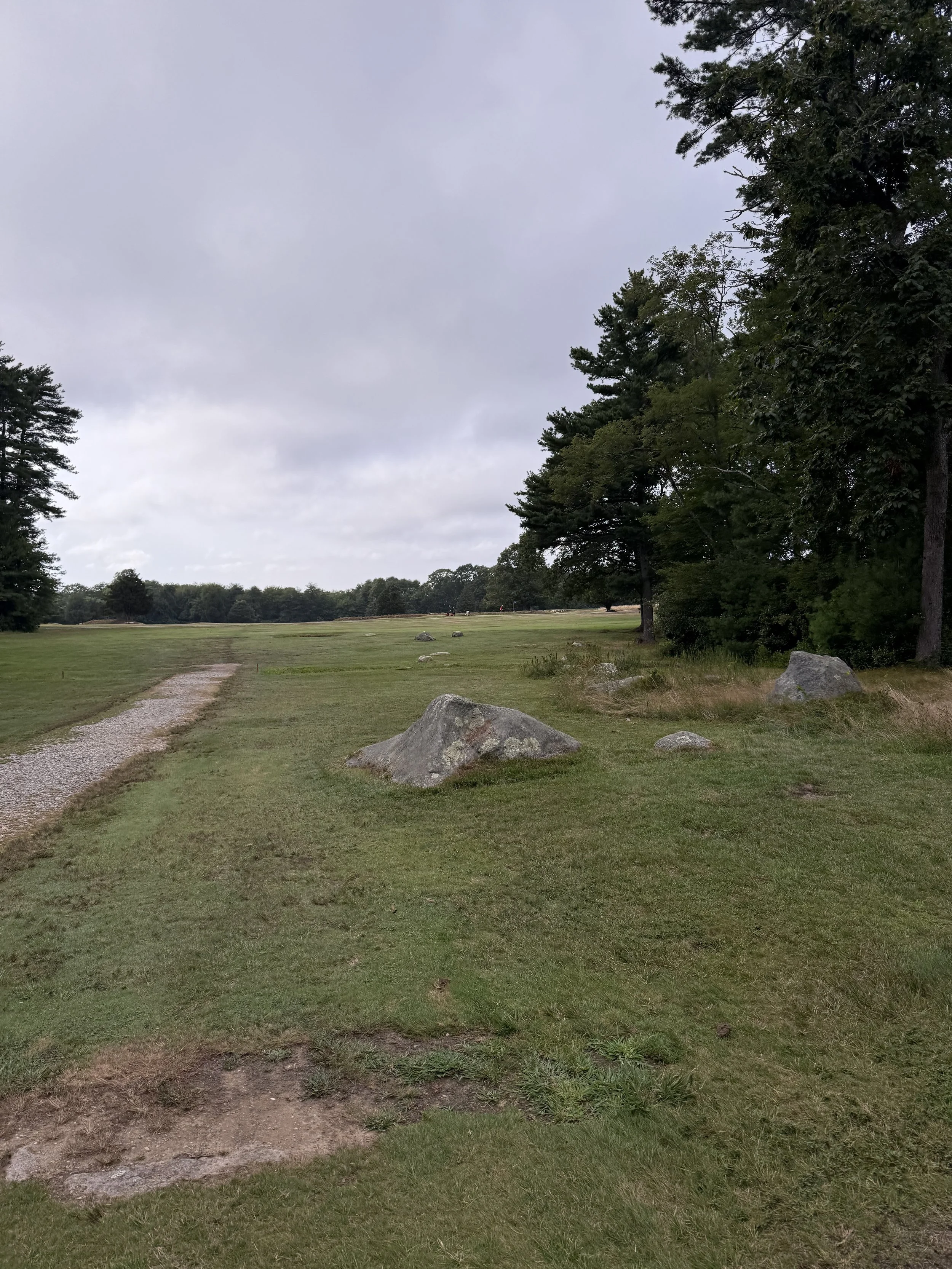
The final stop was Marion Golf Club, tucked away along the coast of Massachusetts. Designed in 1904 by George C. Thomas Jr., who would later shape iconic courses like Riviera and Los Angeles Country Club North, Marion is rugged, minimalist, and full of character. Its firm fairways, windswept corridors, and small greens demand precision, creativity, and a healthy sense of humor. Walking those nine holes felt like stepping into a living time capsule from golf’s Golden Age.
The day ended much as it began, infused with the spirit of Sugarloaf Social Club. Their ability to honor golf’s traditions while embracing its future made this partnership with Titleist feel entirely natural. Between the cutting edge innovation at Manchester Lane, the living history of Ball Plant 3, and the timeless charm of Marion Golf Club, the day captured golf’s past, present, and future in a way that felt both intentional and inspiring.
The best part of the event was the chance to meet new friends, catch up with some of the Sugarloaf friends I made at their Culver Academies event, and learning more the company that is taking steps to drive golf in to the next era, while honoring timeless traditions of the game.