Vestavia Country Club, Q&A with Hunter Salts - Vestavia Hills, Al
George Cobb is credited with some incredible golf courses during his design career, however maybe the most notable is the par three course at Augusta National Golf Club. Every year, on the Wednesday before tournament play starts at The Masters, the Par 3 Contest is held where players compete in a family friendly event. Often times wives, children, and friends of the players adorn the white caddy bibs and make their way around the par 3 course, taking guest shots at the greens, or attempting a few putts. This has become one of Hannah’s favorite days of The Masters to watch. The only other par 3 course that George Cobb ever designed is at Vestavia Country Club. In addition to the 18 hole course at VCC, the nine hole par 3 course is a great evening loop for all the members there. I always found this to be a unique fact, and quite an asset to VCC.
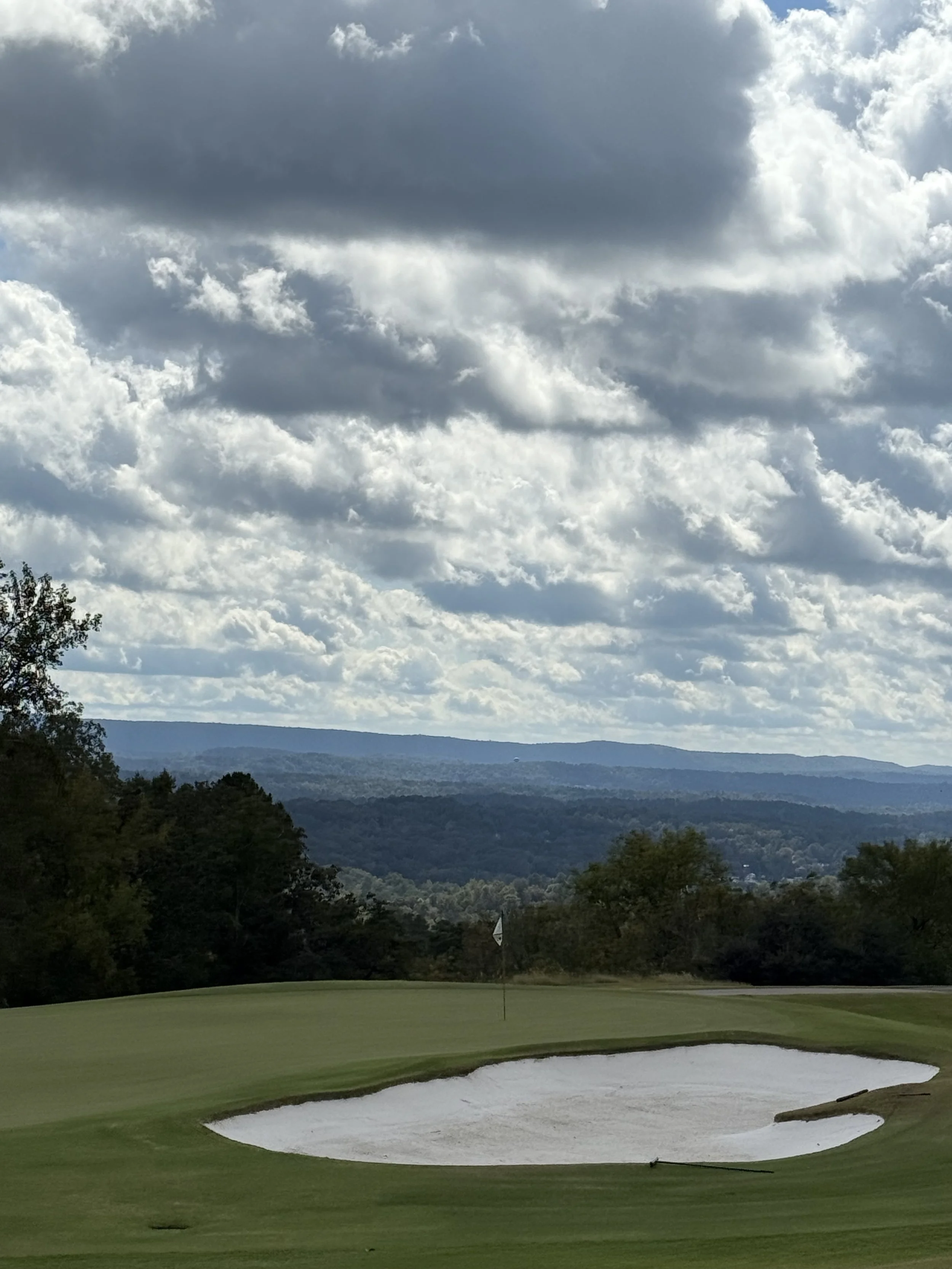
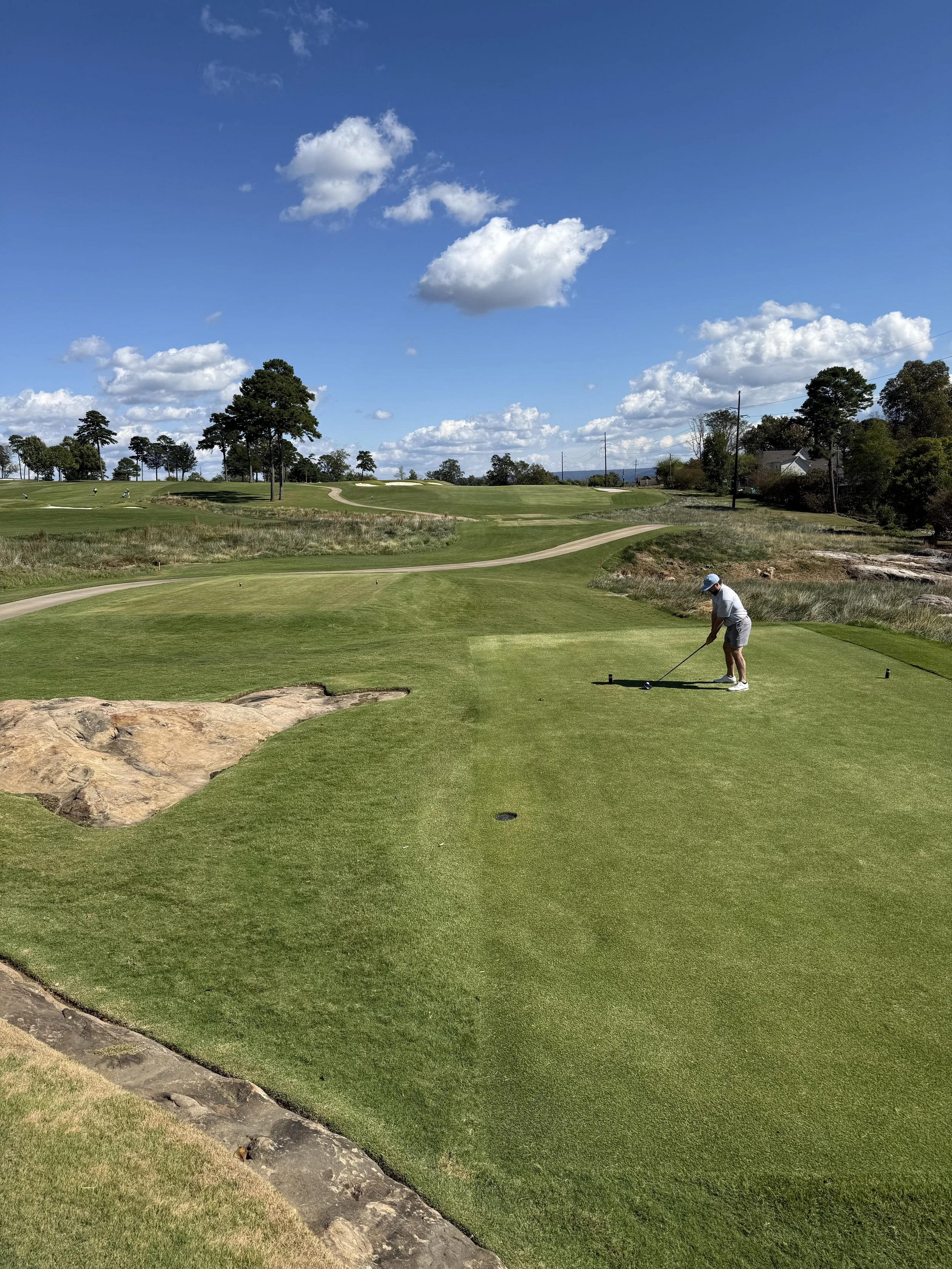
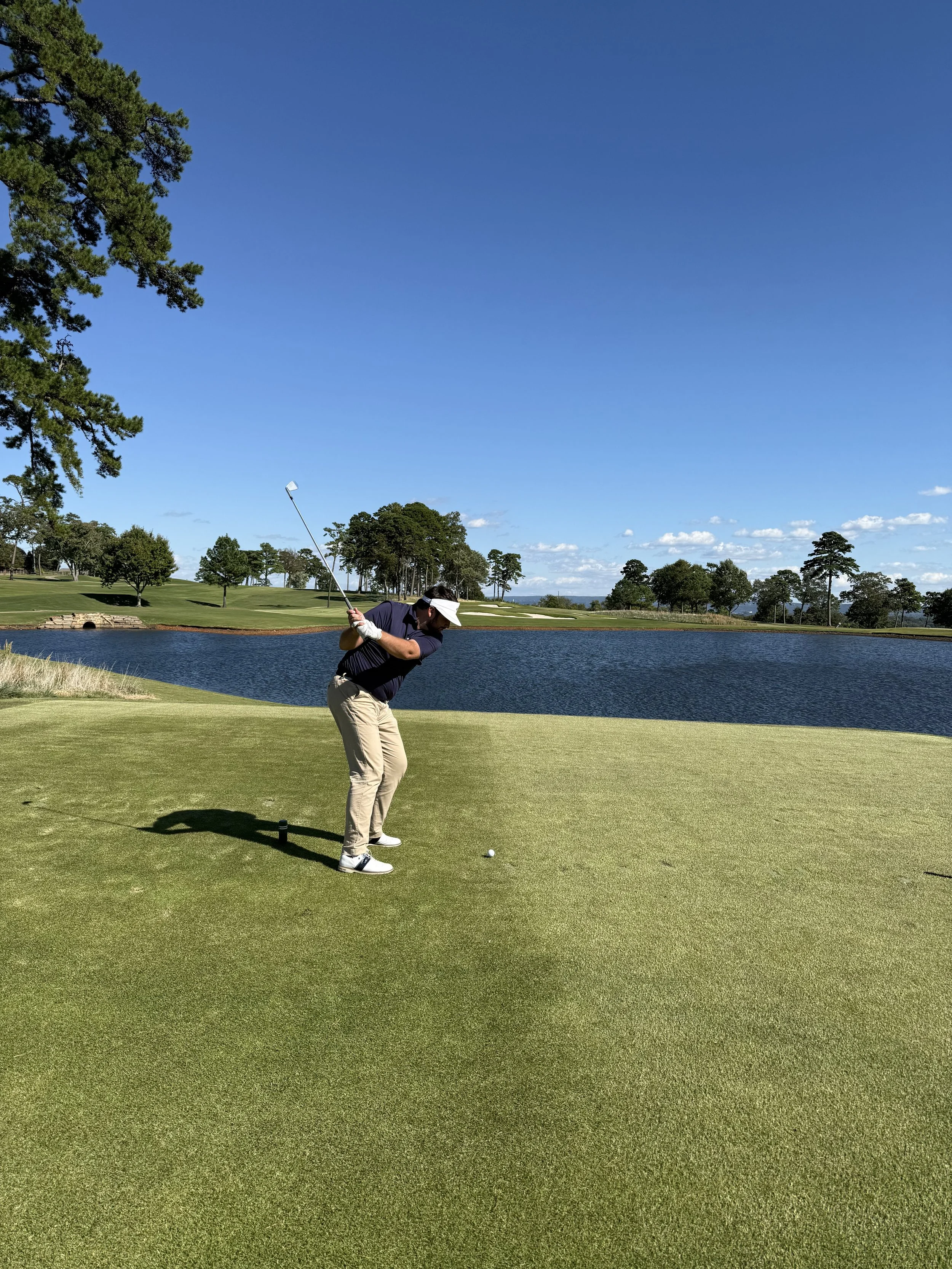
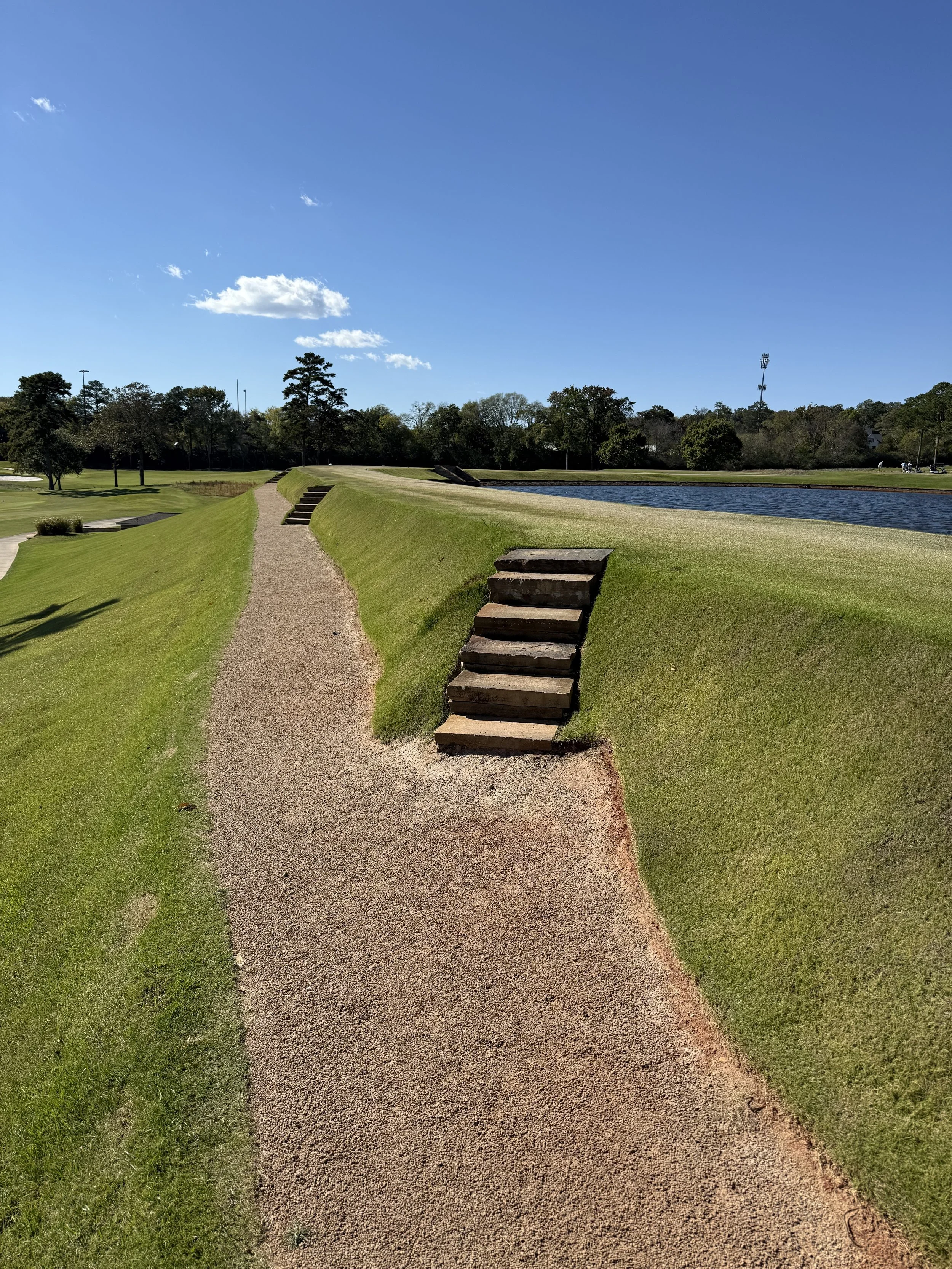
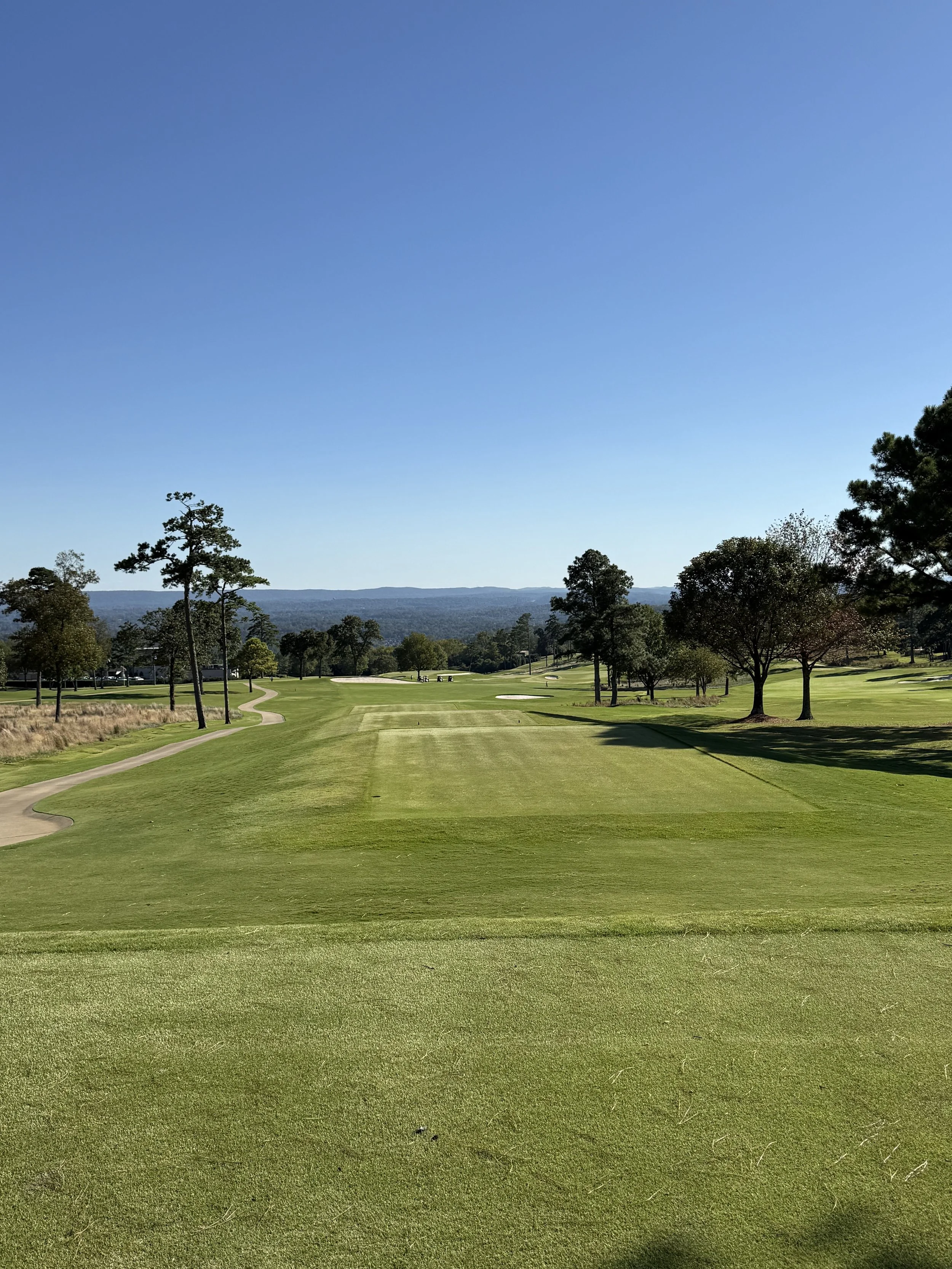
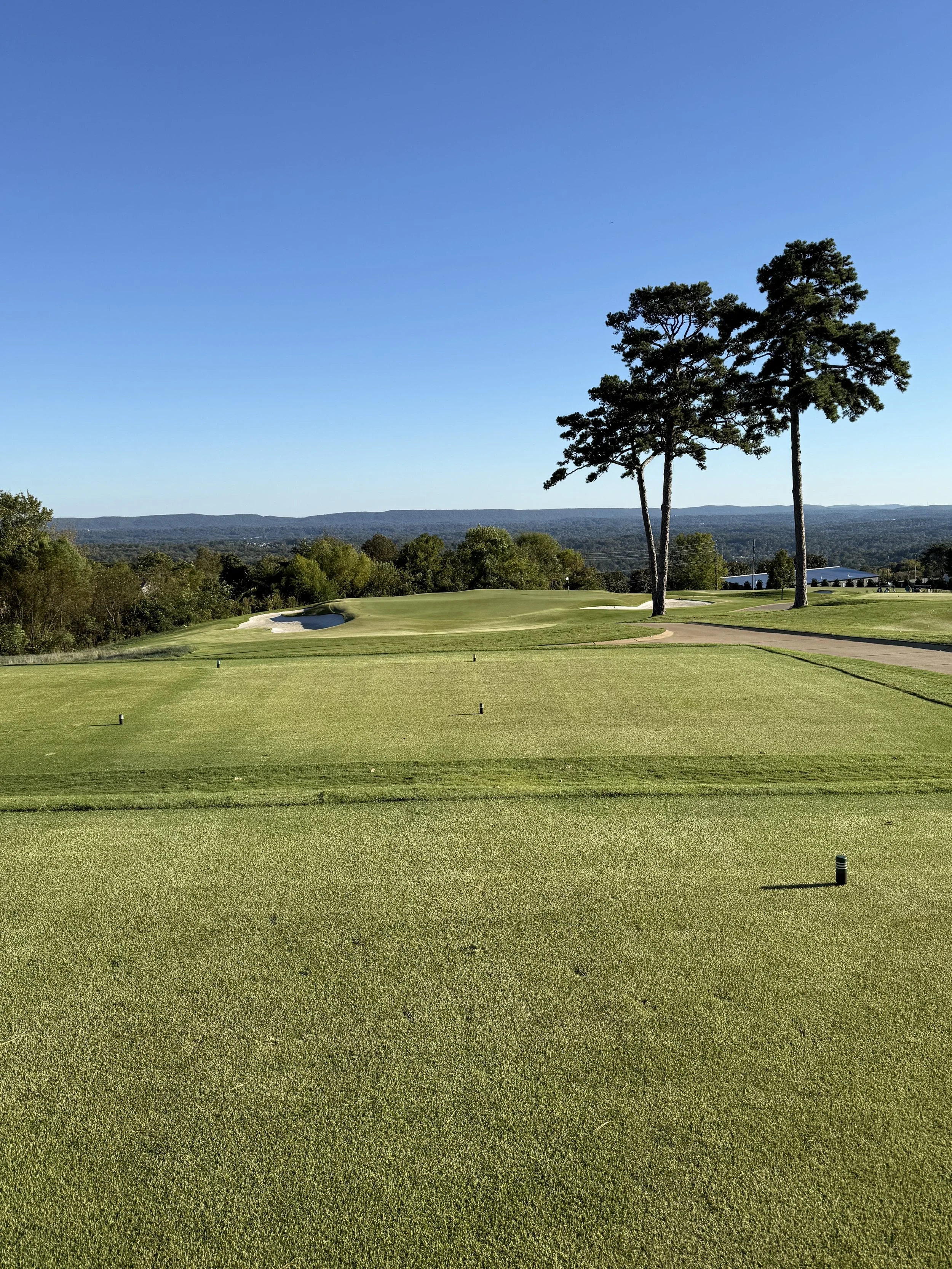
While we lived in Birmingham, AL, I would venture out to VCC as often as I was invited to do so. The course that sits atop Red Mountain is a 1948 George Cobb design, that routes you up and down the mountain, capturing incredible views along the way. Lester George completed a renovation in 2017 that restored some of the original views and sight corridors that had become overgrown over the last several decades. Fairways were widened, as well as the shot optionality. The renovation helped cement Vestavia Country Club as a top club in the state of Alabama.
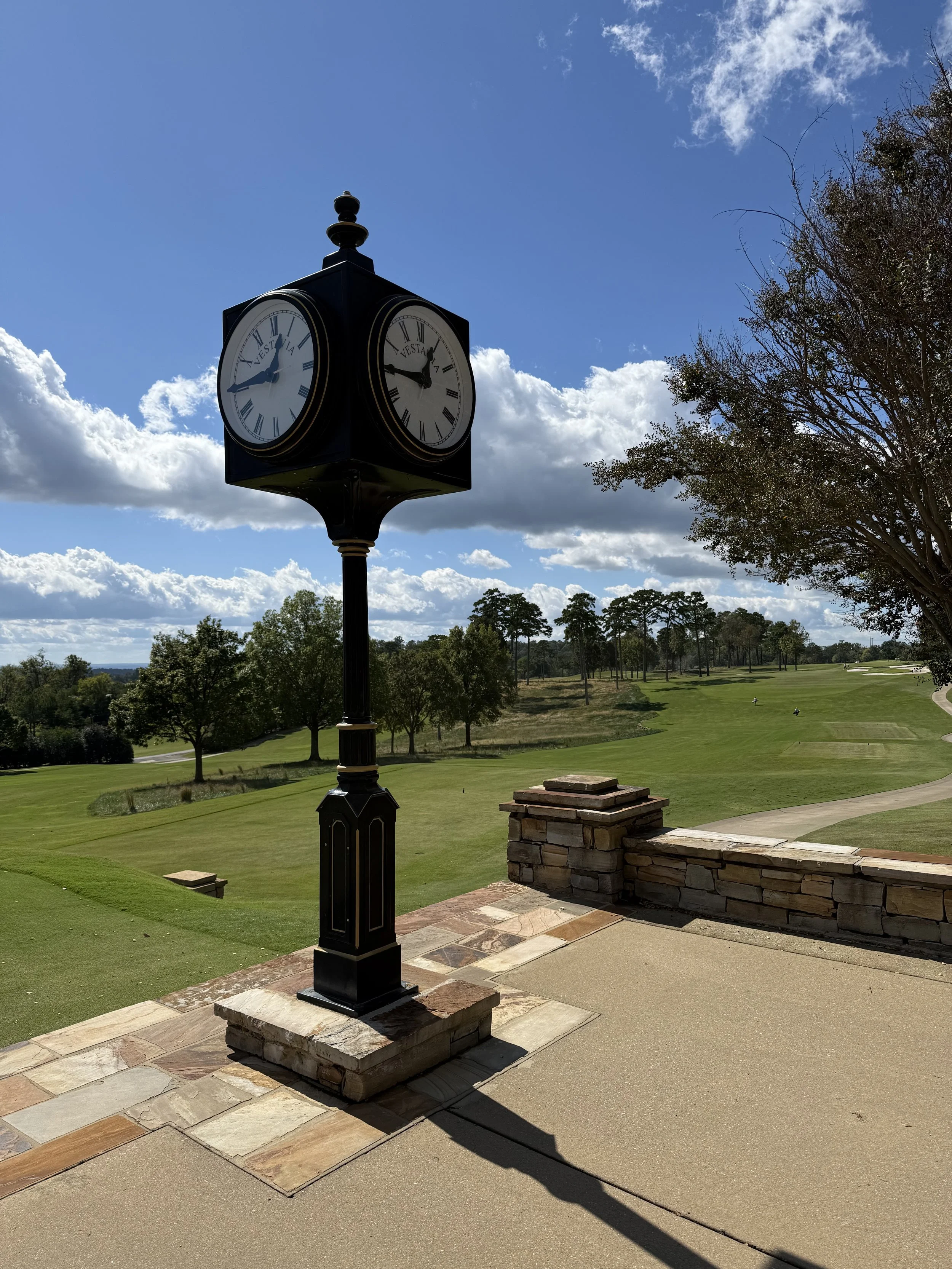
Most recently, I got to play Vestavia Country Club in mid October. The air was crisp on top of Red Mountain and the wind was steady over the peak. It was the perfect fall round as a hint of color change was starting to appear in the leaves. I played with a college buddy of mine, John Roddam, who grew up in Vestavia and was able to add some comment to the pre and post renovations.
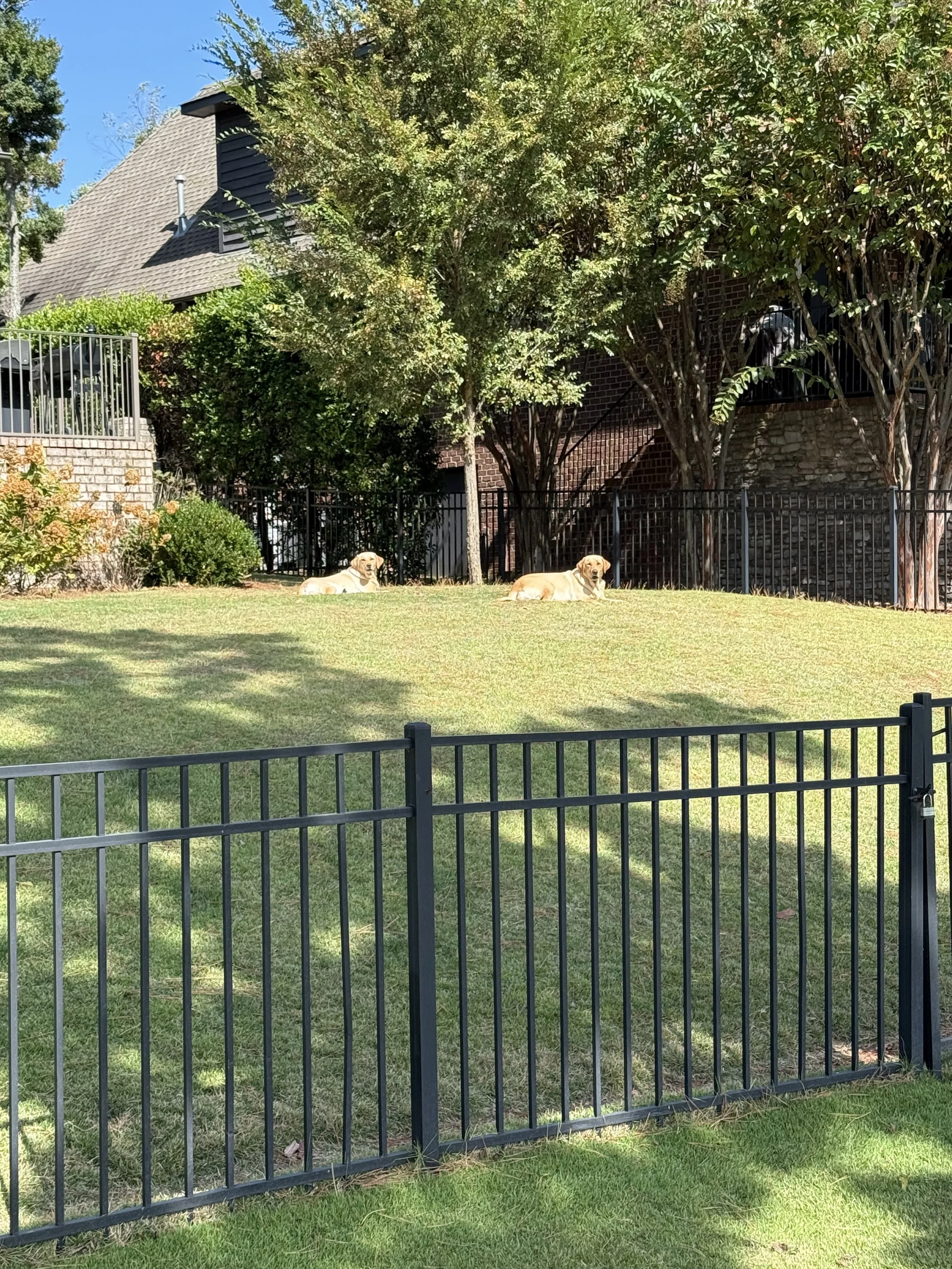
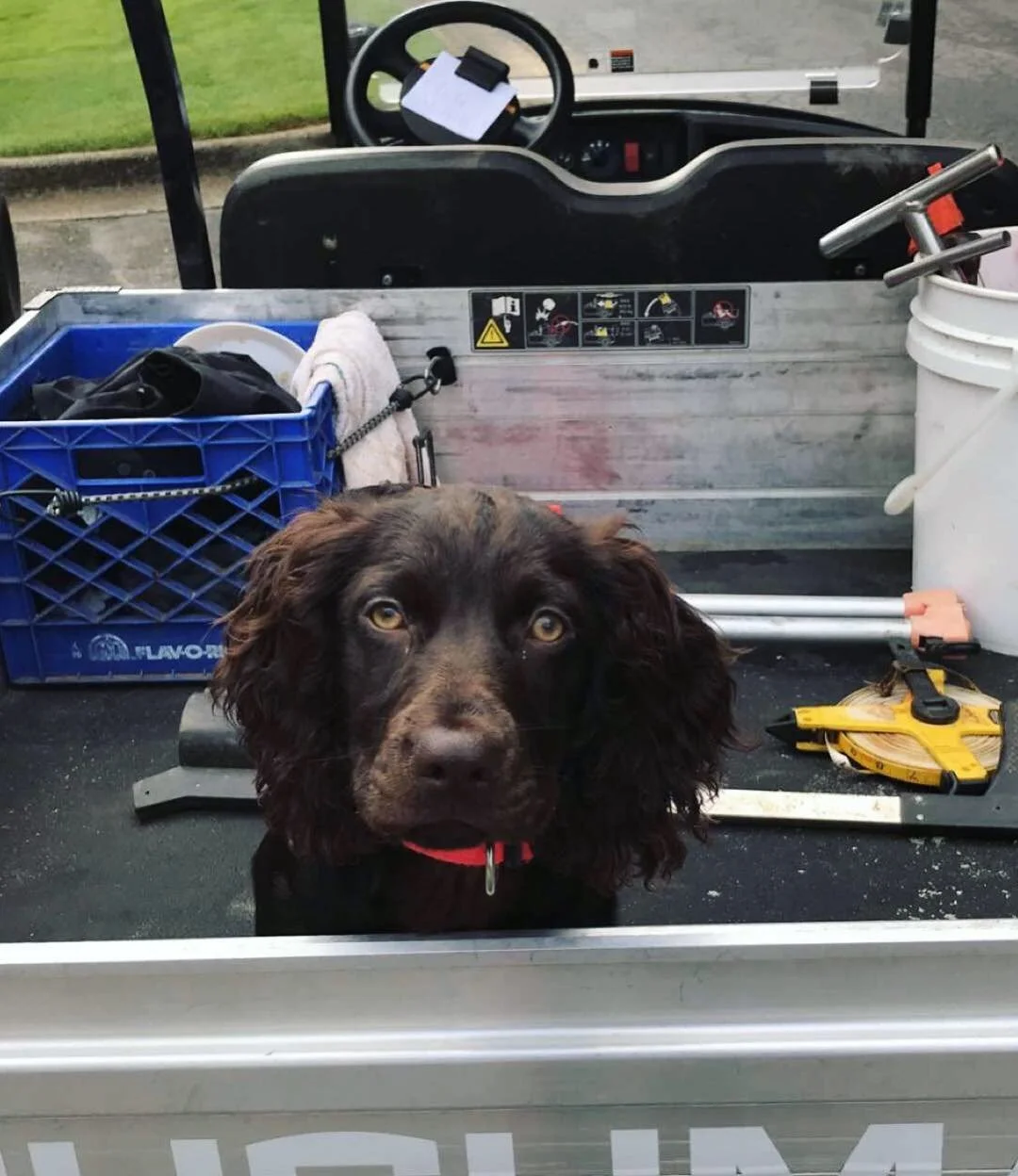
Birmingham, AL has its fair share of private clubs that maintain excellent courses to include the Country Club of Birmingham, Mountain Brook Club, Shoal Creek, and Greystone Golf & Country Club. In my (and other people of that area that I have asked), Vestavia Country Club’s course conditioning is the best in the region. Hunter Salts serves as the Director of Agronomy there and we did a Q&A with him to get an insight into his day to day there that makes VCC such a gem. Hunter Salts is a friend of the brand, and so is his Boykin Spaniel! Brooks, gets to go to work with him and helps maintain the course along side Hunter on a daily basis. Brooks has been a staple of the maintenance team since he was just eight weeks old. With stops at both Peachtree and Vestavia Country Club over his eight-year “career,” he’s become a beloved four-legged member of the staff — always eager to ride along, patrol the fairways, and greet members.
Read on for our full Q&A with Hunter, where he shares what it takes to keep Vestavia looking its best and why the agronomy team is such a vital part of the club’s ongoing success.

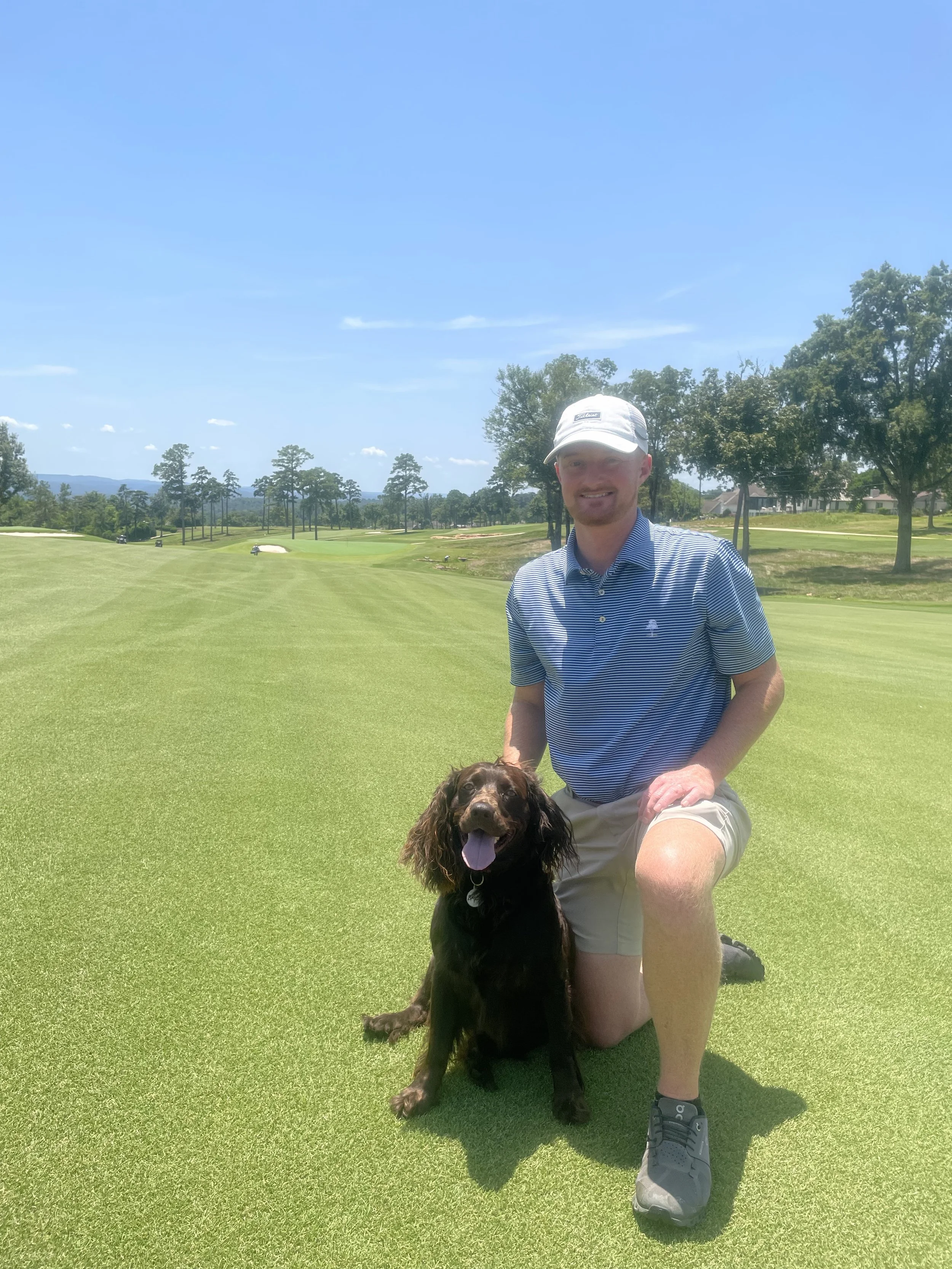

Question and Answer with Hunter Salts, Director of Agronomy at Vestavia Country Club
WGC:
You’ve had the chance to work at some incredible clubs — Peachtree, Quaker Ridge, Inverness Club, Olde Farm. How have those experiences shaped your approach to agronomy and course presentation here at Vestavia?
Hunter Salts:
Those experiences meant everything to my career. I was fortunate to learn from some incredibly talented superintendents along the way, and I took something from each stop — whether it was agronomic practices, management styles, or observing how to run a top-notch operation. Everyone does things a little differently, and over time I was able to mold those lessons into the kind of manager I wanted to be.
The biggest takeaway for me was the importance of creating a positive work environment — one that empowers people, builds confidence, and makes coming to work enjoyable. When your team feels valued and supported, they take ownership of their work, and the results speak for themselves. We take care of our staff, and in return, they take care of the golf course.
WGC:
Vestavia’s location atop Red Mountain offers dramatic elevation and soil challenges. What’s unique about maintaining turf in this kind of environment compared to more traditional parkland settings?
Hunter Salts:
This environment is incredibly unique — and challenging. It took me a couple of years to really figure it out, but I feel like we’ve developed some strong programs now. Up here, we’re dealing with extremely rocky, shallow soils and a lot of elevation change. That means we don’t have much holding capacity for water or nutrients — water either runs off too quickly or collects in low, soggy valleys.
We’ve focused heavily on drainage work in those low areas, while building targeted irrigation and fertility programs to feed the ridges and drier spots more aggressively. We time fertility applications right before rain events to help wash nutrients in. We also rely on wetting agents to help hold moisture in those thin soils.
It’s a constant balancing act, whereas traditional parkland settings in clay soils or deep loam have excellent more uniform nutrient retention, you just have to watch out for compaction in clay and install a little more drainage.
WGC:
Walk us through a typical day for you and your team. What does it take to prepare Vestavia for a tournament-level round on a busy summer day?
Hunter Salts:
We hold ourselves to a very high standard — every single day of the year. In summer, there are so many moving parts, and we’re often working 60-70 hour weeks just to stay ahead. You can’t ease up because there’s always something new to address.
A typical day might include five guys mowing greens, double-cutting and rolling as needed, moving pins and tees so the course feels fresh every day. We’re spraying greens twice a week, mowing zoysia fairways with a six-person crew, cutting rough, spraying weeds — and all the fine details that add up to conditioning at a championship level.
It’s definitely a grind at times, but we have fun with it. We take pride in what we do, we support each other, and we want the members to feel that passion in the product they play on.
WGC:
Golf course conditioning is as much art as it is science. What’s something most players might not realize goes into keeping the course at championship quality day in and day out?
Hunter Salts:
I think most golfers would be surprised by just how much precision and timing go into every detail. It’s not just mowing grass; it’s managing a living system that’s reacting every hour to its environment. We're constantly balancing moisture levels, tinkering with mower setups to influence speed and texture on the greens, fertility, preventing diseases and insects, growth regulators and wetting agents. All of which change daily based on weather, traffic, and soil conditions. Not to mention staying on top of the fine details and keeping the course clean.
It's hundreds of small, thoughtful decisions made every day, most players would never notice, but they make all the difference in consistency, firmness, and the overall feel of the course.
WGC:
We’ve heard that your Boykin Spaniel, a South Carolina classic, is a regular around the property. How does he fit into your daily routine — and what kind of feedback do you get from the members when he’s out on the course?
Hunter Salts:
Absolutely — dogs actually play an important role on a golf course staff, Brooks has come to work with me every day since he was 8 weeks old, starting at Peachtree 8 years ago. Geese can be a serious issue for courses, they try to show up in the winter and spring every year and can make it their home quickly. Brooks goes crazy when he hears them — he refuses to get out of the pond until they’re gone. Honestly, he even scares me sometimes with how committed he is.
A Boykin is the perfect golf course dog. They’re smart, loyal, good at their job, and the perfect size to ride shotgun in a golf cart. The members love seeing him out there, and he’s become part of the fabric of our operation.
WGC:
Looking ahead, are there any upcoming agronomic initiatives or sustainability practices that you’re particularly excited about implementing at Vestavia?
Hunter Salts:
I’ve been experimenting with some really interesting watering and aerification practices on the greens, and I’m excited to keep refining them. My goal is to keep our bent grass greens firmer, better rooted, and more resilient through the extremes of summer. It’s all about finding that balance between playability and long-term plant health — pushing the greens to perform without crossing that fine line.
WGC:
Finally, when you do get a rare day off, where do you like to tee it up — and what makes a golf course great in your eyes, from a superintendent’s perspective?
Hunter Salts:
You might be surprised, but I actually play golf one or two days a week mostly with members at Vestavia. Early in my career, I got burned out a bit from working 65–70 hours a week, and I realized playing golf actually reignited my passion for the job and keeps me in it. Now I'm a golf addict, every day I look forward to putting on the greens behind the crew setting up and checking the course.
I encourage my team to play as well, and they truly enjoy it. Every decision we make is driven by playability. When you approach decisions through a golfer’s perspective—understanding good course setup, knowing how the course should play, and recognizing how your choices affect that playability each day—it becomes a major advantage.
I do also love playing other places, I play a good bit all around Birmingham and try to take a few short golf trips a year when I can. I enjoy all styles of golf but just appreciate a well laid out course. It's always been a dream of mine to design a course one day. It may happen one day, who knows. Right now, I couldn't be happier just enjoying Vestavia.
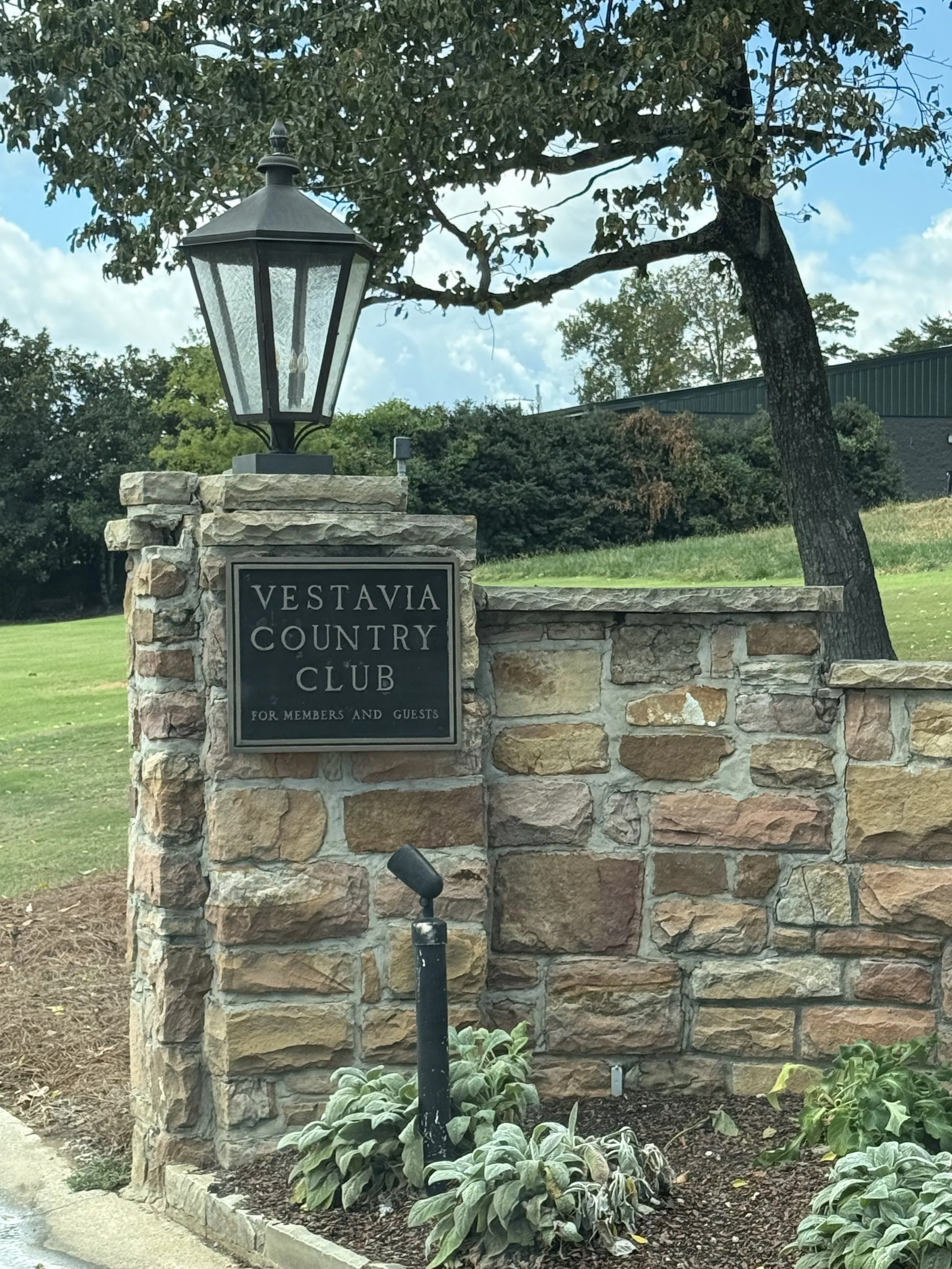
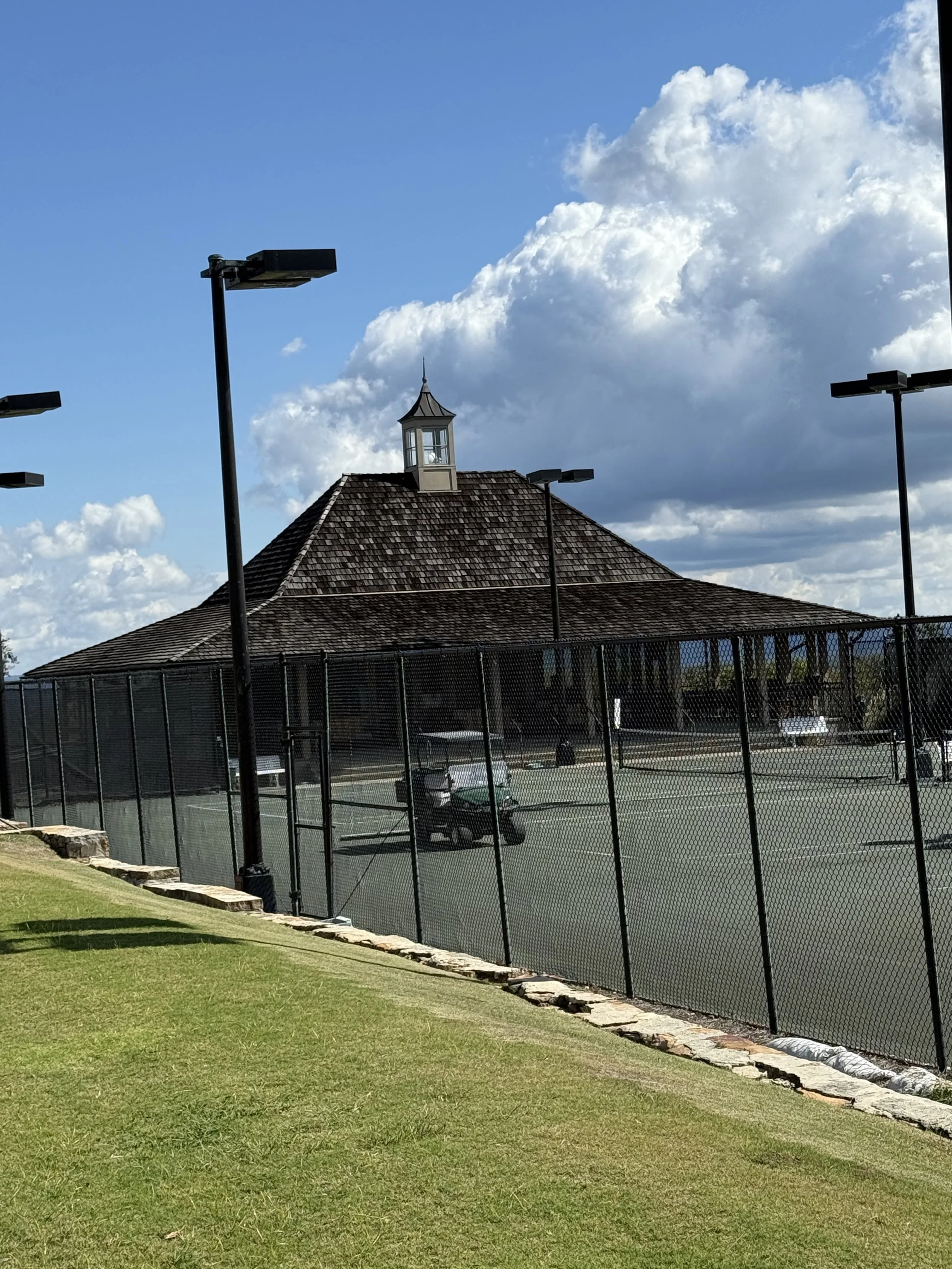
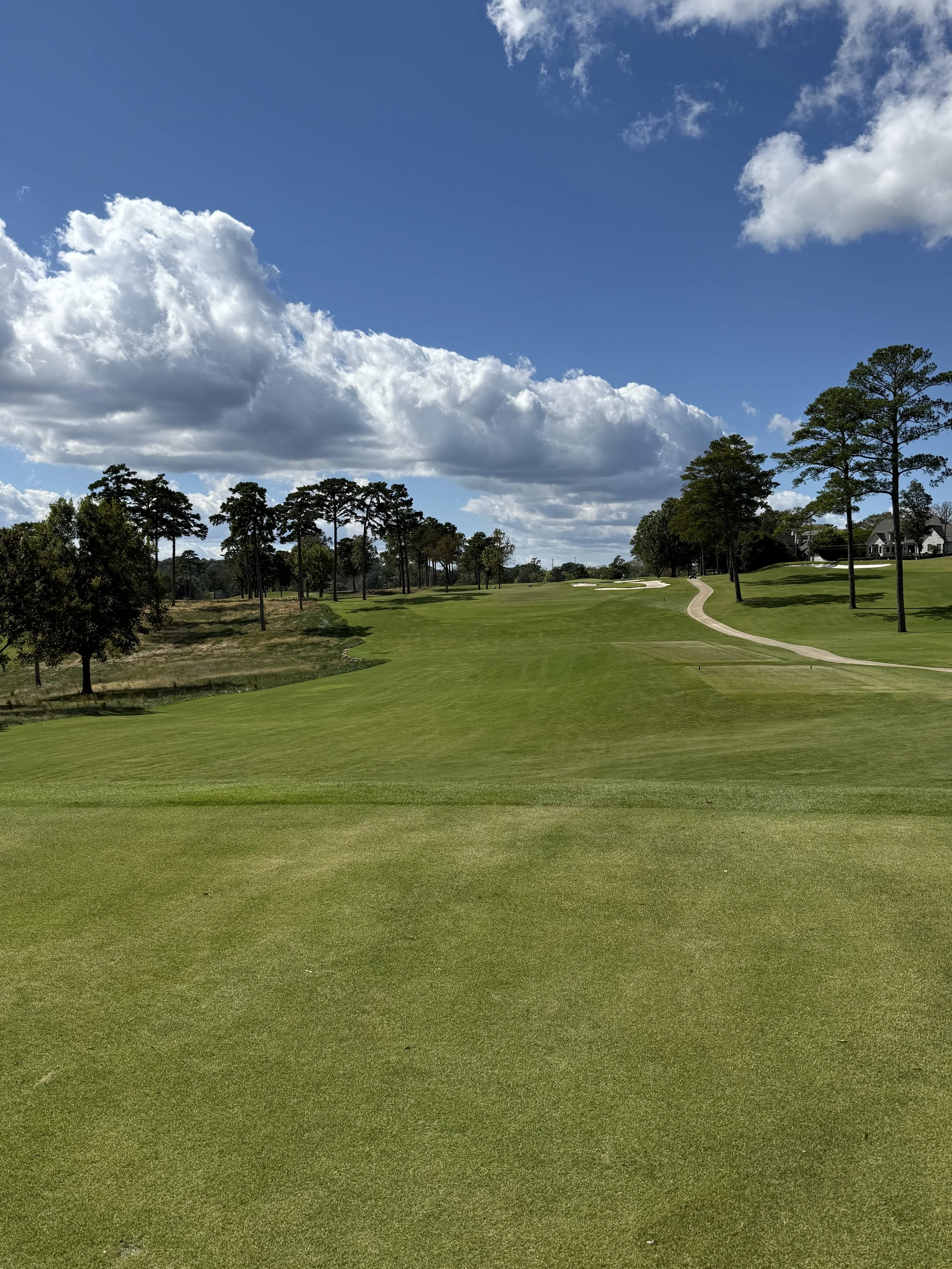
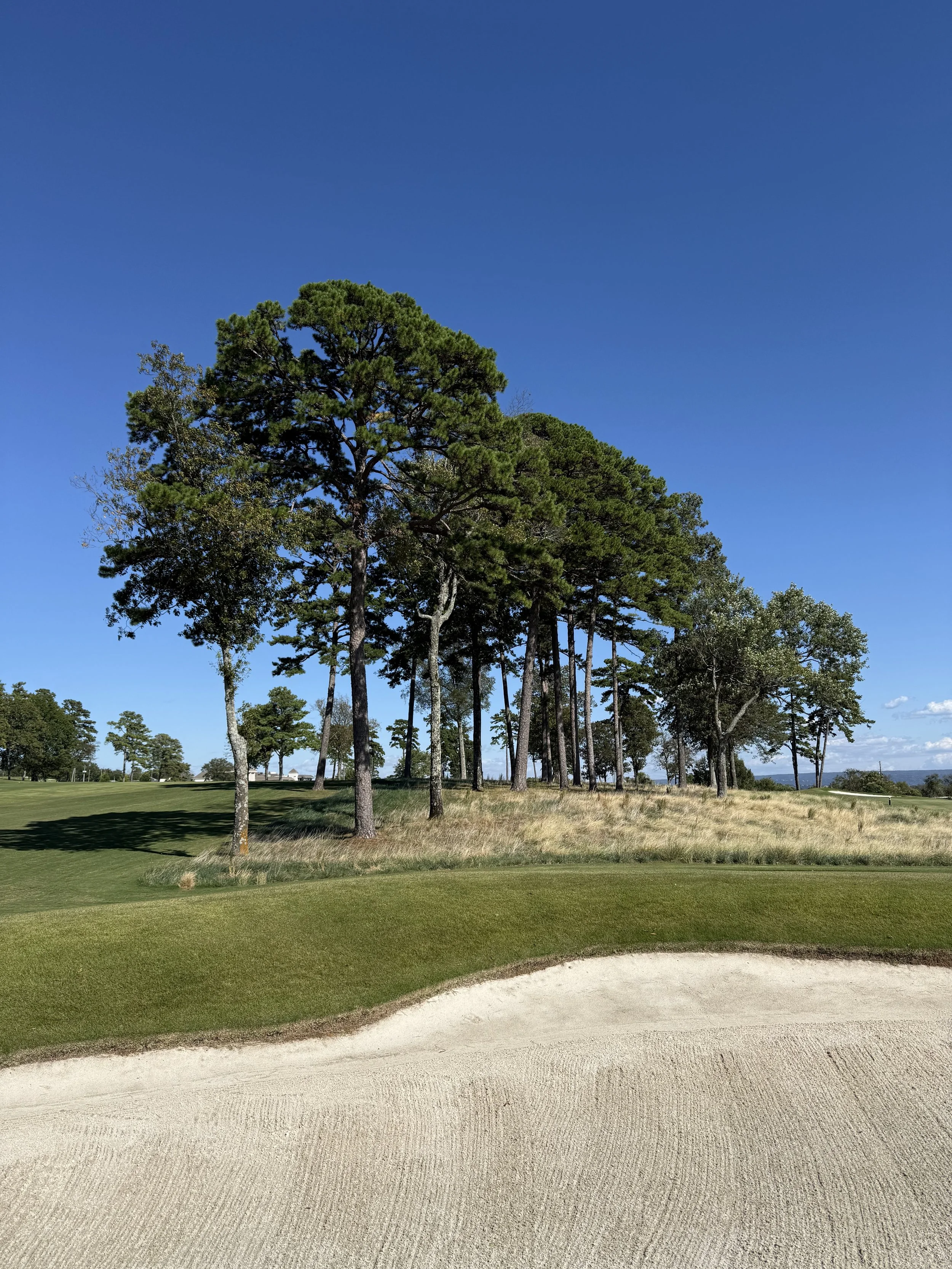
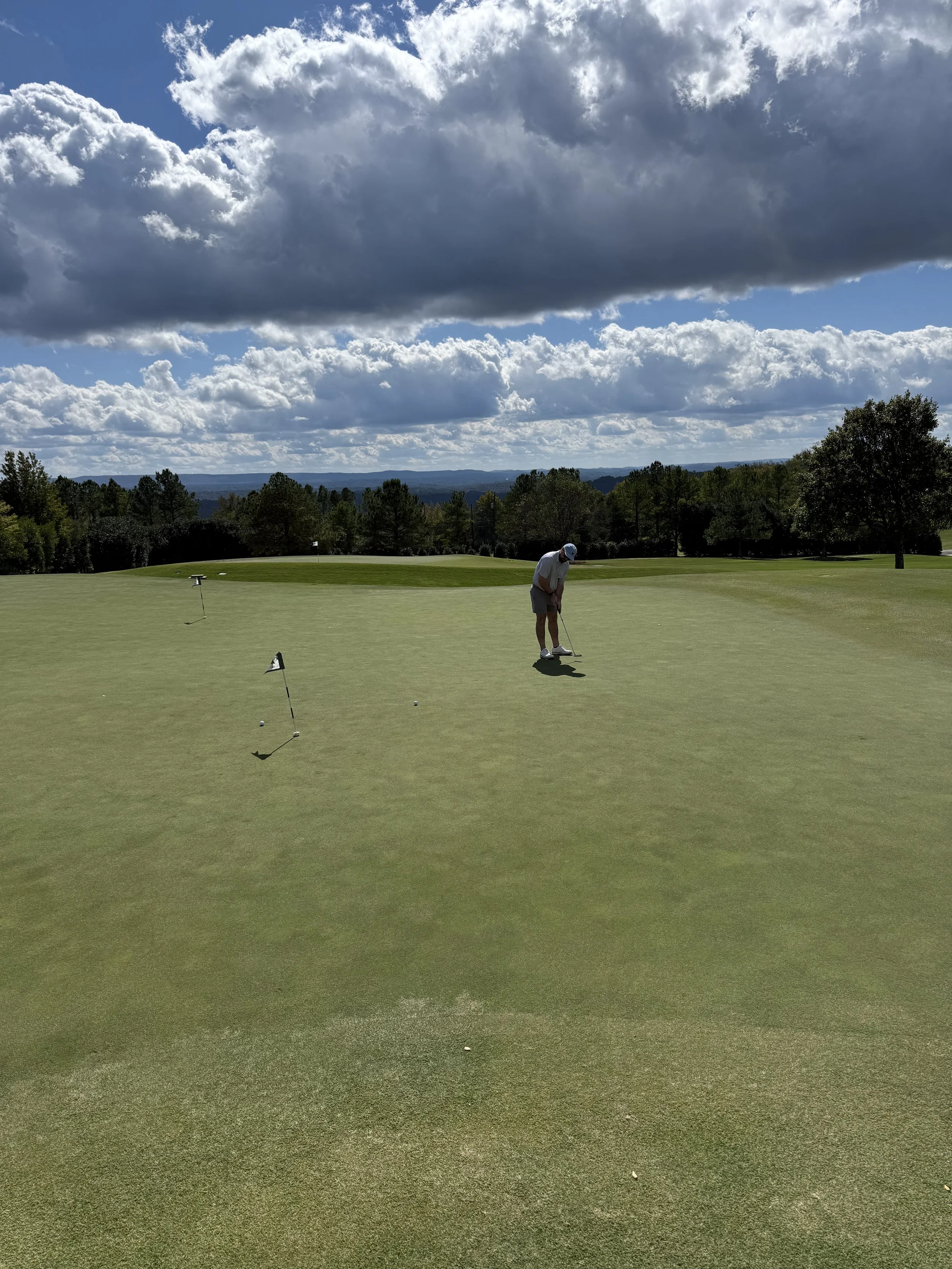
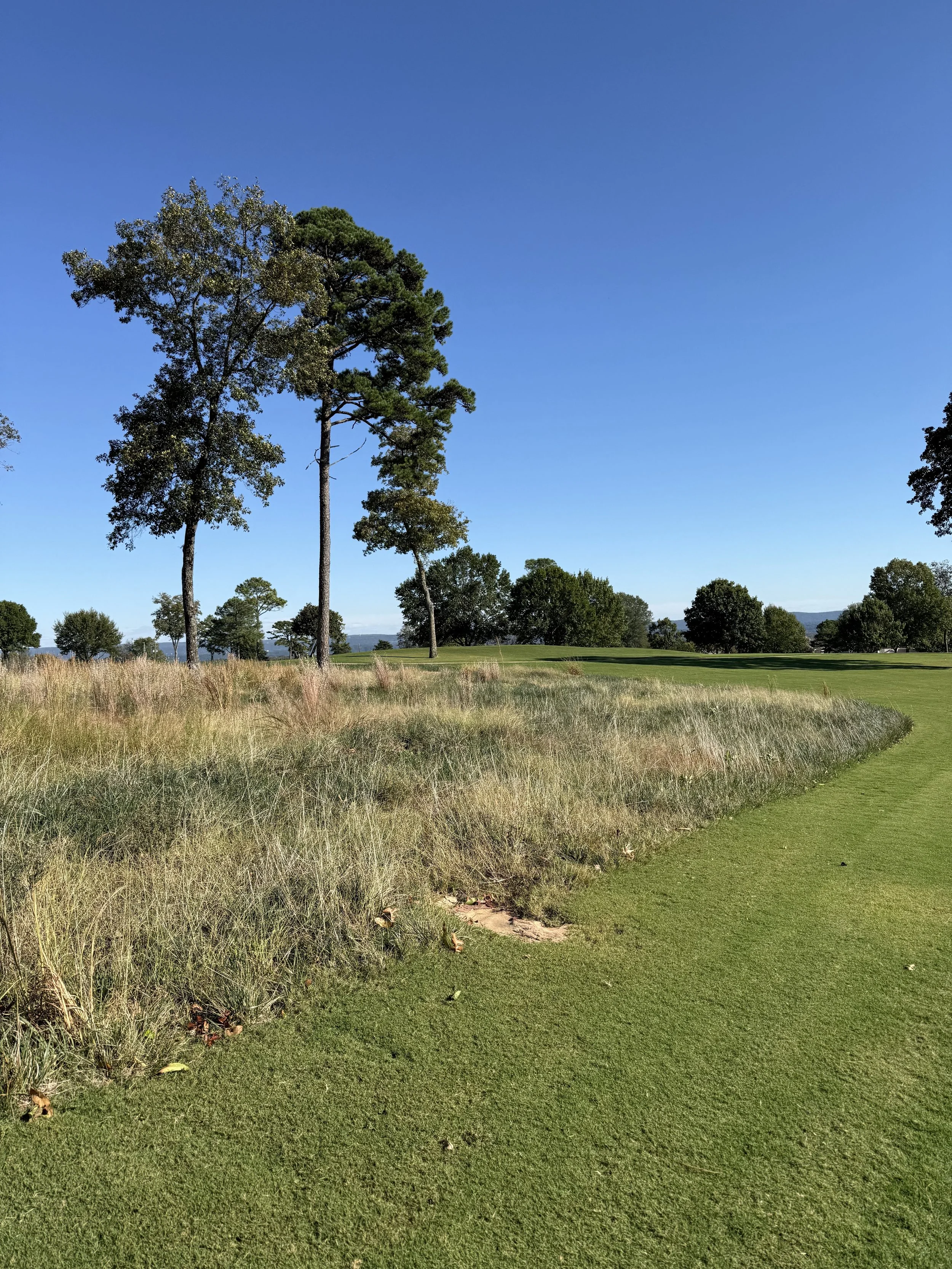
Photo Gallery from WGC’s most recent round, on a cool mid-October day.