Time spent in the Bluegrass State
This past fall I traveled to Louisville, KY with a group of friends to experience some of the great things that the area has to offer. From bourbon tours and horse racing, to a vibrant night life and roarings twenties mobster hideouts. Louisville has something for everyone in your group.
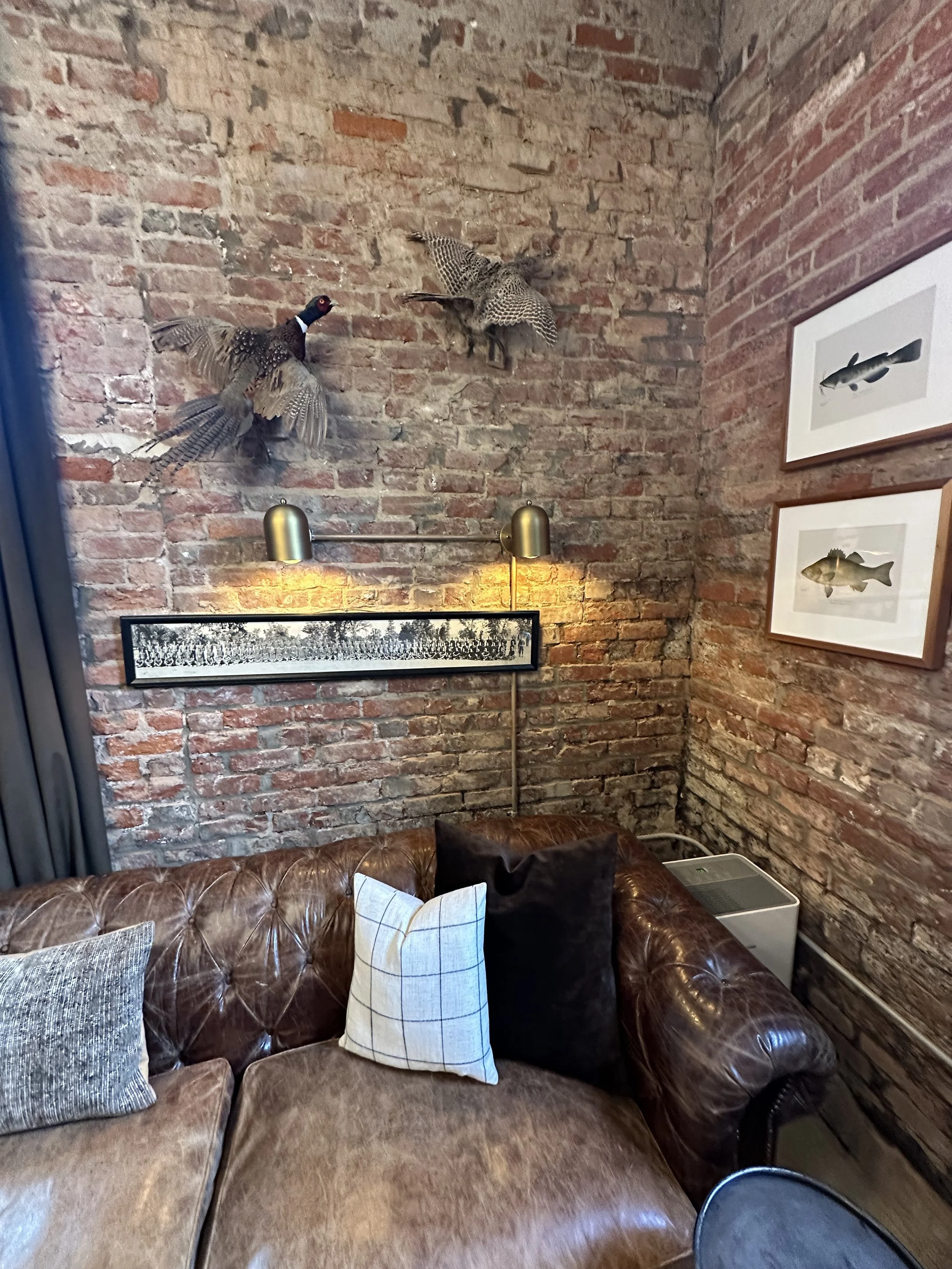
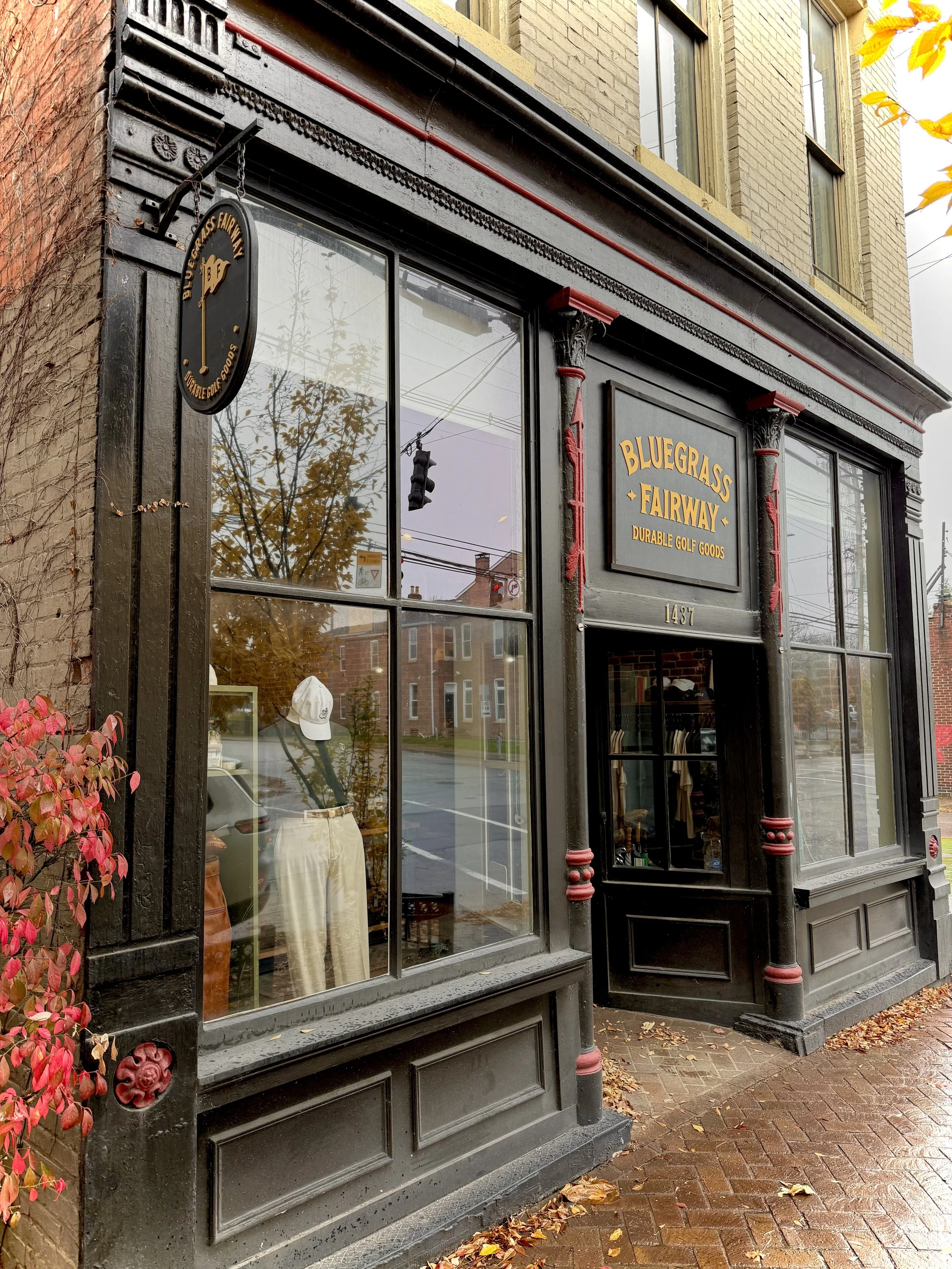
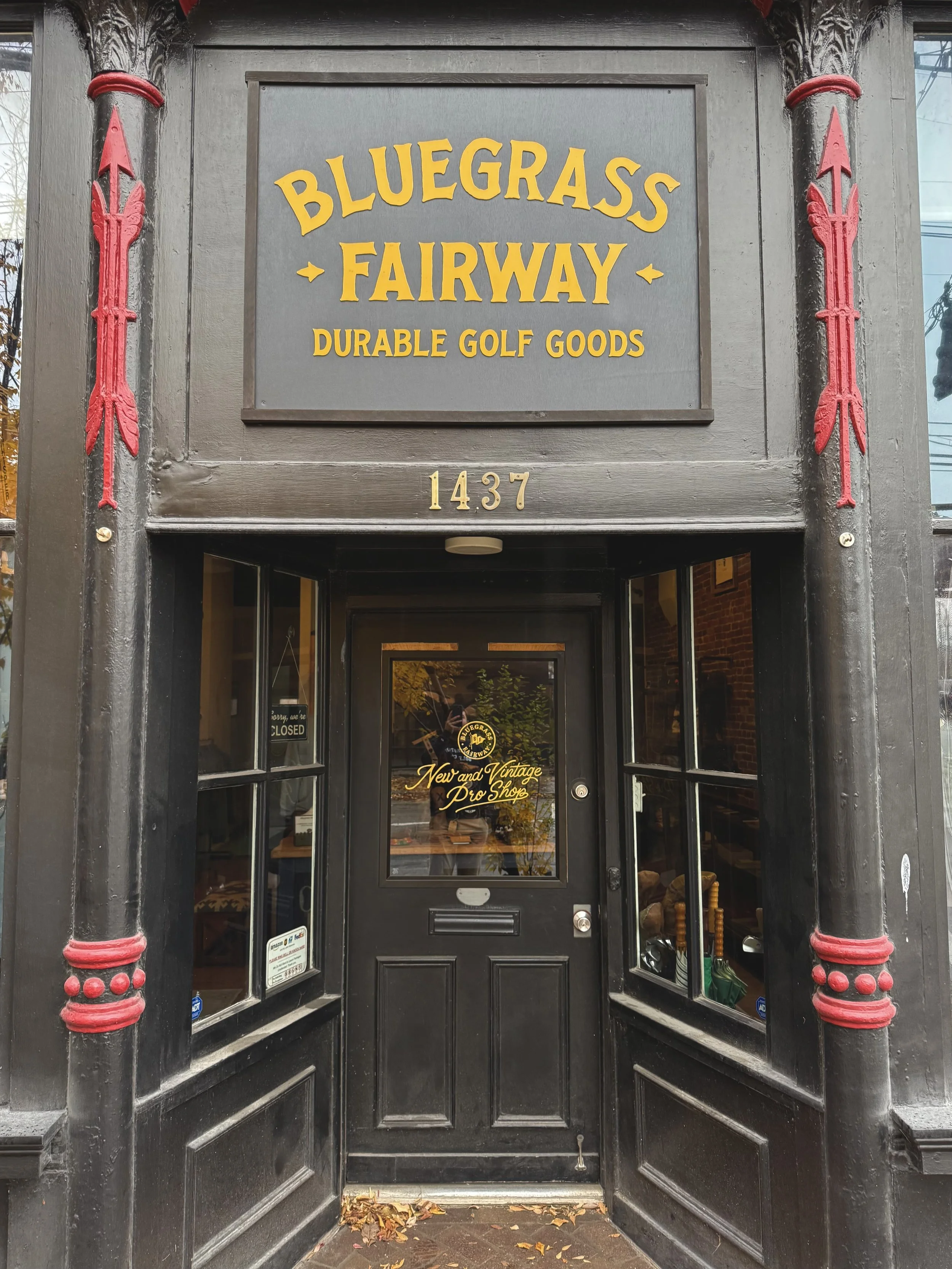
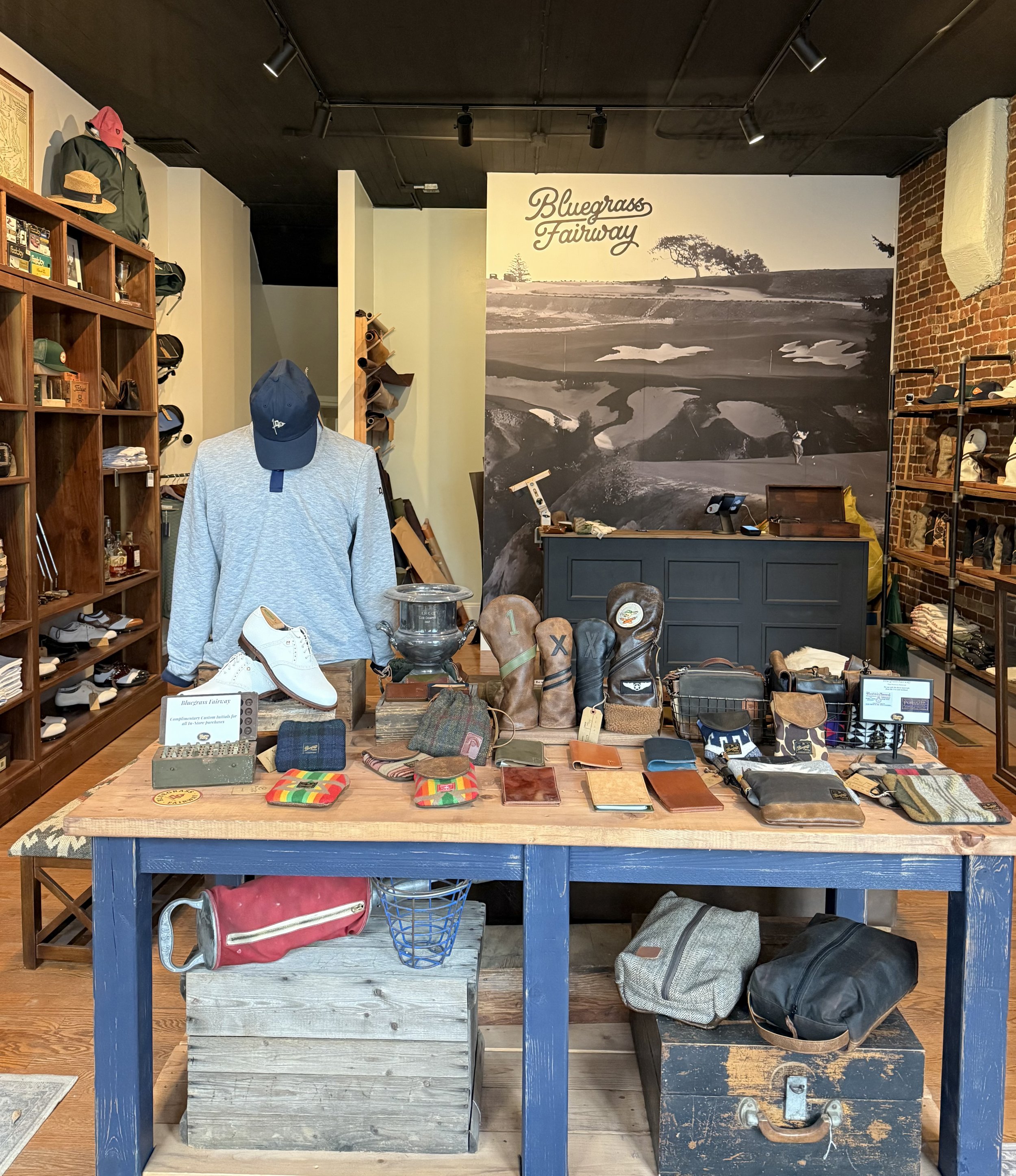
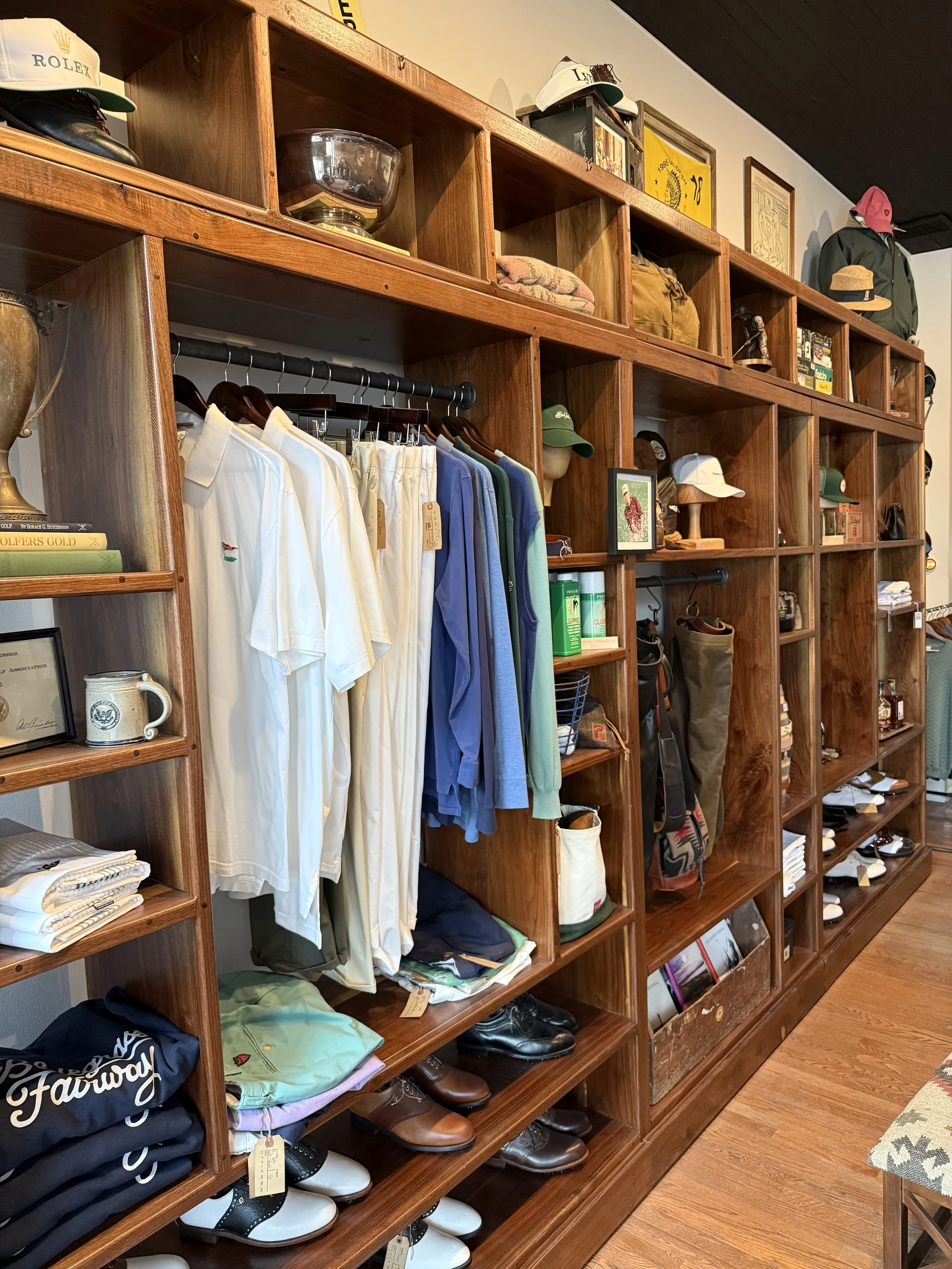
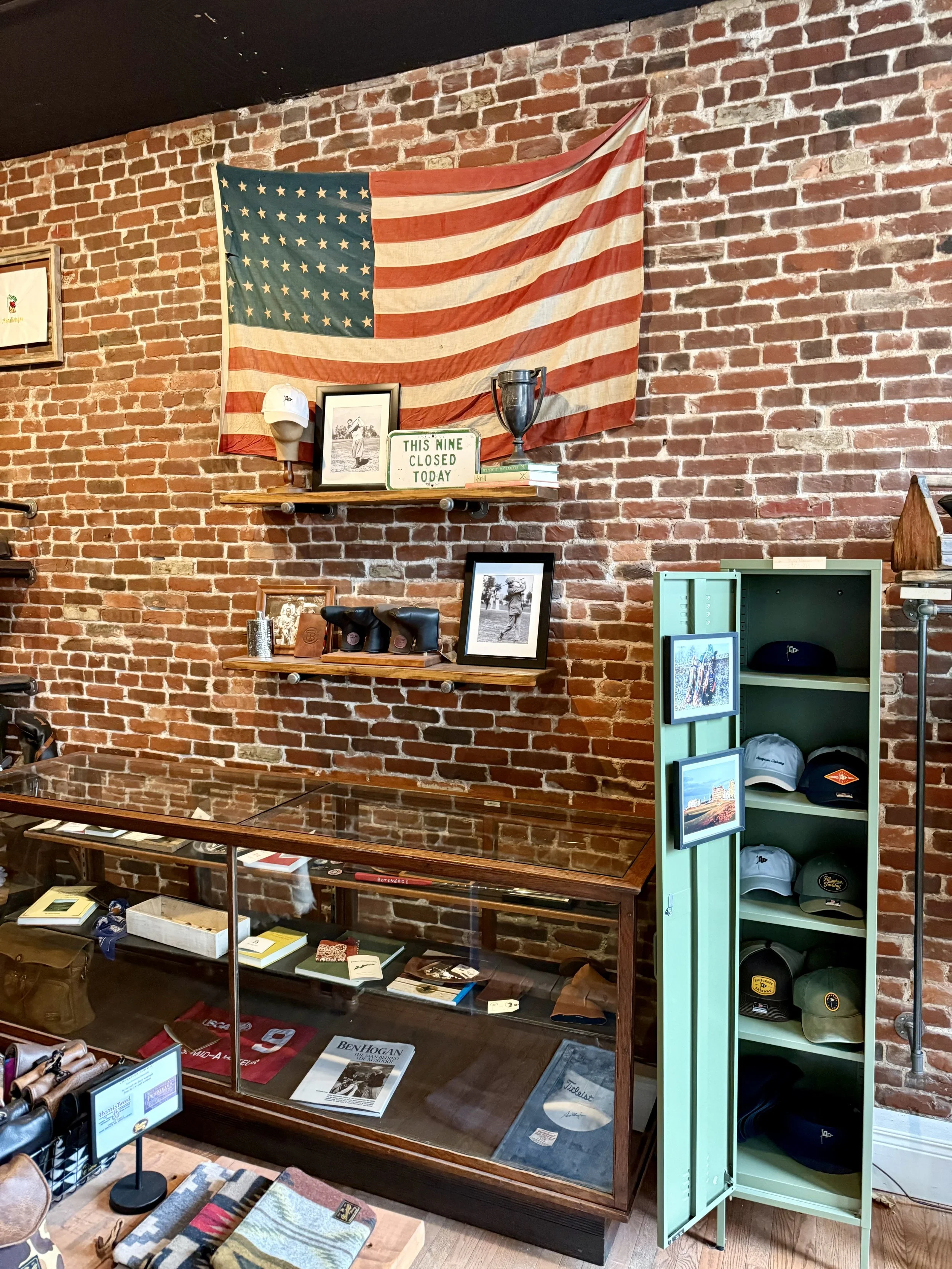
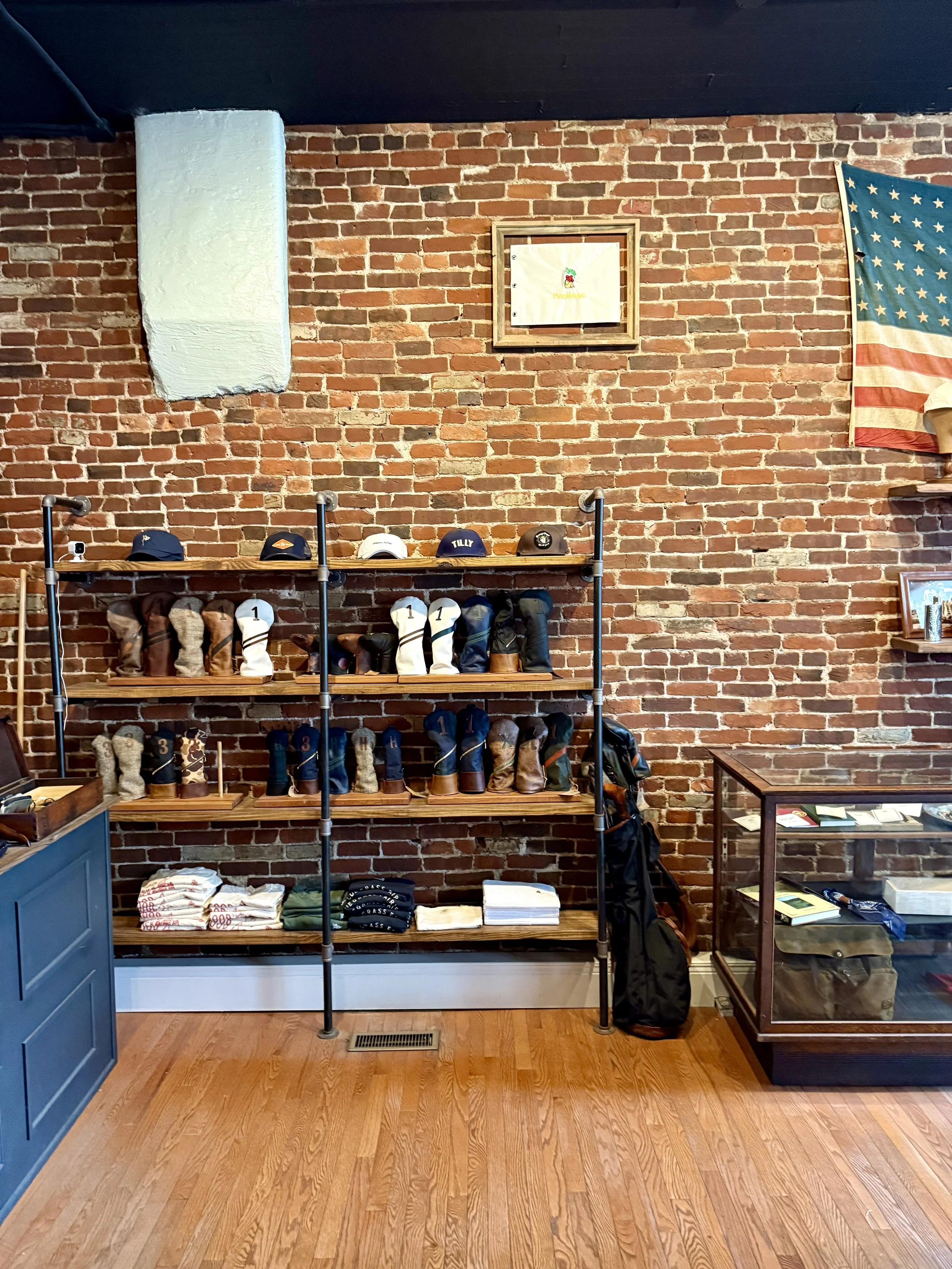
While exploring the NuLu area of downtown, I came across one of the most amazing golf shops. I was familiar with Bluegrass Fairway’s work from seeing their products on Instagram, but I forgot that they had a brick and mortar storefront downtown. Part vintage golf goods shop, part workshop for their custom leather items, part showroom, part coolest retail space ever. As you walk in, you are taken back to an era of golf where craftsmanship lead the way.
Matt Reynolds opened Bluegrass Fairway with the goal of making things that lasted from premium materials (like Horween leather and Harris tweed), that actually looked good and got better with age.
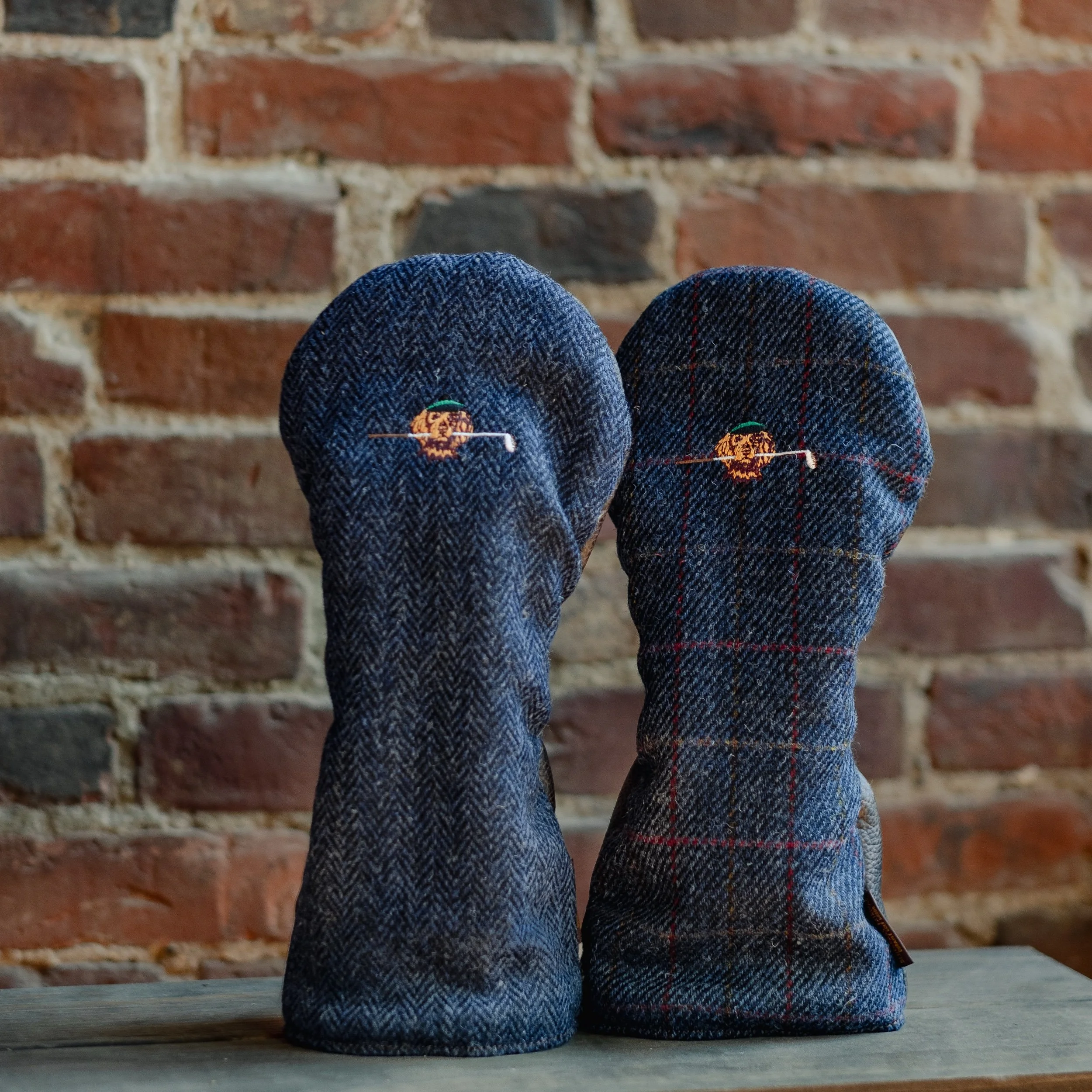
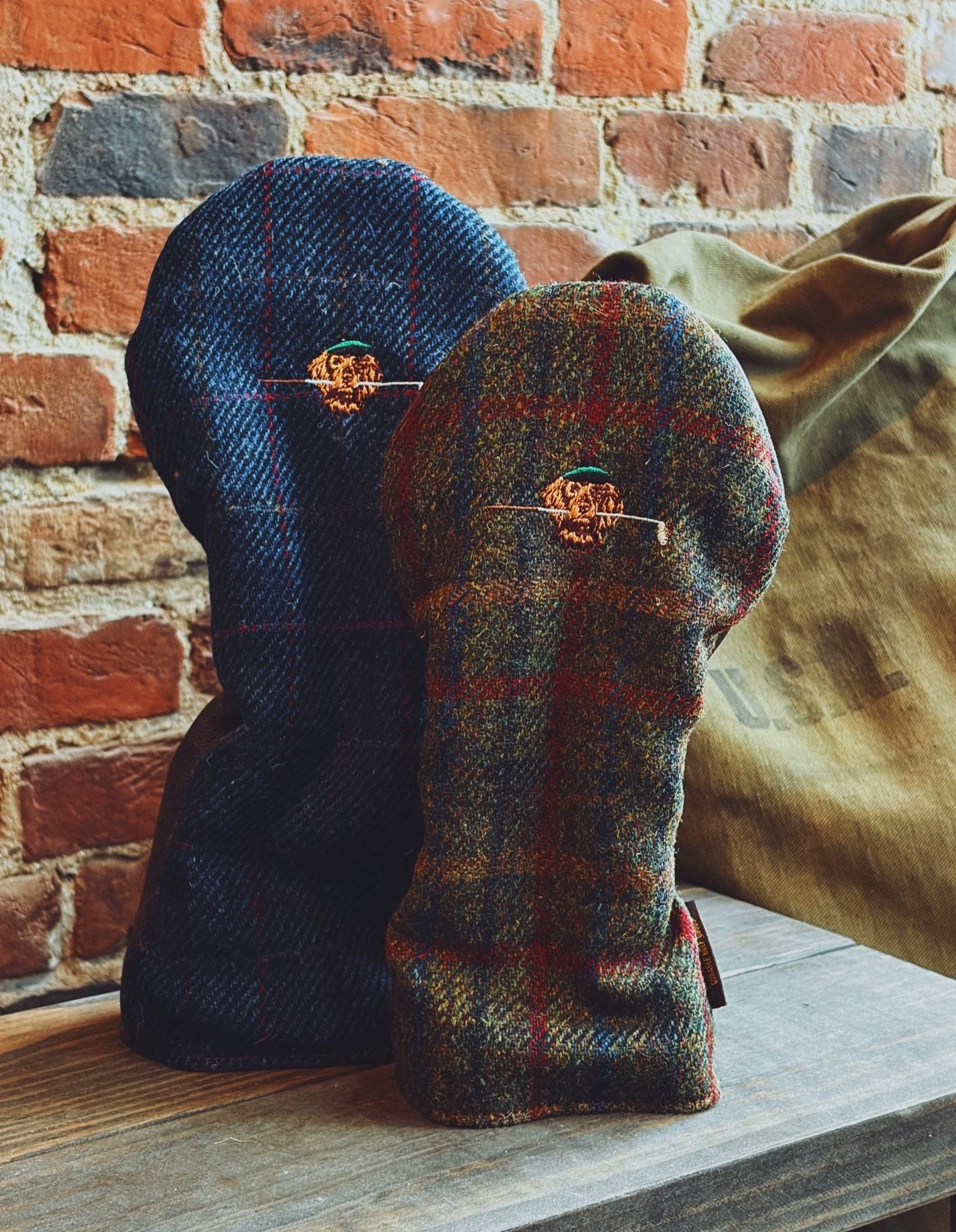
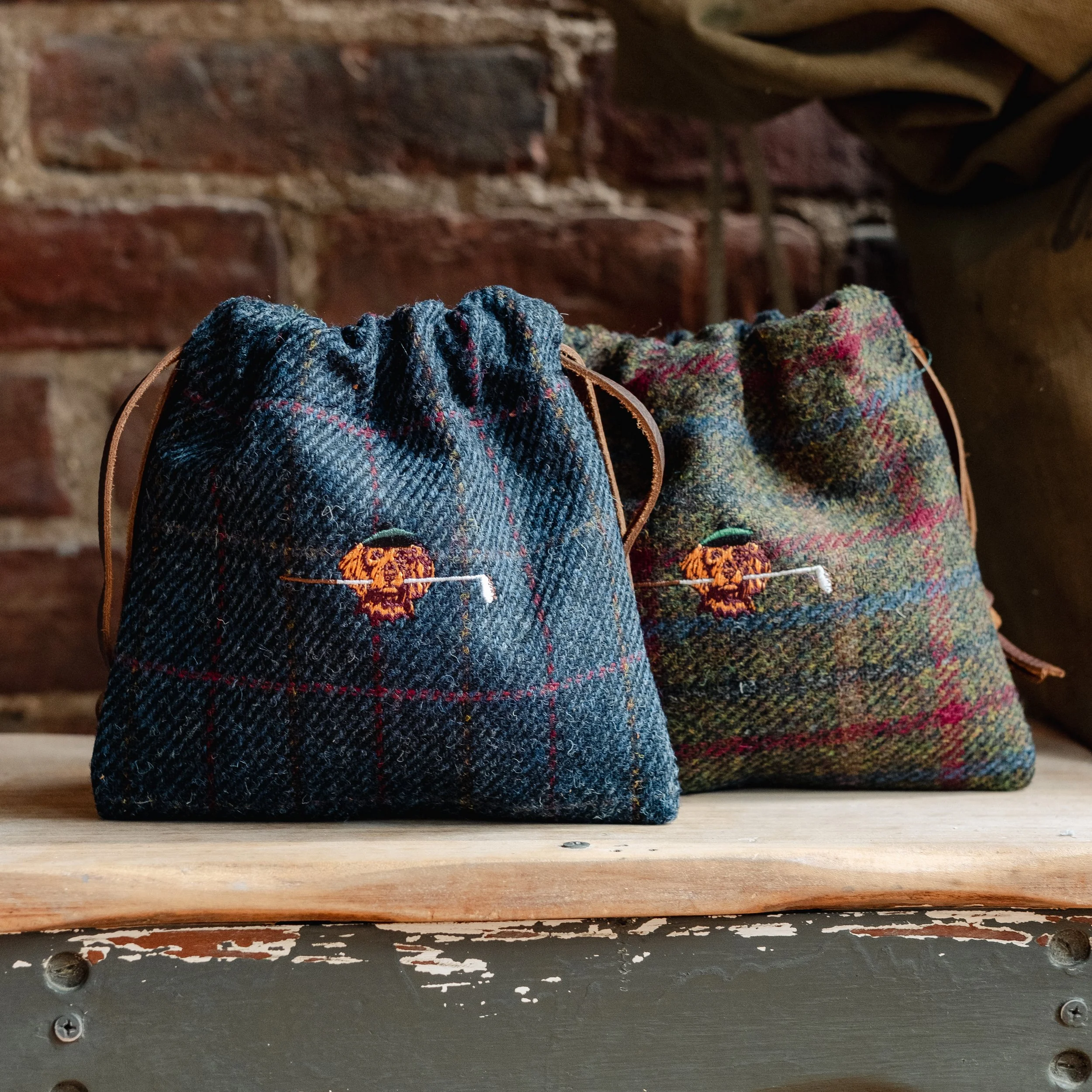
After visiting the shop, I knew that Wellington Golf Co. needed to work with Bluegrass Fairway to offer some custom pieces. In this collection, we are proud to offer a Harris Tweed and leather zippered pouch, a Harris Tweed drawstring pouch, as well as Driver and Faiway Head Covers. Shop the drop here!
We did a Q&A with Bluegrass Fairway owner, Matt Reynolds here, with the goal of sharing some insights to the quality coming out of their shop.
WGC:
Bluegrass Fairway has a distinct point of view that feels rooted in both golf and heritage craftsmanship. What led you to start the company, and what did you feel was missing from the market at the time?
Matt Reynolds:
Honestly, I had no idea what I was doing when I started Bluegrass Fairway. I was playing a lot of competitive golf at the time, and a cheap yardage book cover falling apart on me set the whole thing in motion. I took it to a shoe repair shop nearby just to get a pocket fixed — and we ended up building a new one from scratch. I got completely hooked on leather work, and here we are ten years later.
That first cover was the whole thesis, really. I couldn't find anything that felt like it was made to last — most of what was out there was either generic or throwaway. There was a gap between gear that performed and gear that meant something. That's the space we've been trying to occupy ever since.
WGC:
Everyone’s connection to the game is a little different. What is your personal relationship with golf, and how has that shaped the way you’ve built Bluegrass Fairway
Matt Reynolds:
Golf got into my blood at exactly the right time. Growing up in the 90s, I came of age right as Tiger was rewriting what the game could look like. I was on my high school team the year he won his first Masters, working the bag room at a local club on weekends, and completely obsessed. I wanted to swing like Tiger and dress like Davis Love and Justin Leonard — that combination of athletic and classic that defined that era.
That aesthetic never really left me. There's something about the way golf looked and felt in that period — the fabrics, the confidence, the craftsmanship in the equipment — that still shows up in everything we make at Bluegrass Fairway. We're not chasing trends. We're building things that feel like they belong on a course with some history behind it.
WGC:
Your products are known for their quality and materials. How do you go about sourcing, and what separates a truly great material from one that just looks the part?
Matt Reynolds
By the mid-2000s, golf fashion had gone somewhere I couldn't follow. Loud technical fabrics, white belts, the whole thing. I found myself gravitating toward a different corner of the internet — blogs like A Continuous Lean, Permanent Style, Ivy Style, Red Clay Soul. That world of classic menswear and heritage goods became a real obsession, and it completely reframed how I thought about materials.
The through line for me has always been: what are the sources behind the things that have stood the test of time? An old Barbour jacket, a Harris Tweed coat from Brooks Brothers, a vintage L.L.Bean canvas duffle — those pieces hold up because the materials behind them are exceptional. We try to source from the same tanneries and mills that have been producing those kinds of goods for generations. A great material doesn't just look the part on day one. It gets better. That's the standard we're trying to meet.
WGC:
There is a clear sense of intention behind everything you produce. How involved are you in the design and production process, and how do you maintain that level of detail as you grow?
Matt Reynolds
I still design every piece we make and have my hands on just about everything that comes out of the shop. We have a great team of makers, and honestly some of the most fun I have in this business is the early stage of a new product — working through the details, figuring out what it wants to be.
The tradeoff of staying small is real, though. We have to turn down quite a few large orders, and that's a deliberate choice. There's something that gets lost when you start mass producing — a quality and feel that's hard to define but easy to notice when it's missing. Keeping our hands in the work is how we protect that. Growth is fine, but not at the cost of the thing that made people care about us in the first place.
WGC:
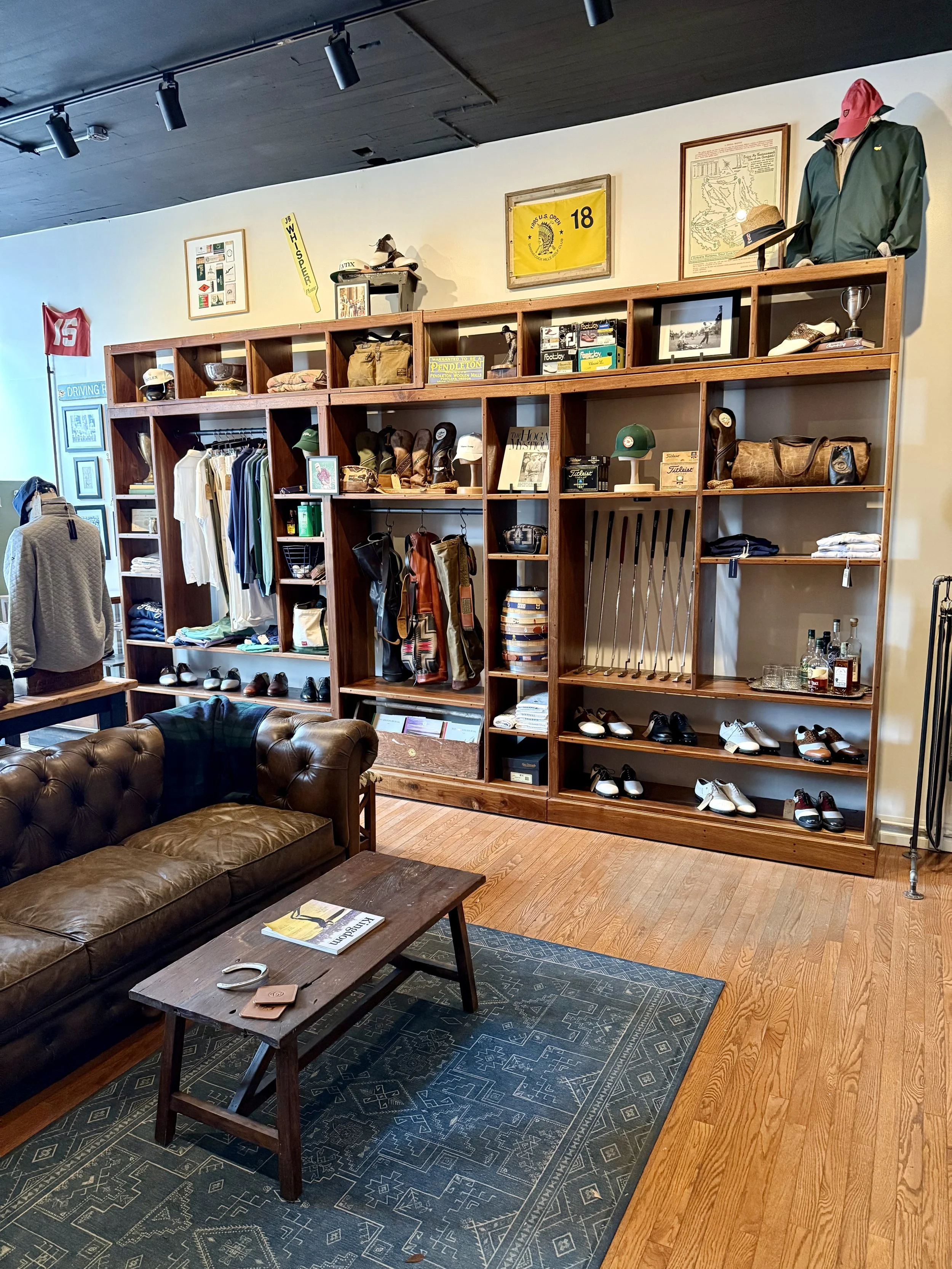
The storefront feels less like a retail shop and more like a well-curated golf clubhouse, with everything from vintage displays to memorabilia layered throughout. How do you approach curating that space, and what has it been like owning and operating a brick and mortar shop in today’s golf landscape?
Matt Reynolds:
That clubhouse feel is exactly what we were going for. Less retail floor, more place to come in, sit down, and talk golf. Most of our business happens online, so when someone does walk through the door, I want it to feel like something — not just a transaction. The goal was always a hang more than a showroom.
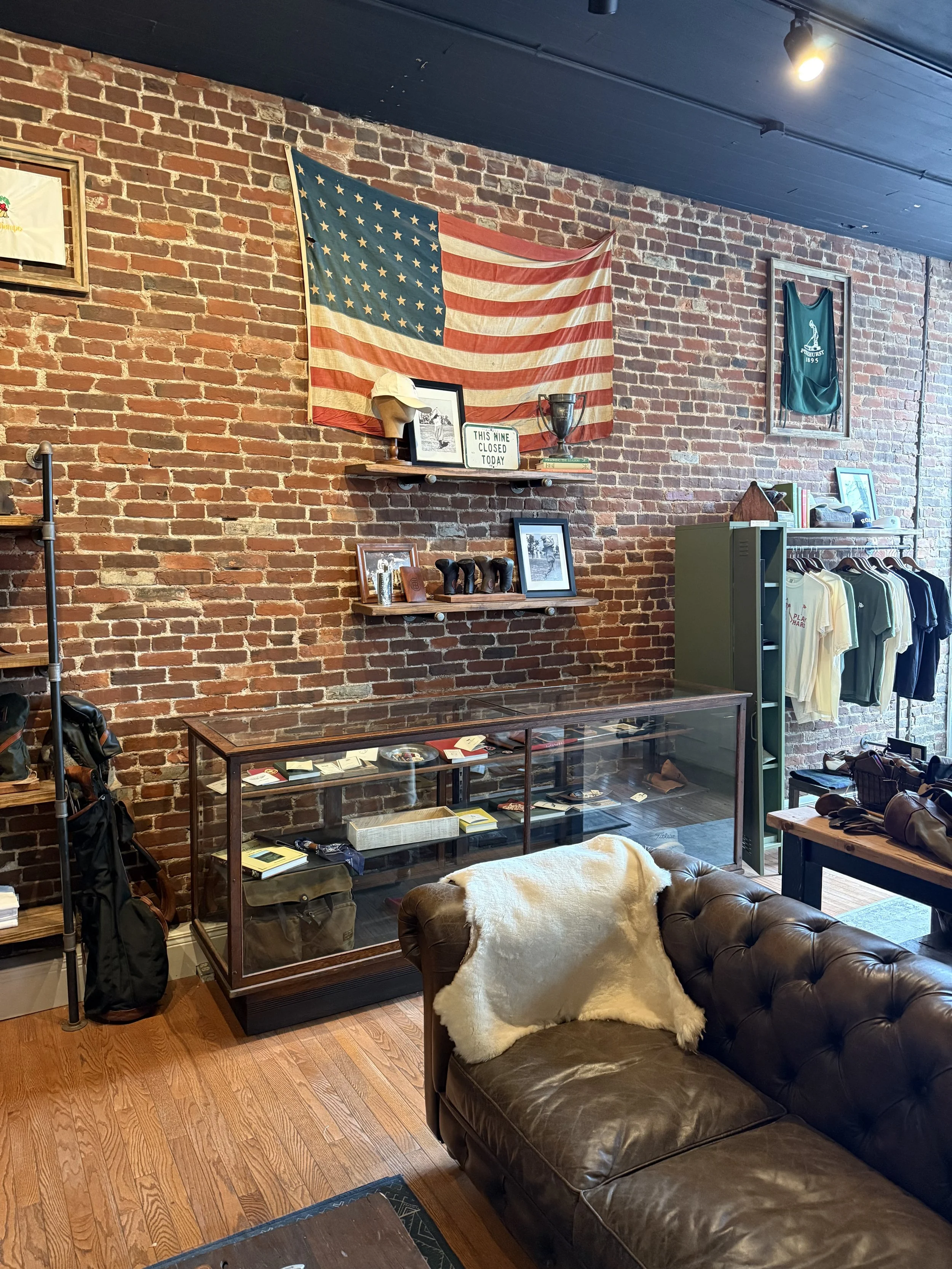
Honestly, brick and mortar isn't something I'd tell every new brand they need. We spent four years in an outdated office space that had nothing to do with what Bluegrass Fairway looked and felt like. People would come through Louisville specifically to stop in, and I'd almost feel embarrassed. Finding this downtown space changed that — exposed brick, enough room in the back for our equipment, the kind of bones that let the brand actually breathe. It just fits now.
WGC:
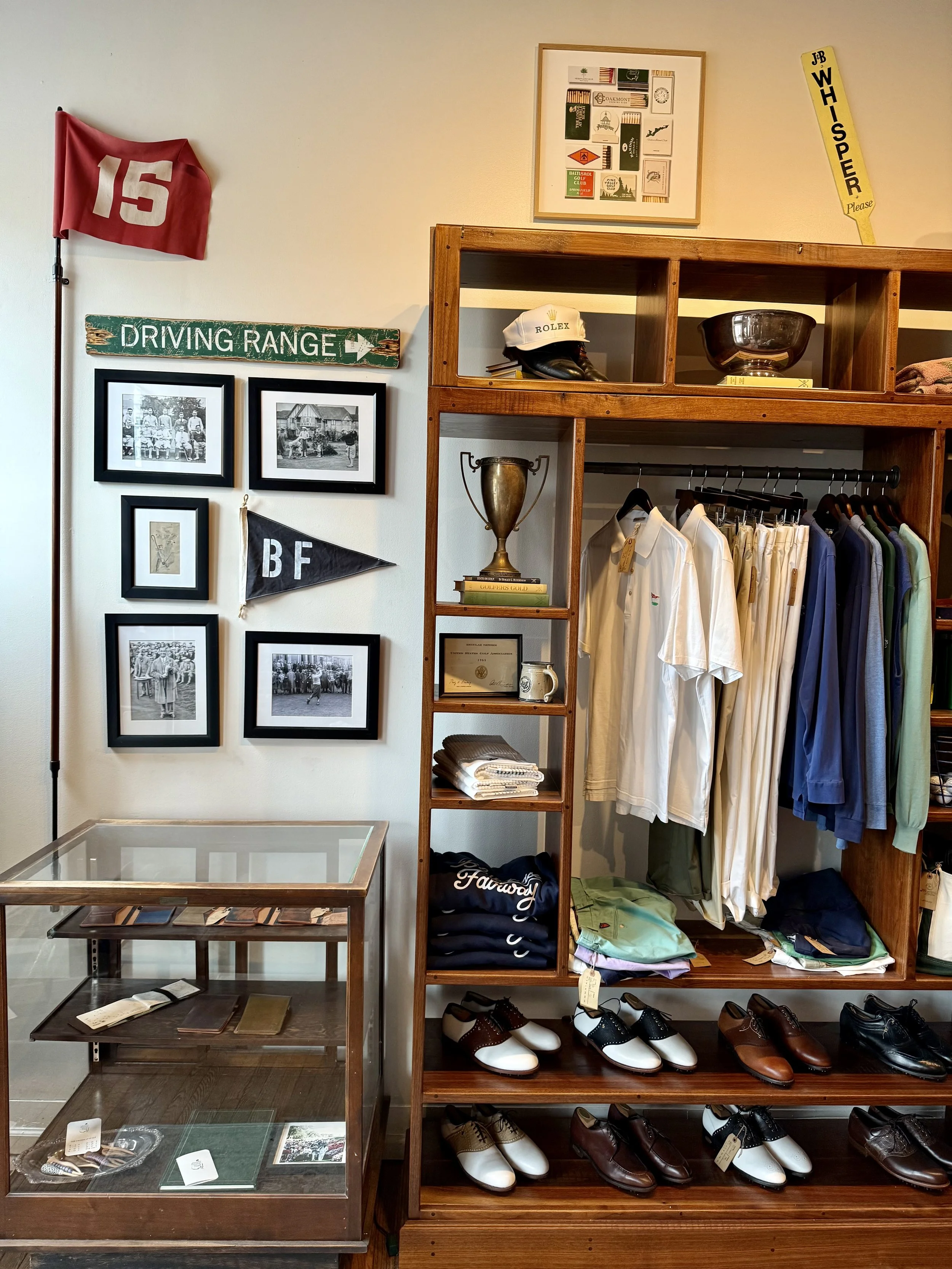
Walking through the shop, there are details everywhere, from classic signage to trophy cases and historic pieces. Are there any items in the store that carry a particularly good story or personal significance to you?
Matt Reynolds:
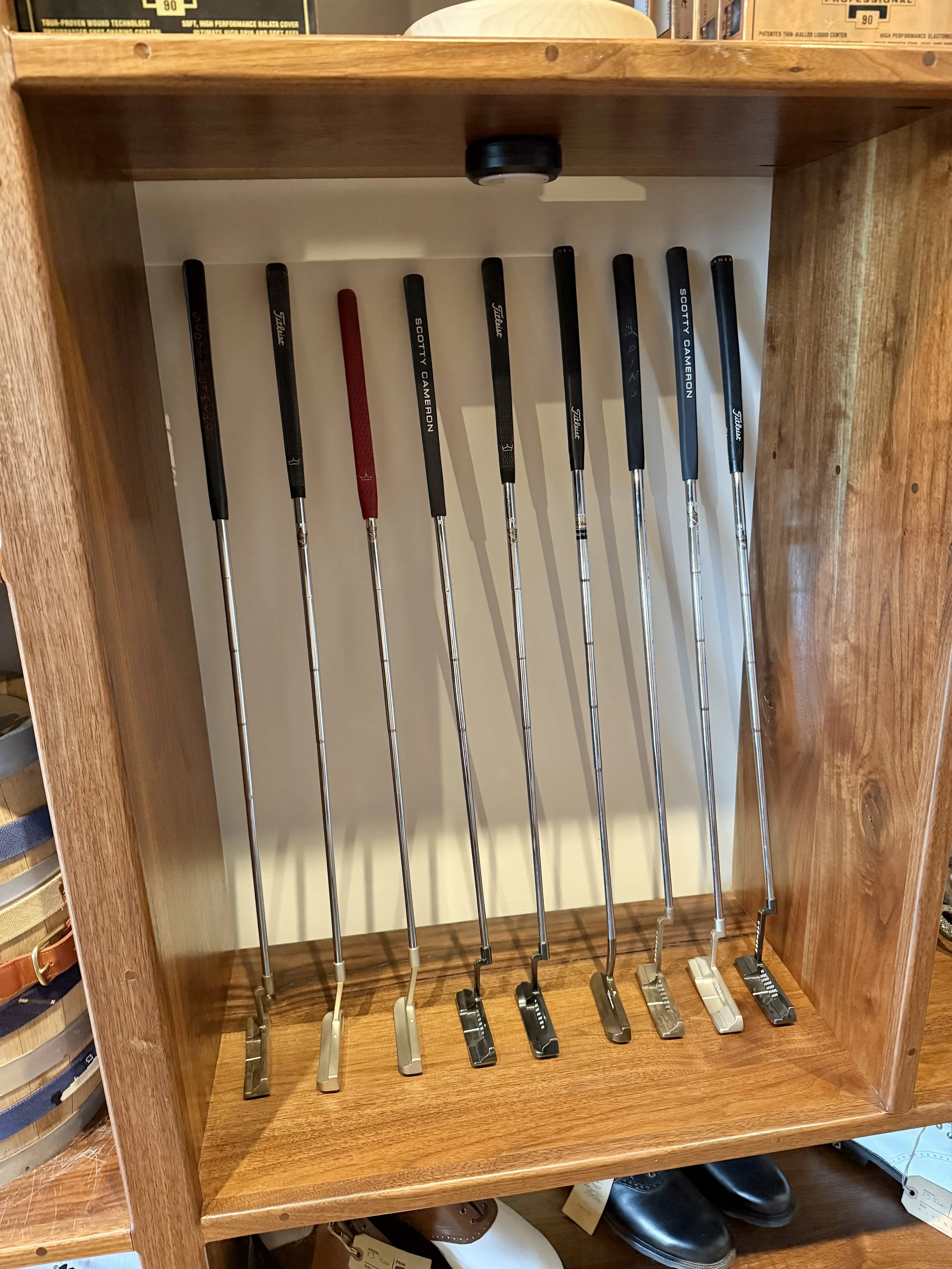
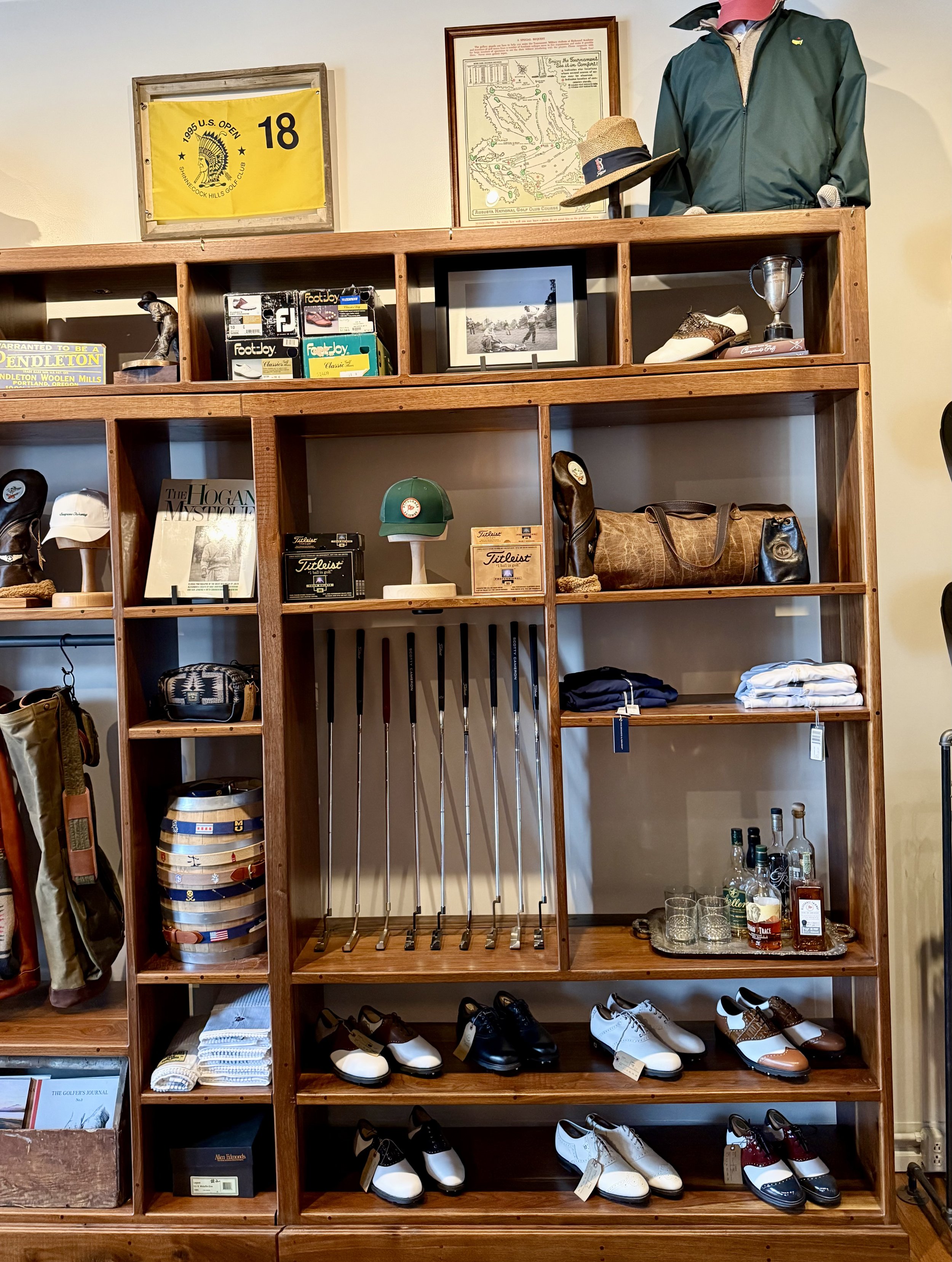
Most of what you see in here has been living in my home office for years — things I've picked up slowly over time just because I loved them. Vintage Scotty Camerons, old course flags, photographs. When we moved into this space it actually came together pretty naturally because I already had most of it. It was less decorating and more just finally having somewhere to put it all.
I do think a really well put together space takes time though. You can't force it. The best rooms have layers to them — things added gradually that each carry a little history. So we keep building it out as we go. There's no finish line on that, and I like it that way.
WGC:
Looking ahead, what excites you most about where Bluegrass Fairway is headed, and how do you see the brand continuing to evolve while staying true to its roots?
Matt Reynolds:
There's a lot coming and I'm genuinely excited about it. We've redesigned our scorecard holders and yardage book covers, have several new headcovers in the works, and we'll be carrying some co-branded apparel with Sid Mashburn — that one in particular feels like a natural fit for where the brand lives aesthetically.
Honestly I want to drop everything at once, but we'll probably pace the launches out over the rest of the year. Let each thing have its moment.
As for staying true to the roots, I don't think that's something I have to work very hard to protect. The same things that drew me to this in the first place — the materials, the craft, the connection to golf and the culture around it — that's just what we do. The products get better, the range grows, but the point of view doesn't really change. It's still just about making things worth keeping.
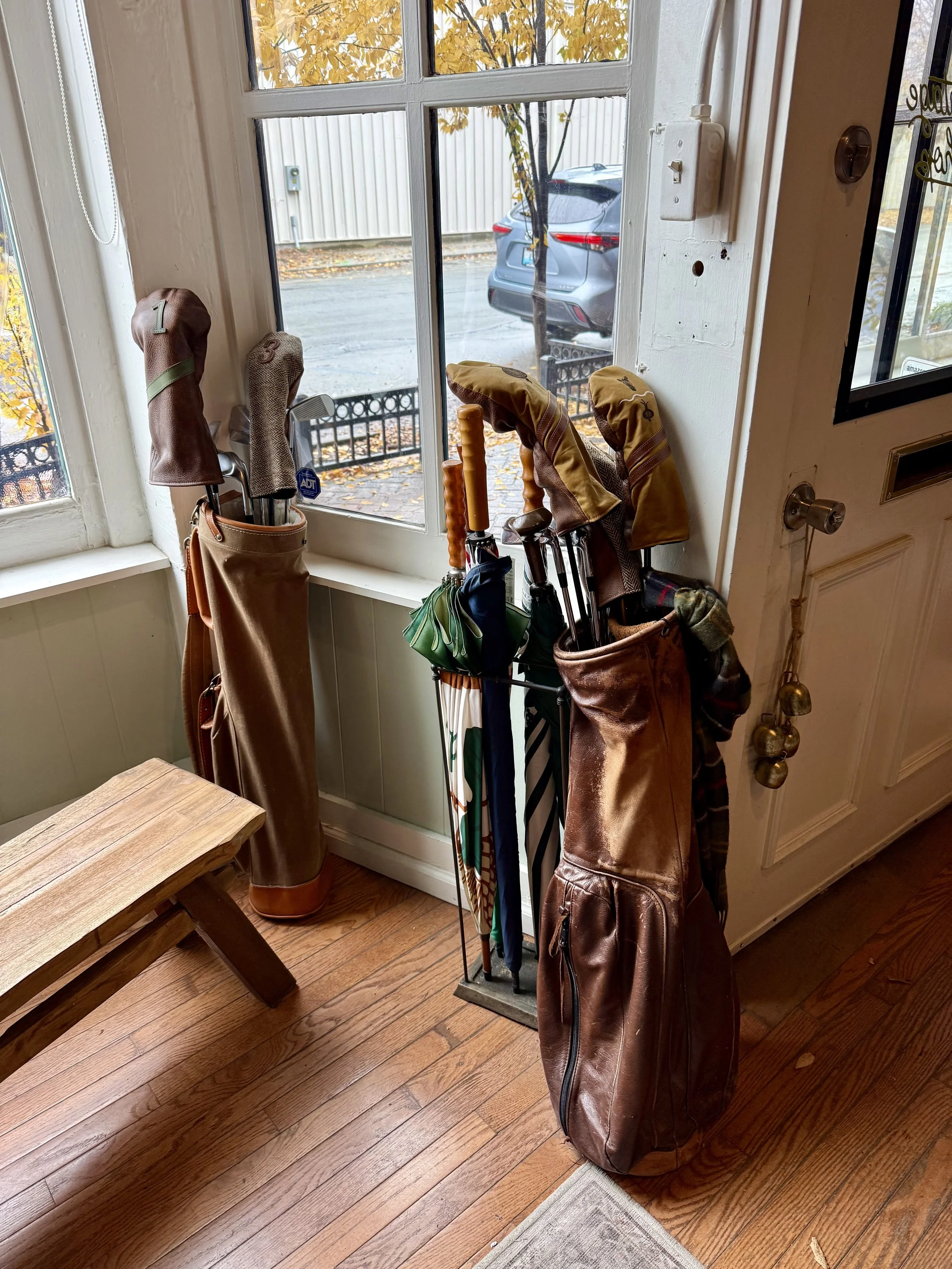
Featured below are the photos I took when I first visited the shop this past fall. Such an incredible space!
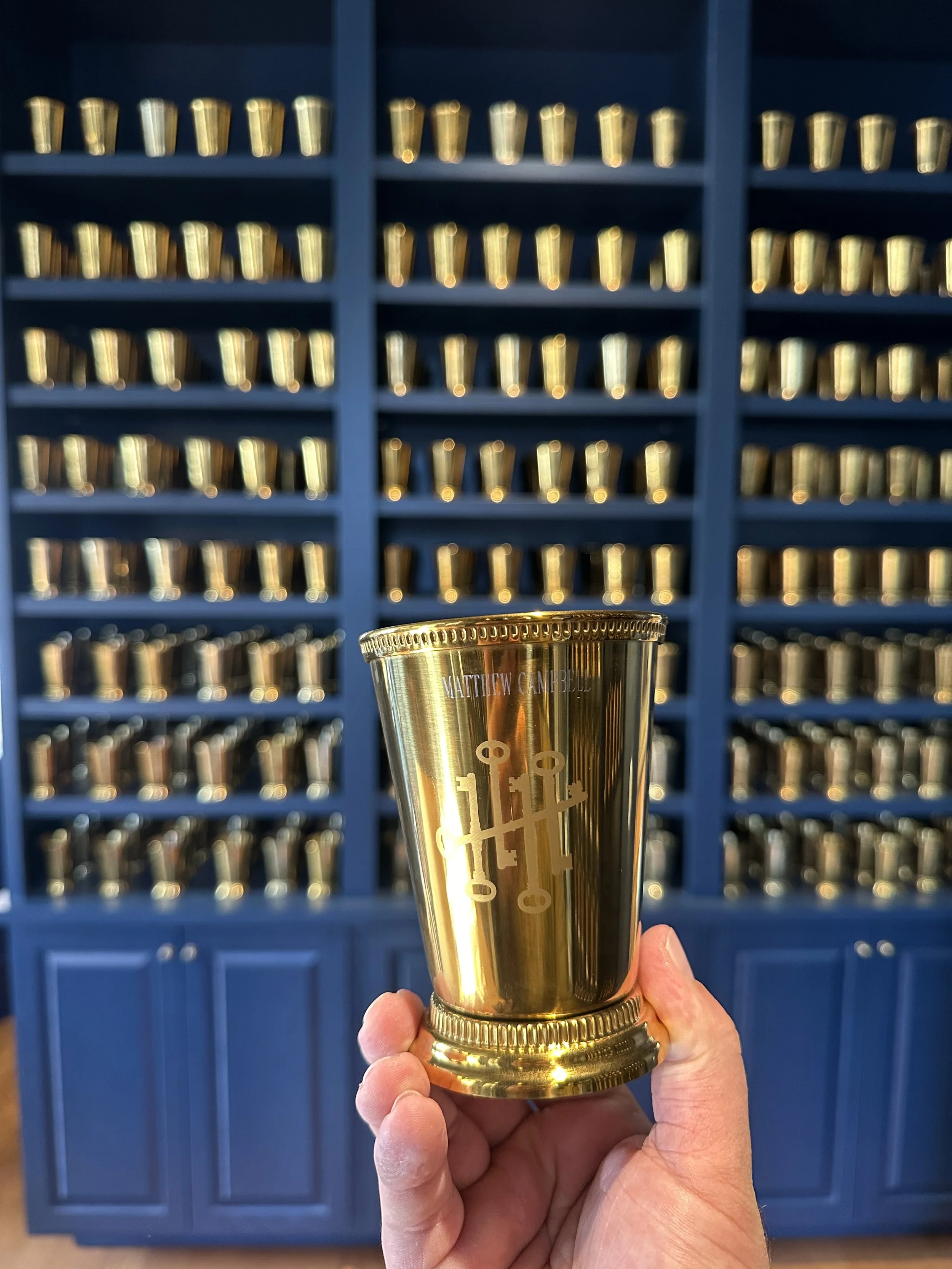
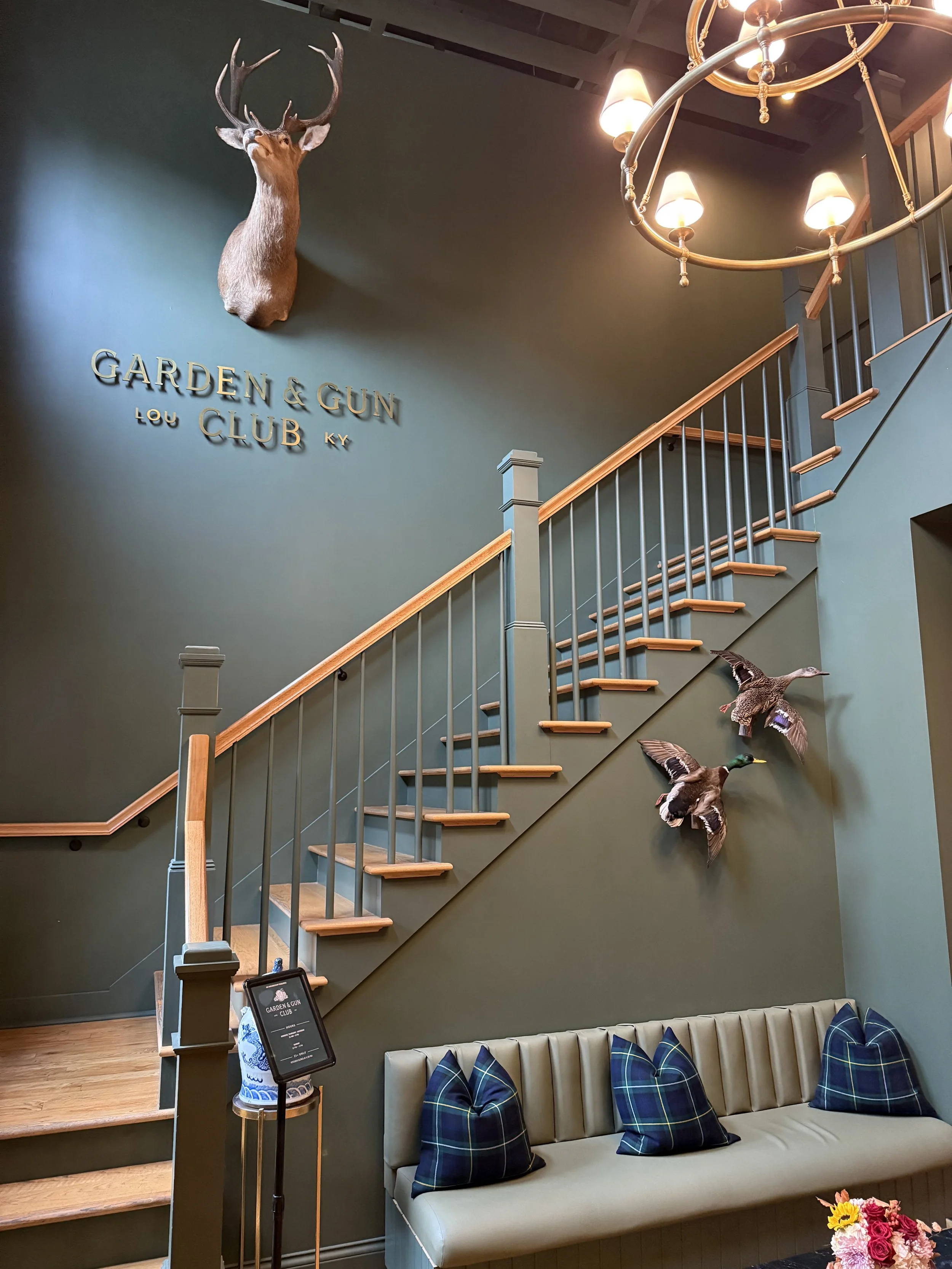
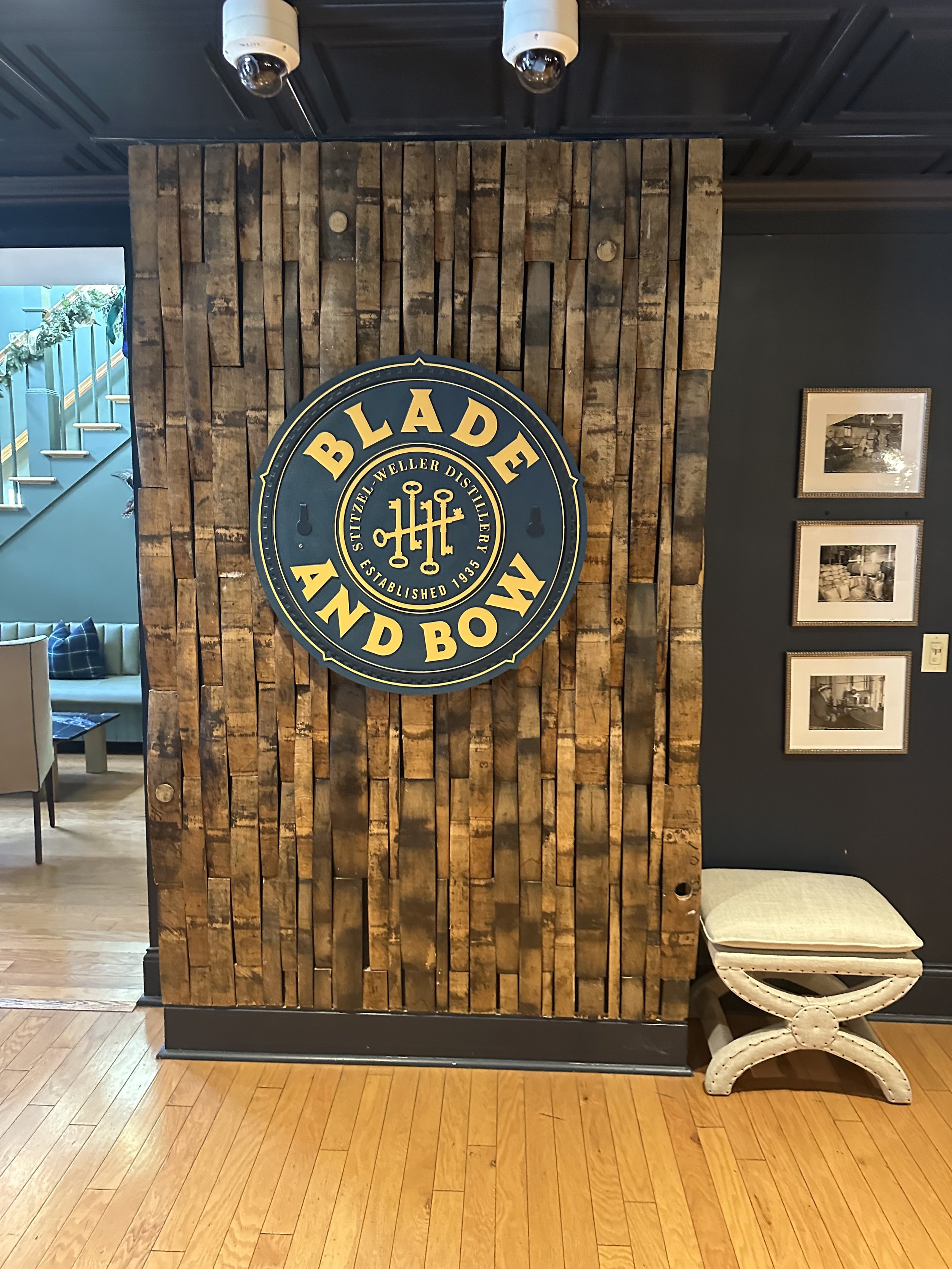
One of the other stops that we made on the trip were The Garden and Gun Club at the Stitzel Weller Distillery, just a couple miles from downtown. If you are a Blade & Bow Five Keys Club Member, you can pick up your golden Mint Julep cup from their facility and take a tour of the grounds. The bar at The Garden and Gun Club will make you a signature cocktail in your cup after you pick it up!
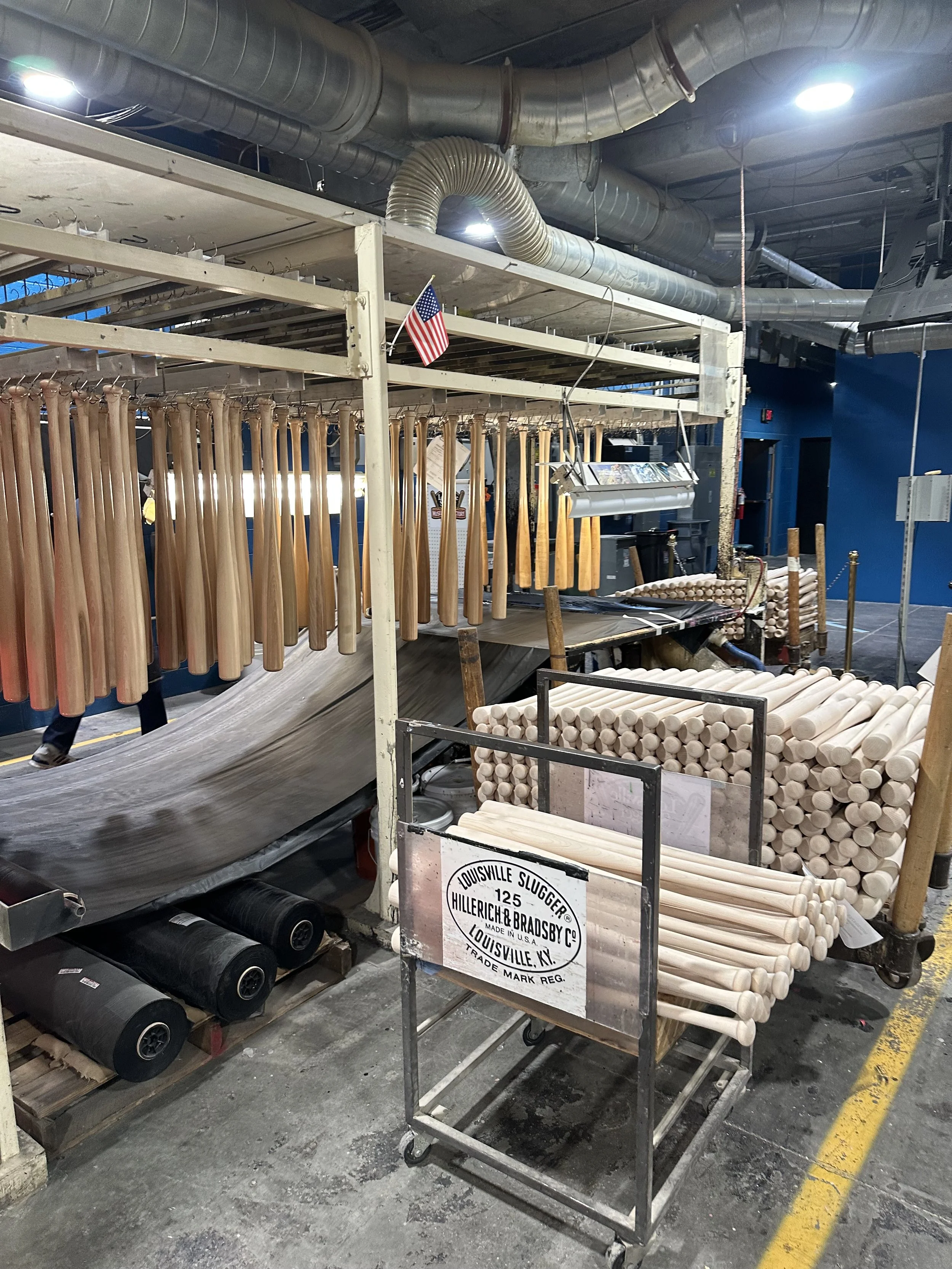
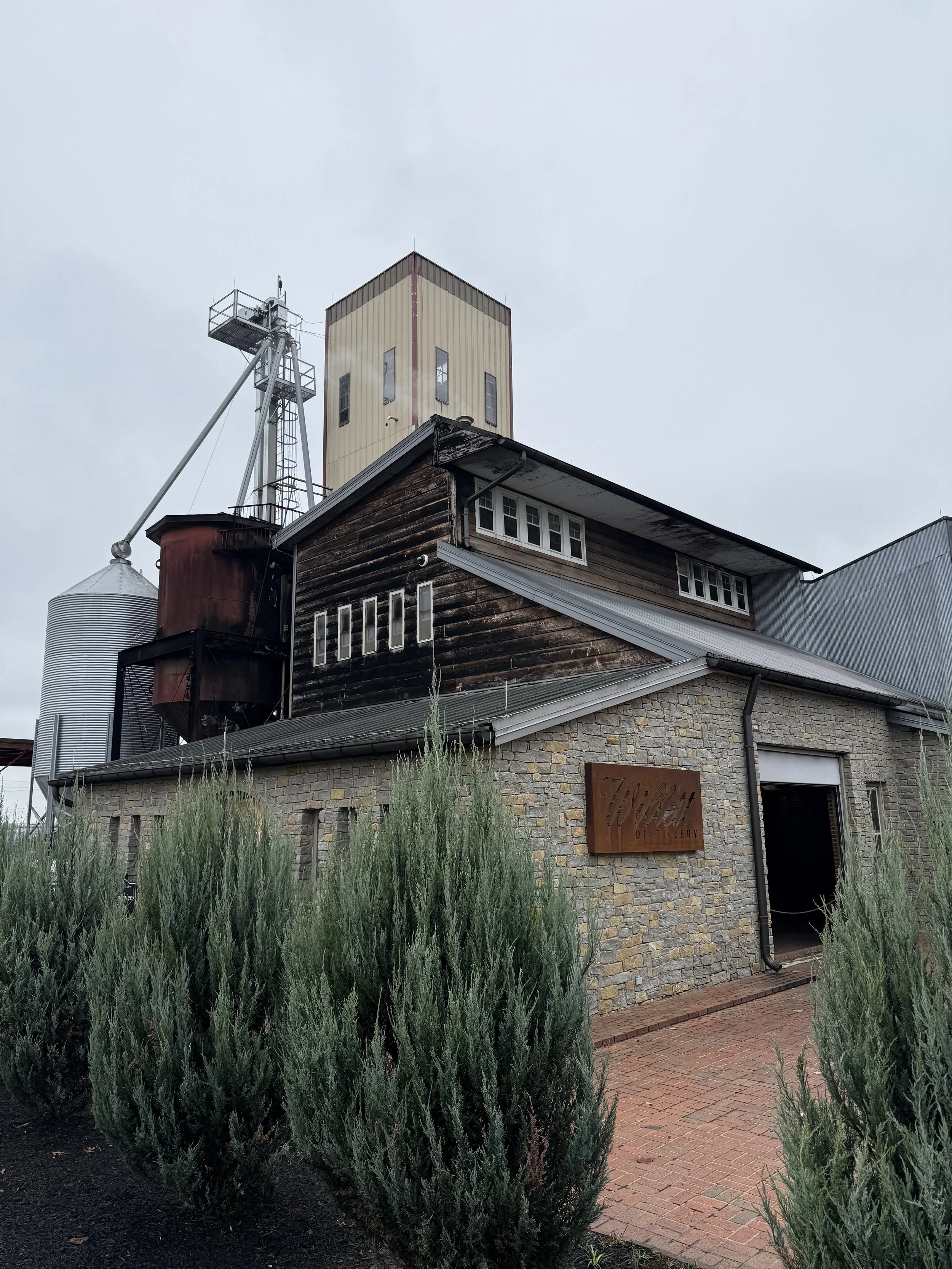
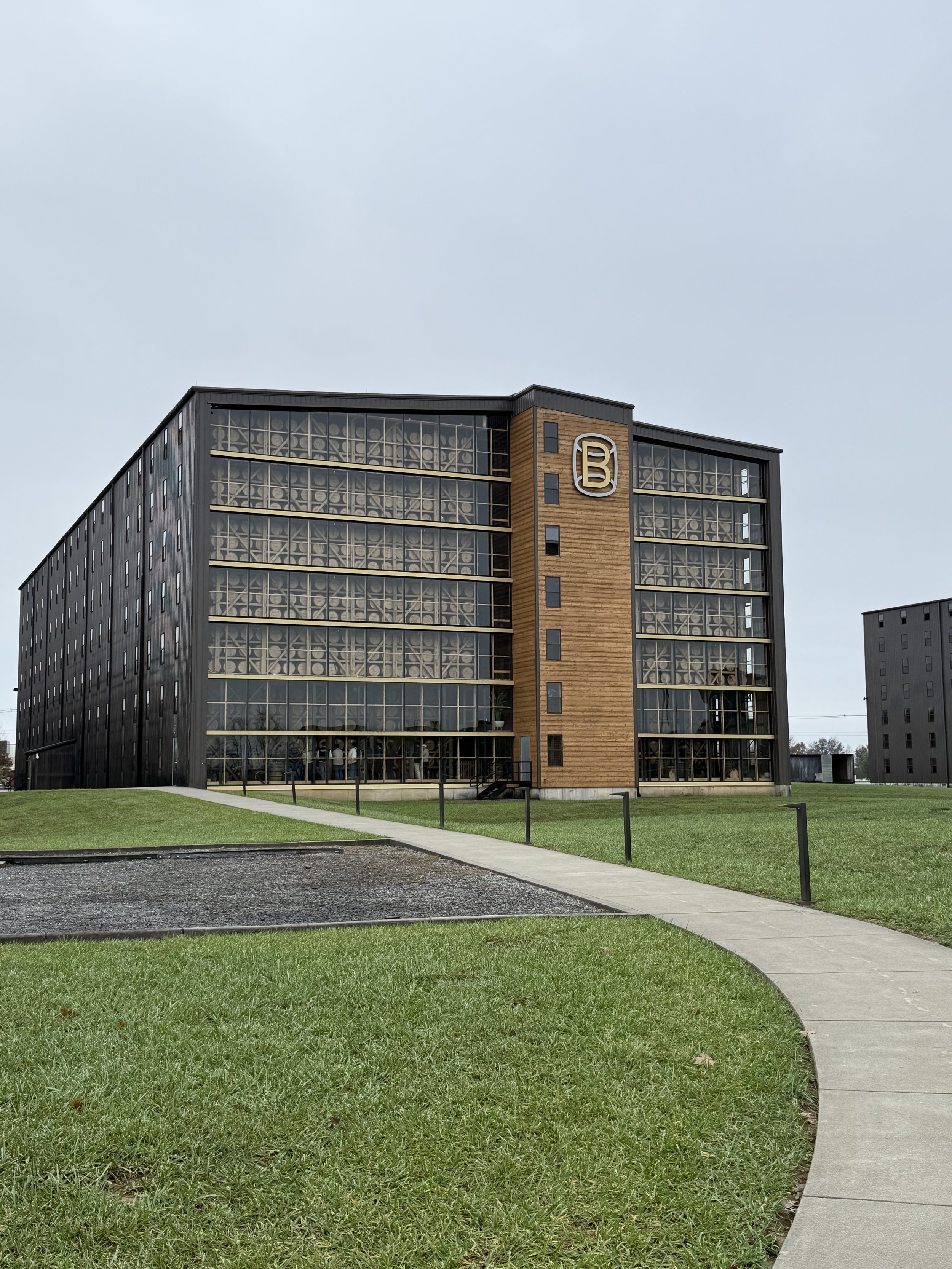
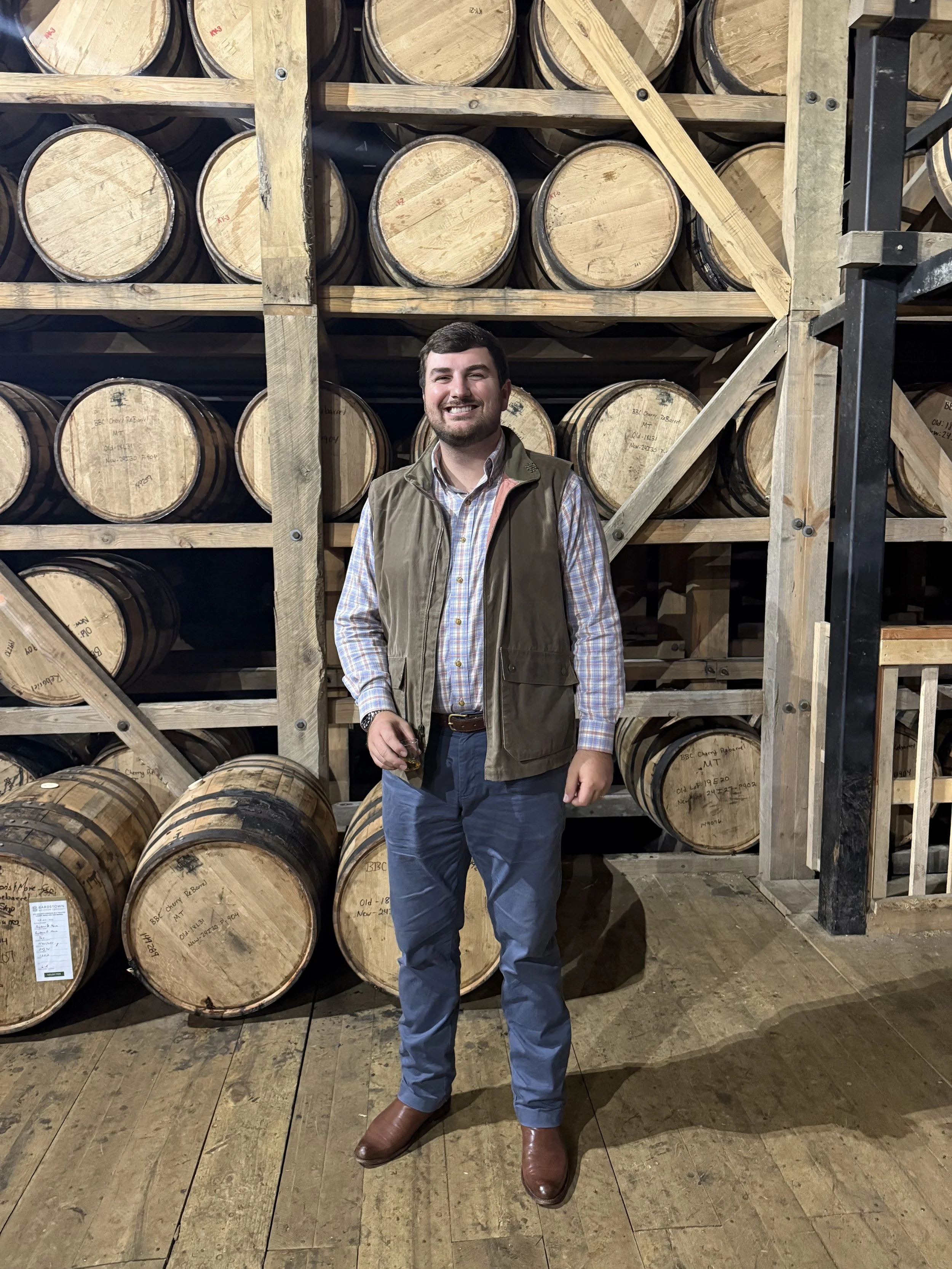
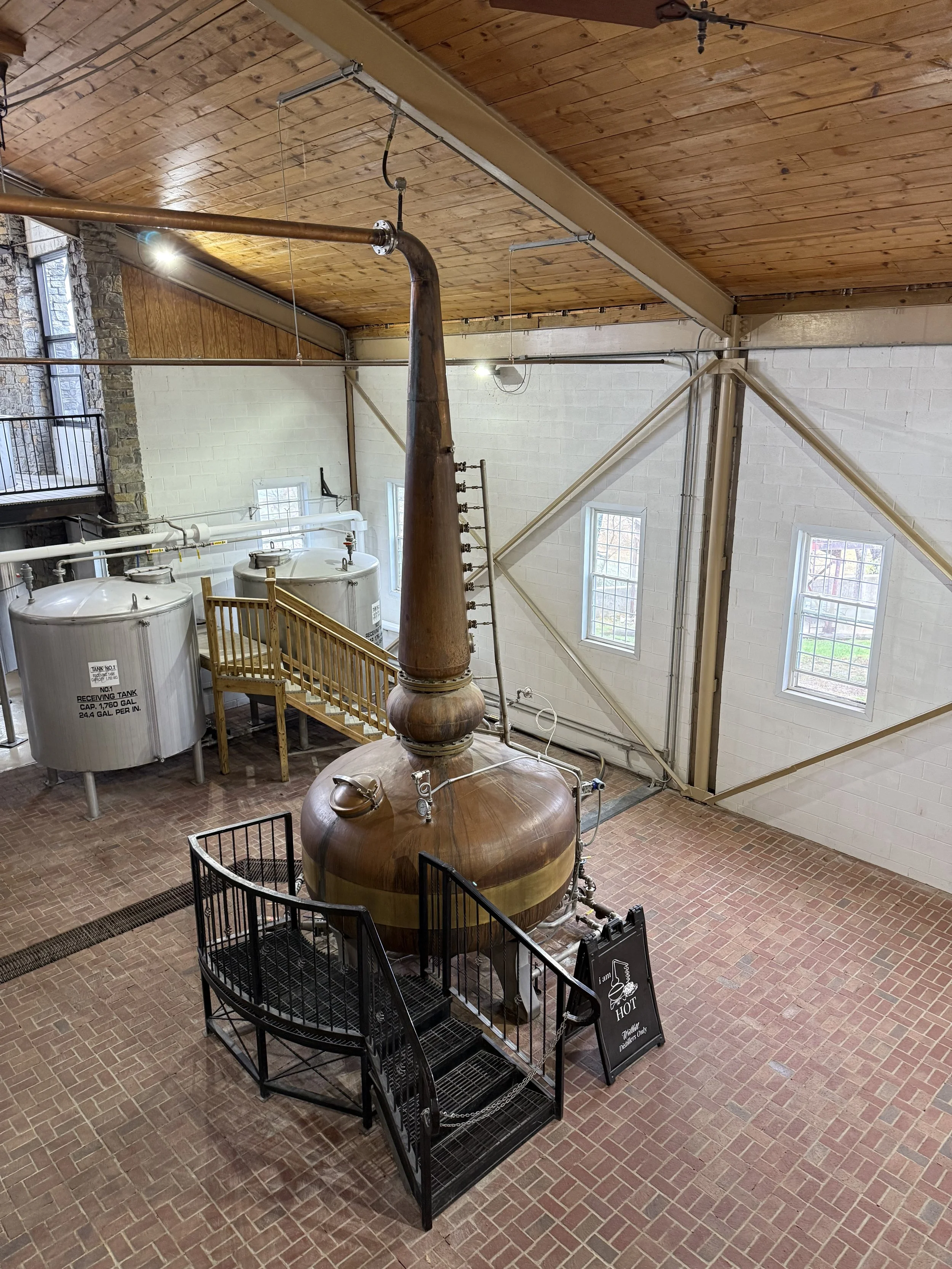
We went to the Louisville Slugger Bat Museum and production facility, the Clayton & Crume store, Willet Distilerry, and Old Bardstown Distillery.
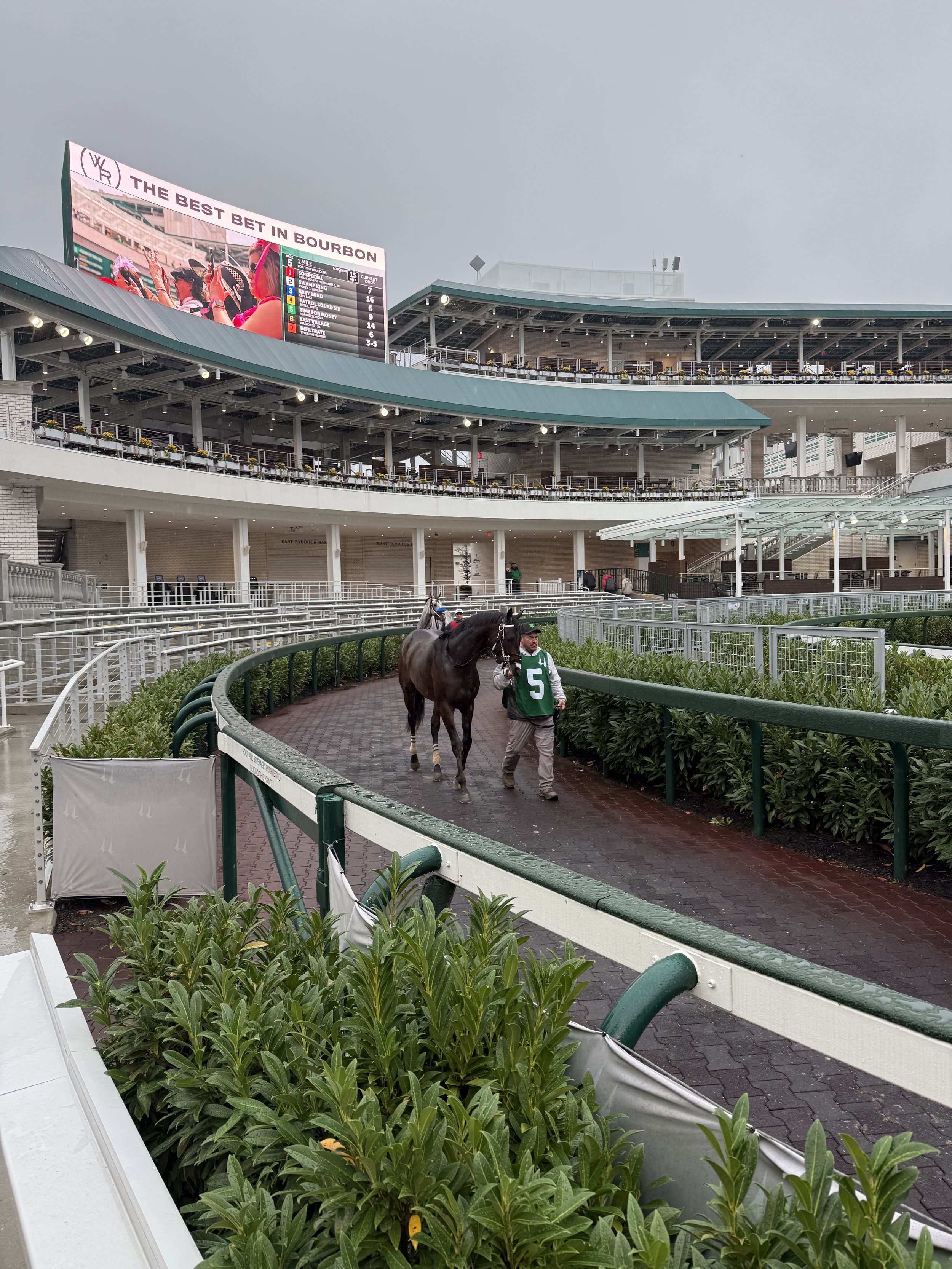
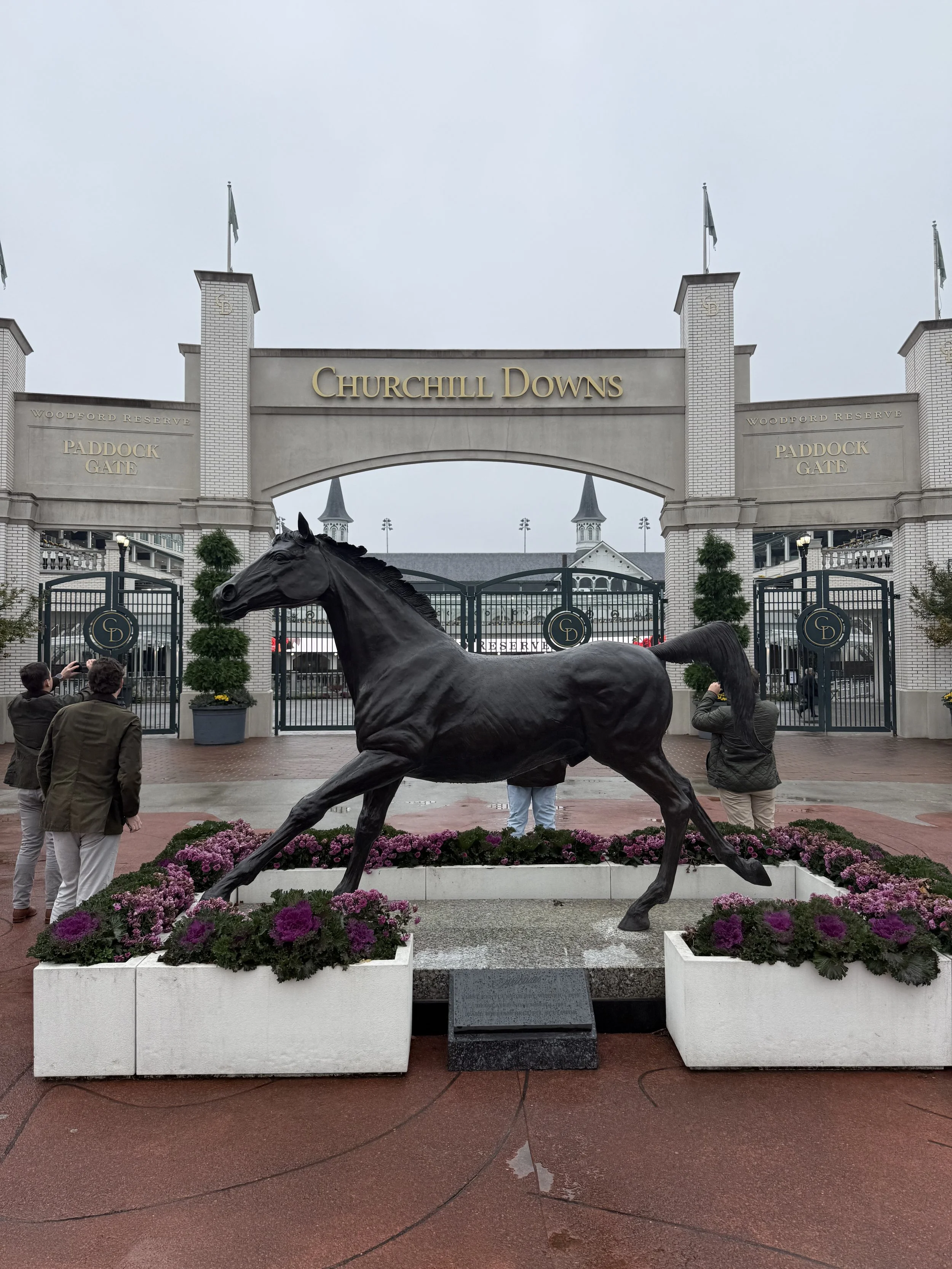
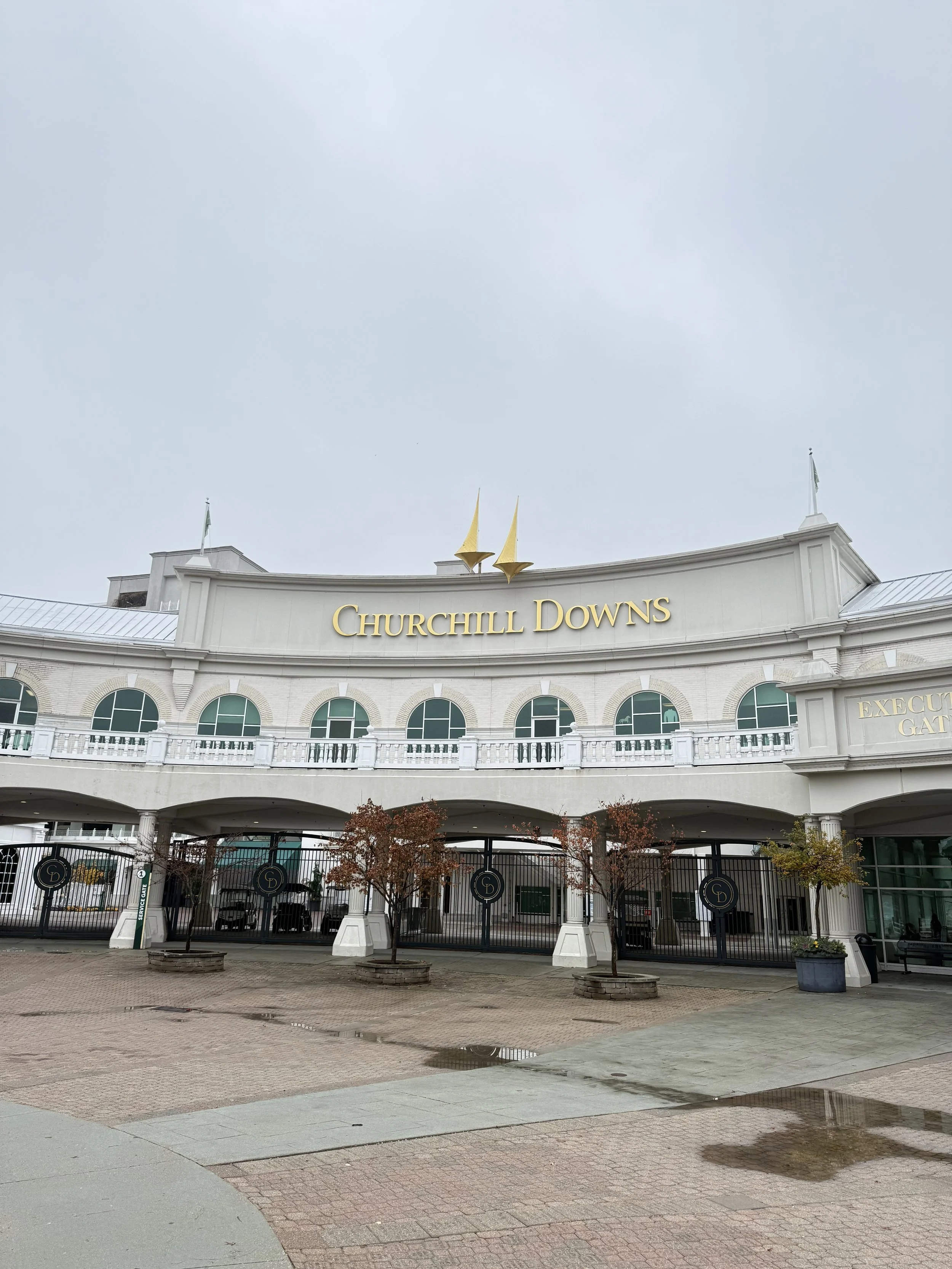
We also spent a day at Churchill Downs for some fall horse races. This was a great time to go as there was not a large crowd and we were able to enjoy one of the suites for a very reasonable price.