Cougar Point - Kiawah Island Golf Resort
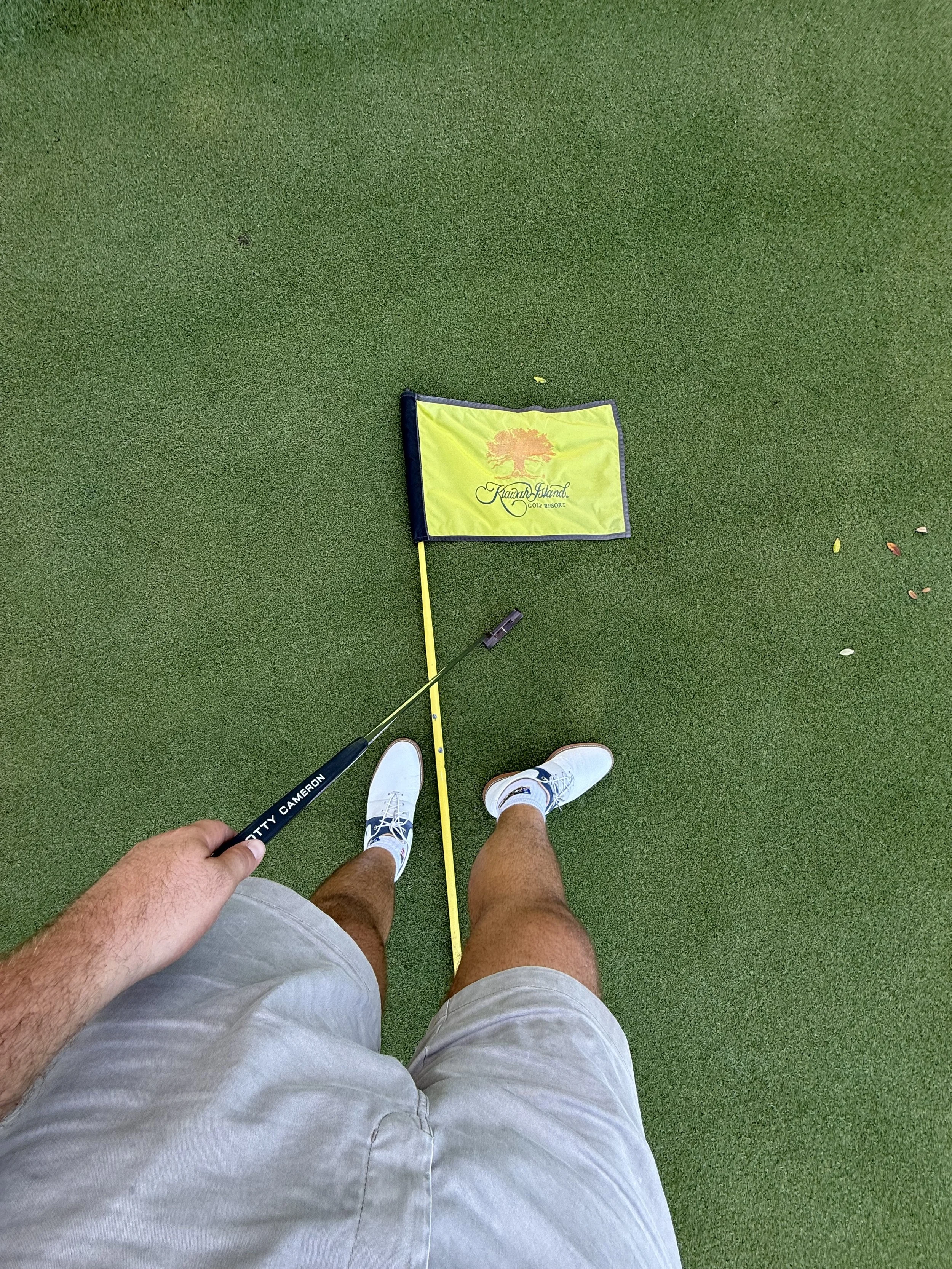
One of my golf goals for 2026 has been to play all five courses at Kiawah Island Golf Resort. I started with the Ocean Course, followed that with Osprey Point in July, and on Saturday, September 12th, I headed back down to Kiawah to check Cougar Point off the list.
I grabbed an afternoon tee time and went down as a single, getting paired with a threesome on a buddies trip. One of the guys was from Nairn, Scotland, while the other two were brothers, one living in Denver and the other in West Virginia. One of the fun parts about showing up as a single is never really knowing who you are going to spend the next four hours with, and we ended up having a great group.
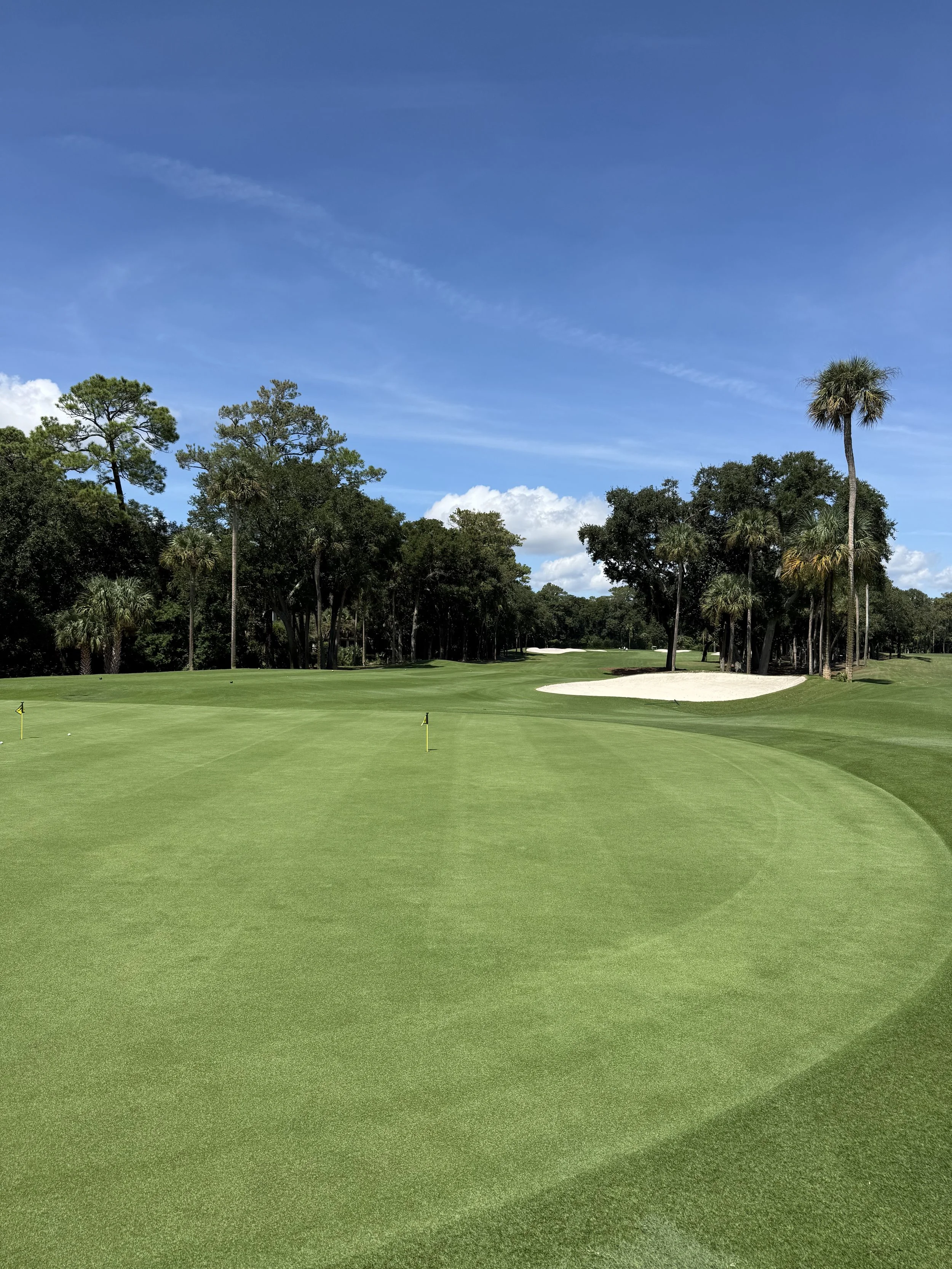
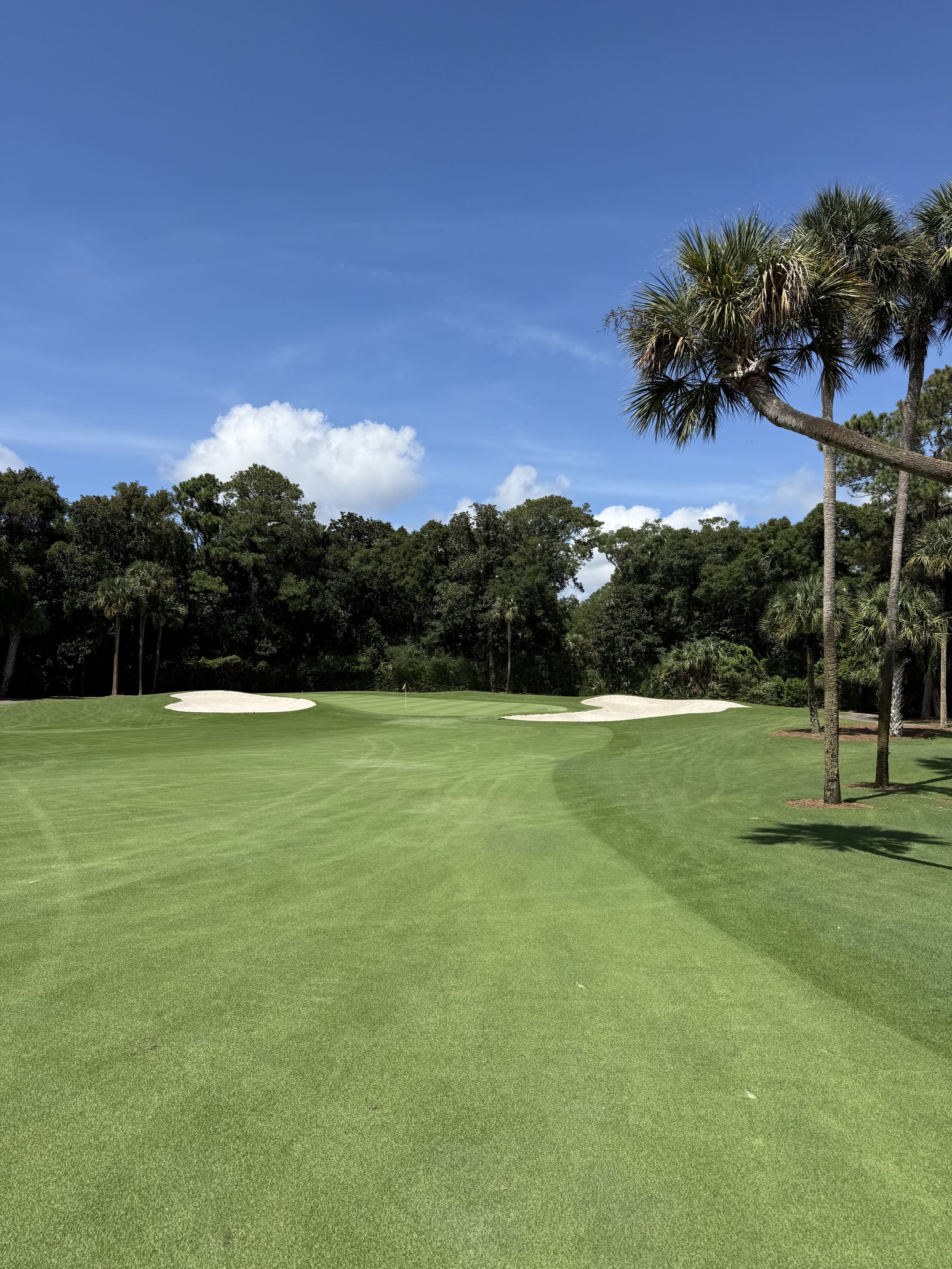
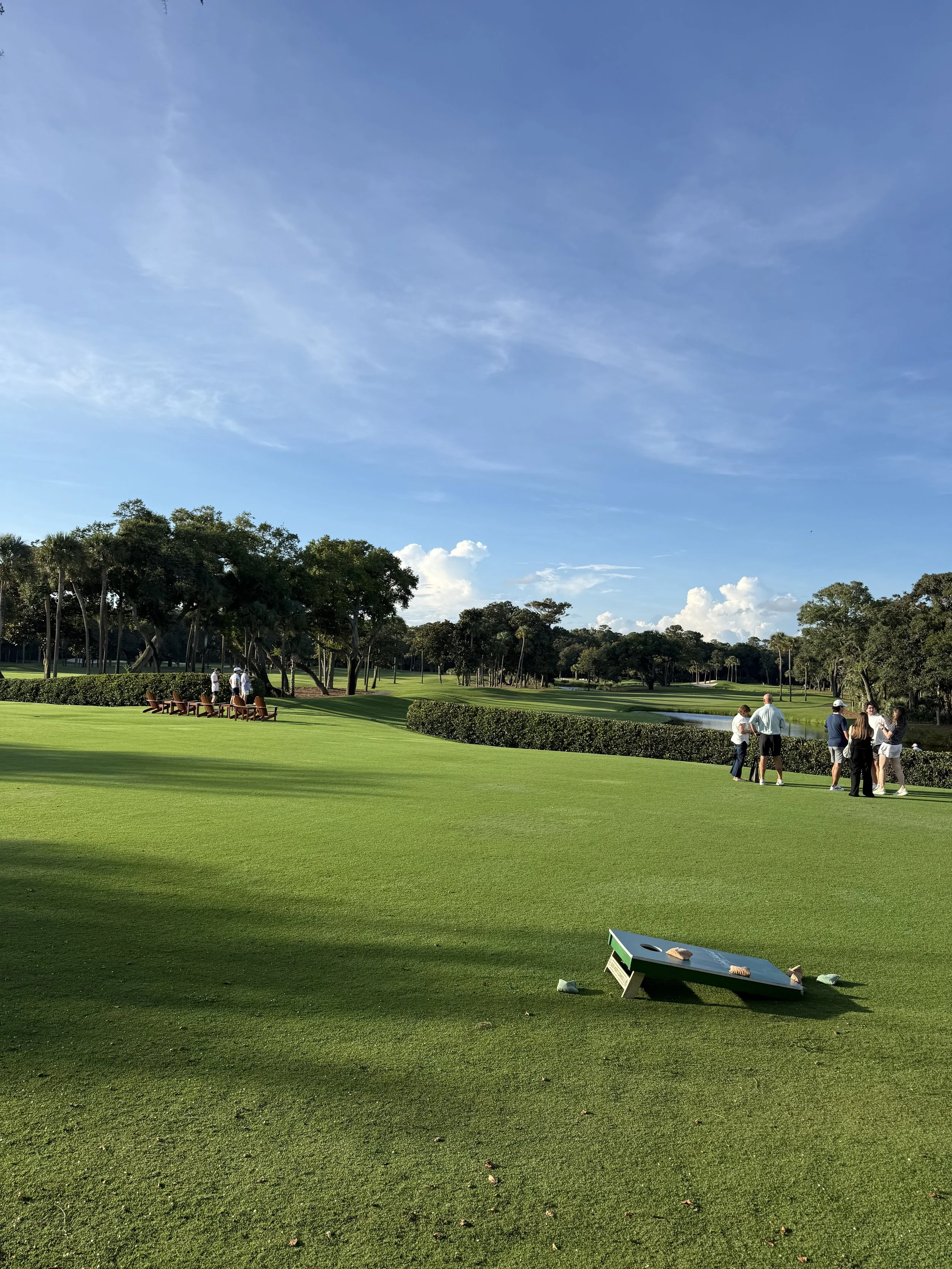
It was a warm September afternoon, but the course was in tip top shape. Having already played the Ocean Course and Osprey Point this year, I was also curious to see how Cougar Point would compare. So far, that has been one of my favorite parts of working through the five resort courses. They all occupy the same island, but each has its own personality.
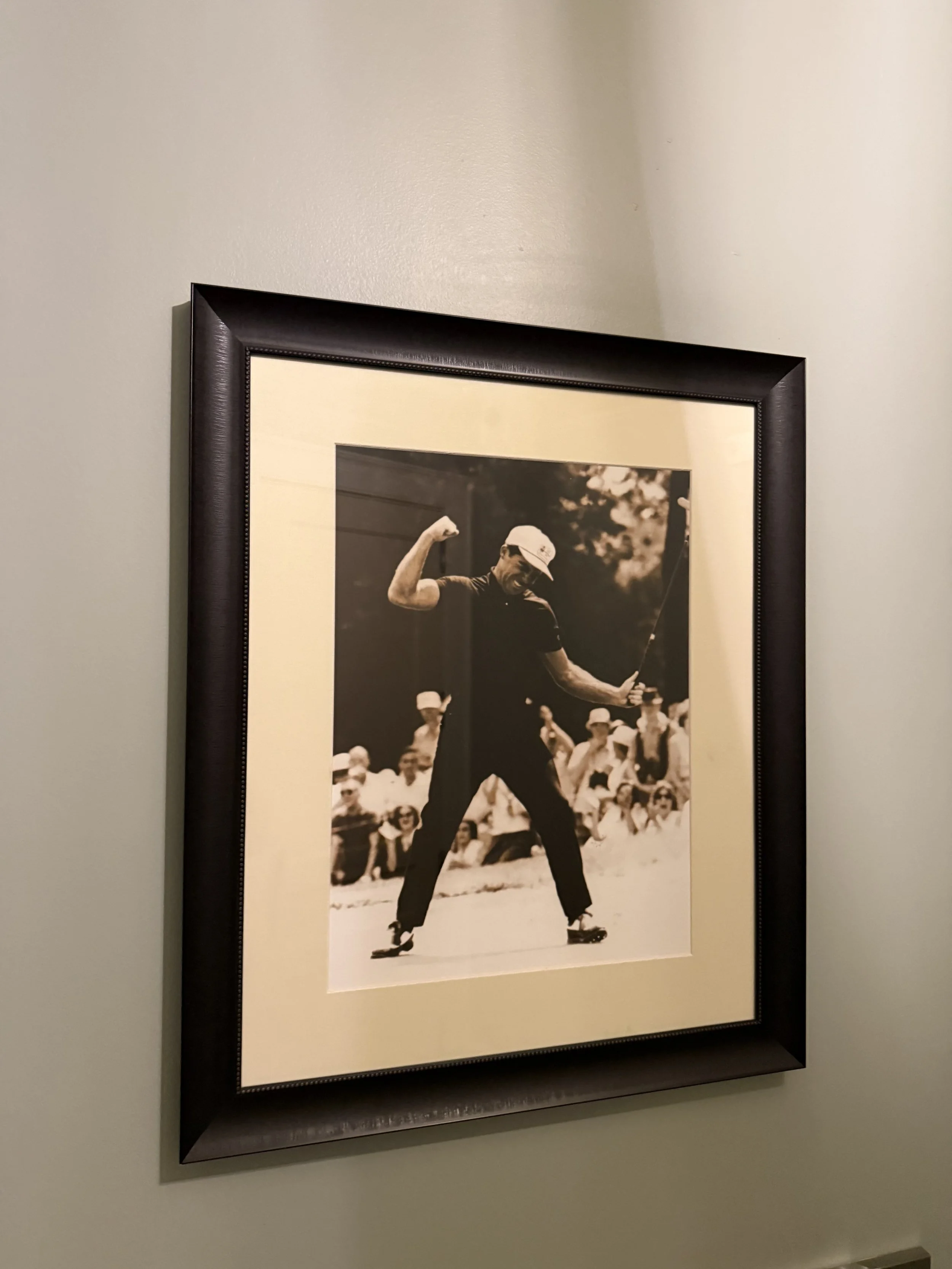
Cougar Point also has a unique place in Kiawah's golf history. Originally known as Marsh Point, the Gary Player design opened in 1976 as the first golf course built on Kiawah Island. It arrived alongside the Kiawah Island Inn and the beginning of resort development on the island.
Player returned twenty years later for a complete renovation, and the course reopened as Cougar Point in 1997. Another major renovation followed in 2016 and 2017, restoring the original green sizes while rebuilding bunkers, tees, bulkheads, and irrigation. Salt tolerant Paspalum was also introduced throughout the course.
Nearly five decades after the original Marsh Point opened, that connection to the Lowcountry landscape is still a major part of the experience. The course moves between maritime forest, ponds, marsh, and the Kiawah River. More than anything, though, I enjoyed the number of different shots and decisions Cougar Point puts in front of you.
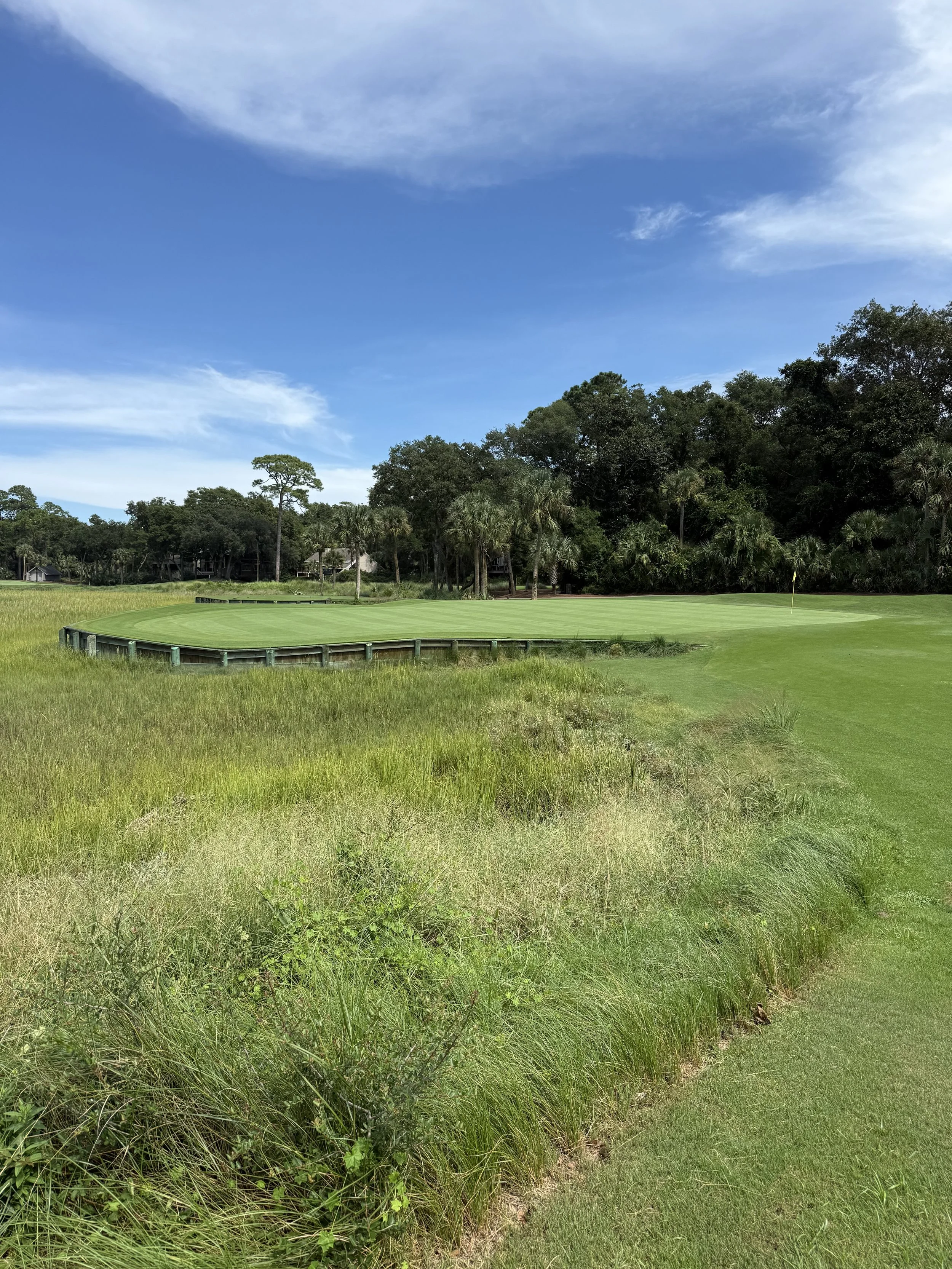
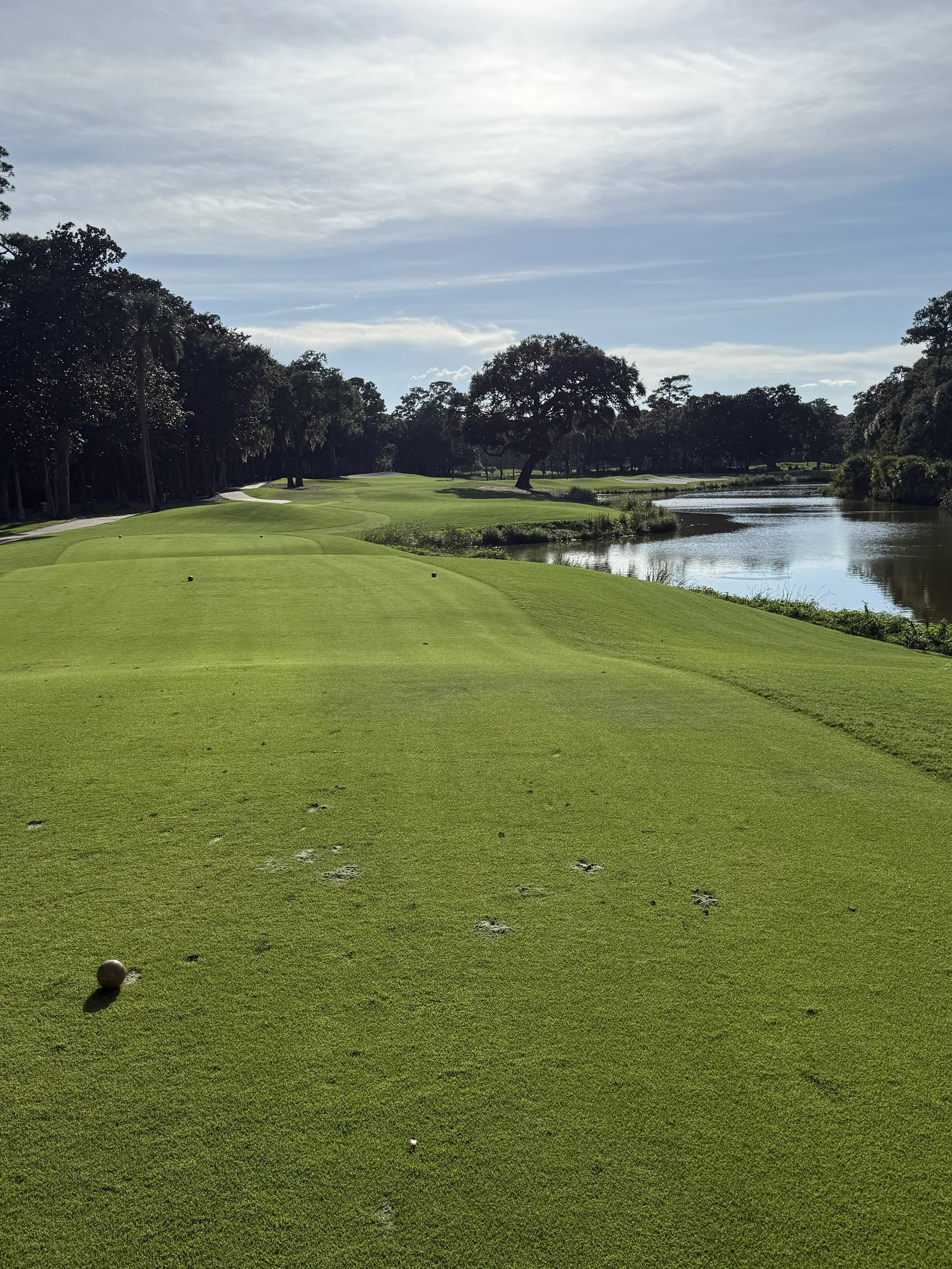
That really starts to show itself around the fifth hole. The par 4 plays parallel to the Kiawah River, with marsh running down the entire left side and continuing toward the green. It is one of the better settings on the course, but it also gives you something to think about from the tee. Positioning matters because the angle you choose ultimately determines what kind of approach you have into a relatively small green.
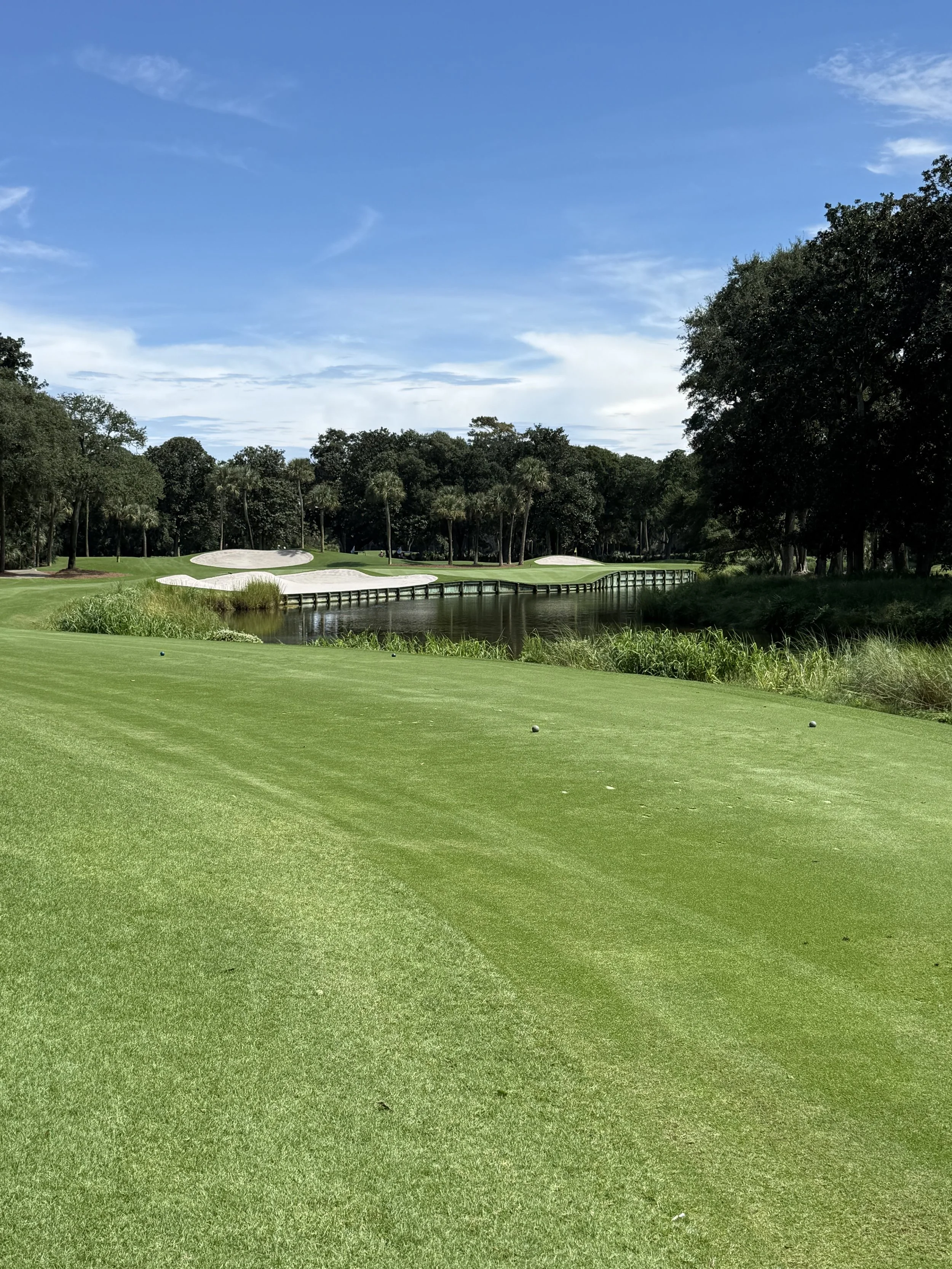
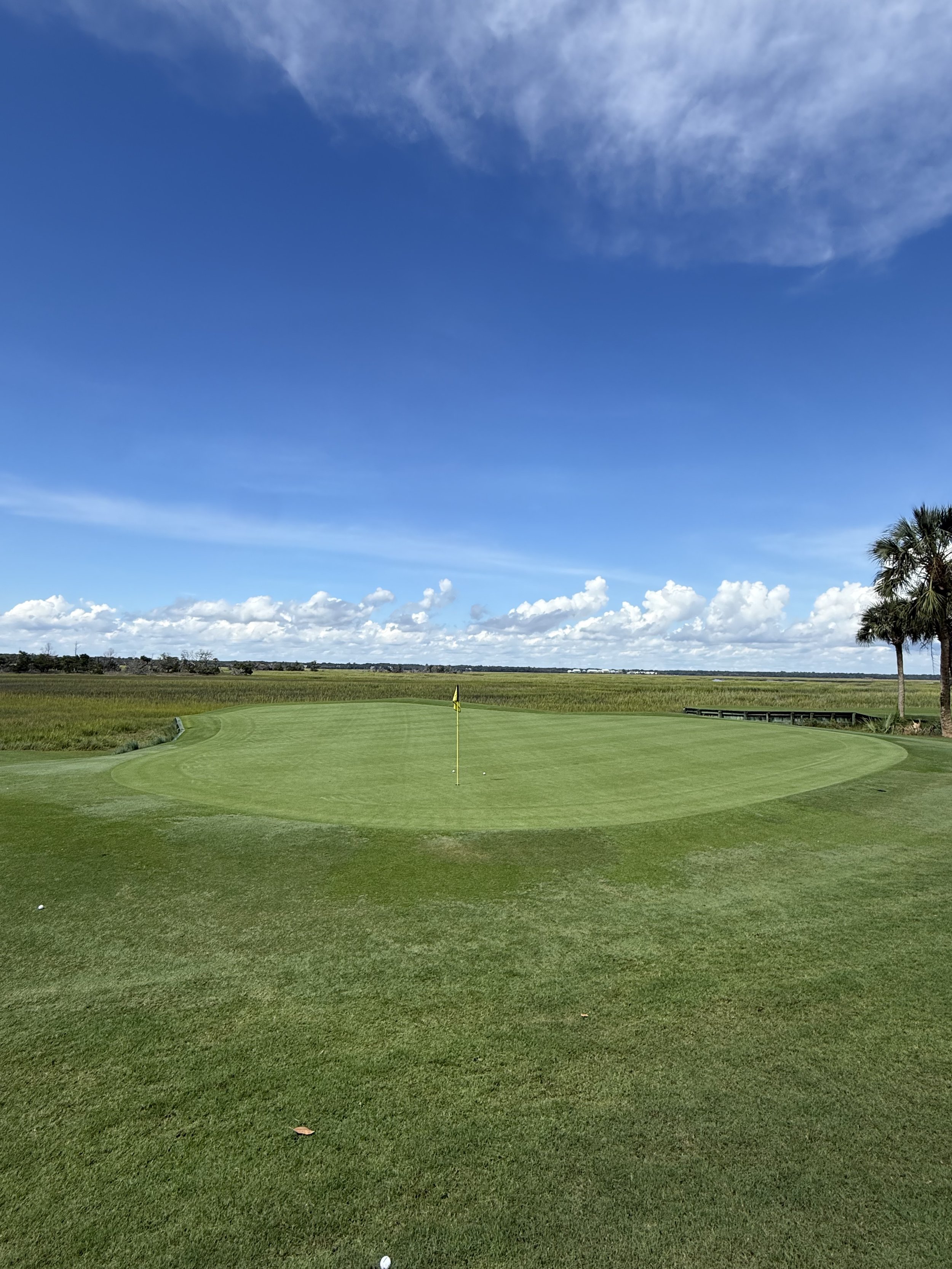
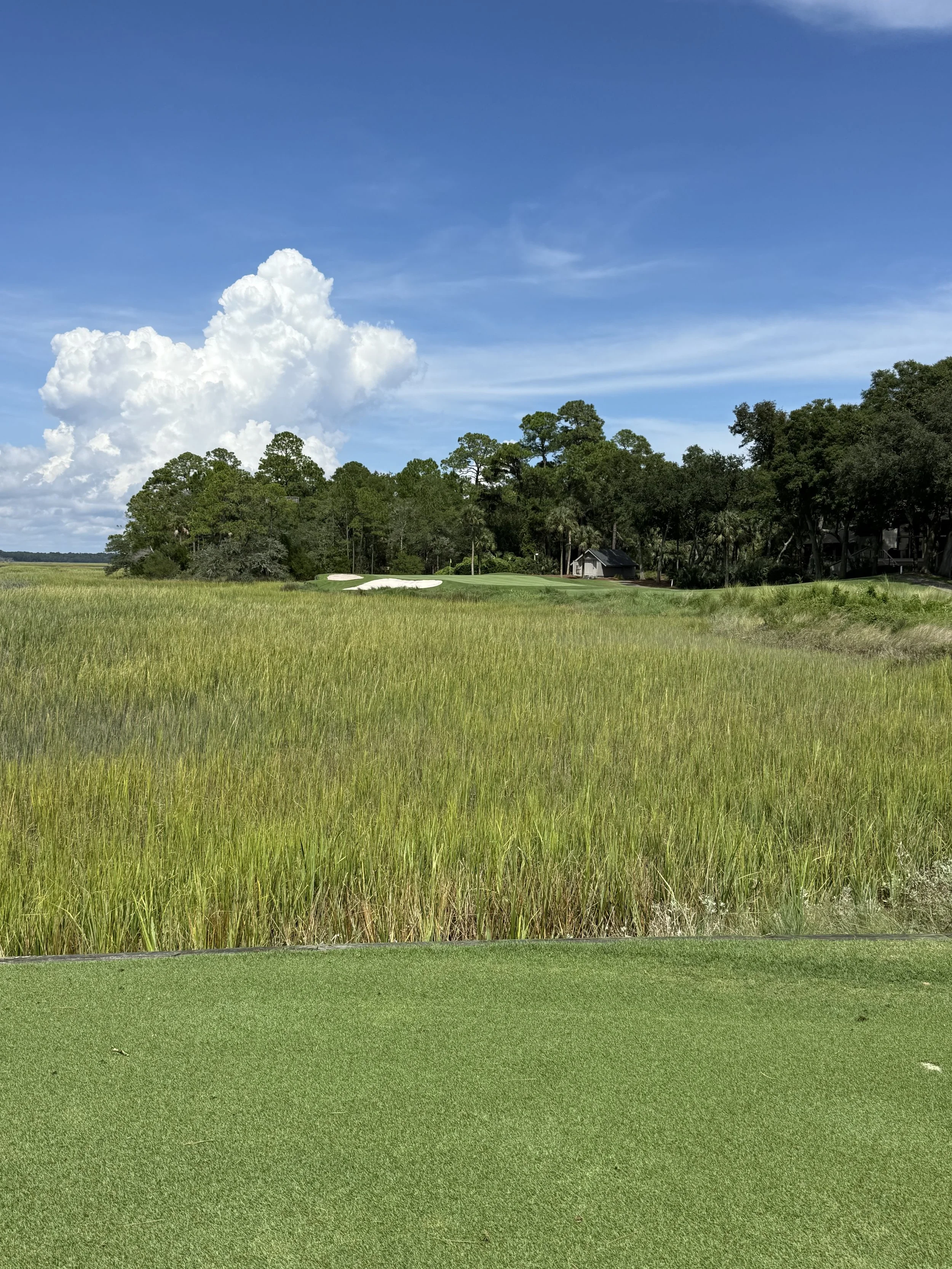
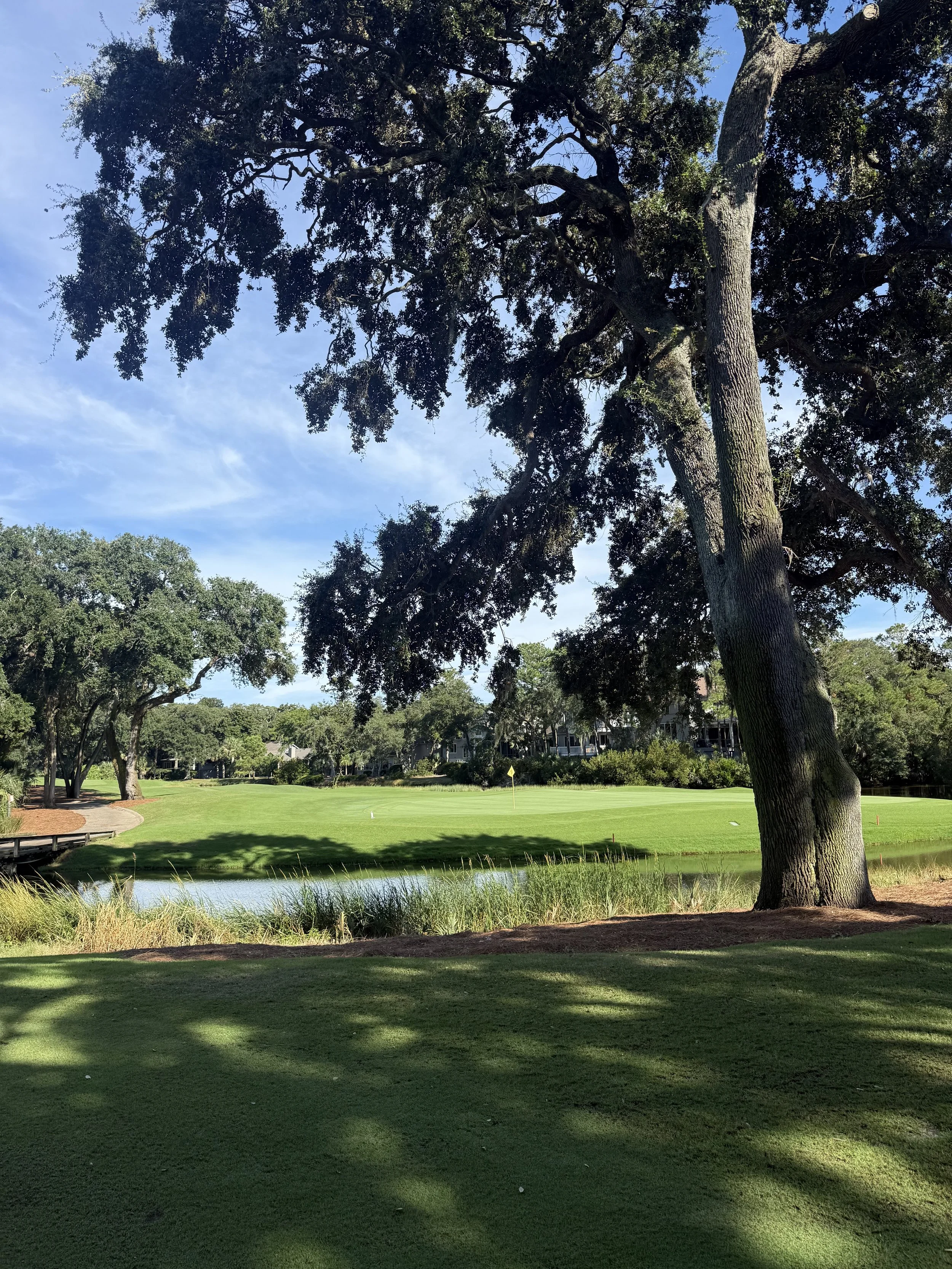
The par 3 sixth keeps you right in the same Lowcountry setting. From the back tees, the tee boxes sit out in the marsh and require a carry over the natural area. The hole actually has more room around the green than it appears to have from the tee, making it one of those shots that is probably more visually intimidating than it really is. With marsh running down the left and behind the green, though, you still have to hit a committed shot.
Those holes were a good introduction to something I noticed throughout the round. Cougar Point gives you options. There are plenty of places where the aggressive shot is available, but Player usually gives you another way to play the hole if you do not think the reward is worth the risk.
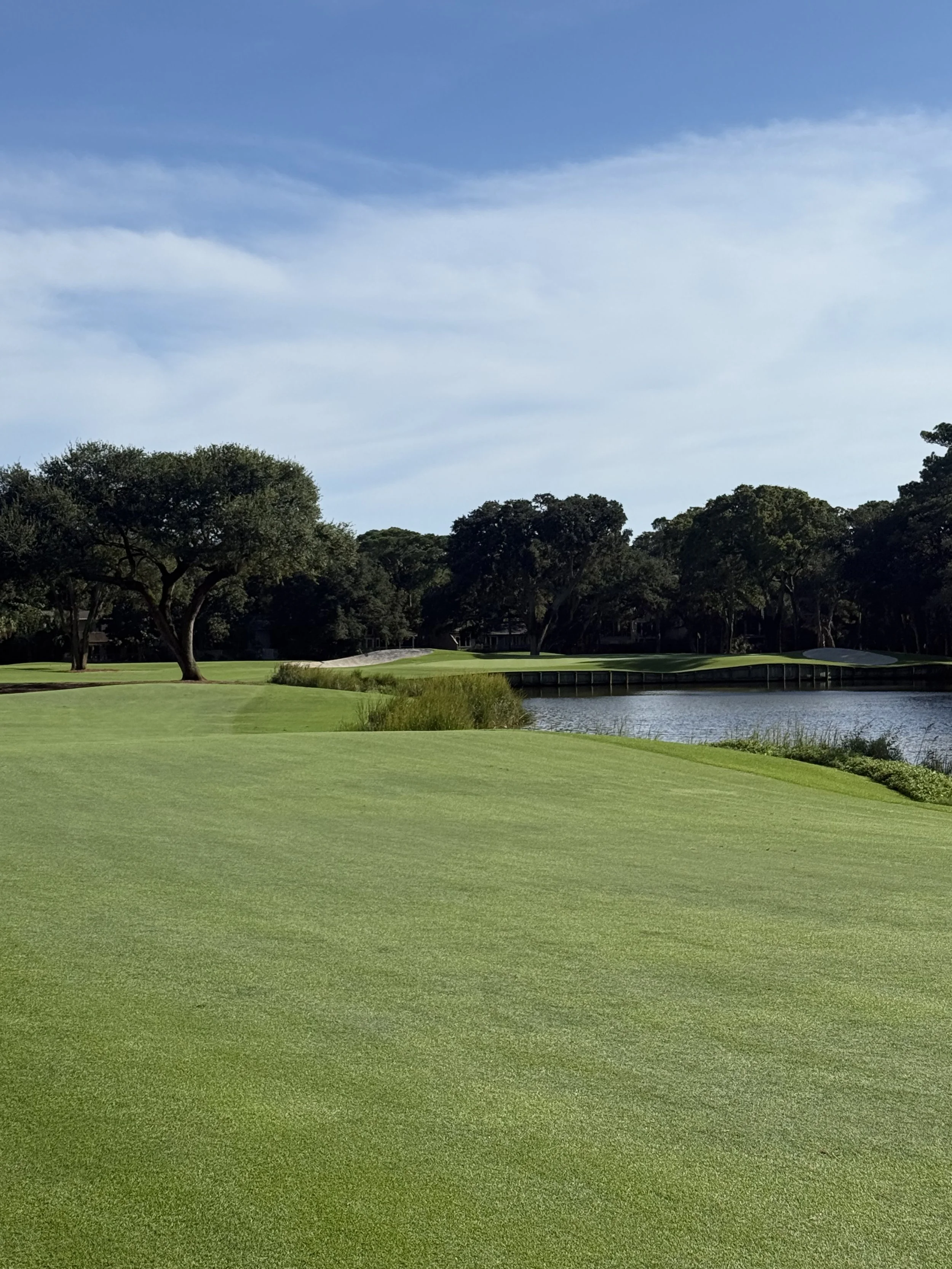
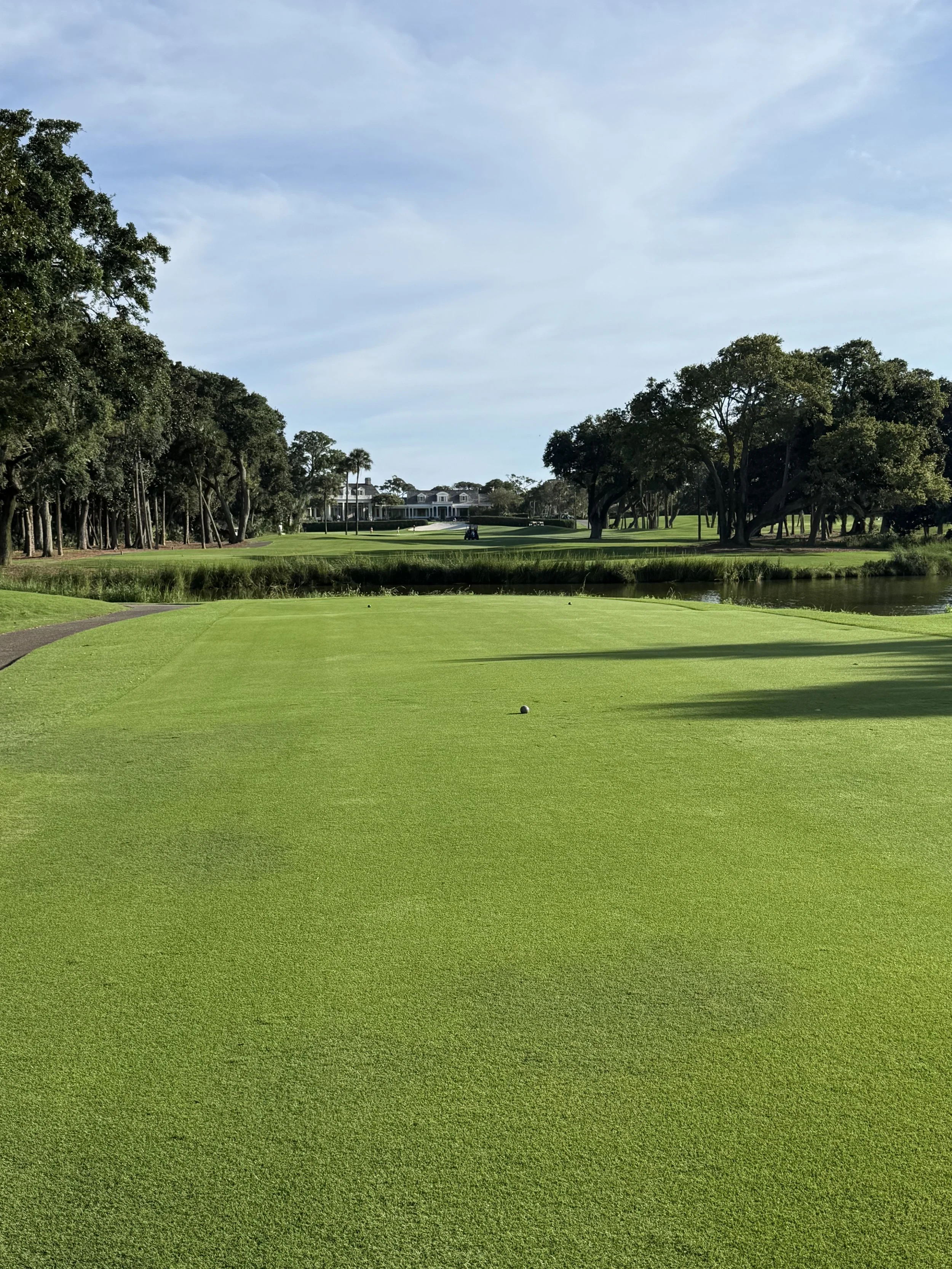
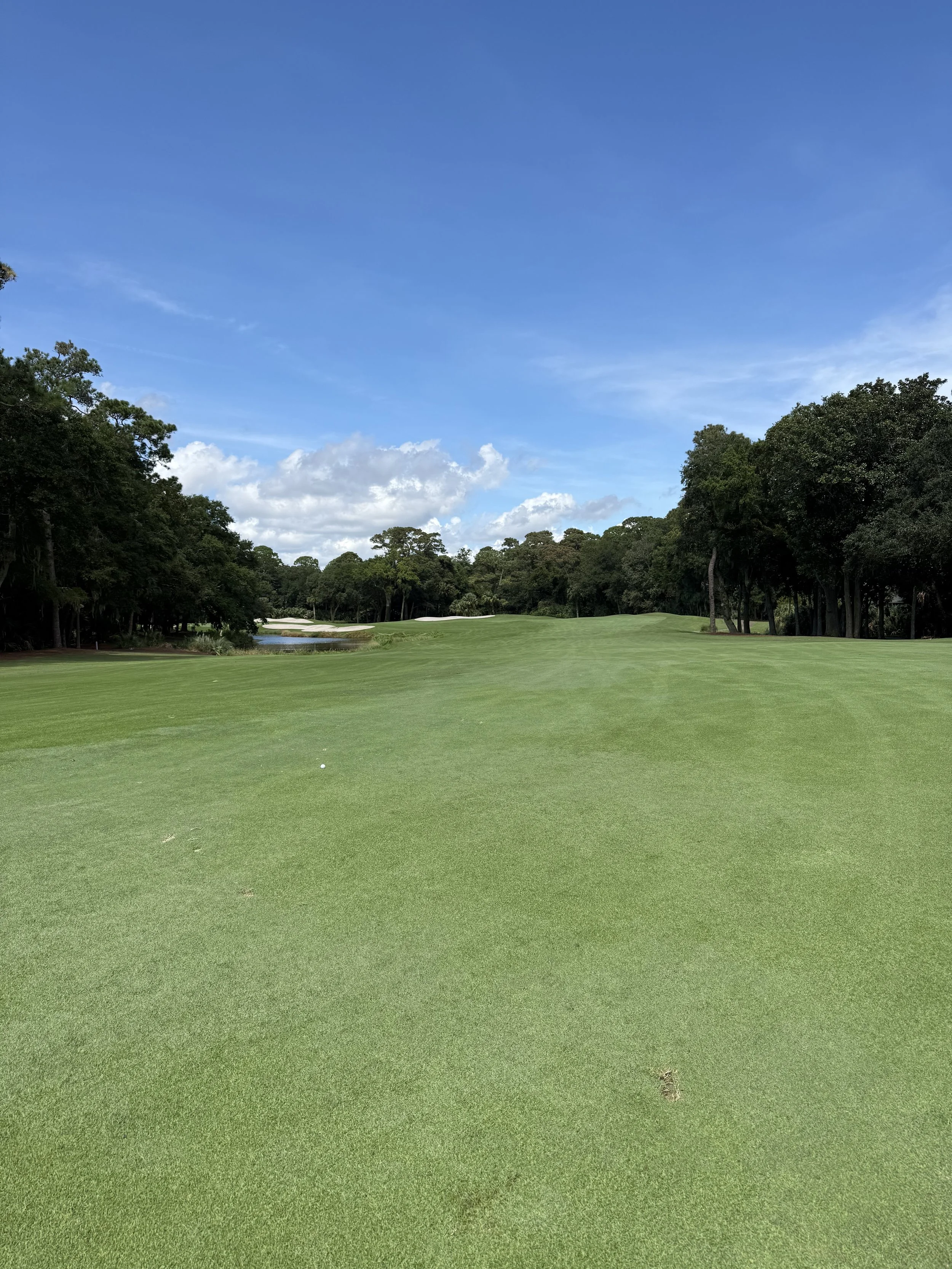
The par 5 15th is a good example. A large pond protects the right side of the hole and green, giving longer players the opportunity to take it on and try to get home in two. But laying up is not necessarily simple either. A large oak and several bunkers complicate the second shot, so you still have to decide exactly where you want to leave yourself for the approach. I like par 5s where laying up requires some thought instead of simply hitting an iron to the widest section of fairway, and 15 does that well.
That same theme showed up again at No. 17, which was one of my favorite holes of the day.
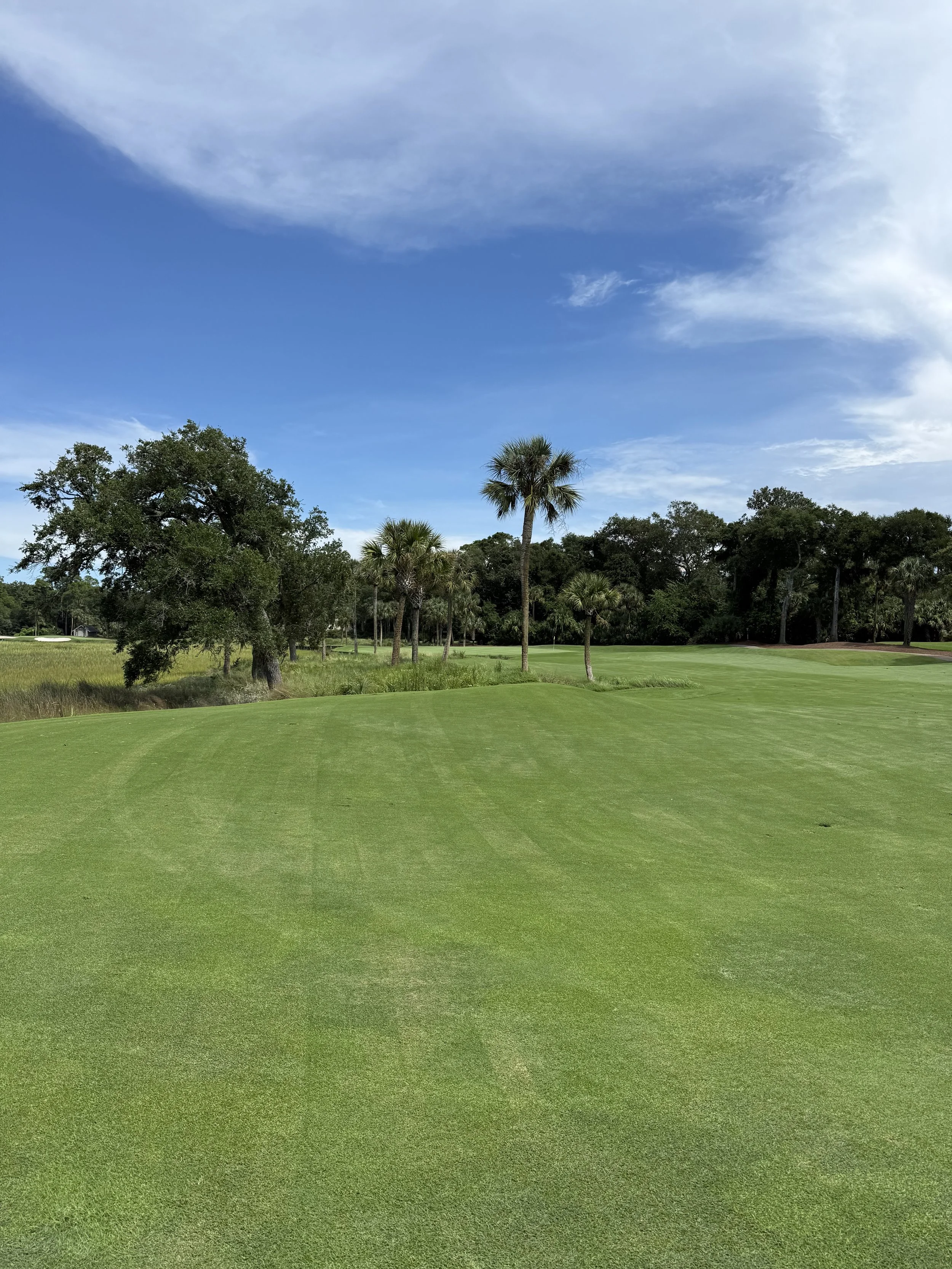
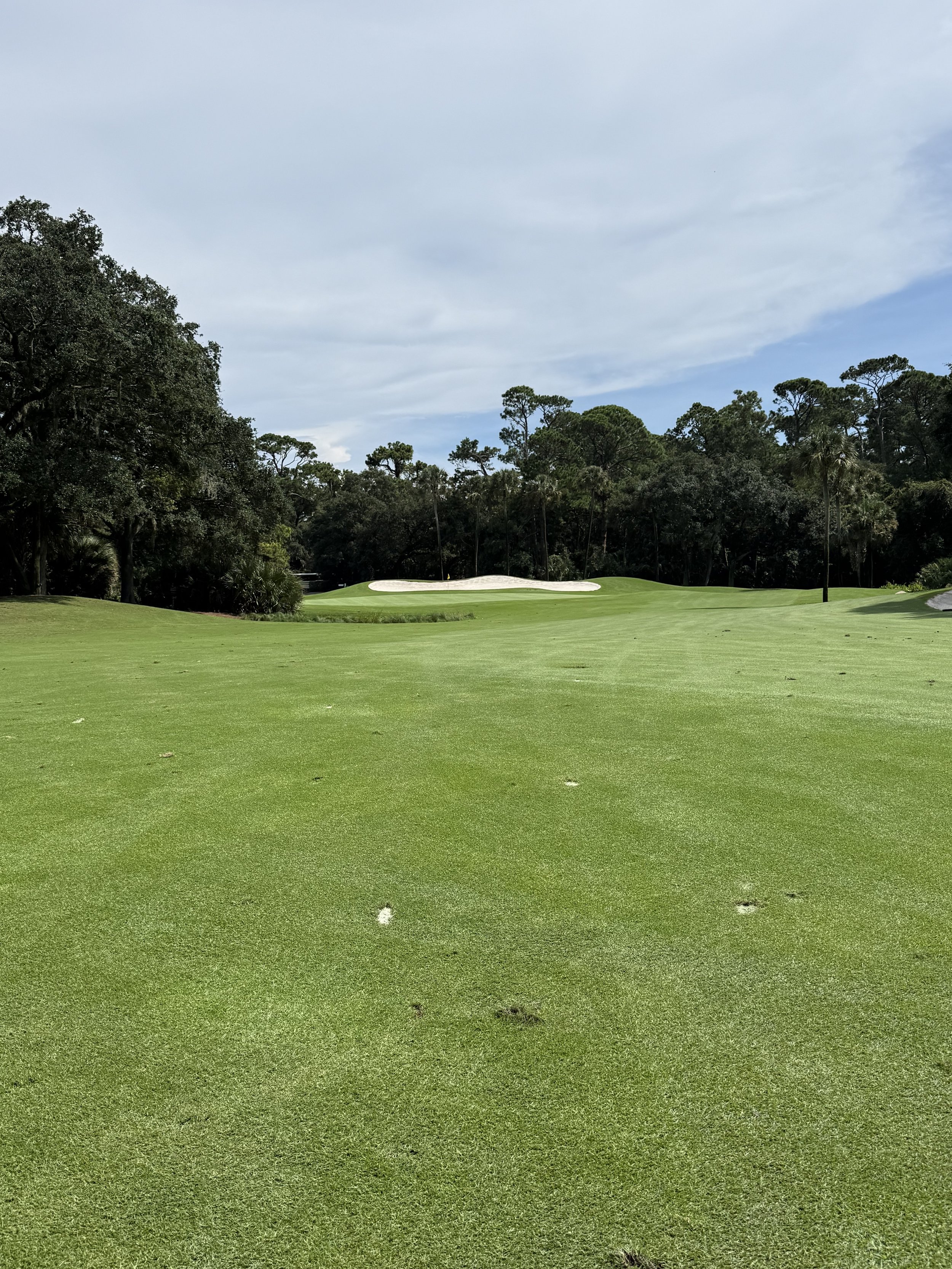
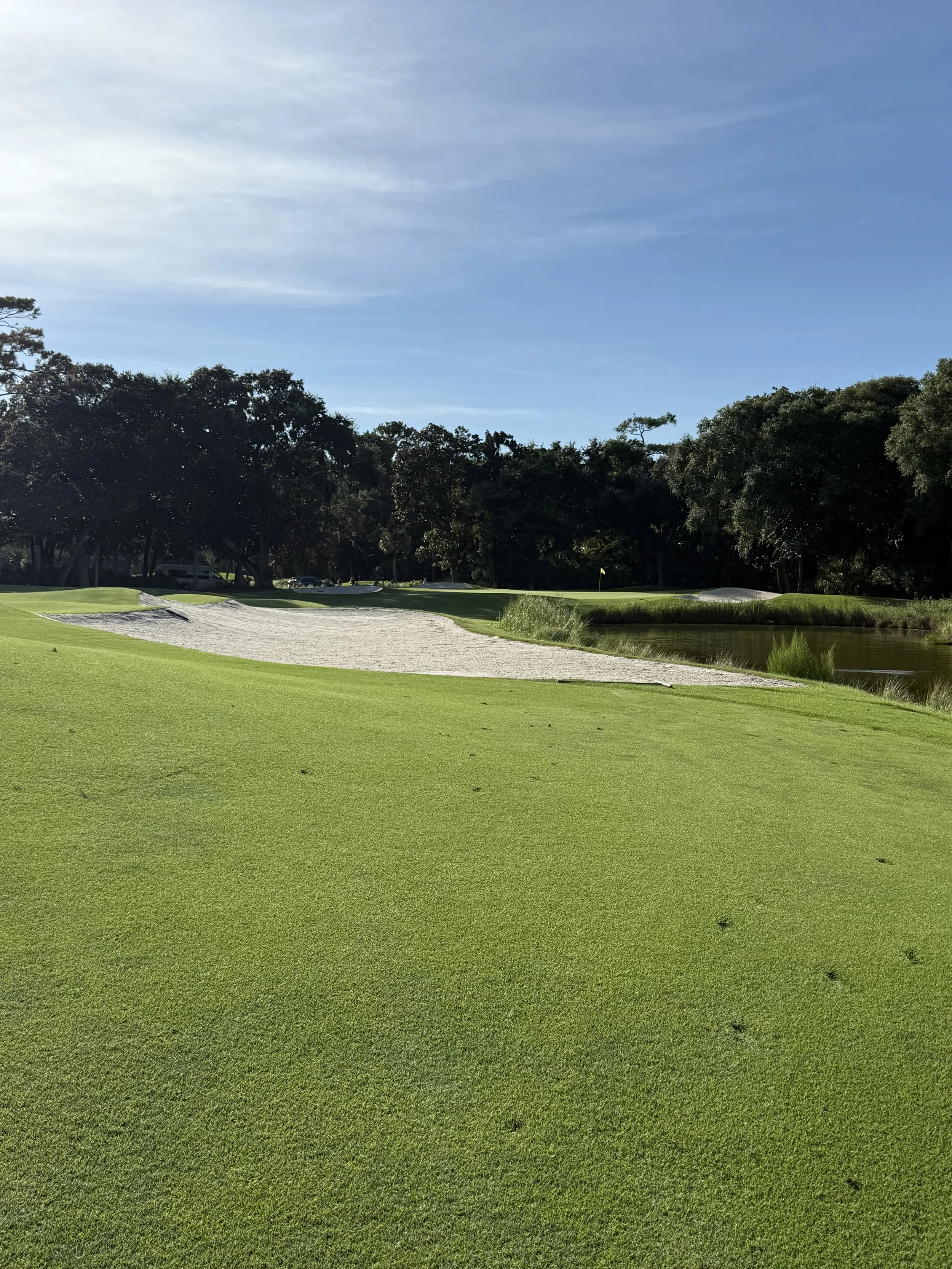
It is a relatively short par 4, but the large oak immediately makes you think about how you want to play it. Water runs down the right side, with another pond waiting long and left, and there are several different ways to attack the hole. You can take on the water and bunkers to leave yourself a very short approach, but standing on the tee, I did not think the reward for being that aggressive was obvious enough. Instead, I decided to fade a 3 wood off the left center bunker. It came off exactly how I pictured it and left me in perfect position into the green. That was probably my favorite individual shot of the round, but I also thought it summed up Cougar Point pretty well. The course gives you enough room to make your own decision. The aggressive option is there, but it does not always mean it is the right one.
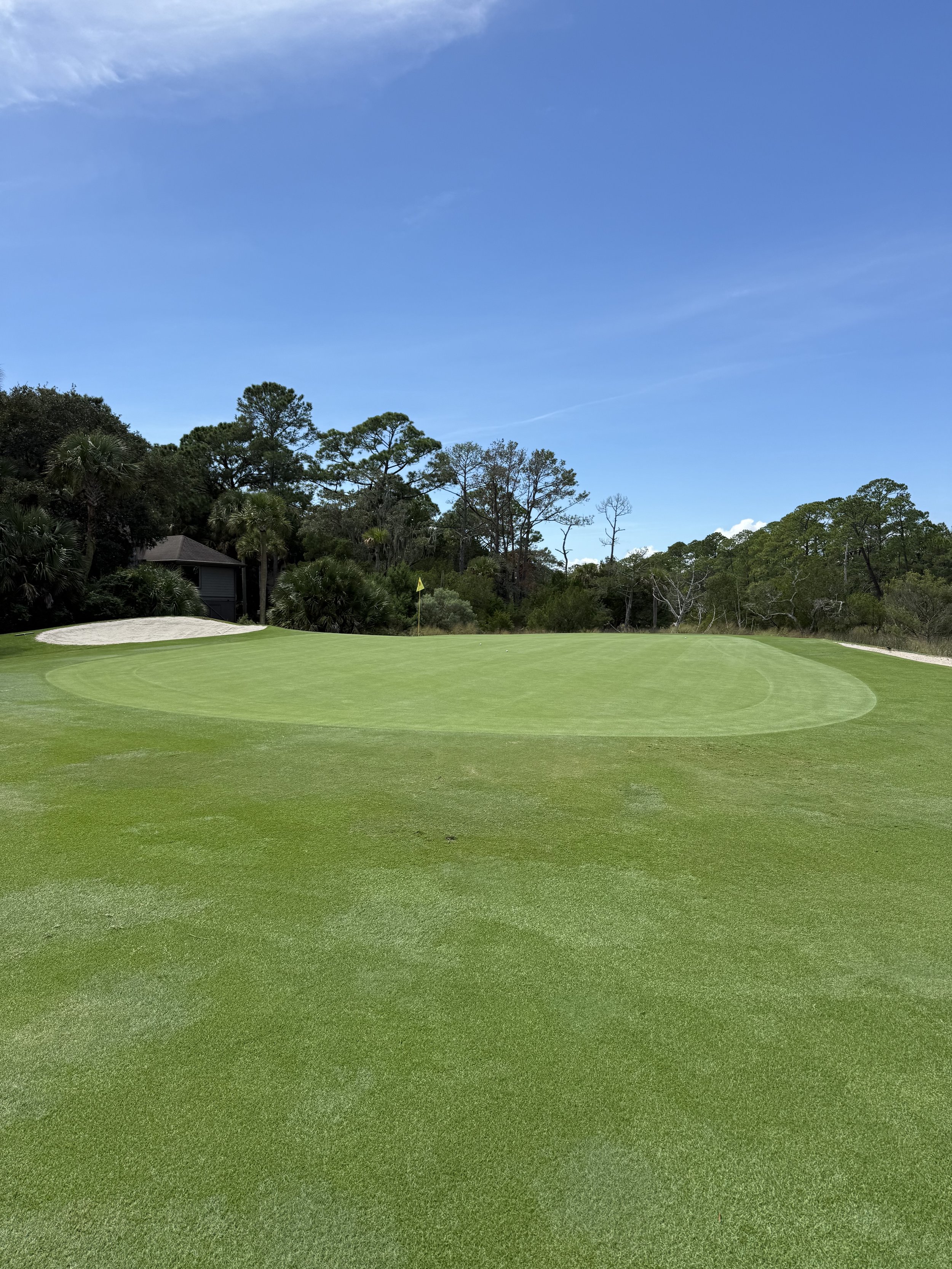
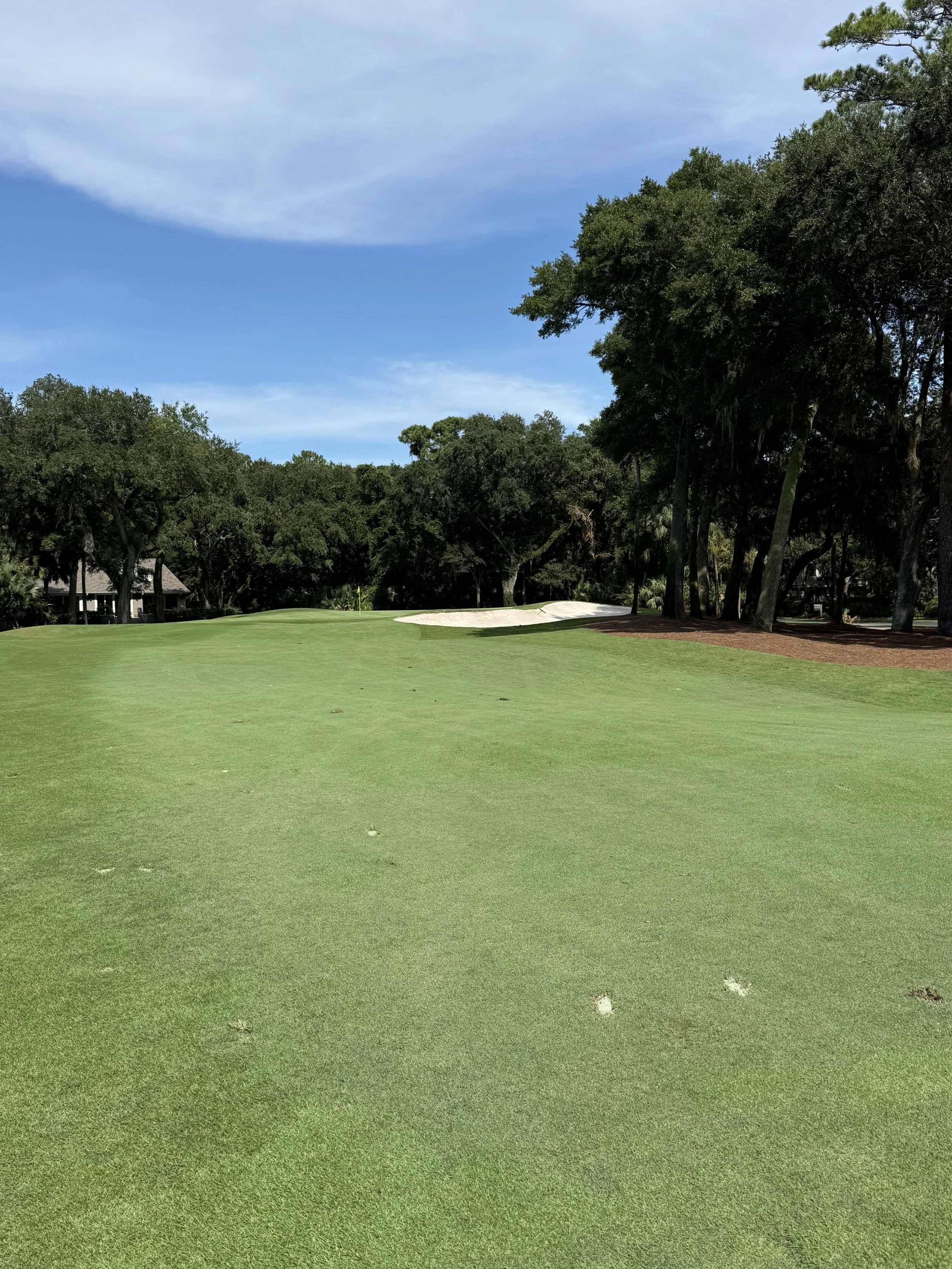
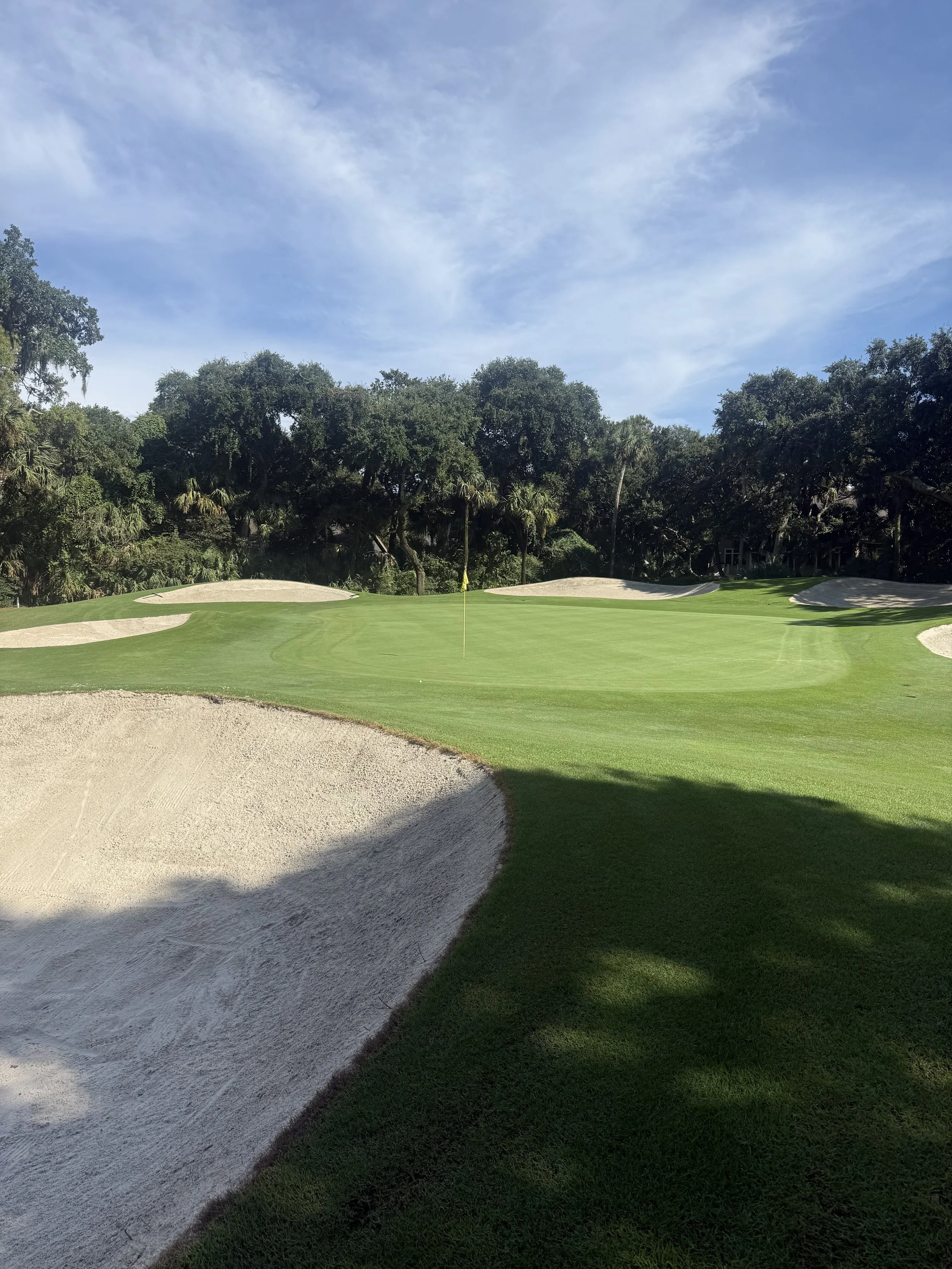
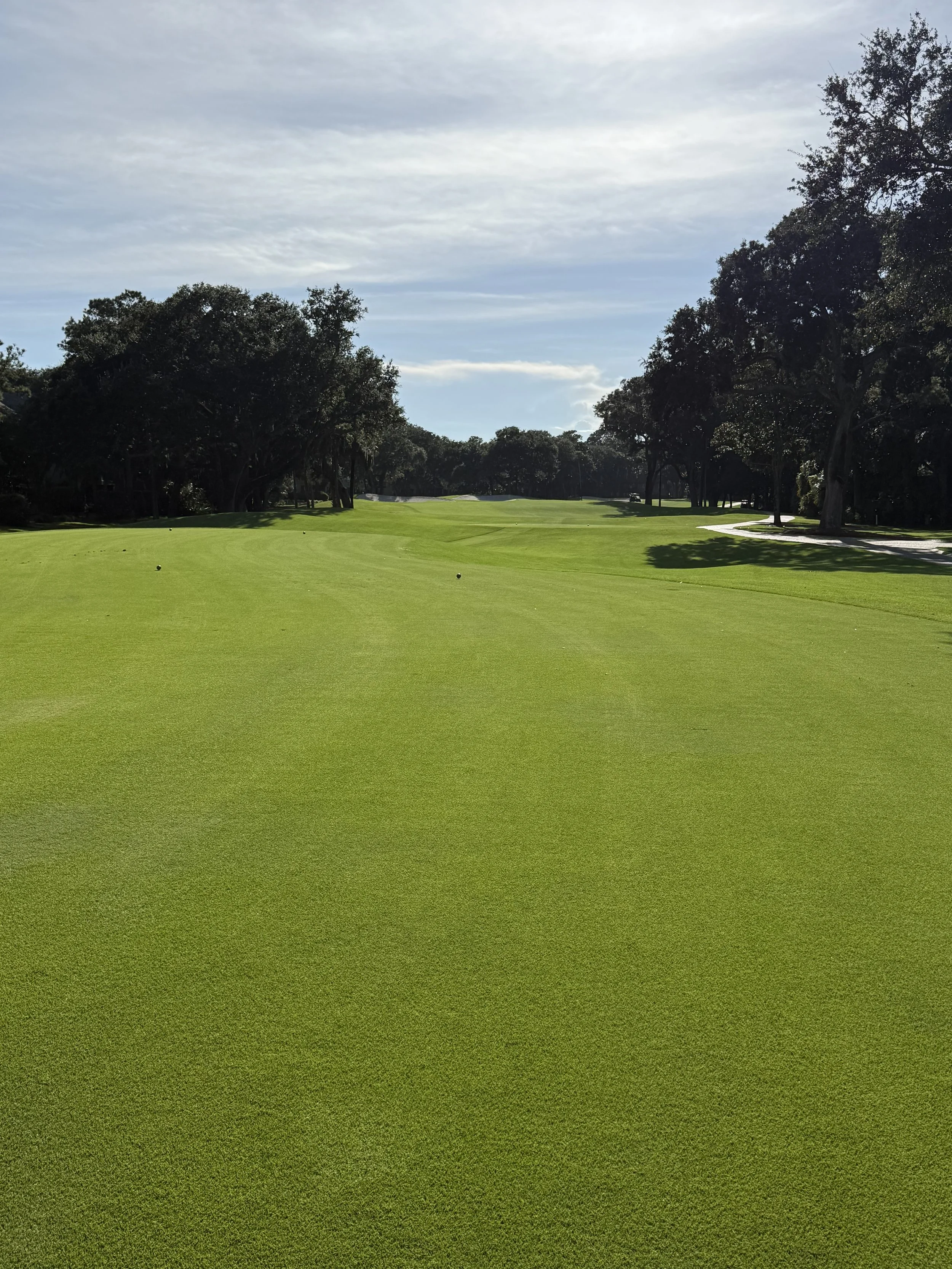
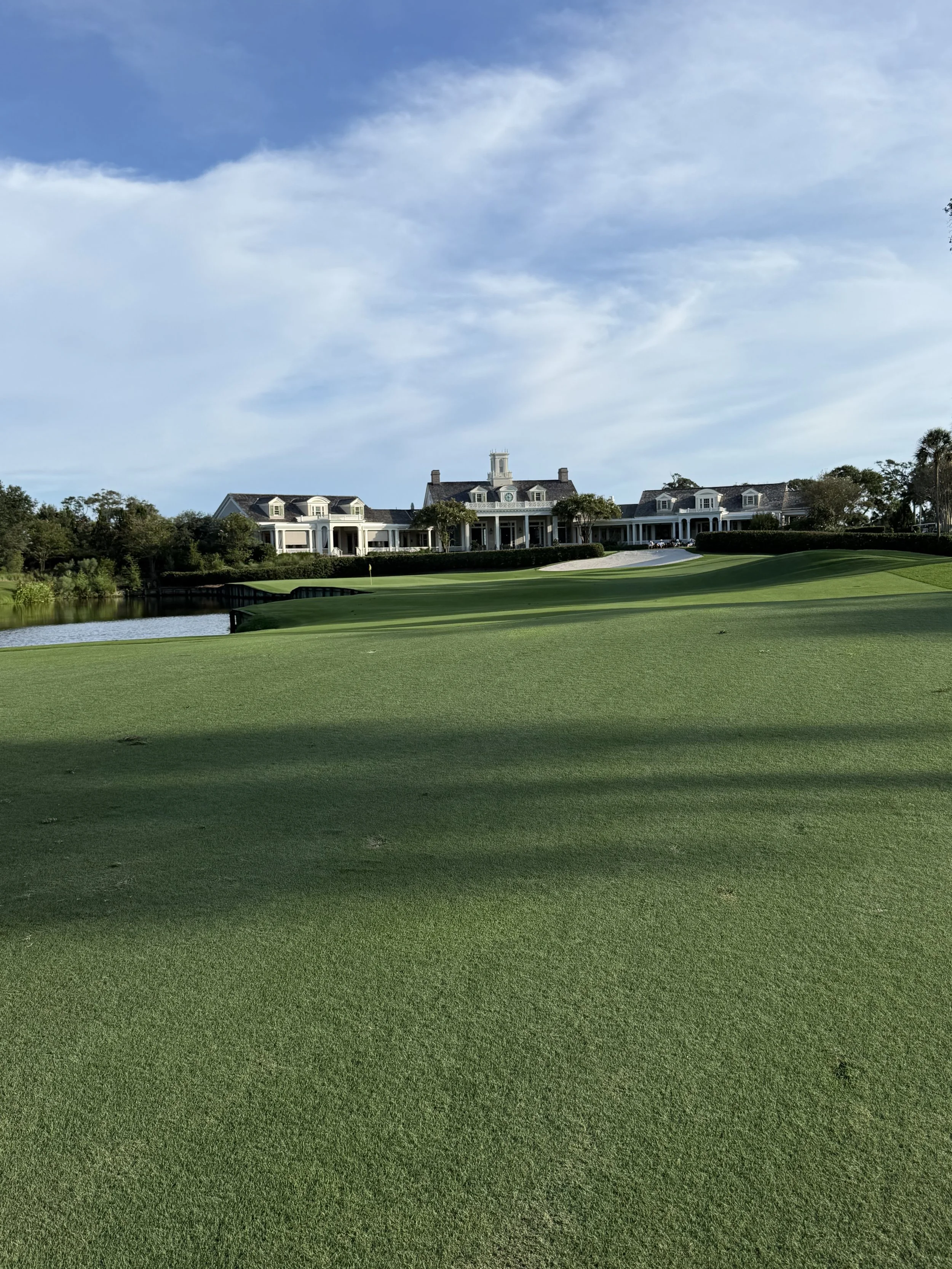
After the options presented at 17, the 18th is a much more demanding finish. The long par 4 requires a good drive to set up an approach to one of the more interesting greens on the course. Water guards the left side, a bunker protects the right, and the shape and contour of the green can make the approach even more difficult depending on the hole location. It is a strong finishing hole that asks for two good shots before you can finally relax.
Walking off 18, my biggest takeaway was how different Cougar Point felt from the first two courses I had checked off the list. The Ocean Course has the scale, exposure, and wind that come with sitting directly against the Atlantic. Osprey Point feels more tucked into the maritime forest, with mature trees, lagoons, and marsh shaping the round. Cougar Point gave me something different again. There were a lot of holes where I found myself considering two or three different ways to play a shot, and I really enjoyed that aspect of the design.
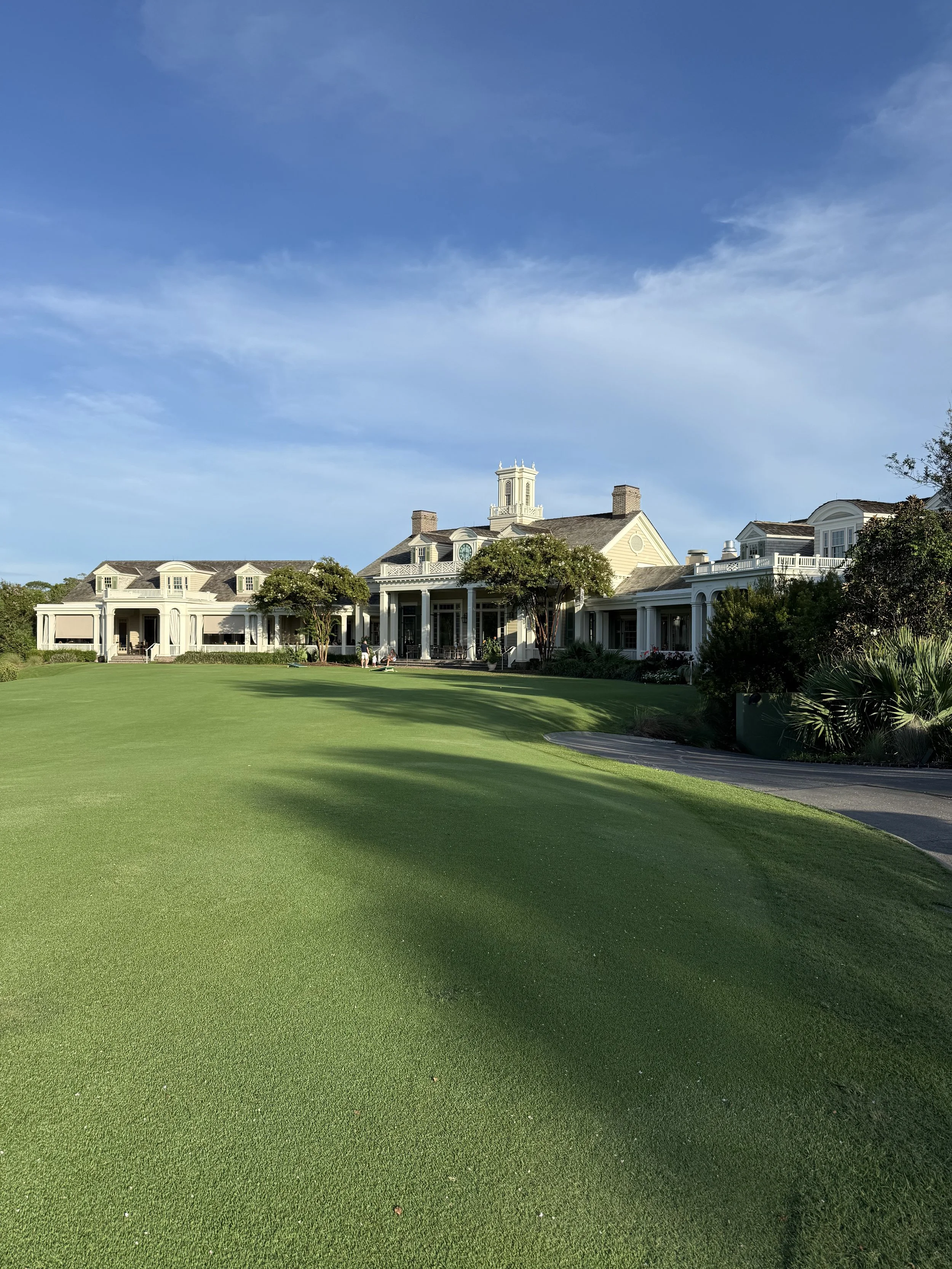
It was a beautiful afternoon on Kiawah, the course was in excellent condition, and getting paired with three guys on a buddies trip made for a fun round as a single. Cougar Point became the third course checked off my list, which leaves Oak Point and Turtle Point on the list.