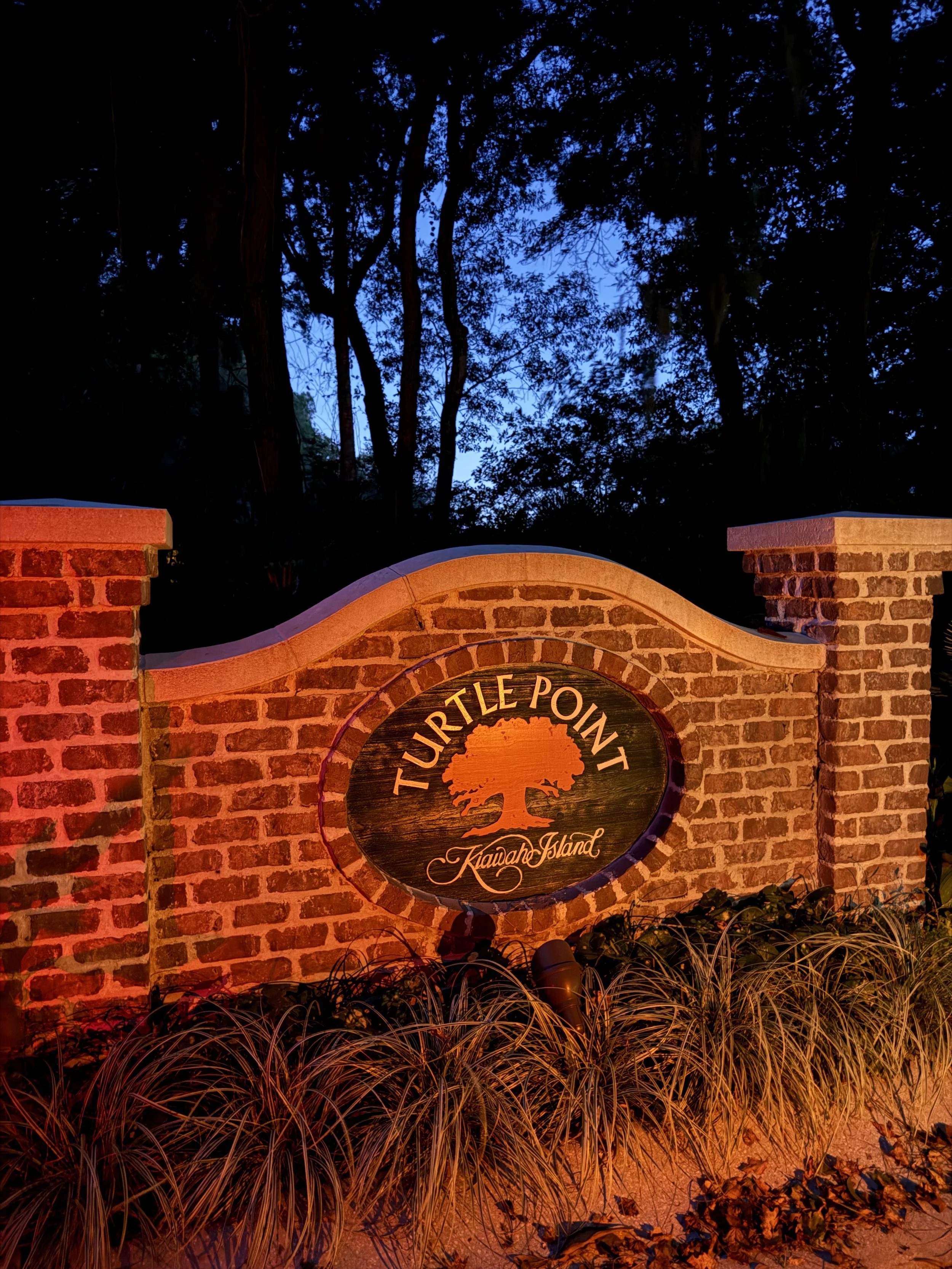
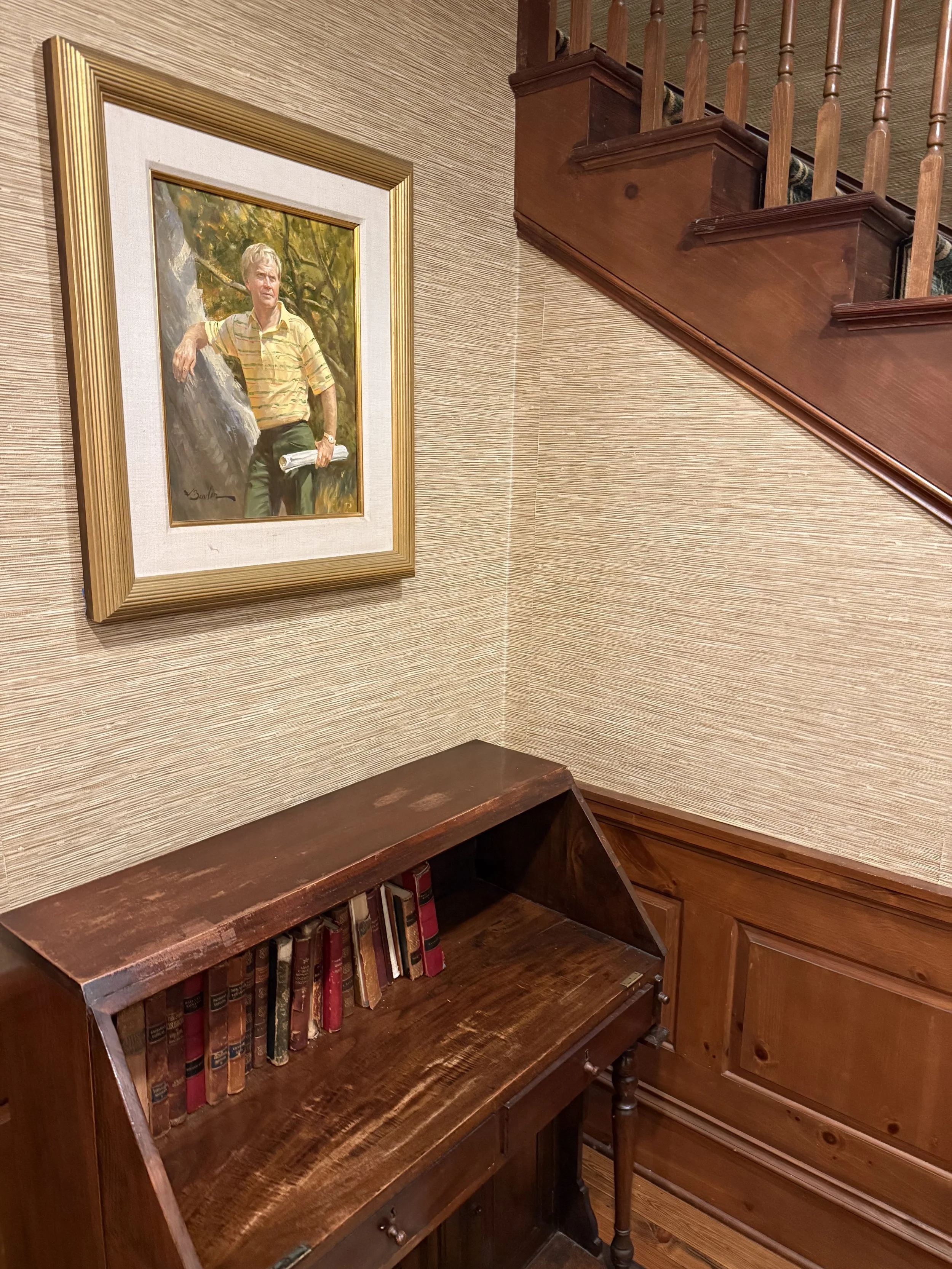
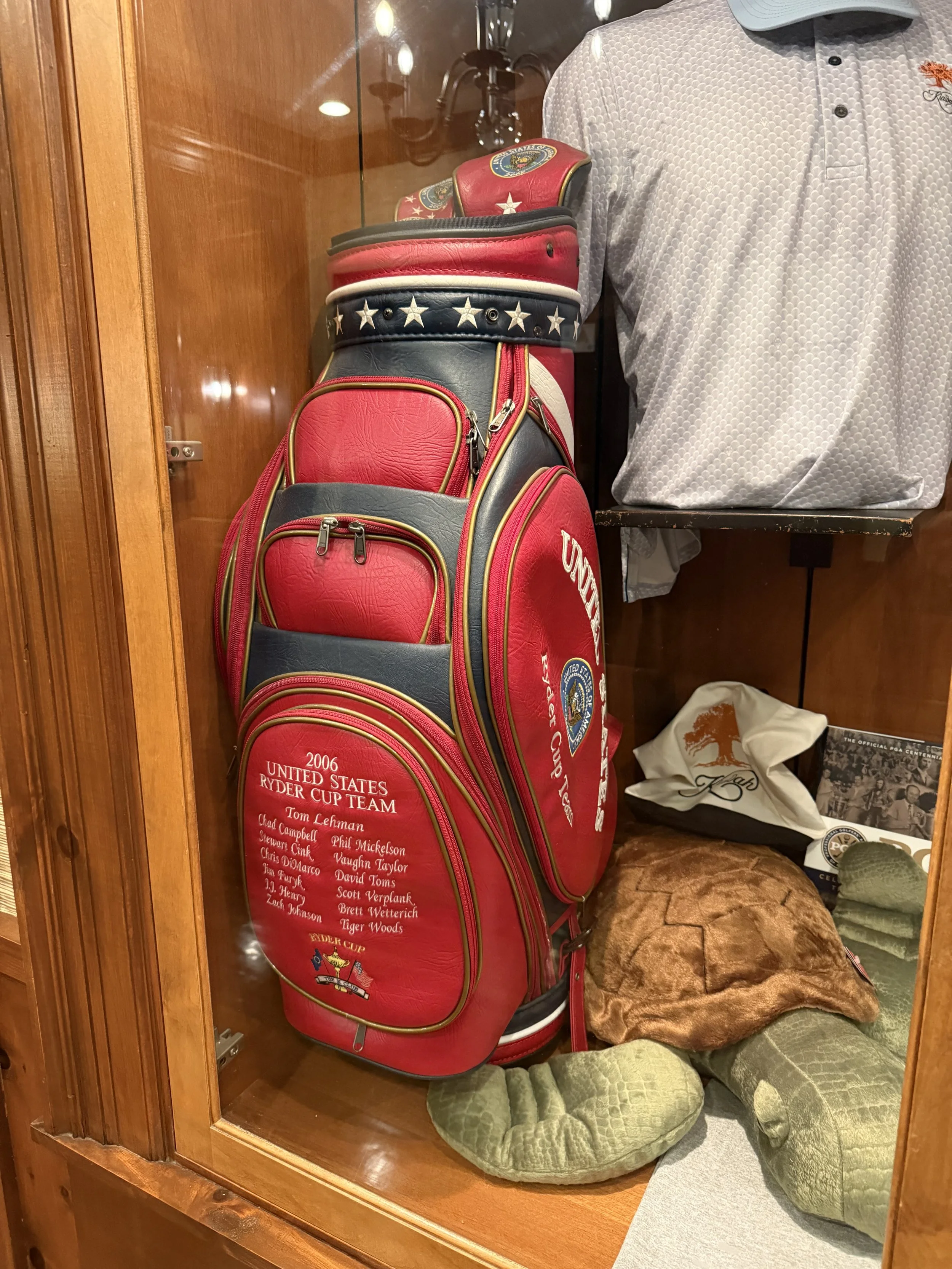
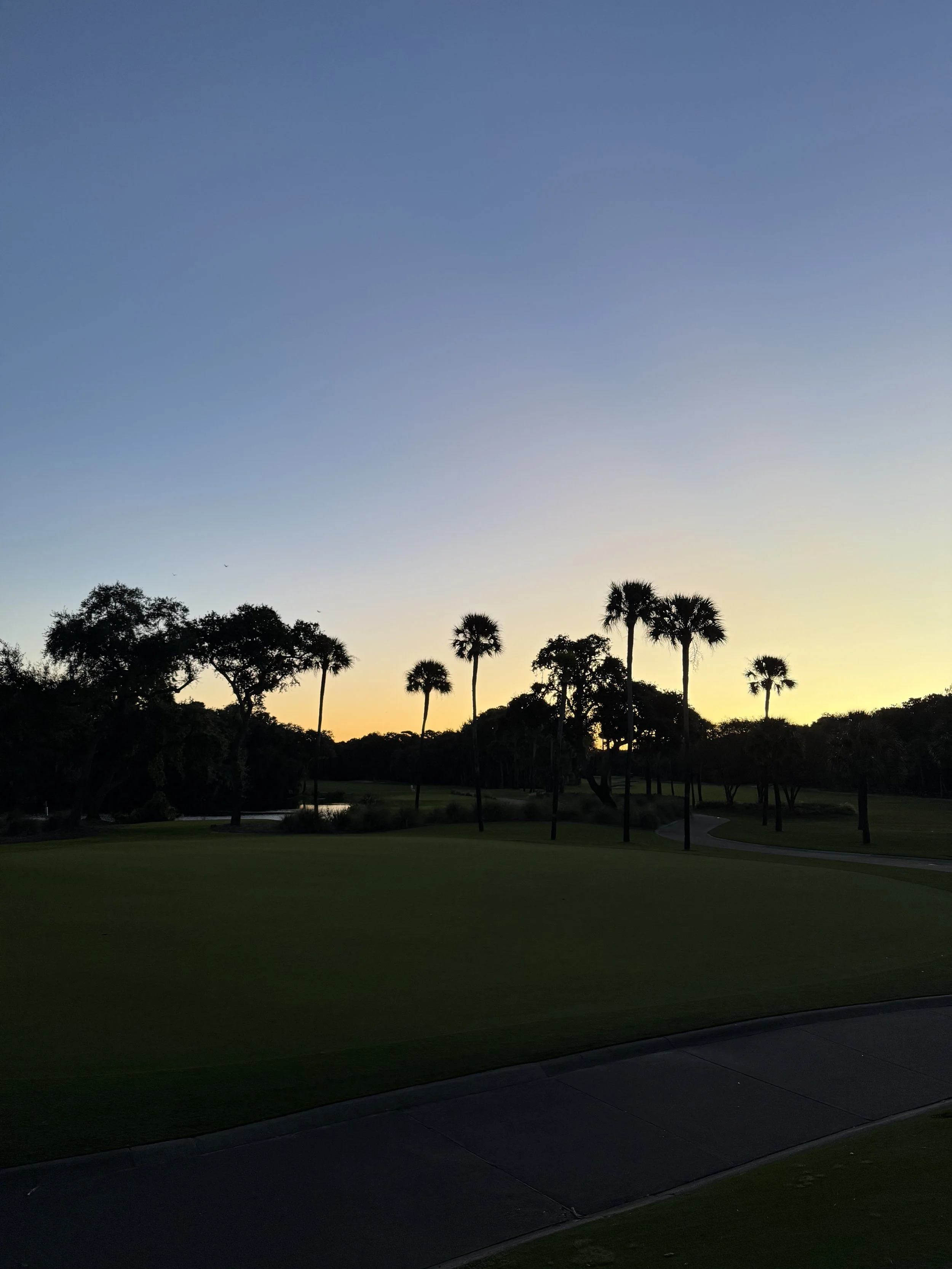
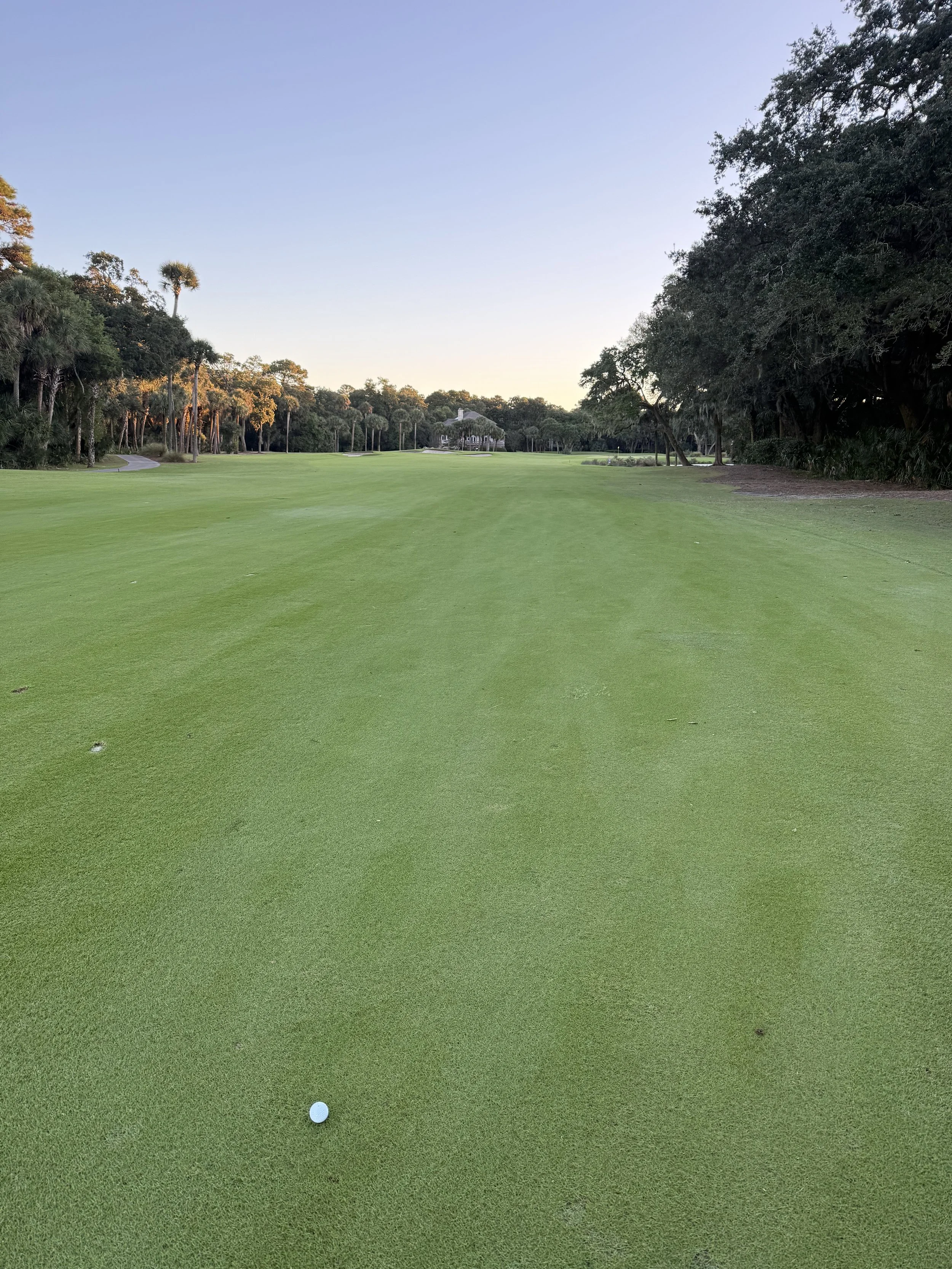
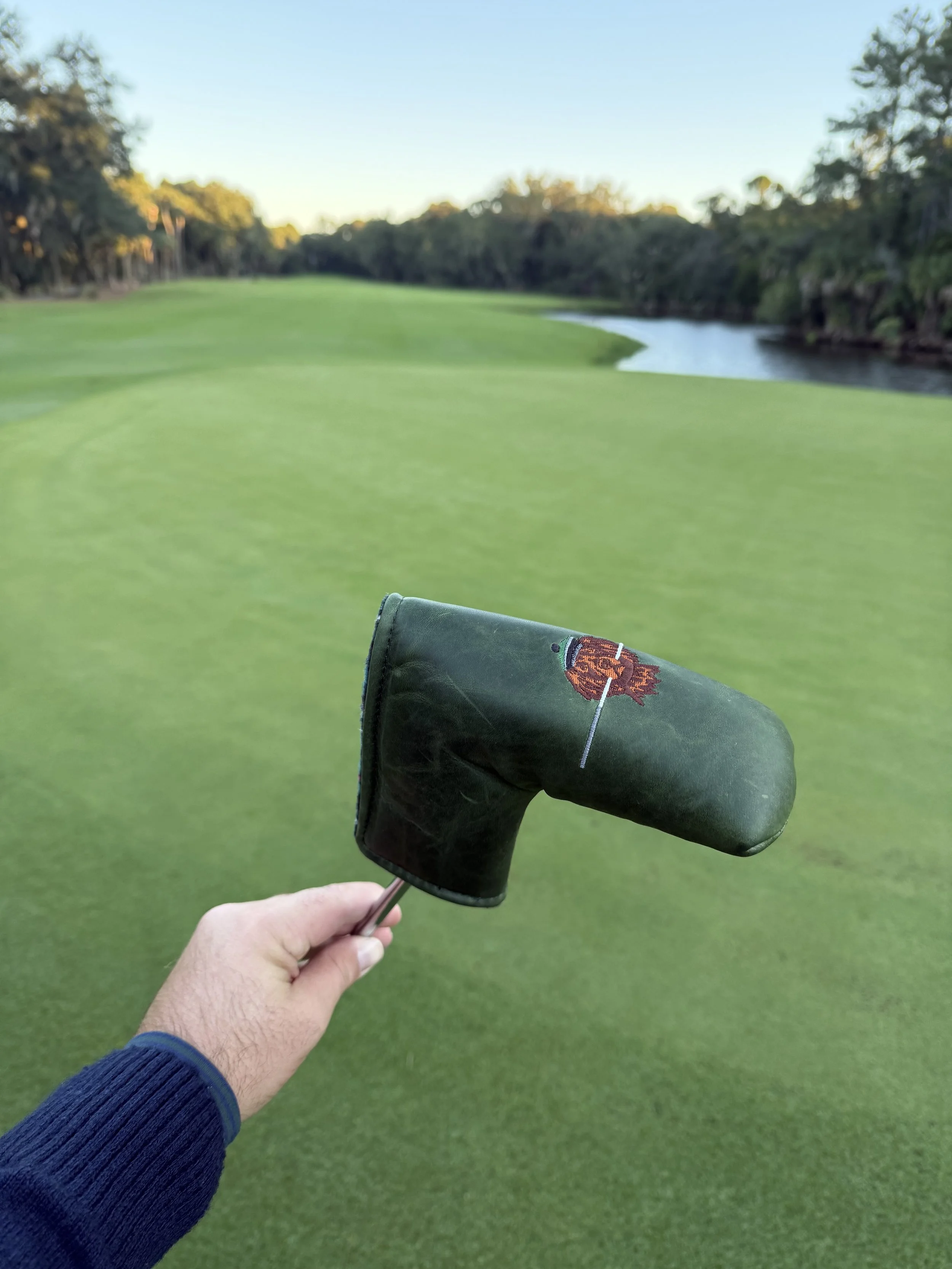
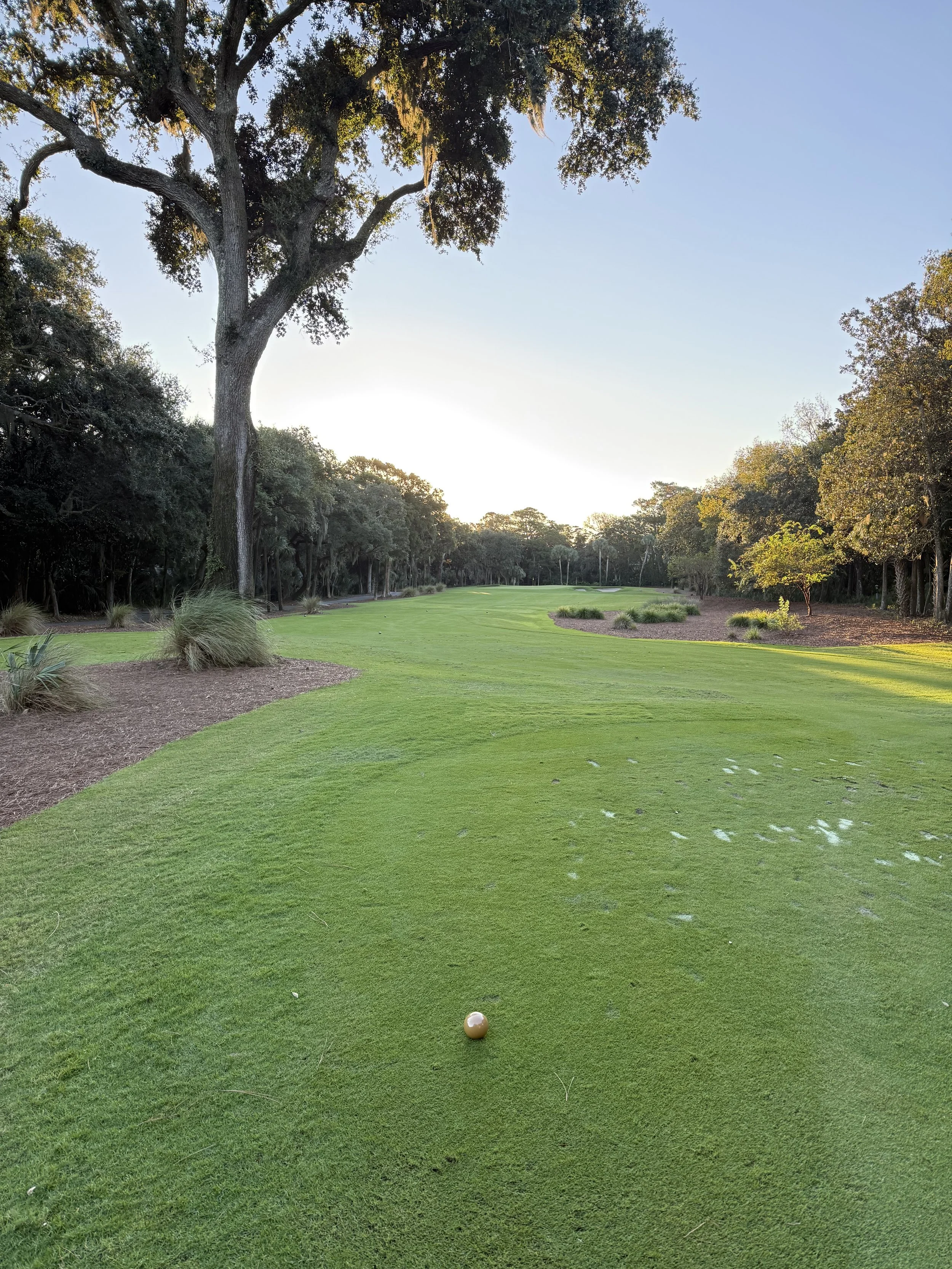
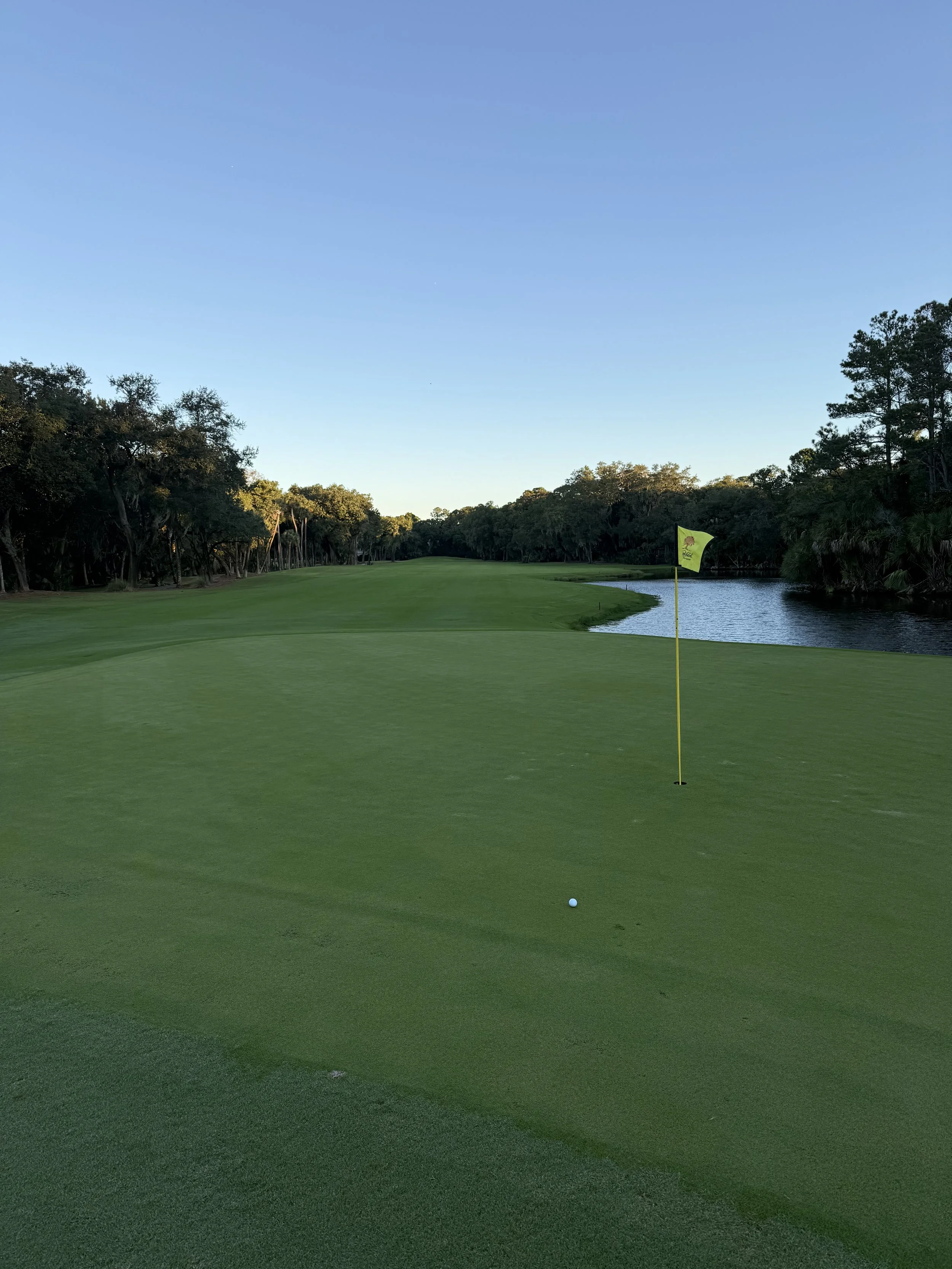
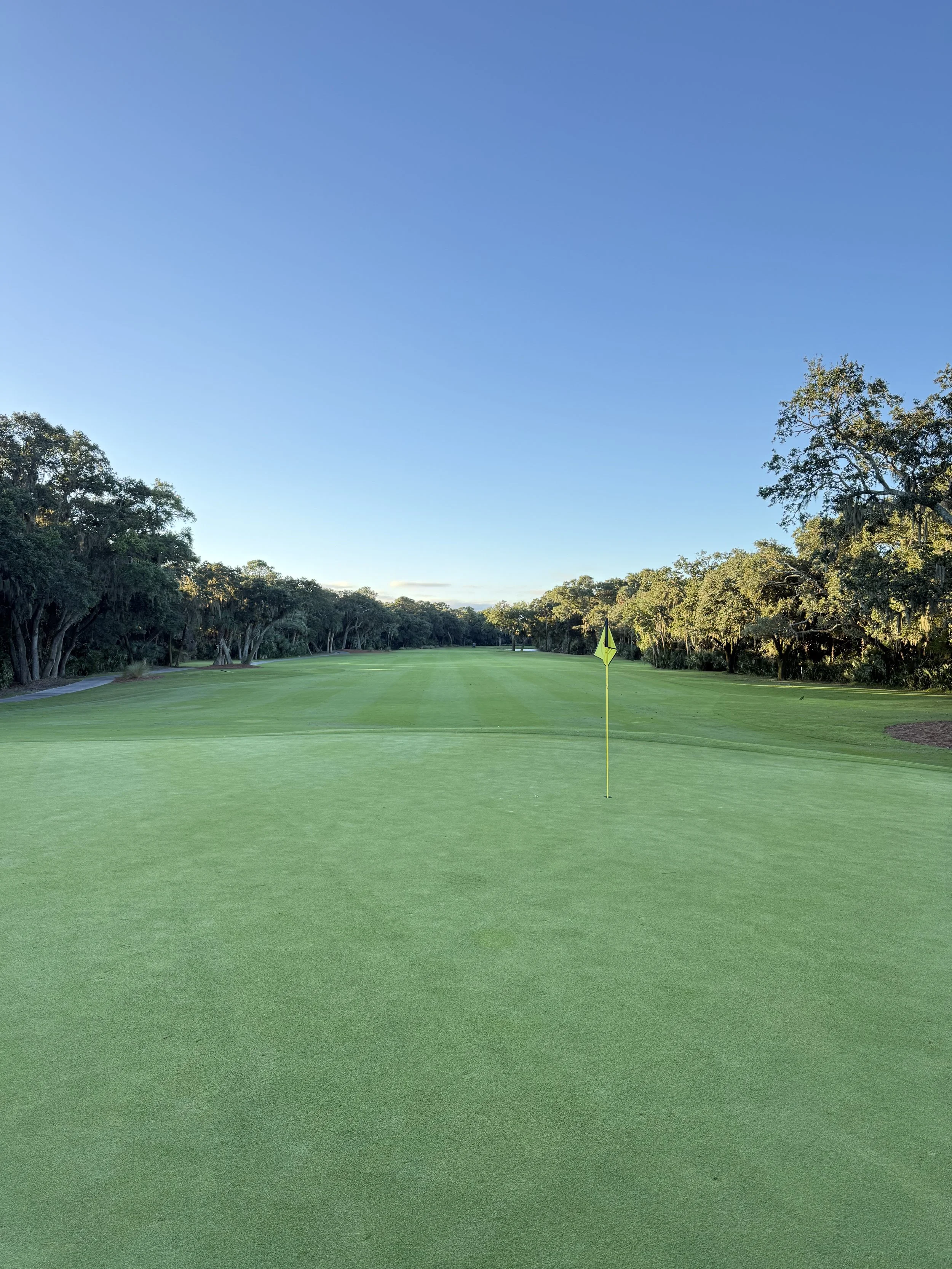
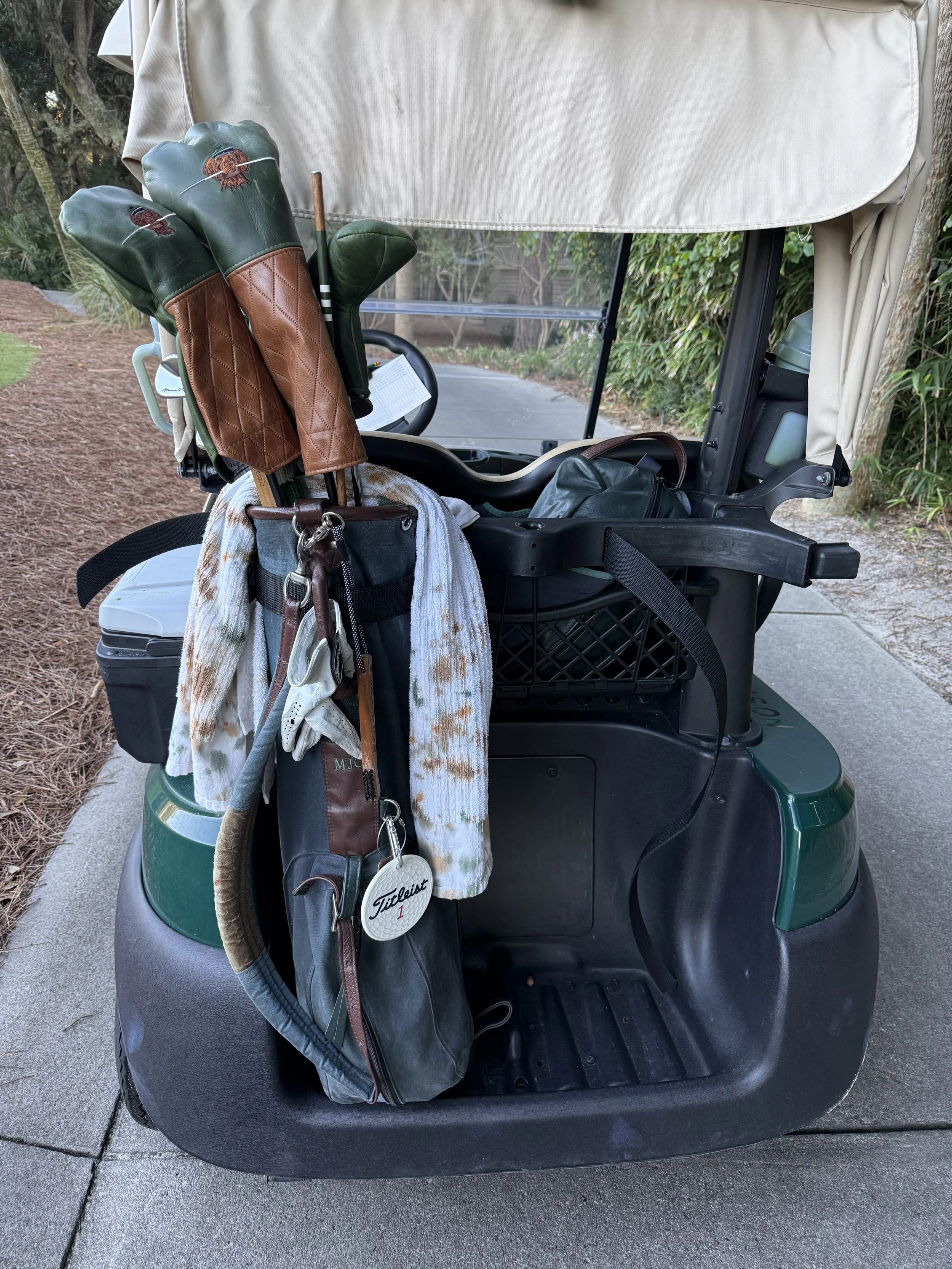
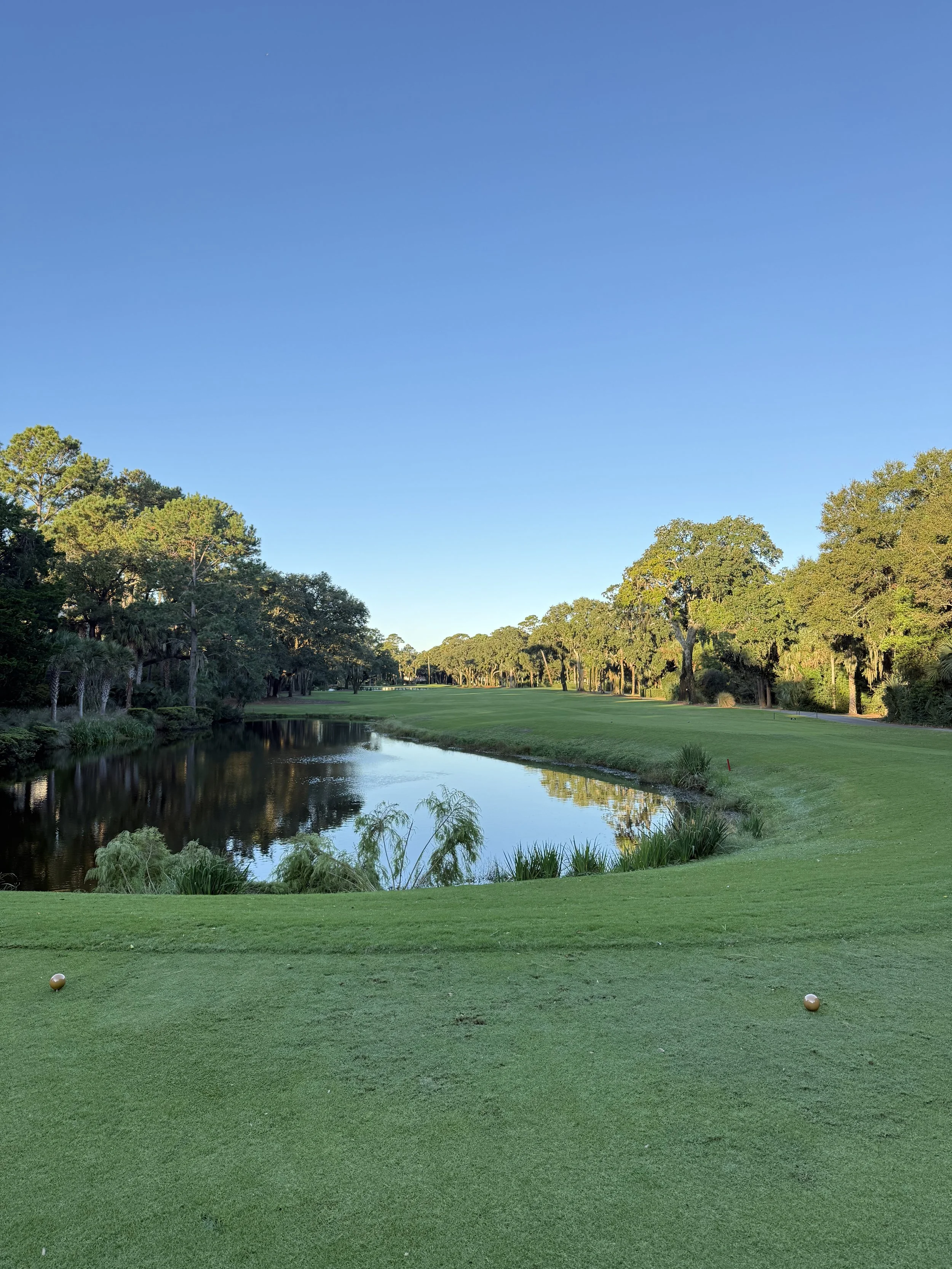
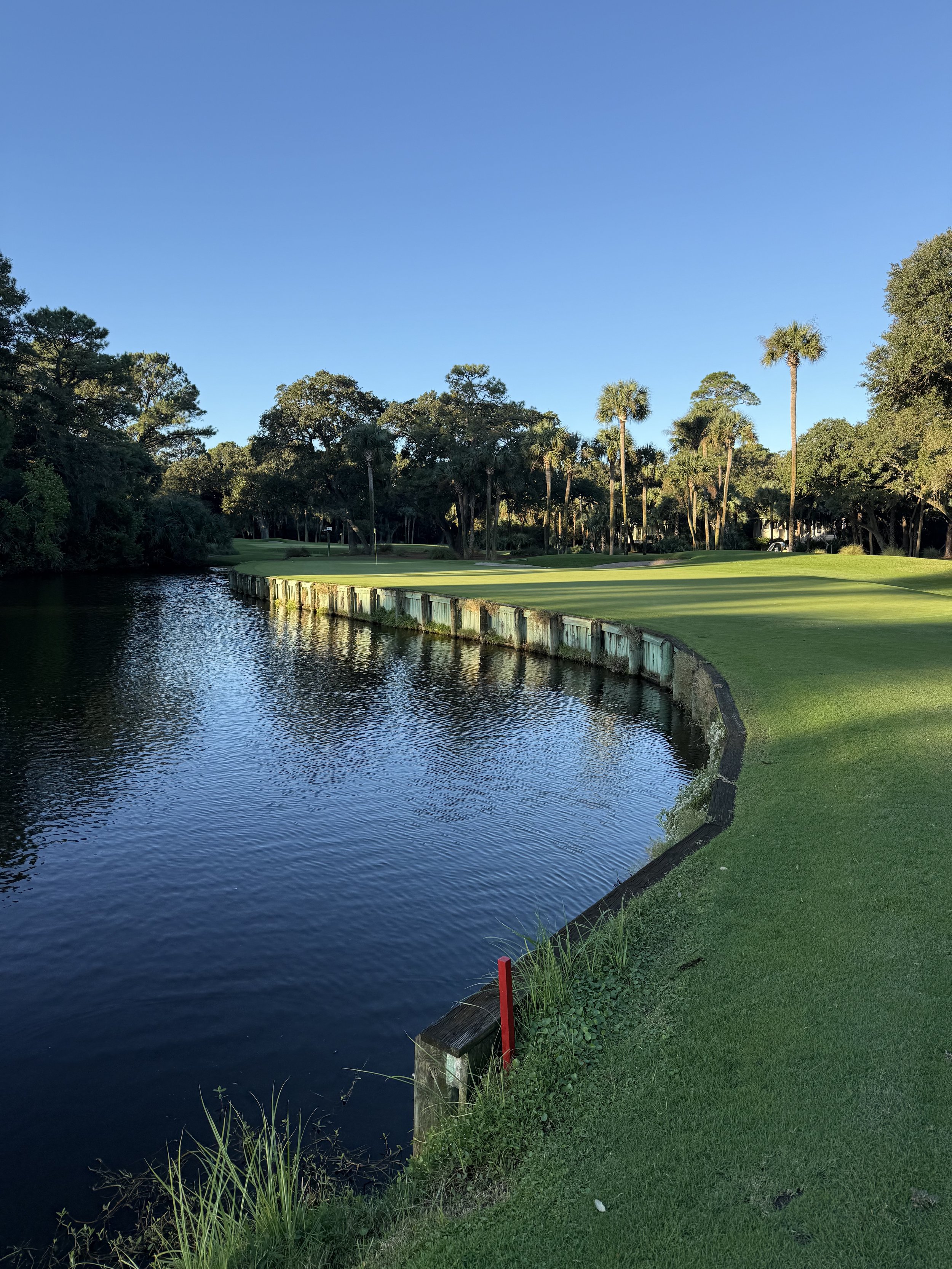
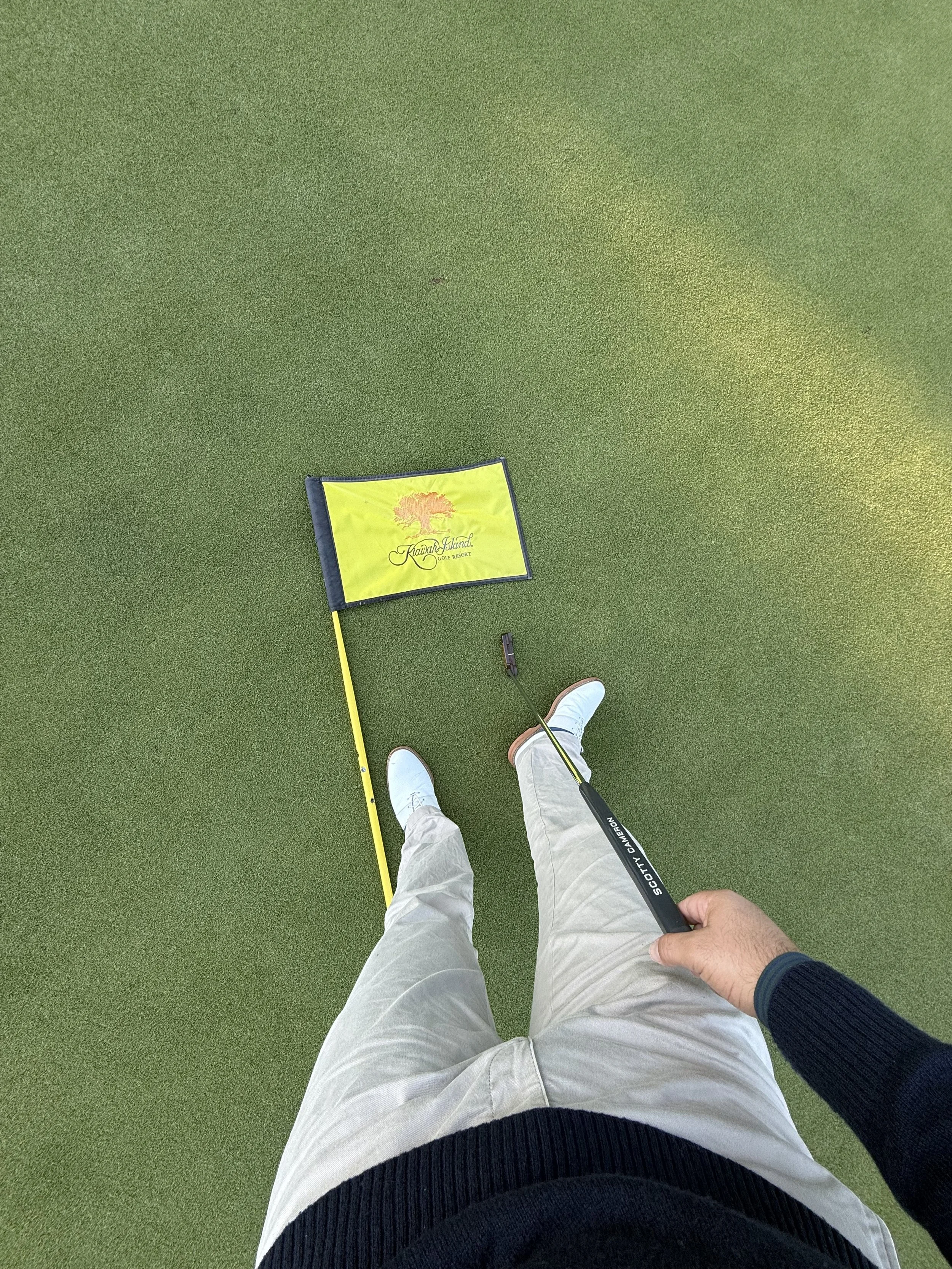
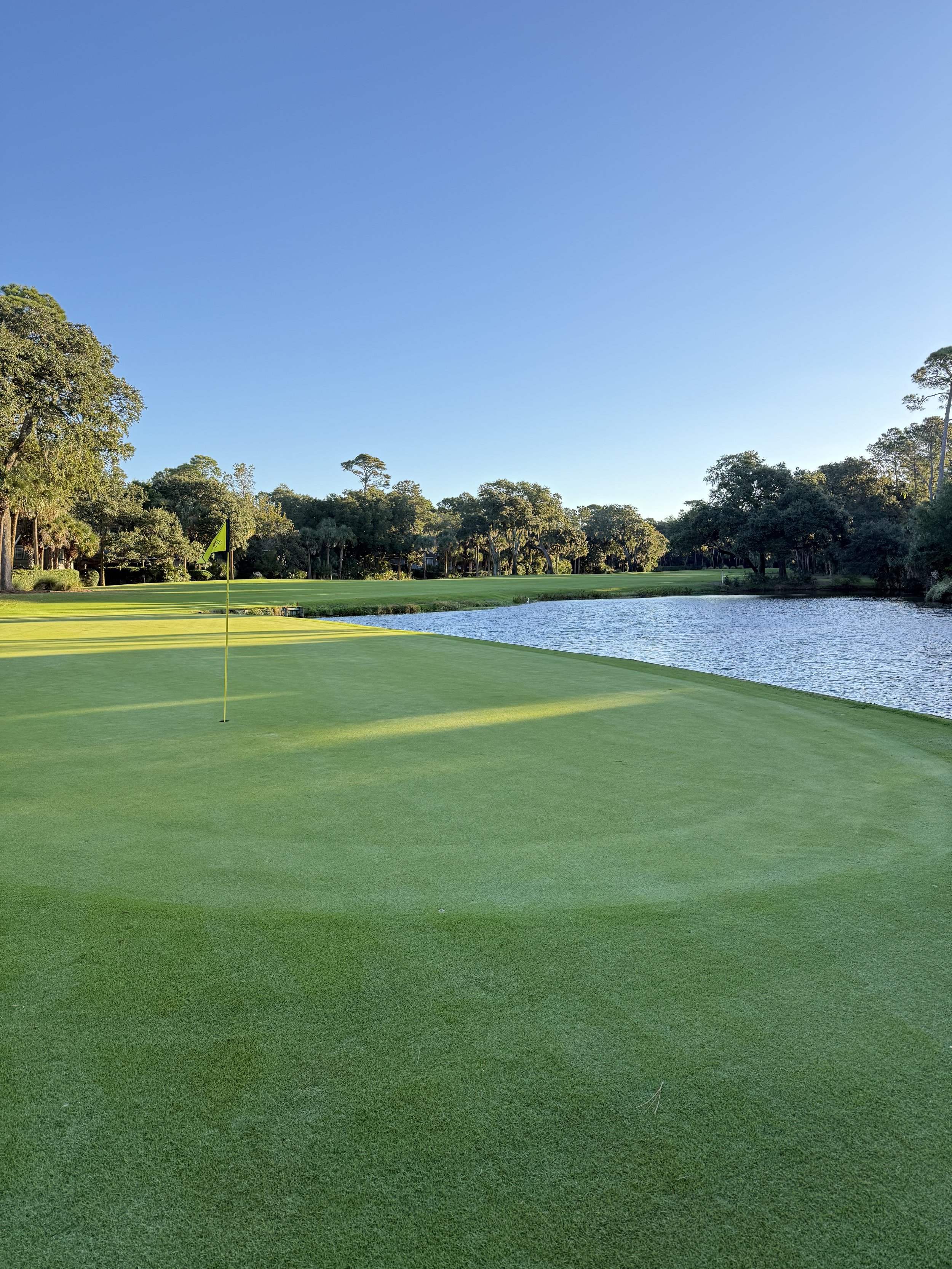
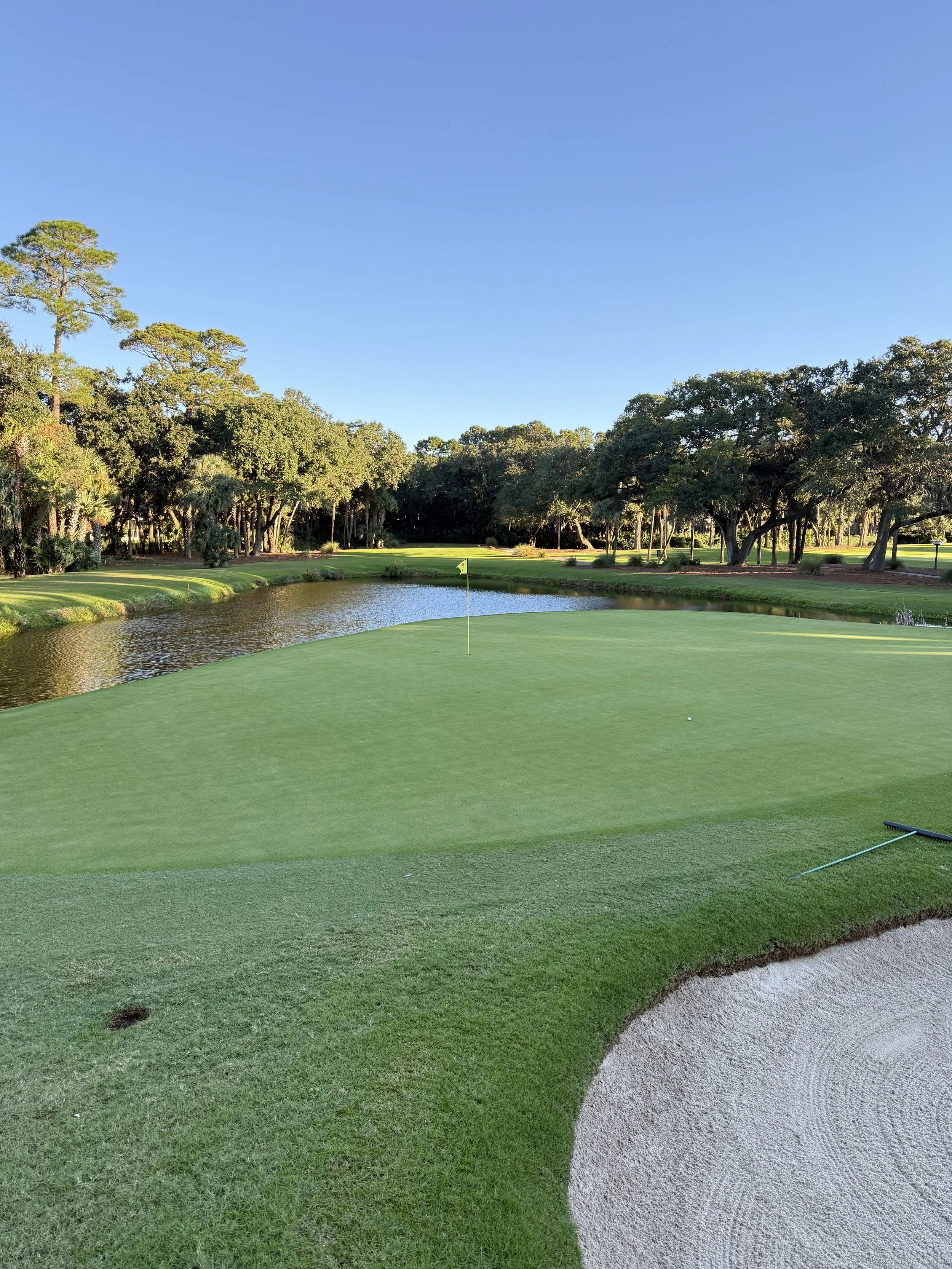
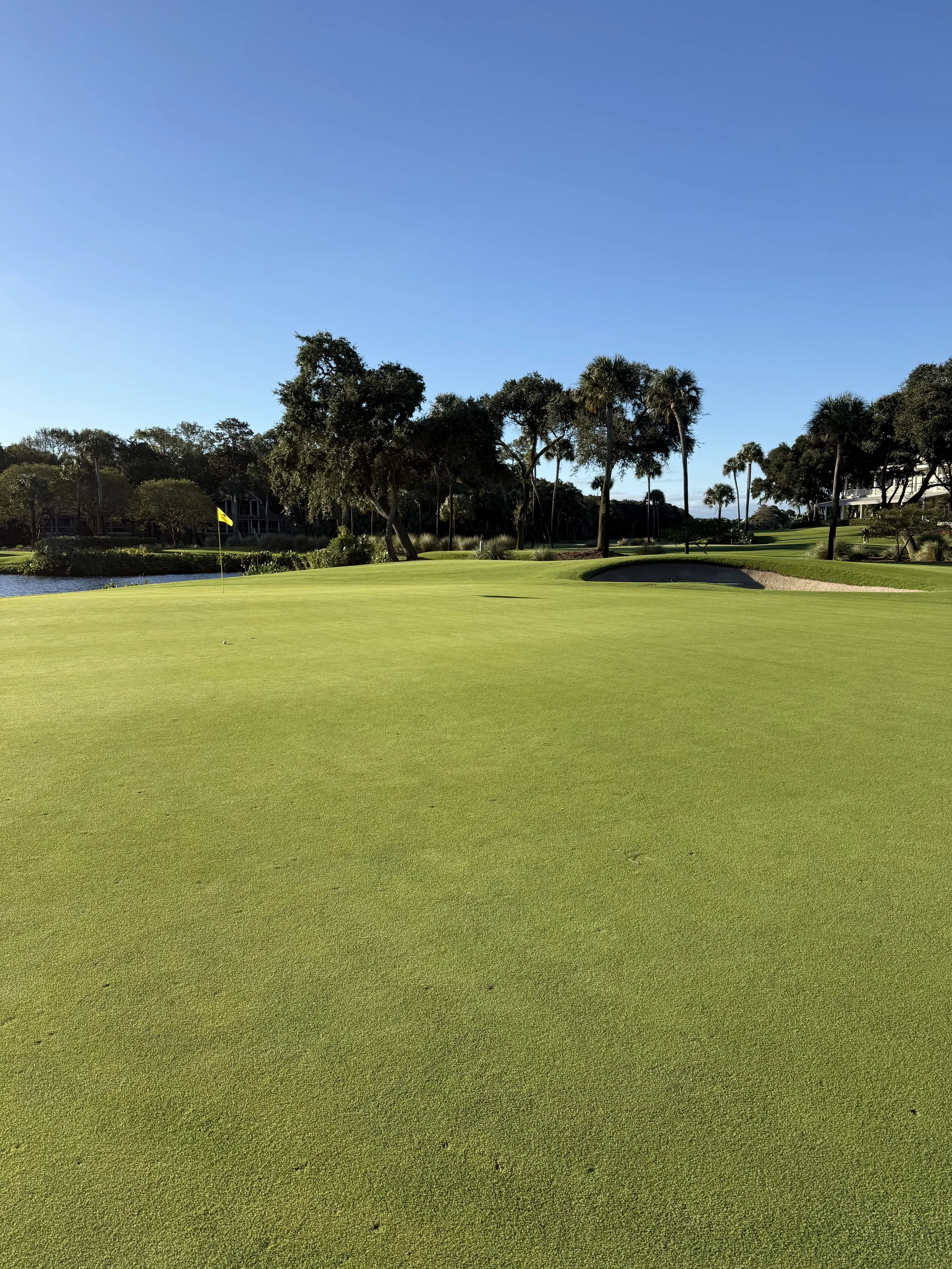
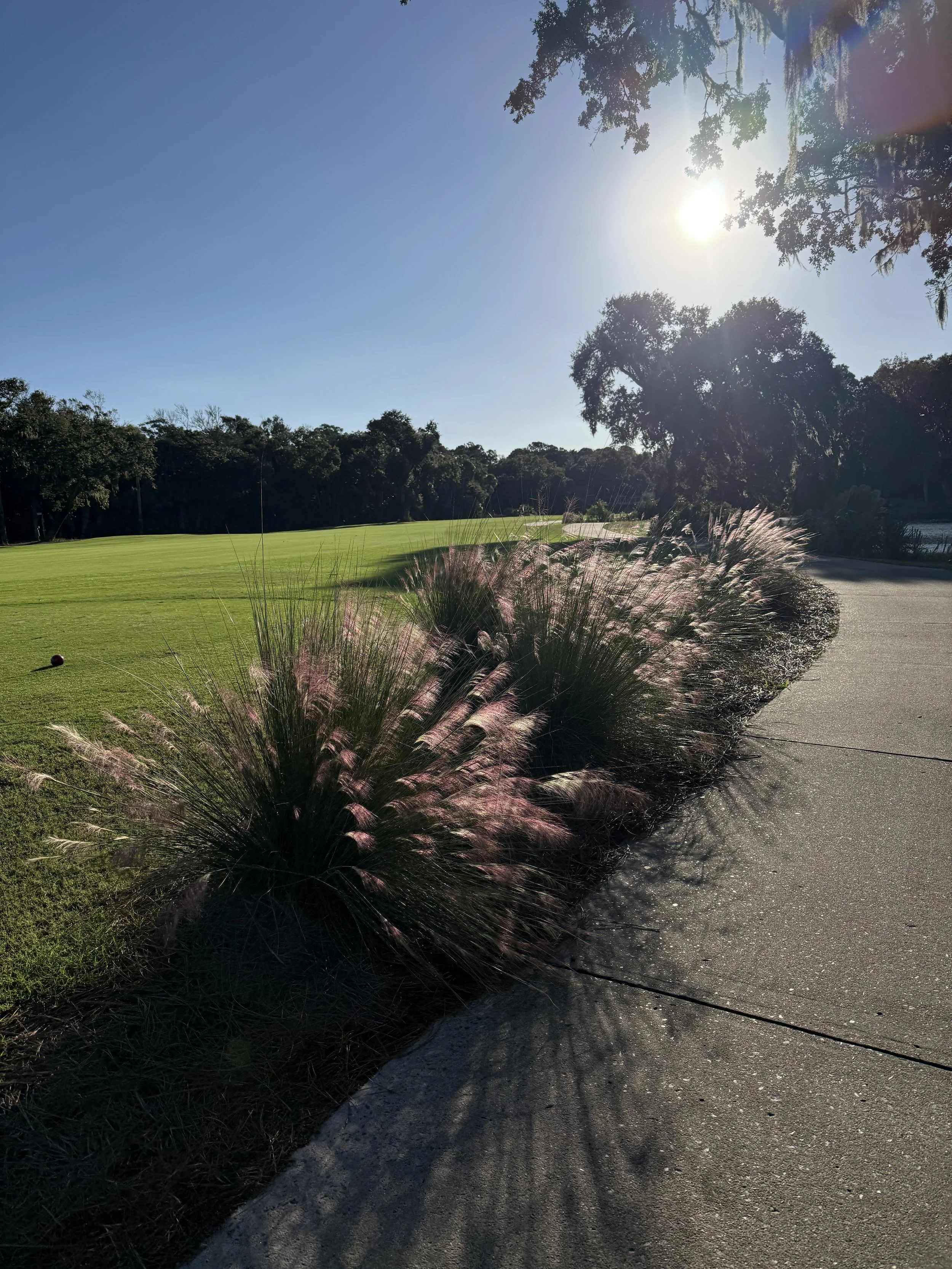
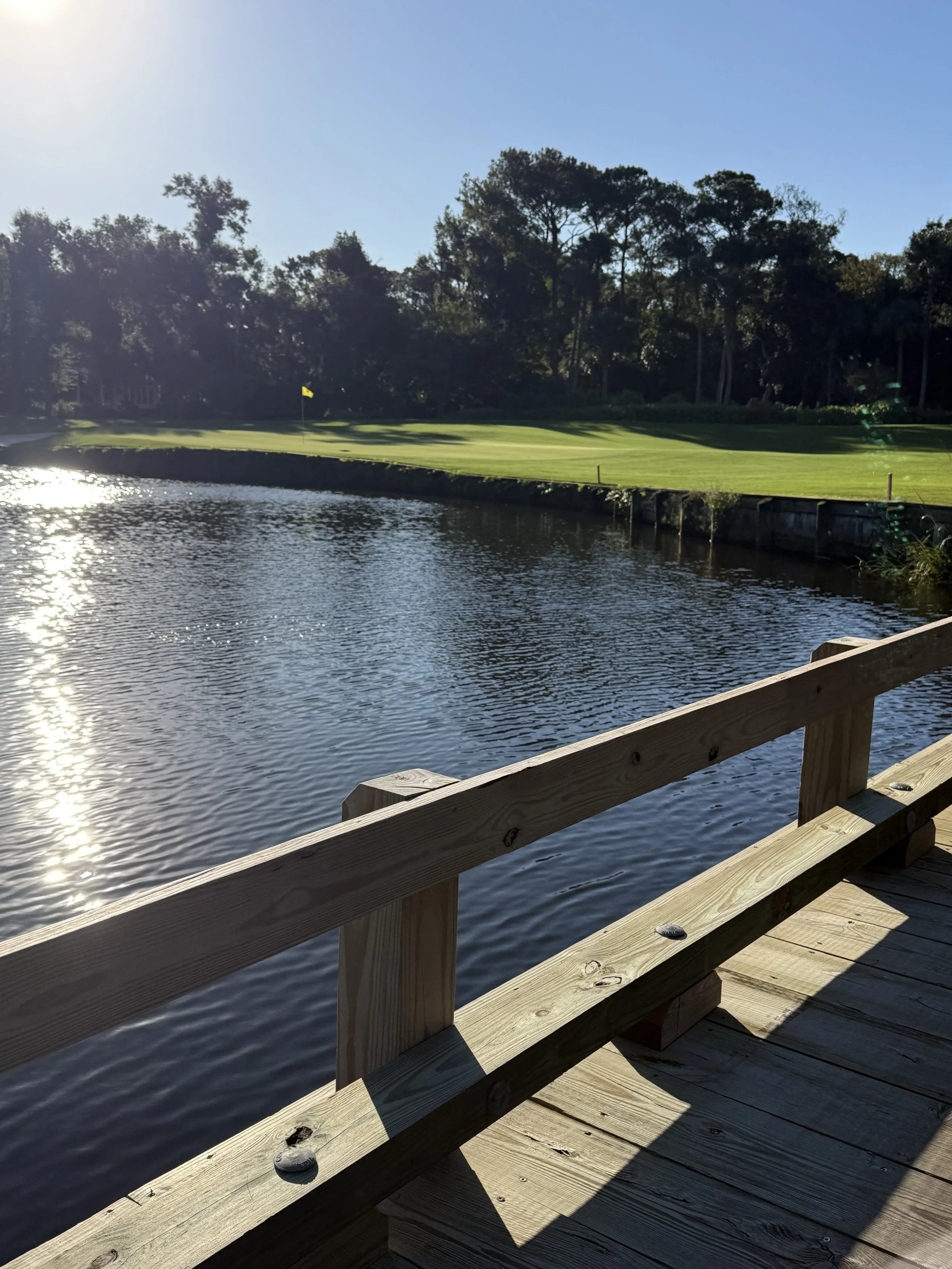
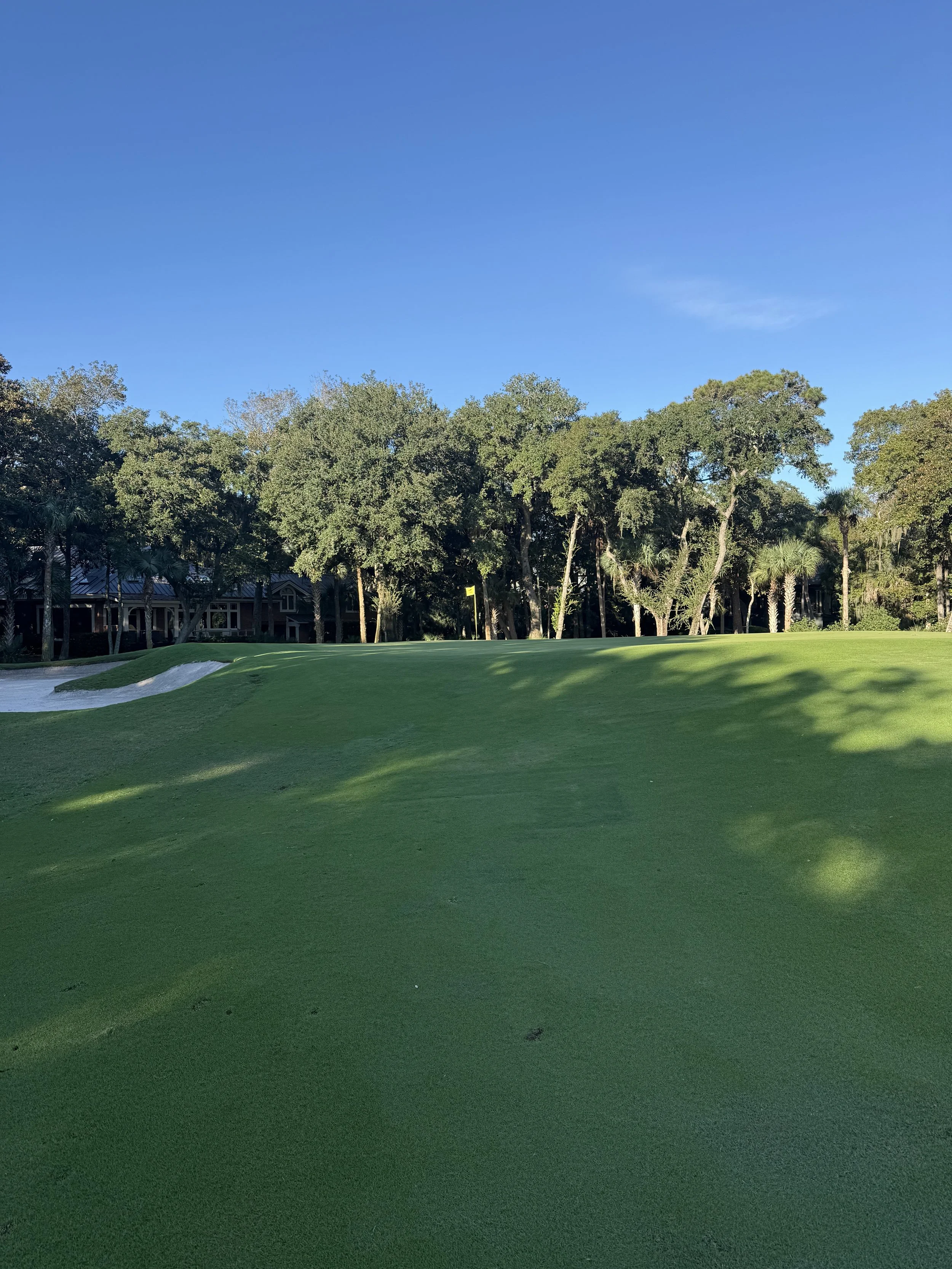
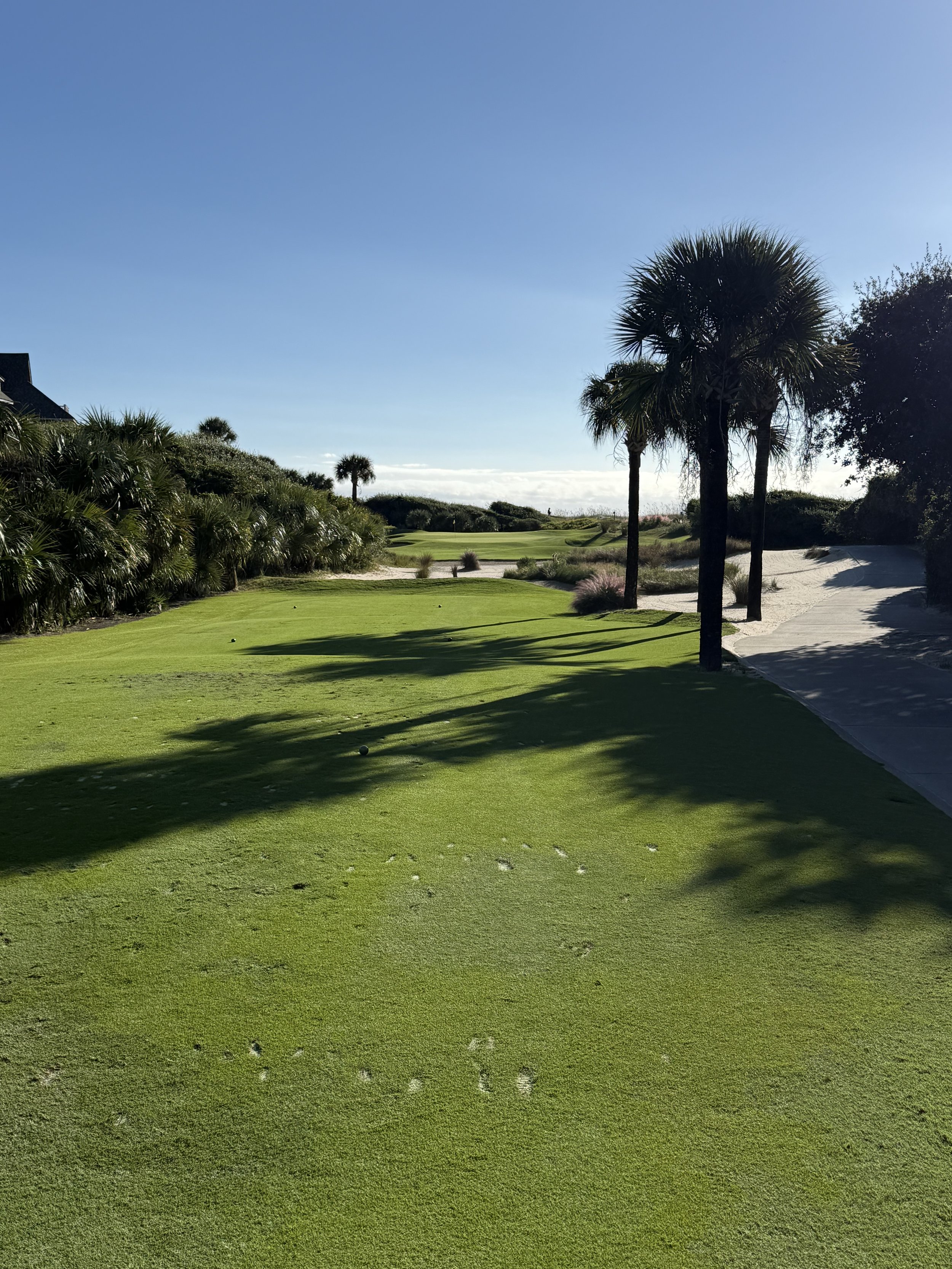
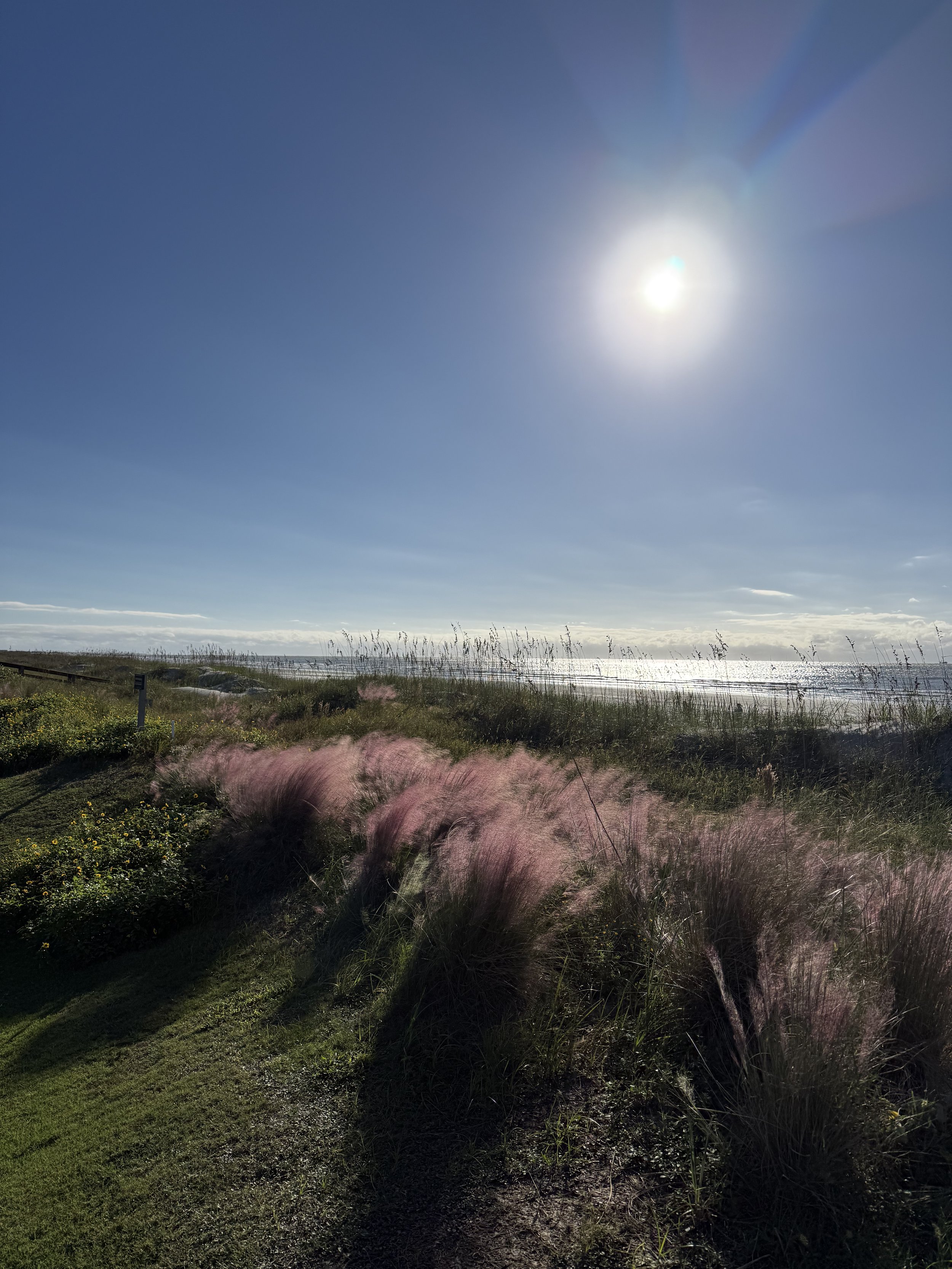
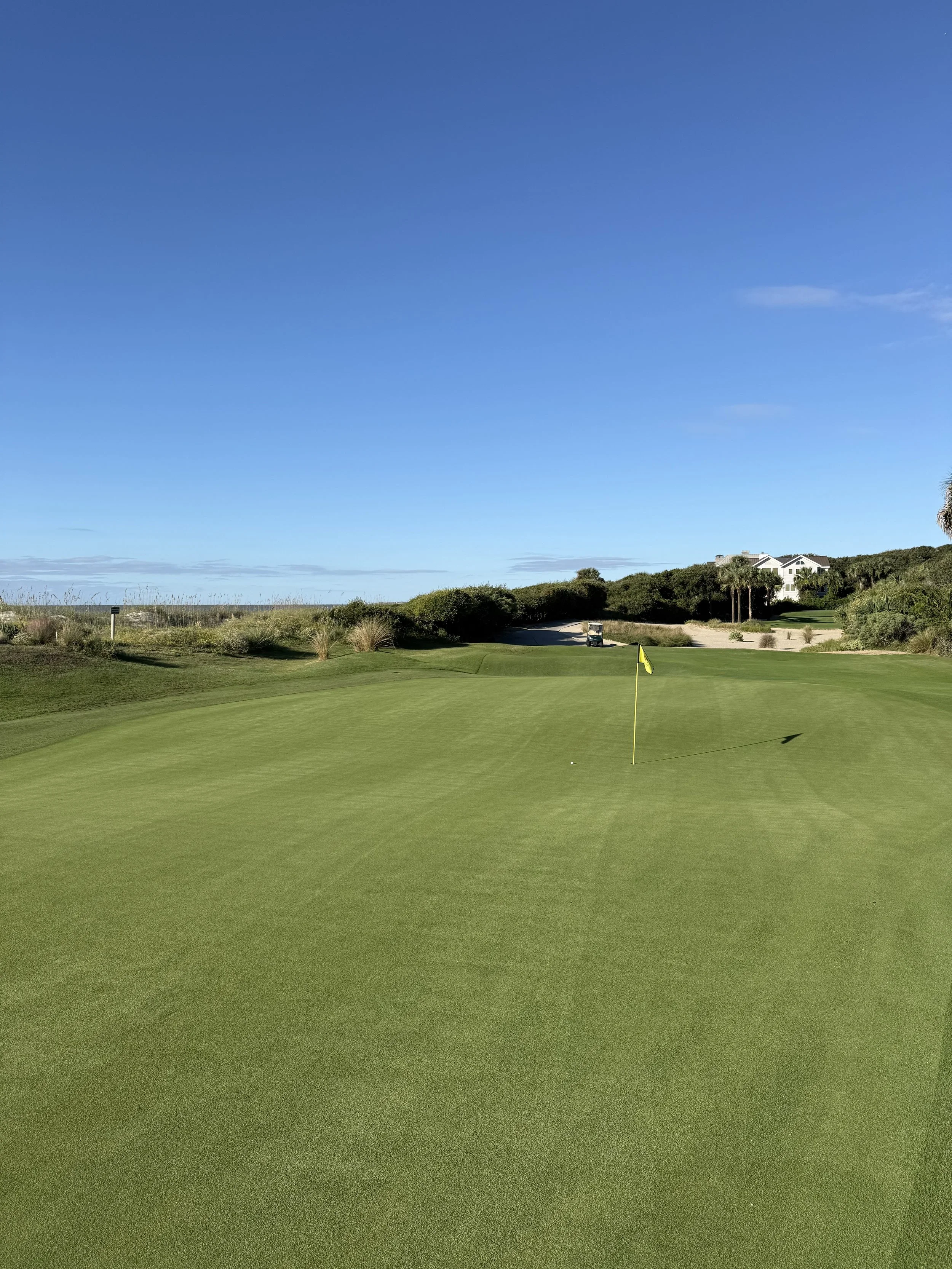
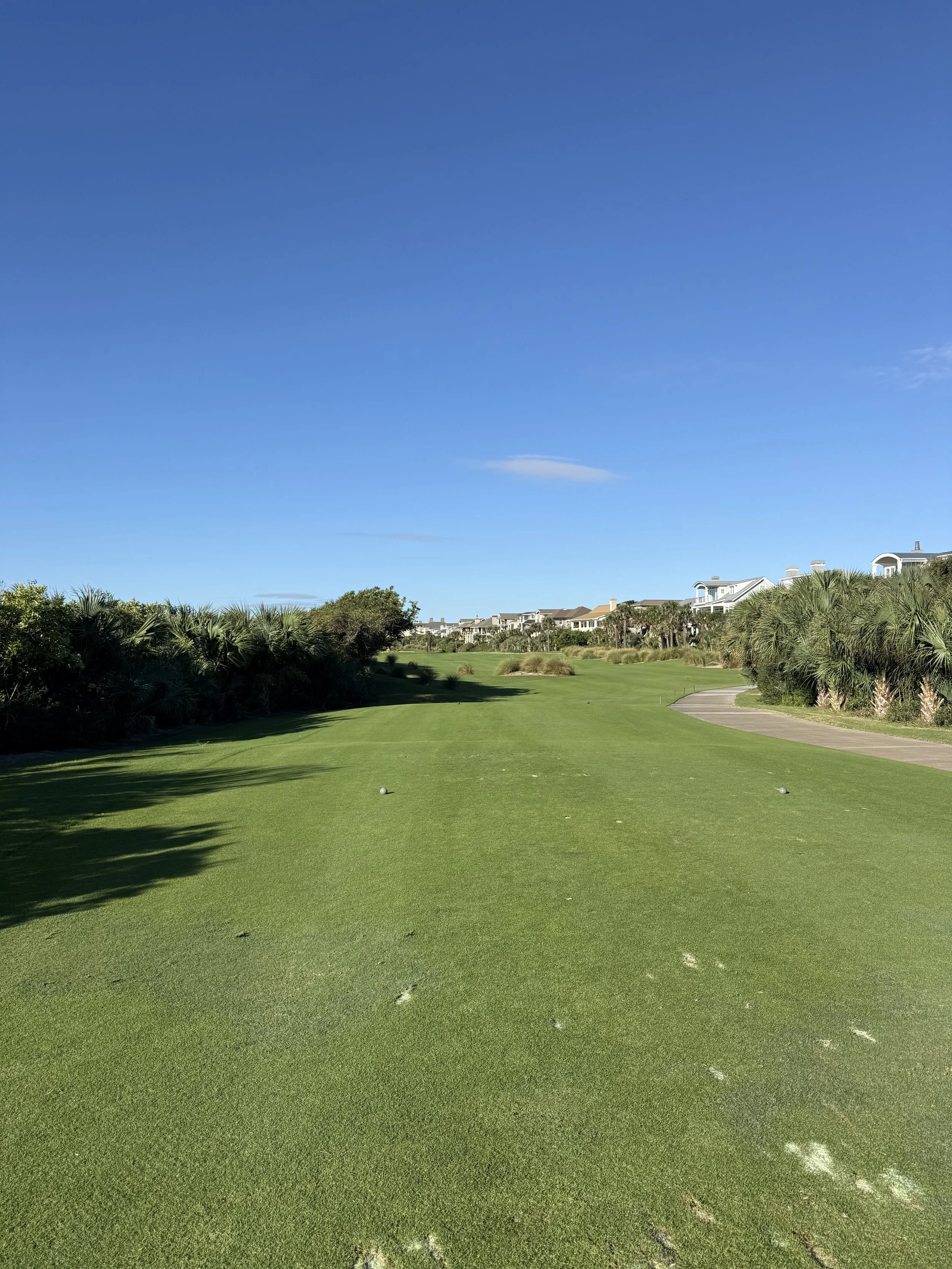
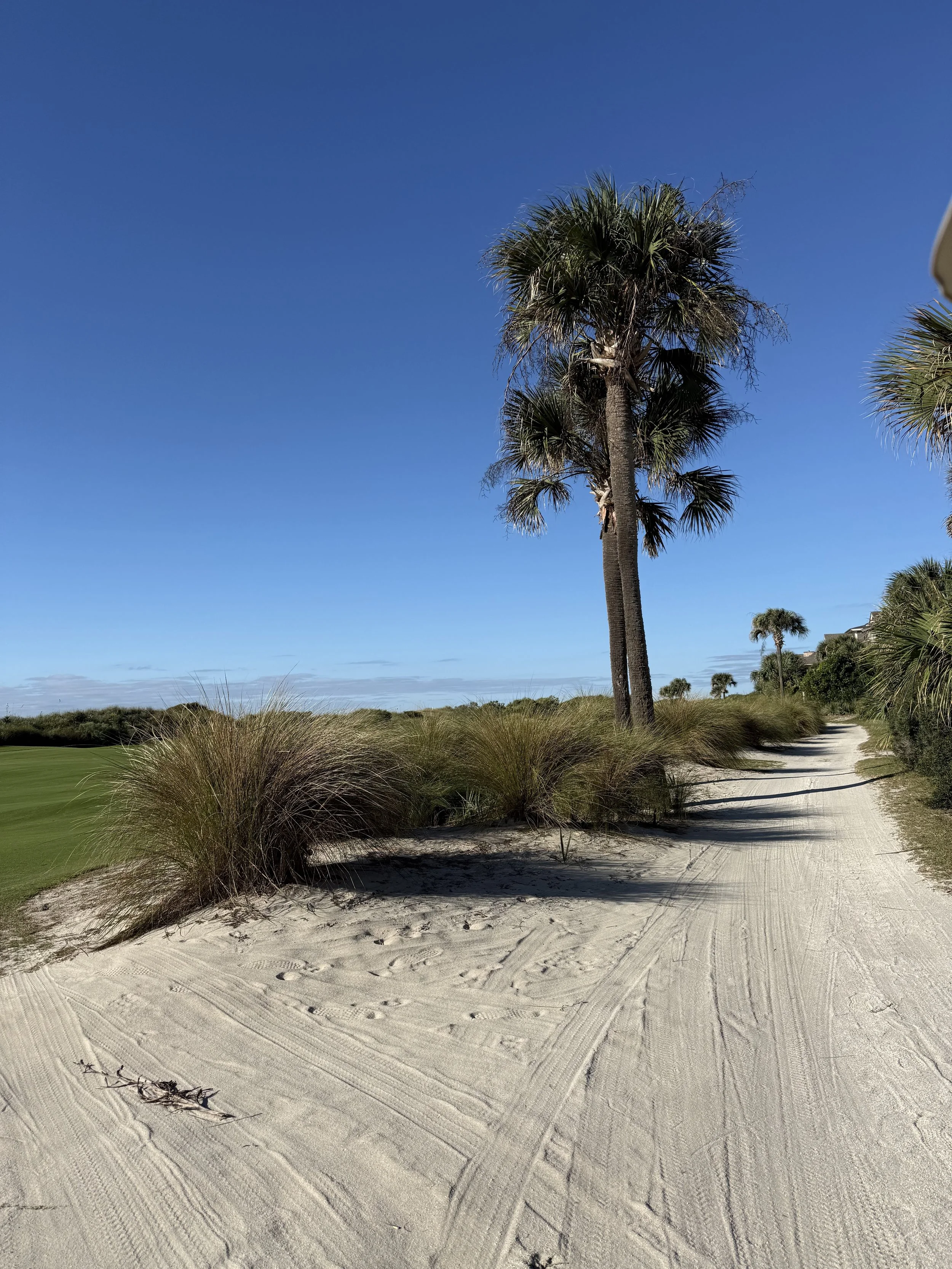
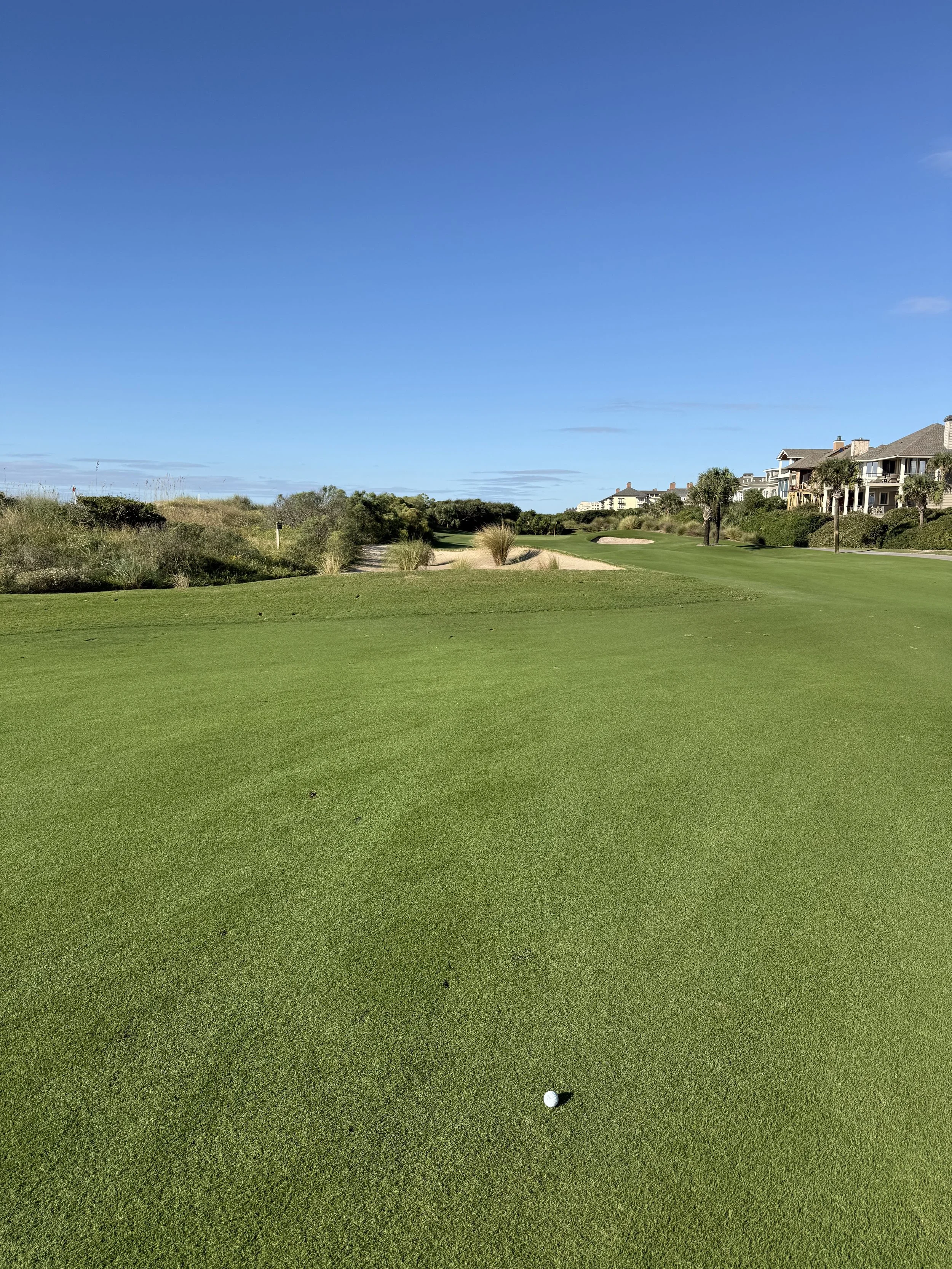
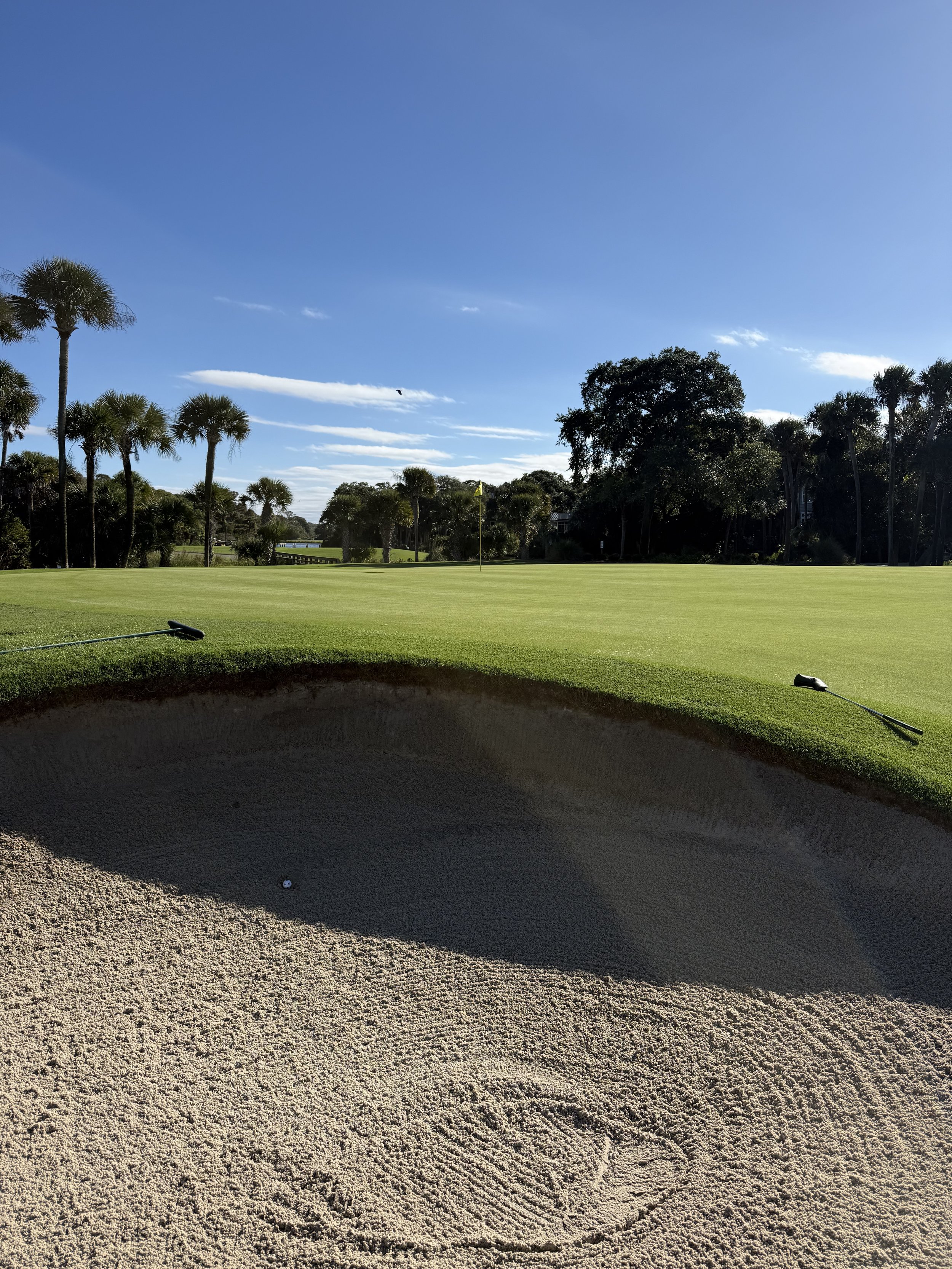
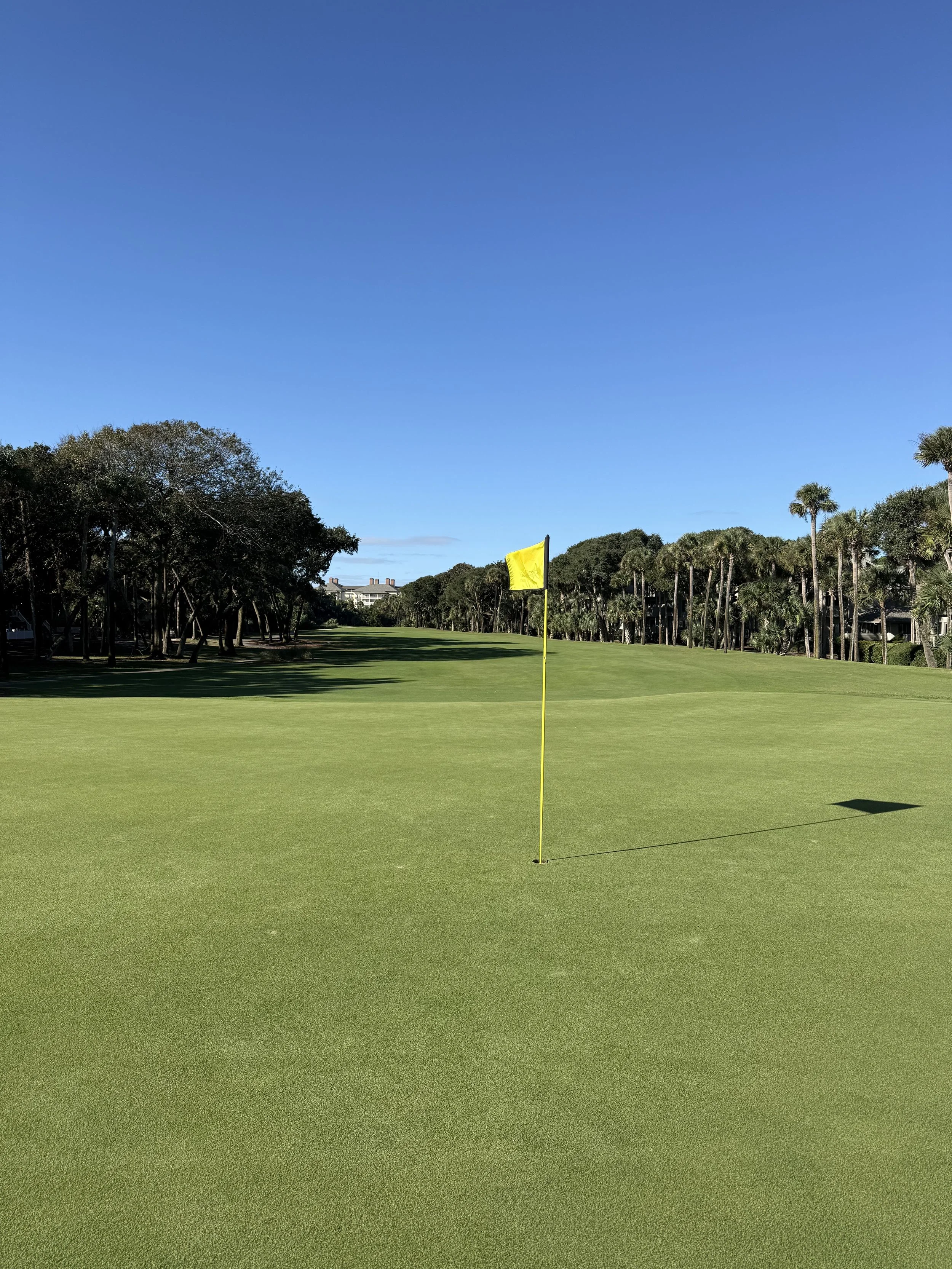
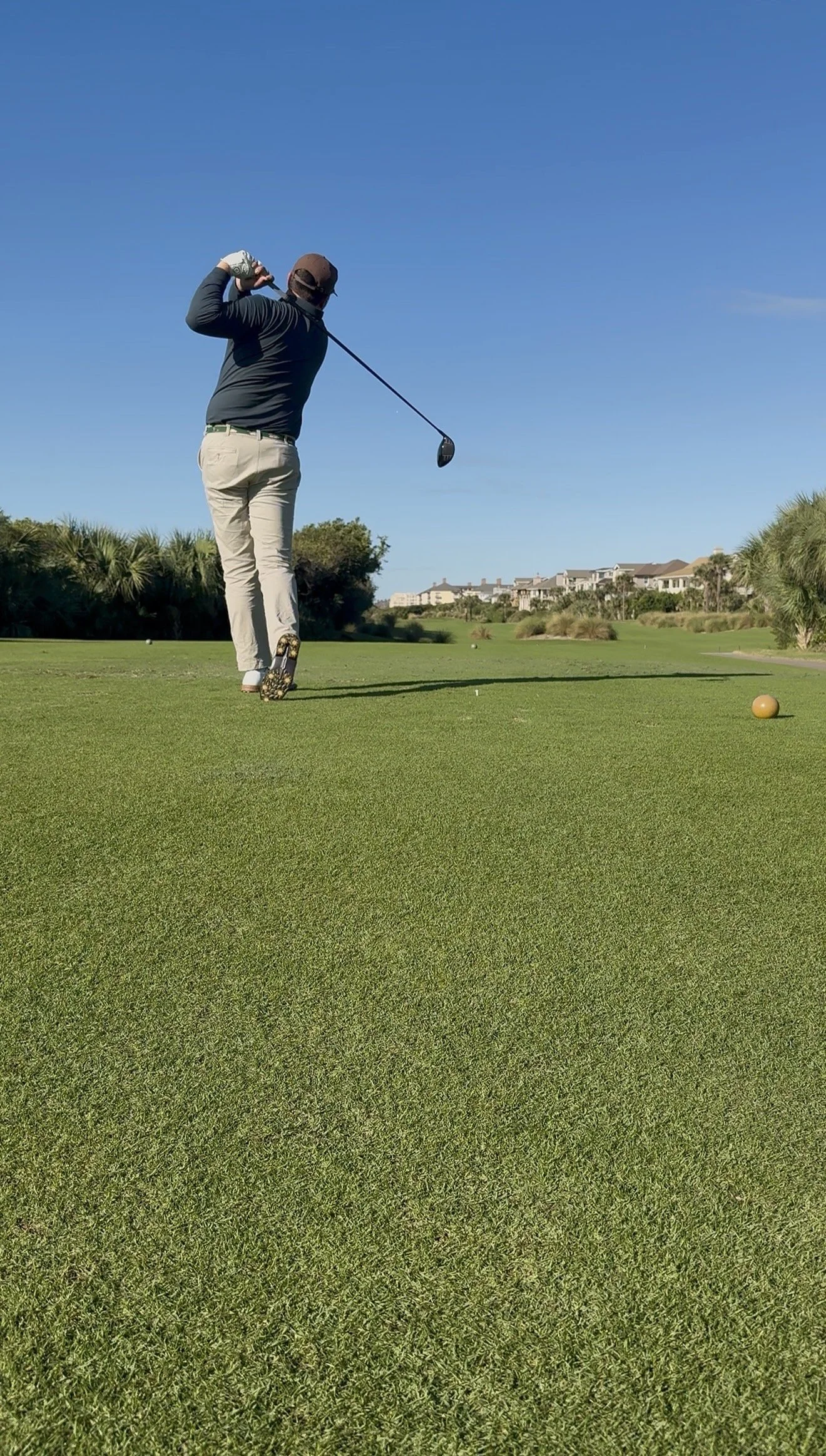
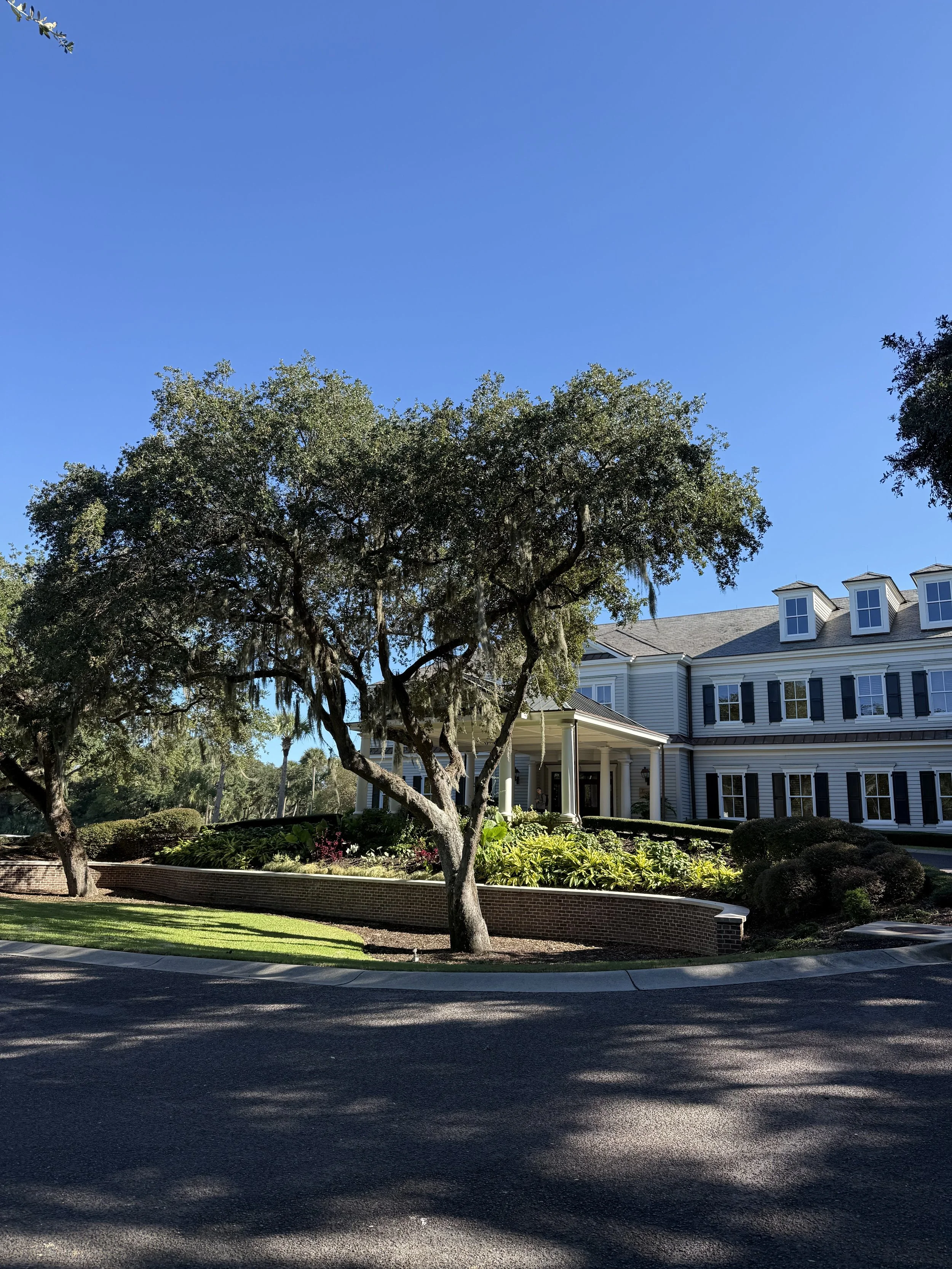
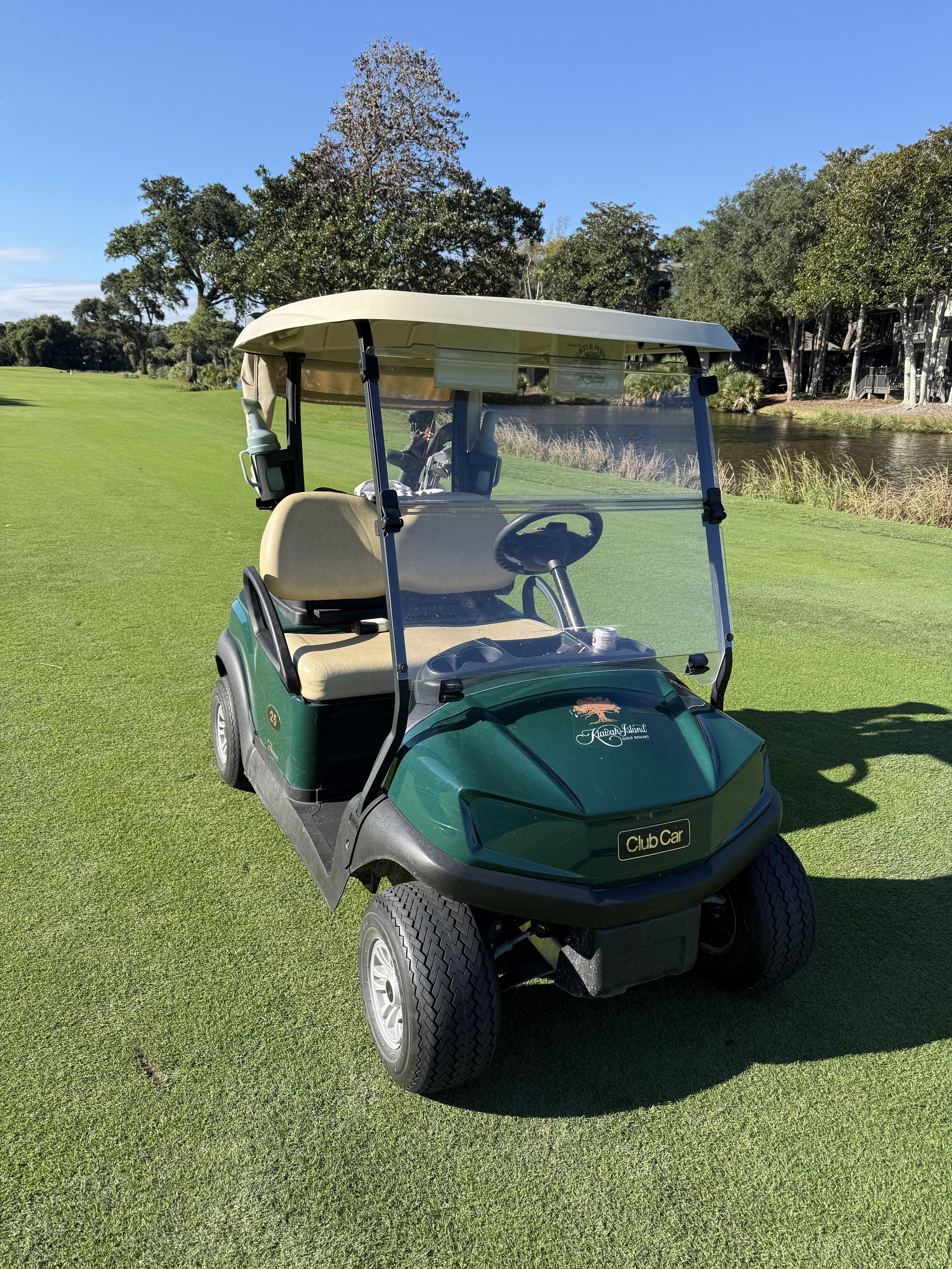
There is something pretty special about having one of Kiawah Island's golf courses to yourself on a chilly morning. I had the opportunity to head out as a single in the first tee time of the day at Turtle Point, with nobody ahead of me and nothing but open fairways. The temperatures were finally cooling off, the wind was blowing, and I was looking forward to checking another course off my list of Kiawah Island Golf Resort's five courses.
Designed by Jack Nicklaus and opened in 1981, Turtle Point was the second golf course built on Kiawah Island. The island's first course, Gary Player's Marsh Point, now known as Cougar Point, opened in 1976 alongside the early development of Kiawah Island as a resort destination. Turtle Point followed five years later, helping establish the island's reputation as a growing golf destination. It would be another decade before Pete Dye's Ocean Course opened in 1991, followed by Tom Fazio's Osprey Point in 1988 and Clyde Johnston's Oak Point in 1989. Today, those five courses make up one of the more impressive collections of resort golf in the Southeast.
Nicklaus was still in the relatively early stages of his golf course architecture career when Turtle Point opened. Although he had already established himself as one of the greatest players in the history of the game, his architectural portfolio was continuing to grow. His philosophy was heavily influenced by his experience competing at the highest level, with an emphasis on strategy, thoughtful positioning, and rewarding golfers who could execute the right shot at the right time.
Turtle Point is a pretty good representation of that philosophy. Rather than relying entirely on length, the course asks golfers to think their way around it. Bunkers are positioned to influence decisions from the tee, water hazards come into play on a number of holes, and the green complexes reward approaches from the proper angles. There are certainly opportunities to be aggressive, but a poorly positioned tee shot can make even a relatively short approach much more difficult.
One characteristic often associated with Nicklaus designs is the emphasis on the aerial game. Many of his courses favor players who can carry hazards, control their approach shots, and hit the ball high enough to hold well-protected greens. This approach makes sense considering Nicklaus's own playing style, but it can also be a point of criticism. Some golfers prefer courses that allow more creativity along the ground, with opportunities to run shots onto greens or recover from imperfect positions. Turtle Point generally places a greater premium on precision and execution.
That difference in architectural philosophy may help explain why Turtle Point sometimes finds itself lower in people's rankings of Kiawah's five resort courses. The Ocean Course is in a category of its own in terms of reputation, championship history, and dramatic coastal scenery. Cougar Point offers a particularly enjoyable variety of holes, while Osprey Point has its own distinct Lowcountry character. Turtle Point, meanwhile, can feel a little more demanding and methodical. Some golfers appreciate that challenge, while others may find its strategic demands less forgiving.
Of course, Turtle Point has one feature that makes it stand out against the others on the Island (Other than Ocean Course obviously). Holes 14, 15, and 16 emerge from the maritime forest and play alongside the Atlantic Ocean. It is a beautiful stretch of golf and easily one of the highlights of the round. After spending much of the day navigating tree-lined corridors, the transition to the oceanfront is pretty spectacular. The scenery opens up, the wind becomes more exposed, and the character of the course changes almost immediately.
That wind was a significant factor during my round. Sustained winds were around 15 to 20 mph, with stronger gusts throughout the morning. On a course that already rewards accurate ball striking, the additional challenge of controlling trajectory and judging distances made things particularly interesting. Shots that might have been fairly straightforward on a calm day required considerably more thought.
One thing I appreciated about Turtle Point was that it never really allowed me to switch off mentally. There were plenty of holes where the sensible play was not necessarily the most obvious one, and positioning often mattered just as much as distance. It is the kind of course that I imagine becomes more enjoyable with repeat rounds, once you begin to understand the angles and the places Nicklaus intended you to play from.
Turtle Point also underwent a significant renovation in 2016, with Nicklaus returning to revisit his original design. The project included updates to bunkering, green complexes, and playing surfaces, with the goal of modernizing the course while maintaining its original character. It is interesting to consider how the design has evolved over the decades, particularly as equipment and the modern game have changed considerably since the course first opened.
Overall, I really enjoyed my morning at Turtle Point. It is a different experience from some of the other courses on Kiawah, but that is part of what makes the resort's collection so interesting. Each architect brought a different philosophy to the island, and Turtle Point certainly reflects Nicklaus's approach to the game.
With Turtle Point complete, I have now played four of Kiawah Island Golf Resort's five courses, leaving only Oak Point to finish the list. My tentative ranking so far is the Ocean Course, Cougar Point, Turtle Point, and Osprey Point.
I'm looking forward to seeing where Oak Point fits into the mix!