WGC Q&A with Troy Miller - Charleston Muni Course Architect
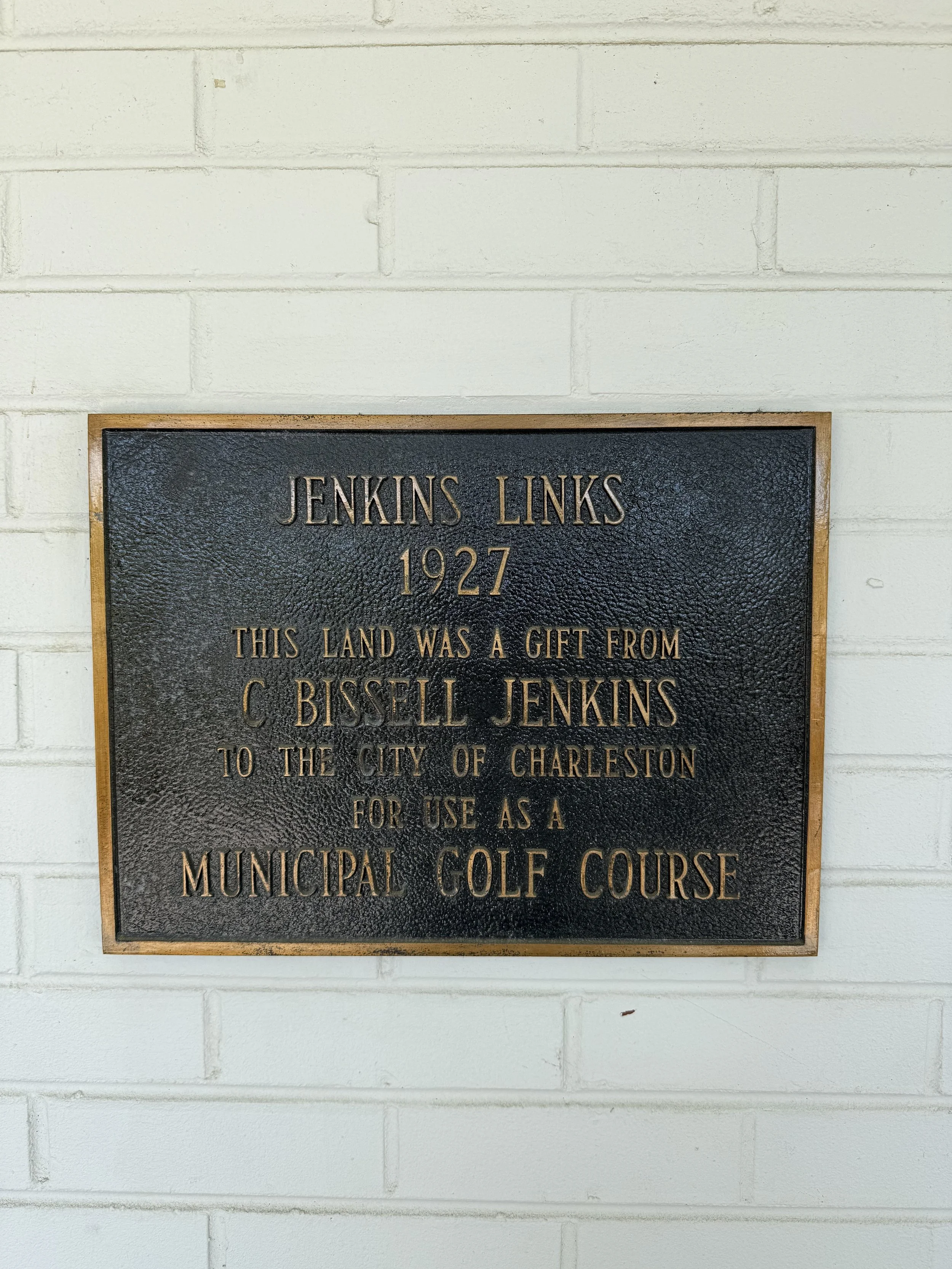
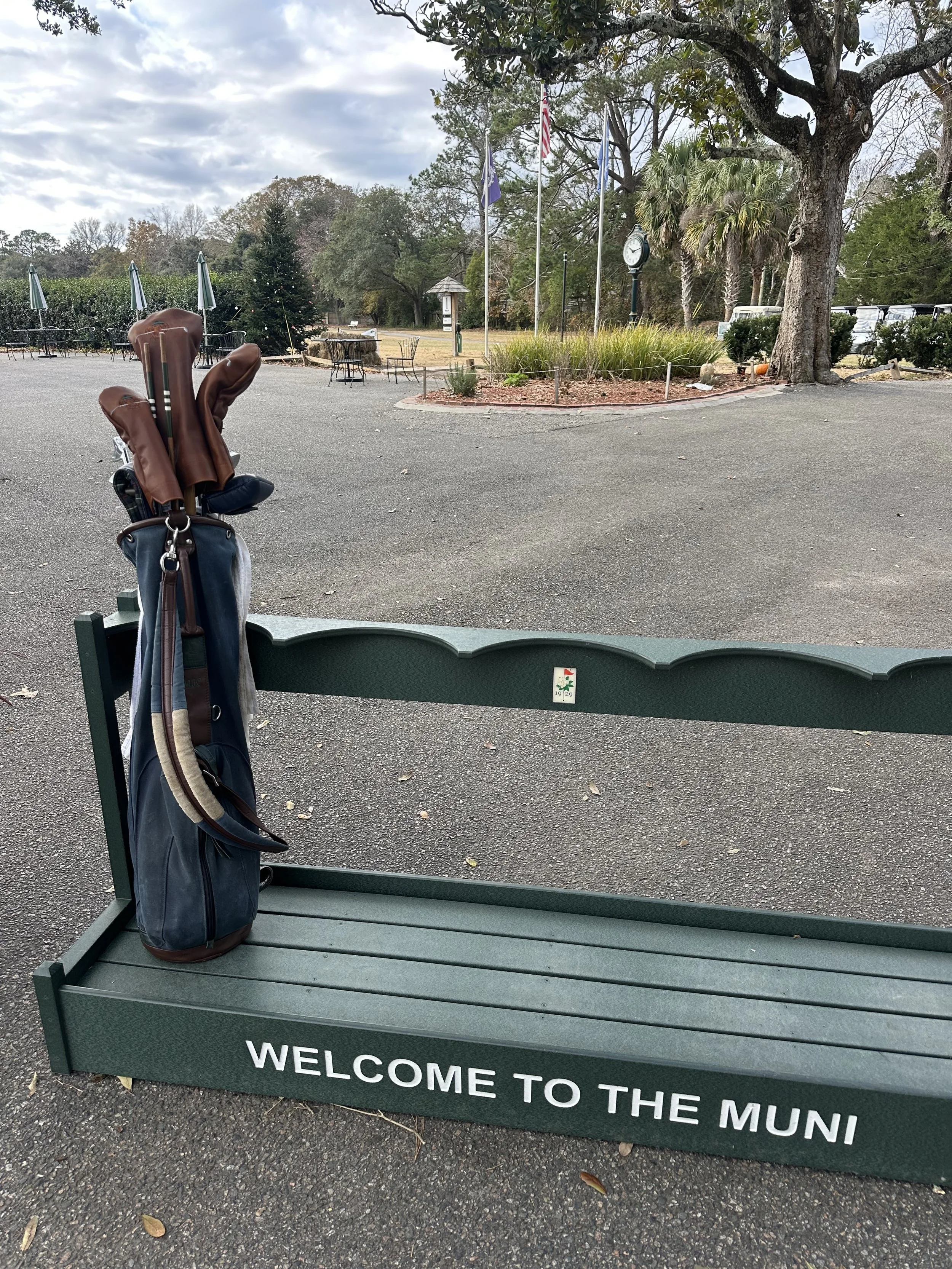
Charleston Municipal Golf Course, or simply The Muni as it is known around town, has long been one of those places that means more than just the golf itself. Tucked on James Island just minutes from downtown, it has been part of the Charleston golf scene since 1929, offering a place where anyone can play, learn, and spend time on a course without much barrier to entry. For a lot of people in Charleston, this is where the game starts and where it sticks.
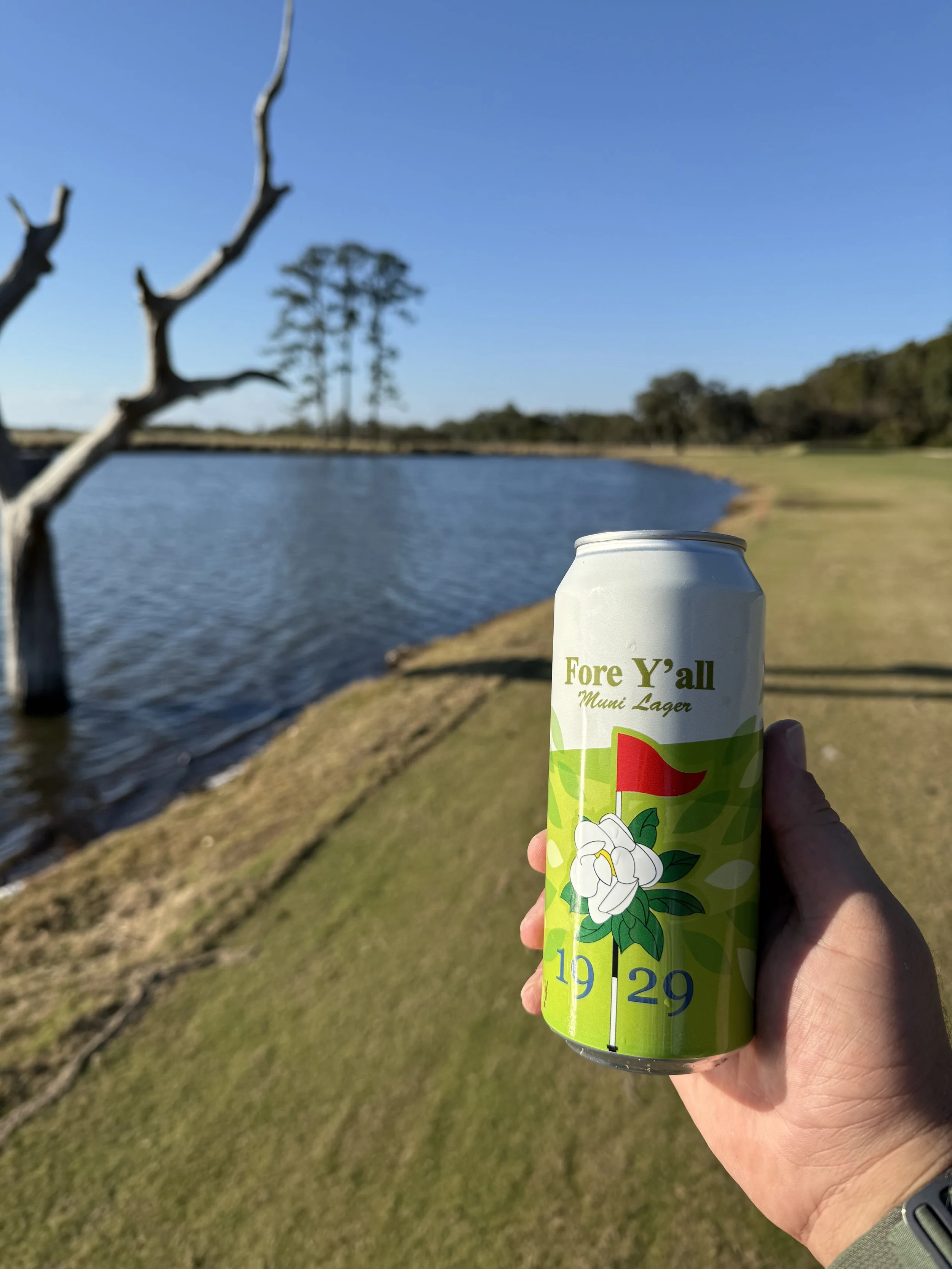
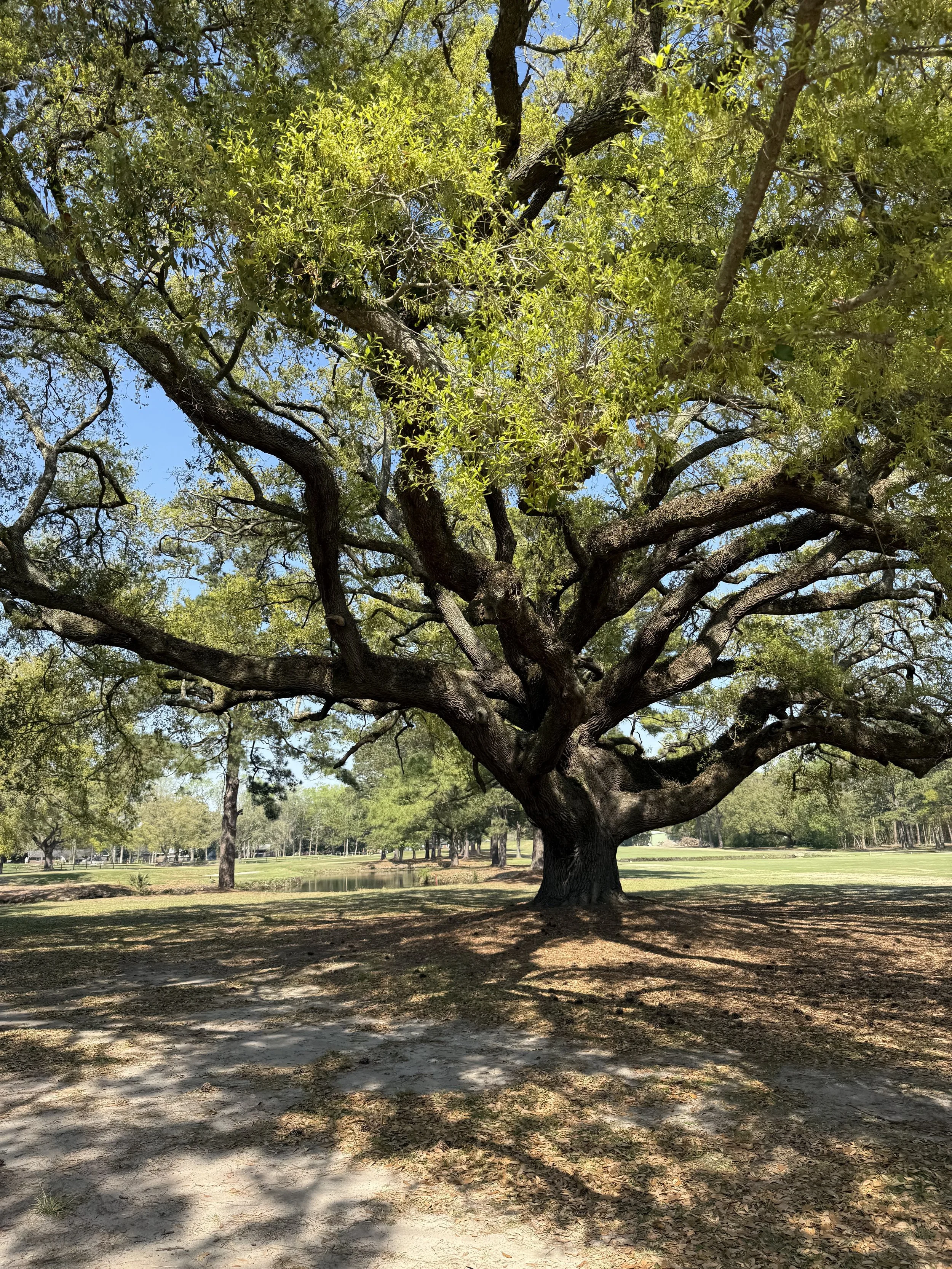
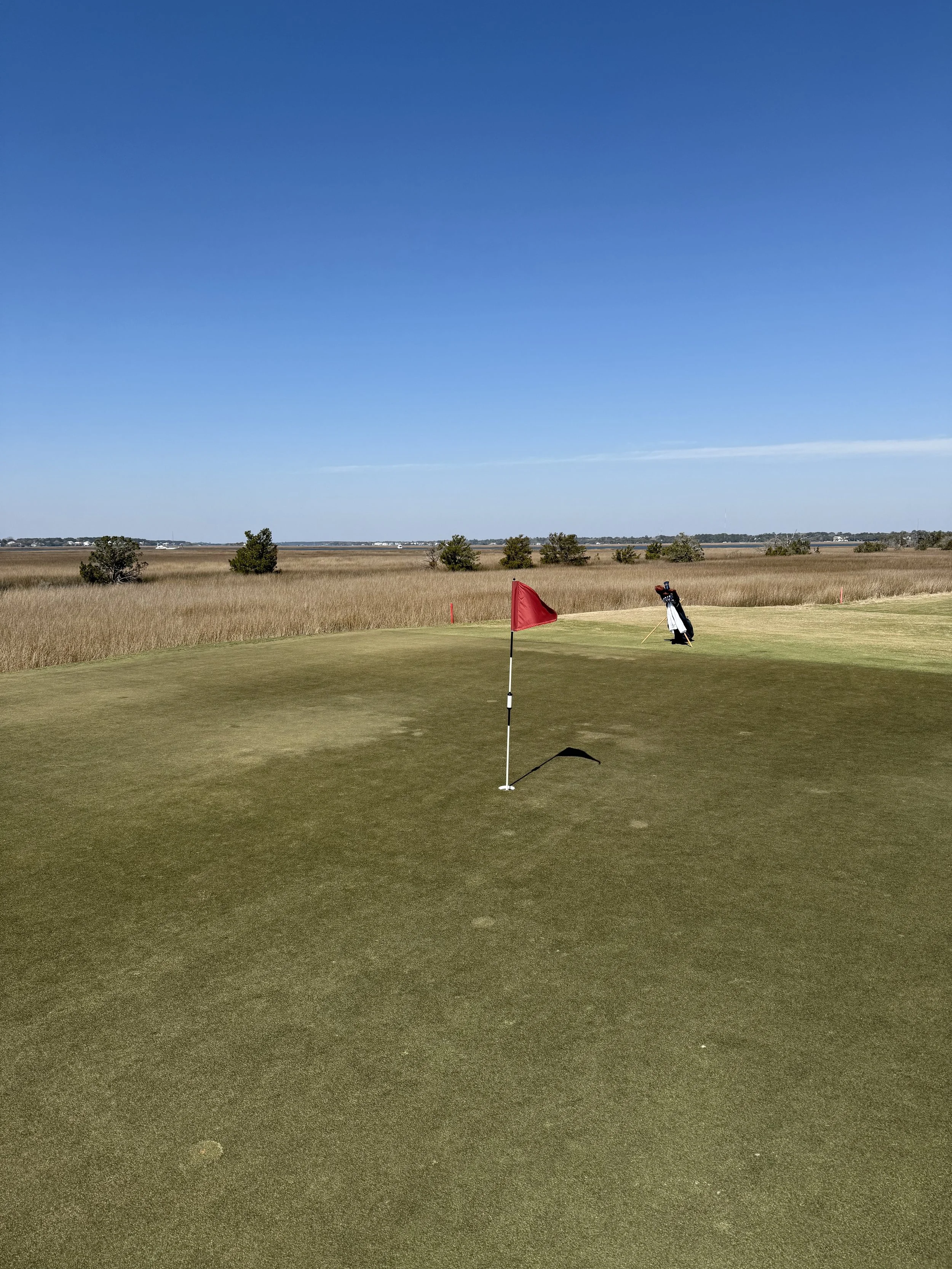
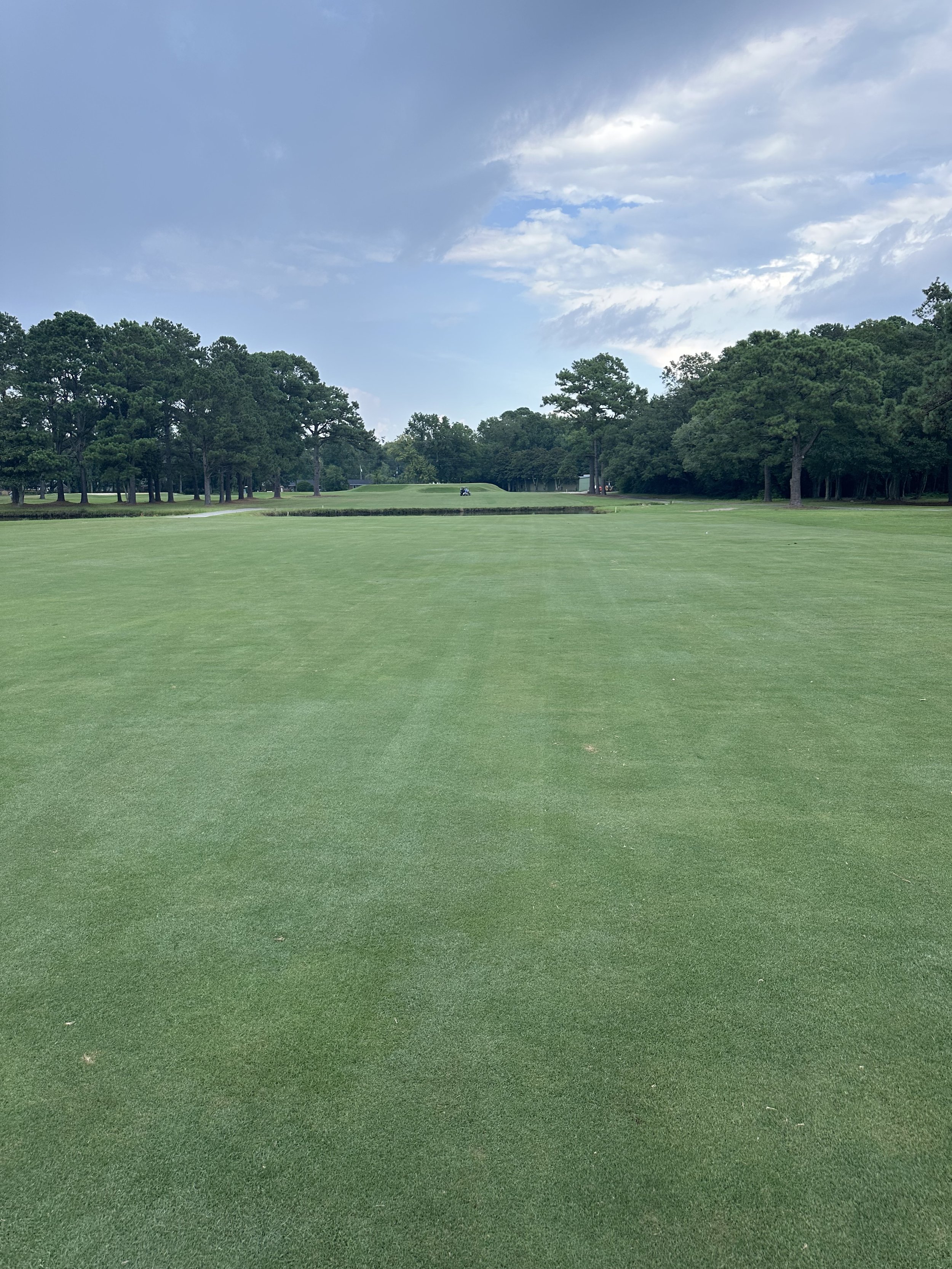
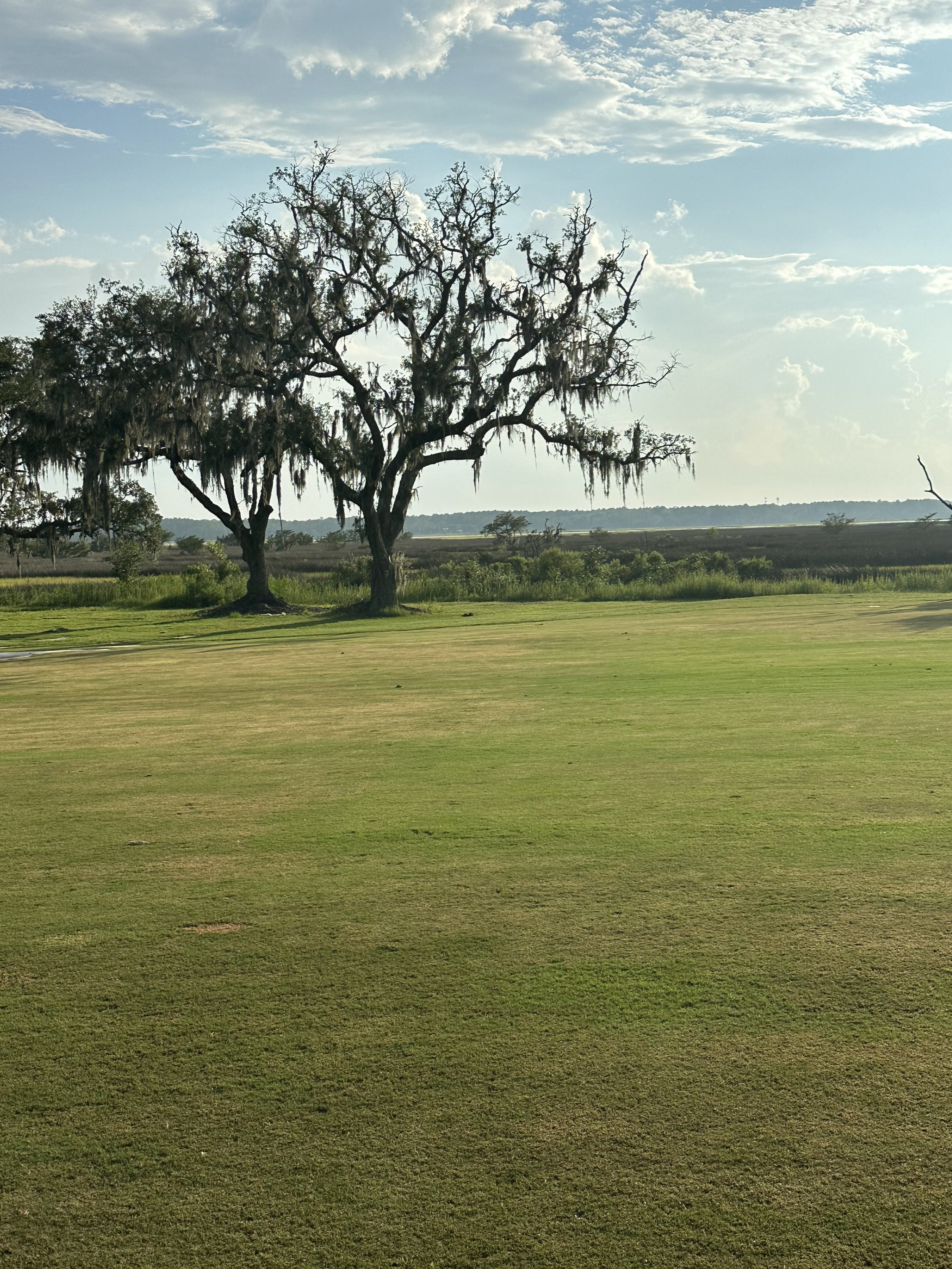
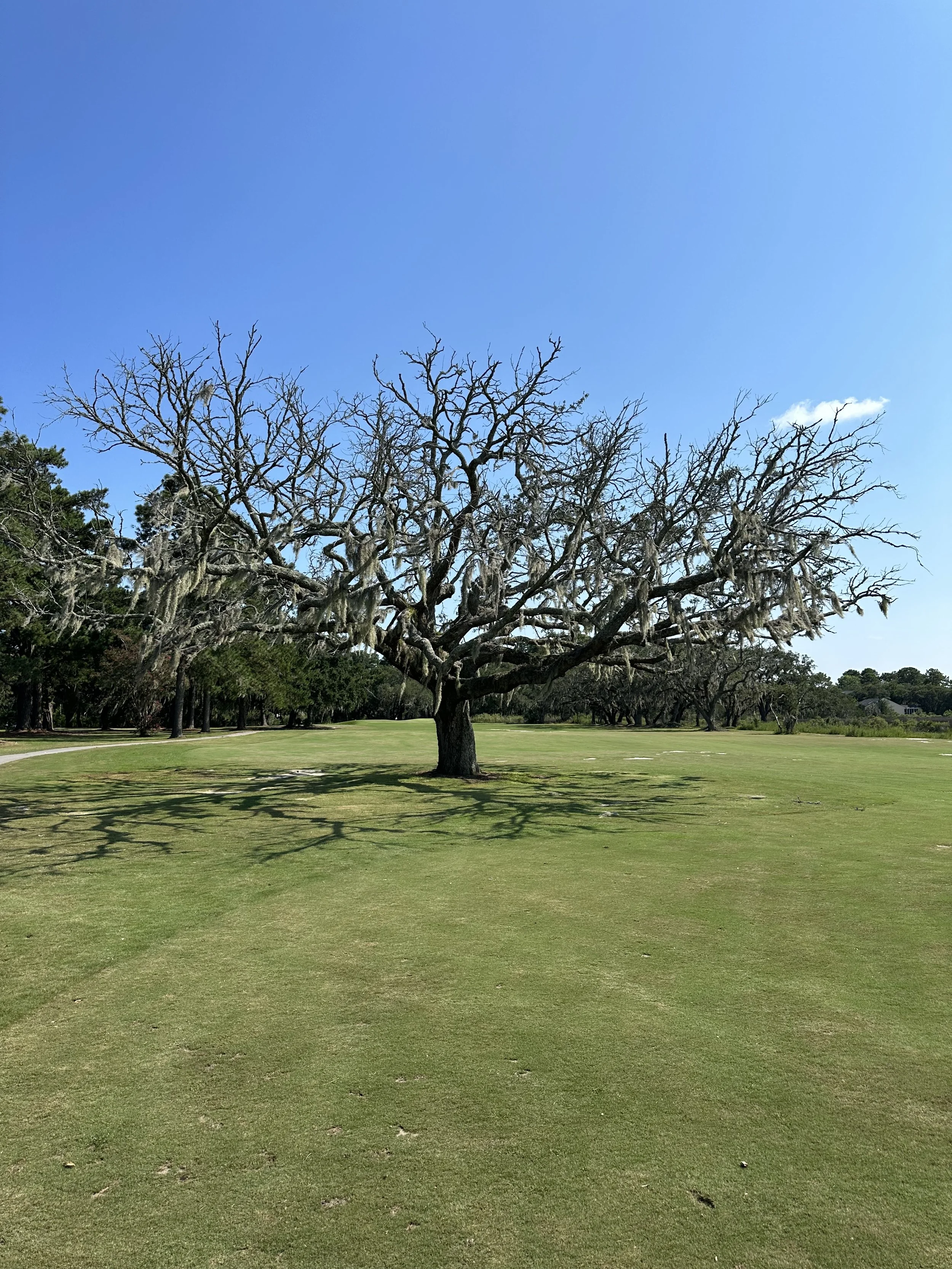
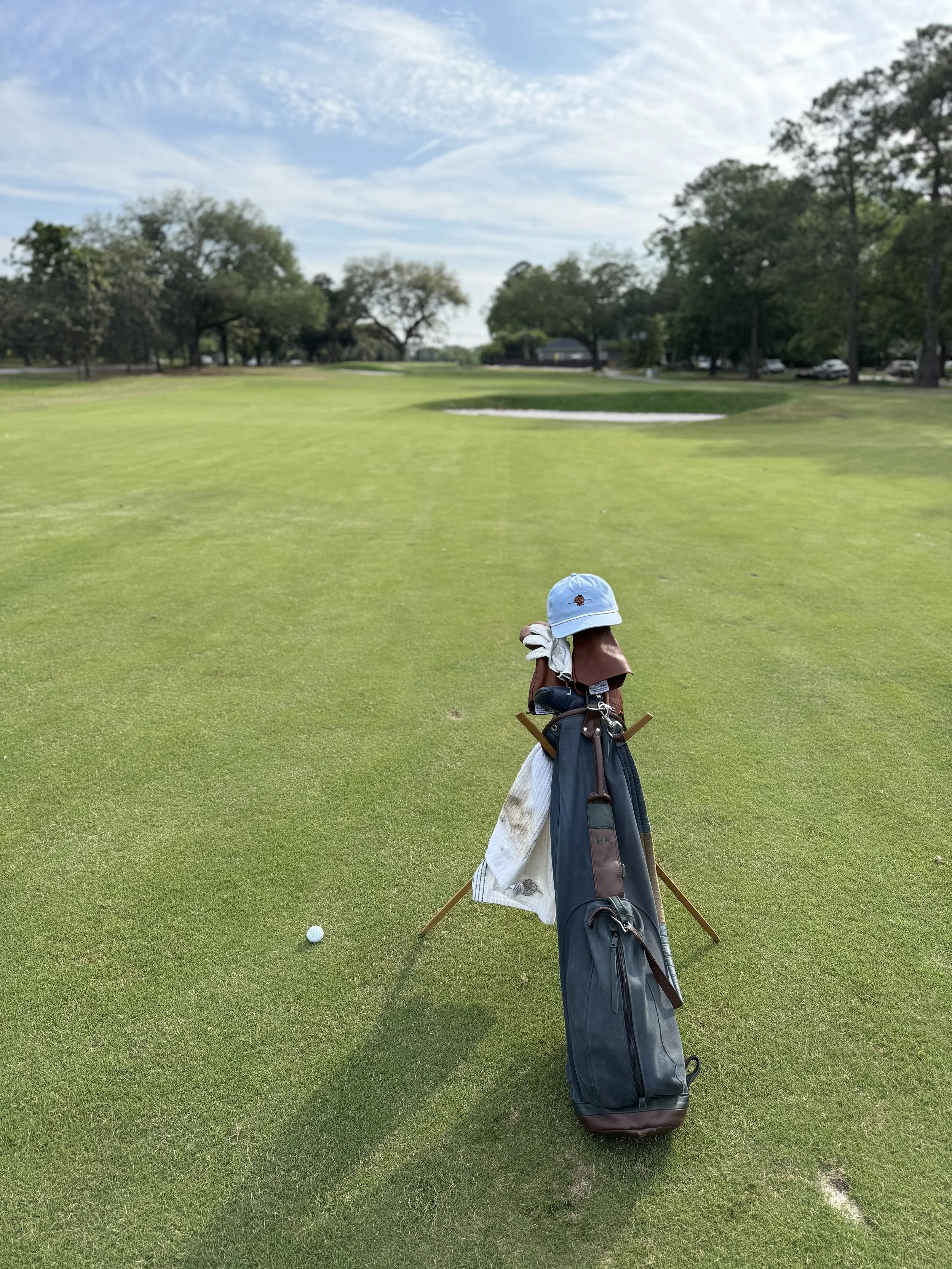
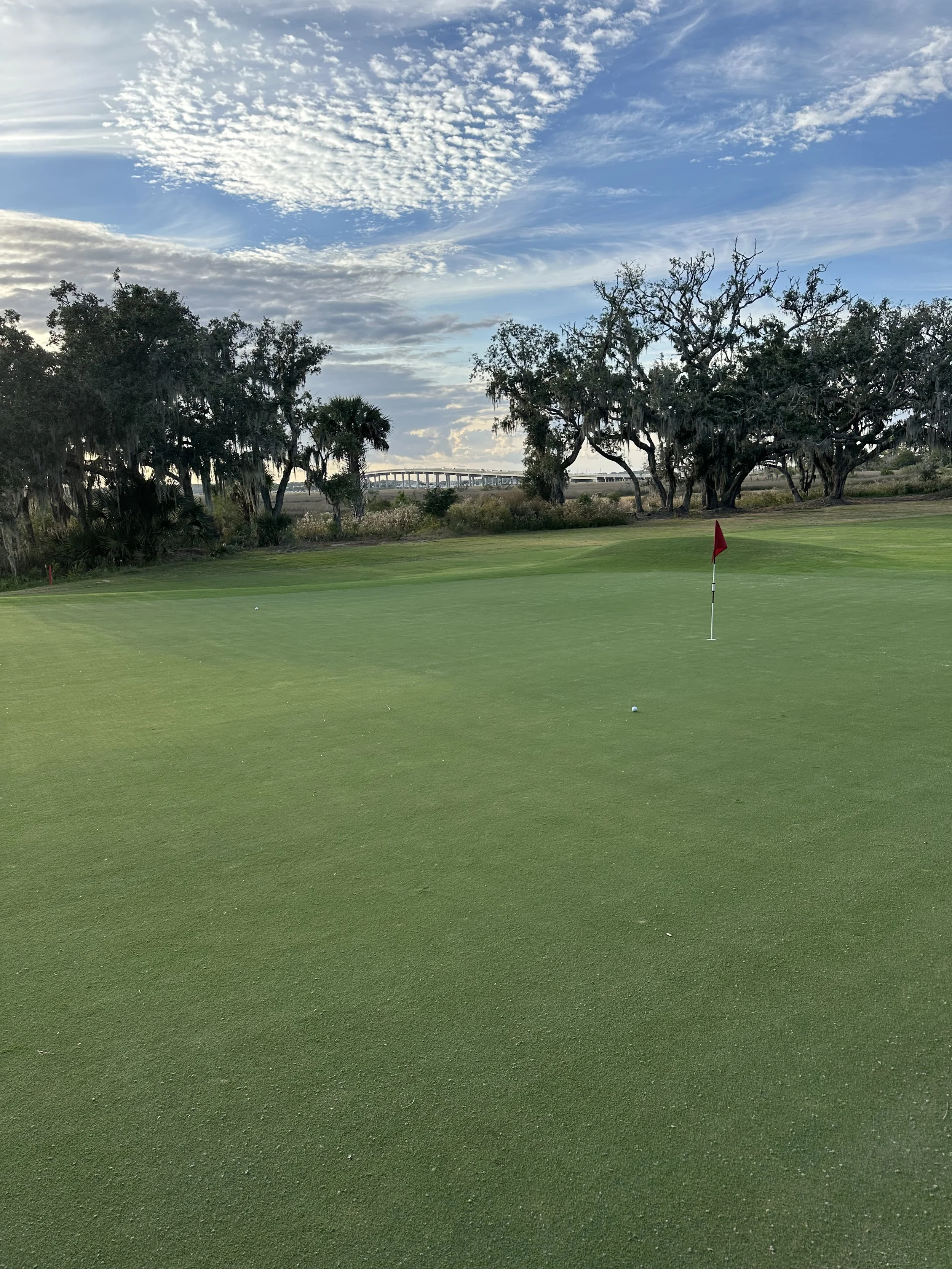
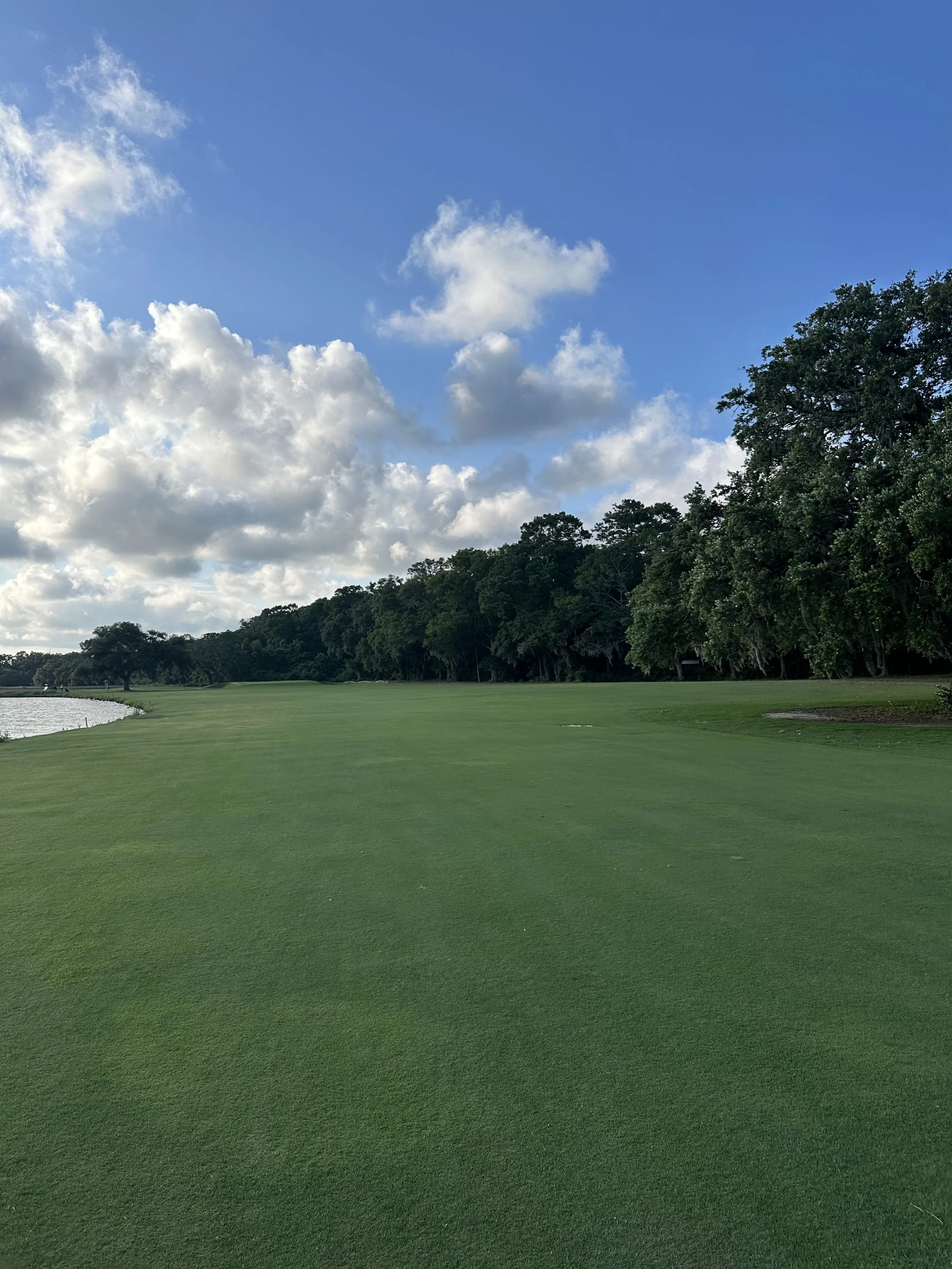
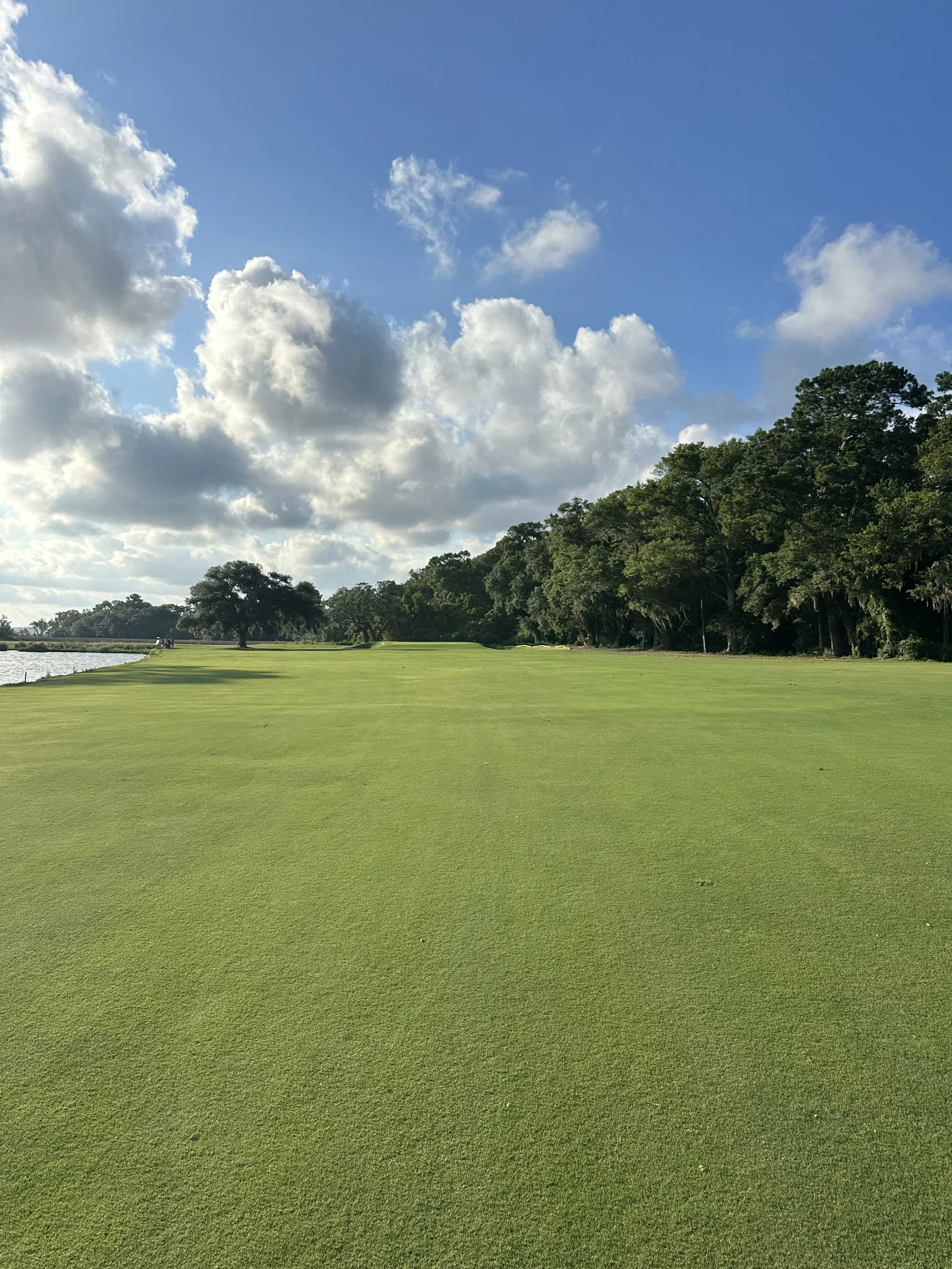
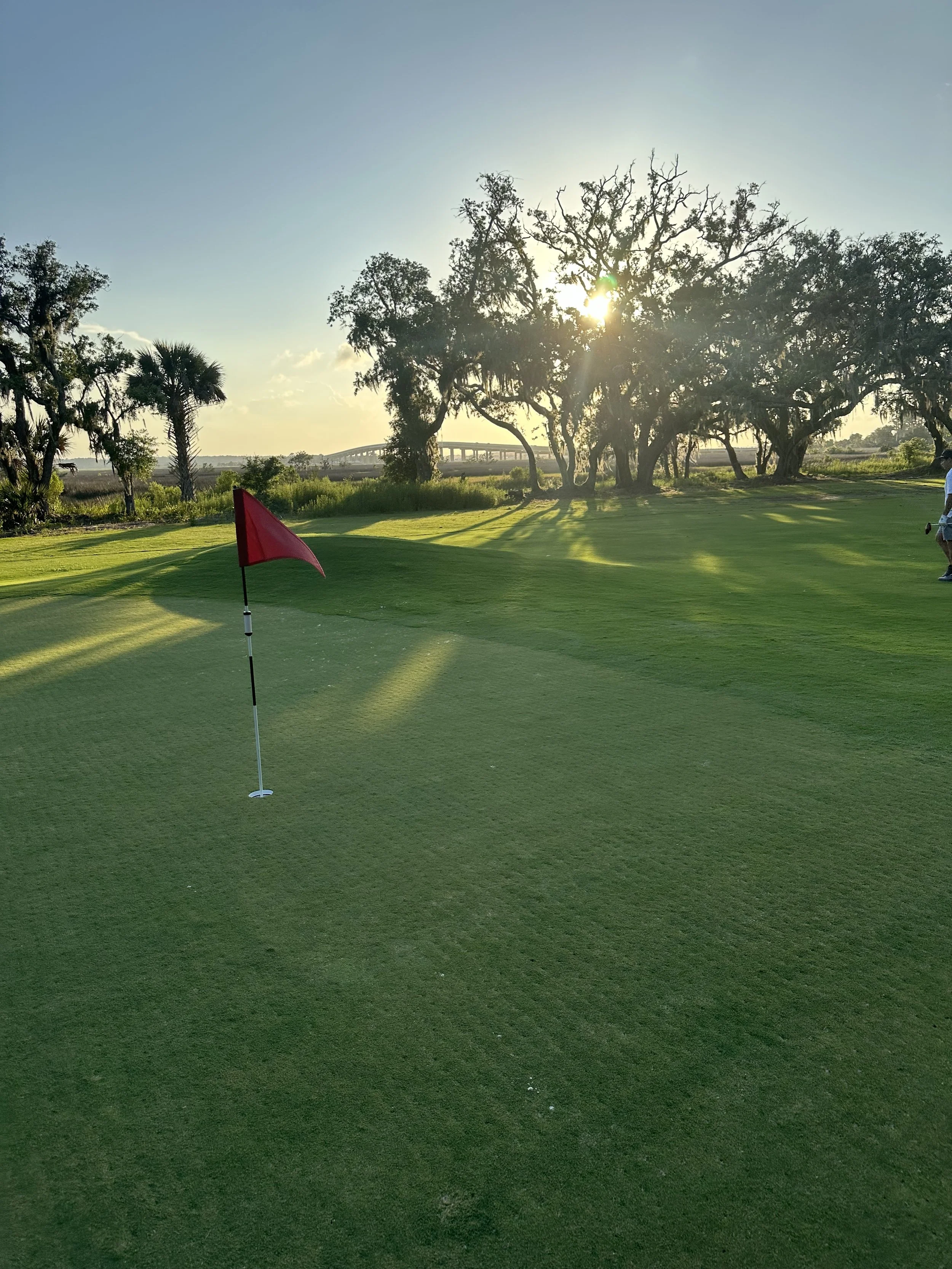
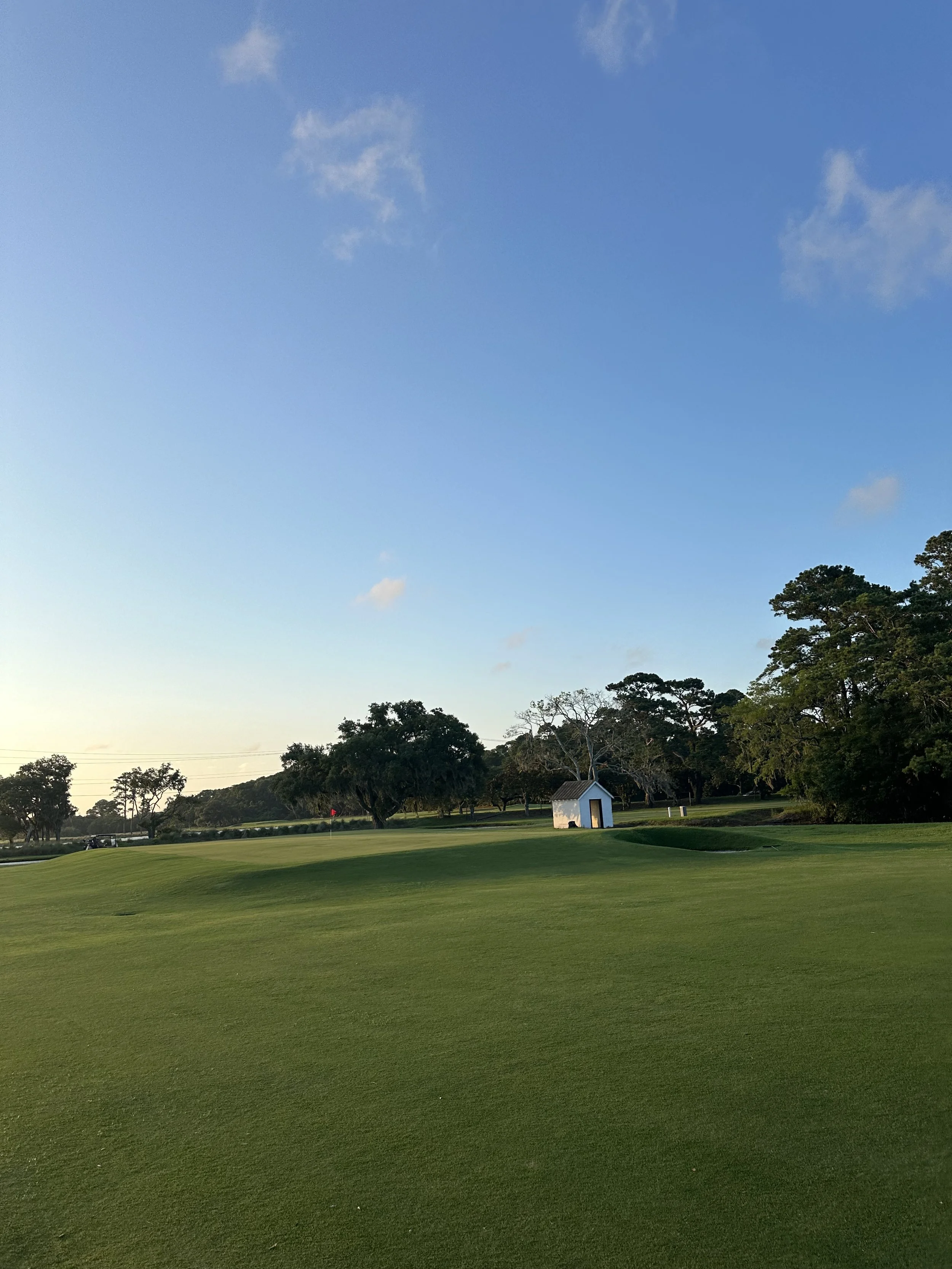
The Muni is where I have played the majority of my rounds over the last couple of years. There is something special there, where the community truly embraces it as an asset and uses it for friendships, golf, and overall recreation. I have made some great friends over the years there, and I always look forward to getting paired with someone new. There is such a great collection of holes out there, but there is something particularly magical about the 11-16 stretch, especially if you get an afternoon tee time and you catch this stretch as the sun starts to set over the Stono River.
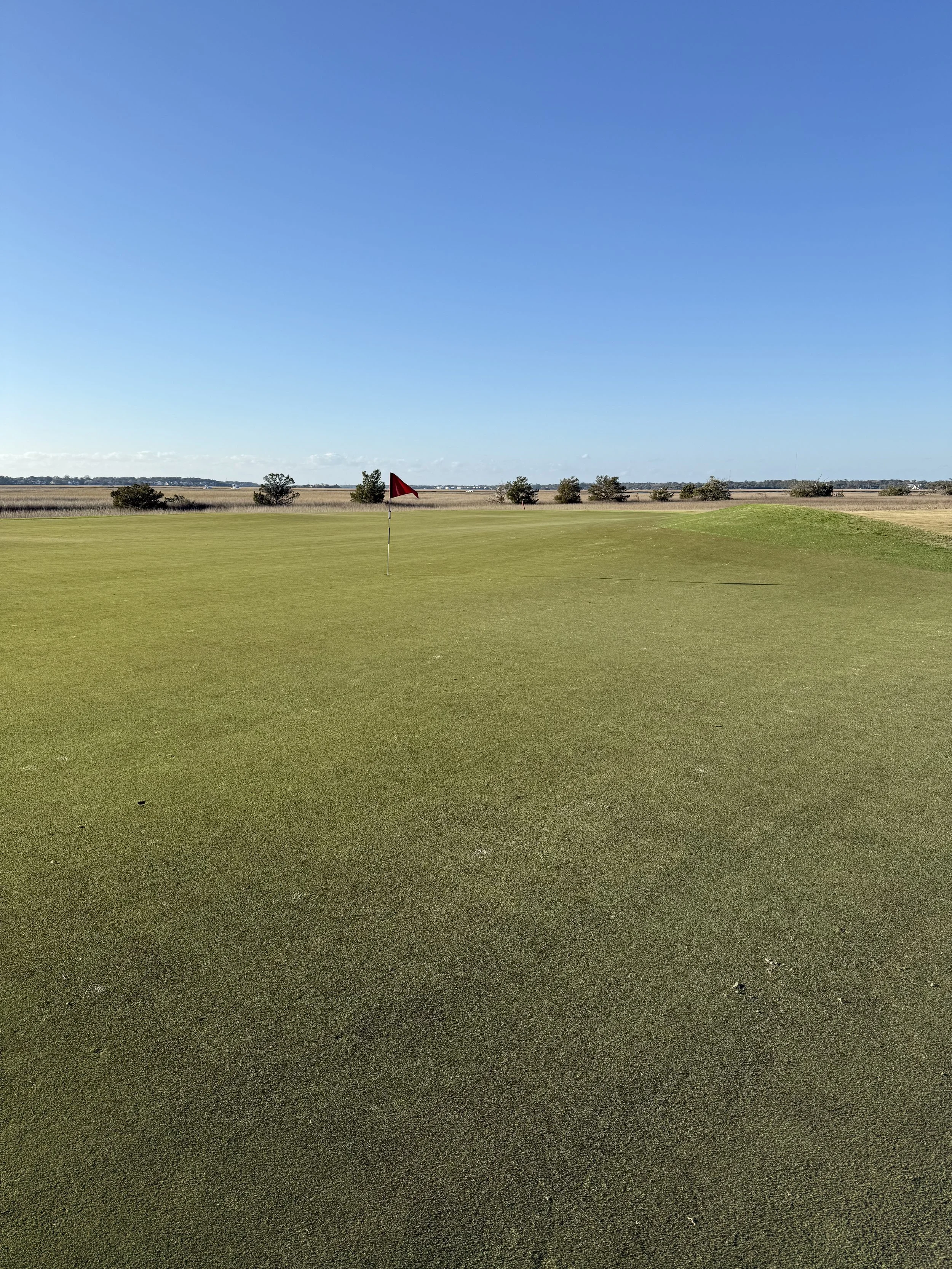
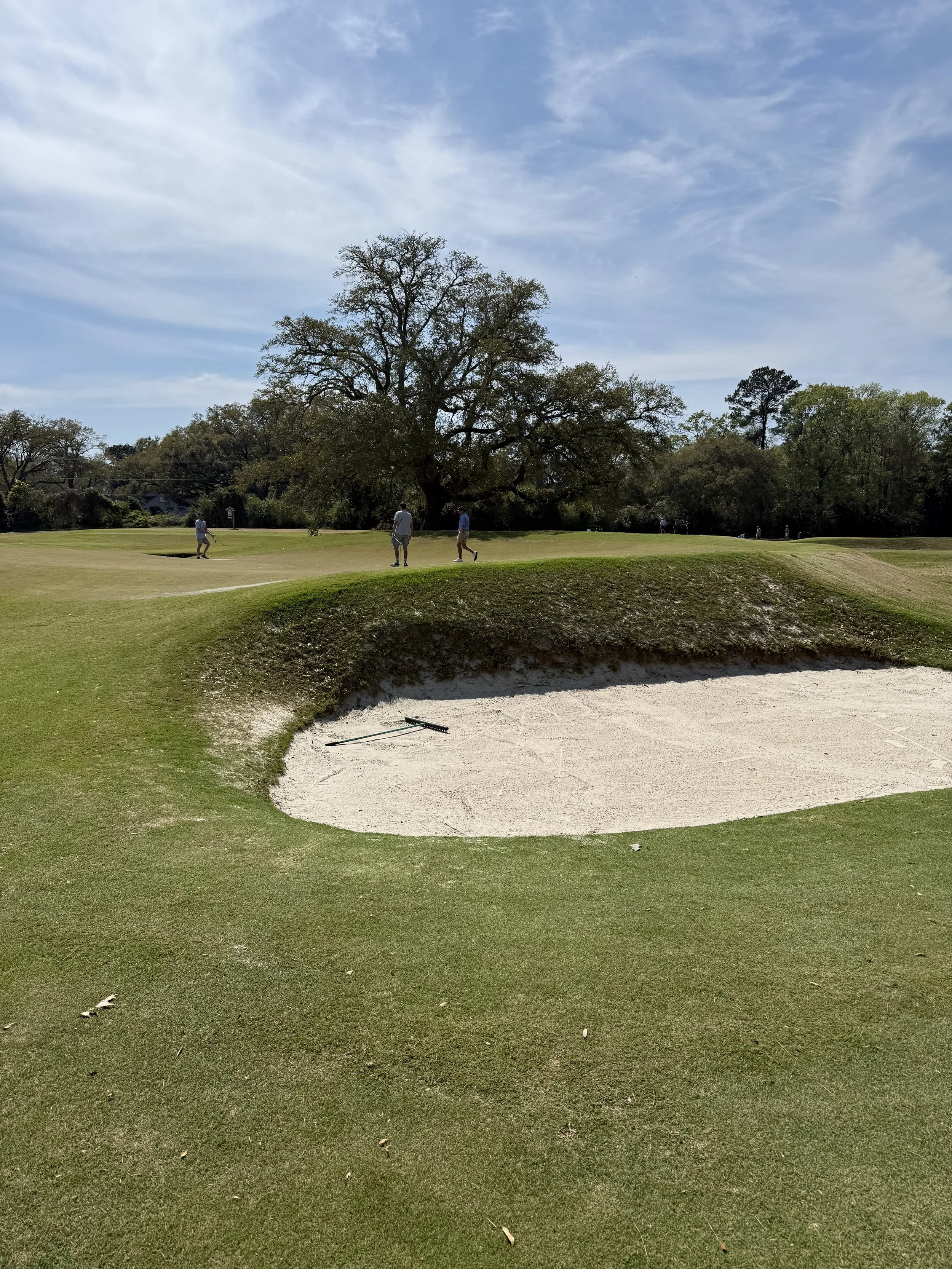
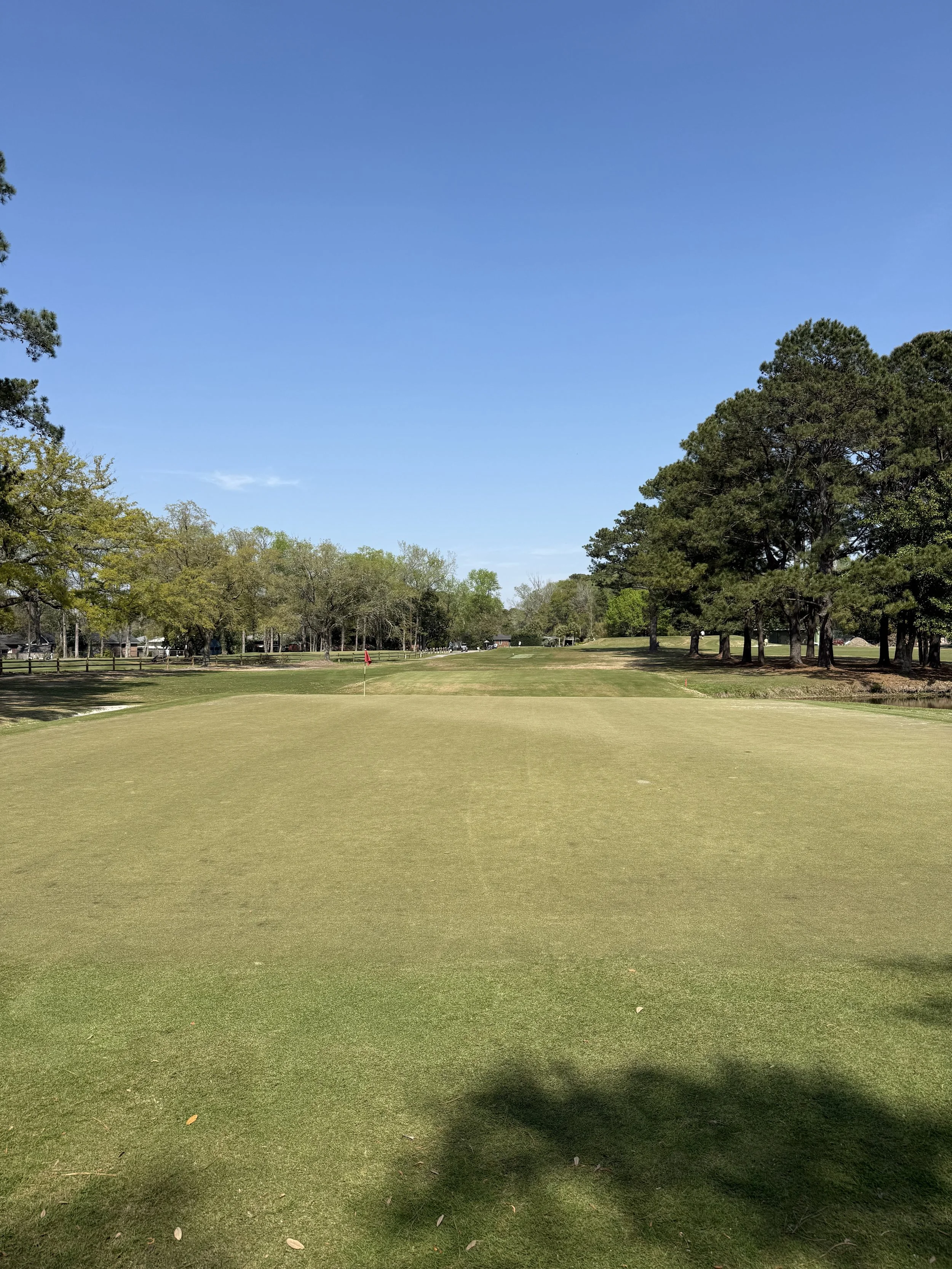
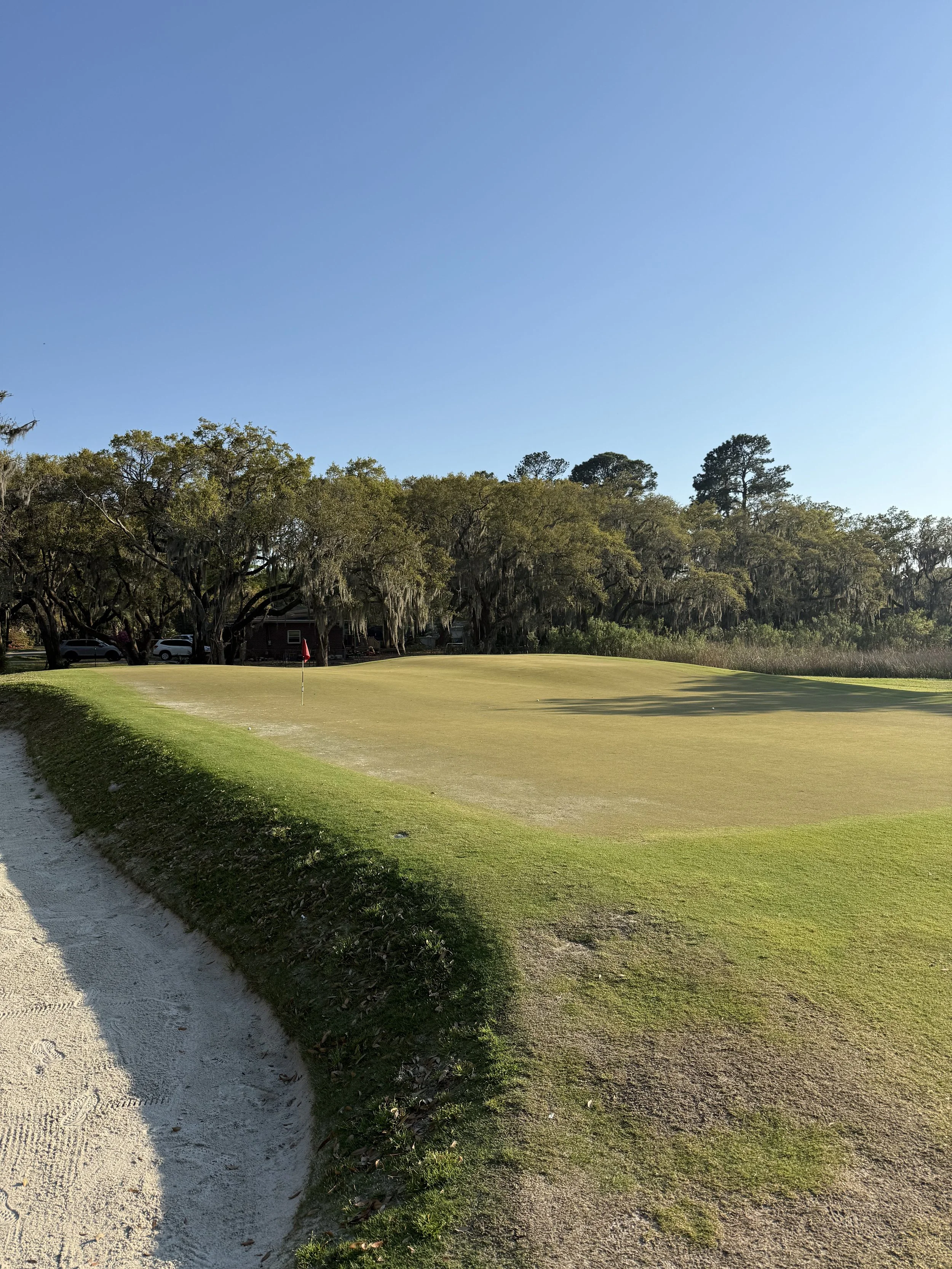
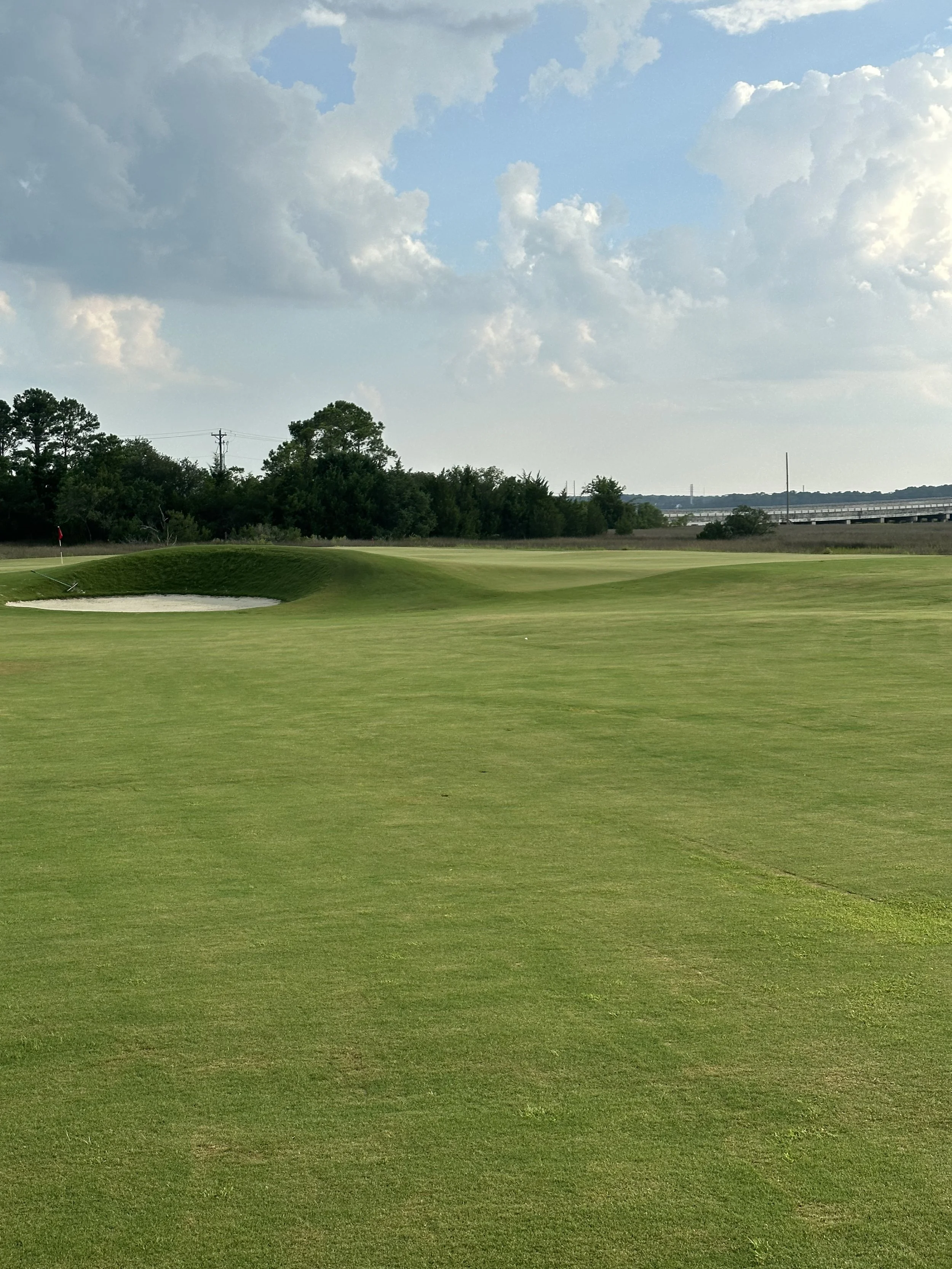
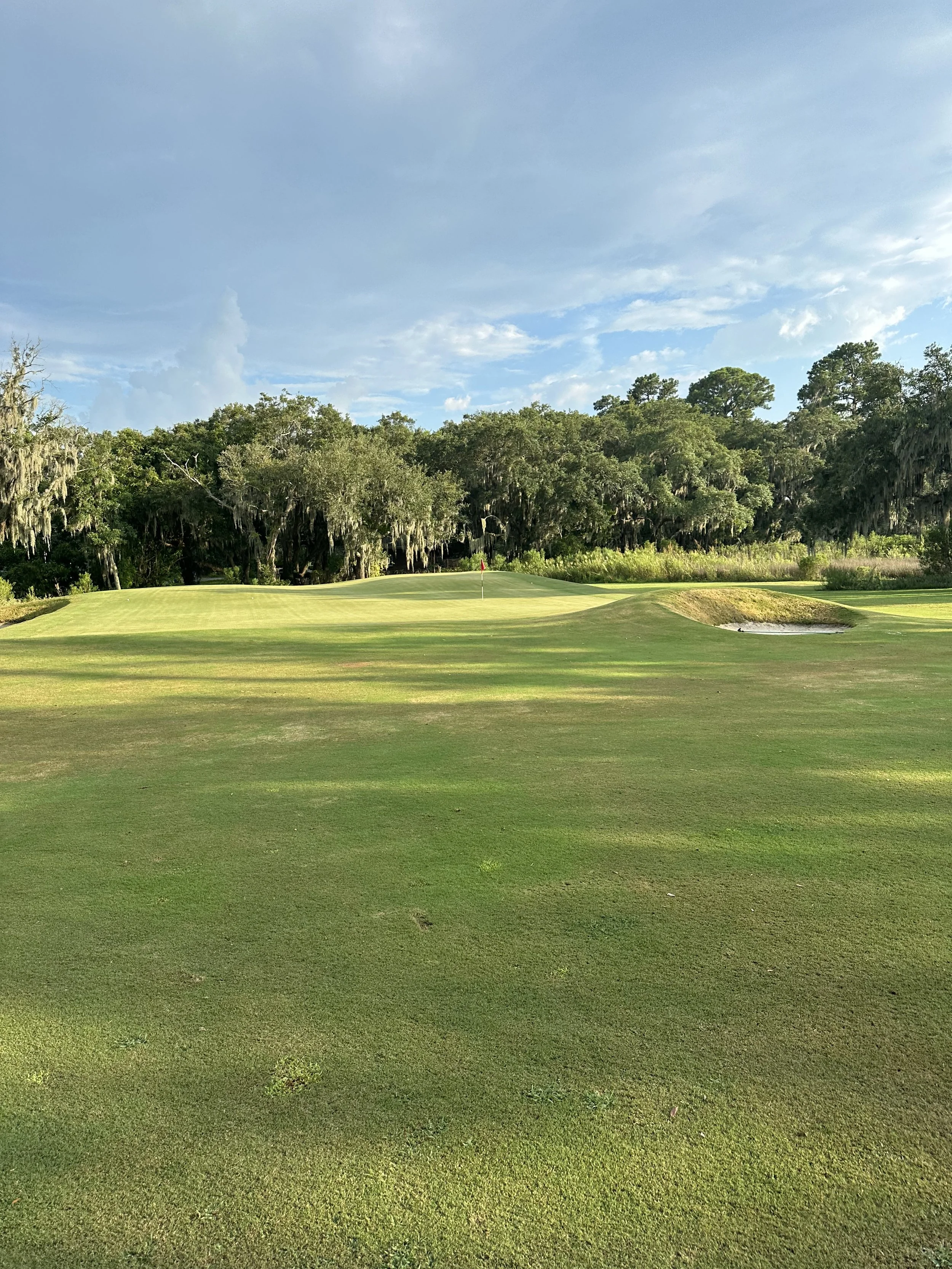
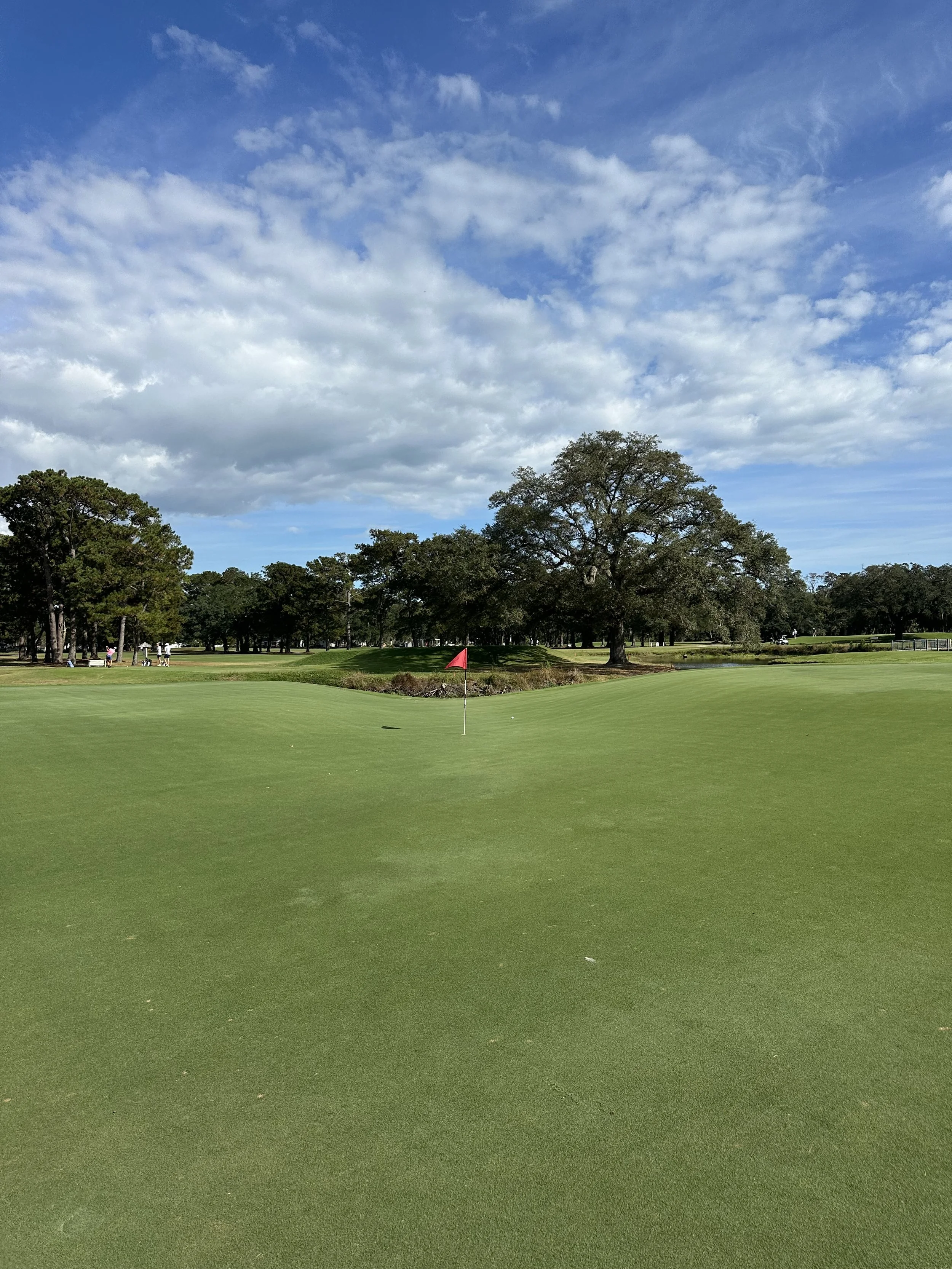
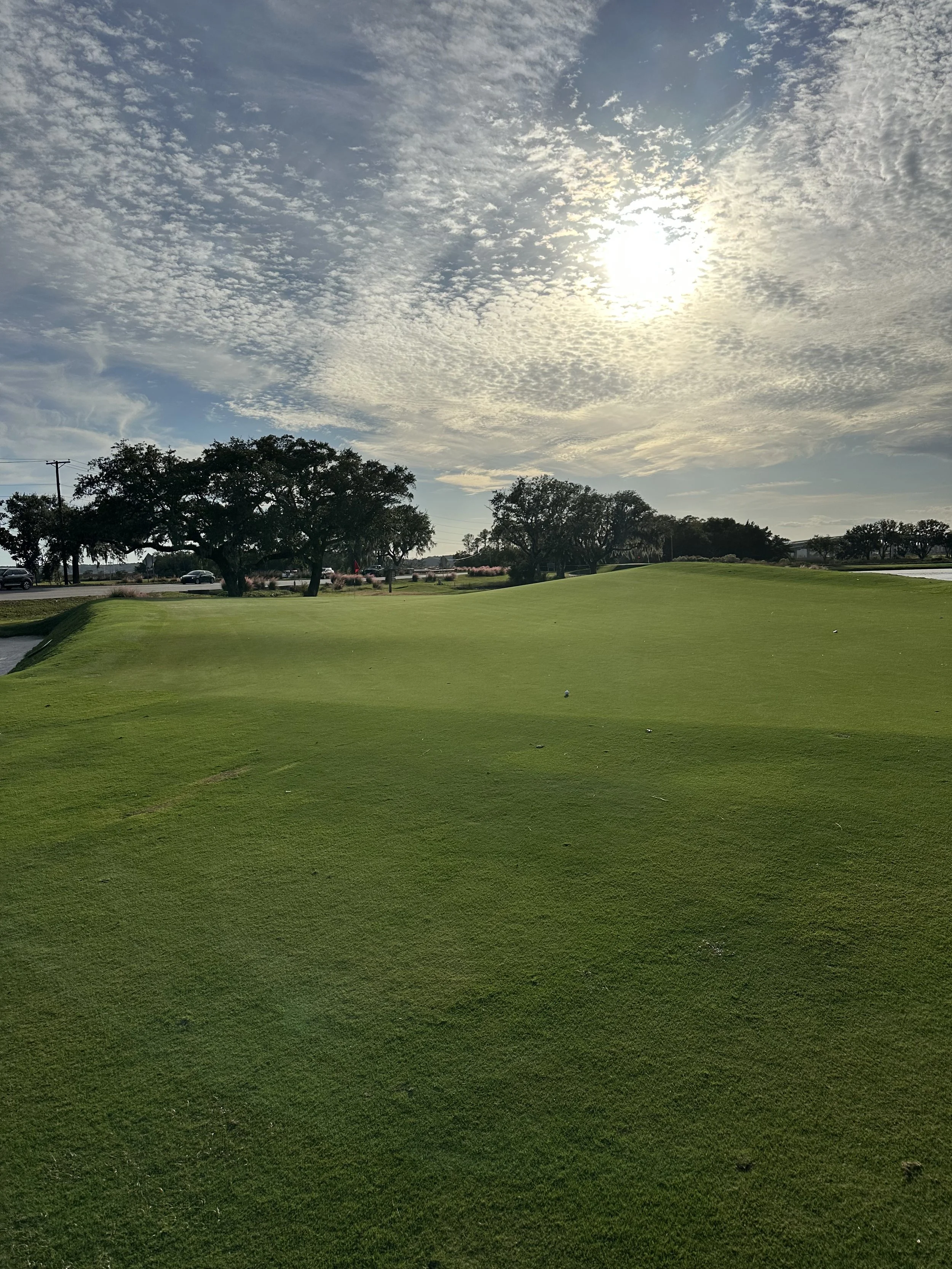
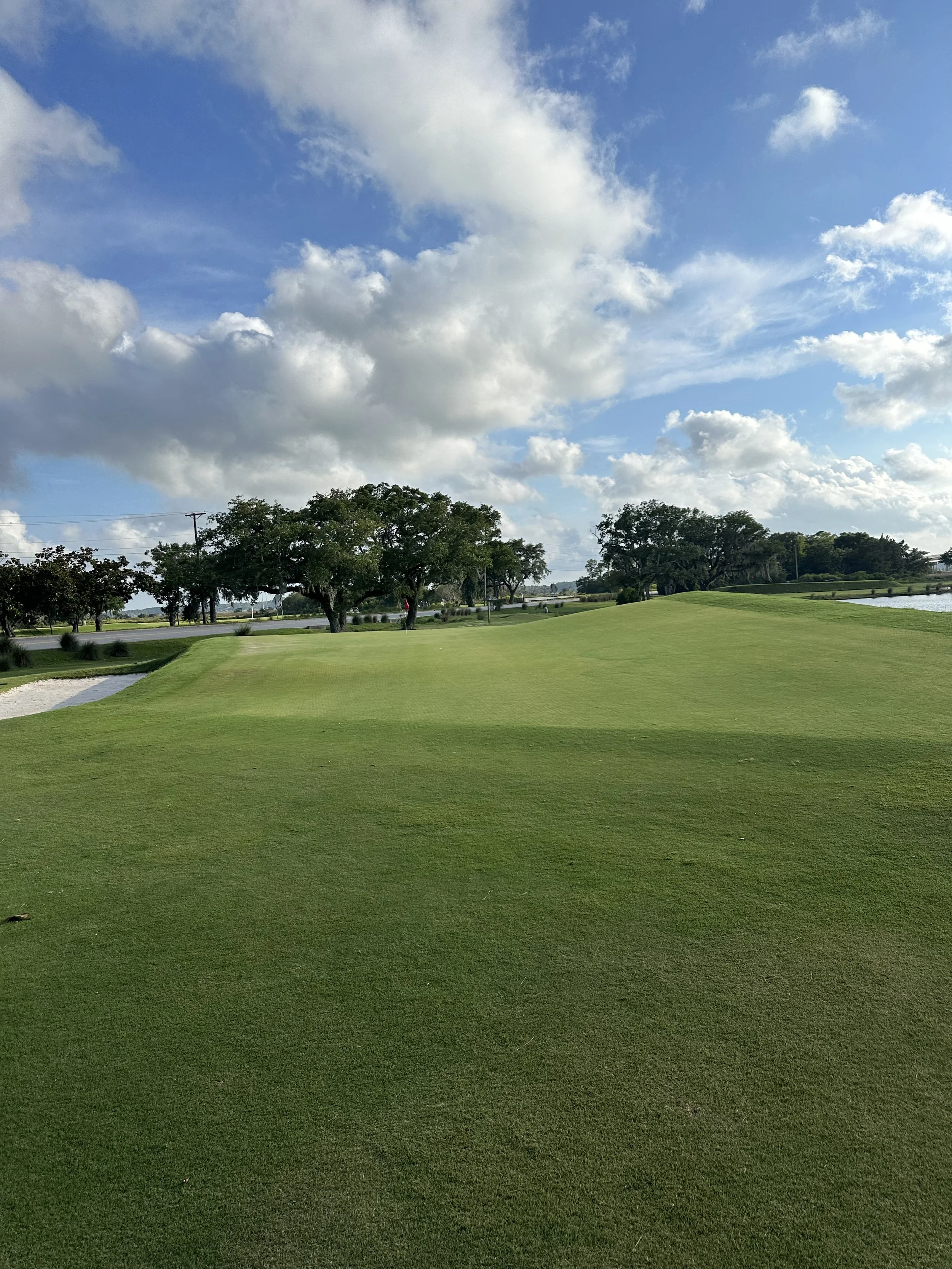
My favorite hole is probably the par 4, 13th. As described by course Architect, Troy Miller, there are some elements of various templates holes here like the principal’s nose bunkering and the road hole green complex. From the tee box, right looks completely toast. However, as you proceed down the fairway you see that it opens up a good bit up the right with a perfect look at the green. This is the play if the pin is middle or right. If the pin is back left, you now how to contend with a steep front facing bunker and not much green from that angle. If the pin is left, you want to take on the principal’s nose bunkers and hit a nice draw right at them to set up for a wedge into the green. The strategy here is what I like most about it, as well as the marsh views.
By the time the idea of a renovation started to take shape, The Muni had seen better days. Like many public courses, it had fallen behind in conditioning and infrastructure, and there were real questions about what the future might look like. What stood out though, and what ultimately made this project different, was how much the community cared. There was a clear sense that this course was worth saving, not just as a golf facility, but as a shared space that belonged to the city.
That momentum led to a full scale renovation effort backed by the City of Charleston and a passionate group of local supporters. The goal was not to start over, but to bring the course back to life in a way that respected its history while making it more enjoyable and sustainable moving forward. Architect Troy Miller was brought in to lead the project, with a design approach rooted in playability, strategy, and a clear appreciation for classic golf architecture.
One of the more interesting elements of the redesign, and something highlighted throughout the process, was the influence of Seth Raynor’s template concepts. Rather than force a replica of a Golden Age course, the idea was to introduce those architectural principles in a way that felt natural to the property. The result is a course that encourages creativity and shot making, while still being approachable for the everyday player. With the Country Club of Charleston and Yeamans Hall serving as two of Seth Raynor’s finest works right here in town, it made a lot of sense to restore some of the Raynor influences that were evident at The Muni. Although not designed by Raynor originally, there were some hints of his influence in the area when the course was laid out. Being built in 1929, shortly after Yeamans and the Country Club, many of the laborers that physically built the courses were likely the same.
What came out of the renovation is a version of The Muni that feels true to Charleston. It is wide enough to welcome new players, strategic enough to keep you thinking, and affordable enough to remain part of the community’s everyday rhythm. It is not trying to be something it is not. It is just a really good public golf course that people here are proud of.
We caught up with Troy Miller to talk about the vision behind the renovation, how the Raynor influence took shape, and what it means to be part of a project that means this much to the city.
Q&A with The Charleston Municipal Golf Course architect, Troy Miller
WGC:
The Charleston Municipal has meant different things to different generations of golfers in this city. When you first began studying the property, how did you approach honoring its history while still preparing it for the future?
Troy Miller:
I’ve been fortunate to play golf at The Muni my whole life and with men and women who have played it far beyond my years - hearing the stories of how they played the course, with sand greens, before irrigation, and see how much they light up when telling their story, it is apparent how much the place means to people and what a large role it has played in so many people's lives. That level of importance carried a lot of weight with me, and was a constant conscience on my shoulder that led me to measure twice and cut once when making some bold decisions about the design. I wanted the course to be something that these individuals could be proud of, and a source of conversation that evoked emotion the way their memories of the last 90 years did.
I spent time at the city archives, combing through old newspapers and historical aerials, not so much in an effort to restore, but understand what had been done over the years. The timing of the course construction, in 1928 and into 1929 was the most enlightening thing for me, as I began to see some of the loose interpretations of what had been built in 1925 & 26 at Yeamans Hall and Country Club of Charleston. Many of the old greens at The Muni were very small and round, but looking out beyond the mow lines, there were some square pads, more than twice the size of the ‘satellite dish’ greens that were being maintained pre-renovation. The existence of those large square pads were the genesis of building this ‘ode to Seth Raynor’ that exists today.
One comment commonly heard on the putting green over the years was how good the bones of the course were, and how great it would be if it was just shown a little attention, a little polish, and maintained in a more modern fashion. Those elements had to be tackled in a much more technical way - looking at the larger watershed to get a full understanding of how to better drain the areas of play, and protect the course against the impacts of rising tide levels.
WGC:
Municipal golf courses often carry a different responsibility than private clubs. From a design standpoint, how do you think about creating a course that serves competitive players, beginners, juniors, and everyday public golfers all at once?
Troy Miller:
The greatest feat in golf course architecture is building something that can be played by all, without creating undue burden on the average player, and still testing the good player. This is best accomplished by avoiding lost balls, cross hazards, and providing a path that the prudent player can use judgement and restraint to think their way around the course. Providing ‘the long way home’ with little to no forced carries, coupled with a bold line of play that may require some heroics is the balance that great design is attempting to achieve.
These are generally the types of courses you want to play everyday.
This isn’t to say there aren’t great golf courses in the world that are darn near impossible for the average player; golfers are gluttons for punishment and wear their scars like badges of honor from
The battle of the Ocean Course or Pine Valley, but building great golf for all levels of player, and places you'd want to play everyday, represents a different set of criteria.
Evoking thought is also how you challenge the good player - in an era of ‘golf robots’ often ultra focused on technique and repetition - providing these players with options, especially around the greens, makes them think & requires them to make a choice and inevitably choice leads to doubt, creating a greater challenge.
This is best done through the incorporation of short grass around the greens - I’ve referred to this as the ultimate equalizer; allowing the average player to putt the ball onto the surface, likely two putting and being pleased with the result. Good players will be faced with options of elevating the ball, spin rates, club selection, and a choice.
Contrast this to heavy rough where the good player is presented a more one dimensional scenario and the chance of the average player getting it on the green is greatly reduced.
Pinehurst No. 2 has always been a beacon of light for these principles, a place where you rarely lose a golf ball, but scoring is truly challenging.
My hope is that The Muni teaches players at an early age to think their way around; exercising the mind as much as their physical skills, and provides an evolution of how they play certain shots as their game improves. I hope these shades of improvement rather than the black and white of success and failure creates a greater attachment to the game for all who play it.
WGC:
You incorporated classic architectural concepts into the redesign, drawing inspiration from some of the great Seth Raynor courses in the area in Yeamans Hall and The Country Club of Charleston. What draws you to that era of design, and how do you reinterpret those ideas in a way that feels authentic to the Lowcountry landscape?
Troy Miller:
The Golden Age of Golf Course Architecture produced more Top 100 courses than any other era in history. It was the height of forming course architecture as an art, and significant progress was made in understanding what made golf courses great, strategically and aesthetically. The collection of architects of that era - Ross, Mackenzie, Tillinghast, Raynor, Flynn, and the list goes on, provided a road map to future generations, and much of their work survives today based on the principles of great design they understood so well.
Studying Golf Course Architecture throughout my career, and understanding the impact that Raynor and MacDonald designs had on Pete Dye, I understood how impactful the principles of their designs could be, and given the Raynor legacy in Charleston, it presented a rare opportunity to bring this style of architecture to the public realm. The very engineered style of Raynor’s designs are a reflection of the man, an engineer first and foremost, and also shows the importance he and MacDonald placed on the strategy of ‘ideal holes’ that were the inspiration for the template holes they created. The lowcountry presents a great opportunity to allow those features to lead the way, standing out boldly against otherwise flat land.
In any golf course design there should be a greater story told - of the place, and of the people; having the chance to tell the story of the Golden Age of Golf Course Architecture in Charleston was a dream come true for me.
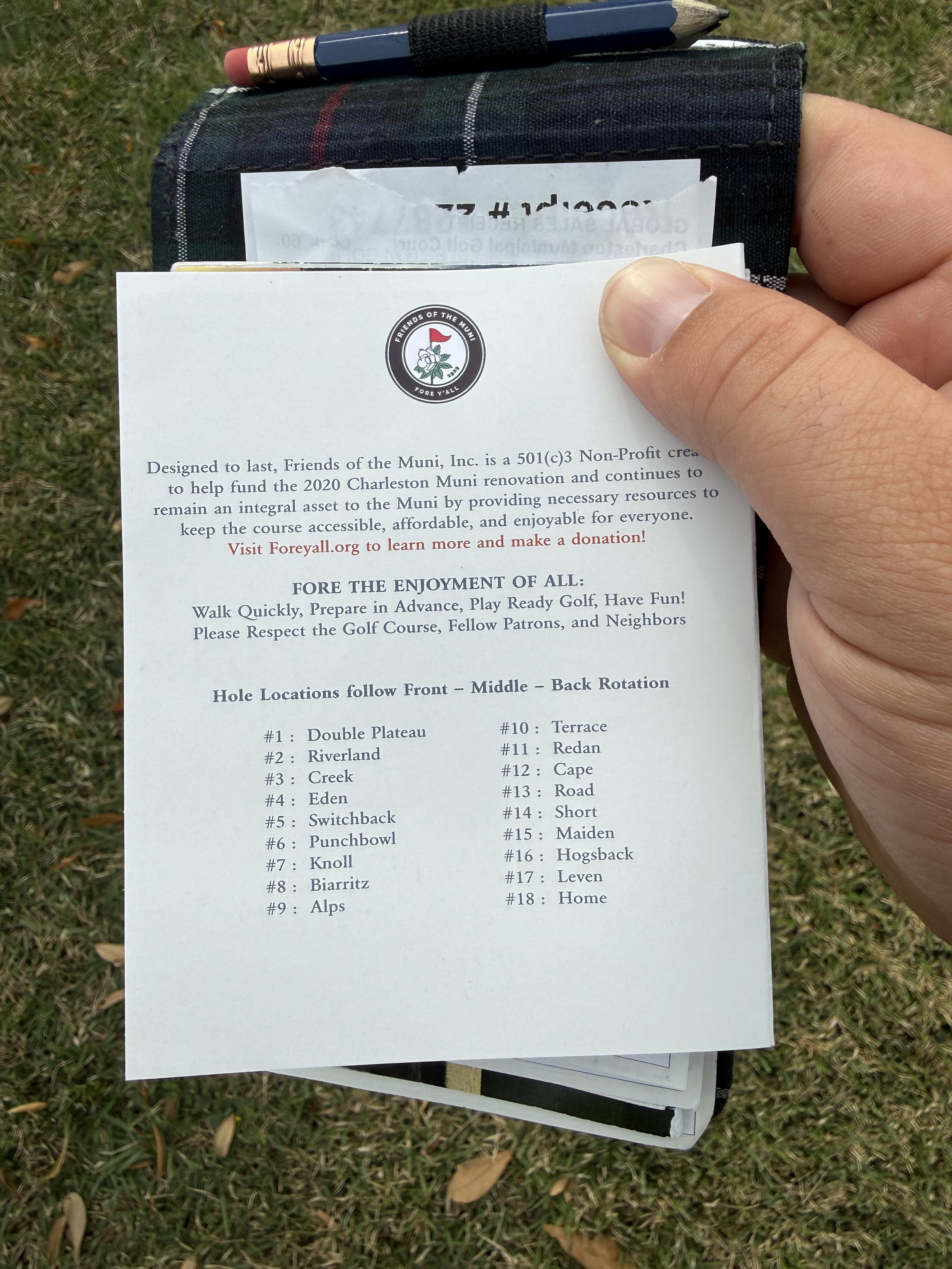
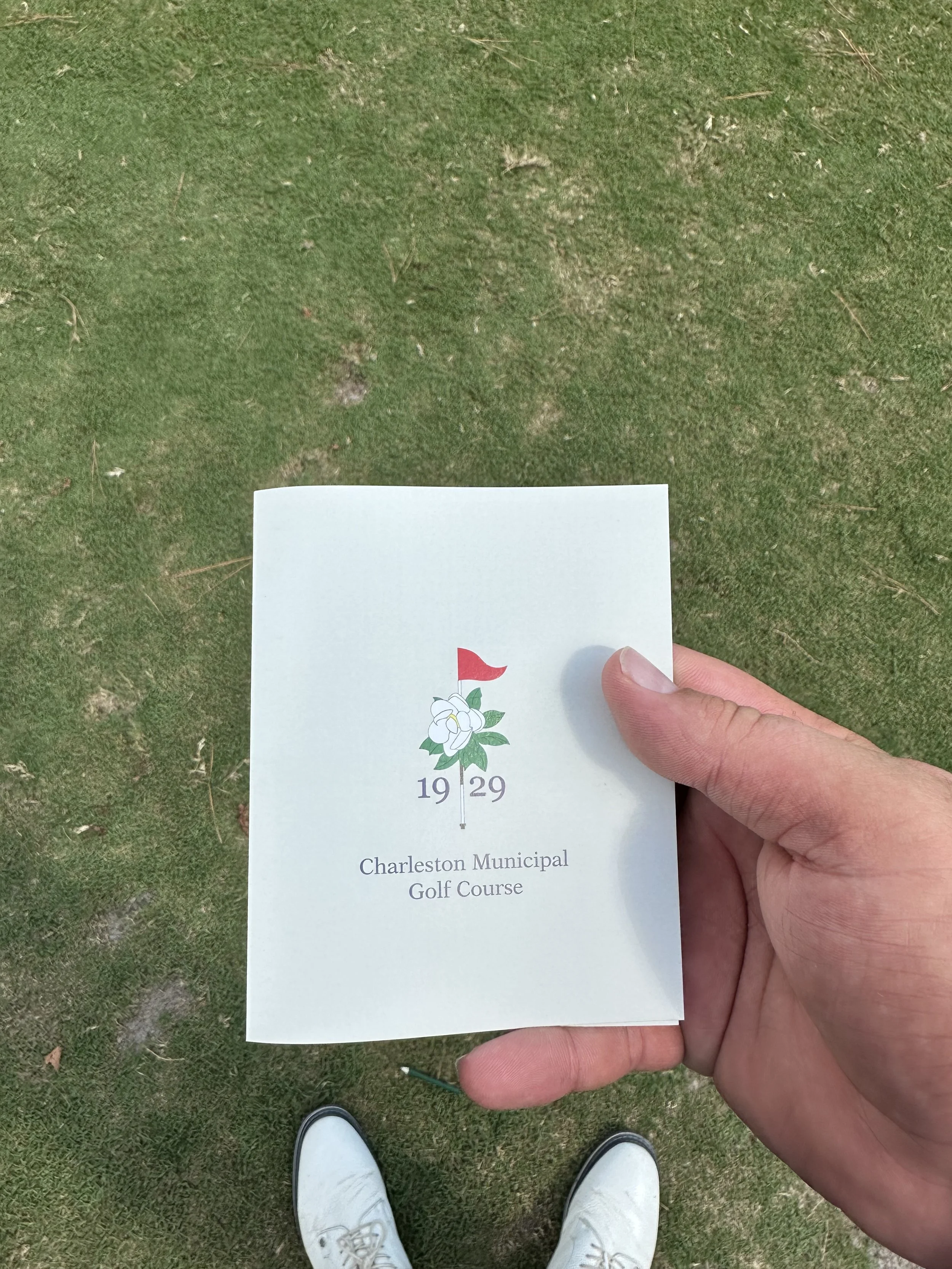
The design templates that each hole is modeled after with a fresh interpretation are listed on the back of the scorecard
WGC:
Can you walk me through your design process when studying a new project, on a high level? What sort of features of a course typically stand out to you right away?
Troy Miller:
Routing a golf course is 90% of the battle. On new projects letting the land lead the way - finding the greatest interest in the natural contours and thinking about how you would want to explore the property if you just happened upon it; these are some of the first lens that you see a new course through. Making note of unique trees, rock outcropping, landforms, or structures can drive your early decisions.
Those layers of lenses continue to get deeper and more complex as you evolve the routing, taking into account the constraints of the property, or vision for what a place is meant to be - each of these elements represents another layer to the lens that inevitably becomes the vision for a course.
Reflecting the site and telling the story of a place through its natural features and its history is always at the forefront of my thinking - how are the details going to weave a cohesive experience from start to finish. Asking the question ‘what does this place want to be’ early and often in the process can become your basis in making design decisions.
It’s also easy to, and almost guaranteed, you are going to fall in love with some aspect of a property that you can immediately see a great hole or a great visual. Sometimes those work out, sometimes you waste a lot of time trying to fit a square peg in a round hole before inevitably abandoning the idea for the greater good of the course as a whole.
Ultimately, you are looking for those features of a property that are unique, to the property, the area, or the world, and trying to showcase them in a way that highlights that uniqueness. For tremendously flat sites that often means looking for any roll or pitch in the land that can be amplified; on a very hilly or mountainous site, you seek out those areas that are flatter, providing the appropriate slopes for golf. As an golf course architect, it is your responsibility to bring out the best in the land coupled with an enjoyable and strategic golf experience.
WGC:
Community involvement was such a visible part of this project. How did the feedback and passion from Charleston golfers shape the final design? Were there moments where public input meaningfully influenced architectural decisions?
Troy Miller:
There were some moments during the process, given the boldness of some of the features where some players voiced concerns about how they would be able to play the course. Many of those voices quickly became the biggest supporters of the design once they played it. They were the ones who more quickly came to the realization that the best way from Point A to Point B is often not a straight line.
The golf community involvement was more centered around an overall excitement for something new, and better playing conditions. The general public had a significant impact on the extent to which we made drainage improvements on the course to better the greater community; inevitably the new stormwater capacity created on the course led to a significant reduction in the flooding of the adjacent neighborhoods, and even allowed for the piping of open ditches and incorporation of much needed sidewalks in one neighborhood.
One of the greatest moments of influence in the design came prior to construction, and not from the public, but from my wife - who has never played golf. As a meteorologist and climate scientist, she overheard me talking about elevating the holes along the Stono River by ‘3 or 4 feet’ to protect the course from rising tide levels and maintain its integrity for generations to come. She said, ‘you mean 5 or 6 feet’ - ‘if you are going to truly protect this place for future generations’. And so, that’s what we did - elevating the 13th by as much as 6 to 7 feet over the existing elevations.
The community came together in a big way to install landscaping on the course, with over 60 volunteers spending a weekend in November installing over 1,000 plants.
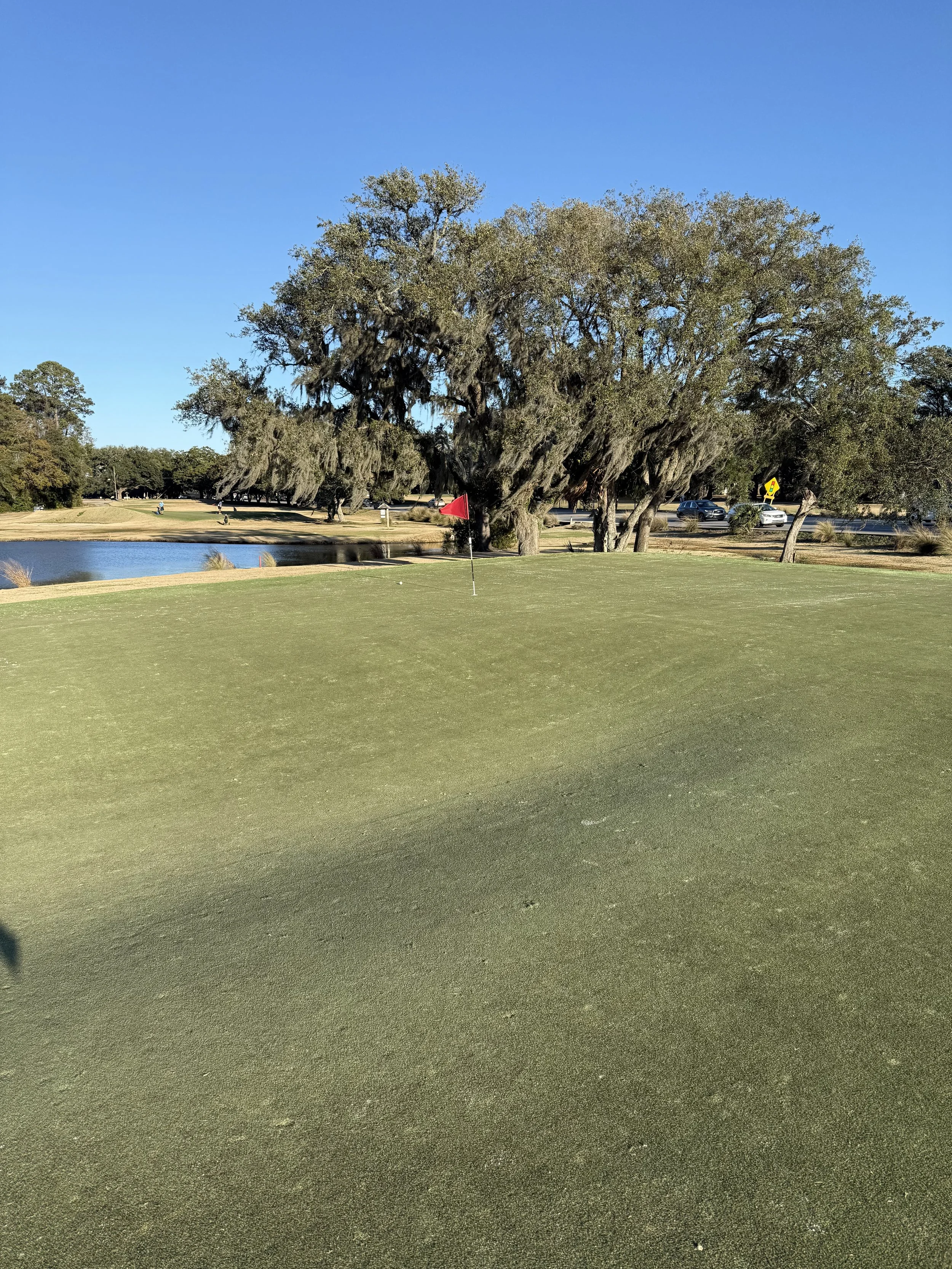
One other influence that happened during construction came from one former mentor, inspired by another. Just as we began construction in January of 2020, Pete Dye passed away. Chris Cole, whom I worked for at Landmark and who had worked with Pete himself on countless projects, suggested maybe some kind of nod to Pete along the way. We threw around some ideas, ultimately landing on railroad ties - which were incorporated into the back left of the 14th green as steps out of the bunker surround the Short hole, and visible from Maybank Highway for all those headed to Kiawah to see. My Daughter and I installed the steps, carving Pete’s initials into one of them.
WGC:
Budget and infrastructure constraints are real factors in public golf. How do limitations like drainage, agronomy, or funding challenges push you creatively as an architect rather than restrict you?
Troy Miller:
The way we maintain golf courses in general has reached a level of optimization that is mind boggling. The associated cost of that generally have reached a level of diminishing returns that is pretty wasteful when you really dive into the results. When people look to courses with a more restrained approach to maintenance and greater financial restraints but still offer a great experience, I hope they’ll see a better way forward.
For this project, we had an initial budget of $2.6M that inevitably was cut during construction to $2.1M due to concerns over the uncertainty around COVID.
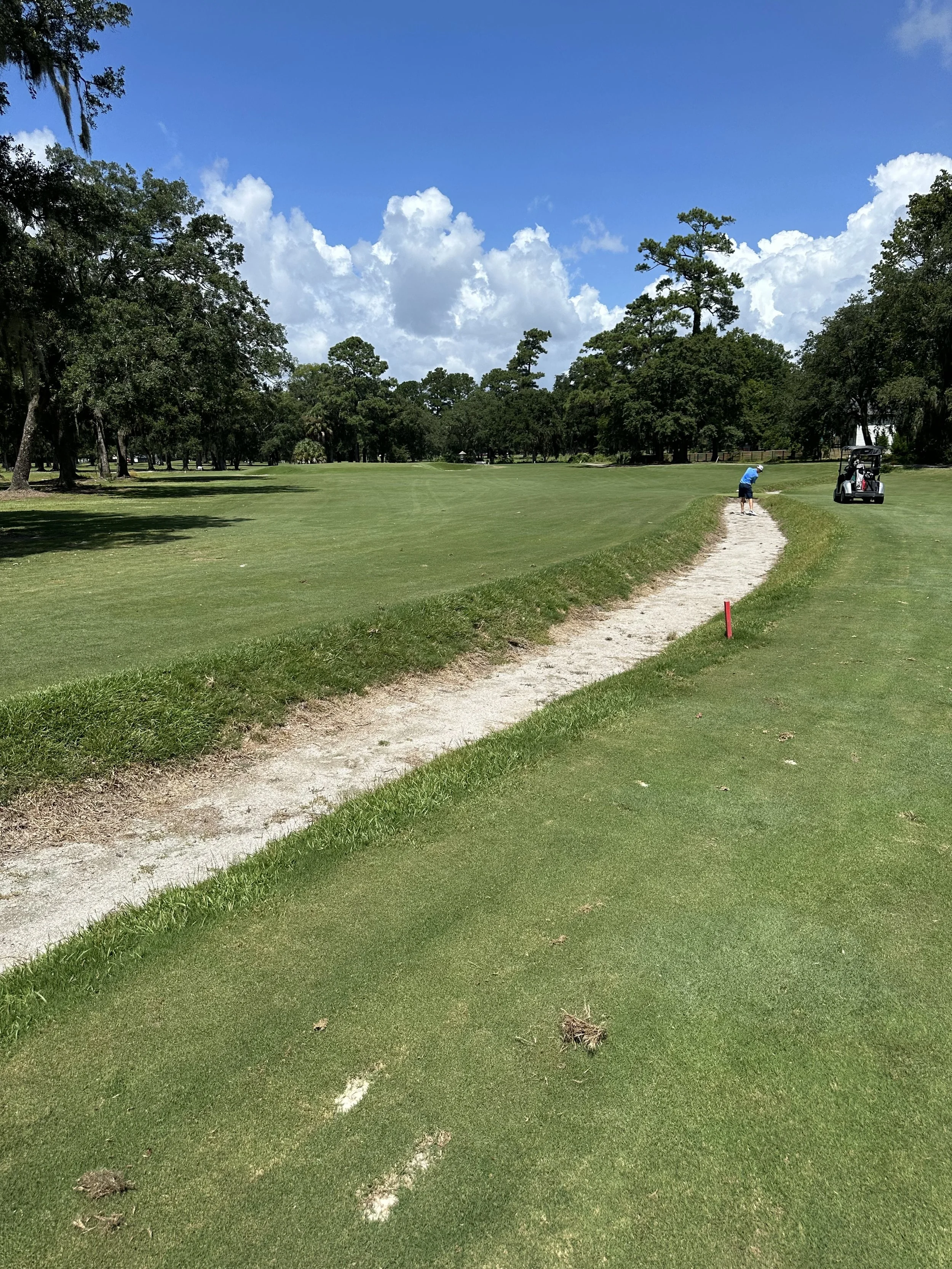
Focusing on the centerlines out - greens, tees, fairways, first and foremost was the main directive and driver of decisions. The rough around the edges experience of The Muni is very fitting, and more natural than many courses focus on manicuring every inch of a place - those areas provide a more elegant transition from golf to nature, both visually and physically, often helping to enhance natural systems. The place where I probably get most greedy as an architect is in the creation of as much short grass as possible, and the expanded width of fairways at Muni is a good example of that; there are areas today that I'd love to see maintained as short grass, but fully understand the labor limitations and in some case environmental factors of shade or drainage, that just don't allow for it without extraordinary effort that comes a cost.
While most of Raynor's designs famously have over 100 bunkers (Fishers Island notwithstanding) the idea of building that many at a municipal facility also felt a bit irresponsible, which made me think long and hard about which of the bunkers represented the most strategic elements of the template holes, and how to properly size those bunkers for their depth. I certainly didn't get it all correct - but overall I think we made a great effort building something maintainable and thoughtful with the 44 bunkers that were constructed. Ironically, that's how many bunkers are at Augusta National, so we have that in common - along with our Magnolia Lanes :)
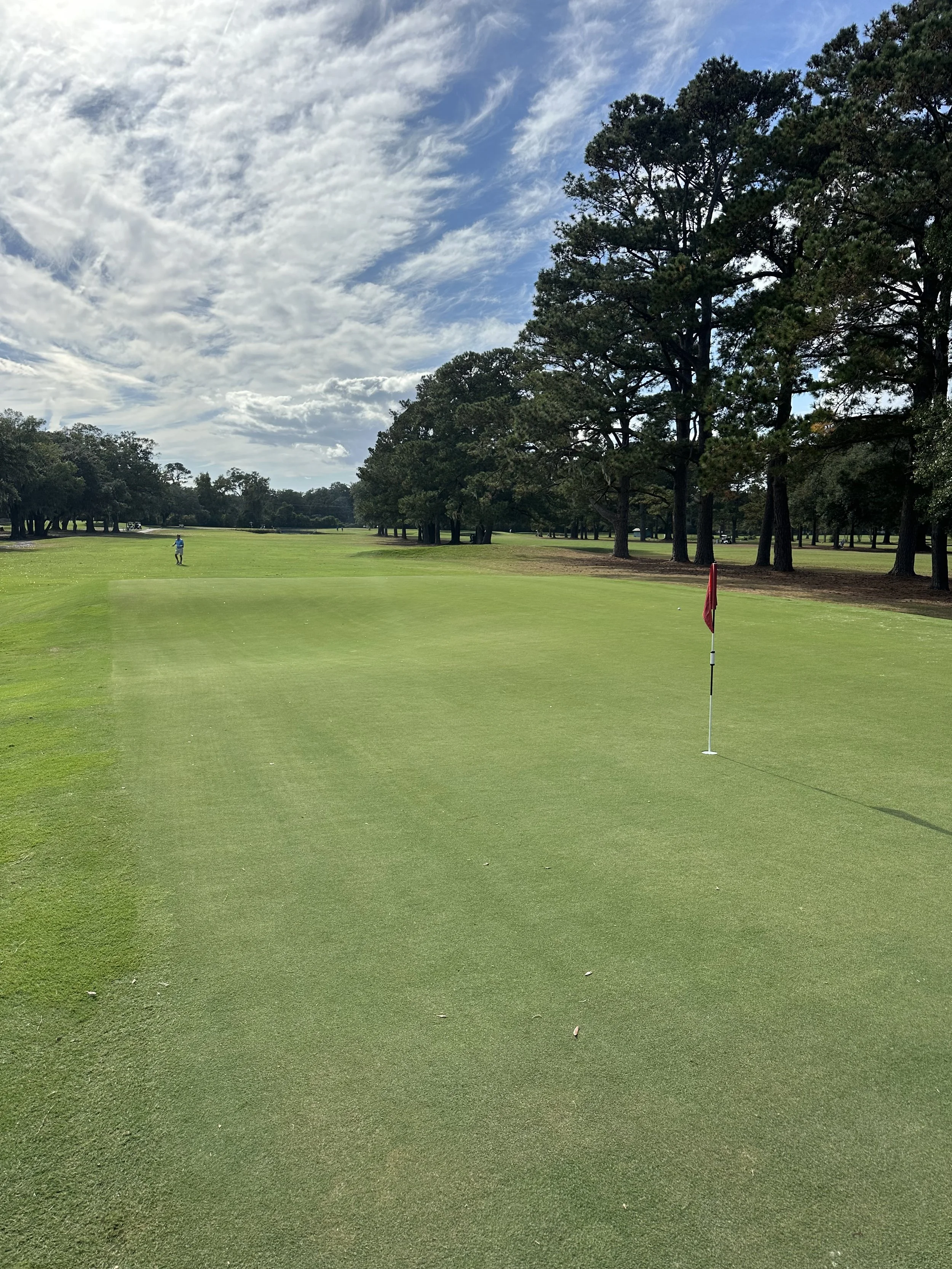
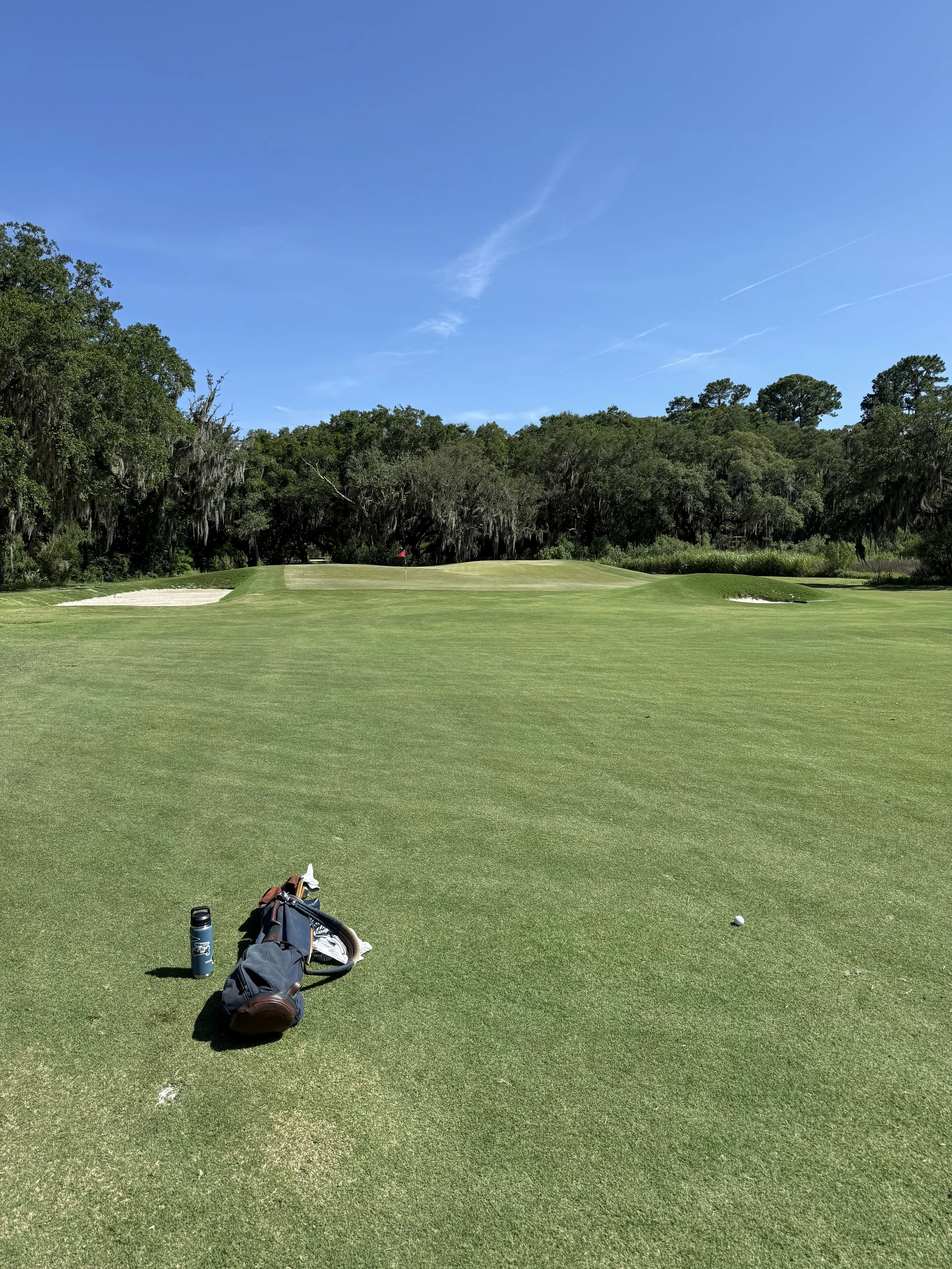
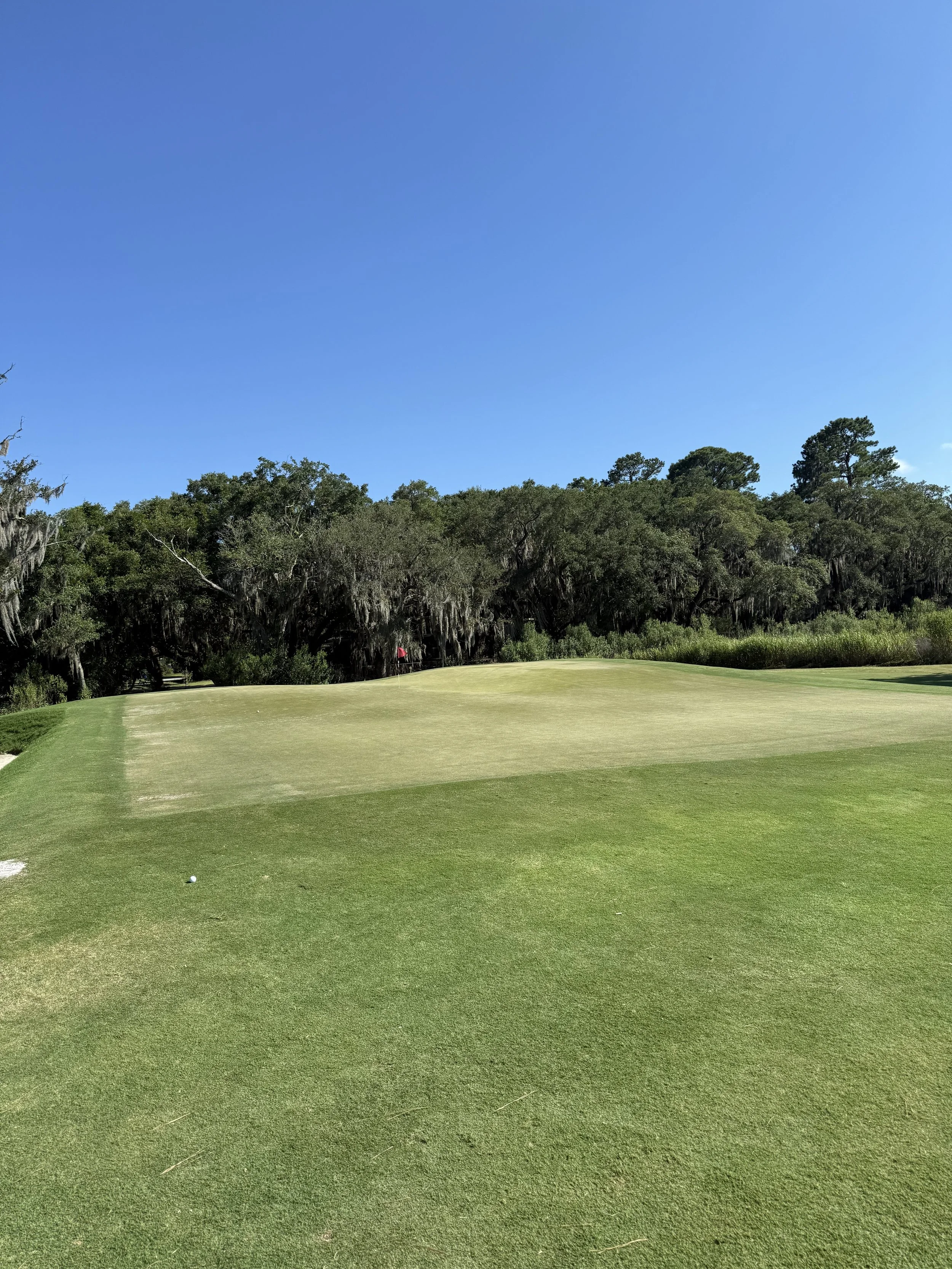
Overall the features of Raynor courses are generally big, with greens averaging more than 1.5 times that of what we have at Muni. The scale of the site, only on 129 acres, made the appropriate proportions of these features smaller, albeit nearly twice the size of what existed pre-renovation. Building a Biarritz green, where both the area in front and back of the iconic perpendicular swale are maintained as green requires a really large green, and is ultimately very resource consumptive. This was an easy decision to build the front as an approach, maintained as short grass, but not built as a green, with the surface starting as a false front at the rear of the swale. This way, the player has to navigate the swale every day, and not just when the pin is in the back portion of what would have been a 10,000 square foot green.
We counteracted the scale of these features by introducing the short flagsticks, only 4'6" in height, with the intent to deceive and tell a story all at once. While they are an ode to the days before fiberglass where on the links of Scotland flagsticks were short to sustain the high winds without break in two, the ability to create the perception of greater scale in the place really helps accentuate the features of the course. It also really messes with mind when standing over a 100 yard shot thinking it looks much farther.
The public perception of the nomenclature "Muni" certainly provides for a low bar of expectations, and is likely a big reason why those expectations are often exceeded and provide the perception of an exceptional experience.
WGC:
Every architect seems to have at least one hole on a project that feels especially personal. Is there a hole at Charleston Muni that you feel particularly connected to, and what makes it stand out to you?
Troy Miller:
The 13th hole feels to me like a culmination of all of the goals we had with the project. It’s a ‘frankenhole’ from the context of the templates, blending elements of a bottle hole, including a principal’s nose bunker complex, and ultimately has the overall strategy of the Road hole at St Andrews. The physical change to this part of the property, elevating the hole to protect it from rising tide levels, opening up expansive views of the Stono River, and incorporating strategy and optionally in how you can play the hole, all speak to the goals we had for the project. A lot of thought was given to the small contours in front of the green trying to mimic what you see in the ground at St Andrews bringing as much of the links experience as we could to lowcountry.
WGC:
Looking back at your career, what originally sparked your interest in golf course architecture? Was there a course or architect that made you think, “This is what I want to do”?
Troy Miller:
My earliest brush with Golf Course Architecture was at the age of 8, when Pete Dye came to build The Ocean Course. My father was the Head Professional at Osprey Point at the time, and I got to see first hand what Pete was doing at Ocean. I was fortunate to work for many of the greats on renovations; Fazio, Nicklaus, and Dye; ultimately it was my time as an undergraduate at UNC Asheville that exposed me to Donald Ross - every course in the city limits of Asheville was a Donald Ross course - that grew my interest - my father took me to Pinehurst, and that was that. Though I received a lot of advice about the best routes to go educationally - I choose to apply to Graduate Programs in Landscape Architecture, ultimately getting my Masters at The University of Georgia and teaching golf course architecture to undergrads.
It’s always been the creation that’s drawn me to Golf Course Architecture, and the love of getting to see all the ways people can engage in the places that are created.
WGC:
In the last few years, we’ve seen a resurgence of thoughtful public golf design across the country. Is there a recently built or renovated course that has impressed you, either architecturally or in how it serves its community?
Troy Miller:
I often point to The Cradle at Pinehurst as one of the most impactful pieces of golf architecture in the last decade, and short courses in general are something I’m very passionate about.
It’s both architecturally significant enough to hold the attention of the good player and playable for the average player - I often describe short courses in general as being built for the “LEGO demographic” - ages 3 to 99 - and serving the purpose of 45 minutes of fun - which in today’s busy world and short attention spans is often all we have. By integrating golf into our daily lives in this format it can open doors to game and its role in many more lives than it has in the past.
WGC:
If someone was interested in a career in golf course architecture, where would you recommend they start to explore this interest? Are there any books out there that you would recommend someone reads to further understand design elements of a golf course?
Troy Miller:
The only way to truly learn Golf Course Architecture is to go build. The architects of today generally started out picking sticks out the dirt on projects led by the previous generation of Architects. It was the greatest education I could have asked for and I’d encourage experiencing as many different architects and styles as possible as there is something to be learned from them all.
I first read The Anatomy of Golf Course by Tom Doak in college and find it to be the best guide to what goes into Golf Course Architecture. I make a habit of reading Alister’s MacKenzie’s Golf Architecture every year and draw a lot of inspiration from his views on design. While Donald Ross wasn’t a writer, the collection of short statements from him are captured in ‘Golf Has Never Failed Me’, and to understand the evolution of Pete Dye and his career and influence on Golf in the second half of the 20th century reading Bury Me in a Potbunker is great.
As it relates to the Muni, CB MacDonald’s book, Scotland’s Gift, and particularly the chapter on the Ideal Golf Course is the origin story for much of the template holes, and might help a golfer better make sense of challenge that The Muni presents.
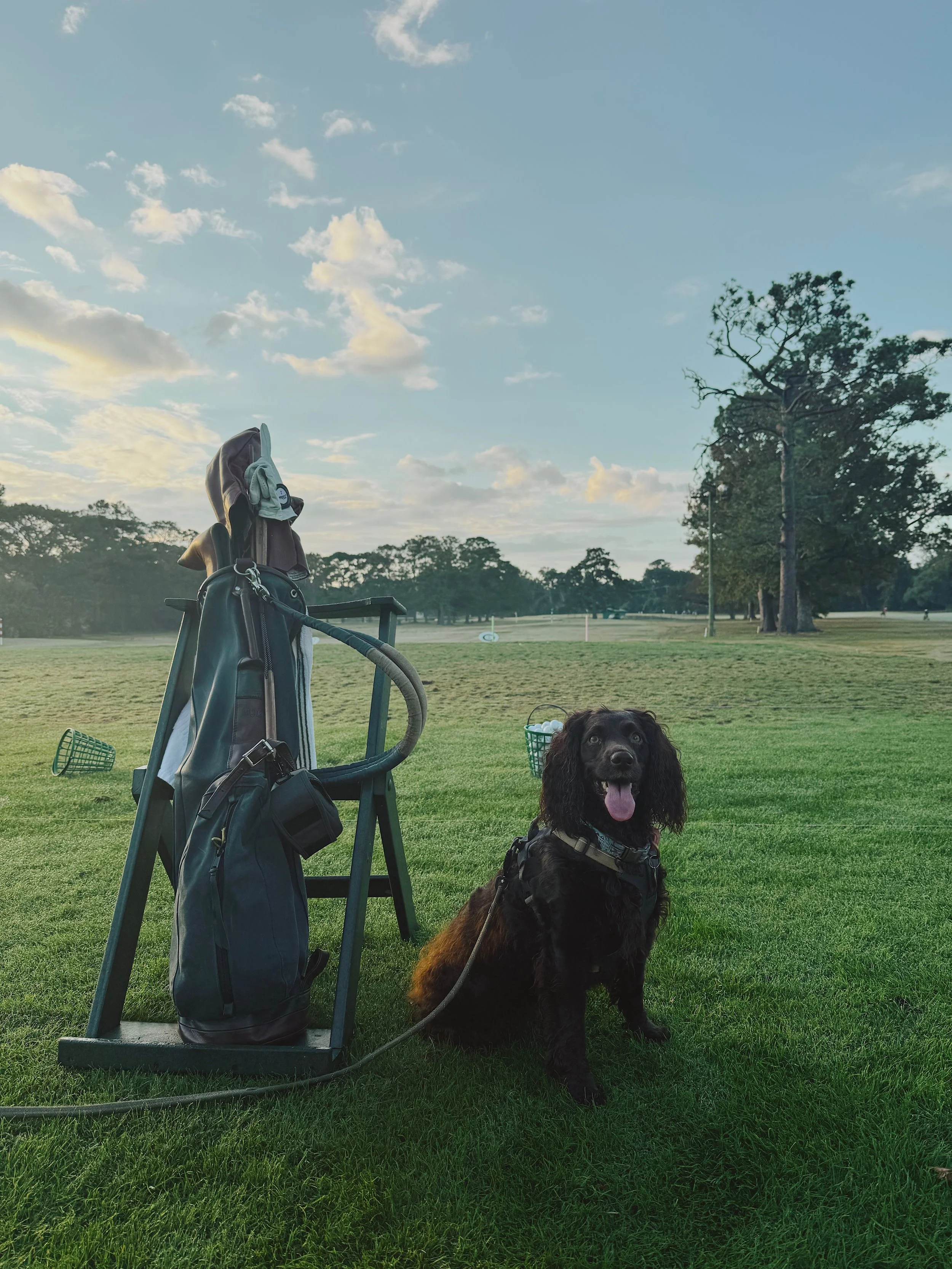
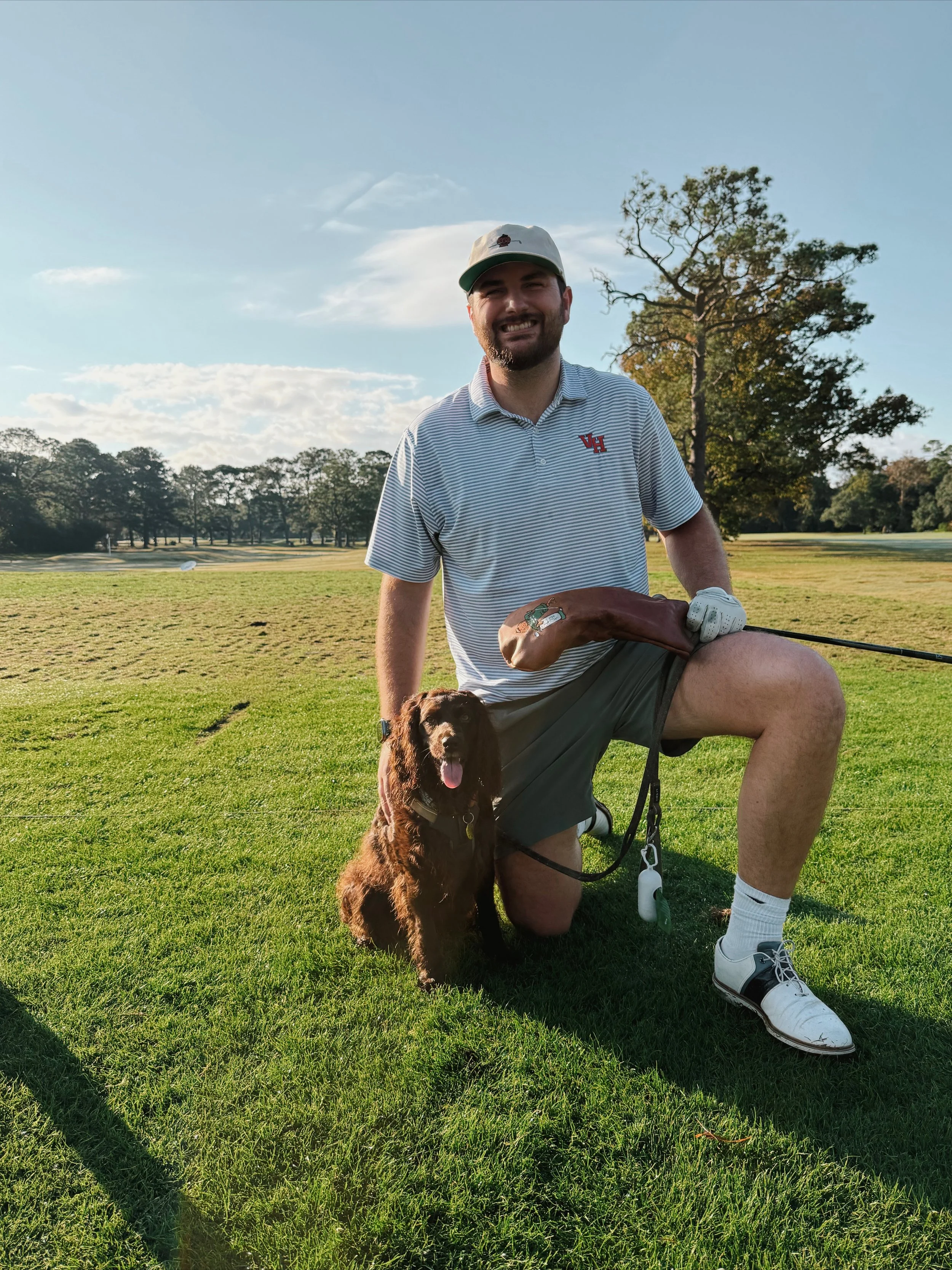
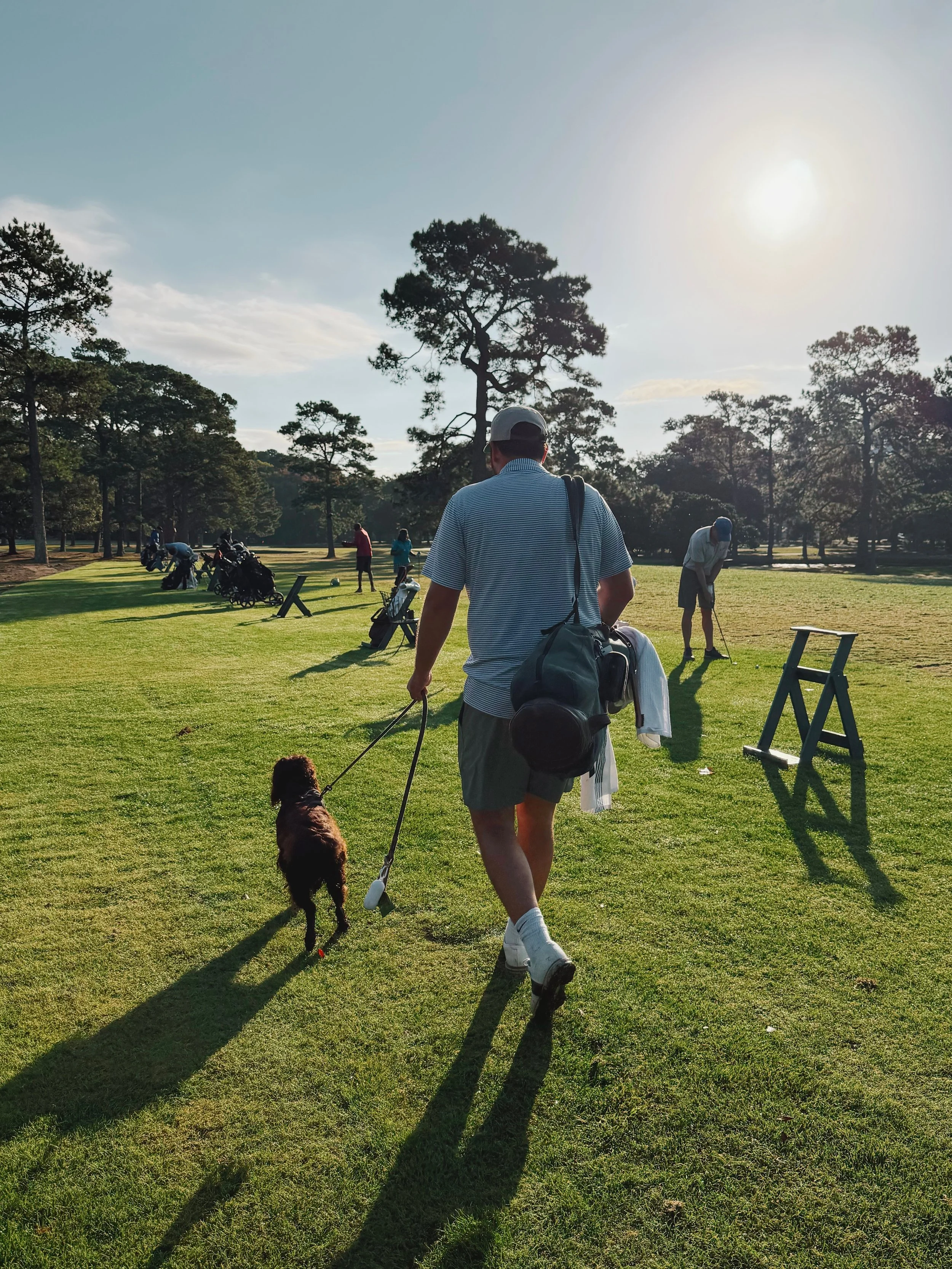
One of the best features of The Muni outside of design is that dogs are permitted. Wellington enjoys the occasional loop around the course, chasing geese, while I chase a different kind of bird! St. Andrews in Scotland is closed on Sundays and used as the community as a public park for people and dogs alike. I am so grateful The Muni embraces its role as a community space!