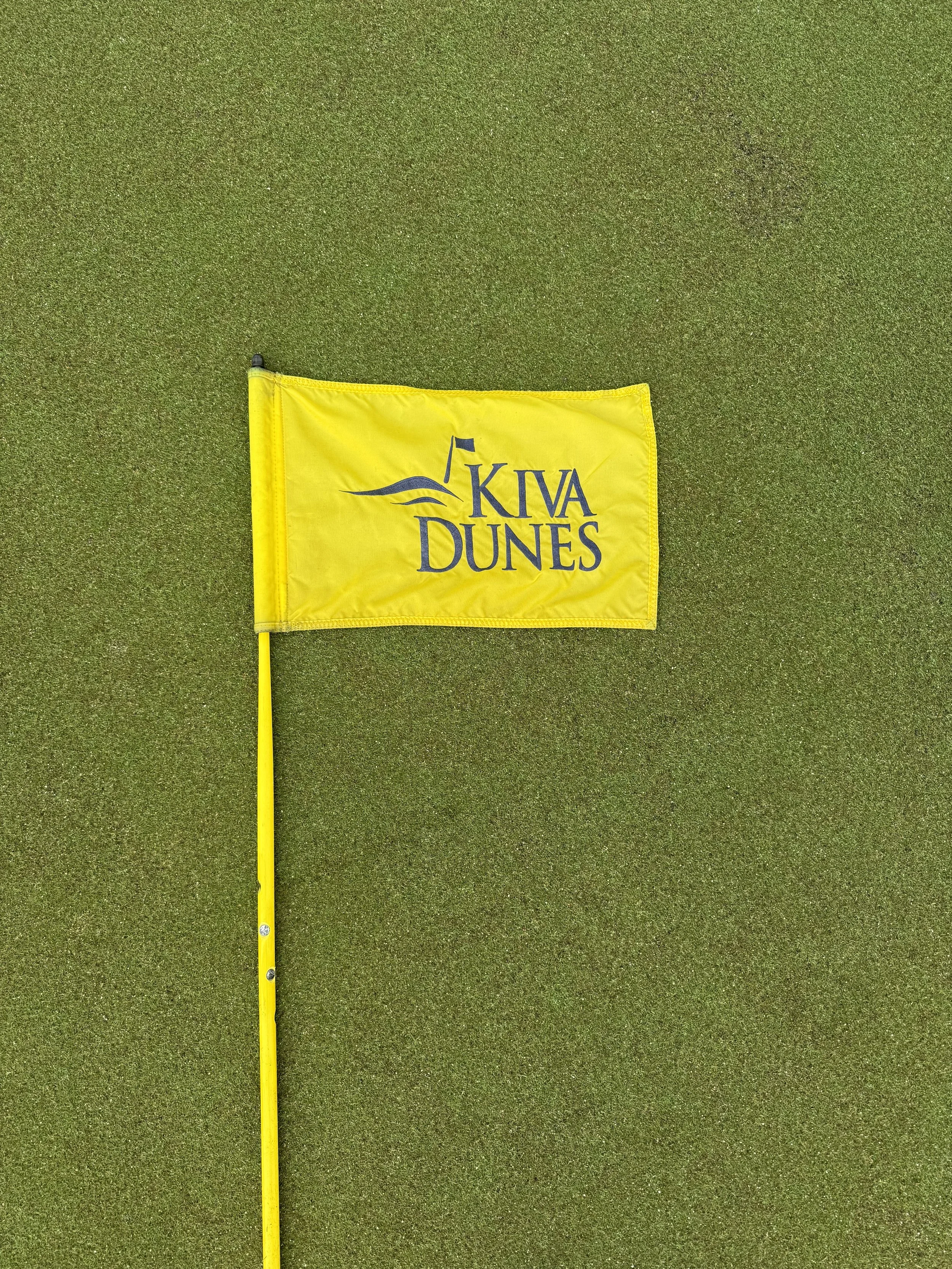
Kiva Dunes - Gulf Shores, AL
Growing up in Southeast Alabama, we would frequently visit the Florida beaches on 30A for our beach vacations, which were directly south of our town. The beaches were a convenient 90 miles south and were easy day trips if you wanted! That being said, the Orange Beach and Gulf Shores area were ones that I was not as familiar with given that they were roughly twice as far to get to. I really enjoyed the February weekend down there as it was quiet.
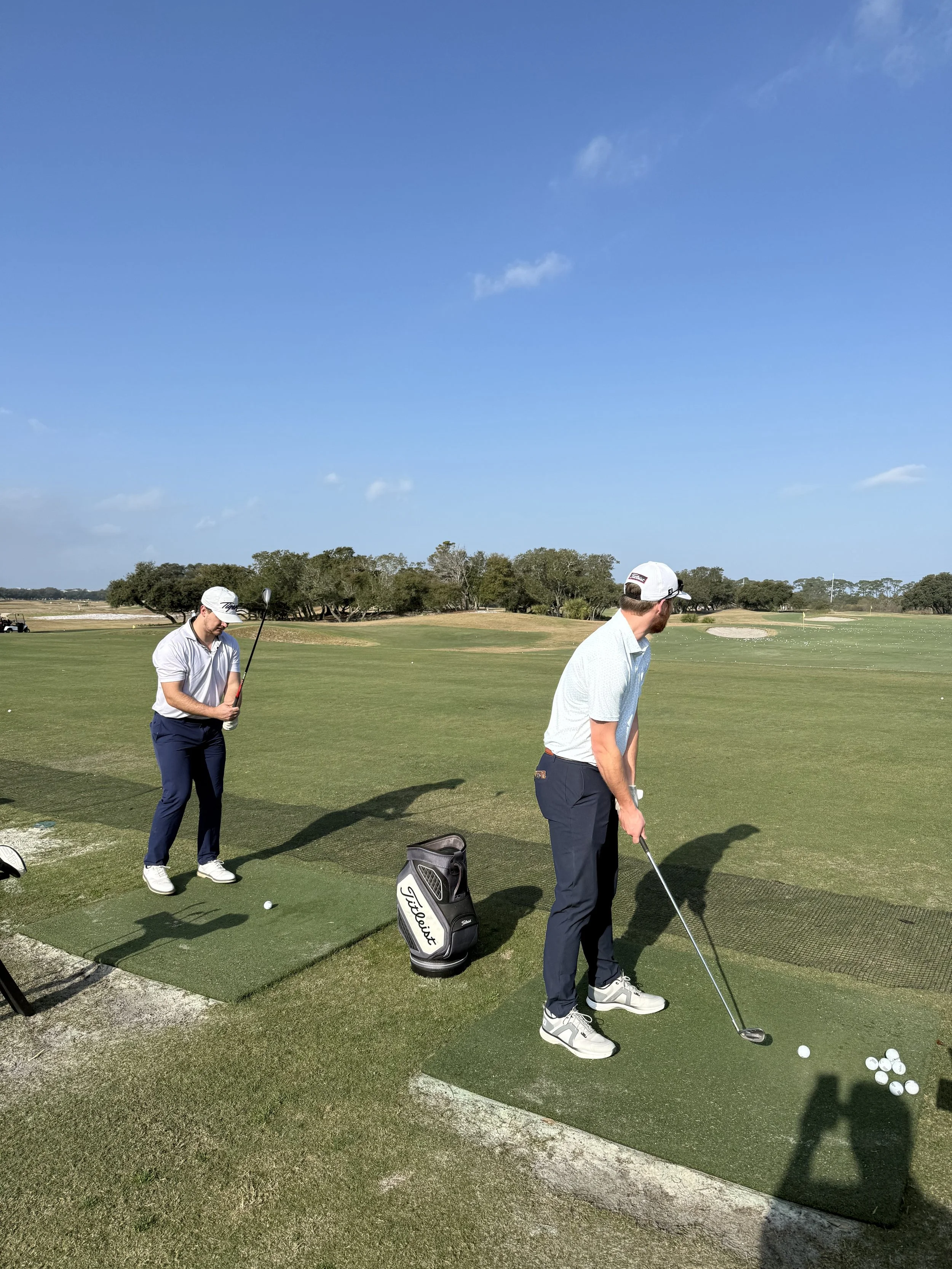
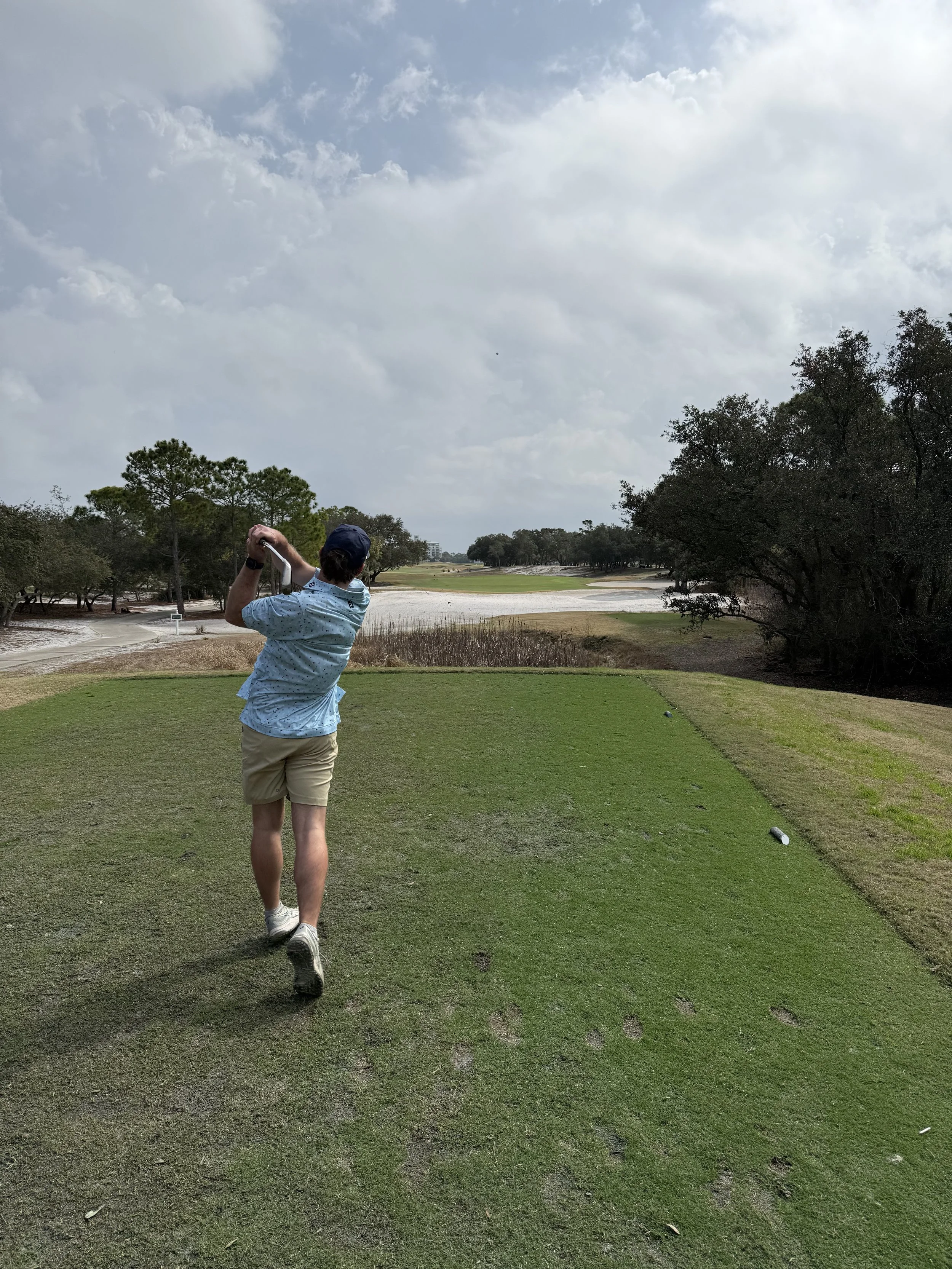
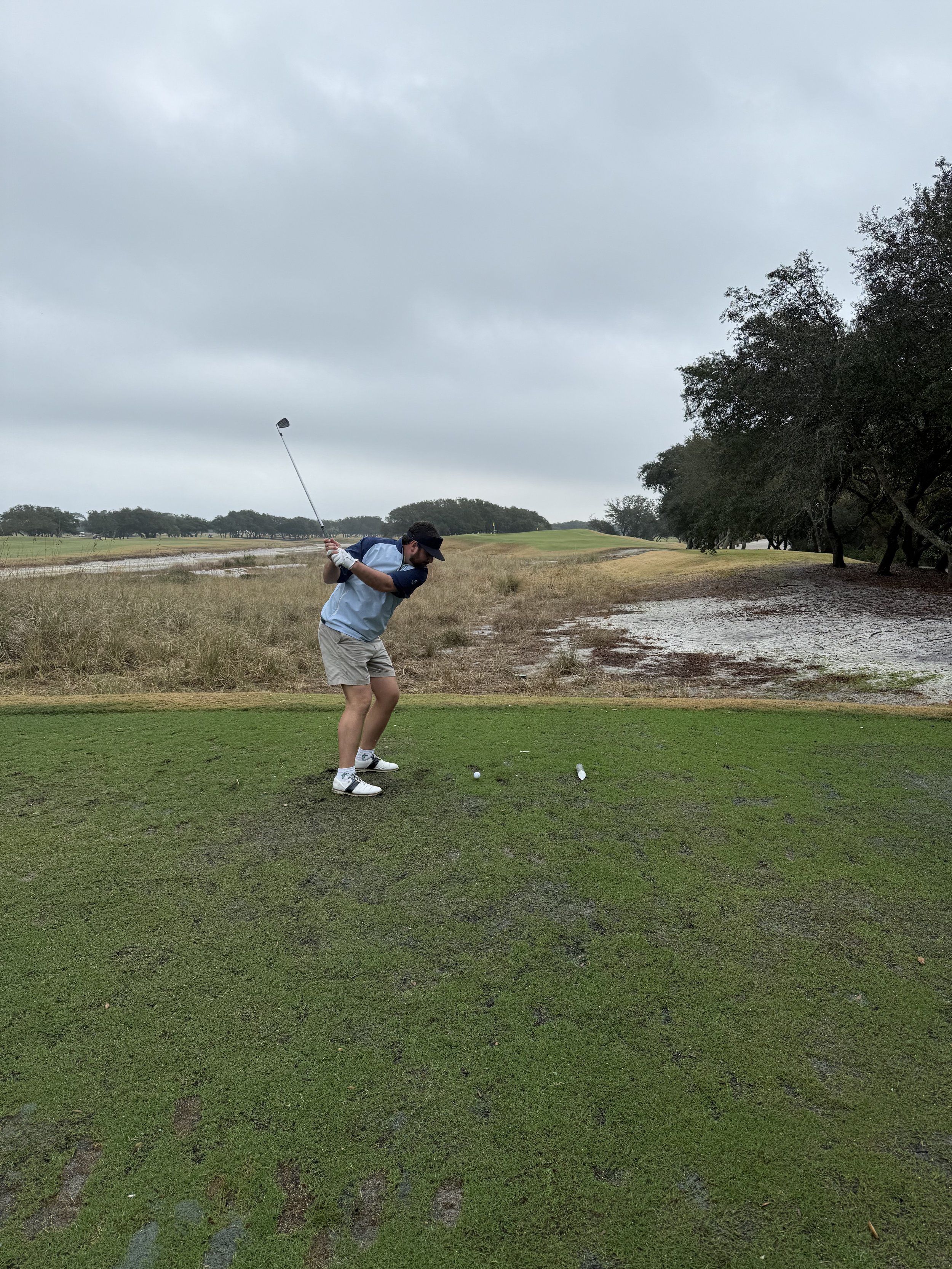
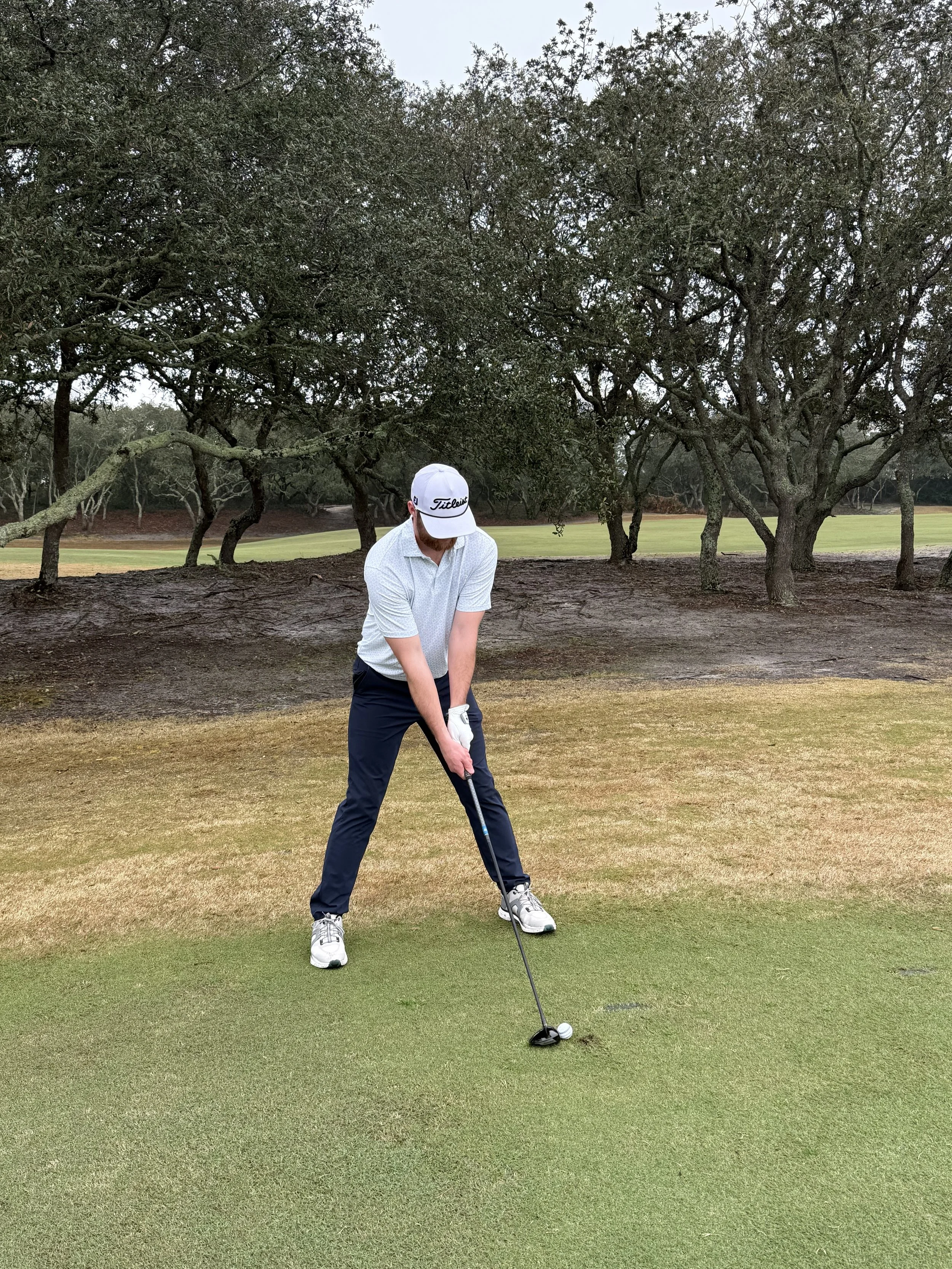
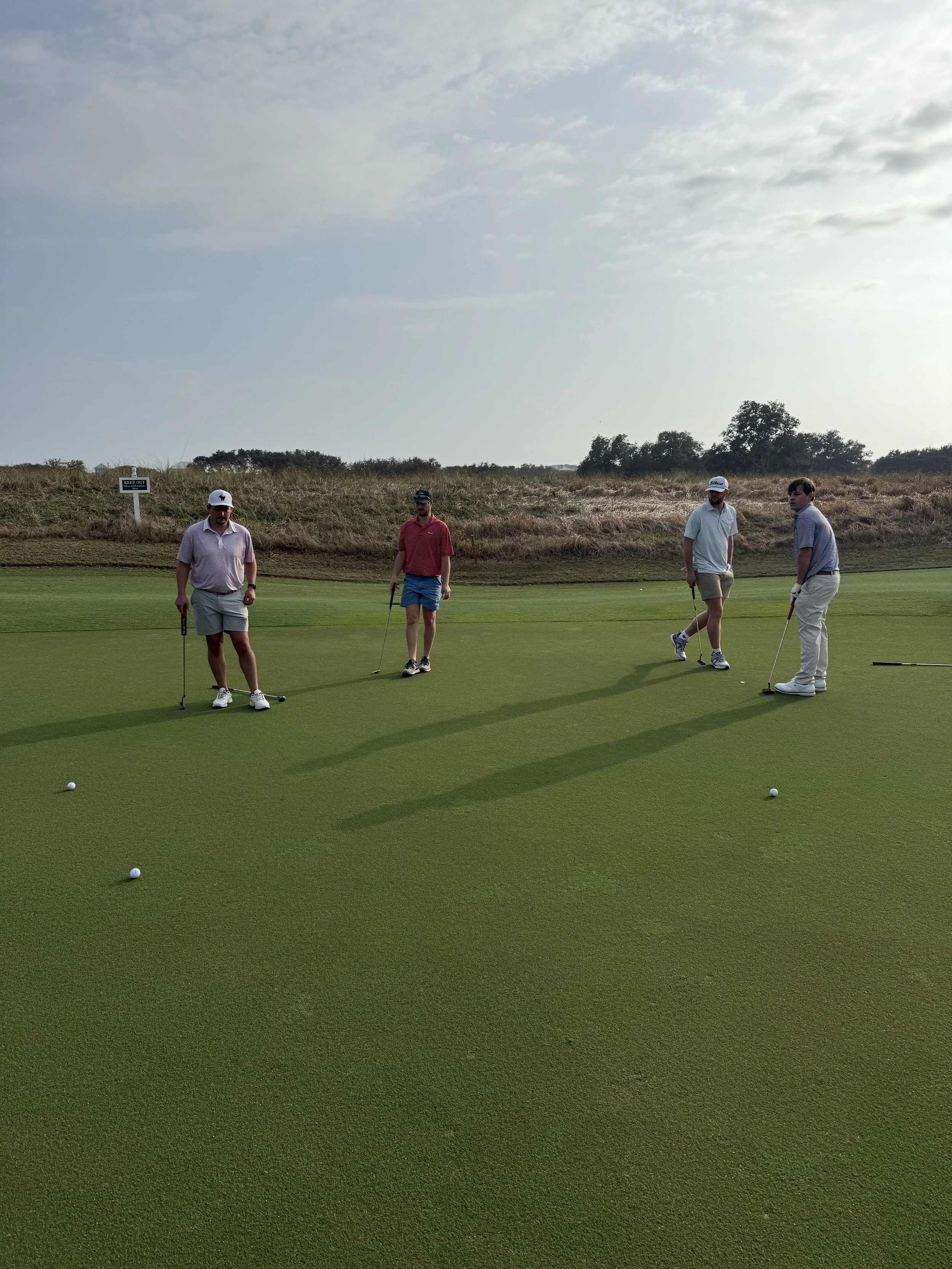
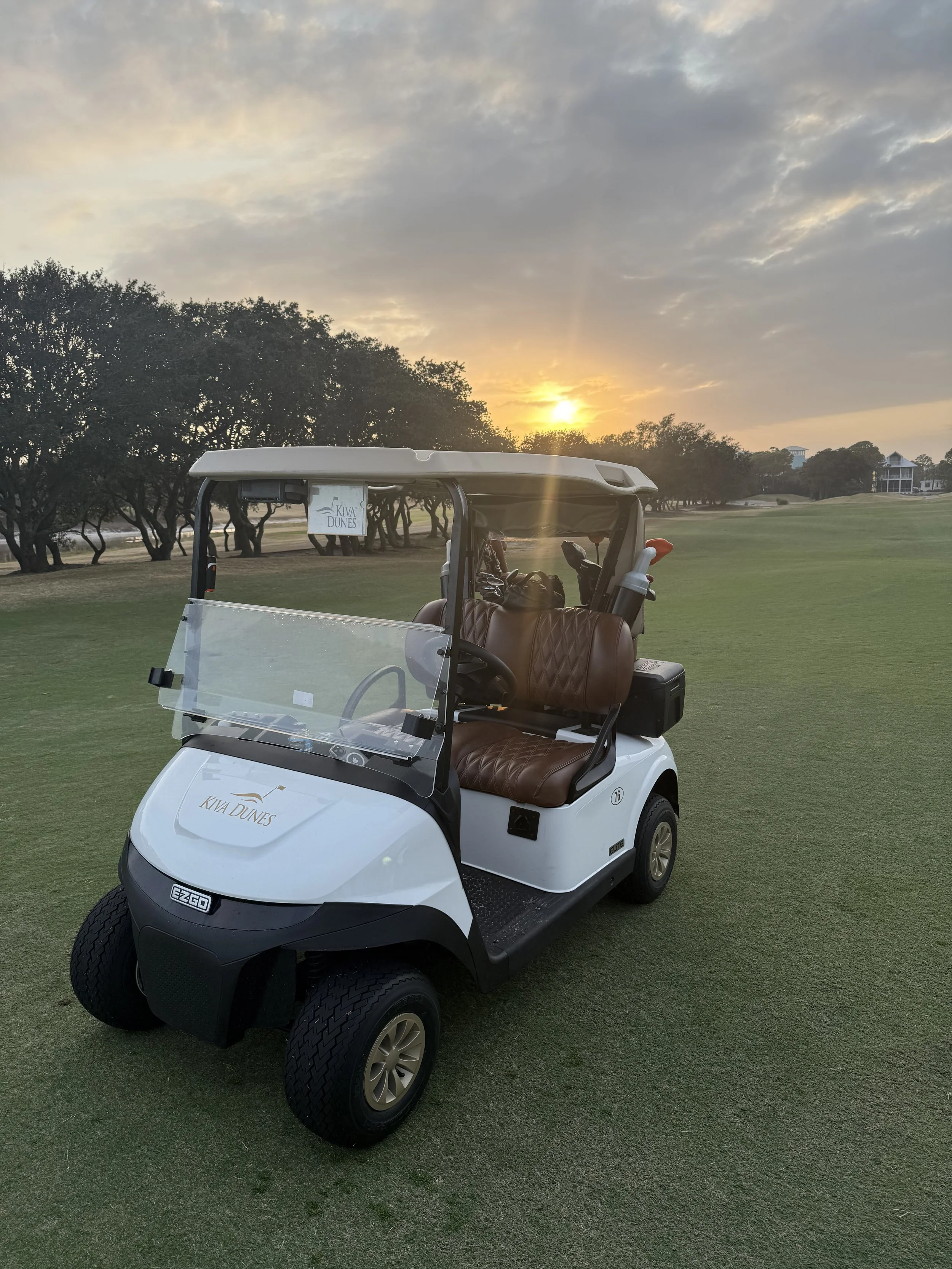
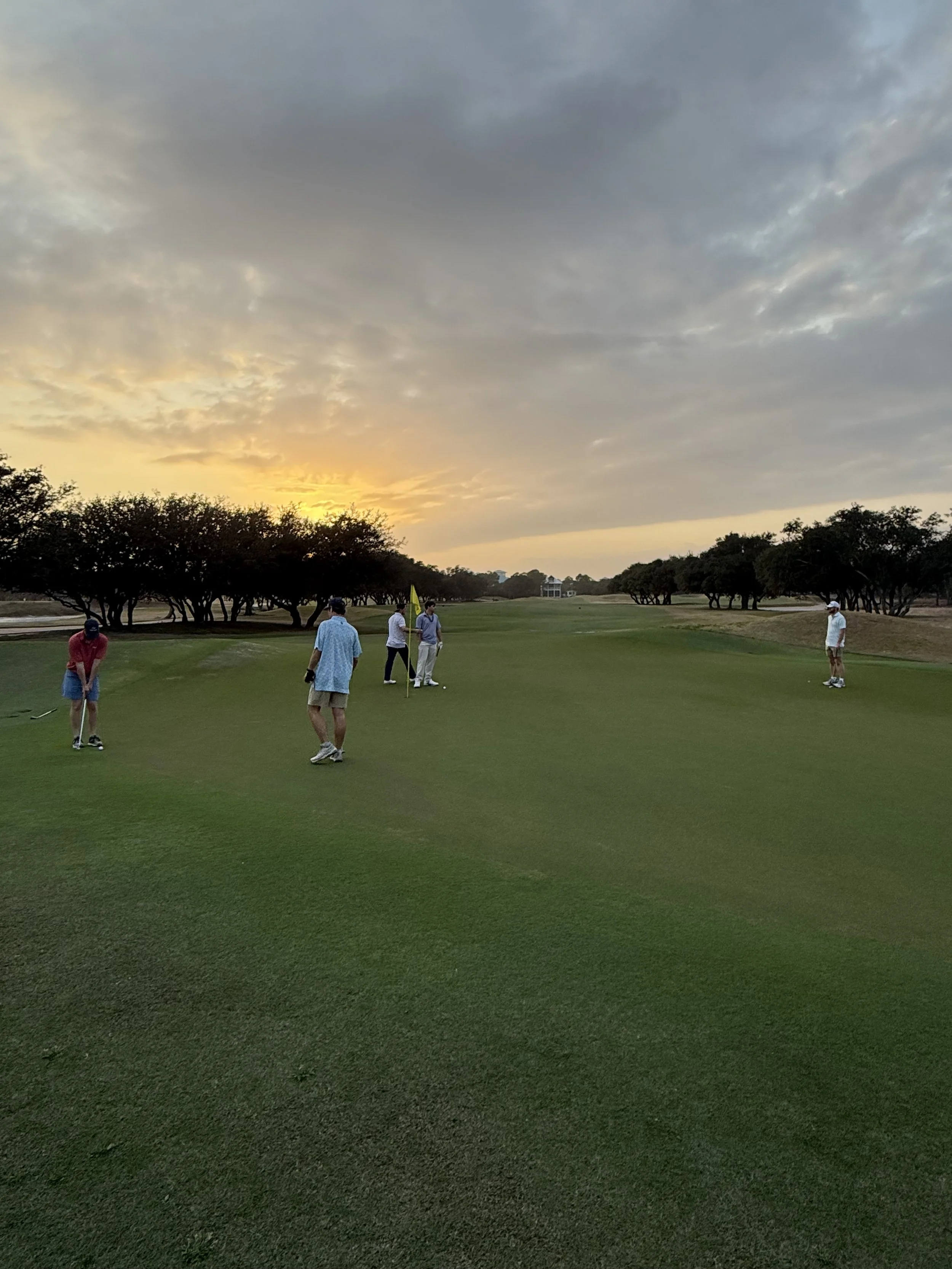
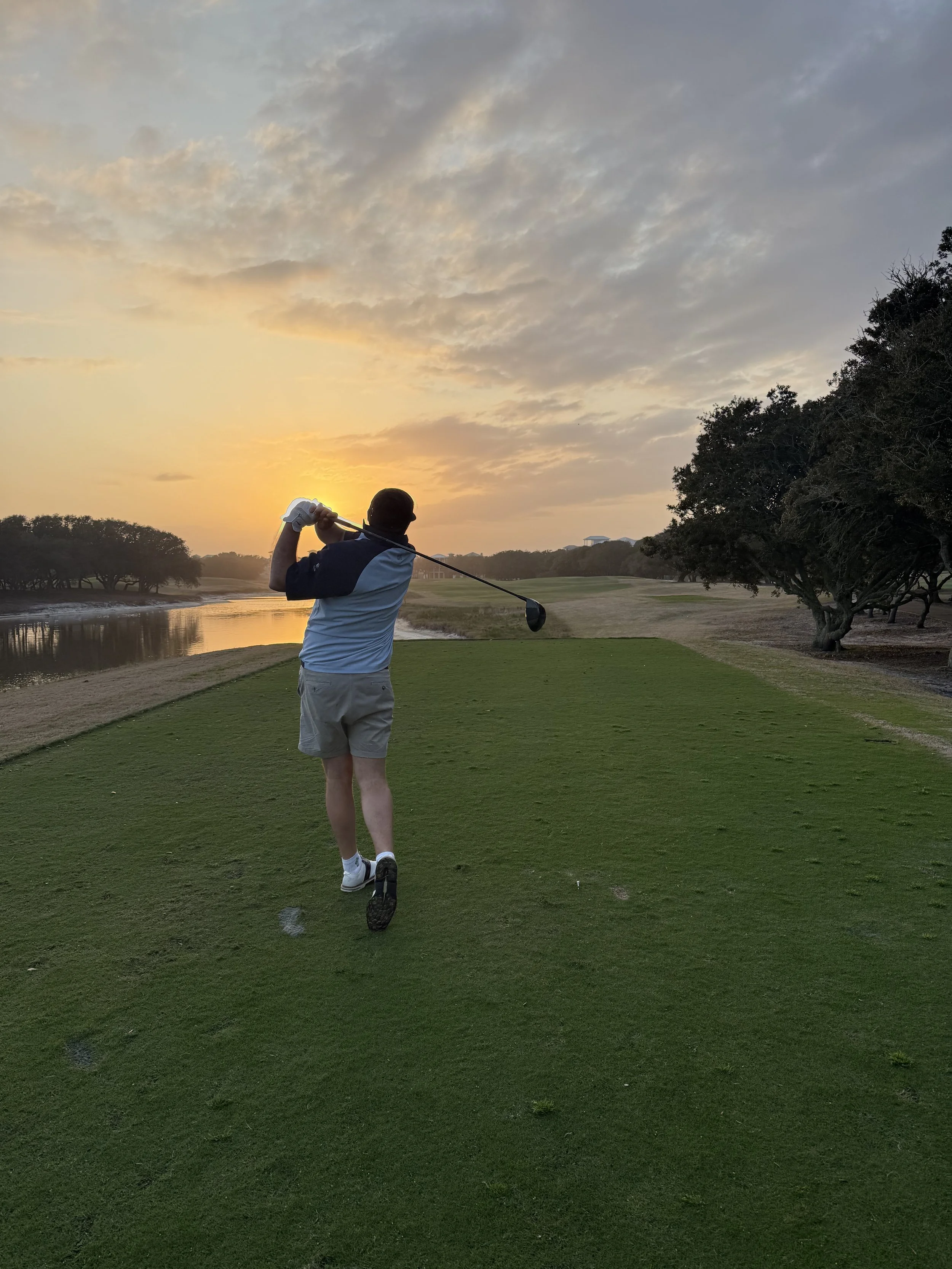
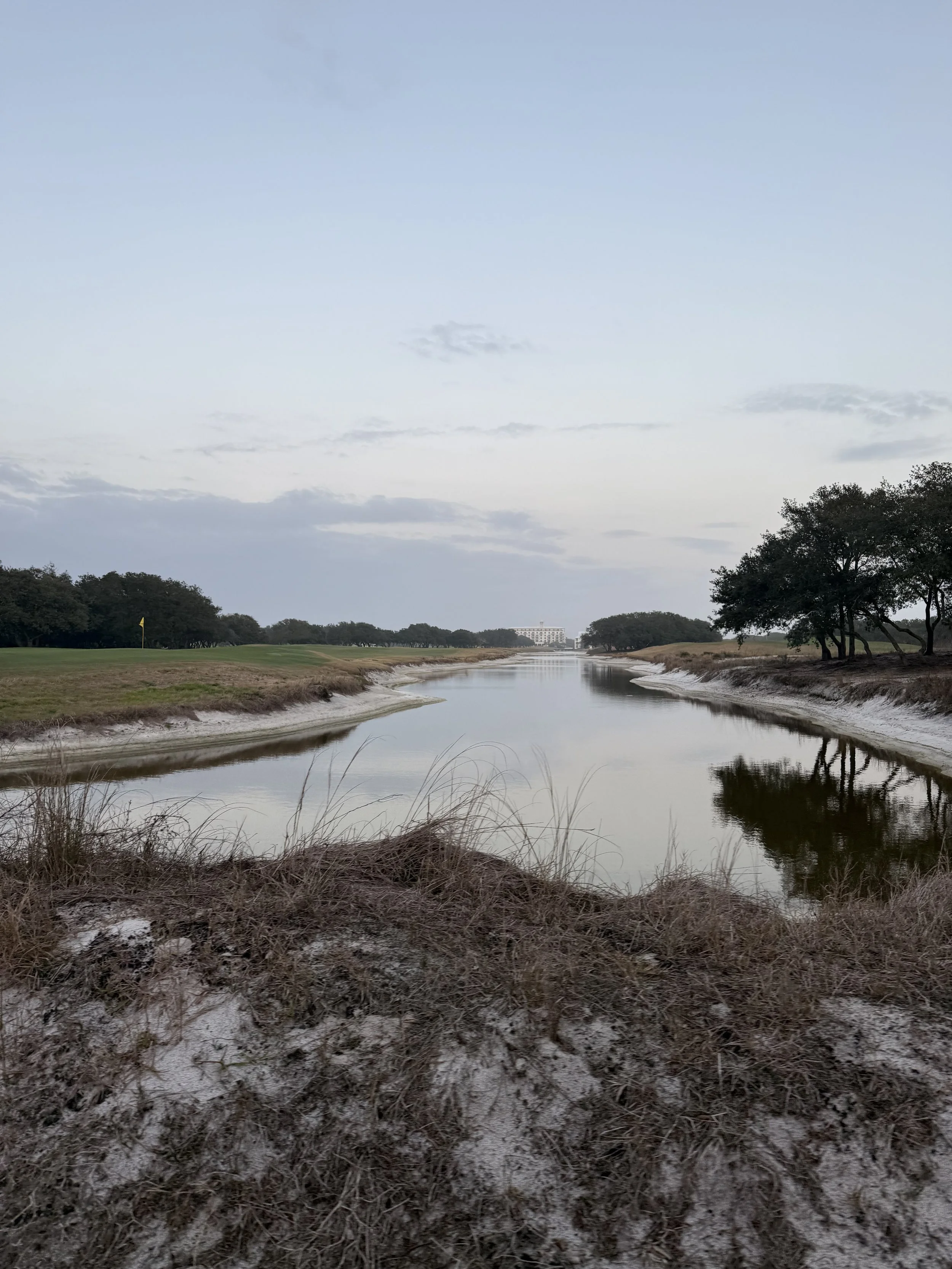
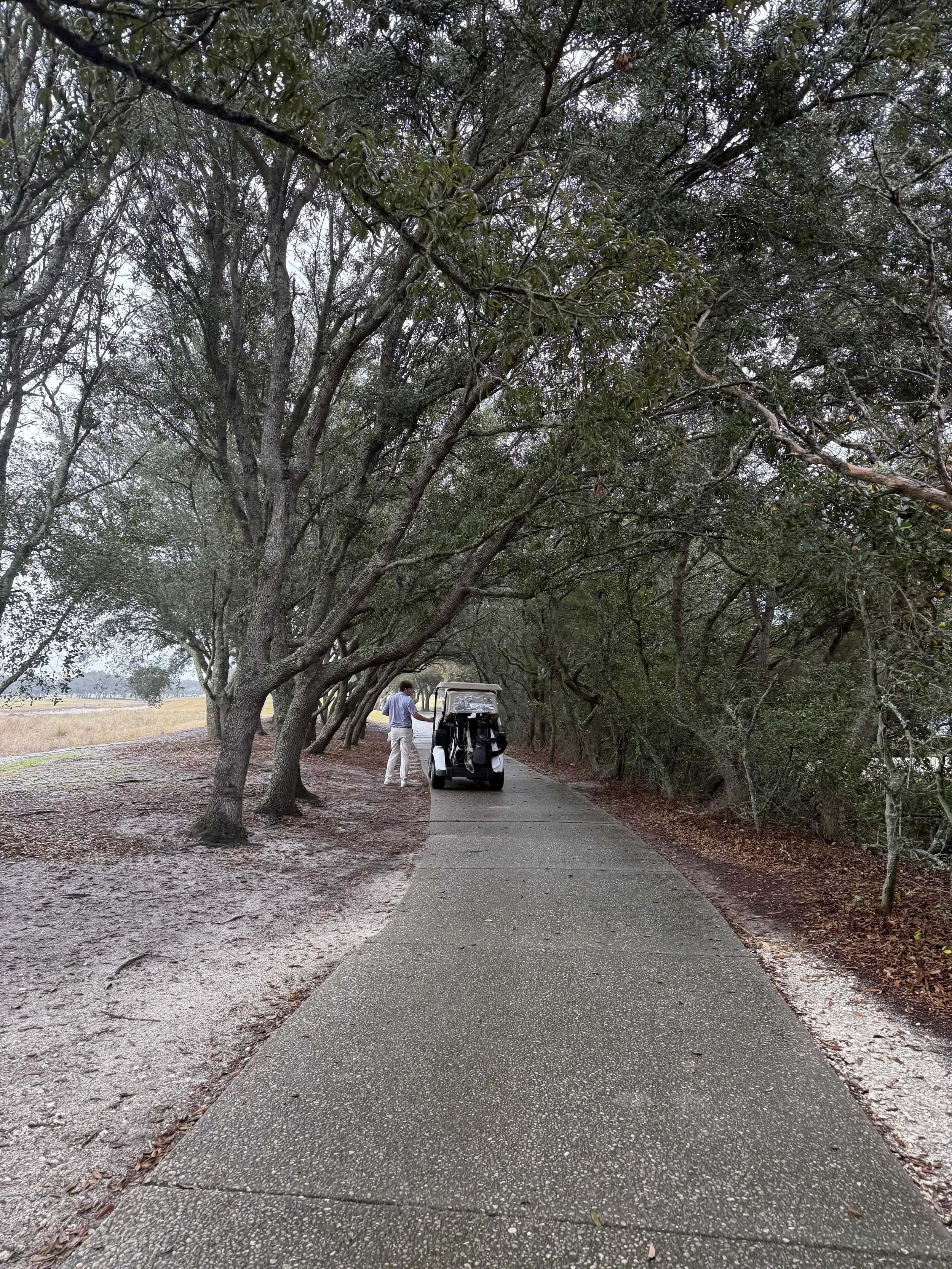
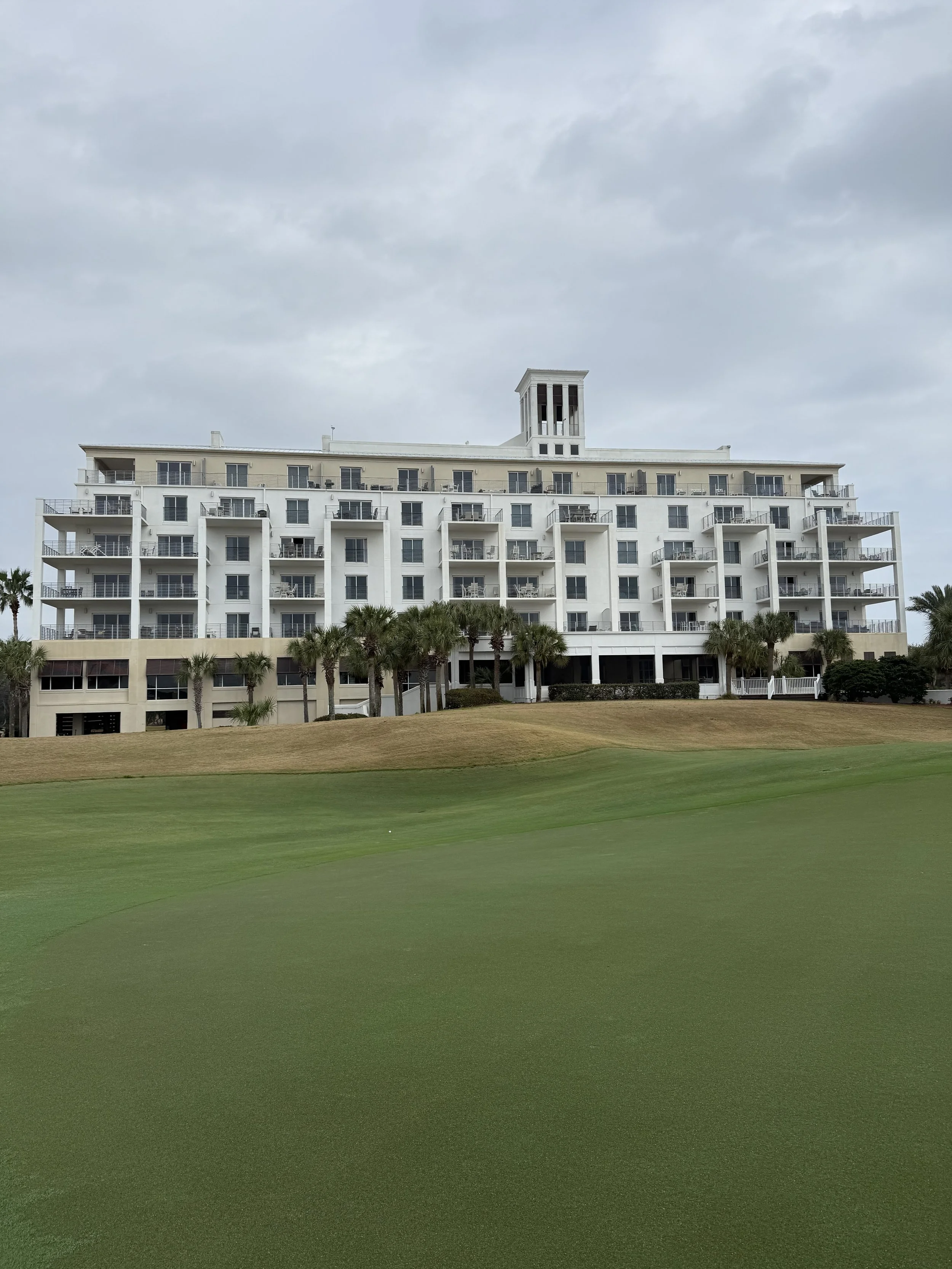
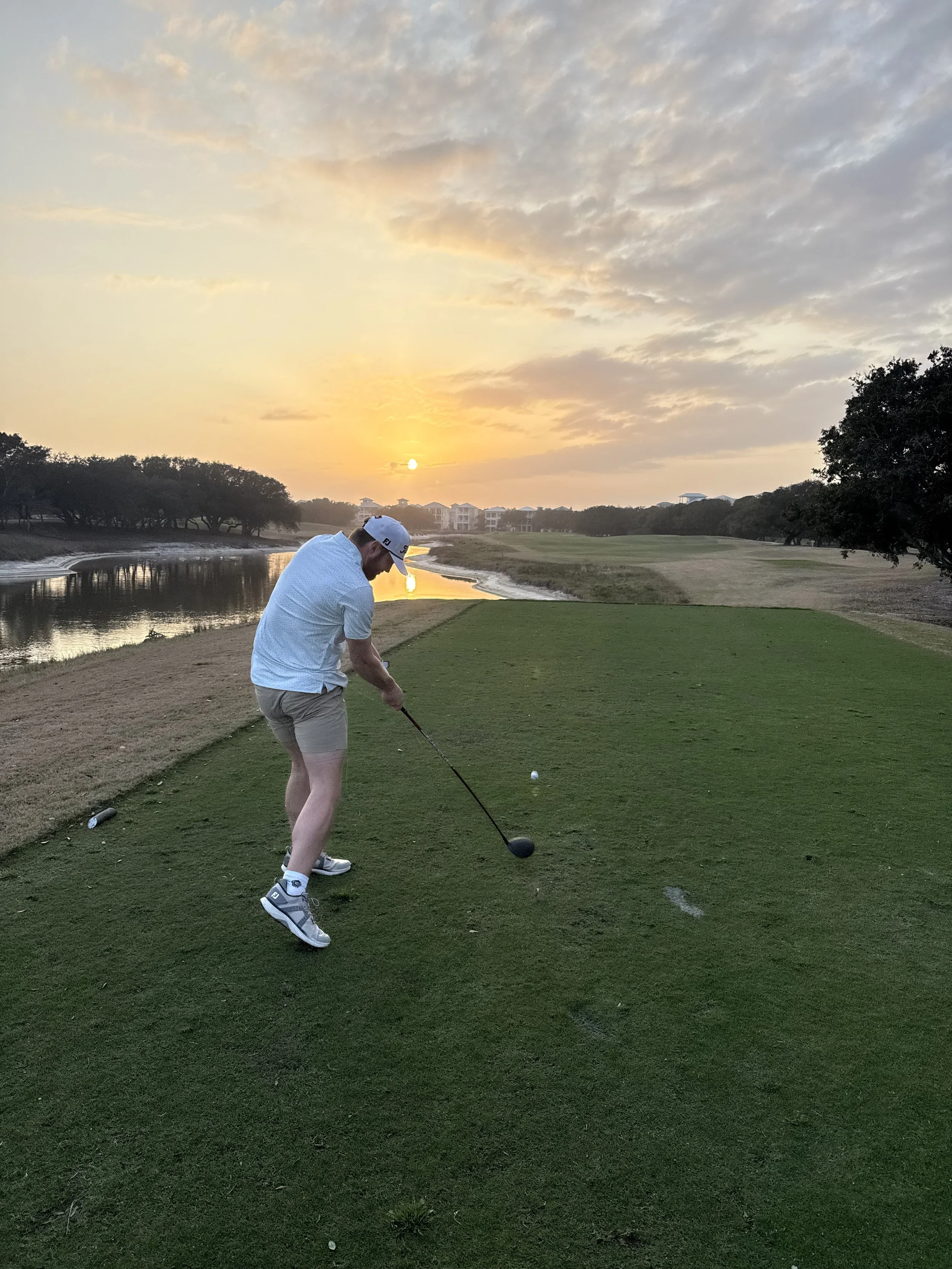
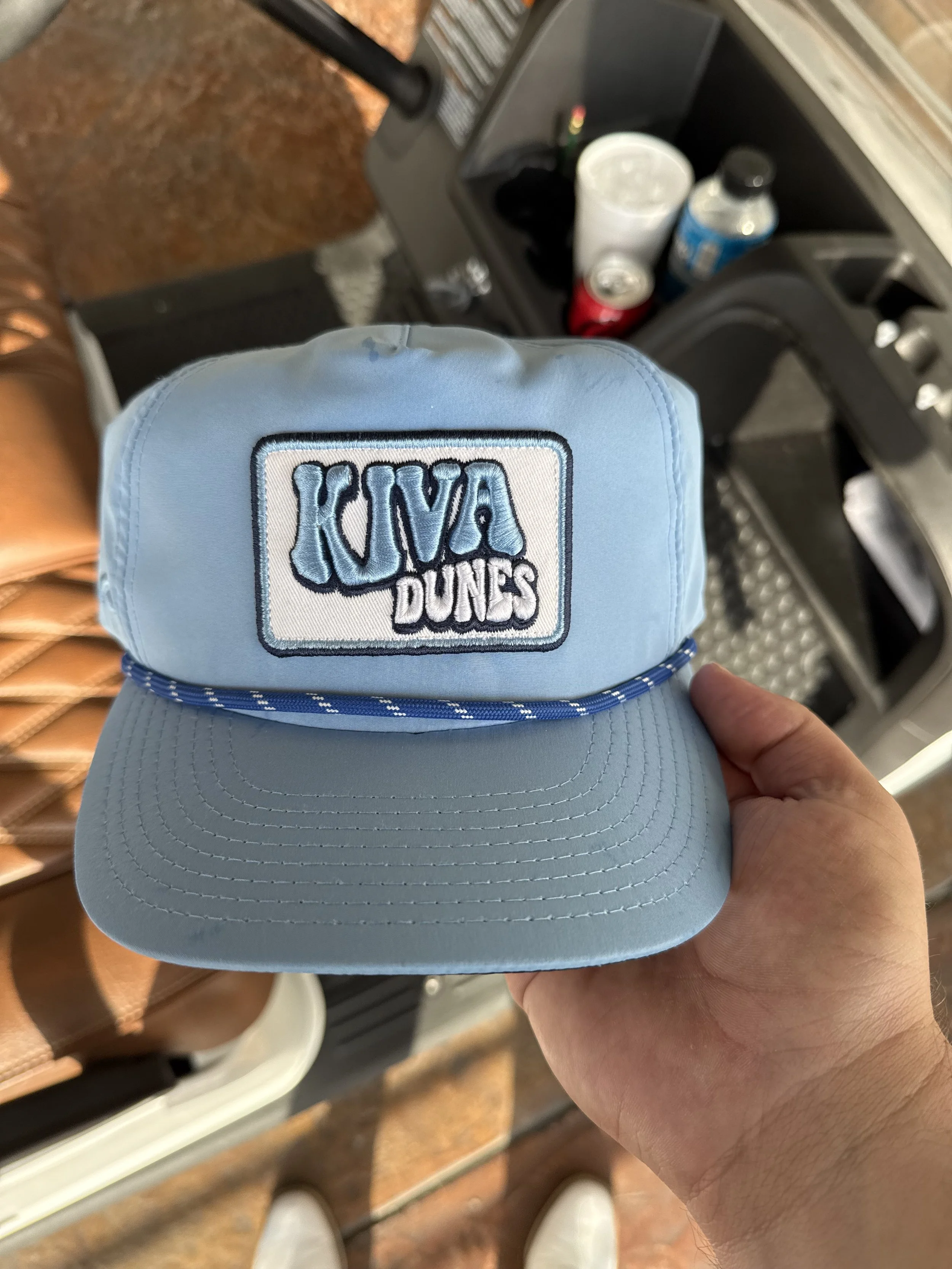
I recently took a trip to Gulf Shores for a friends Bachelor Party, with golf as the focus. We rented a house in the gated community of Kiva Dunes which had access to three pools, and the amazing white sand beaches and it was part of a stay and play package. Kiva Dunes was a course I had not played before but had only heard great things. Kiva Dunes consistently ranks among the top 10 public courses in Alabama among some of the RTJ’s and Farmlinks at Pursell Farms. The original plan was to play two rounds at Kiva Dunes, and one round at Peninsula Golf and Racquet Club. We ended up playing all three rounds at Kiva which was a blast! I do wish we had the chance to get the round in at Peninsula, but things did not work out that way this time. It was a great weekend to meet some of the groom’s college buddies and compete in a fun team match throughout the weekend!
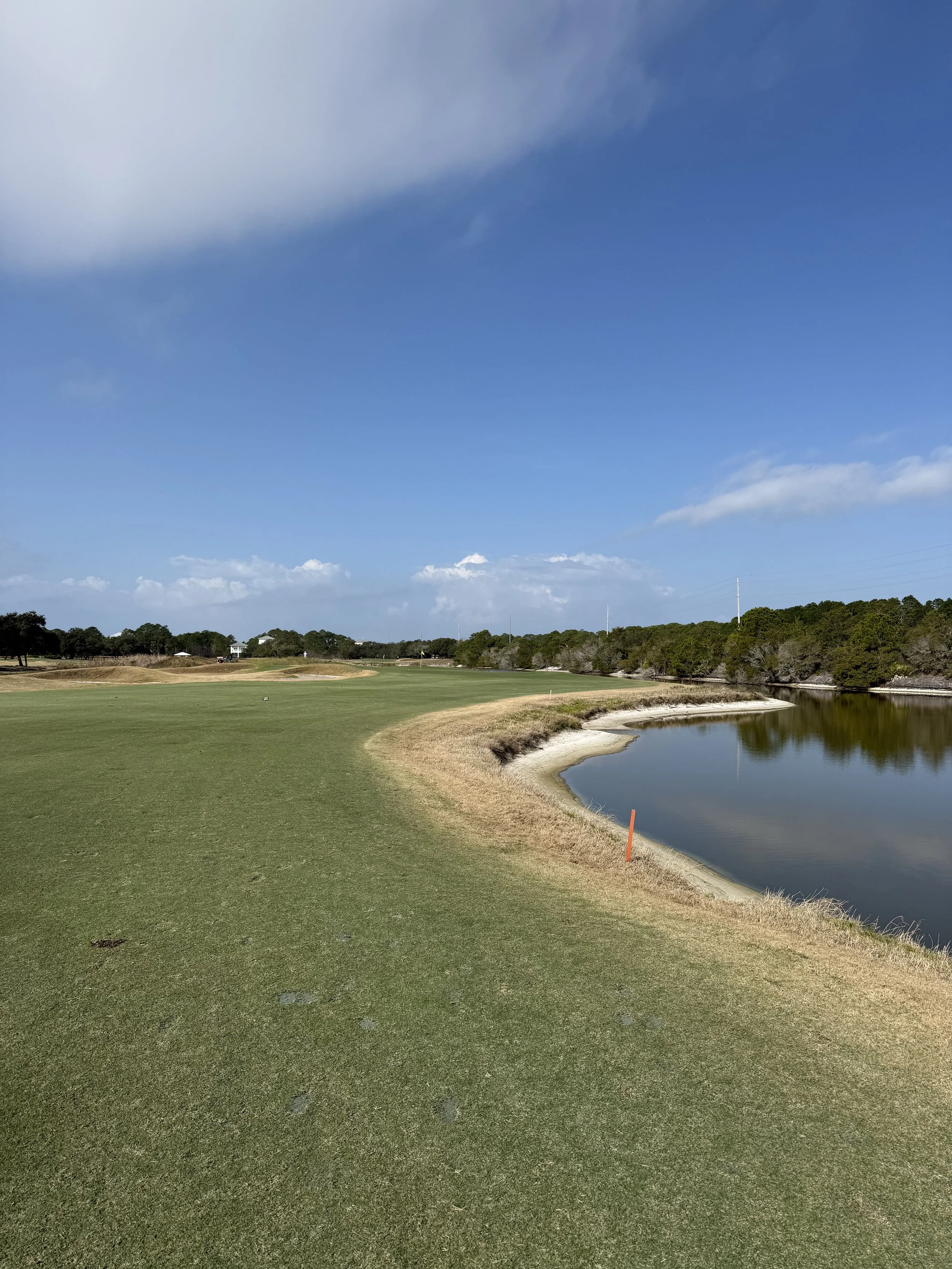
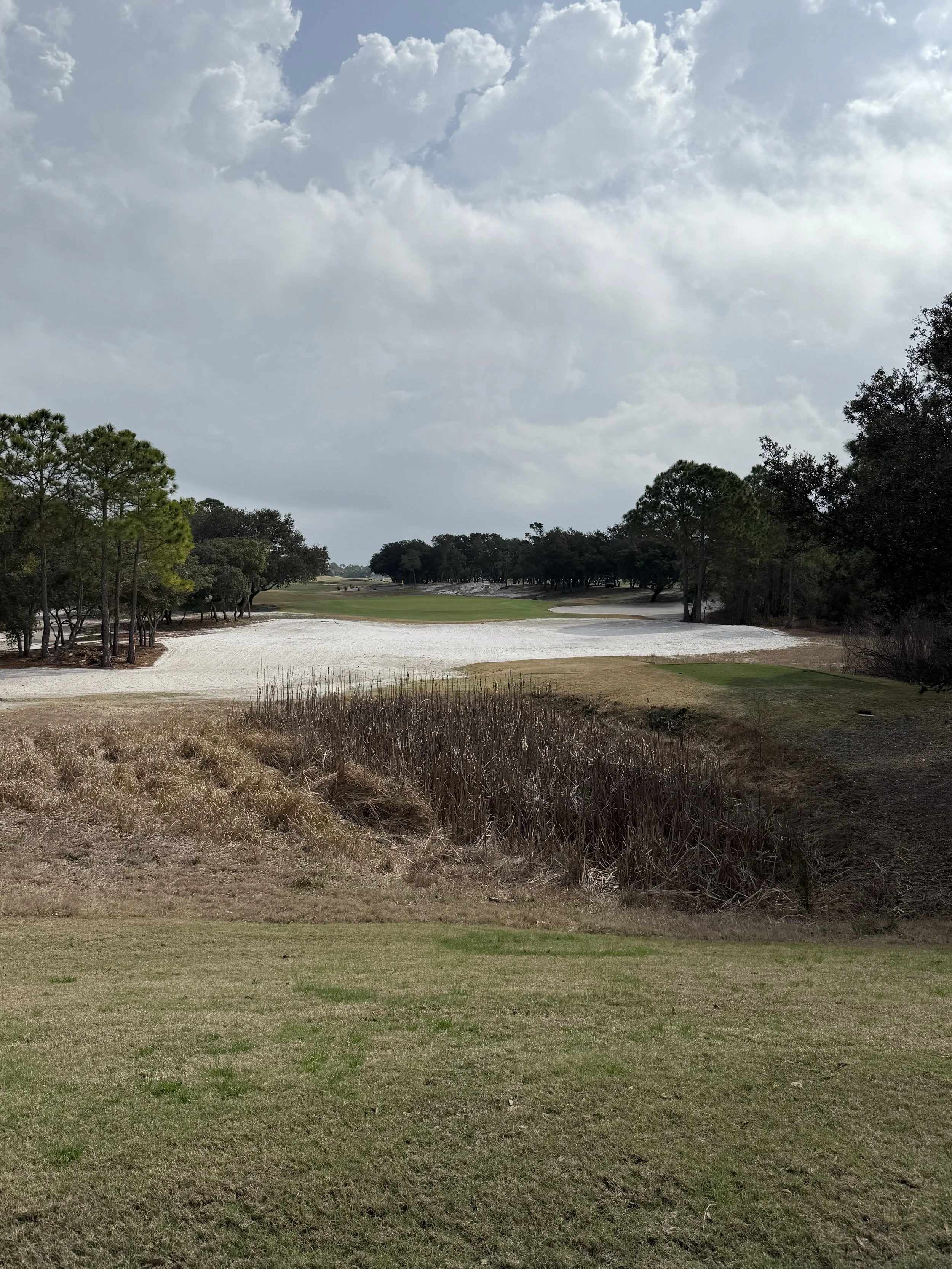
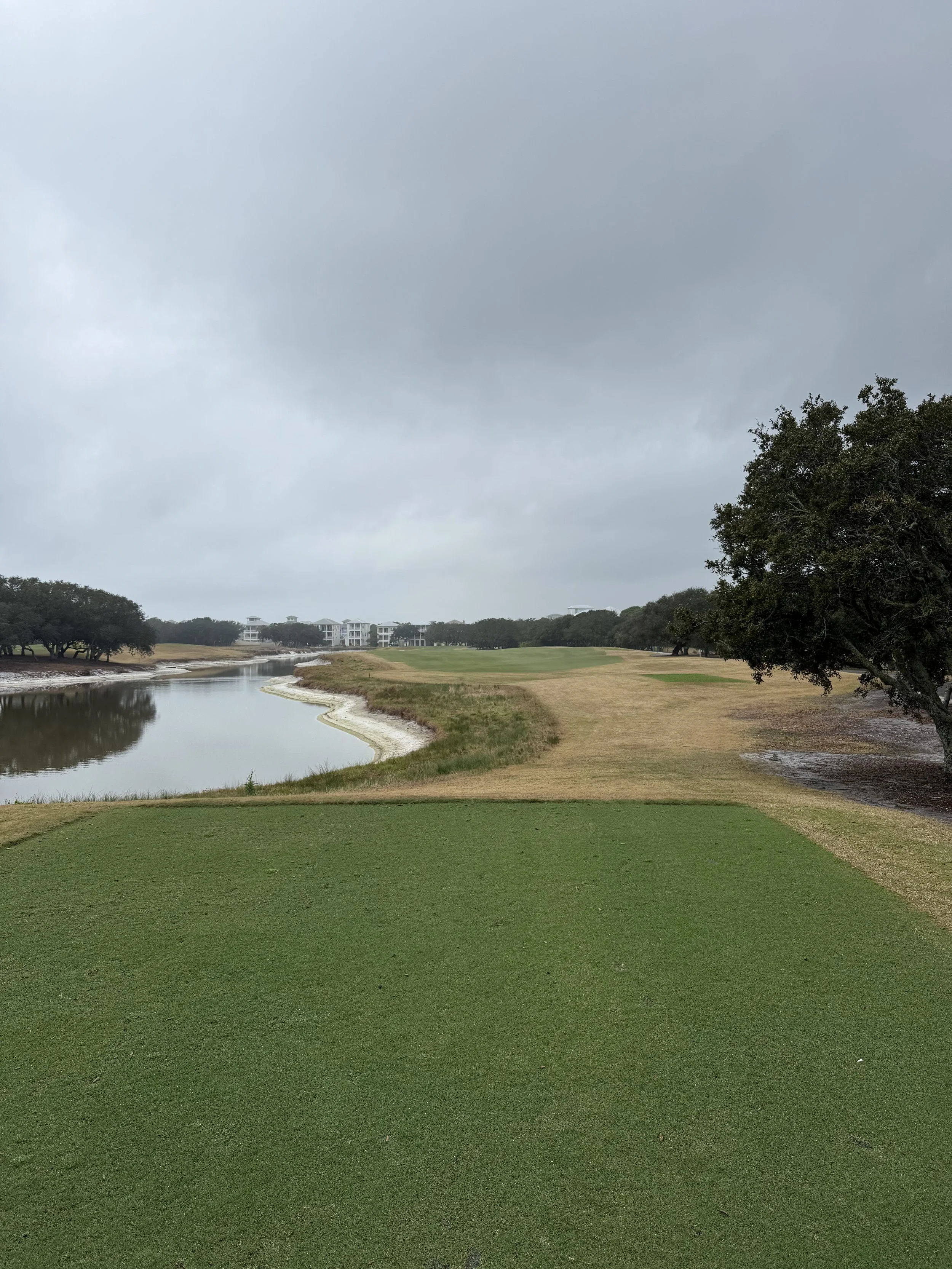
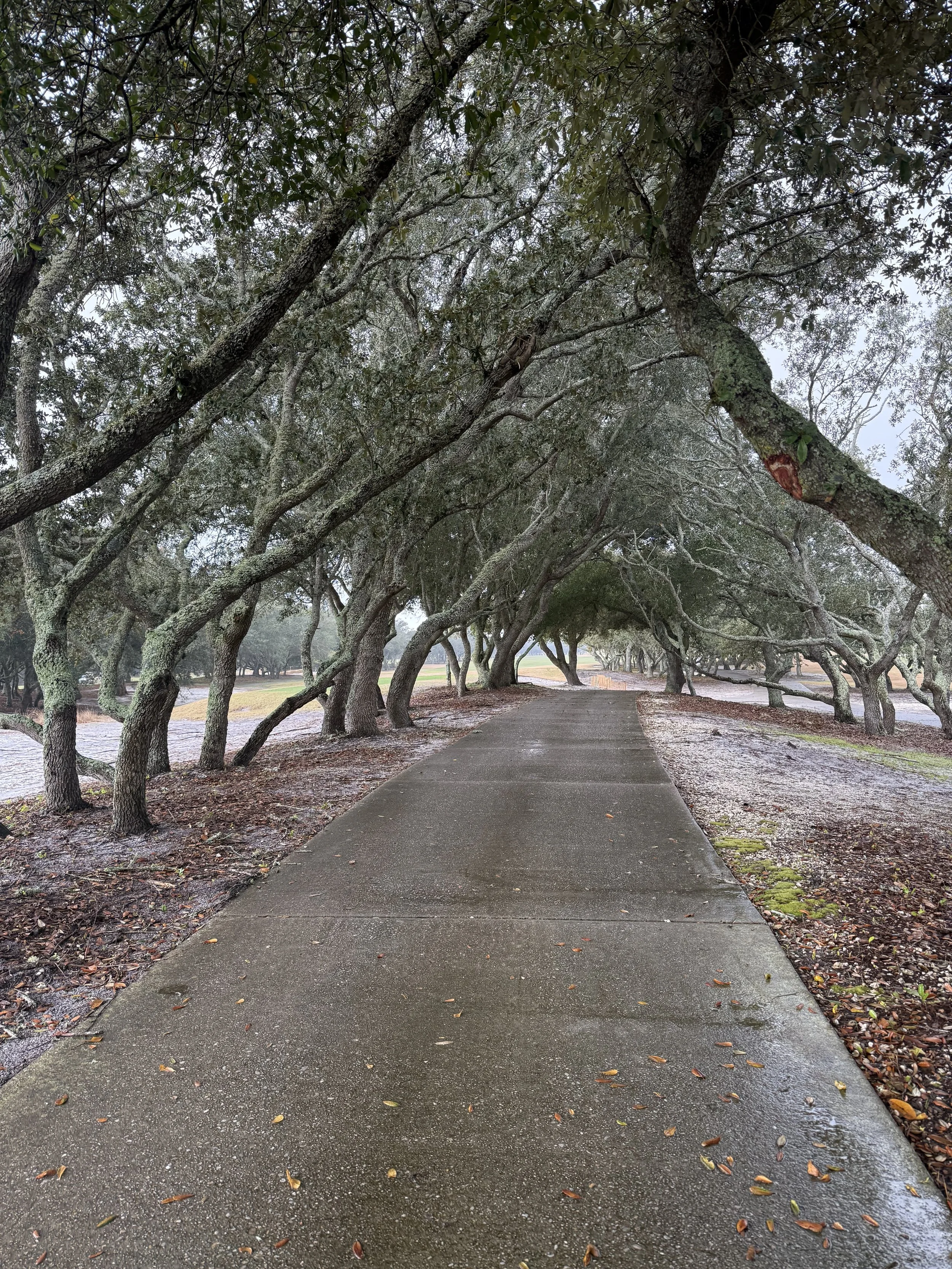
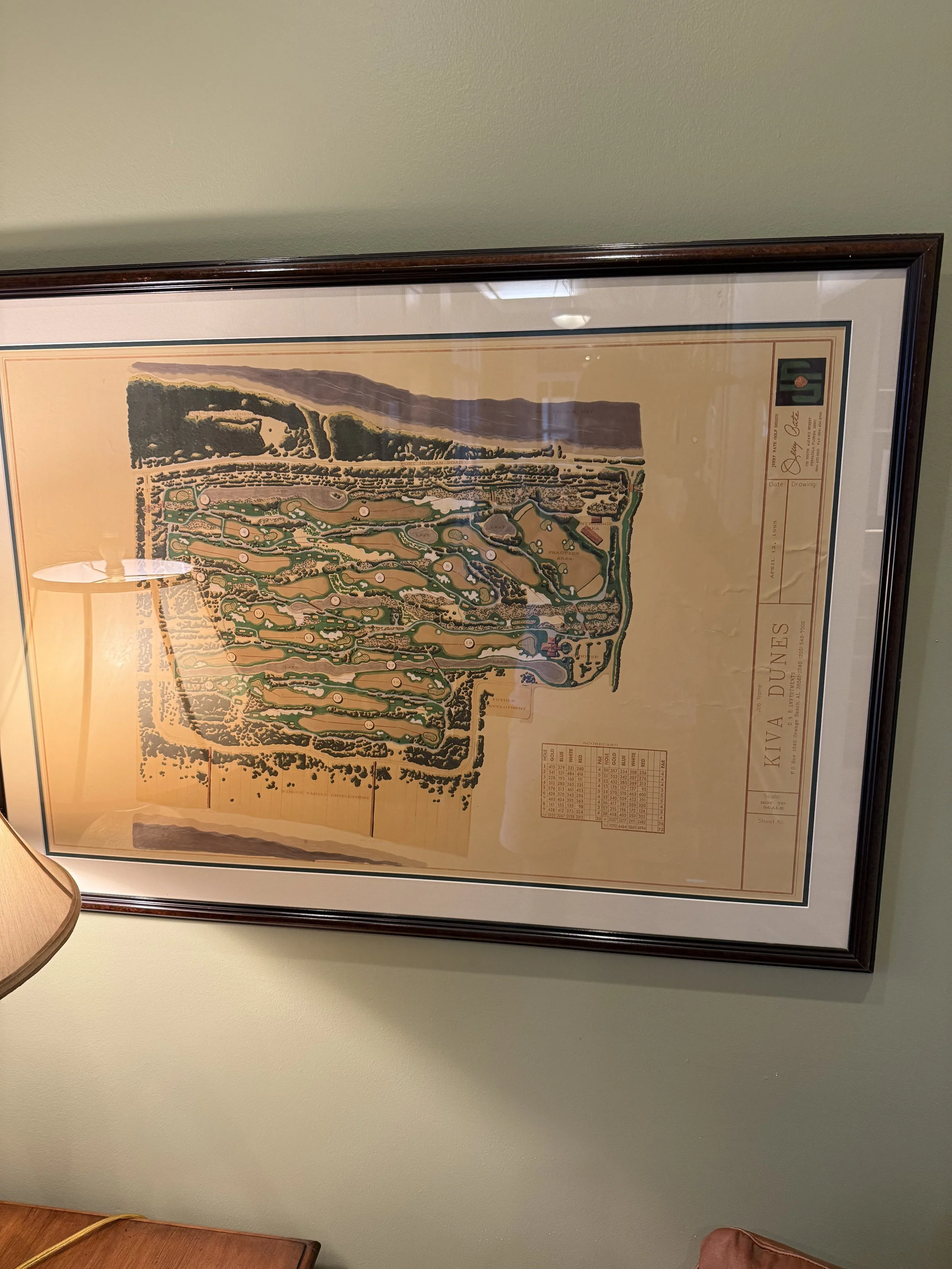
Kiva Dunes opened in 1995 and was a pivotal project for both the Alabama Gulf Coast and for its architect, Jerry Pate. At the time, Gulf Shores was far more associated with family beach trips and fishing charters than destination golf. The vision behind Kiva was to create a true golf community that embraced the natural coastal landscape rather than fighting it. Built across sandy soil, native dunes, and protected wetlands, the course feels like it belongs there. The routing moves fluidly through rolling terrain shaped by wind and time, not heavy-handed earthmoving. It was also the first high-end public course on Alabama’s coastline, setting a new standard for golf along the Gulf.
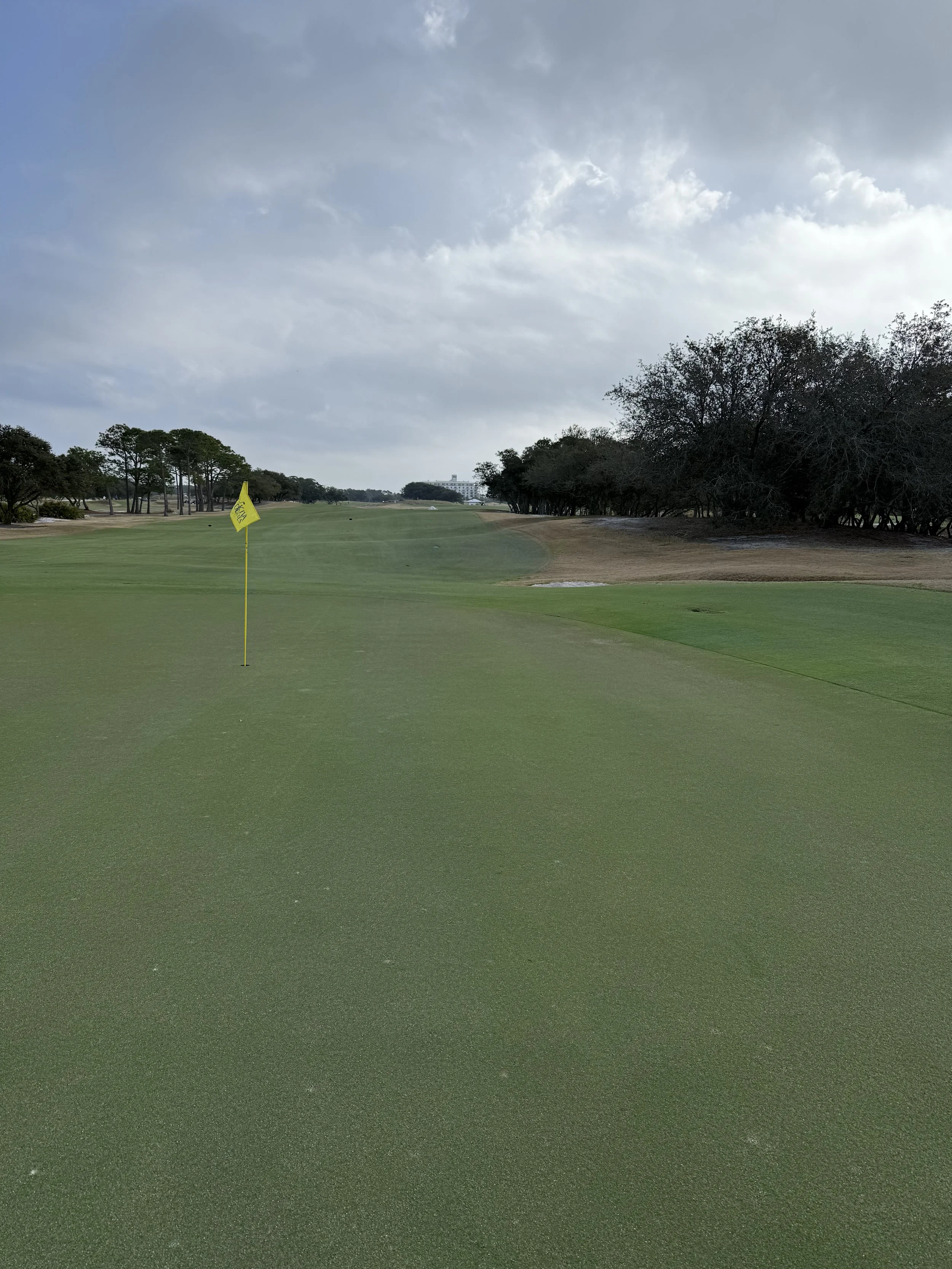
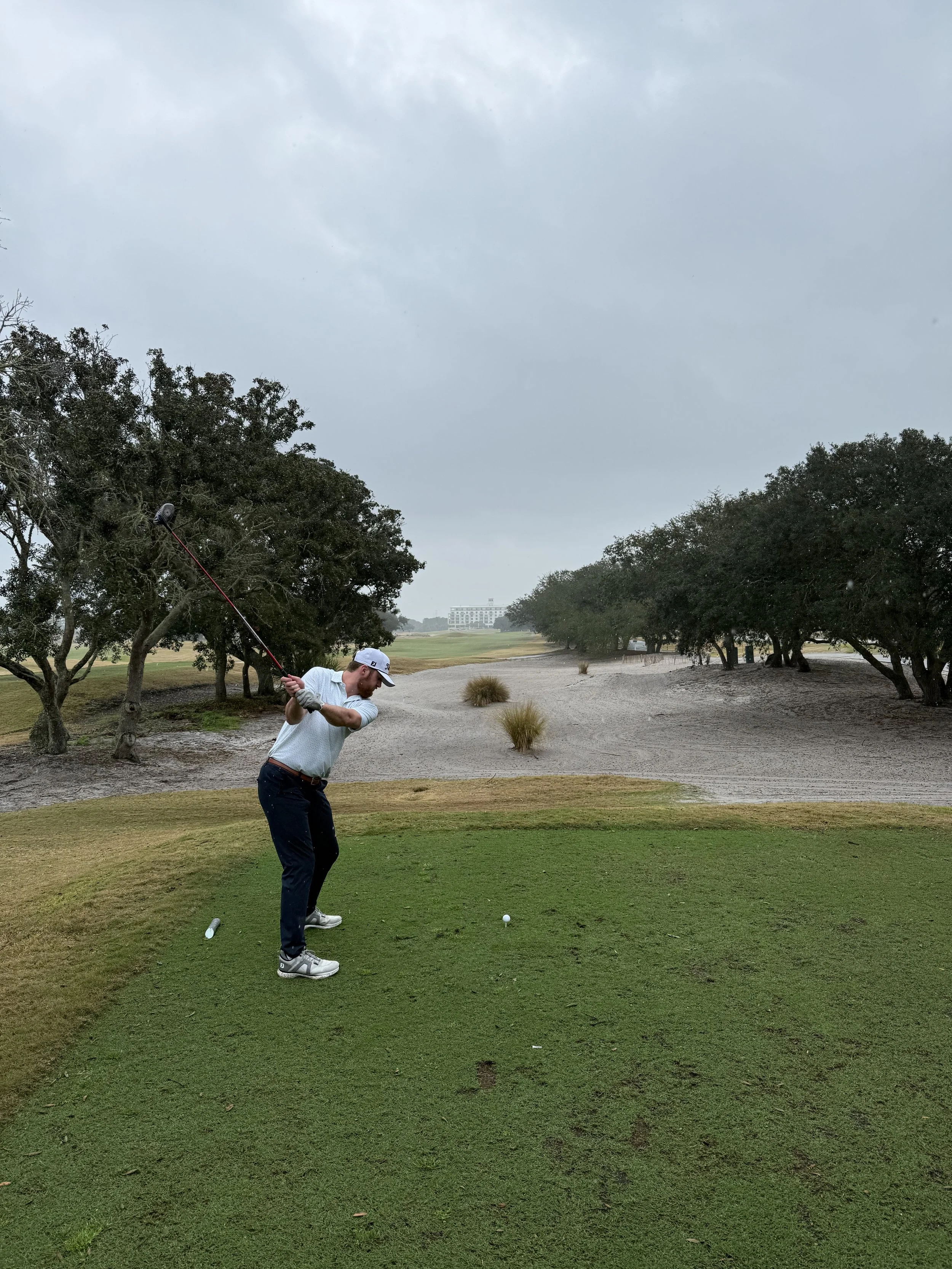
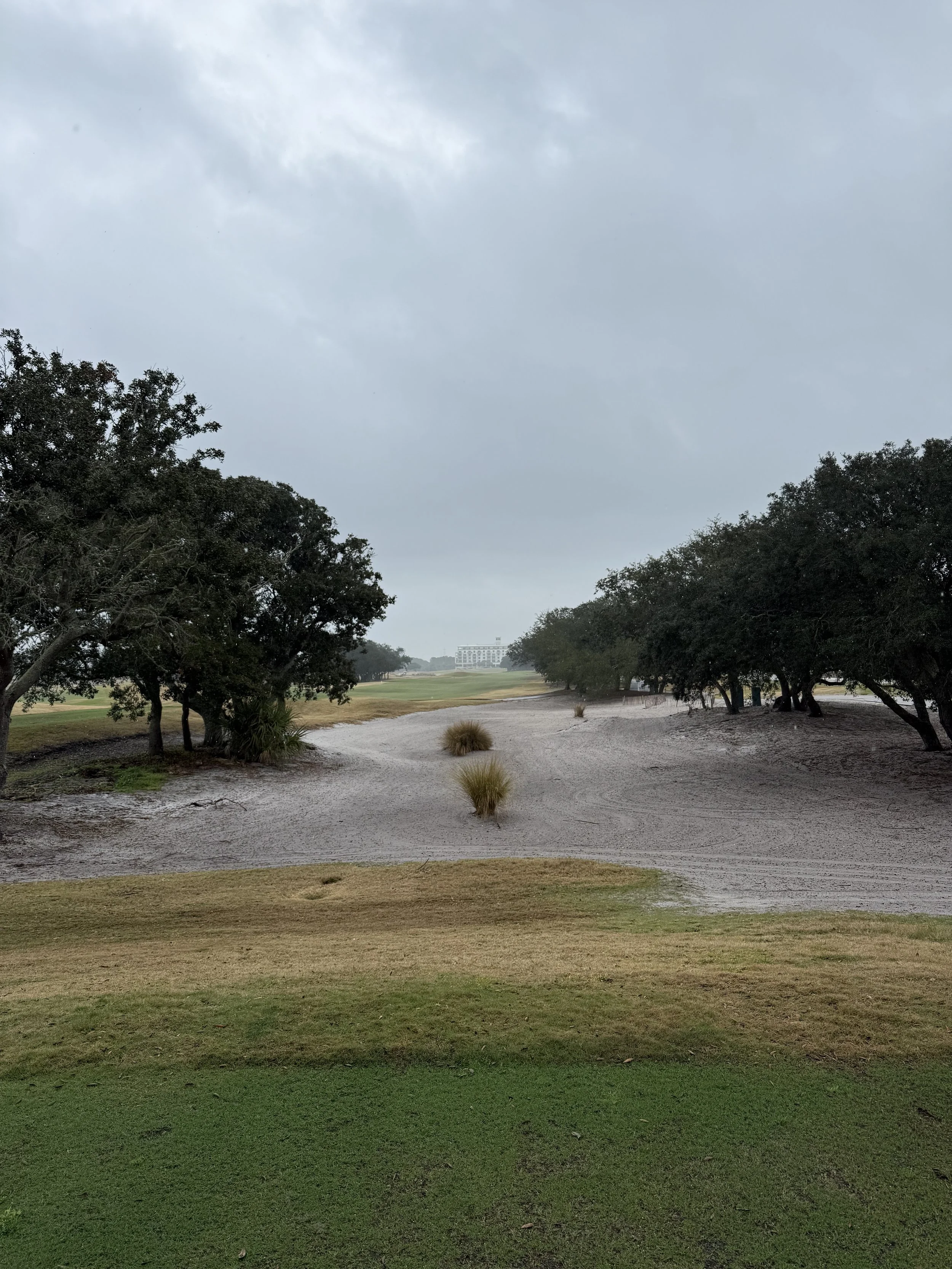
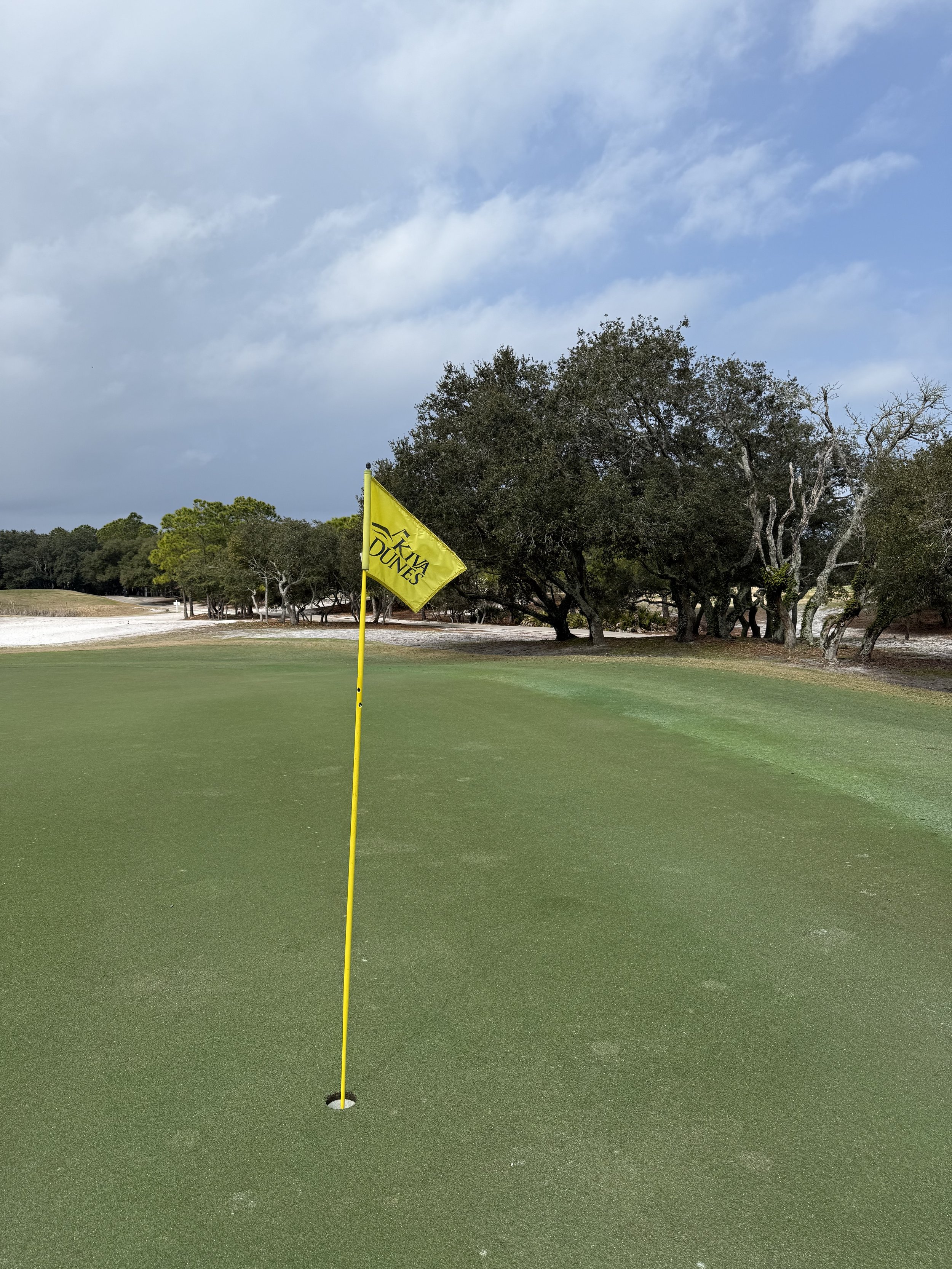
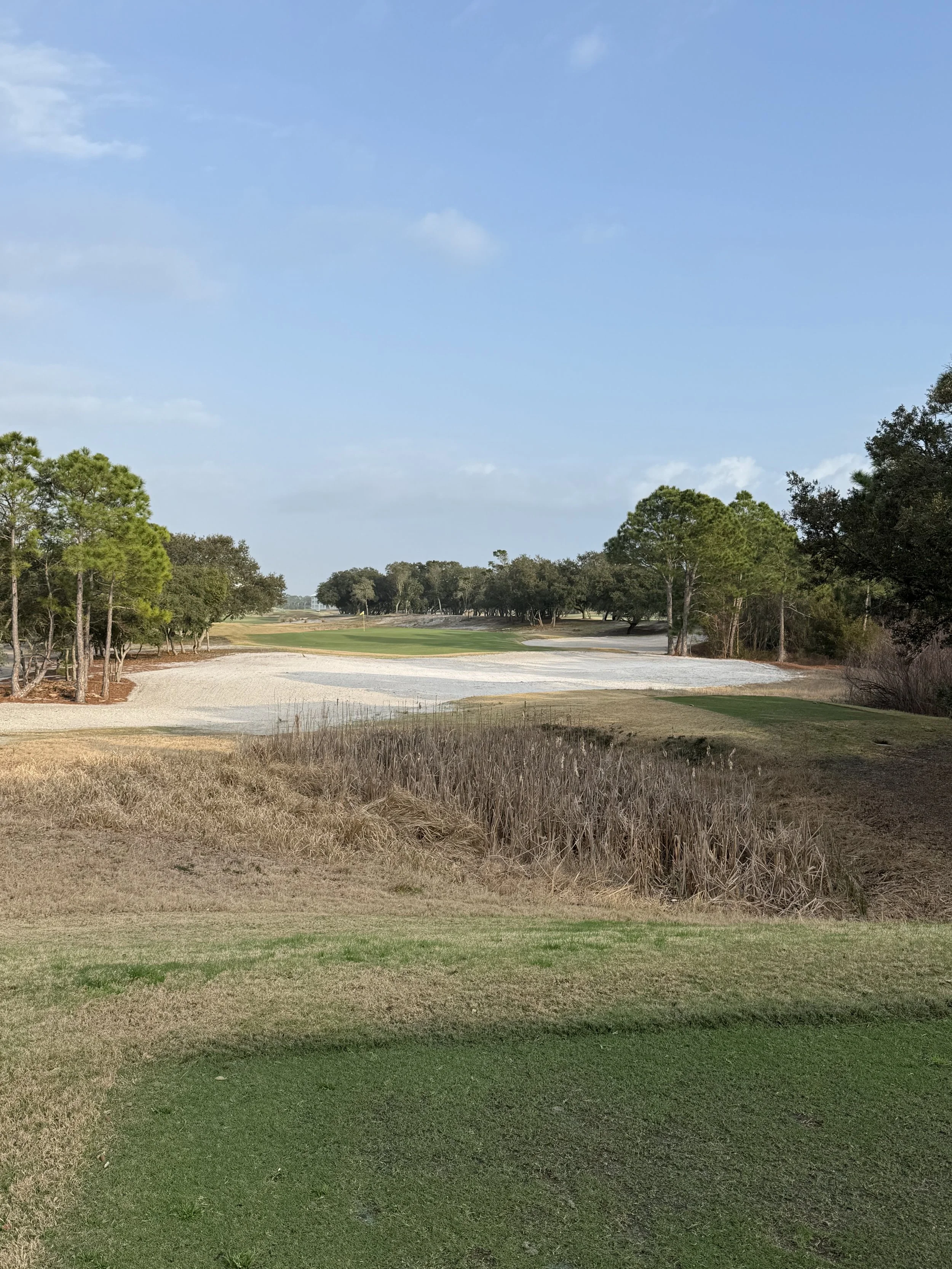
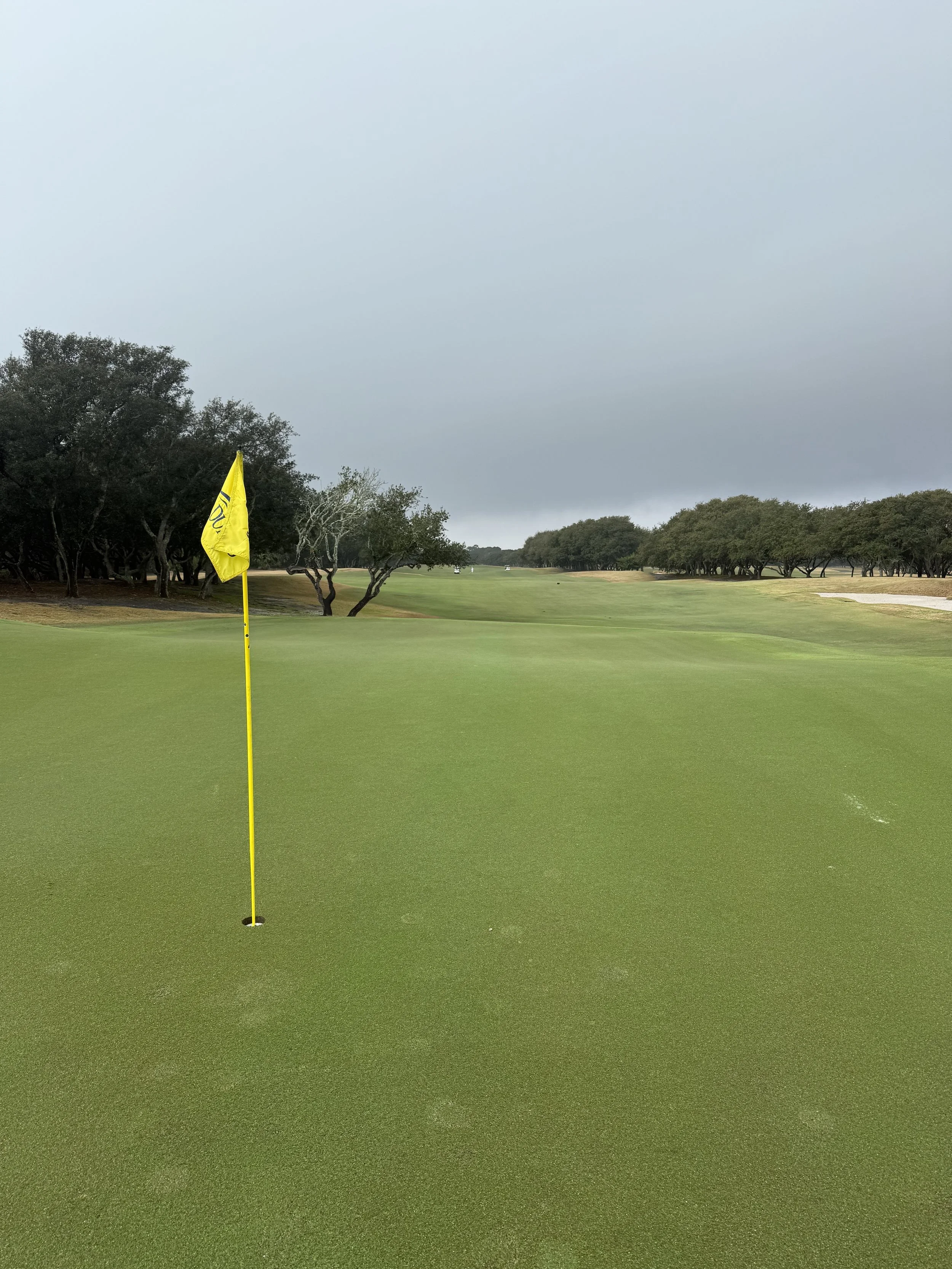
Jerry Pate’s imprint is evident everywhere. Kiva Dunes was his first solo design, and you can sense the pride in the routing. Pate favors width off the tee paired with strategic angles into greens. The fairways invite you to swing freely, but approach shots demand thought. Greens are subtly contoured and often slightly elevated, defended by bunkers that reward proper positioning rather than pure length. Wind is a constant presence, and the design smartly allows it to dictate strategy. You may play the same hole three times in a weekend, but it can feel entirely different depending on direction and strength of the Gulf breeze.
Beyond Kiva, one of Pate’s most respected design projects is Old Waverly in West Point, Mississippi. Old Waverly blends Southern charm with thoughtful, championship-caliber design. It has hosted numerous USGA and professional events and is consistently ranked among the top private clubs in the region. Like Kiva, Old Waverly emphasizes strategy and shot values. Pate’s work there showcases his ability to craft courses that are aesthetically pleasing, tournament-ready, and still enjoyable for everyday members. His portfolio throughout the Southeast reflects a consistent philosophy: create courses that are playable, visually clean, and strategically engaging.
The Jerry Pate Company extends far beyond architecture. The firm is one of the largest suppliers of golf course equipment in the Southeast and specializes in irrigation design and services. They provide turf equipment, course maintenance products, and advanced irrigation systems that help courses manage playability and sustainability. In many ways, Pate’s company impacts golf not just from the tee box but from the agronomic backbone that keeps courses thriving. That operational expertise gives him a unique perspective as an architect. He understands not only how a hole should look and play, but how it will be maintained for decades to come.
Of course, Jerry Pate’s legacy was first built as a player. The Alabama native won the 1976 U.S. Open early in his PGA Tour career, cementing himself as one of the state’s greatest golfers. He later captured The Players Championship in 1982 at TPC Sawgrass. After that victory, he famously celebrated by pushing course architect Pete Dye and Commissioner Deane Beman into the water beside the 18th green before jumping in himself. It remains one of the most iconic celebration moments in golf history. This moment is memorialized as a large scale painting inside the the TPC Sawgrass clubhouse (see picture below). That competitive fire and understanding of championship golf is evident in his designs. He knows how pressure builds over a round and how a closing stretch should feel.
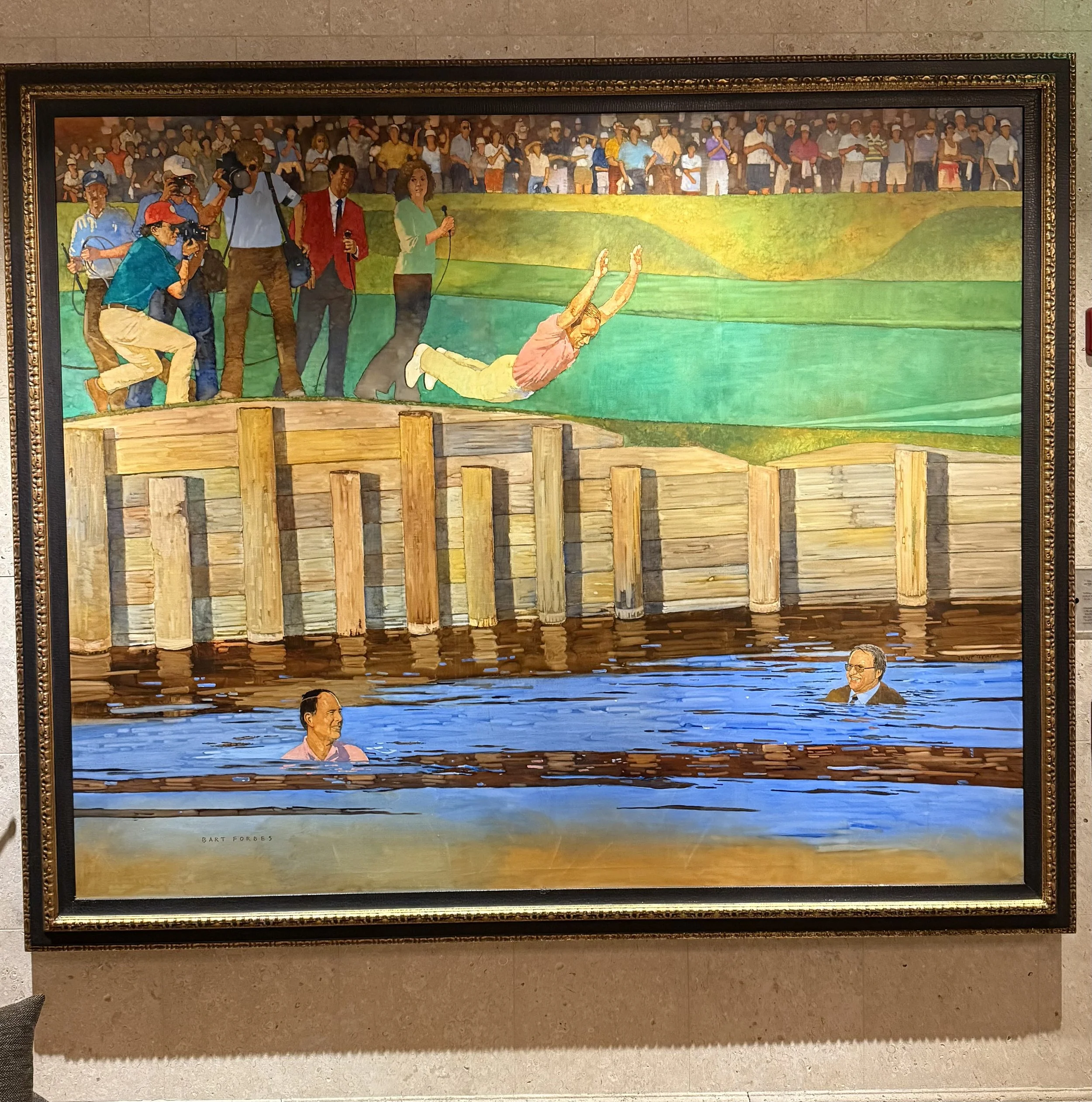
Pate takes a plunge!
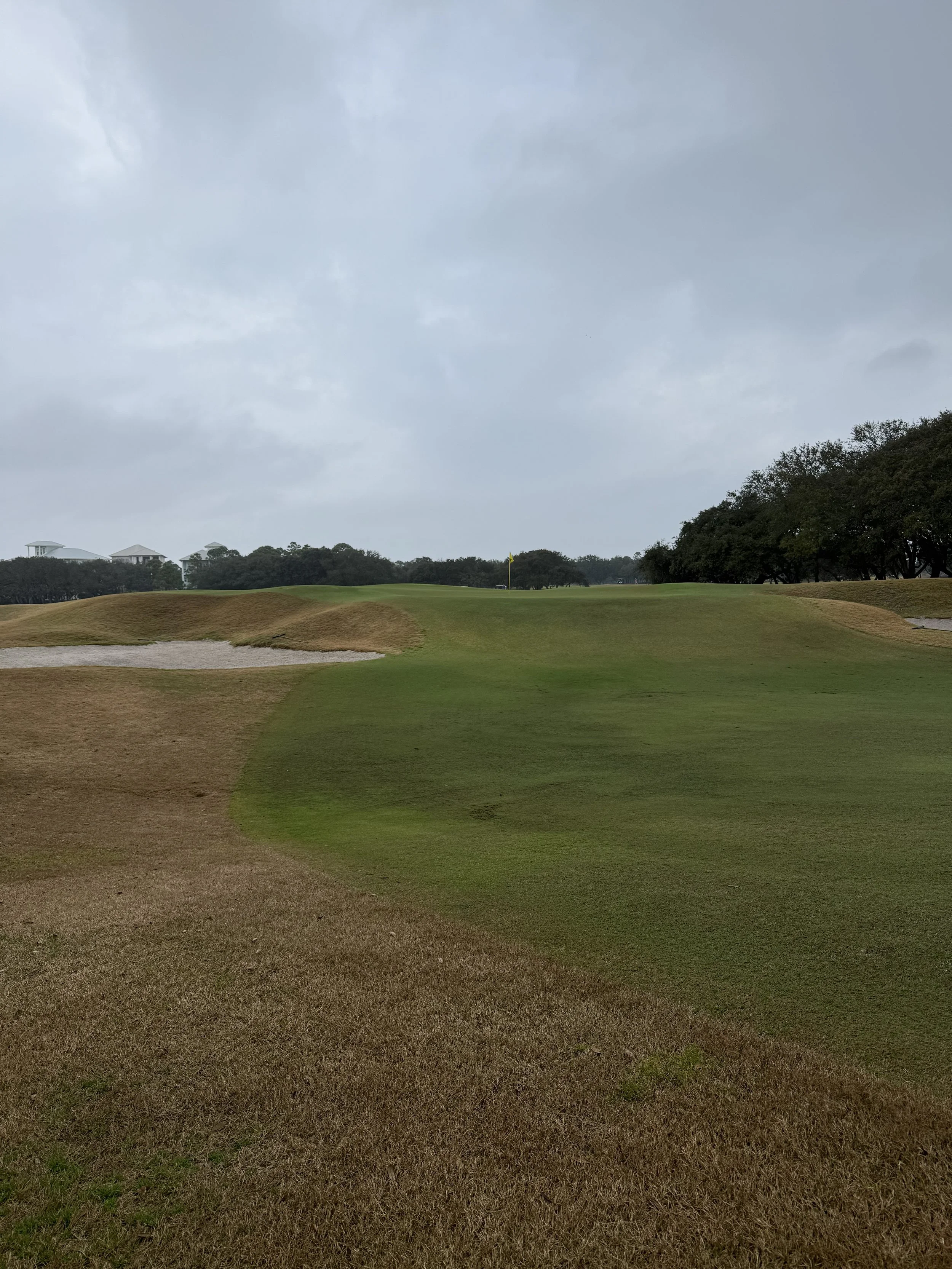
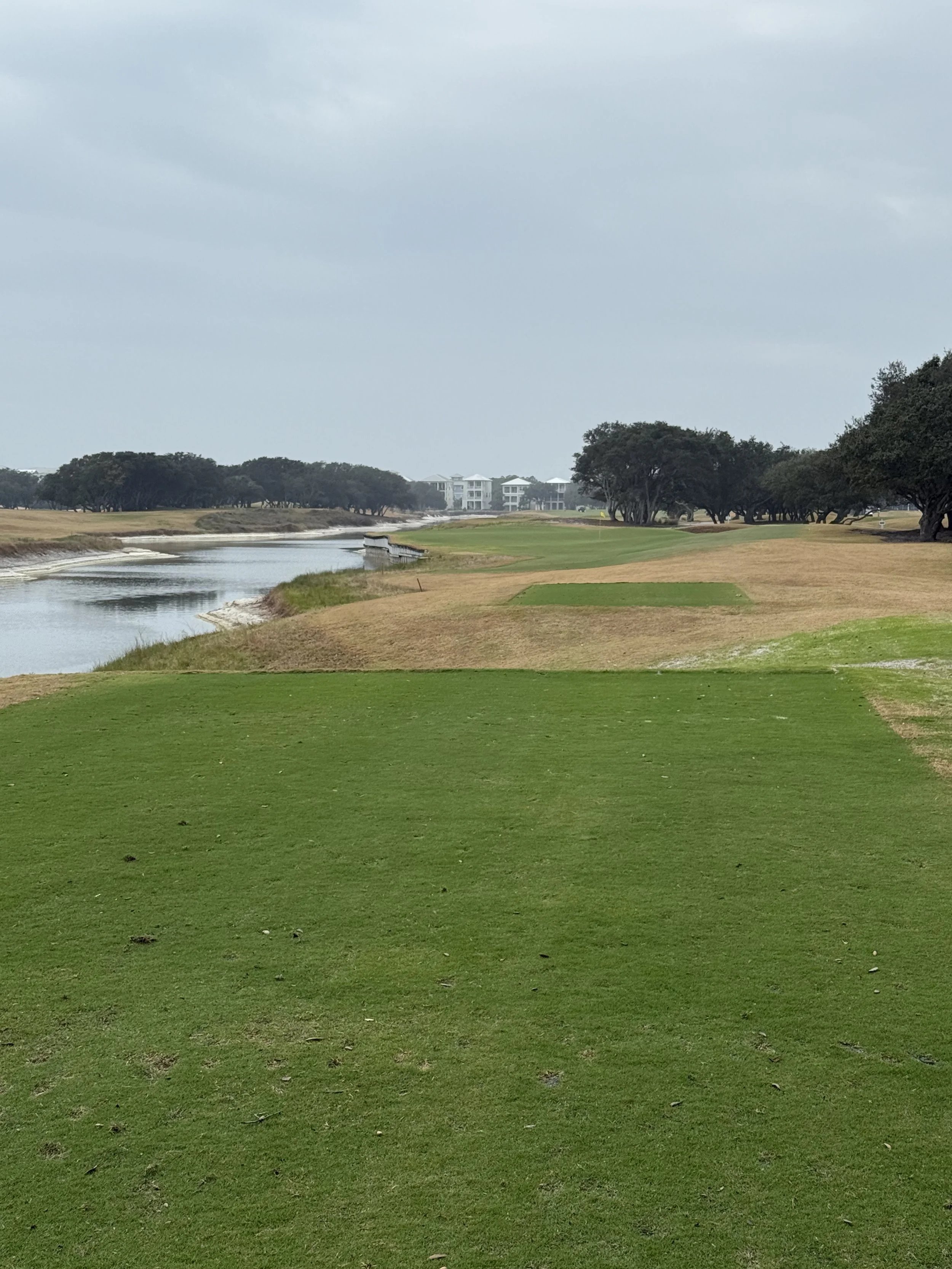
At Kiva Dunes, several holes stand out after three loops around the property. The par-5 14th is a highlight. Playing parallel to the coastline, it tempts longer hitters to go for the green in two, but bunkers and subtle runoffs demand precision. In the right wind it is reachable. Into the wind it becomes a true three-shot hole. It perfectly captures Pate’s risk-reward philosophy.
The par-3 15th is equally memorable. Often playing into a crosswind, it requires full commitment to your number. The green is guarded and any indecision can leave you scrambling. It is one of those one-shotters that quietly shapes the outcome of matches.
The finishing hole, the par-4 18th, provides a strong close. With the clubhouse nearby and water influencing the approach, it asks for one last composed swing. It is not overly penal, but it is exacting. A fitting end to a round that rewards patience and positioning.
Stylistically, Kiva Dunes feels like a true coastal course without trying to be flashy. Wide corridors framed by native grasses. Clean, strategic bunkering. Greens that are fair but quick. And wind that keeps you honest. It is resort golf with championship undertones.
For Alabama golfers, Kiva Dunes is more than just a beach trip add-on. It is a cornerstone of the state’s public golf scene and a defining work of one of Alabama’s most accomplished golfers turned architects.
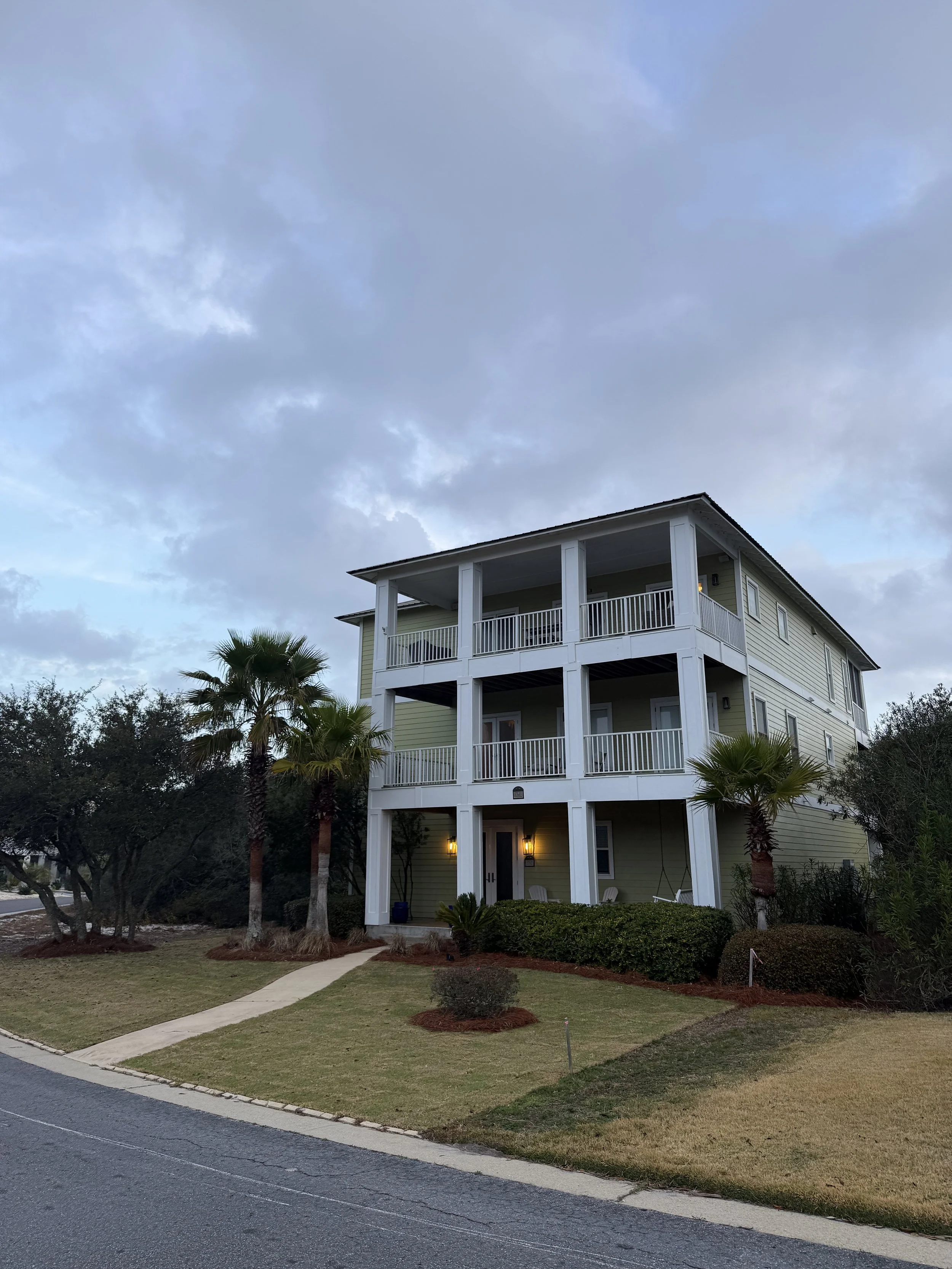
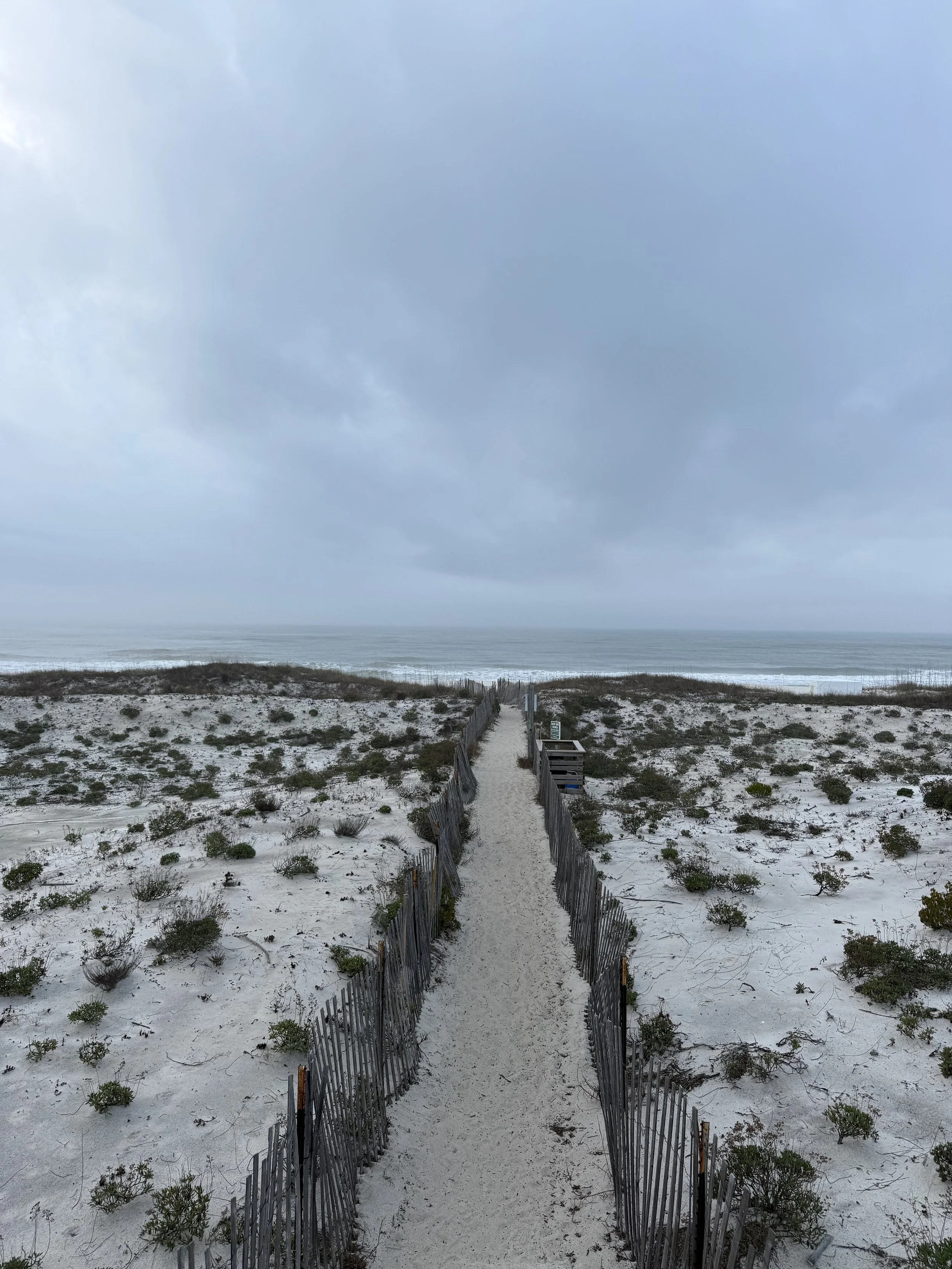
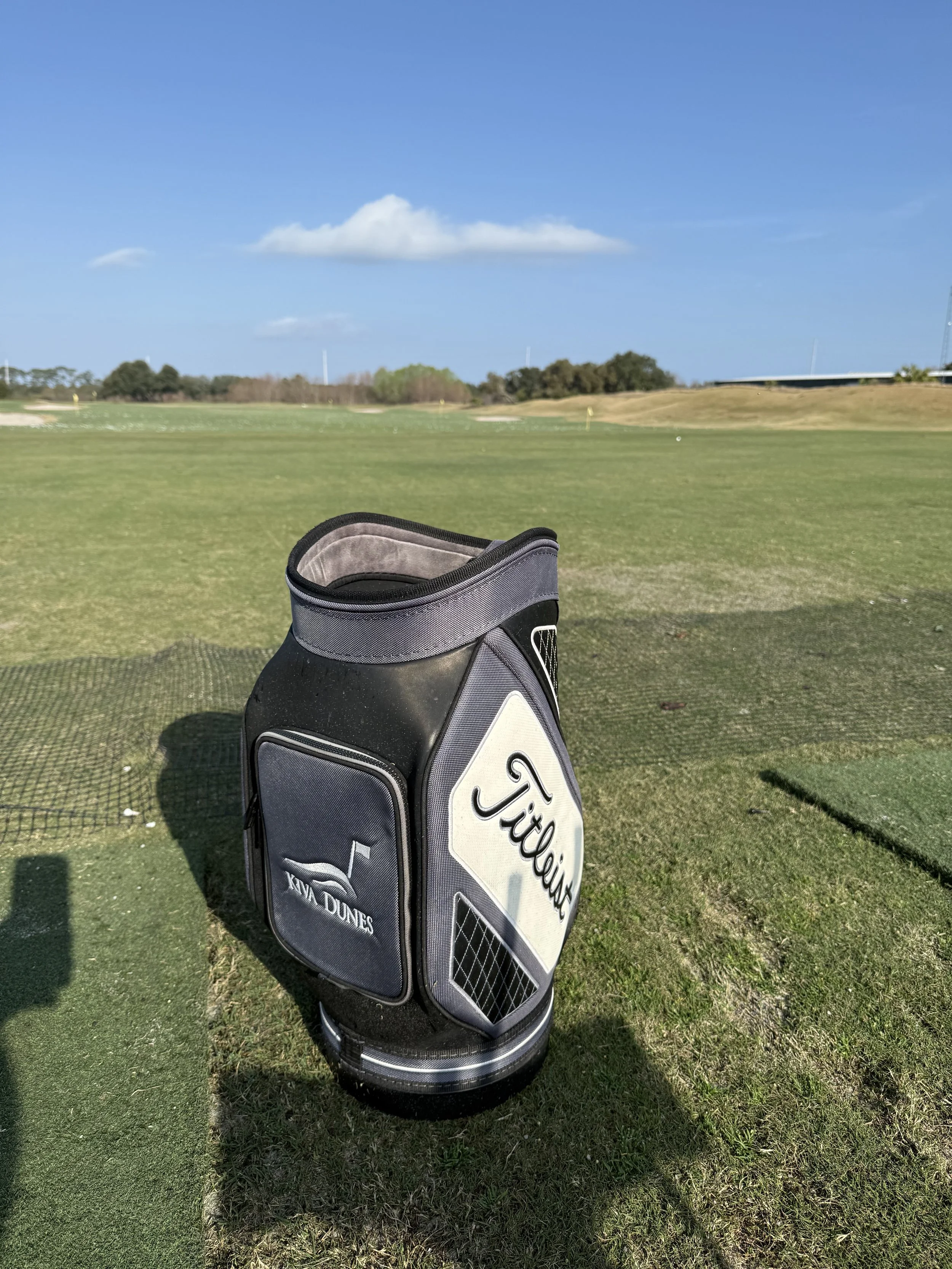
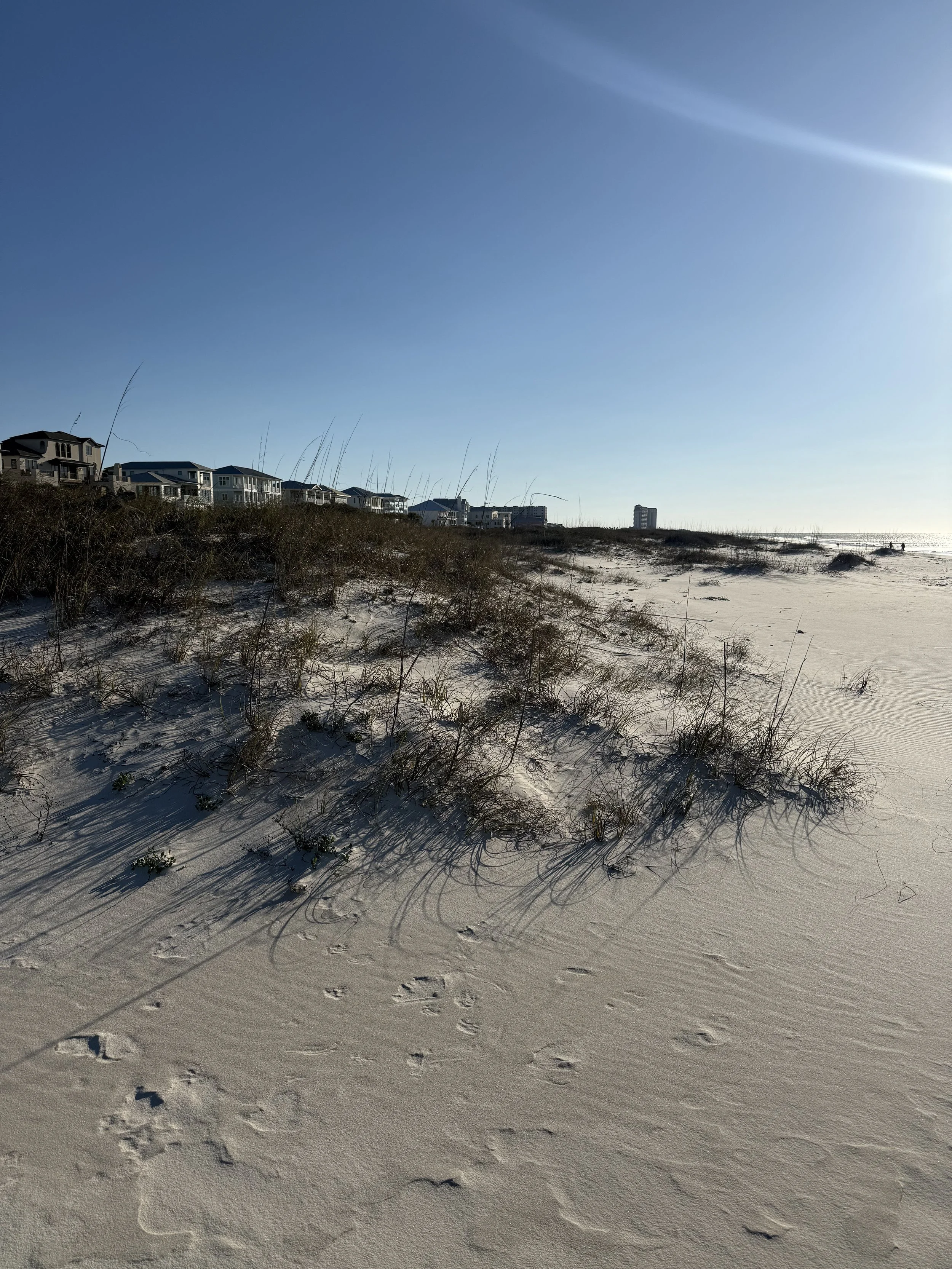
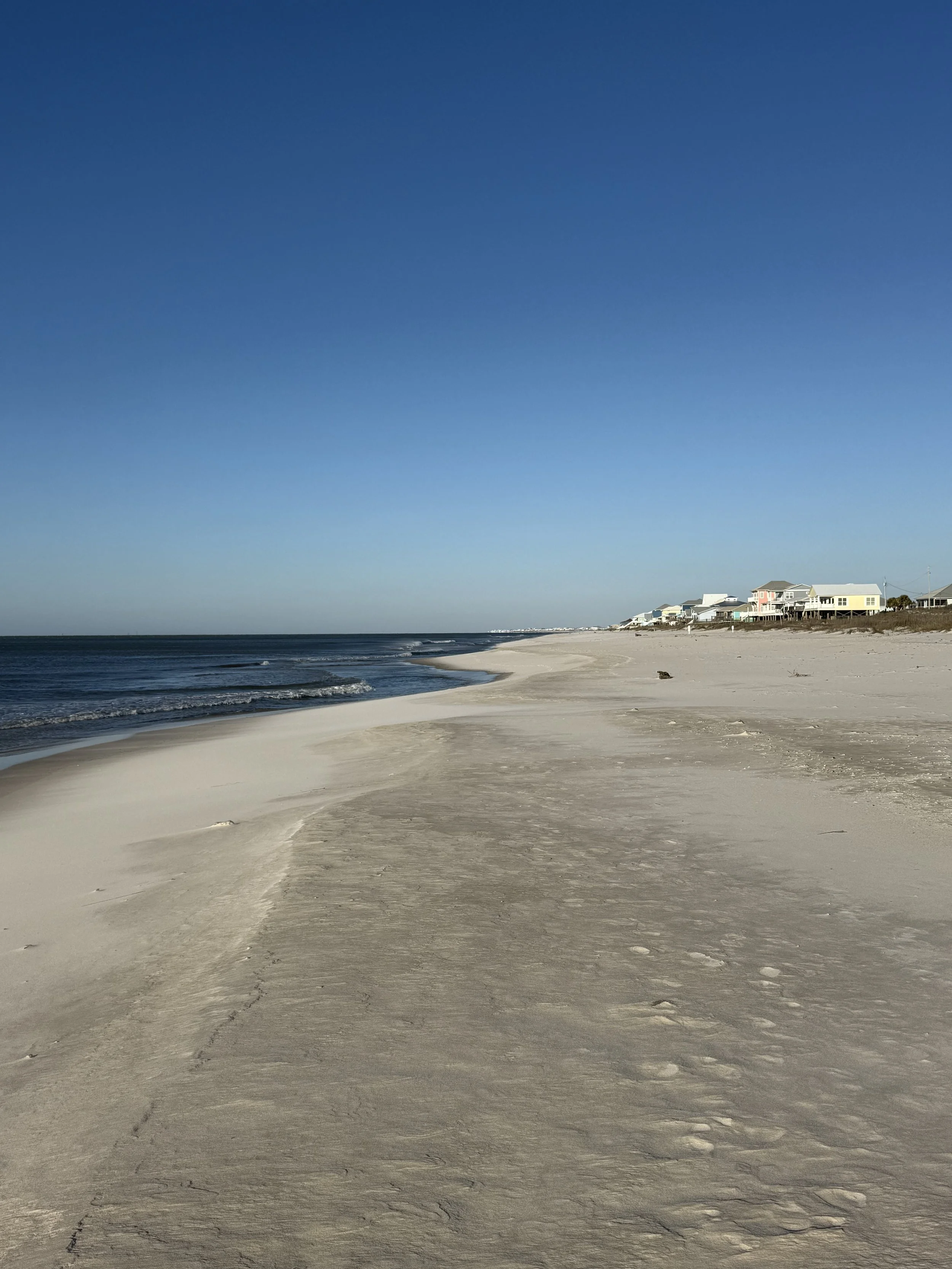
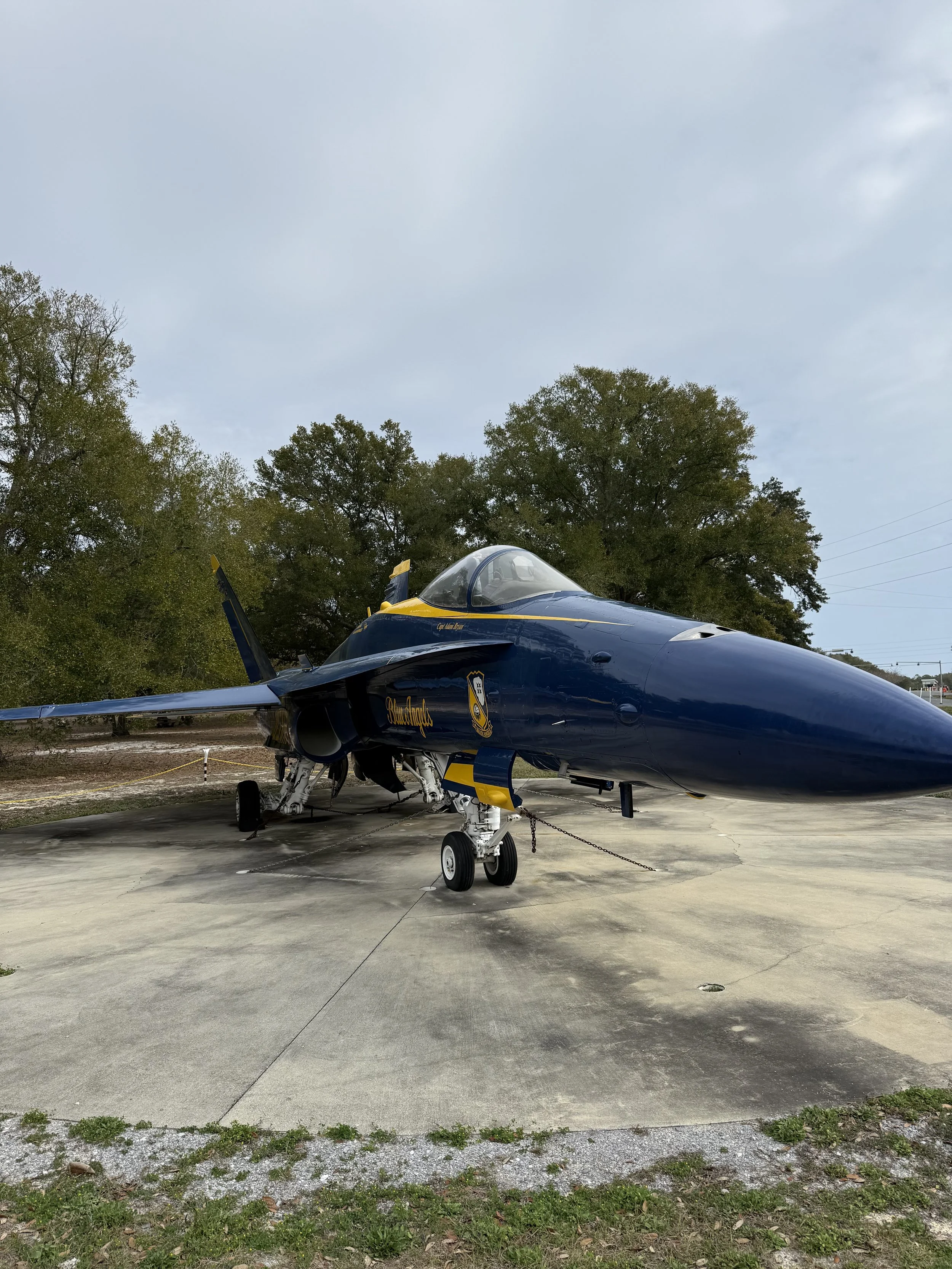
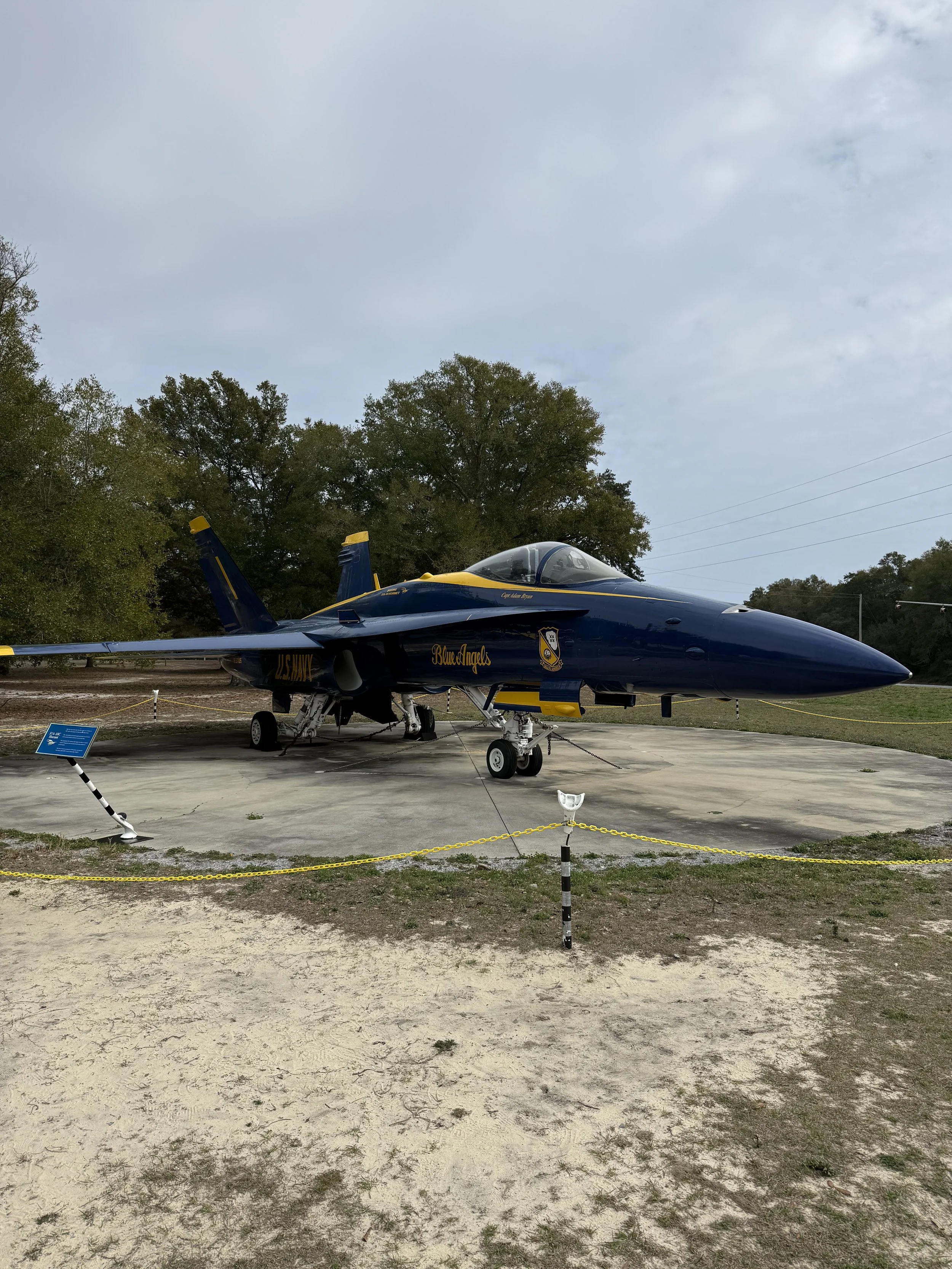
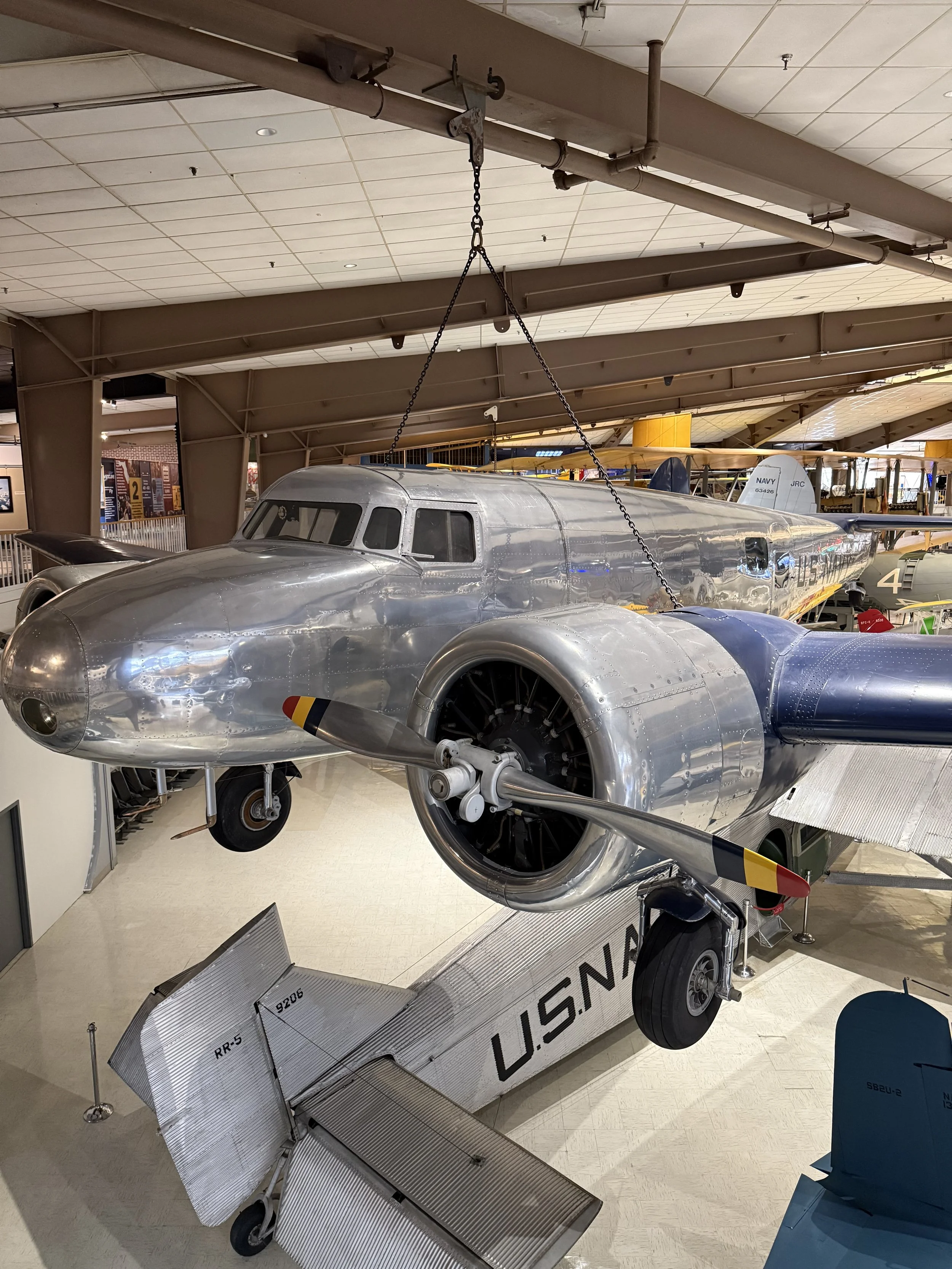
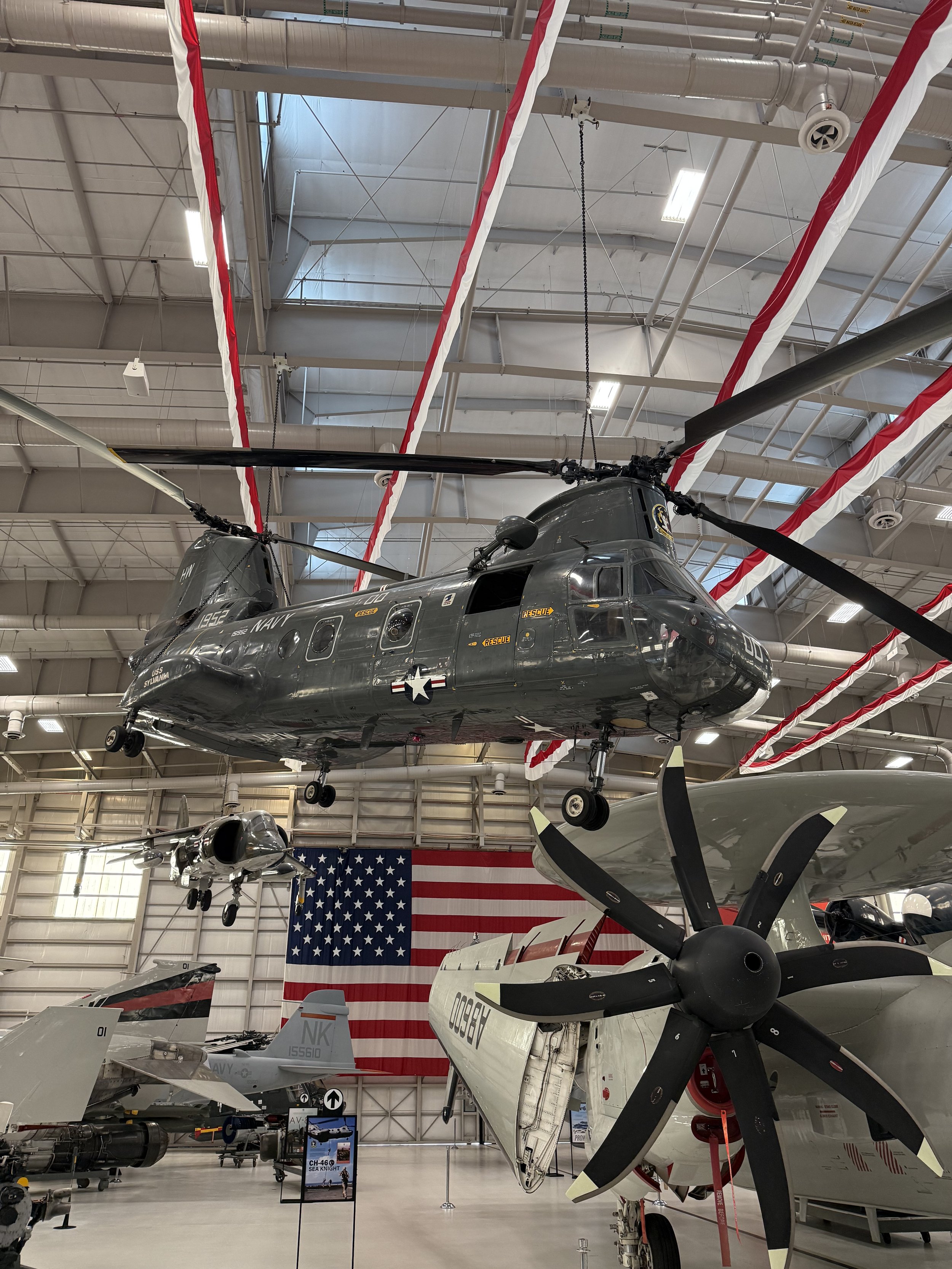
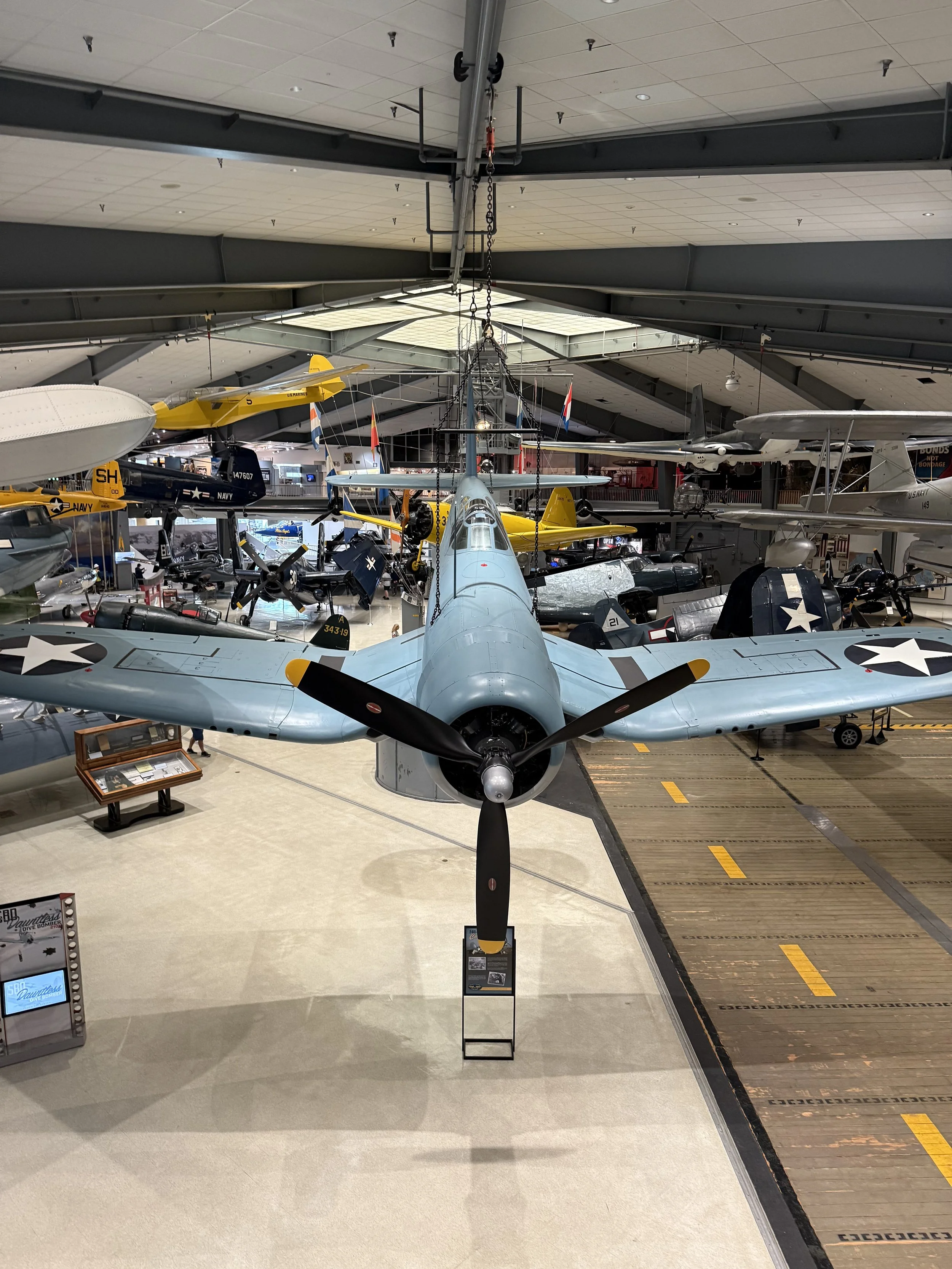
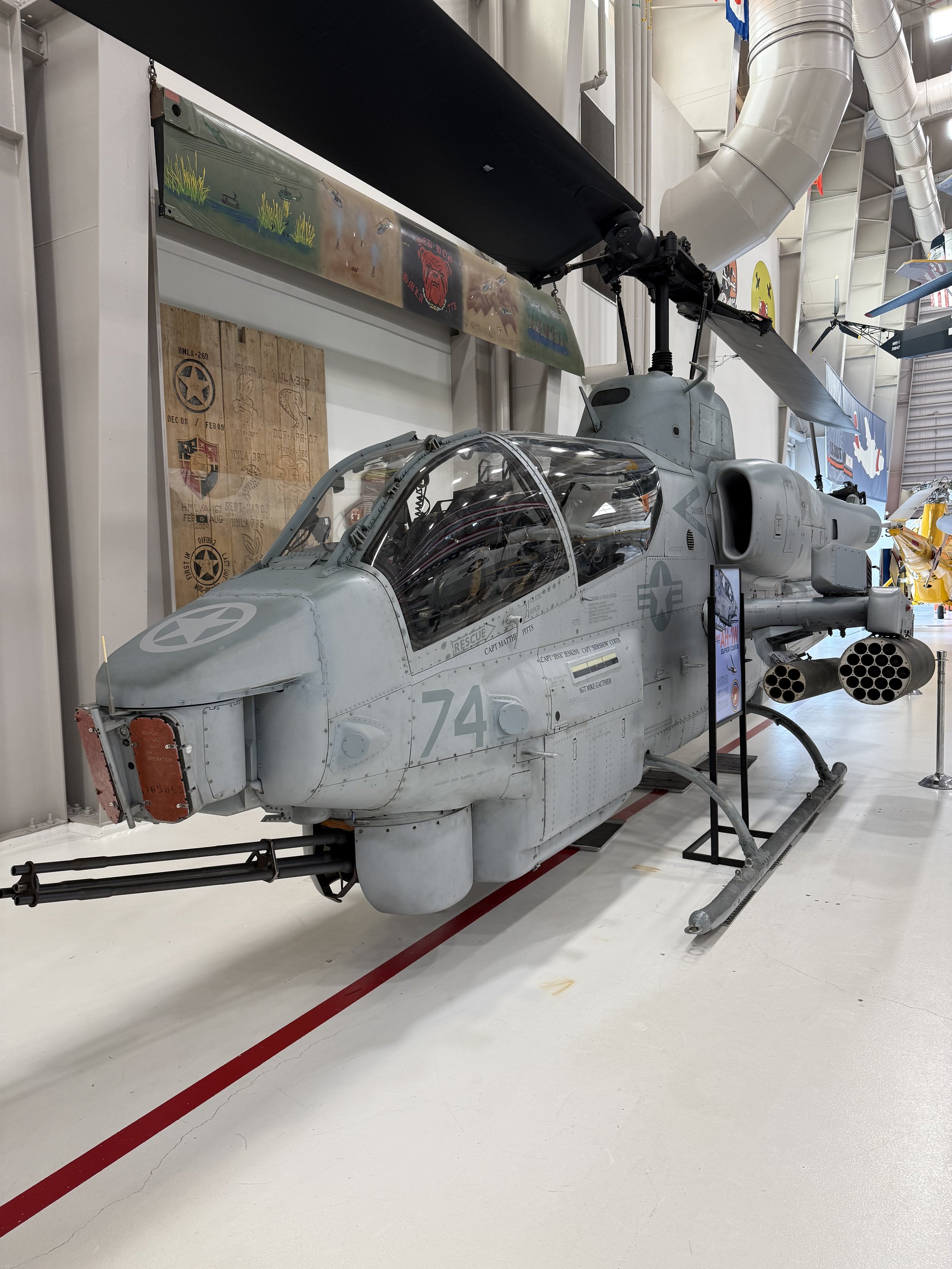
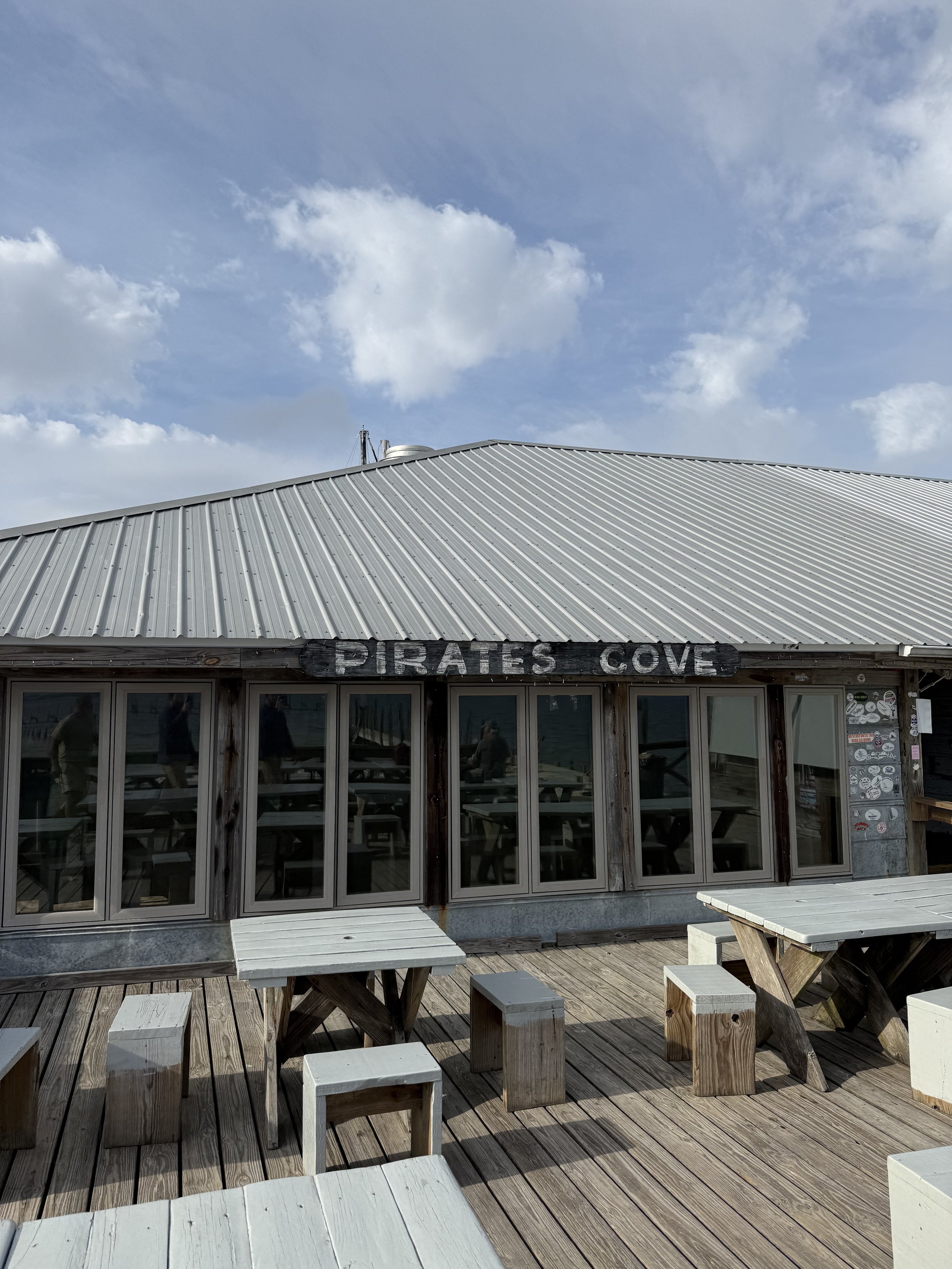
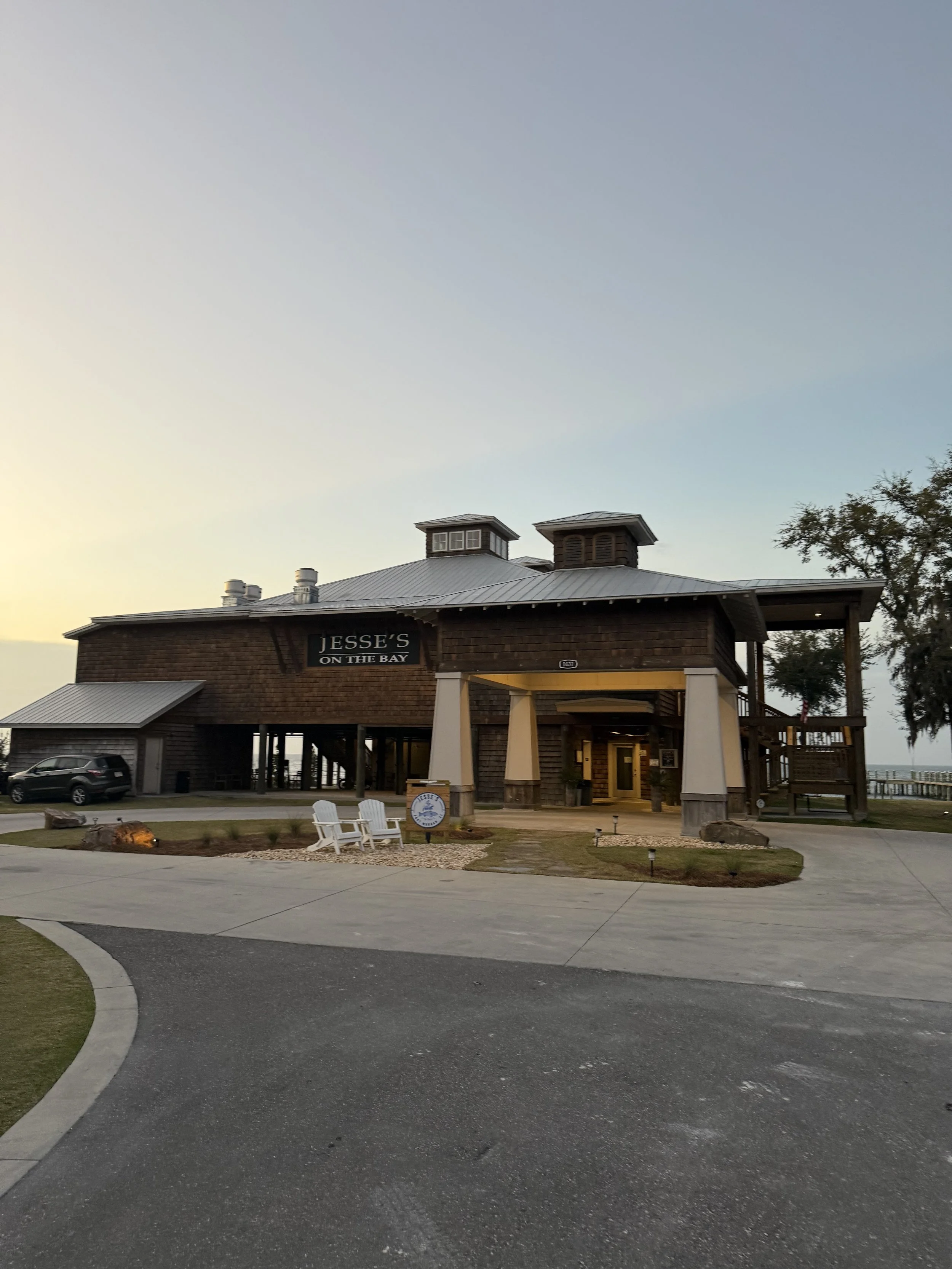
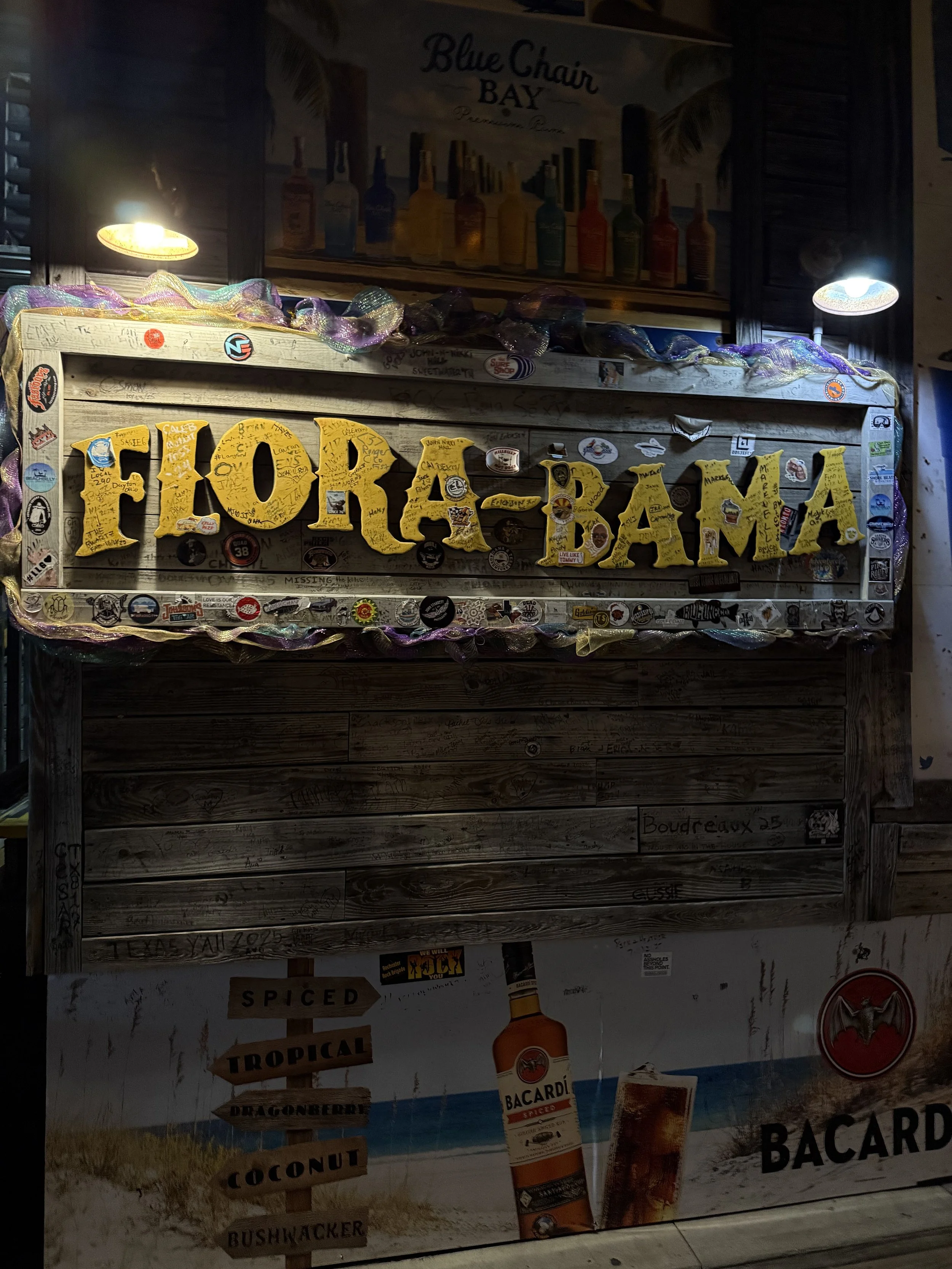
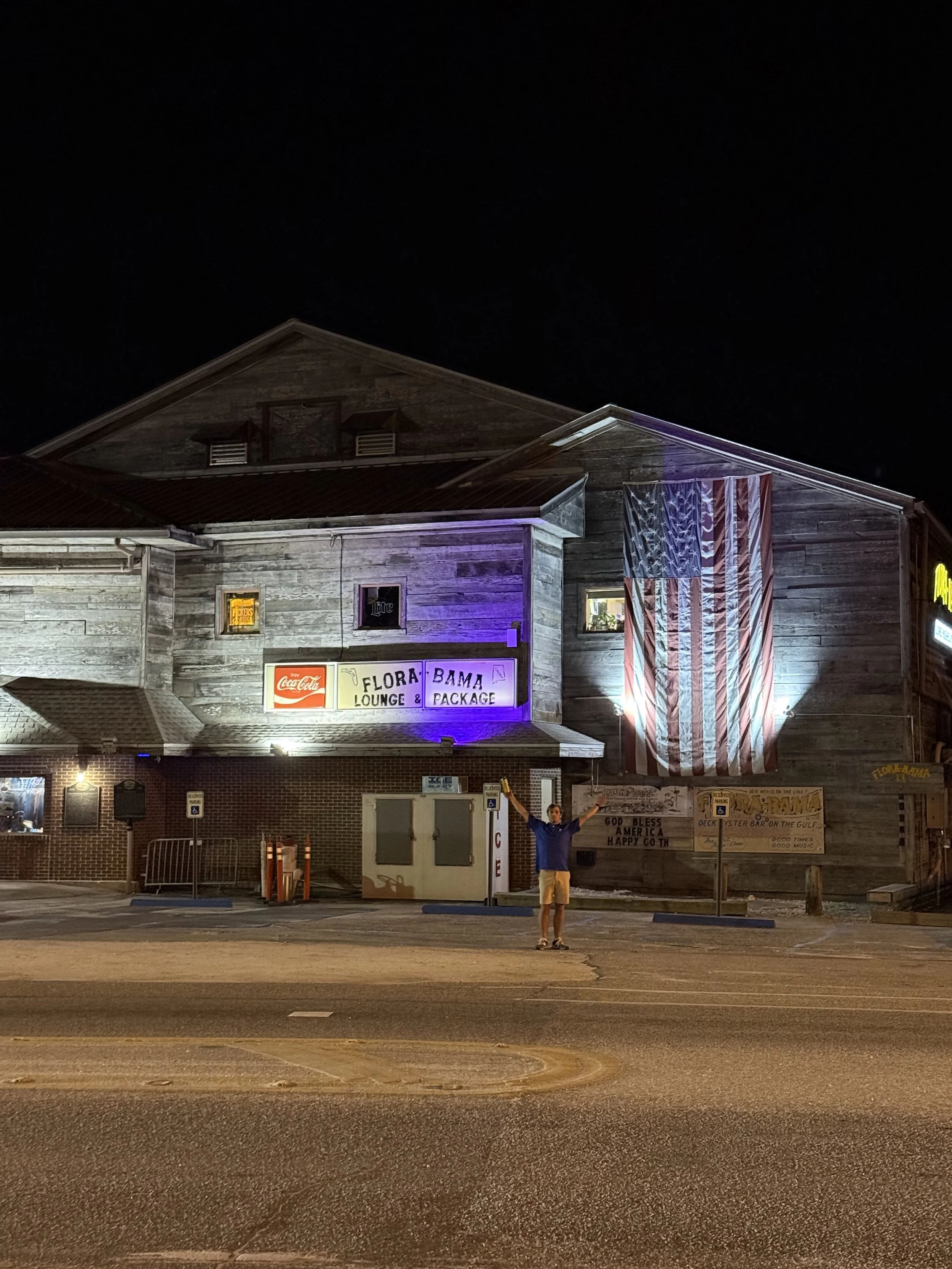
From Charleston, I flew into Pensacola and drove west to Gulf Shores. I stopped at the National Naval Aviation Museum in Pensacola and spent some time among some incredible aircraft that have helped shape the trajectory of our country. I highly recommend anyone that passes through Pensacola to check it out! Pensacola is the Home of the Blue Angels, and I heard them flying high above practicing formation. For lunch, no trip to the Gulf Coast of Alabama would be complete without grabbing a burger from Pirate’s Cove. This is a salty dive bar tucked away on the water. Im pretty sure there was a real pirate or two there when I stopped in. One of the nights we ventured over to the famous (or infamous) Flora-Bama bar. As the name would imply, this beach bar sits on the Alabama and Florida state line. Live music leads the way here, and The Mullet Toss. I will let you do your own research on that event! While at Kiva Dunes, we ate at the clubhouse for several meals and ventured out to Jesse’s on the Bay for a nice dinner. Jesse’s served an incredible ribeye and I would go there anytime in the area. Cheers!