Osprey Point - Kiawah Island golf Resort
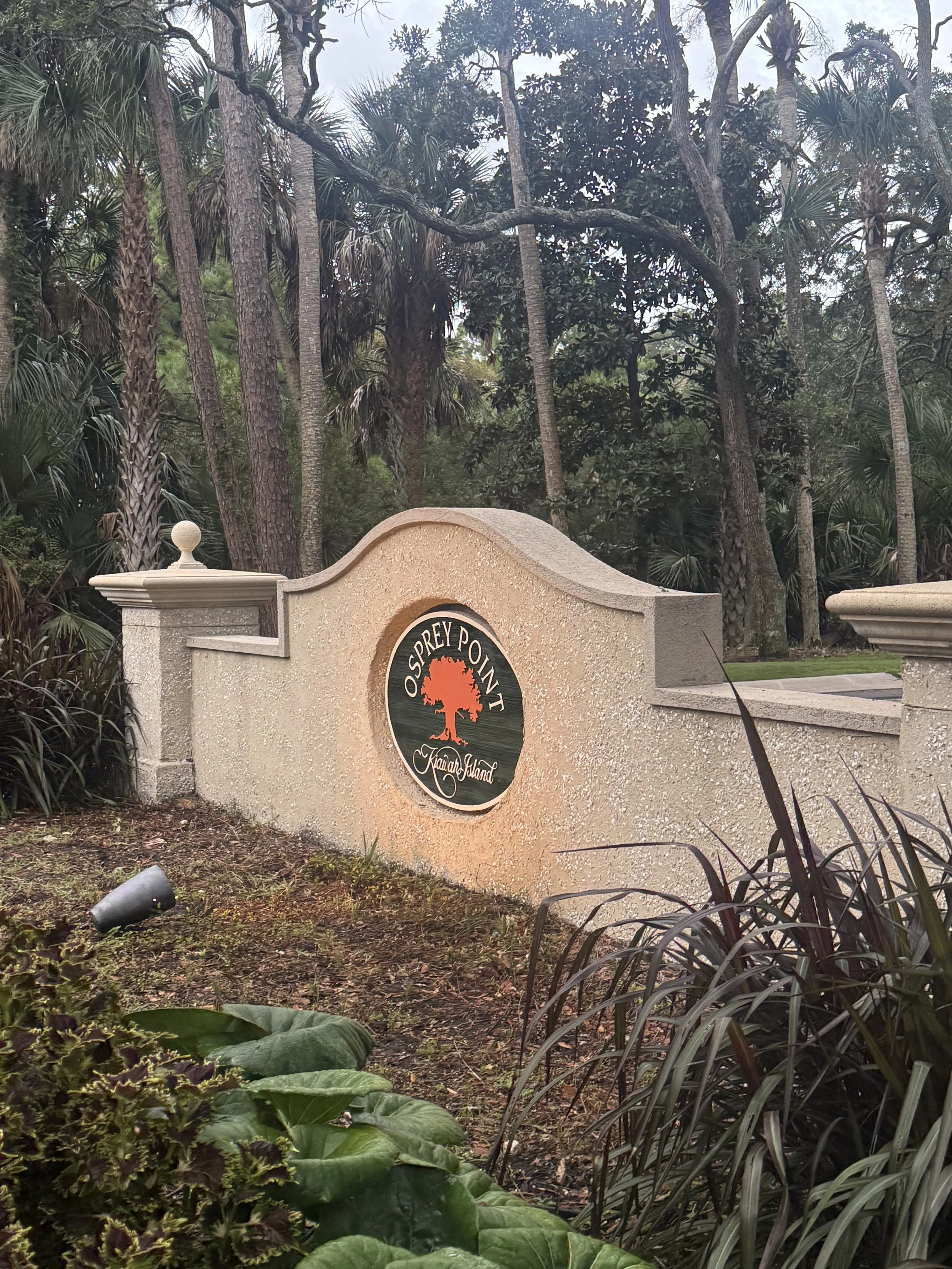
After playing the Ocean Course back in February, one of my golf goals for 2026 has been to play all five courses at Kiawah Island Golf Resort. Being in Charleston, Kiawah is right in our backyard, and I wanted to make a point this year to see everything the resort has to offer beyond just its most famous course. I started with the Ocean Course earlier in the year, and toward the end of July, I checked the second course off the list with a round at Osprey Point.
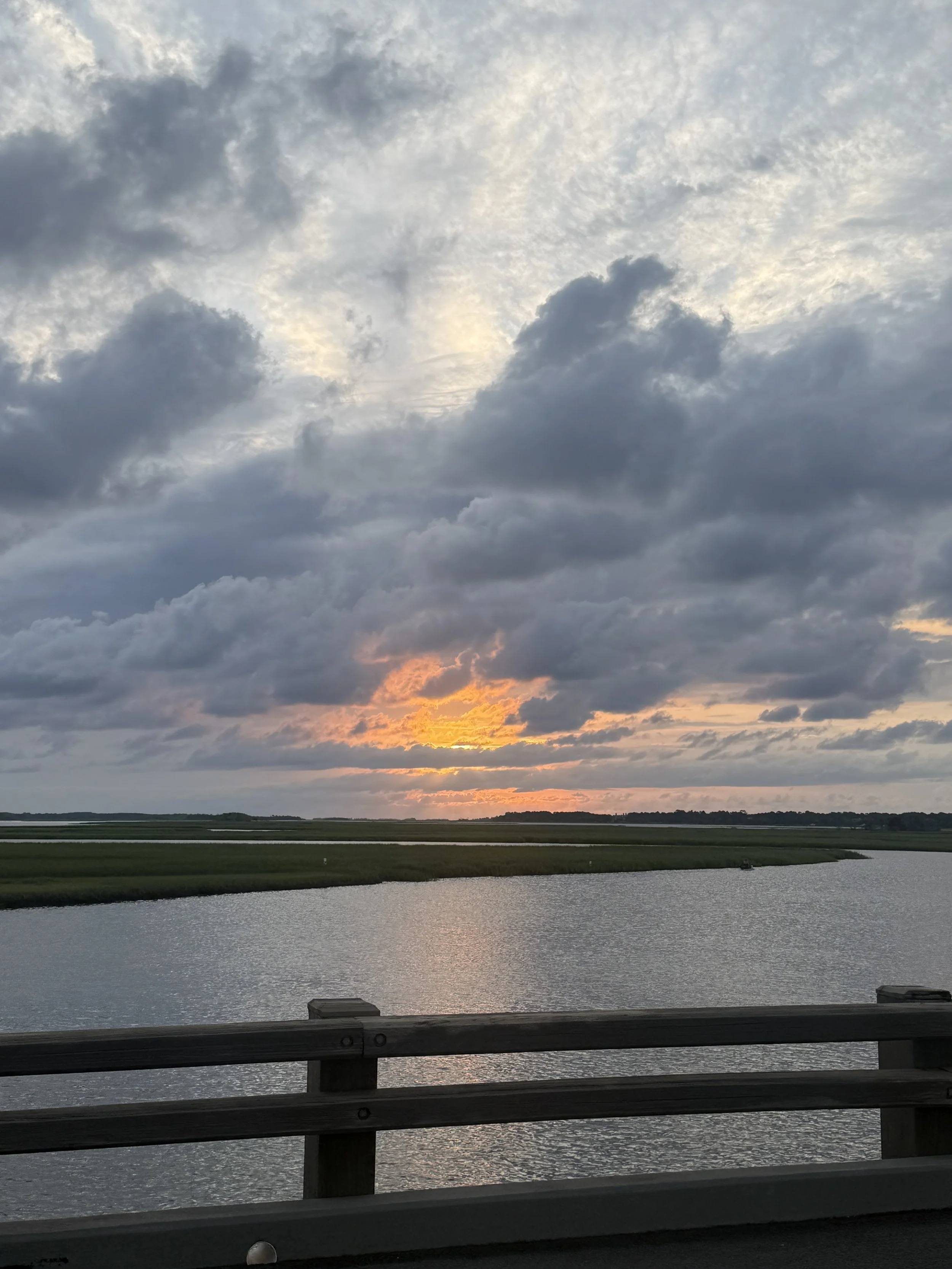
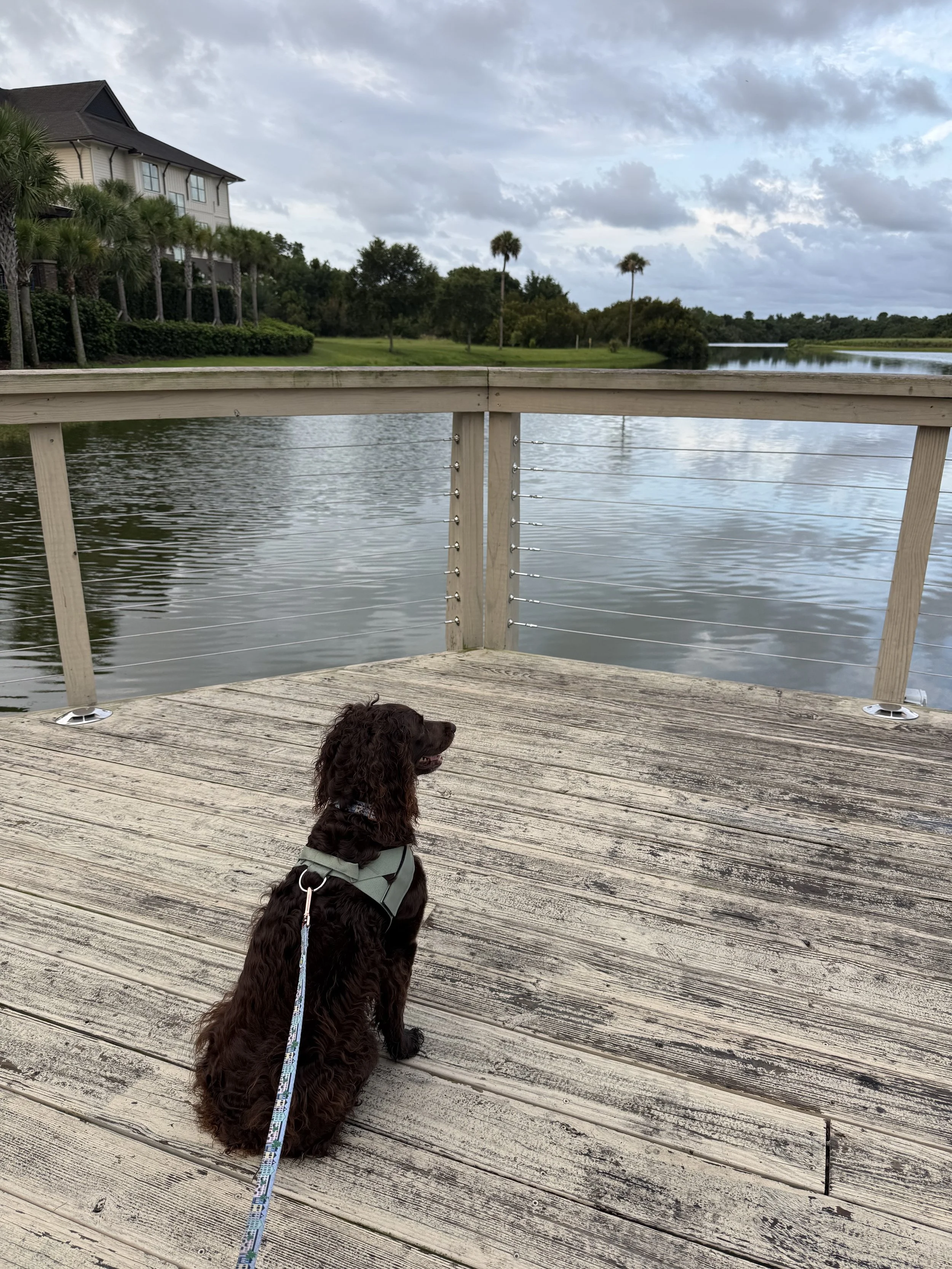
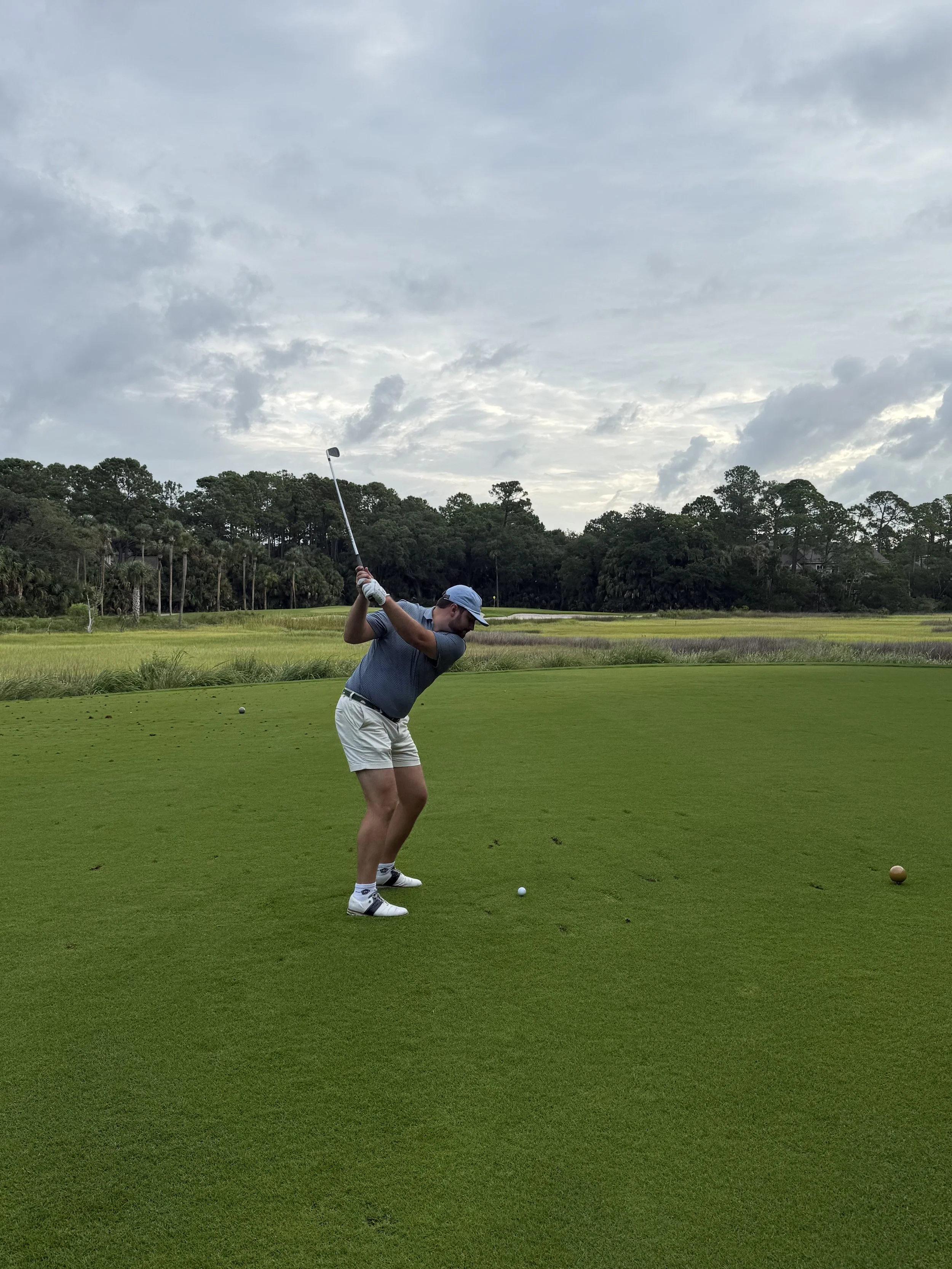
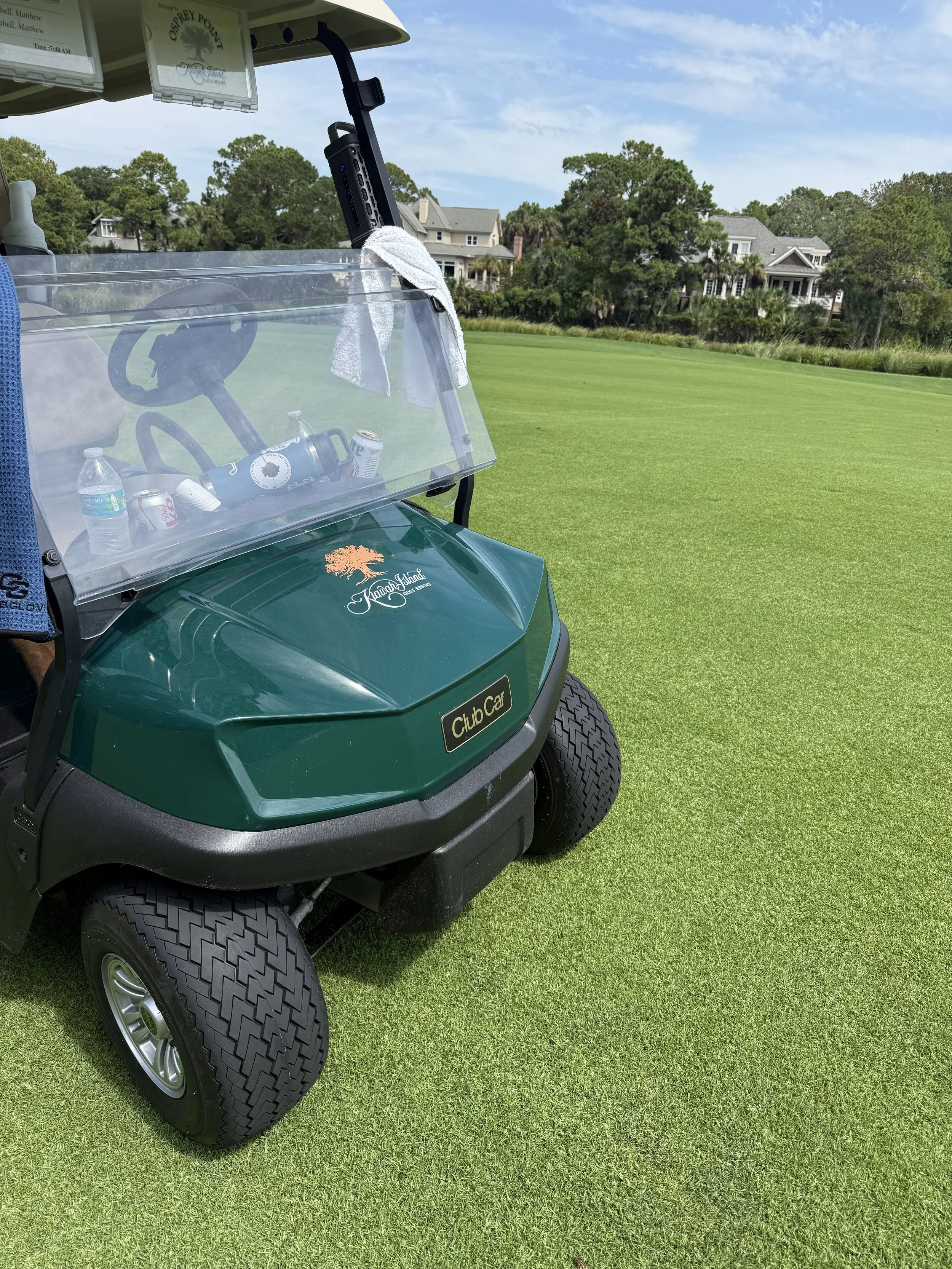
Hannah and Wellington rode out to Kiawah with me that morning, and while I played, they spent the morning exploring some of the walking trails around the island, grabbing breakfast, and eventually finding a spot overlooking the marsh where Hannah could read her book. Meanwhile, I met up with my buddies Joe Provost, Mac Gandy, and Nick LaBate for an early tee time at Osprey.
It was one of those summer days in the Lowcountry where thunderstorms were already in the forecast and seemed to be hanging around the area all day. Getting out early ended up working in our favor, and we managed to dodge the weather and get all 18 holes in.
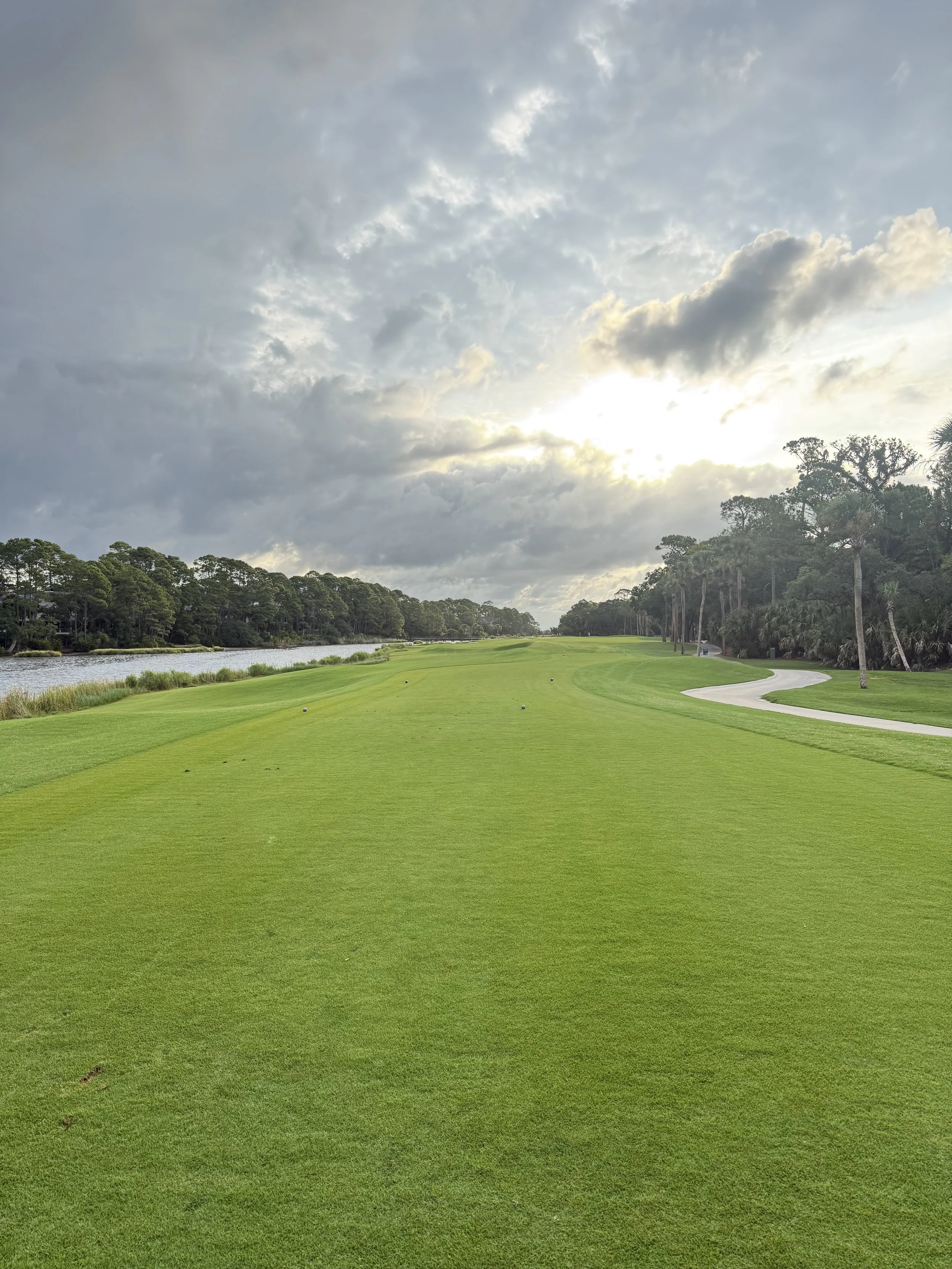
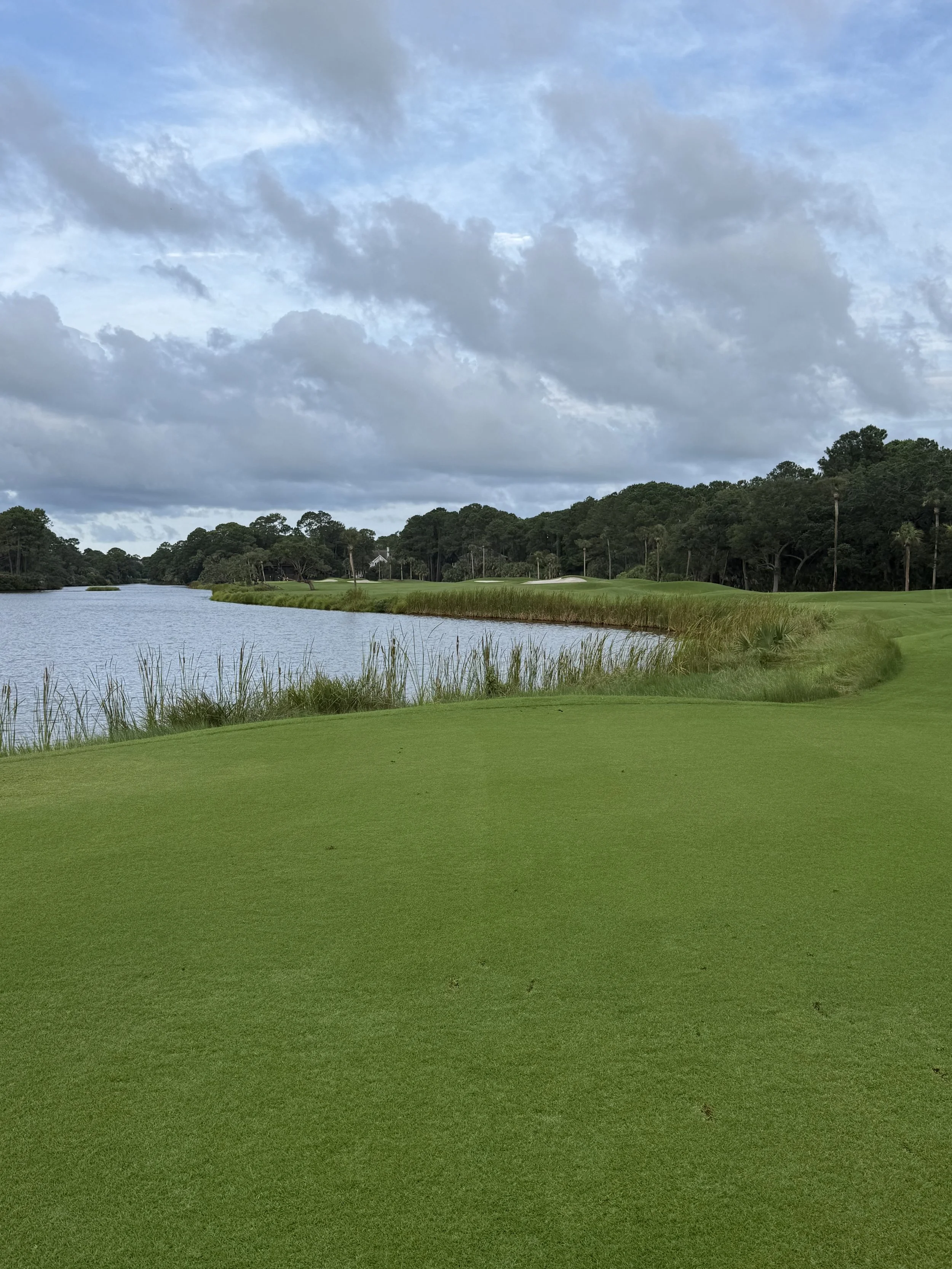
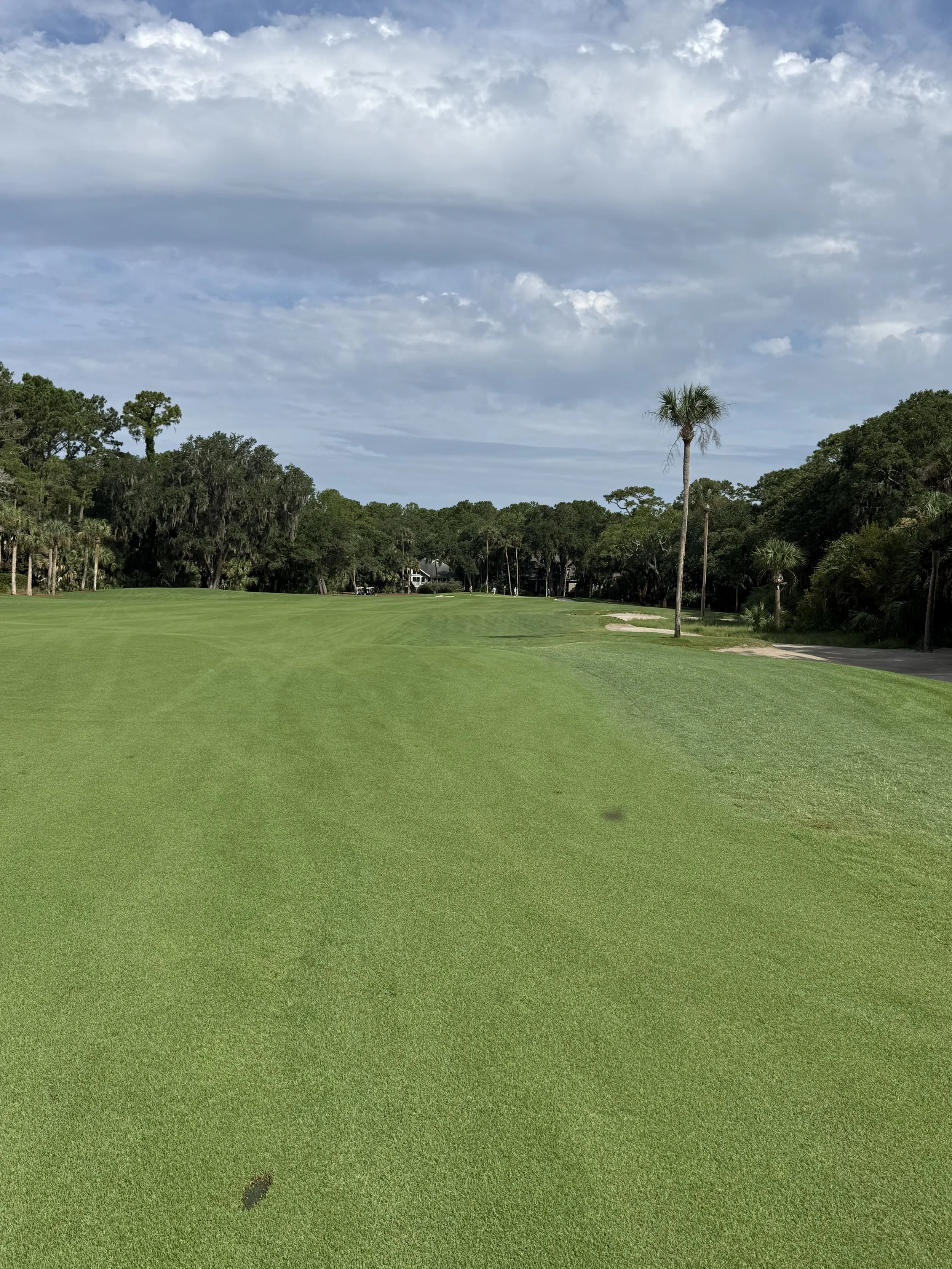
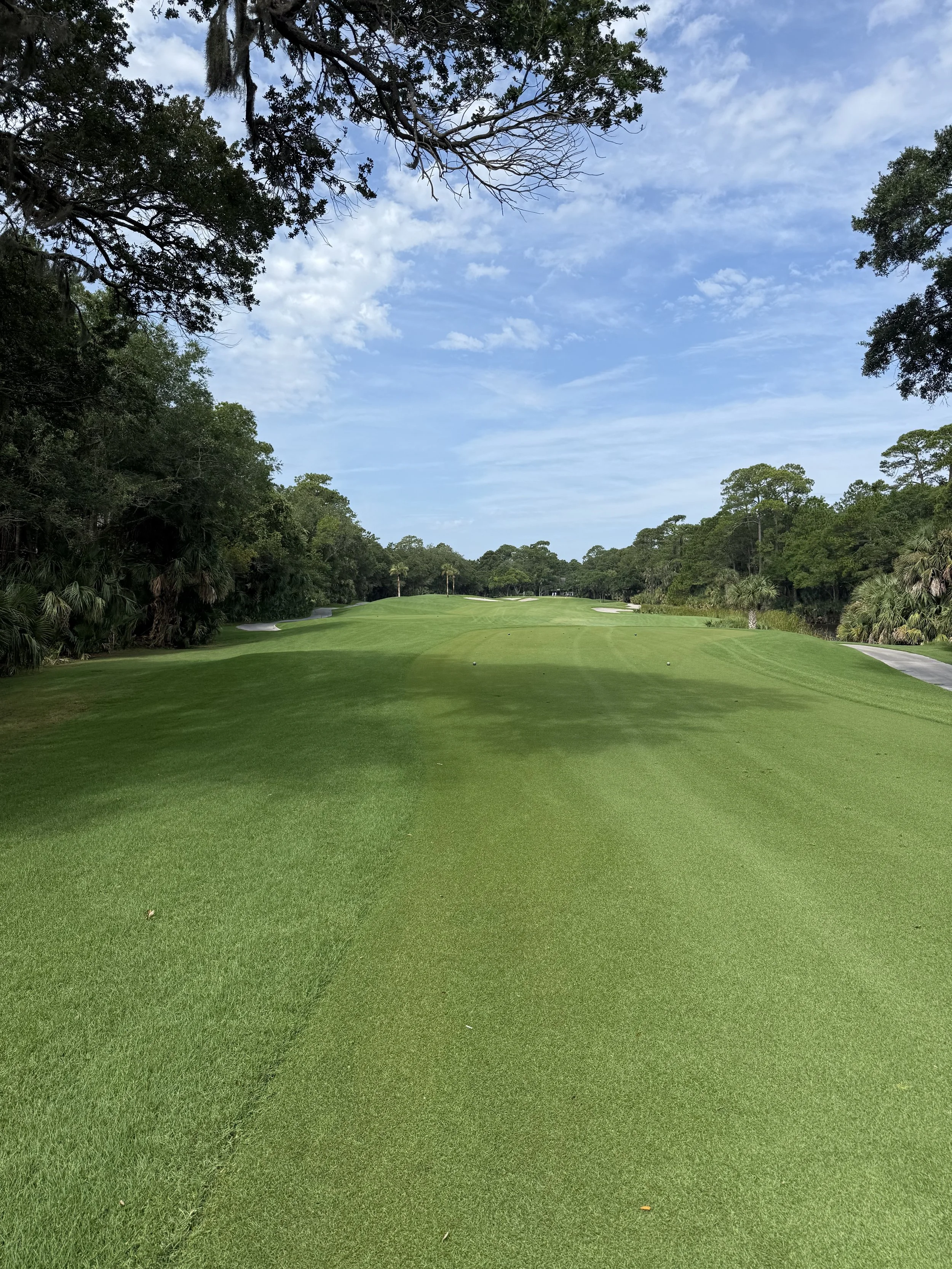
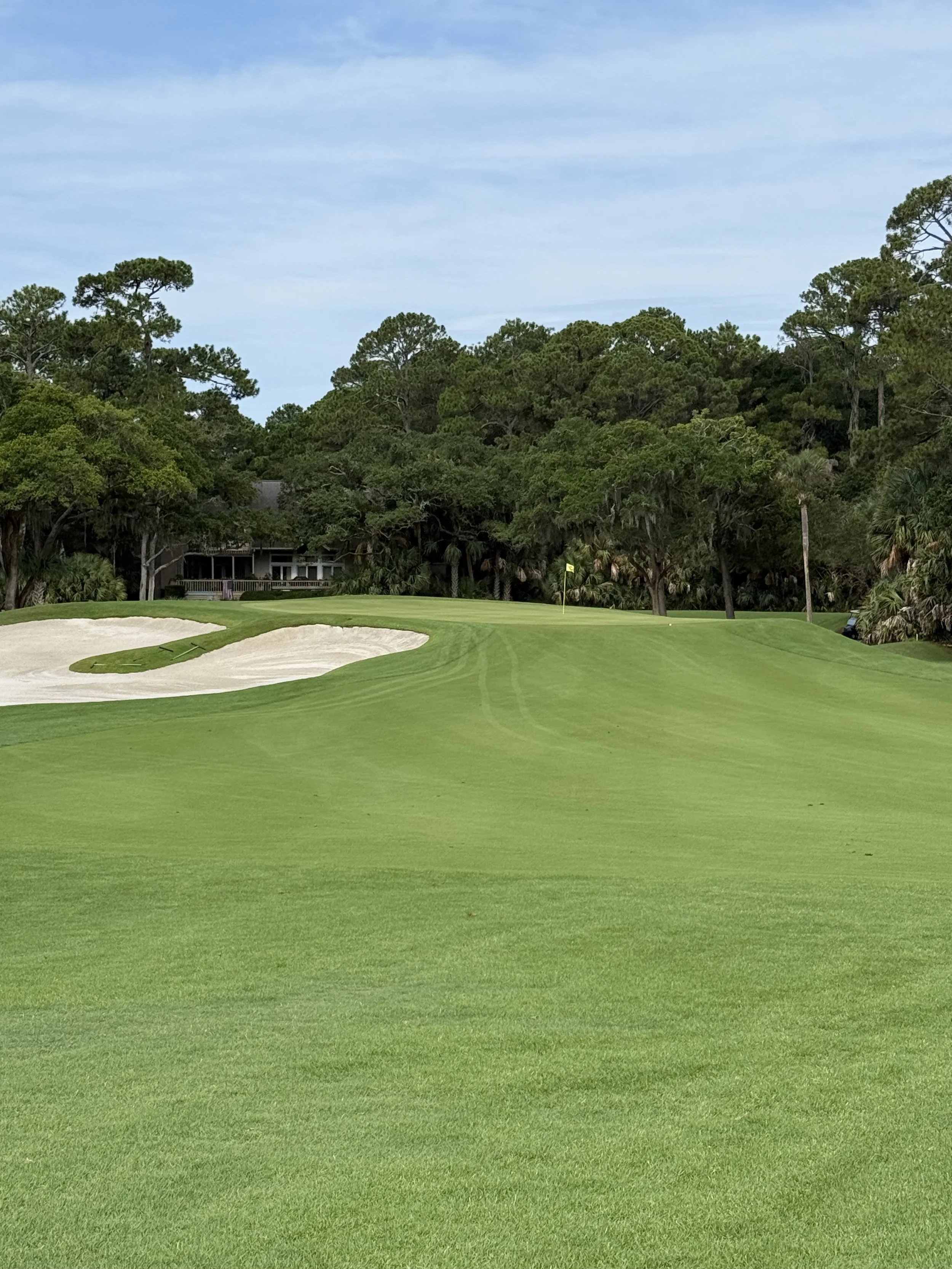
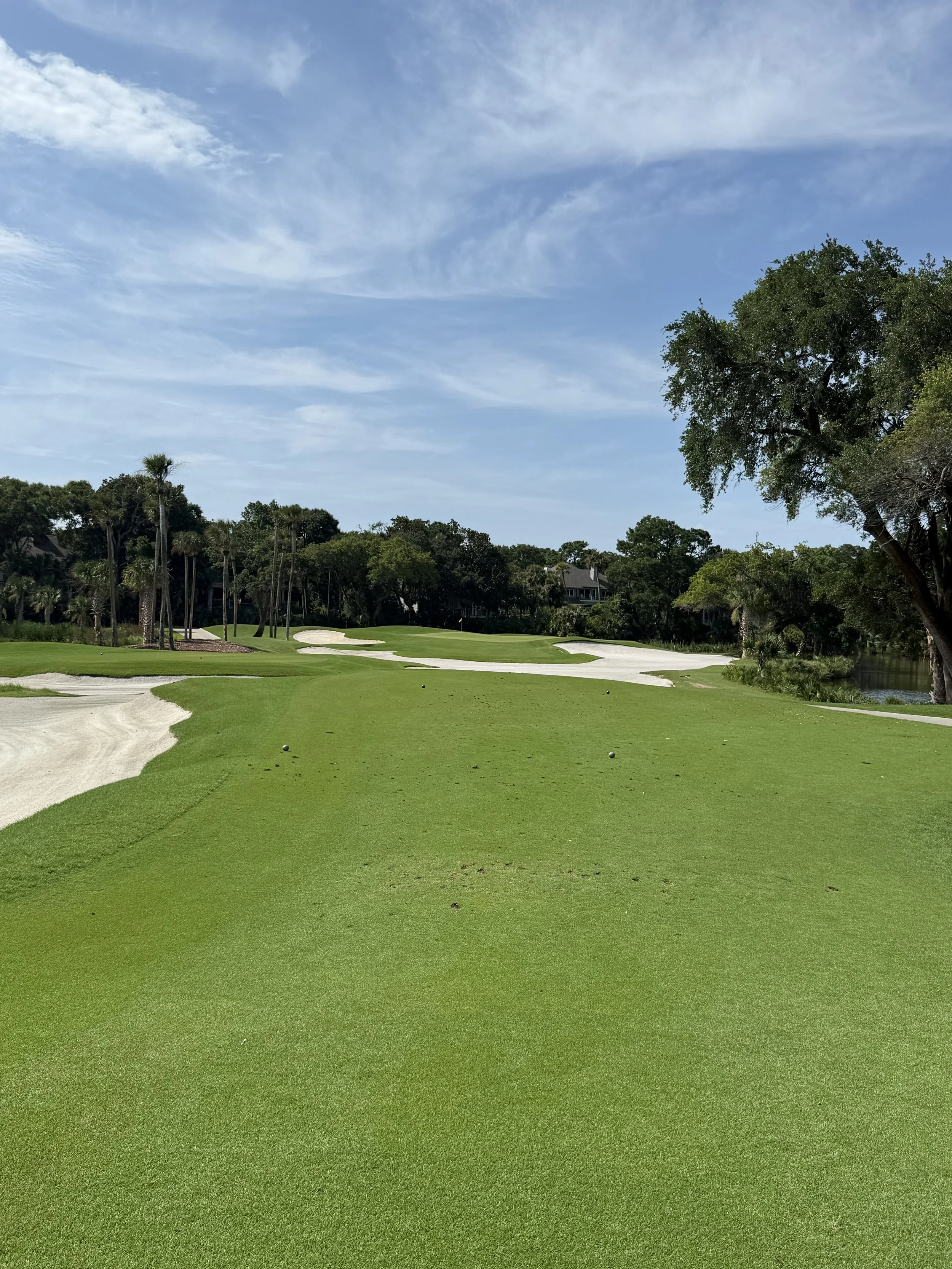
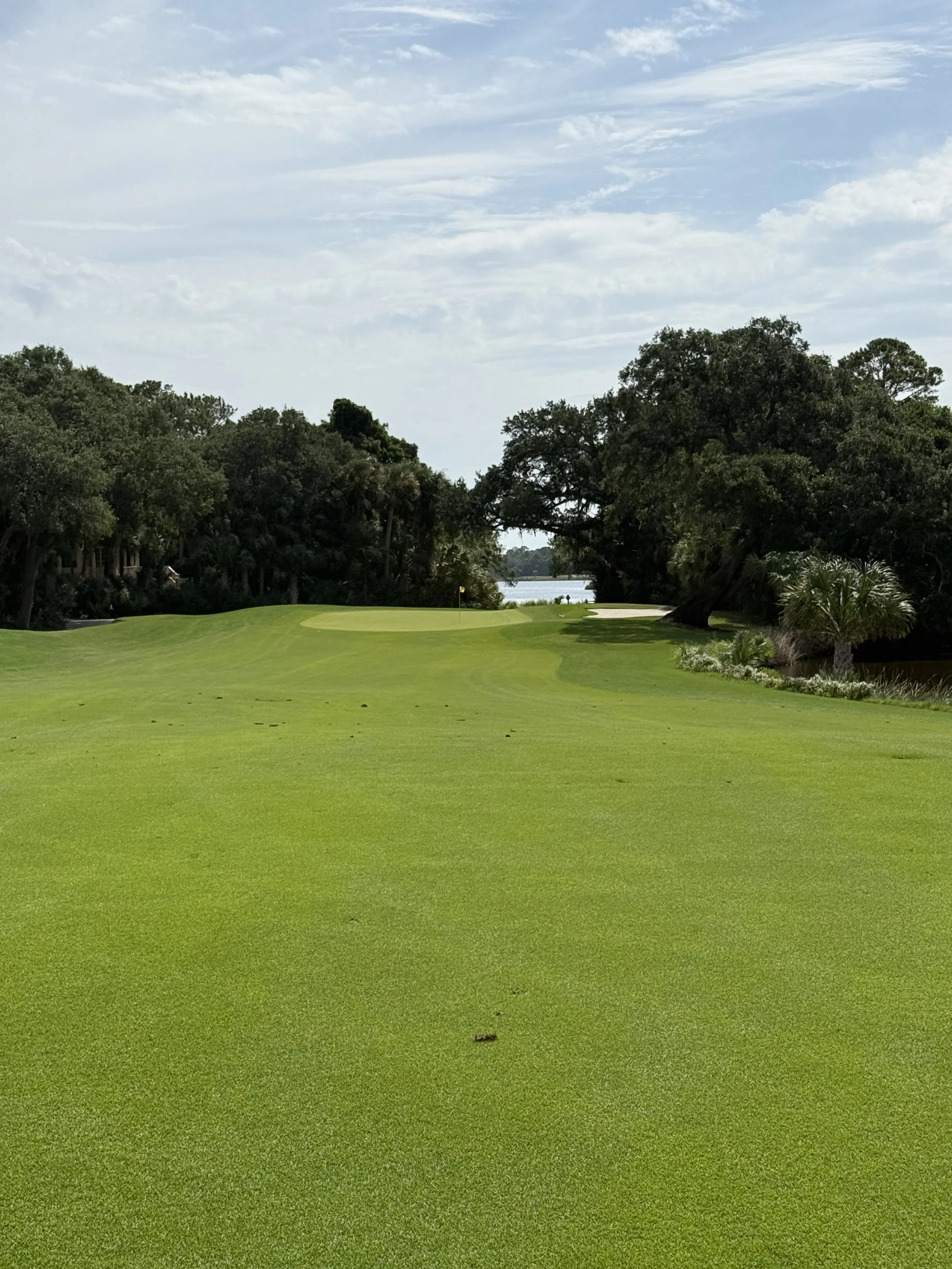
Osprey Point opened in 1988 and was designed by Tom Fazio. Fazio returned in 2014 for a major renovation that updated the course while keeping much of the character of the original design intact. Coming to Osprey after playing the Ocean Course made for an interesting contrast. The Ocean Course is wide open and exposed, while Osprey spends much of the round tucked into the maritime forest. Live oaks, palmettos, lagoons, and marsh frame the holes and give the course a much more intimate feel.
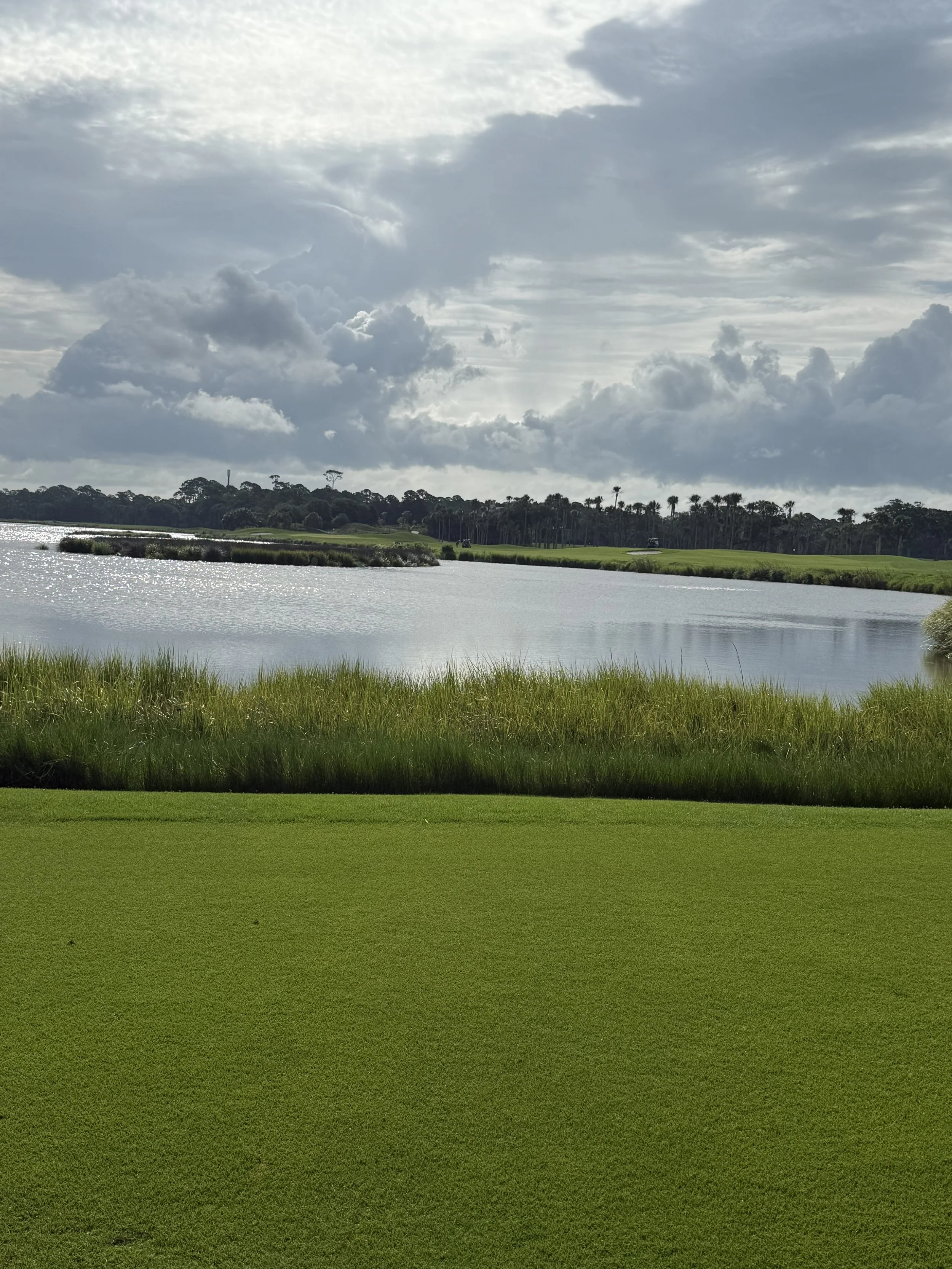
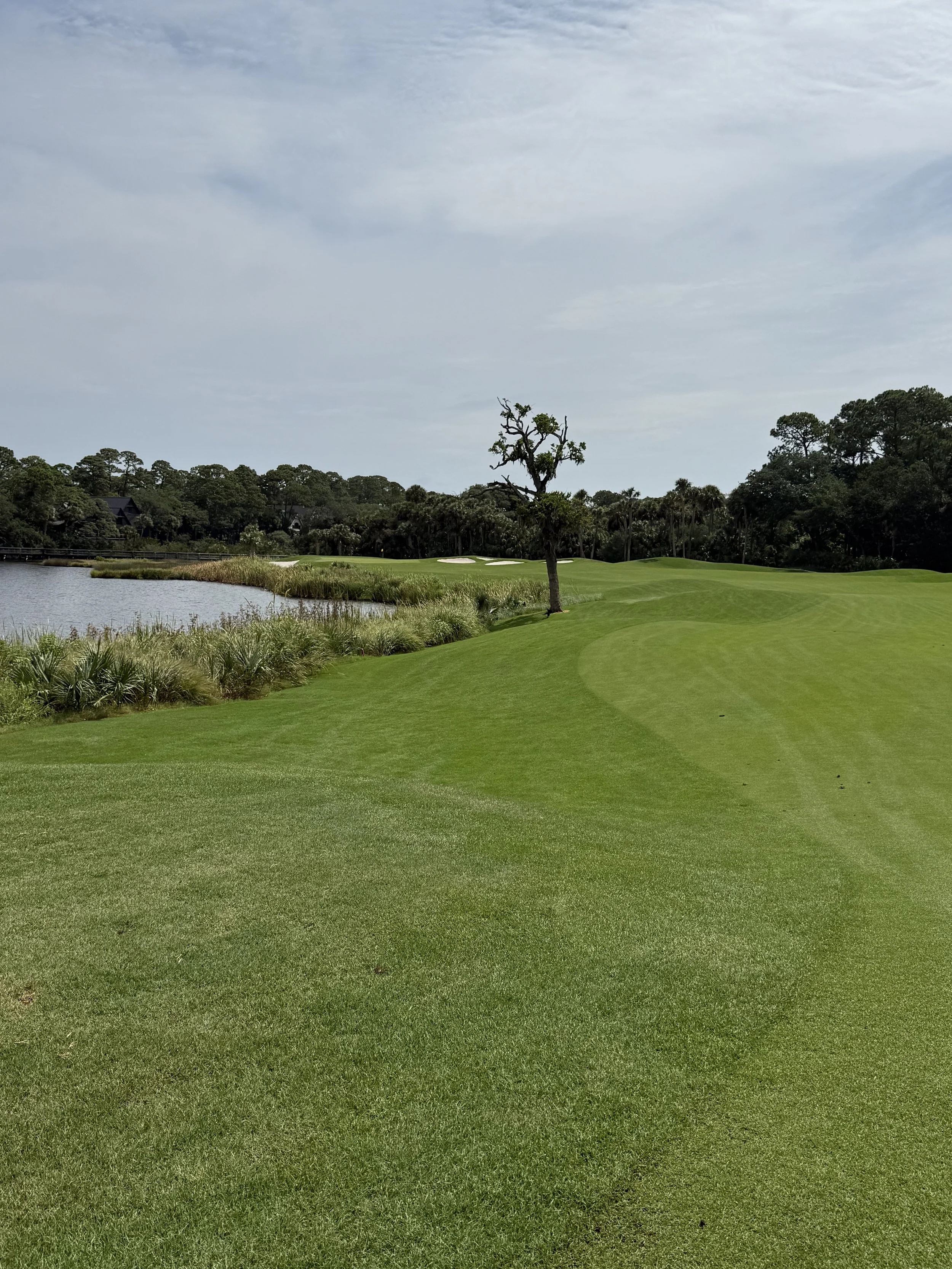
You get a good taste of that setting early at the par 3 third. The hole requires a carry across the marsh to the green and is one of those holes that immediately reminds you where you are. It is not an overly complicated par 3, but the marsh between you and the green makes the shot considerably more interesting.
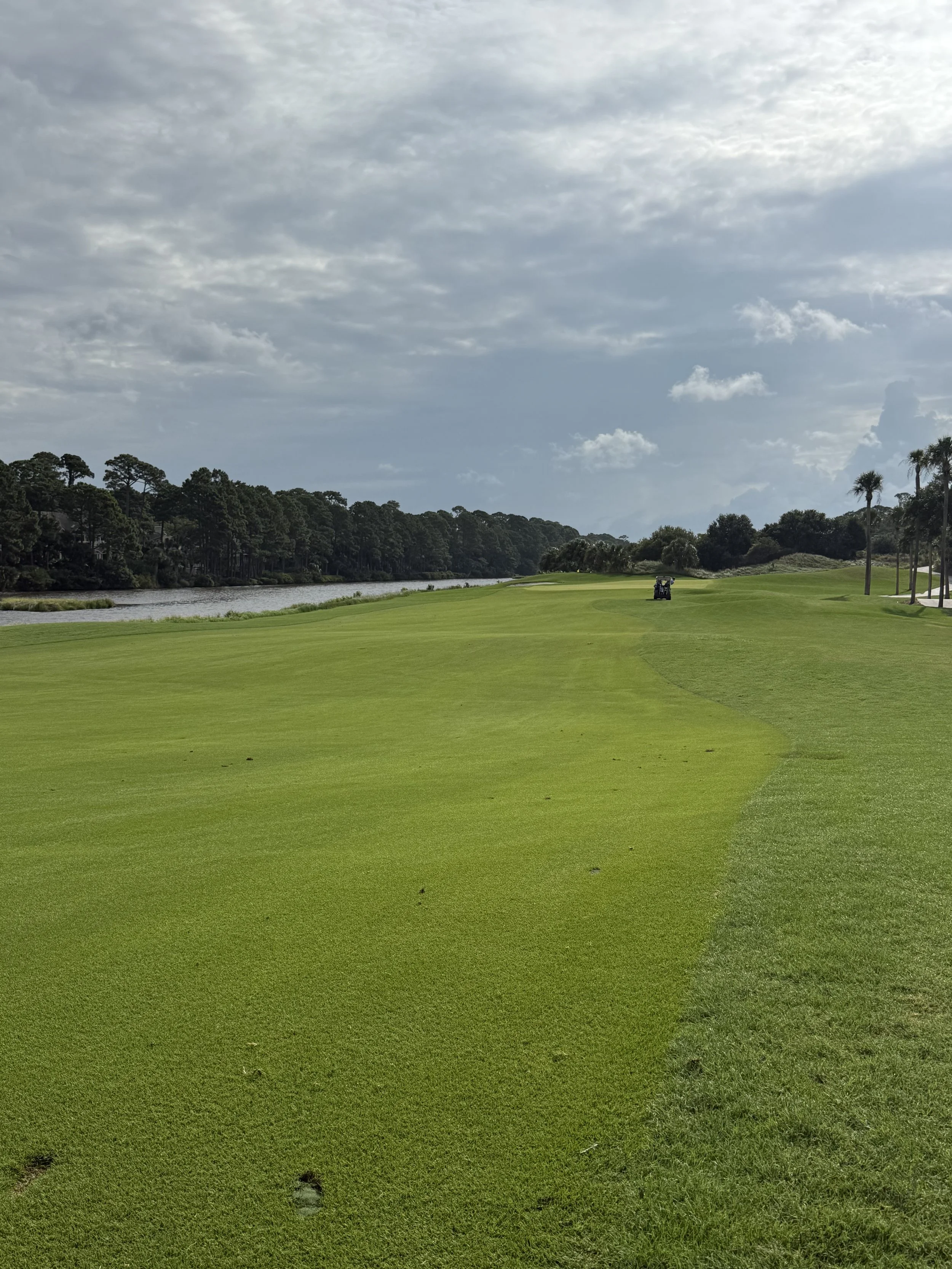
No. 9 was one of my favorite holes of the day and is a great way to finish the front nine. The long par 4 bends around water down the left side, and the more you are willing to challenge the water, the shorter your second shot becomes. We had a crossing wind coming from the left that morning, which made the aggressive line a little more tempting. You could take the tee shot farther left knowing the wind should help push the ball back toward the fairway. Playing safely out to the right takes the water mostly out of the equation, but it leaves a much longer approach into the deep green. It was a fun hole to play in those conditions.
We also decided to play Wolf during the round, which added a little more strategy and competition to the day. With four players, the order rotates so one person is the Wolf on each hole. The Wolf hits first, then watches each of the other three players tee off one at a time. After each shot, the Wolf can choose that player as his partner or pass and wait to see the next shot. Once you pass, you cannot go back. The Wolf can also decide to play alone against the other three players for additional points. It is a great game for a foursome because the teams are constantly changing and every tee shot suddenly has a little more riding on it.
The closing stretch was probably my favorite part of Osprey.
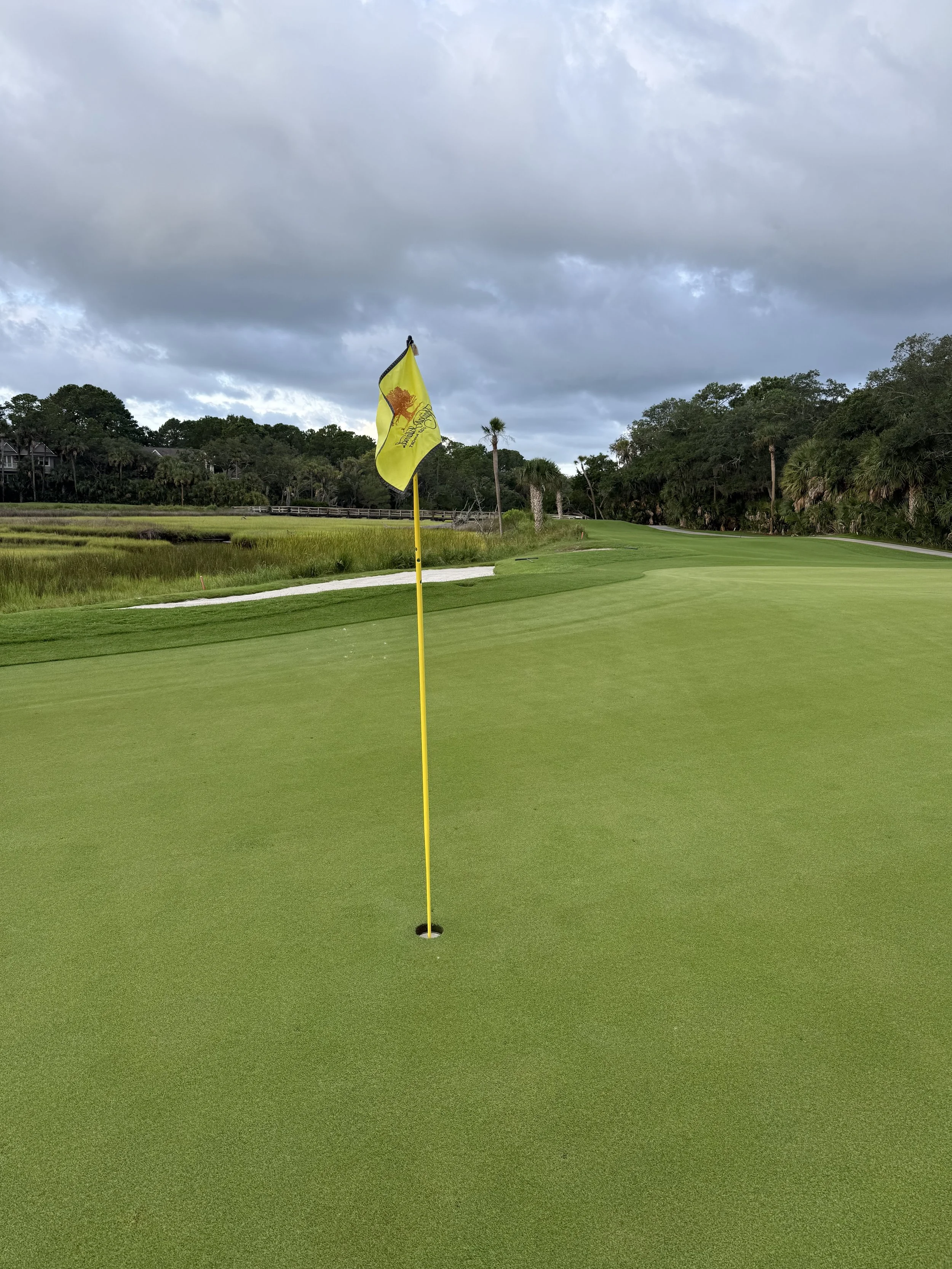
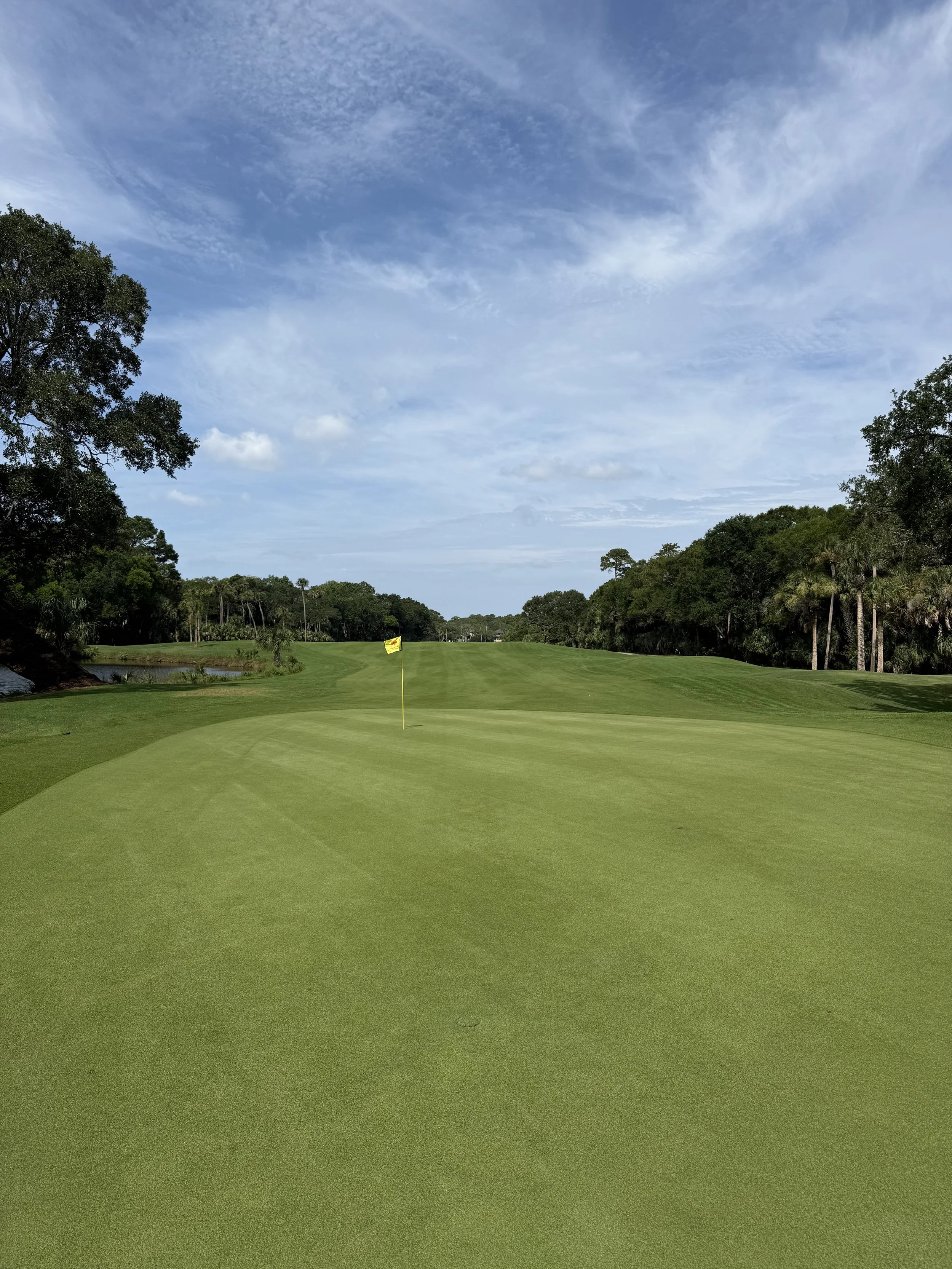
No. 15 is a short par 3 with one of the more memorable looks on the course. A huge expanse of sand wraps around the front and right side of the green, making it almost look like an island green from the tee. The green itself has a ridge running diagonally through it, so simply finding the putting surface does not necessarily mean the work is over. Get on the wrong side of that ridge and you can quickly have a difficult two putt.
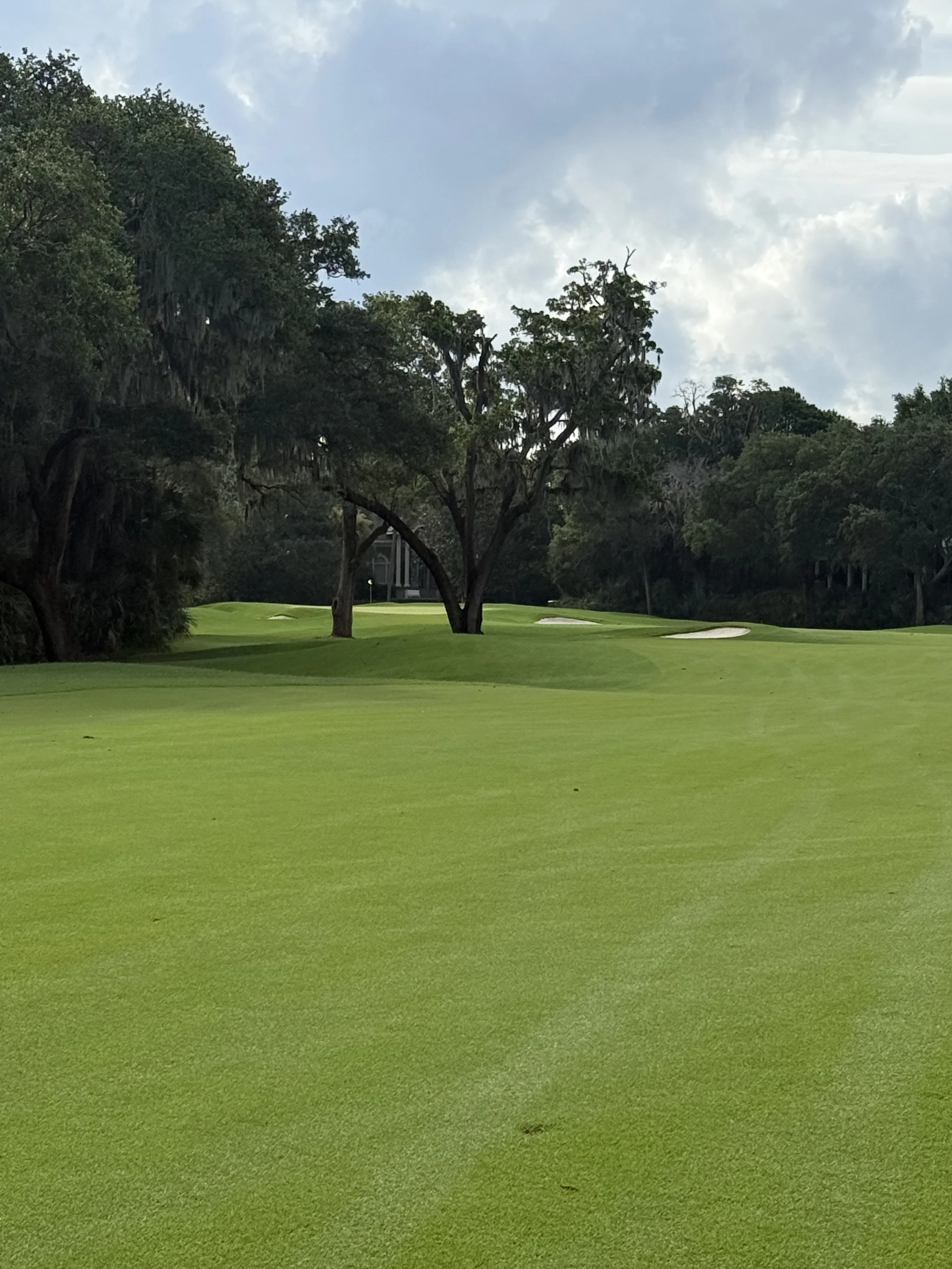
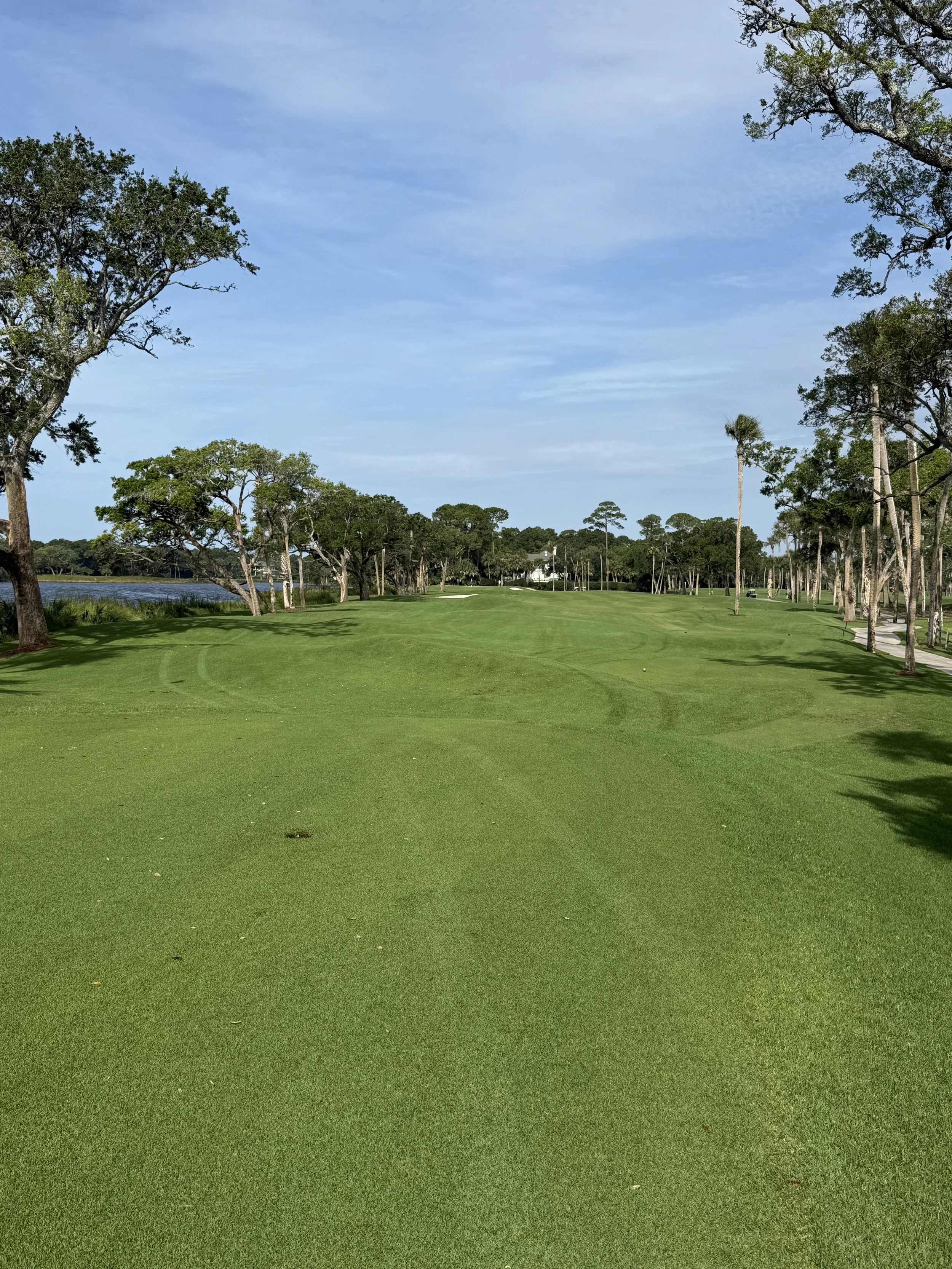
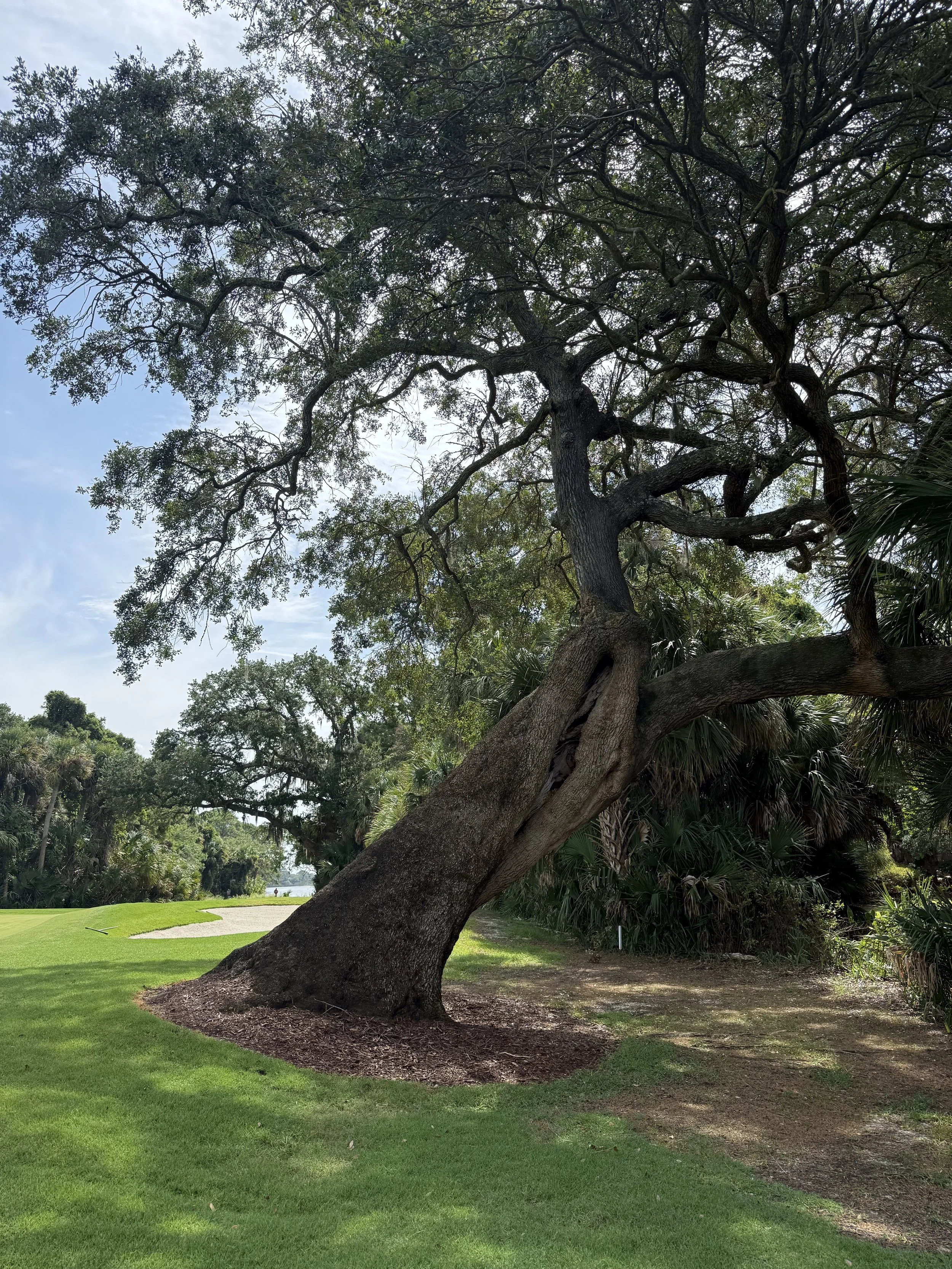
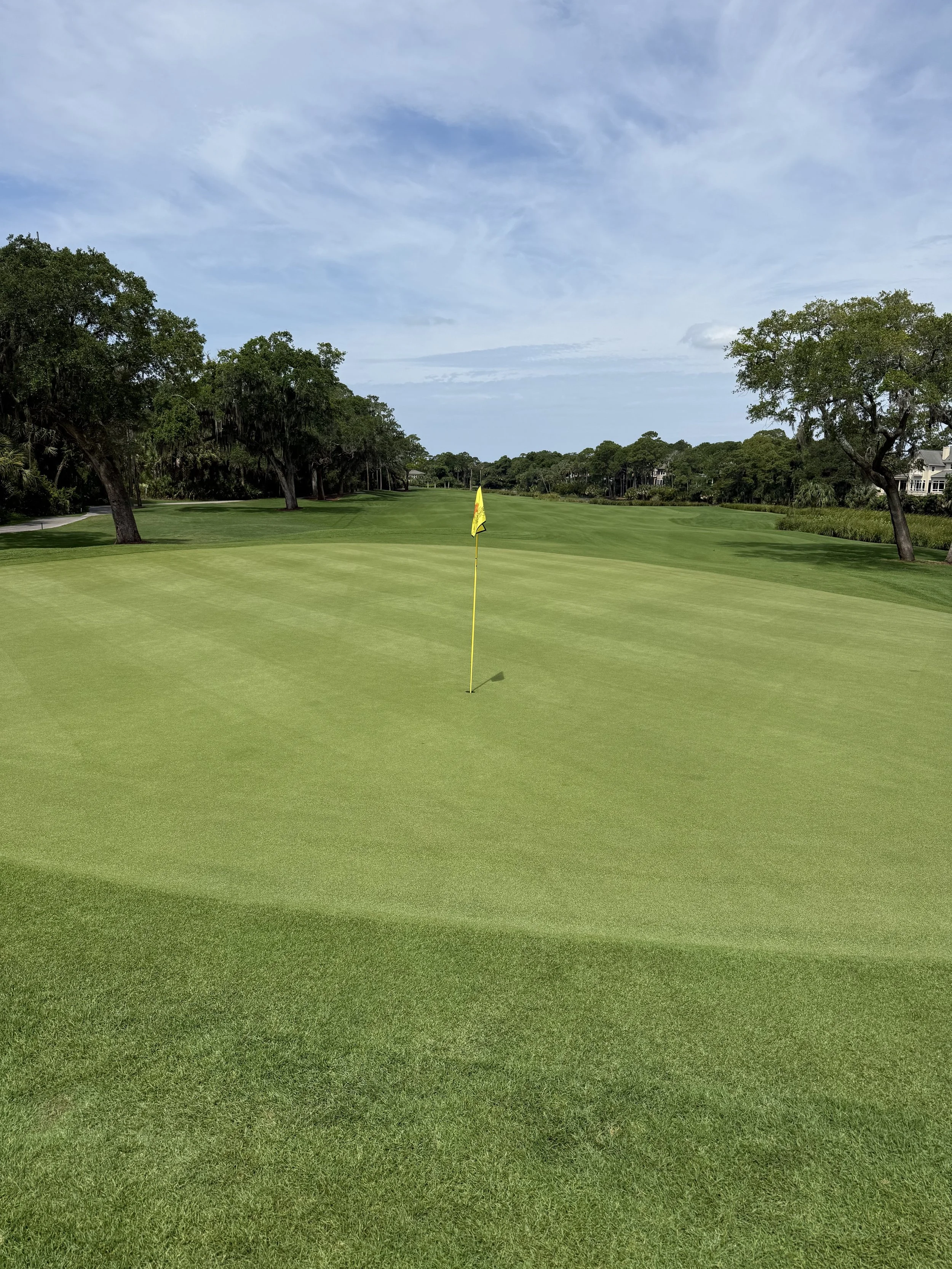
The par 4 16th was another hole that stood out to me, particularly on the approach. A great old oak sits short and right of the green and helps frame the entire shot. It is a simple feature, but probably one of my favorite details on the course. The oak, surrounding trees, and deep green make the hole feel distinctly Lowcountry. Those natural features are a big part of what I enjoyed about Osprey.
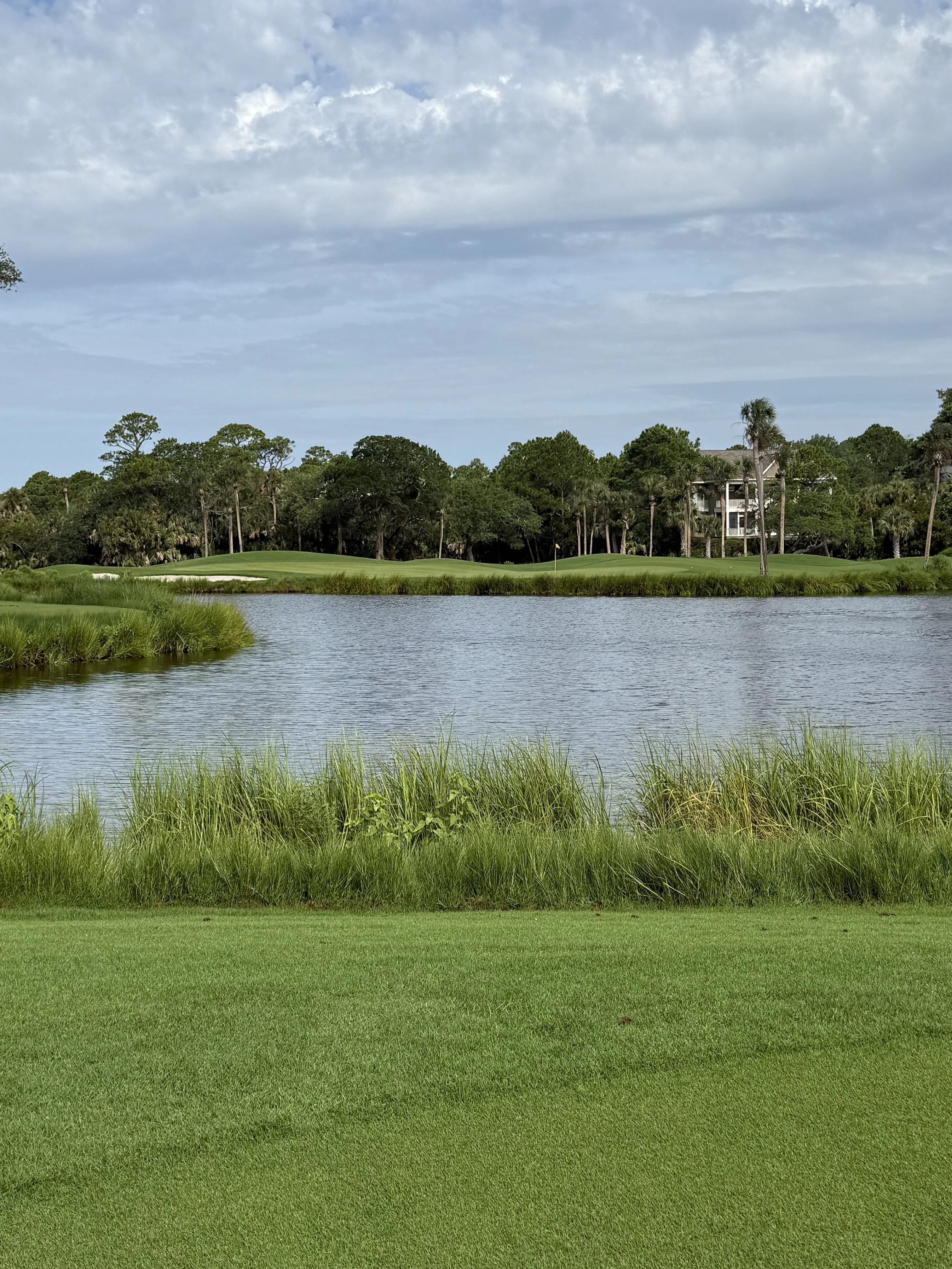
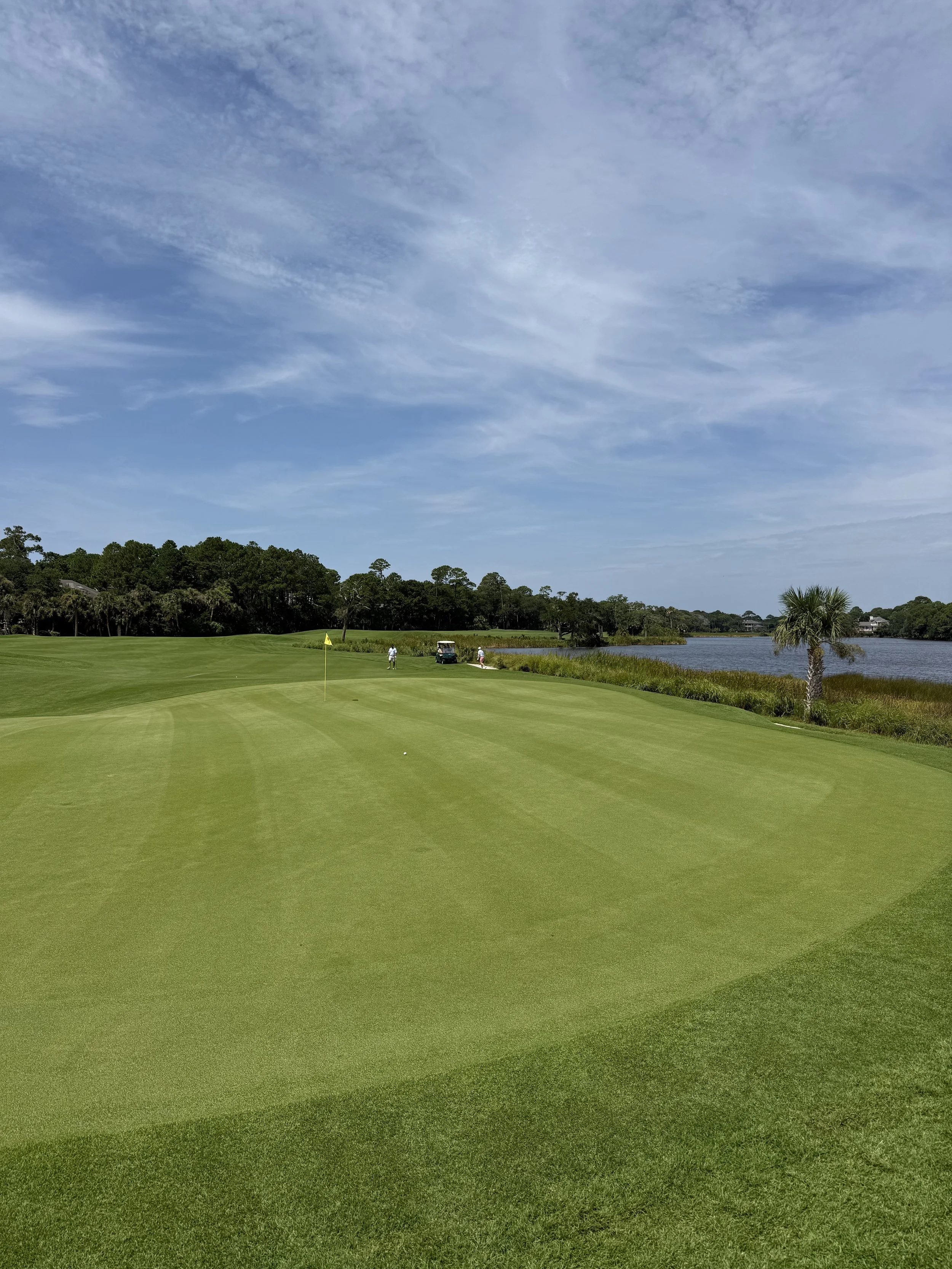
Osprey finishes with a really good risk reward par 5. No. 18 bends left with water following essentially the entire inside of the hole. The more water you challenge from the tee, the better chance you have of getting home in two. There is plenty of room to play the hole more conservatively out to the right, but the fairway starts working toward the water as you get closer to the green. The putting surface is long and narrow with water left and bunkers to the right, so there is still plenty to think about even after a good drive.
I thought 15, 16, and 18 were a good representation of what I liked about the course. They are three very different holes. One uses sand and green contours to create most of the interest, another is framed by mature oaks, and the last asks how much water you are willing to challenge to finish the round.
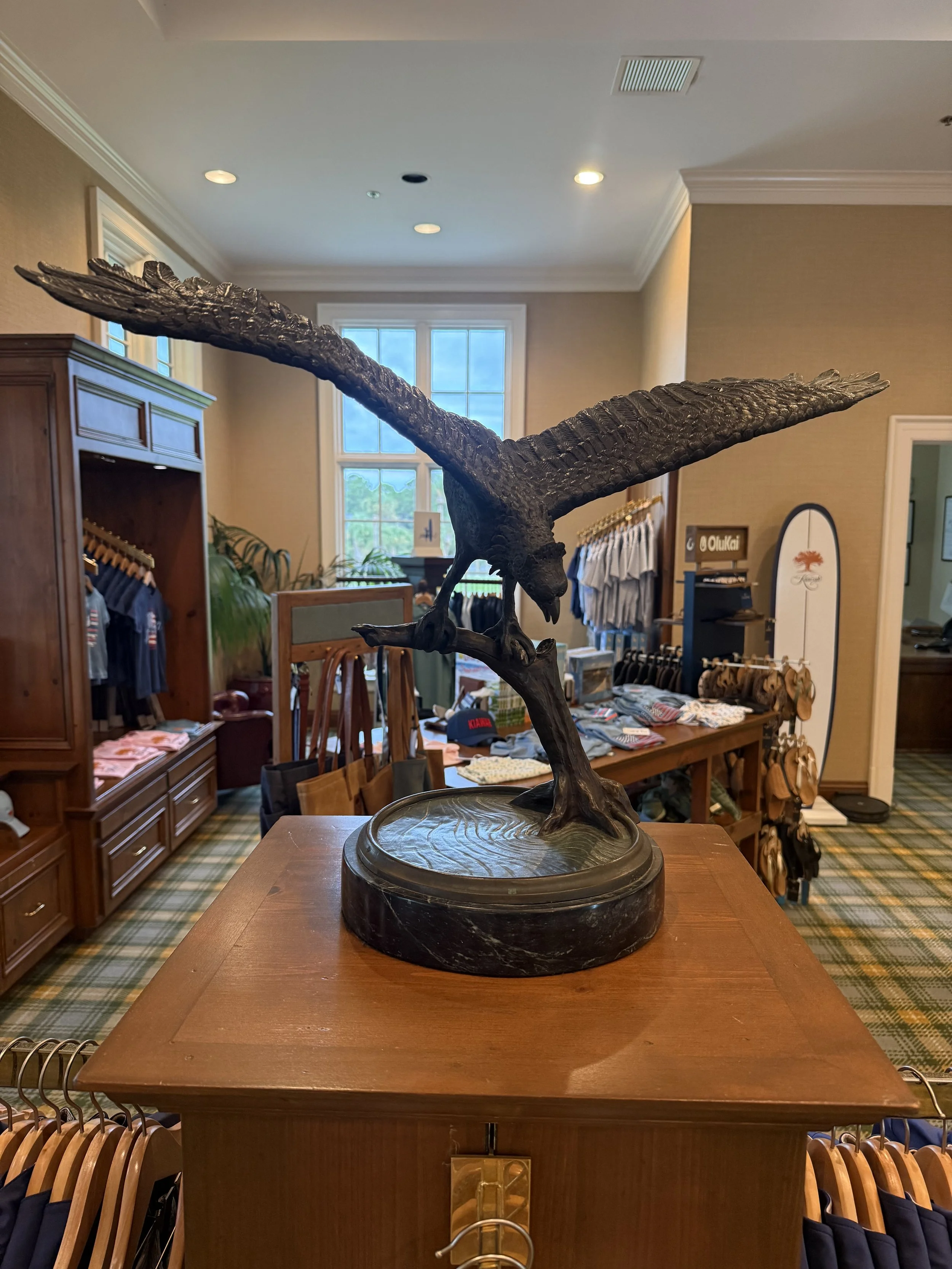
That variety was probably my biggest takeaway from Osprey Point. It does not have the same drama or scale as the Ocean Course, but it really does not need to. Fazio uses the natural Lowcountry setting well, and the course has plenty of character without feeling like it is trying too hard to create it. It was really neat to see several Osprey nests along the course. You could see some new hatchlings surveying the course, sitting high on a nest. We also saw several Ospreys hunting in the marsh areas, dive bombing the water, taking their fresh catch back to the nest.
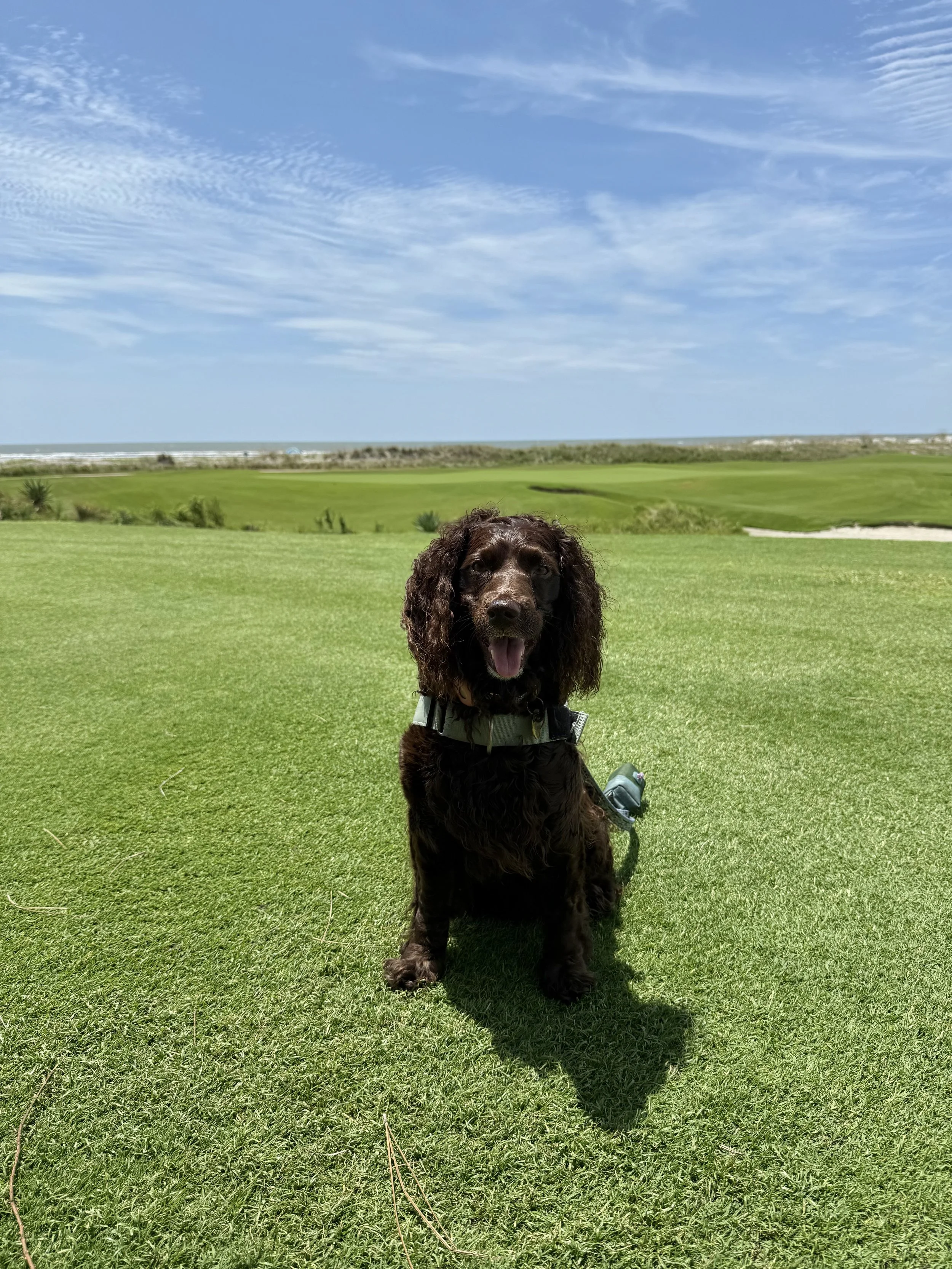
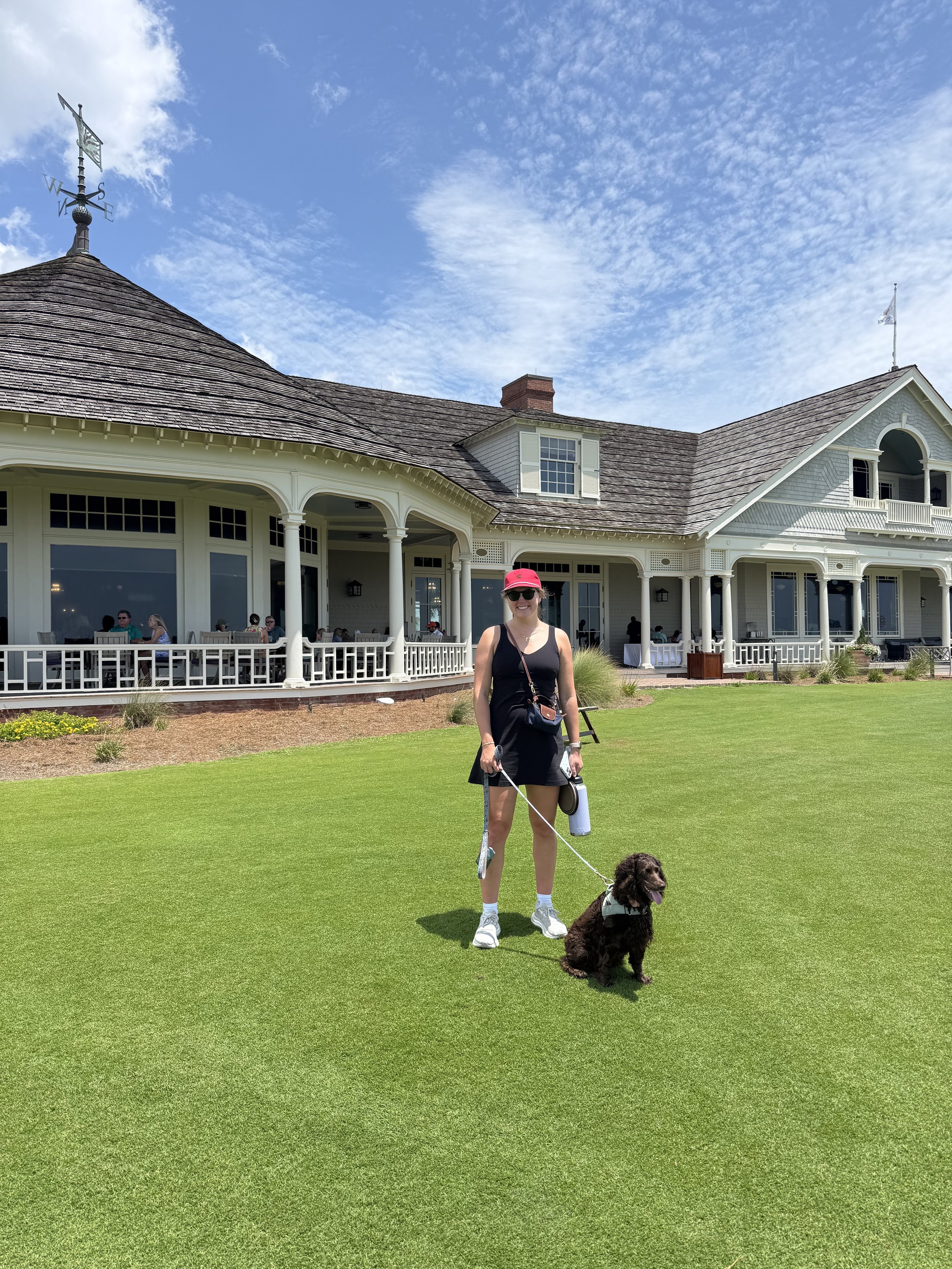
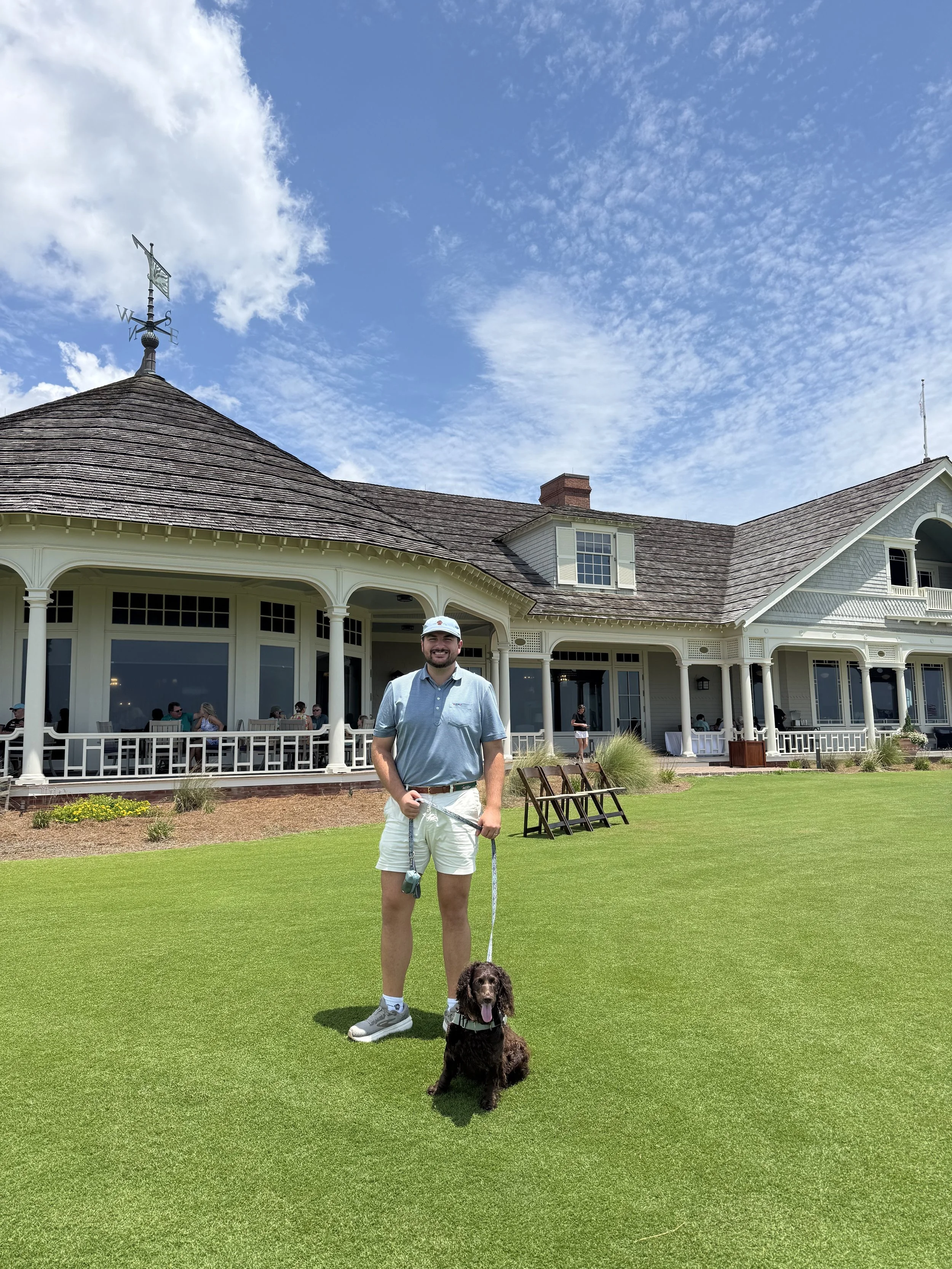
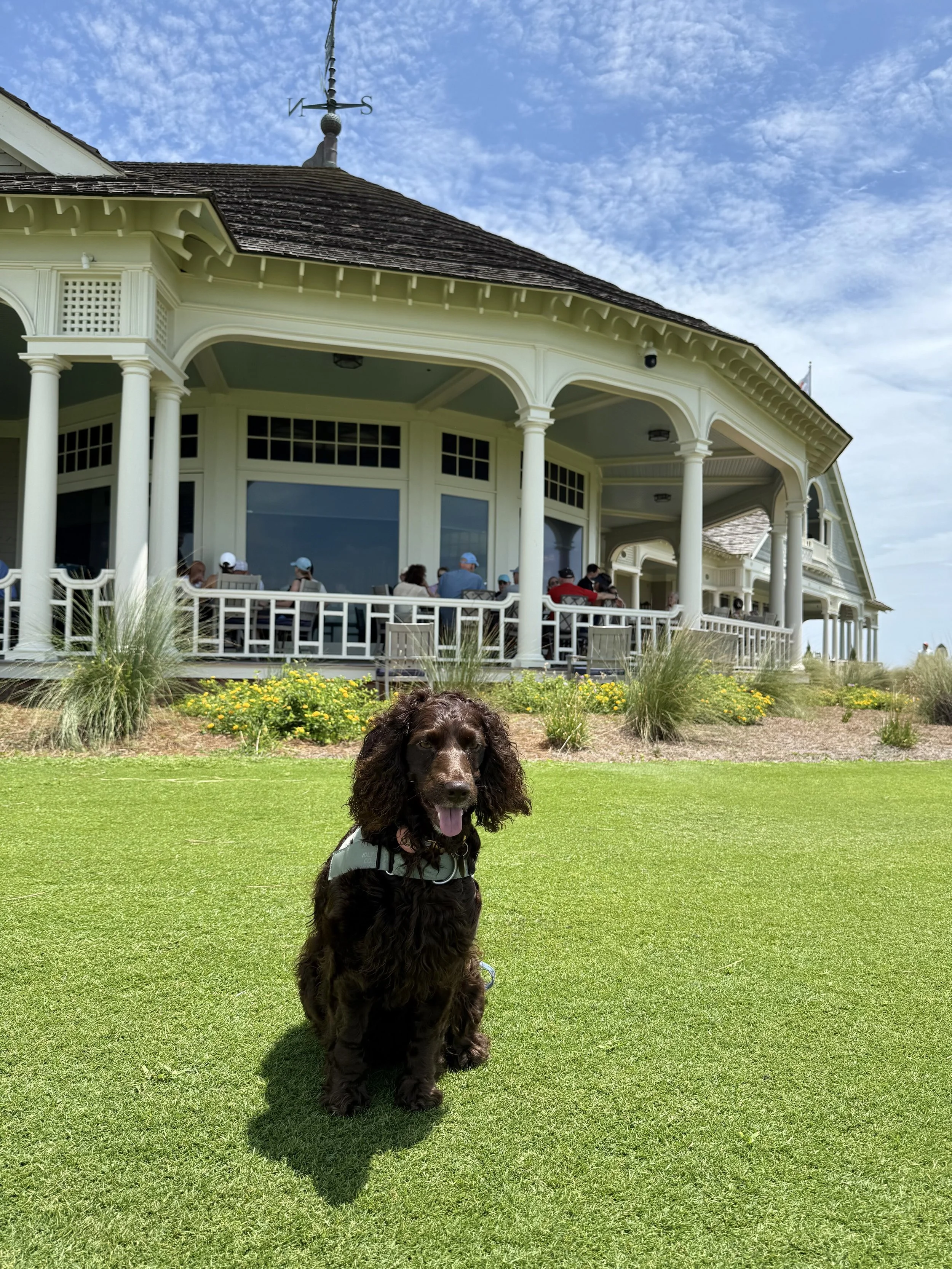
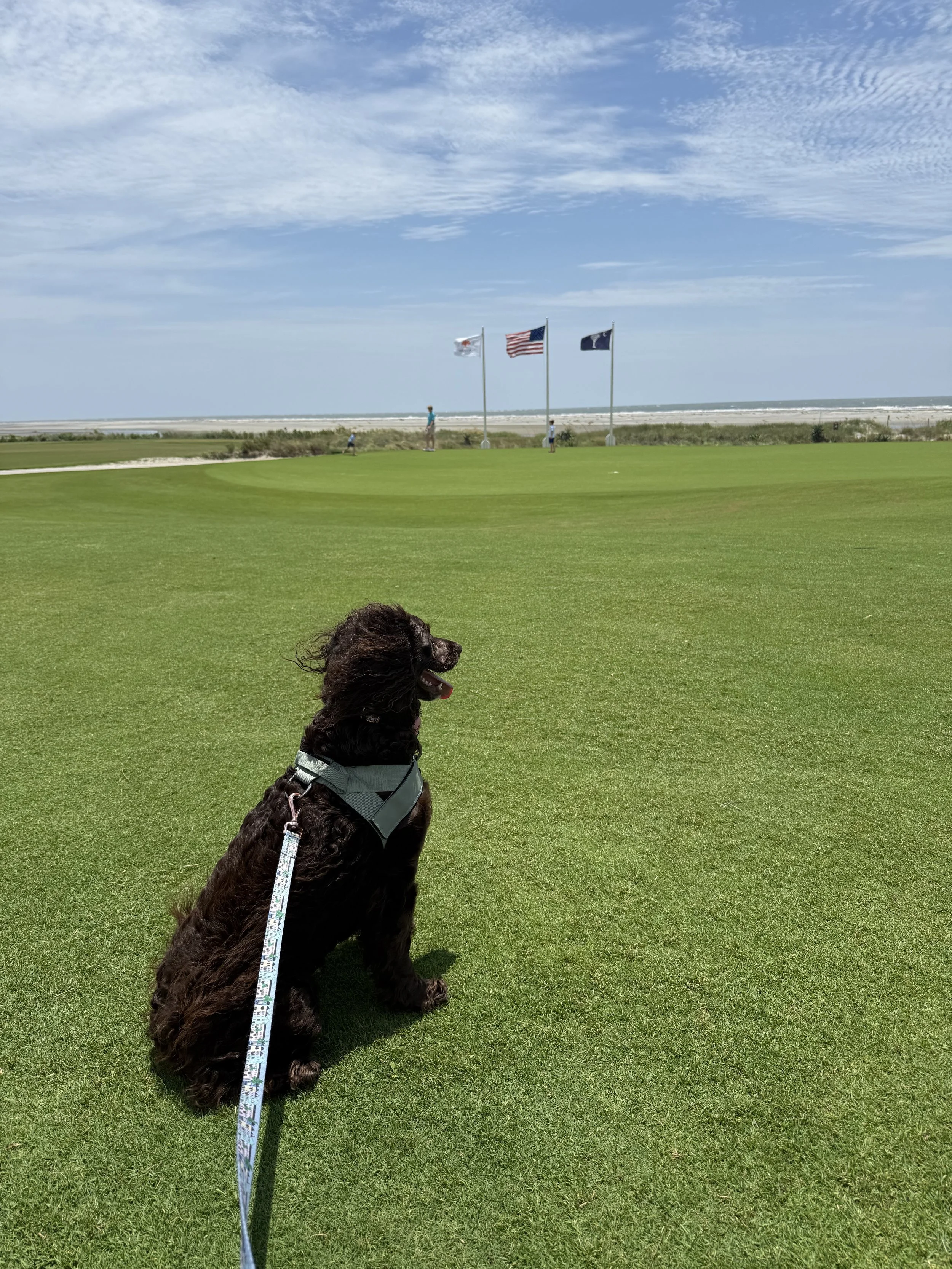
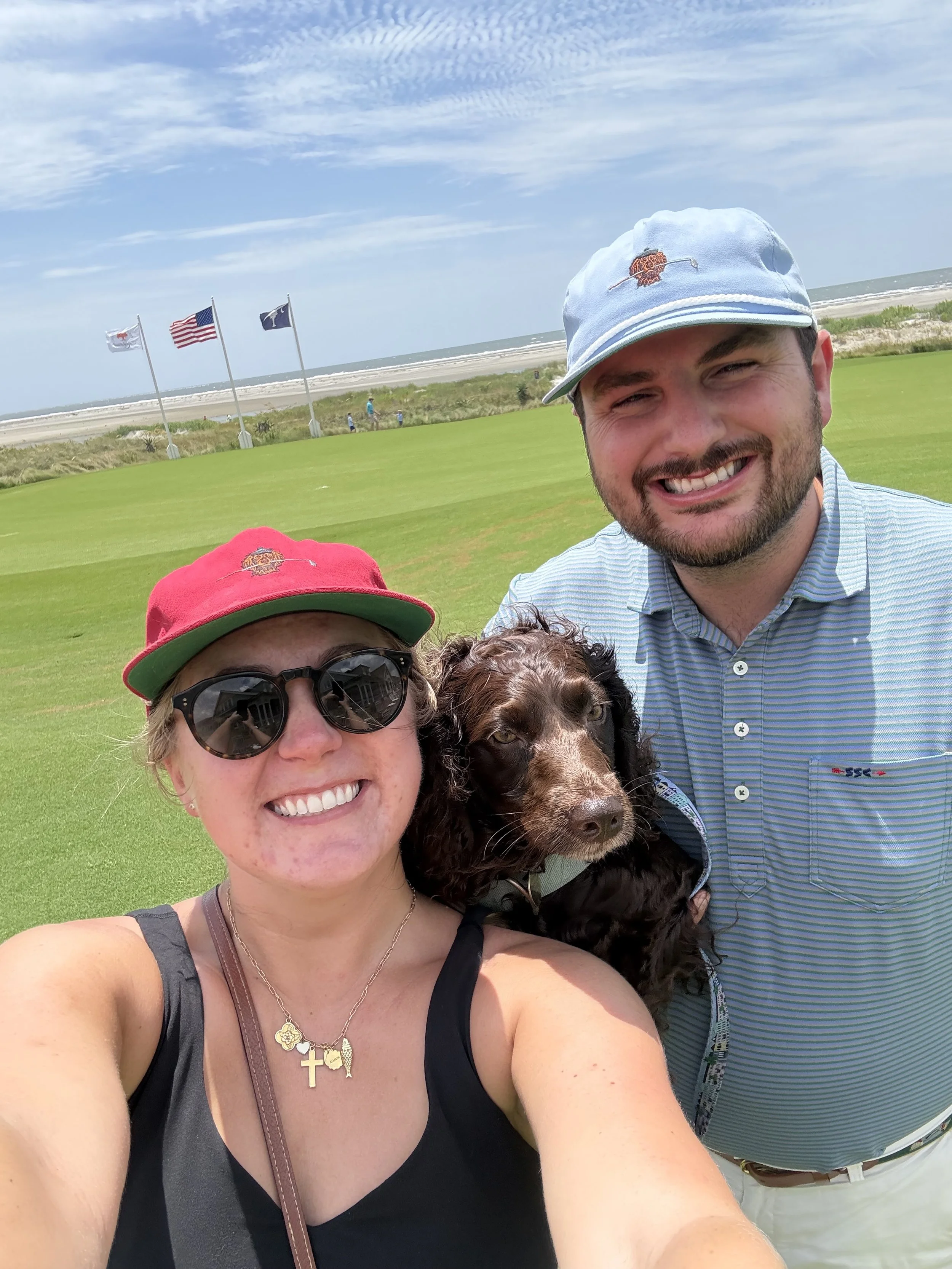
After the round, I met back up with Hannah and Wellington and we headed over to the Ocean Course for lunch at the Ryder Cup Bar. Their patio is dog friendly, so Wellington was able to join us overlooking the course and ocean. It was a hot July day, but the breeze coming off the Atlantic made sitting outside surprisingly comfortable and was a great way to wrap up the morning at Kiawah.
A morning with Joe, Mac, and Nick, a competitive game of Wolf, somehow dodging the thunderstorms, and lunch with Hannah and Wellington afterward made for a pretty good second stop in my Kiawah goal.
The Ocean Course was first. Osprey Point was number two.